REVIEW · COOKING CLASSES
Budapest Cooking Class & Market Tour with Local Guide & Wines
Book on Viator →Operated by Foodapest Experiences · Bookable on Viator
A market walk turns into dinner. This Budapest class starts at Central Market Hall with tastings, then moves to a cozy kitchen where you learn hands-on Hungarian cooking. I love the step-by-step feel of the lesson and the fact that it comes with real context for why the food tastes the way it does. One thing to keep in mind: it’s a group activity with some walking, and the space can feel tight on busier days.
If you want a foodie afternoon that’s also social and practical, this is a great bet. You’re not just eating; you’re shopping for ingredients, learning techniques you can repeat at home, and sitting down family-style. The best part is how quickly you’ll go from sausage-and-pickle sampling to cooking your own paprika-driven main.
In This Review
- Key highlights that make this class worth your time
- Central Market Hall: tastings that teach you what Hungary cooks with
- The walk to the kitchen: short transfer, real-world planning
- Cozy apartment kitchen: how you actually learn Hungarian dishes
- What you’ll cook and eat: lecsó, dumplings, and a full Hungarian spread
- Wine, palinka, and the social dining pace (plus non-drink alternatives)
- Diet options in the real world: what’s offered, and what you should ask
- Group size, comfort, and how the room can affect the experience
- History and context: why the stories matter (not just the food)
- Price and value: is $99 a fair trade for 4 hours?
- Who this cooking class is perfect for
- Who might want to choose another option
- Should you book this Budapest market-to-cooking class?
- FAQ
- How long is the Budapest Cooking Class and Market Tour?
- Where do we meet, and where does it end?
- Is the tour offered in English?
- How many people are in the group?
- What dishes and tastings are included?
- Are dietary options available?
- Is wine included?
- Is there walking involved during the tour?
- What is the cancellation policy and what happens if it’s canceled?
Key highlights that make this class worth your time
- Central Market Hall tastings first: cured meats, cheeses, pickles, palinka, and wine sampling before the apron goes on.
- Family-style cooking in a homey apartment: instructions feel more like dinner at someone’s place than a demo show.
- Hungarian dumplings and paprika comfort food: you’ll work with dishes like lecsó with dumplings (and in many sessions, dumplings show up again).
- Local wine pairing + plenty of snacks: the meal rhythm includes tastings while you cook and sit together afterward.
- Dietary swaps available: gluten-free, vegan, and vegetarian options are offered on request.
- Small-group format (up to 12): you’ll get more hands-on time than the big crowd tours.
Central Market Hall: tastings that teach you what Hungary cooks with
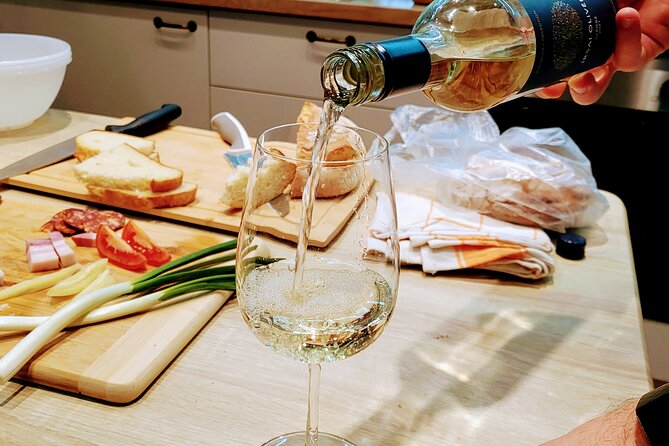
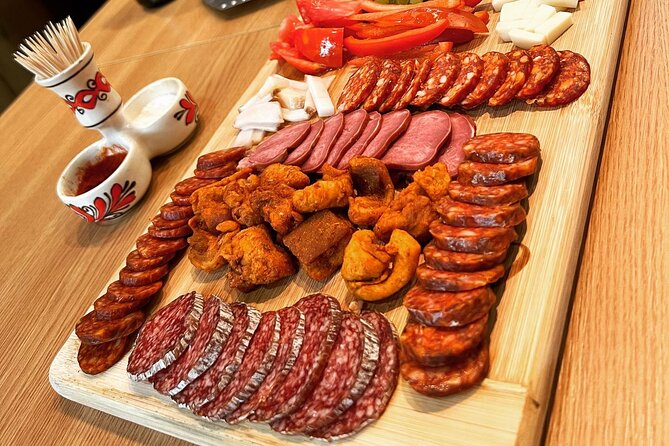
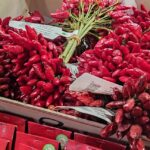
Your afternoon begins at Central Market Hall (Central Vásárcsarnok), one of the best places in Budapest to understand Hungarian food at ingredient level. You’ll walk the market, taste what real producers bring in, and get a quick sense of the flavors that Hungarian kitchens lean on: cured pork, soft cheeses, sharp pickles, and that signature paprika warmth.
I like this start because it avoids the usual cooking-class trick where you arrive already shopping-free. Instead, you build your dinner from the actual market environment. The snack stops matter too. Expect a spread that can include:
- cured salamis and cheeses
- exotic-style Hungarian pickles
- a palinka taster (Hungarian fruit brandy)
- wine pairing from local wineries
That sounds like a lot, but it works because it’s pacing-friendly. You’re not stuffing yourself right before class. You’re learning the “cast of characters” you’ll cook with and then getting context on how these foods fit into everyday Hungarian meals.
One small practical note: the market is big and busy, so plan for real walking time. In a mobility-focused comment shared by a past participant, the walk through the market was about 30 minutes, followed by another short transfer on foot to the nearby apartment kitchen.
You can also read our reviews of more guided tours in Budapest



The walk to the kitchen: short transfer, real-world planning
After the market, you head to the cooking location, typically a nearby apartment-style venue. Expect a walk segment that’s usually described as around 15 minutes, depending on the route and where the group gathers.
This matters for two reasons:
1) you’ll be on your feet before you ever turn on the stove, and
2) you’ll want to carry only what you need—no grocery-bag chaos.
Also, if mobility is a concern, know that Central Market Hall access can vary day to day. One participant noted the elevator was broken during their visit, while the escalator worked. The takeaway for you: don’t assume the smoothest route on the day. If you use a wheelchair or need step-free movement, plan to be flexible and give yourself time.
Cozy apartment kitchen: how you actually learn Hungarian dishes
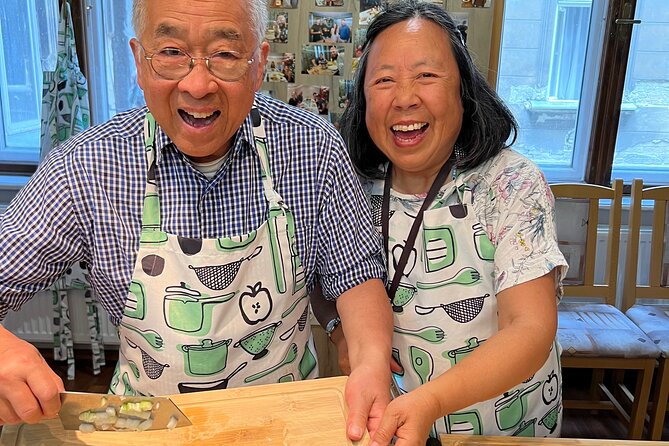
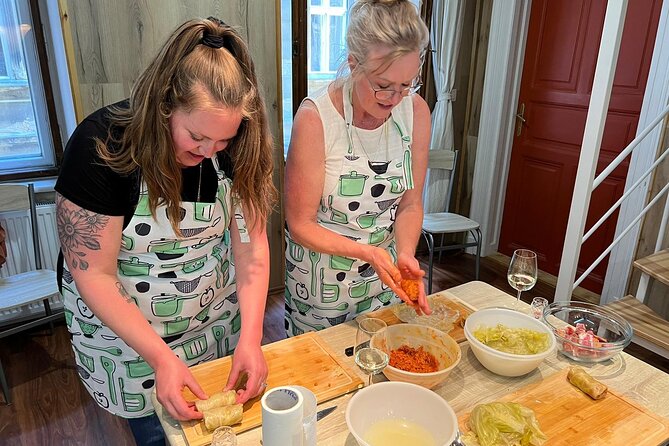
Once you’re in the kitchen, the atmosphere is the point. This isn’t a sterile classroom setup. Past participants describe it as decorated to feel like a real home kitchen—space that encourages conversation while you cook.
And the teaching style tends to follow a very practical pattern:
- step-by-step guidance as you prep
- clear instruction on how to handle core Hungarian flavors (especially paprika and the dumpling component)
- time to participate, not just watch
I also like that guides often bring their personality into the room. Names you may meet here include Kinga, Mesi, and Ben. Whether the host is funny and chatty or calm and structured, the common theme is that they keep the group moving and make sure people actually handle ingredients.
You’ll work toward a shared meal. A big part of the appeal is that you leave with something you can recreate. One of the best “at-home value” clues is that many people come away feeling confident enough to cook the dish again—because you’re shown the process, not only the final plate.
What you’ll cook and eat: lecsó, dumplings, and a full Hungarian spread
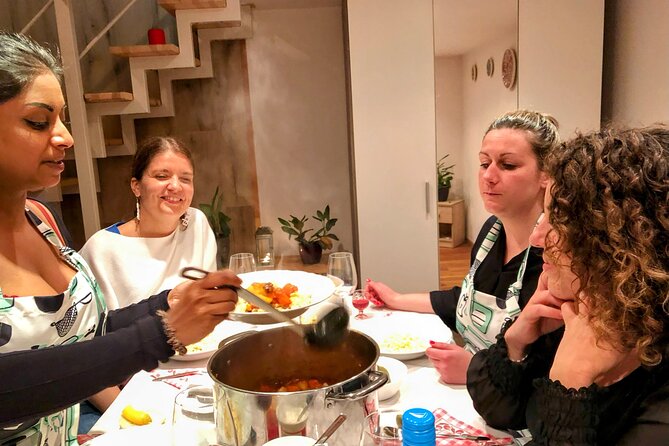
The sample menu sets expectations for what this afternoon really delivers. It typically includes a full meal with tastings, a main you help prepare, and a dessert. Here’s what you can plan around:
Main course (Hungarian sausage lecsó with dumplings)
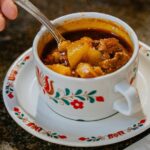
This is listed as the main: Hungarian Sausage Lecsó with Dumplings, described as Grandma’s recipe style. Lecsó is paprika-forward and comfort-food heavy. It’s also a dish that makes sense in a cooking class because you can learn how to build flavor step by step, then turn it into a satisfying bowl.
For gluten-free needs, the menu specifically notes options such as dumplings made without gluten (or dumplings replaced with potatoes, depending on the version). That’s useful because it tells you the class isn’t just saying yes to dietary needs—it’s thinking about substitutions in the way Hungarian home cooks would.
Starters and snack course
Before the meal comes together, you may have:
- selection of Hungarian cured salamis and cheeses
- traditional Hungarian pickles (including exotic-style options)
- palinka tasting
Dessert
A traditional Hungarian pudding is listed. Dessert shows up as part of the family-style meal rather than a rushed add-on, which is how you know they’re treating this like dinner, not a quick activity.
Wine pairing
A wine pairing is included, and the tasting rhythm continues around the cooking time. Some participants also describe extra wine tastings alongside the meal prep, which helps explain why the dining vibe can feel more social than strictly instructional.
One thing to be aware of: exact dishes can shift by date and group, and some sessions mention classics like chicken paprikash with homemade dumplings (sometimes called nakedli in Hungary). The safe rule: you’ll get a paprika-based Hungarian comfort main with dumpling work or dumpling-adjacent components.
Wine, palinka, and the social dining pace (plus non-drink alternatives)
Wine is part of the experience here—starting with tasting and continuing with pairing during the meal. If you drink, this tour’s format can feel like a well-paced, food-first version of a wine afternoon.
If you don’t drink, you still need to know what to expect. One participant comment criticized the alcohol-forward feel of the class and noted that tap water or squash was offered in place of wine for non-drinkers. At the same time, other comments mention flavored water being served along with wine.
So here’s the practical advice: if alcohol matters for you, say it clearly ahead of time. That way the host can guide you to the non-alcohol options and keep the experience comfortable.
Also, palinka tasting is listed. If spirits aren’t your thing, you’ll still be included in the tasting portions, but you can choose how much you actually sip.
You can also read our reviews of more shopping tours in Budapest


Diet options in the real world: what’s offered, and what you should ask
The class lists gluten free, vegan, and vegetarian options available. That’s a big plus because Hungarian cuisine isn’t naturally light on allergens or animal products, so you want a class that knows how to adapt.
That said, be smart about cross-contamination. One past participant reported being told there was potential for cross contamination in a shared kitchen environment. If you have severe needs (especially celiac), this is the moment to ask direct questions before you book.
Use this checklist when you message (or ask on the day):
- Will the gluten-free version be cooked on separate surfaces/tools?
- Can you guarantee no cross-contamination, or is it only reduced risk?
- What substitutions are used for dumplings and flour-based components?
Even without hard guarantees in the data, you can still get clarity on process. And that matters more than a vague promise.
Group size, comfort, and how the room can affect the experience
This experience is capped at 12 travelers. That’s the sweet spot for hands-on cooking because it keeps the kitchen from turning into a crowd-control exercise.
Still, one critique complained about a bigger group feeling cramped and harder to hear, especially at the market. So I’d treat this as a “small group, but not a private dinner” situation. The kitchen is cozy by design. If you hate close quarters, you might feel it.
Two small comfort tips:
- Wear shoes you can stand in for a couple hours.
- If you want to hear stories clearly at the market, choose a spot closer to the guide when the group pauses.
If you love meeting people, the group format is a plus. Several participants describe strangers turning into conversation partners over shared chopping, cooking, and eating.
History and context: why the stories matter (not just the food)
Hungarian cuisine isn’t only recipes; it’s geography and history in a bowl. The market time is used to explain what you’re seeing, and the kitchen time connects those ingredients back to home cooking traditions.
You’ll hear about:
- why paprika is central to so many dishes
- how cured meats and cheeses fit into everyday meals
- how pickles and fruit brandies became part of the Hungarian flavor rhythm
Even better: the history isn’t presented like a lecture. It’s folded into the pace of shopping, tasting, and cooking. That makes the stories easier to remember—and easier to retell at home.
Price and value: is $99 a fair trade for 4 hours?
At $99 per person for about 4 hours, you’re paying for more than a recipe. You’re paying for:
- guided market time (Central Market Hall access, ingredient focus, tastings)
- instruction and hands-on coaching in a real kitchen
- a full family-style meal with dessert
- wine pairing and palinka tasting
- small-group structure designed to keep you involved
In pure cost terms, it’s not the cheapest food-and-drink option in Budapest. But it’s strong value compared with doing market shopping plus cooking classes separately. The “you get the whole arc” part is what you’re really buying: ingredients first, cooking next, then the shared meal at the end.
If you’re the type who likes to learn one or two dishes deeply—then eat well while doing it—this is a fair price. If you want a high-quantity buffet of techniques and multiple mains, you might find it focused, because the class centers on a core main dish and related components.
Who this cooking class is perfect for
This is ideal if you:
- want a practical Hungarian cooking skill, not just a tasting tour
- enjoy market time and want to learn what ingredients to buy
- like social meals with a small group
- want a cultural food experience that connects shopping to cooking to eating
It’s also a good choice for a family day—one participant noted an 11-year-old had a great time, and kids typically do well when everyone gets to chop and stir.
Who might want to choose another option
Consider passing if you:
- need a fully private, quiet, no-walking experience
- strongly prefer a classroom-style cooking demo (this is interactive and social)
- cannot participate in shared-kitchen environments due to severe allergy/cross-contamination risk
- dislike alcohol-driven pacing (wine and palinka are built in)
In other words: if you’re picky about crowd comfort or allergens, ask the tough questions early.
Should you book this Budapest market-to-cooking class?
Yes, if you want a hands-on Budapest foodie afternoon that feels like dinner with new friends. I’d book it when your schedule can handle a market walk and a short transfer, and when you’re comfortable with shared-kitchen logistics.
If you drink wine, this class is even more satisfying because the tastings and pairings are part of the flow. If you don’t drink, you can still have a good time—just message ahead so the non-alcohol options are clearly understood.
One last smart move: if you’re booking for a gluten-free or allergy-sensitive situation, ask directly about cross-contamination practices. The data suggests dietary options exist, but the shared setting means you need clarity.
If all that checks out, this is one of the more “do it, learn it, eat it” ways to understand Hungarian food in Budapest.
FAQ
How long is the Budapest Cooking Class and Market Tour?
It runs for about 4 hours.
Where do we meet, and where does it end?
You meet at Central Market Hall in Budapest (1093 Hungary), and the experience ends back at the meeting point.
Is the tour offered in English?
Yes, it’s offered in English.
How many people are in the group?
The experience has a maximum group size of 12 travelers.
What dishes and tastings are included?
A sample includes Hungarian sausage lecsó with dumplings, cured salamis and cheeses, Hungarian pickles, a palinka tasting, wine pairing, and traditional Hungarian pudding.
Are dietary options available?
Gluten-free, vegan, and vegetarian options are available.
Is wine included?
Wine pairing is included, and a palinka taster is part of the tasting experience.
Is there walking involved during the tour?
Yes. There is walking through the market (about 30 minutes) and then about 15 minutes walking to reach the nearby apartment kitchen. Service animals are allowed, and you should plan for possible elevator access issues in the market area on some days.
What is the cancellation policy and what happens if it’s canceled?
You can cancel for a full refund up to 24 hours in advance. If it’s canceled due to poor weather, you’ll be offered a different date or a full refund, and the same applies if the minimum number of travelers isn’t met.