REVIEW · CLASSICAL MUSIC CONCERTS
Budapest: Opera House Guided Tour
Book on GetYourGuide →Operated by bookinbudapest.com · Bookable on GetYourGuide
Budapest’s Opera House is pure eye-candy. This 60-minute guided visit lets you see the fully restored interior, learn why it matters, and finish with a bit of live singing that you can actually hear. I especially love the contrast between the 1884 origin story and the fresh 2022 restoration details, and I like that the tour is paced so you get real views of the auditorium and staircase without feeling rushed. One thing to plan for: the Opera House may run tours differently during rehearsals, including reduced light in the auditorium, or a canceled tour with an alternate date.
You’ll start inside the Opera House hall and move through the spaces that make people stop, stare, and then lift their phones for photos. The value is strong for the price: you get a live guide, line-skipping, interior access, and a brief concert—so it works even if you can’t snag performance tickets. The experience is also not wheelchair-friendly, so if mobility access is a must, you’ll want to think twice.
In This Review
- Key things to know before you go
- Entering the Hungarian State Opera House Hall (and finding your group fast)
- The 60-minute route: what you’ll see in each part
- The restoration story you’ll hear (1884 to 2022)
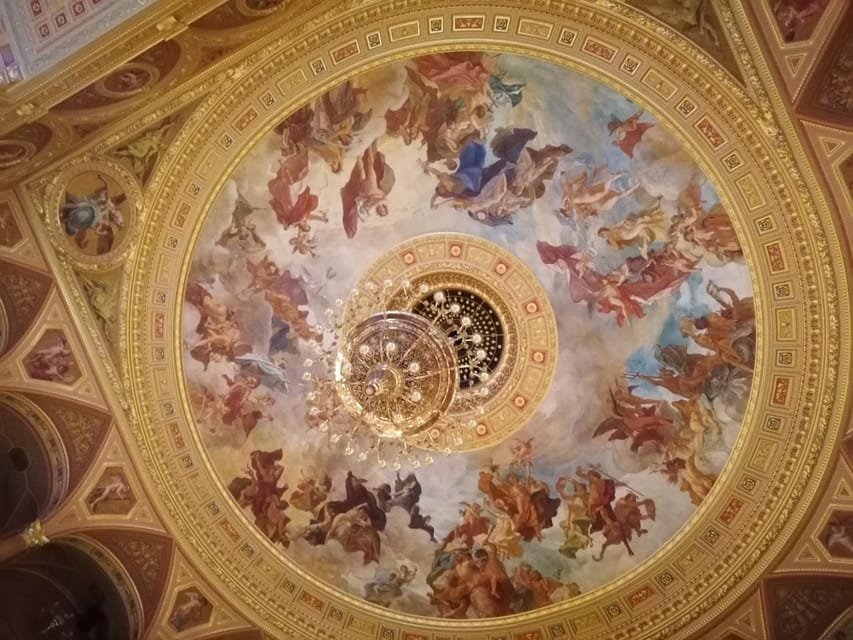
- The auditorium: frescoes, ceiling work, and sound
- The staircase: where the building shows off
- What the guide actually focuses on (beyond just facts)
- Acoustics, ventilation, and safety
- Design symbolism and the people behind it
- A note on humor and pacing
- The brief concert at the end: worth staying for
- Price and value: why $33 feels fair (and when it won’t)
- Who should book this Opera House tour
- Who should consider alternatives
- Practical tips to make your hour smoother
- Should you book the Budapest Opera House Guided Tour?
- FAQ
- How long is the Budapest Opera House guided tour?
- Where do I meet for the tour?
- Is there a live guide, and is English available?
- Does the tour include a concert or performance?
- Is food and drinks included?
- Is the tour suitable for wheelchair users?
- What happens if the Opera House cancels tours during rehearsals?
Key things to know before you go
- A tight 60 minutes with a real guide: live English and other languages, not an audio-only stop
- 1884 design with a 2022 restoration: built on Miklós Ybl’s plans, fully restored in 2022
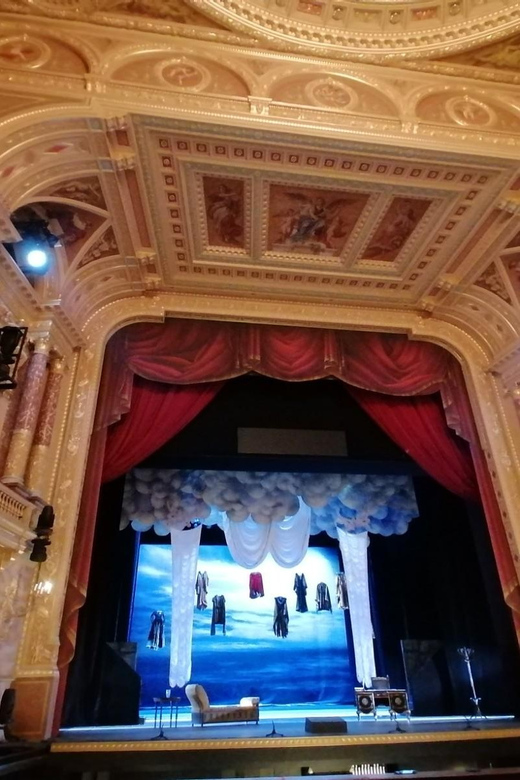
- Auditorium frescoes and the staircase: iconic visuals you’ll get to see up close
- Practical building talk: you’ll hear about acoustics, and even ventilation and safety details
- A live concert ending: a short mini recital or singing performance at the end of the tour
- Good logistics: meeting is inside, and you can skip the ticket line
Entering the Hungarian State Opera House Hall (and finding your group fast)
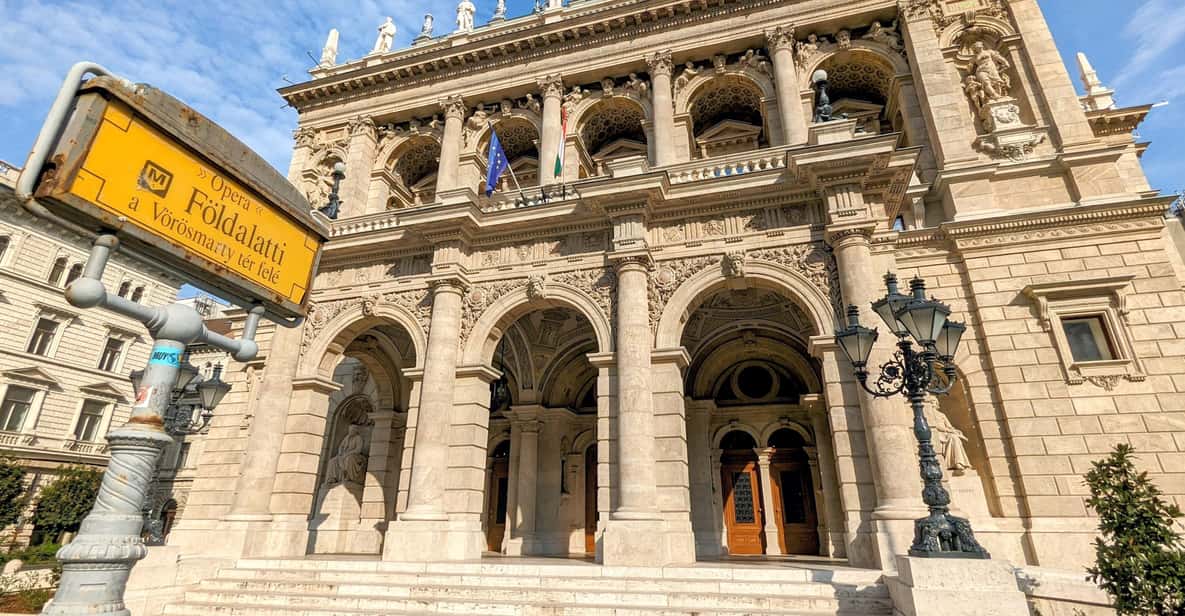
This tour starts where the action is: inside the Opera House, in the hall. That matters more than it sounds. You’re not hunting for a meeting spot on the street in the middle of Budapest chaos. You’re already inside this grand building, which sets the tone immediately—high ceilings, ornate interiors, and that feeling of stepping into something built to impress.
The tour also includes skip-the-ticket-line entry. If you’ve dealt with “waiting in the wrong line” on vacation, you’ll appreciate the time saved here. With only 1 hour total, every minute counts.
English is available with a live guide, and the tour also runs in German, Spanish, Italian, and French. If you’re traveling as a mixed-language group, this flexibility can make the visit smoother.
You can also read our reviews of more guided tours in Budapest



The 60-minute route: what you’ll see in each part
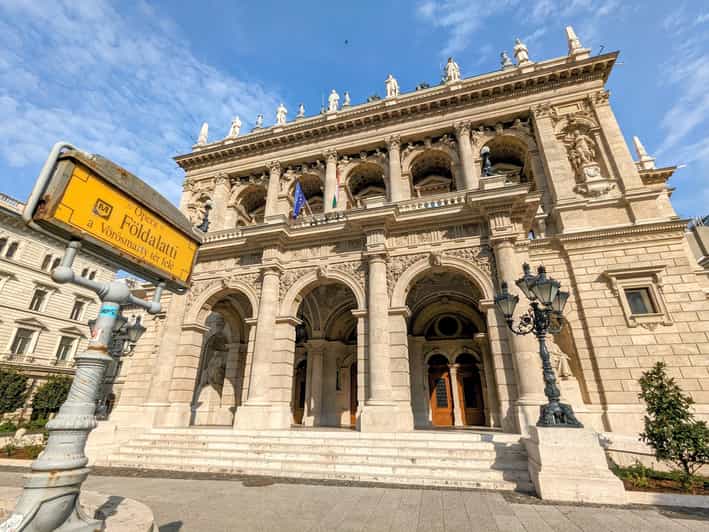
The tour is built to cover the highlights without turning into a long museum marathon. In your 60 minutes, you’re mainly there for interior impact: the auditorium, the grand staircase, and the restored decorative surfaces that define this opera house.
The restoration story you’ll hear (1884 to 2022)
One of the most compelling elements is the timeline. The Hungarian State Opera House was built in 1884, based on the plans of Miklós Ybl. Then in 2022, it underwent a complete restoration. The guide ties these dates to what you’re actually seeing—how the building’s look and craftsmanship were preserved and brought back, and how restoration choices affect what you experience today.
This isn’t just trivia. It helps you “read” the building while you’re standing in front of it. Instead of admiring details blindly, you understand why the interior looks the way it does, and why certain design features still matter for performance spaces.
The auditorium: frescoes, ceiling work, and sound
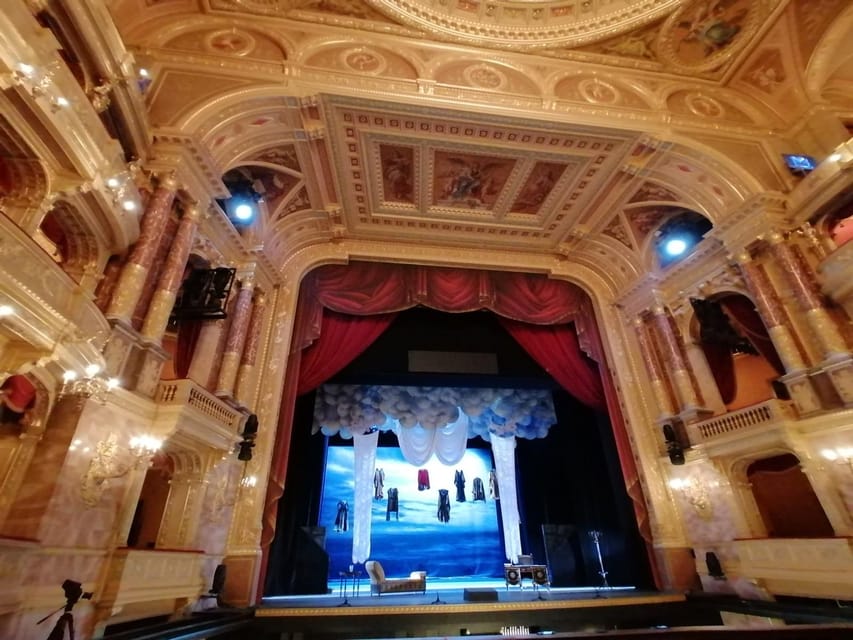
The auditorium is the star of the show on this tour. You’ll get to marvel at the frescoes and the overall design that makes opera houses famous for atmosphere, not just music.
And here’s the useful part: the tour doesn’t treat the auditorium like a static backdrop. You’ll hear specific explanations about the hall’s acoustics. That’s valuable for your understanding of why singers and orchestras choose rooms like this—and why “pretty” and “functional” can be the same thing.
There’s also a practical note: if the Opera House changes operations during rehearsals, you may experience reduced light conditions in the auditorium. That can affect photos, and it can make the space feel moodier, but it’s worth knowing ahead.
The staircase: where the building shows off
The staircase gets a lot of attention for a reason. It’s described as exquisite, and it’s one of those interior features that makes you realize opera houses are designed as total experiences, not just performance rooms.
You’ll see how the stair design fits the building’s overall aesthetic—its symmetry, decorative approach, and the way it guides foot traffic through the space. It’s also a great place to pause and take photos, especially if the tour moves quickly later on.





What the guide actually focuses on (beyond just facts)
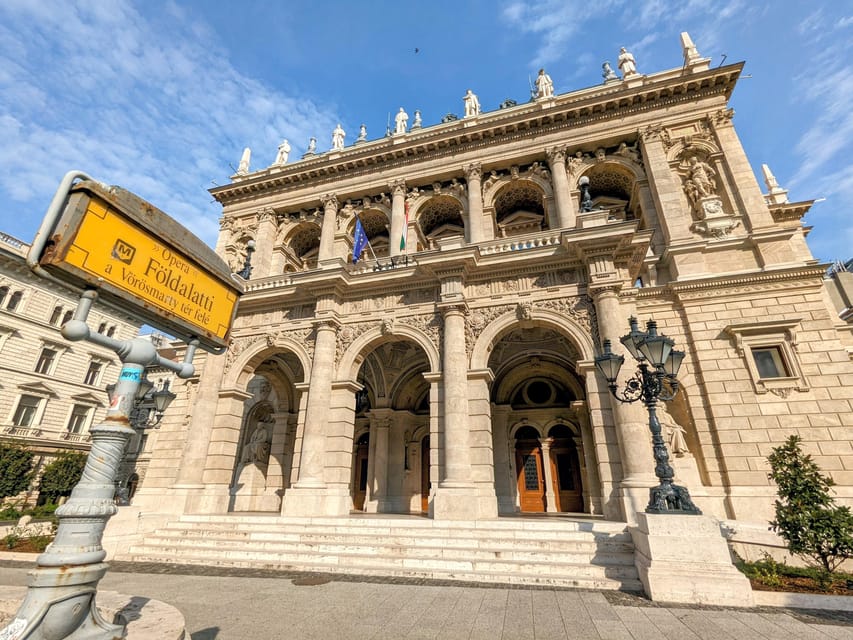
A good guided tour is the difference between seeing a building and learning how it works. This one tends to land because the guide blends architectural history with performance-space details.
Acoustics, ventilation, and safety
Some tours stay stuck at “look at this gold detail.” This one adds practical engineering context. You might hear about ventilation and safety in addition to acoustics. That’s not just for nerds. It helps you connect the interior design to real opera-house needs: keeping audiences comfortable, protecting the space, and supporting sound.
Design symbolism and the people behind it
Another theme you’ll likely hear is the human side—how political and cultural forces shaped the opera house. You also get the “who” behind it, starting with Miklós Ybl. When you’re standing inside a restored landmark, it’s satisfying to understand who drew it up and how the building’s role evolved.
A note on humor and pacing
A lot of the praise points toward guides who make the tour enjoyable, not stiff. You’ll also notice a pattern in the feedback: the tour is paced so people can hear well and still have time to look around and take photos.
Some groups may split into two smaller groups to manage crowd flow, but the guiding approach stays the same: enough time in each room to absorb the story and the visuals.
The brief concert at the end: worth staying for
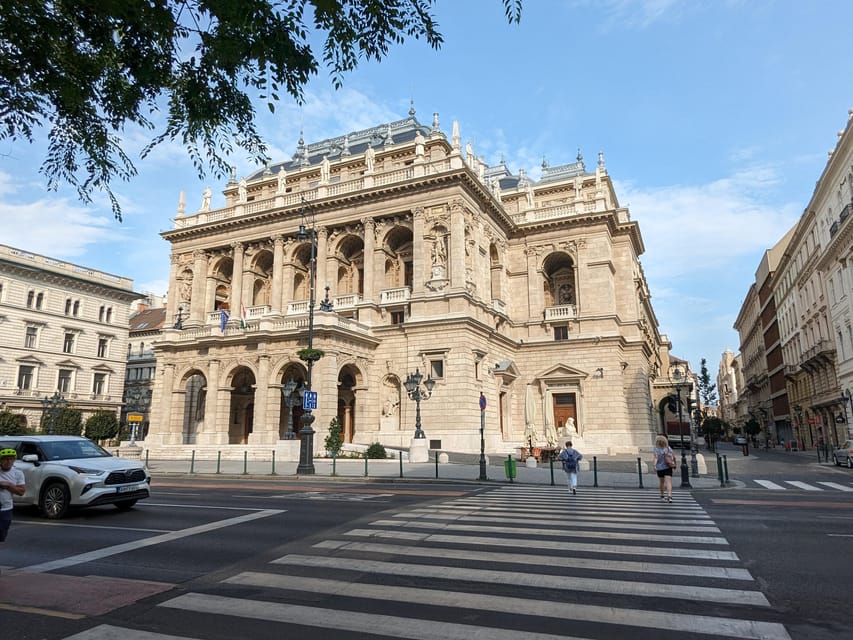
This is the “why this tour works even if you’re not an opera person” part.
The tour includes a brief concert at the end. Reviews commonly describe it as a short mini performance—often around 10 to 15 minutes. It’s not a full evening show, so don’t expect the same scale. But it’s long enough to let you hear how the room sounds and why this building matters to performers.
If you’ve ever felt opera is intimidating, this ending can be a friendly on-ramp. It gives you a taste without asking you to commit an entire night. And if you’ve heard opera is hard to get into, you’ll like that this provides a quick, emotional payoff in a place already designed for that effect.
One more practical benefit: for many people, this acts like a consolation prize when regular performances are sold out.
Price and value: why $33 feels fair (and when it won’t)
At $33 per person for 1 hour, this tour looks like solid value because it bundles several things that add up separately:
- Interior access to a major landmark
- A live English guide (plus multiple languages)
- Line-skipping
- A brief concert
If you only wanted the building photos, you could potentially find other ways to visit. But the pay-off here is interpretation. You’re paying for the guide’s explanation of what you’re looking at—plus the live singing that makes the space feel alive.
Where it might not feel like a win: if you’re trying to stretch your budget with zero interest in architecture or performance, you may feel the tour is a bit “special event” focused. But if you like design, sound, or cultural venues, this hits a sweet spot.
Who should book this Opera House tour
This is a great match if you want:
- A high-impact interior visit without spending hours inside
- A guided explanation of why the building looks and sounds the way it does
- A short performance ending, especially if opera tickets are out of reach
- A guided tour in English (or another listed language)
It’s also a good option for mixed interests: even if your group isn’t “opera-first,” the building itself offers enough visual drama to keep interest high.
Who should consider alternatives
This tour isn’t suitable for wheelchair users, based on the provided info. If that’s your situation, you’ll need a different kind of access plan.
Also keep in mind the rehearsal possibility. If you’re visiting during a busy time and the tour is altered due to rehearsal schedules, you may face reduced light in the auditorium or an alternate date offered.
Practical tips to make your hour smoother
- Arrive a bit early so you can settle at the hall meeting point without stress. This reduces the chance you feel rushed before the guide starts.
- Bring a phone with some battery left for photos in the auditorium and staircase areas.
- If you care a lot about seating or photo lighting, remember rehearsals can bring reduced light in the auditorium.
- If you want the live singing moment, don’t plan to exit right when you feel the tour is “mostly done.” The concert is part of the experience.
Should you book the Budapest Opera House Guided Tour?
I’d book it if you want a clean, high-value way to see one of Budapest’s most iconic interiors. The big selling points are the restored auditorium look, the grand staircase views, the built-in brief concert ending, and the fact that the guide ties details to how the opera house functions.
Skip it only if you need wheelchair access, or if you’re mainly chasing a long, flexible museum-style visit with no performance element. For a one-hour cultural hit that feels like more than a sightseeing stop, this one makes a lot of sense.
FAQ
How long is the Budapest Opera House guided tour?
The tour lasts 1 hour.
Where do I meet for the tour?
You meet in the hall of the Opera House. The meeting point is inside the Opera House.
Is there a live guide, and is English available?
Yes. The tour includes a live English guide, and it also runs in German, Spanish, Italian, and French.
Does the tour include a concert or performance?
Yes. The tour includes a brief concert at the end.
Is food and drinks included?
No. Food and drinks are not included.
Is the tour suitable for wheelchair users?
No. It is not suitable for wheelchair users.
What happens if the Opera House cancels tours during rehearsals?
The Opera House may cancel tours during rehearsals. If that happens, you’ll be offered an alternative date, and there may be reduced light conditions in the auditorium on some occasions.