REVIEW · CITY TOURS
Budapest: Concert on the Oldest Working Organ in the City
Book on GetYourGuide →Operated by Teleki Miklós · Bookable on GetYourGuide
Old organ, perfect calm. This Friday-evening concert lets you hear Budapest’s oldest working organ inside St. Michael’s Church, in a peaceful Baroque setting. I like how the music stays focused: it’s mostly solo organ (or chamber music on select dates) and designed for a relaxing, concentrated listen.
Two things I really appreciate: the oldest working organ in Budapest itself (the sound is surprisingly full for such a compact instrument) and the way the program is explained, with a short introduction plus an English/Hungarian leaflet.
One thing to consider: the concert program depends on the date, so if you’re chasing a specific composer or work, you’ll want to check the current schedule first. Also, you can’t record audio or video during the performance.
In This Review
- Key things to know before you go
- St. Michael’s Church and Budapest’s oldest working organ
- Miklós Teleki’s Majestic Sounds series (and when other organists play)
- What you’ll hear: Bach, Mozart, Liszt, Handel, Vivaldi, and old Hungarian organ music
- Inside the concert: introductions, a screen, and a leaflet in English
- Price and value: is $24 for Budapest organ music a good deal?
- Dates that change the experience: Friday series and special December nights
- Getting there without stress: the corner location near the Danube
- Who this is perfect for (and the one drawback to plan around)
- Should you book this Budapest organ concert?
- FAQ
- How long is the concert?
- How much does it cost?
- Where is the meeting point?
- What kind of music will I hear?
- Do they provide an English introduction and leaflet?
- Can I record audio or video during the concert?
- Who performs the organ?
- Is transportation or a guide included?
- Is the venue wheelchair accessible?
Key things to know before you go
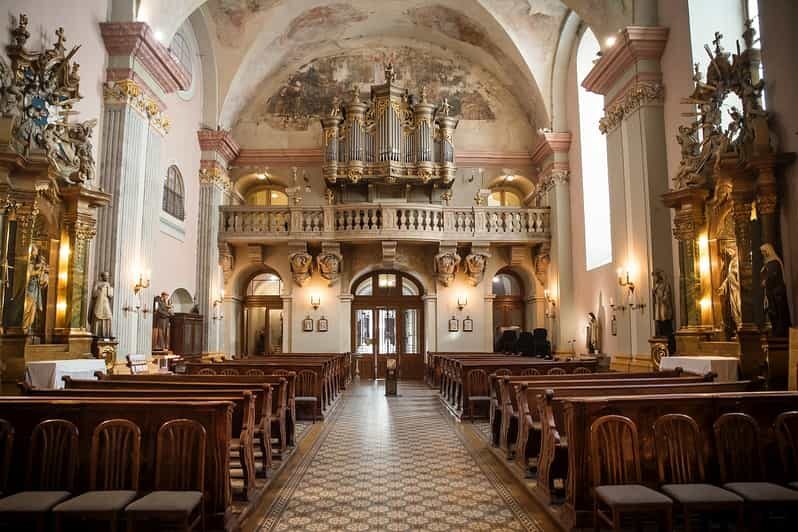
- Budapest’s oldest working organ plays the full show, with live organ sound the whole way through
- 70 minutes of music, so it fits neatly into a dinner-and-walk evening
- Miklós Teleki leads the series most nights, with a few named guest organists on specific dates
- Solo organ or chamber music depending on the day, including chamber concerts with soprano Nóra Ducza
- No recordings allowed, which helps the atmosphere feel more like a real concert than a show
- Printed program + English introduction help you follow even if you’re not fluent in Hungarian
St. Michael’s Church and Budapest’s oldest working organ
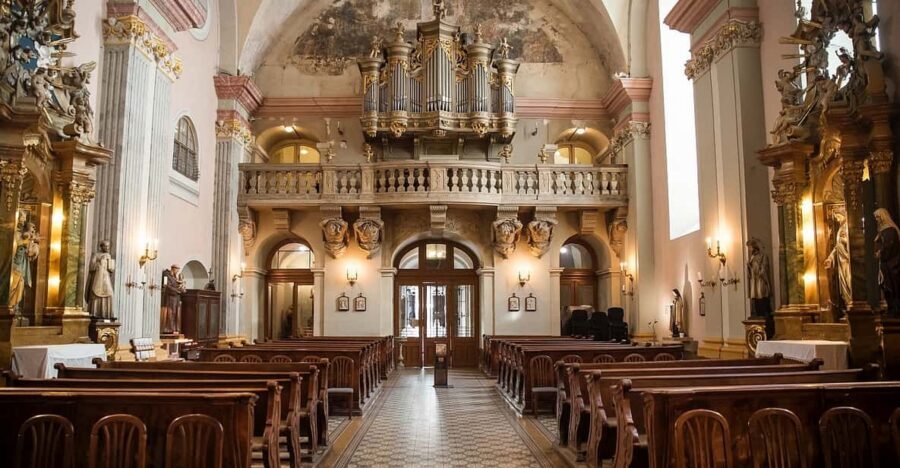
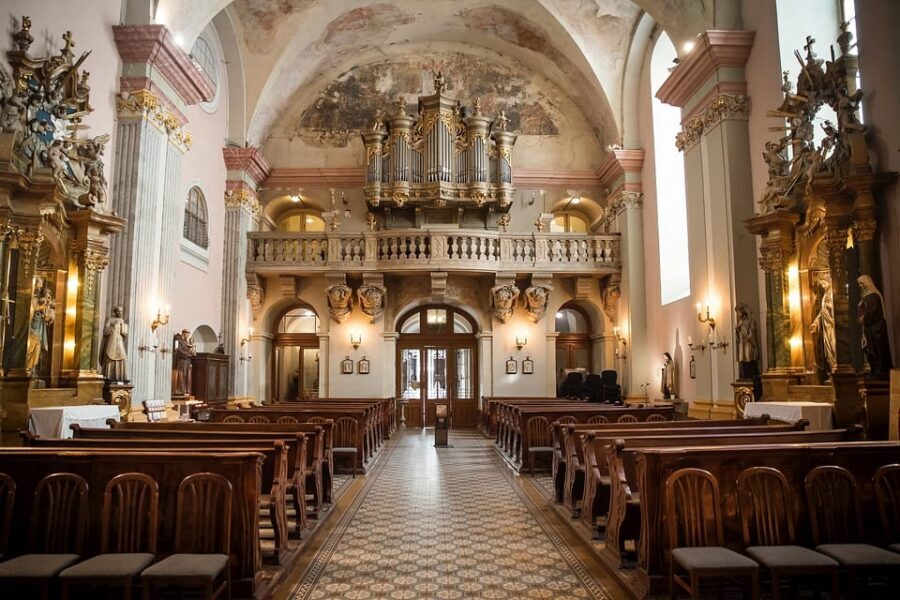
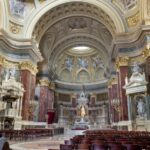
This is a concert built around a specific venue, and that matters. You meet at the white church building on the corner of Váci utca and Nyáry Pál utca (5th District, postcode 1056). It’s close to the Danube area, which makes it an easy add-on when you’re already planning time in central Budapest.
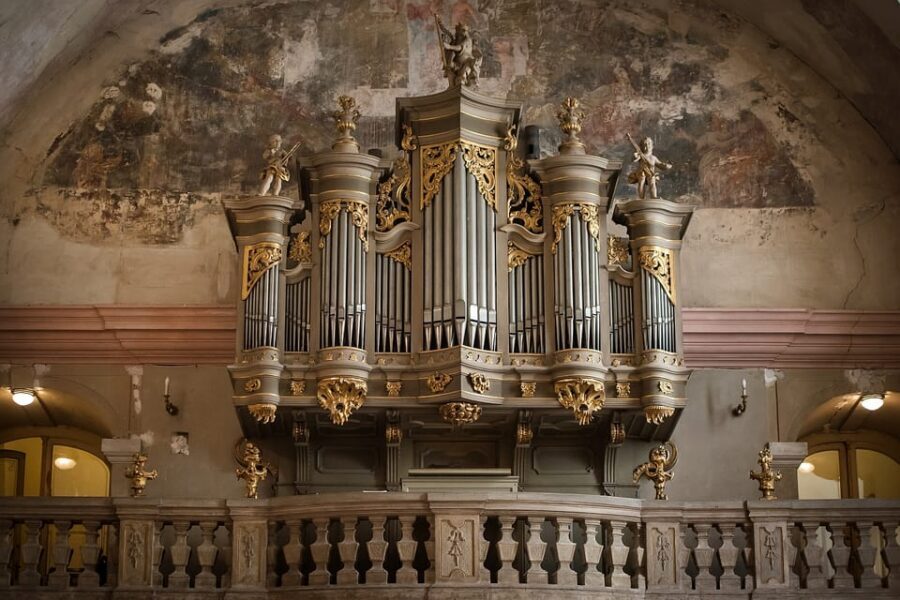
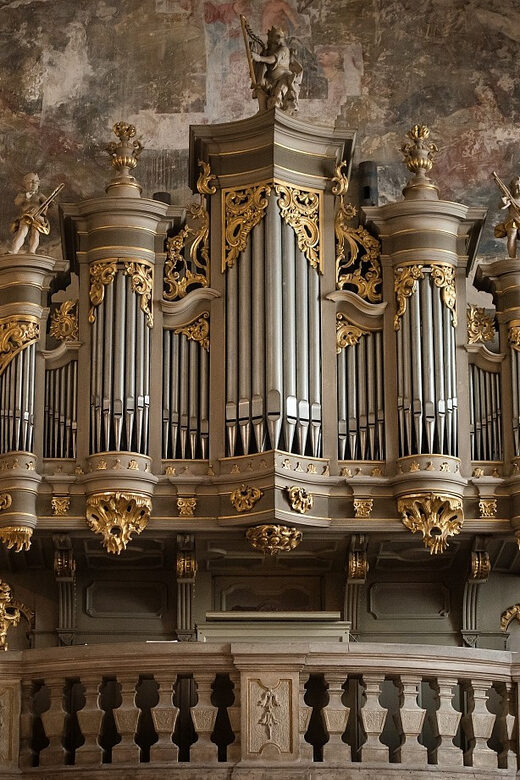
Inside St. Michael’s Church, you get something you don’t always find with organ concerts: the instrument is historic and meaningful, and the setup feels intimate rather than ceremonial. The organ isn’t a huge cathedral-style beast. It’s described as a 25-pipe beauty, and that size tends to create a clearer, more direct listening experience. You don’t have to strain to “catch” the sound. The music is close enough to follow phrasing and character.
The church setting also does its job. You’re not listening through a loud, modern sound system. You’re hearing how the space shapes the music—soft lines sit differently than fast passages, and the room’s acoustics help you notice contrasts between movements.
A practical comfort note: the whole concert experience is planned to feel steady and readable. There’s a short introduction before the music starts, and you can follow the program on a leaflet. That takes the stress out of showing up and wondering what you’re about to hear.
You can also read our reviews of more city tours in Budapest



Miklós Teleki’s Majestic Sounds series (and when other organists play)
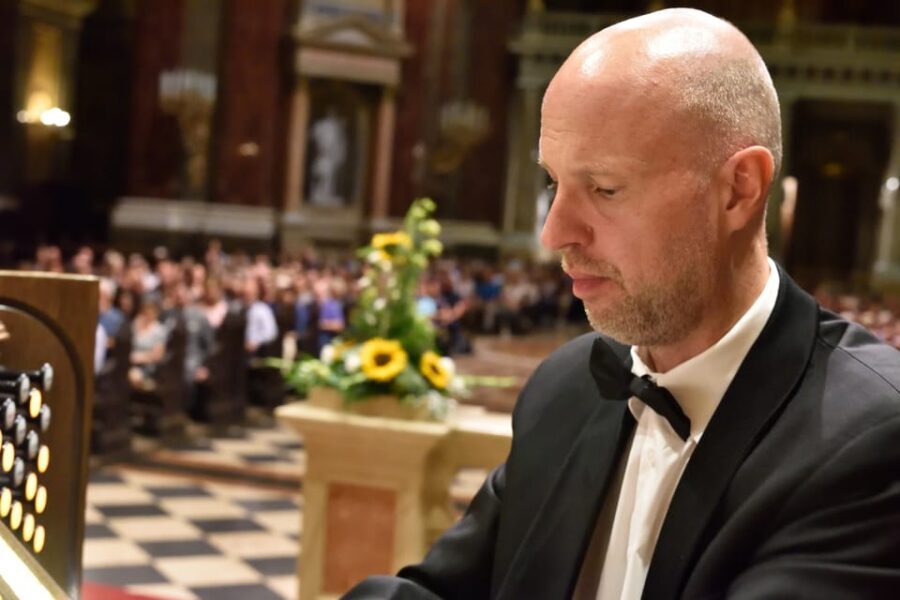
Most performances in this concert series are led by the creative director and main organist, Miklós Teleki. He’s an award-winning Hungarian musician and gives a huge number of recitals each year (about 120 organ and piano recitals). That workload matters because you can usually tell when an artist is deeply practiced across styles and periods.
You’ll also want to note the lineup changes that are specifically named:
- Andres Uibo plays the organ on 4 July
- Tamás Lozsányi plays on 31 October
- On certain dates, the program shifts toward chamber music with organ accompaniment and a soprano: Nóra Ducza
If you’re the type who likes consistency—same artist, same approach—then you’ll probably prefer dates when Teleki is listed. If you’re curious about how different organists shape the same musical language, checking the named guest dates is a smart move.
What you’ll hear: Bach, Mozart, Liszt, Handel, Vivaldi, and old Hungarian organ music
The music programming here is built around recognizable classical favorites, plus a strong connection to older Hungarian organ traditions. You’ll see composers such as Bach, Dubois, Franck, Handel, Liszt, Mendelssohn, Mozart, Purcell, and Vivaldi named in the series, along with old Hungarian organ pieces selected for the program.
A big reason this works well in a church setting is that organ repertoire often depends on contrasts: quiet devotional writing, bright keyboard textures, and fast, rhythmic passages that make the acoustics feel alive.
To give you a taste of the kinds of programs you may encounter, here are two sample sets mentioned for 2025:
- One example program includes Bach works like Prelude and Fugue in B minor (BWV 544) and a Trio Sonata (BWV 525), plus a Vivaldi–Bach concerto (BWV 593), and Pastorella (BWV 590), with additional fugue pairings.
- Another example mixes Mozart (Fantasy in F minor), several old Hungarian organ compositions from Kilián Szigeti’s collection, and Liszt (Consolation in D-flat major and a choral section), along with Théodore Dubois (In Paradisum and a toccata), plus Bach chorale writing and the well-known Toccata and Fugue in D minor (BWV 565).
What this means for you: even if you only recognize one or two titles, the concert is paced so the next piece is usually a fresh emotional shade. This is not just background music. It’s written to reward careful listening.
And because the concert is either solo organ or organ + chamber elements depending on the date, the “texture” changes across the series. On chamber-music dates, that adds a human voice layer that can feel especially moving in a church space.
Inside the concert: introductions, a screen, and a leaflet in English
A lot of organ concerts fail on one simple point: you show up, and unless you already know the repertoire, you’re stuck guessing what’s happening. Here, the format is built to help you keep up.
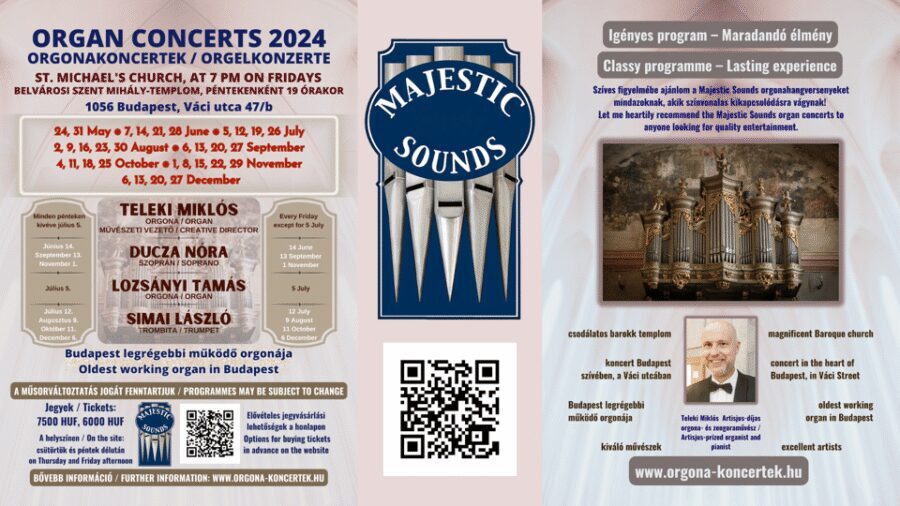
Before the music starts, there’s a short introduction in English and Hungarian. You also get a programme leaflet (available in English and Hungarian) that gives details about the organ and the pieces.
There’s also a screen that shows the organist playing. That turns a purely visual experience into something more interactive. Even if you only catch a movement or two visually, watching fingers and hand positions helps you understand how the sound is being shaped in real time.
One more key rule: no video recording and no audio recording. It might sound restrictive, but it’s also part of why these concerts feel focused. You can settle in without phones ruining the atmosphere.
Timing-wise, plan for 70 minutes total. That duration is perfect when you want culture, but don’t want to commit to a long sit-through.
Price and value: is $24 for Budapest organ music a good deal?
At $24 per person for a live organ concert in a major historic venue, this is priced in the “good value” zone. You’re paying for three things at once:
- Access to the venue and the live performance
- A real artist-led program built around major composers and Hungarian repertoire
- A structured experience (leaflet, introduction, and a performance you can actually follow)
If you’ve spent money in Budapest on big-ticket attractions, it’s easy to assume classical music events are pricier. Here, the cost stays reasonable for the kind of attention you’re getting on stage. It’s also not a “browse-and-mingle” event. It’s a single, complete show.
A bonus for planning: the concert is only 70 minutes, so you can pair it with a simple dinner plan without needing your whole evening schedule to revolve around it.
You can also read our reviews of more tours and experiences in Budapest





Dates that change the experience: Friday series and special December nights
This experience runs as part of a concert series, often described as Friday evening concerts. The exact lineup shifts by date, with either solo organ or chamber music depending on what’s scheduled.
If you’re visiting in late December, there are explicitly named special dates: Tuesday night concerts on 23 and 30 December (2025). That’s helpful because it gives you more options beyond Friday if you’re trying to build a flexible itinerary during the holidays.
On chamber-music dates, the series includes soprano Nóra Ducza. The named dates listed are:
- 30 May
- 18 July
- 29 August
- 17 October
- 23 December
If you like the idea of mixing voice with organ, those dates are worth prioritizing. If you prefer pure organ sound and keyboard writing, you’ll likely enjoy the solo-instrument programs on the other dates.
Getting there without stress: the corner location near the Danube
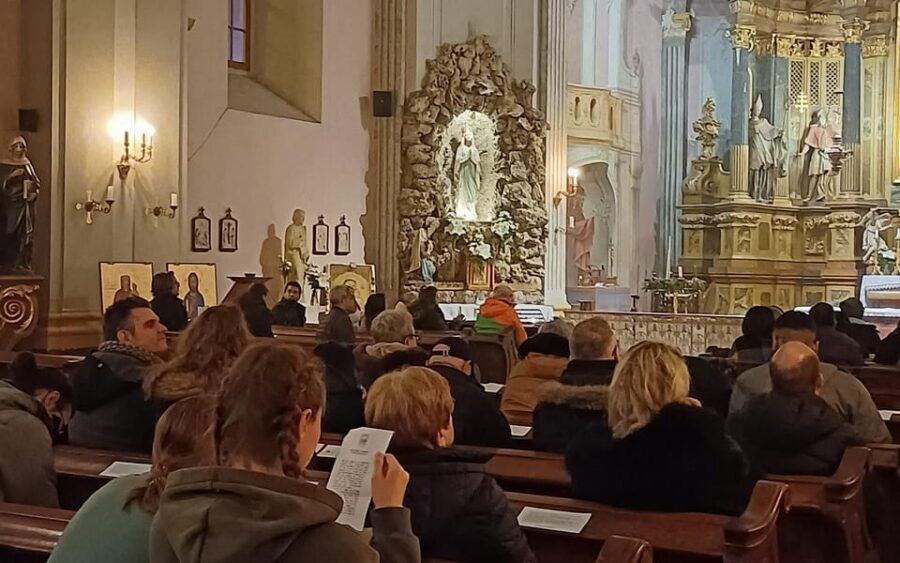
You start and end at the same place: the church at the corner of Váci utca and Nyáry Pál utca (5th District). Because this is a central location near the Danube, you can often combine it with a walk rather than a complicated transit plan.
A small practical tip based on how the event is set up: since there’s ticket checking at the church entrance, it helps to arrive with enough time to find your name on the door list. The experience is organized so you don’t waste the first minutes of the evening hunting for the right line.
Also, remember the rules: no audio or video recording. If you want to keep your hands free, leave devices away during the concert.
Who this is perfect for (and the one drawback to plan around)
You’ll probably love this if you:
- want a calm Budapest evening with live classical music in an elegant setting
- like organ repertoire, even if you’re only a casual listener
- enjoy concerts where the artist’s skill is the point, not the “event” itself
- want an experience you can understand thanks to an English introduction and leaflet
The main drawback is straightforward: because the venue uses a compact 25-pipe organ, the feel is intimate. If you’re expecting the scale of a massive cathedral instrument, your reaction may depend on your tastes. In exchange, you often get a clearer listening experience and less distance between you and the performance.
Should you book this Budapest organ concert?
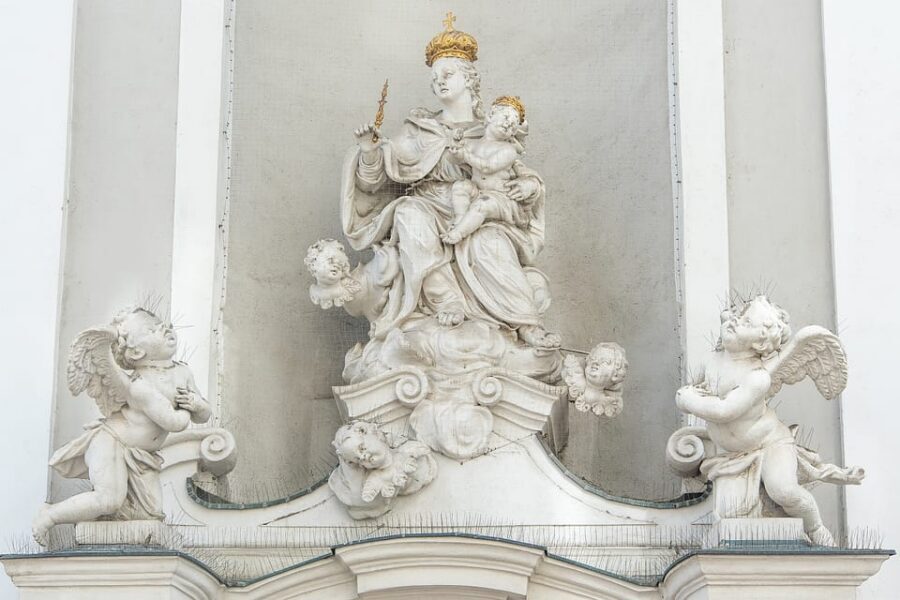
Yes—if you want a high-quality, focused evening with live music and a historic instrument in a real church setting. The combination of Miklós Teleki’s leadership (with named guests on specific dates), the 70-minute length, and the fact that you get an English introduction plus a printed program makes it easier to enjoy than many classical performances where you’re guessing what you’re hearing.
Book it especially if you’ll be in central Budapest and want something atmospheric that isn’t just another museum or viewpoint. If your date is flexible, check the schedule for the chamber-music shows with Nóra Ducza or for the specific guest organists listed for 4 July and 31 October.
FAQ
How long is the concert?
The concert lasts 70 minutes.
How much does it cost?
The price is $24 per person.
Where is the meeting point?
You meet at the white church building at the corner of Váci utca and Nyáry Pál utca in Budapest’s 5th District (1056), which is quite near the Danube.
What kind of music will I hear?
You’ll hear live solo organ or chamber music (depending on the date). The programs can include composers like Bach, Dubois, Franck, Handel, Liszt, Mendelssohn, Mozart, Purcell, and Vivaldi, plus old Hungarian organ compositions.
Do they provide an English introduction and leaflet?
Yes. There’s a short introduction in English and Hungarian, and the programme leaflet is also available in those two languages.
Can I record audio or video during the concert?
No. Video recording and audio recording are not allowed.
Who performs the organ?
The creative director and main organist is Miklós Teleki, with specific other organists on named dates (including Andres Uibo on 4 July and Tamás Lozsányi on 31 October). Chamber concerts can include soprano Nóra Ducza on listed dates.
Is transportation or a guide included?
No. The experience includes the entry ticket and concert, but a guide and transportation are not included.
Is the venue wheelchair accessible?
Yes. The experience is wheelchair accessible.