
REVIEW · BUDA CASTLE & FISHERMAN'S BASTION
Budapest: Buda Castle Cave Tour
Book on GetYourGuide →Operated by Duna-Ipoly Nemzeti Park Igazgatóság · Bookable on GetYourGuide
The air turns cool fast. Then the stories under Buda Castle start to click. I love how this tour mixes natural limestone formations with human history you can almost touch, and the experience is paced by a live guide who makes the details land. If you get a guide like Vicky (a name I saw again and again), expect clear storytelling with a good sense of humor.
The second big win for me is the sheer variety of what the underground network was used for, from old wine cellars to wartime shelter space, plus features linked to medieval life. One thing to consider: it’s a cave visit at 12°C (54°F), and the route is not for claustrophobia or mobility limits, so dress for cold and read your comfort level honestly.
If you’re already spending time on Castle Hill, this is a smart add-on because it gives context to the district above ground. The tour is short for a reason—your guide keeps it moving through a paved, lit section of the cave system, usually lasting 40 minutes to 1.5 hours depending on which option you book.
In This Review
- Key things to know before you go
- Why the caves under Buda Castle feel like a time machine
- Meeting points in Trinity Square vs Dárda Street
- What the 40 minutes to 1.5 hours route feels like underground
- Limestone you can see: the geology stop that makes the rest click
- Human stories beneath your feet: wine cellars to bomb shelters to medieval prison
- Guides make the tour: the humor-and-story rhythm
- Is it claustrophobic? Who should book, and who should skip
- Practical value: getting a live tour for about $19
- Before you go checklist: clothing, shoes, phones, and what’s forbidden
- Booking advice: when this tour is a yes (and when it’s a no)
- FAQ
- Where does the Budapest Buda Castle Cave Tour start?
- How long is the tour?
- Is there a live guide?
- Is an audio guide provided?
- How cold is it inside the cave?
- Is there cell phone service underground?
- Can I record video during the tour?
- Are pets or baby strollers allowed?
- Is the tour suitable for people with mobility issues or wheelchair users?
- Is it okay if I have claustrophobia?
Key things to know before you go
- Two meeting points: Trinity Square (Szentháromság tér) for the standard option, or Dárda Street for the shorter option.
- Cold inside: about 12°C (54°F), so bring warm layers and wear clothes you don’t mind getting dirty.
- A guided walk only: live English guide included; there’s no audio guide.
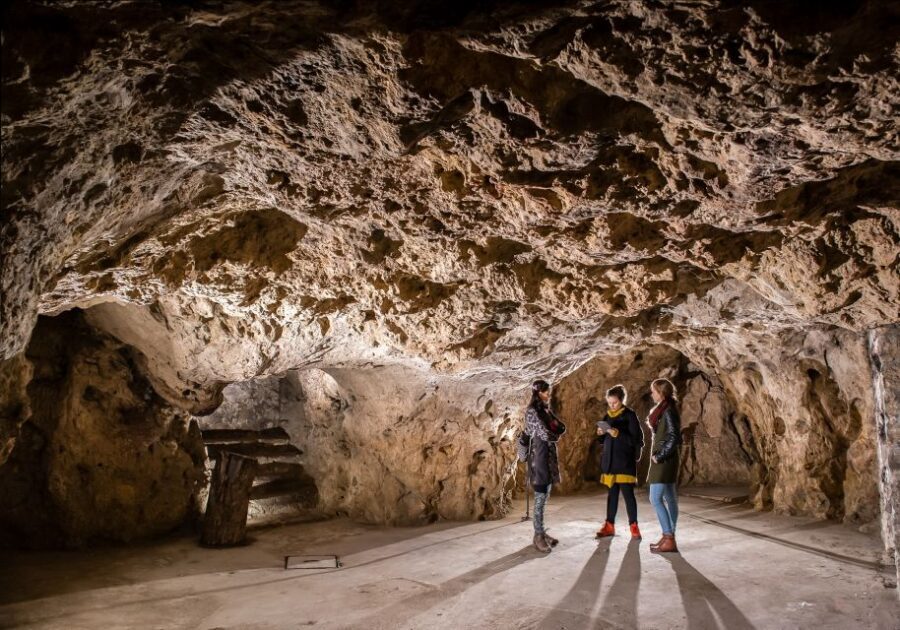
- What you’re walking through: a limestone labyrinth with 800-year-old man-made cellars and sections tied to war and medieval use.
- Not for everyone: not recommended for claustrophobia; wheelchair access isn’t available.
- Digital dead zone: there’s no cell phone service in the caves, and you can’t record video.
Why the caves under Buda Castle feel like a time machine
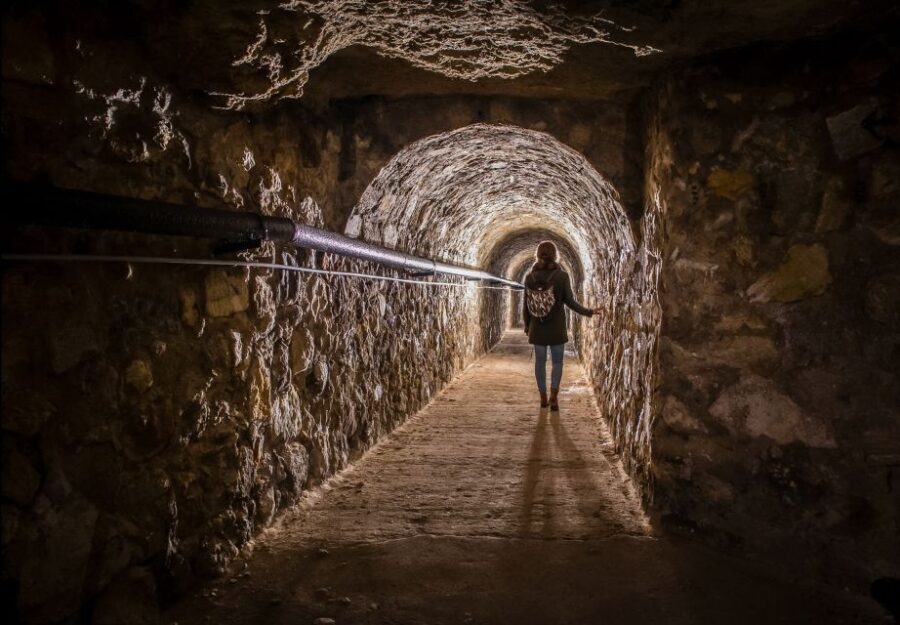
Budapest’s Castle District is dramatic on the surface, but the caves under it change the whole angle. The tour takes you through a labyrinth of tunnels and chambers formed in limestone, then used and reshaped by people over centuries. That mix matters because you’re not just seeing geology. You’re seeing how humans kept repurposing the same underground space as needs changed.
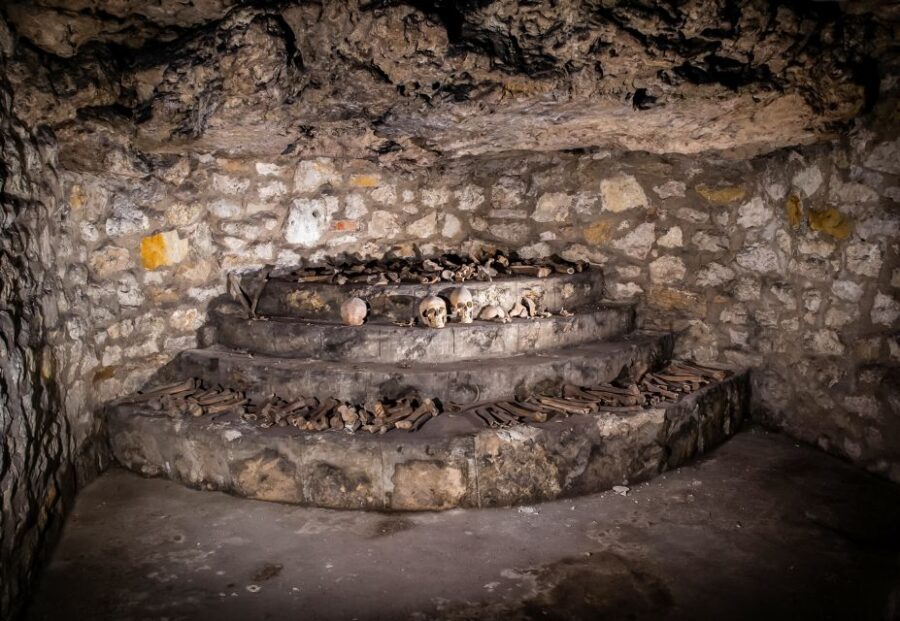
The history angle isn’t “one era only.” You’ll hear about underground areas functioning as wine cellars, then later roles connected to wartime survival, and even references tied to a medieval prison. Even if you’re not a hardcore history person, it helps to realize you’re walking through the same kind of problem-solving: cool storage, protection, and space when the city needed it.
And the limestone itself gives the effect. The stone walls and corridors have that old-world texture—steady, cool, and slightly damp. It’s the sort of environment where a story can feel physical, not just narrated.
You can also read our reviews of more tours and experiences in Budapest.



Meeting points in Trinity Square vs Dárda Street
You’ll want to get this right early because meeting points vary by the option you book.
- For the standard tour, you meet at Trinity Square (Szentháromság tér).
- For the shorter tour option, you meet at Dárda Street.
Why this matters: if you’re pairing this with Castle Hill sightseeing above ground, the meeting location changes your best route through the area. Arriving early also helps because the guide will handle a short intro before you head underground.
Practical tip: treat the meeting spot like a timed event. The cave system experience is structured, and the tour starts after the group gathers and gets instructions.
What the 40 minutes to 1.5 hours route feels like underground
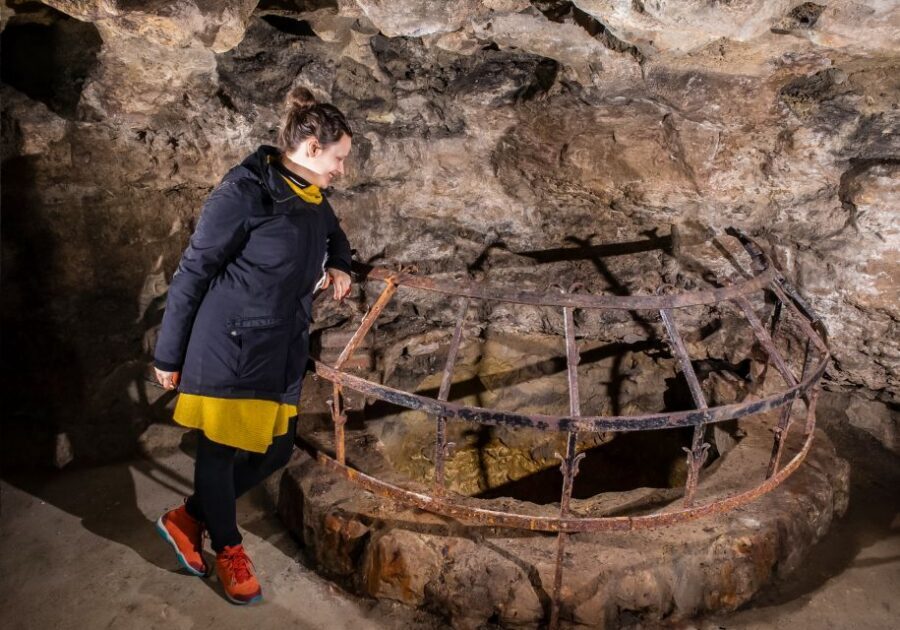
The total walking route is about 1.5 km (1 mile) on paved roads, and it’s done with lighting inside the cave. That’s a big practical detail because it means you’re not doing a dark scramble. It’s more like guided walking through a planned section of the network.
How long you spend down there depends on the option:
- roughly 40 minutes for the shorter tour
- up to 1.5 hours for the longer tour
If you’re the type who likes to ask questions and stop for photos (even though video recording isn’t allowed), the longer option gives the guide more room to pace the stories. If you’re on a tight schedule, the shorter tour is still worth it because the tour focuses on a meaningful slice of underground use—geology first, then the human layers stacked onto it.
One more reality check: caves have no cell phone service. So plan to start and finish the tour without expecting to text, map, or Google your next move while you’re underground.
Limestone you can see: the geology stop that makes the rest click
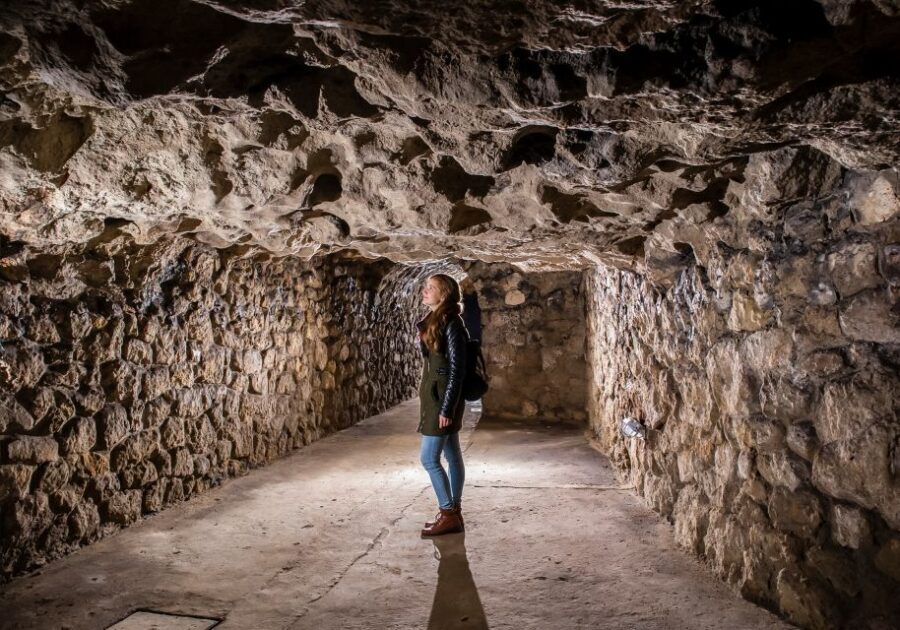
The tour’s geology component isn’t a lecture. It’s built into what you see as you walk: limestone caverns with the look and structure of natural formation, plus man-made elements integrated into the space.
The headline fact is 800-year-old man-made cellars. That matters because it turns the cave from scenery into evidence of how people engineered everyday needs underground. Wine storage, for example, depends on stable temperatures and humidity. So when your guide points out features and explains their role, it’s easier to understand why this location kept being used.
Also, you’ll feel the temperature quickly. With the cave running around 12°C (54°F), you may be cold even if Budapest is mild outside. Warm clothing isn’t optional here—it’s part of getting comfortable enough to enjoy the explanations rather than just shivering through them.
Human stories beneath your feet: wine cellars to bomb shelters to medieval prison
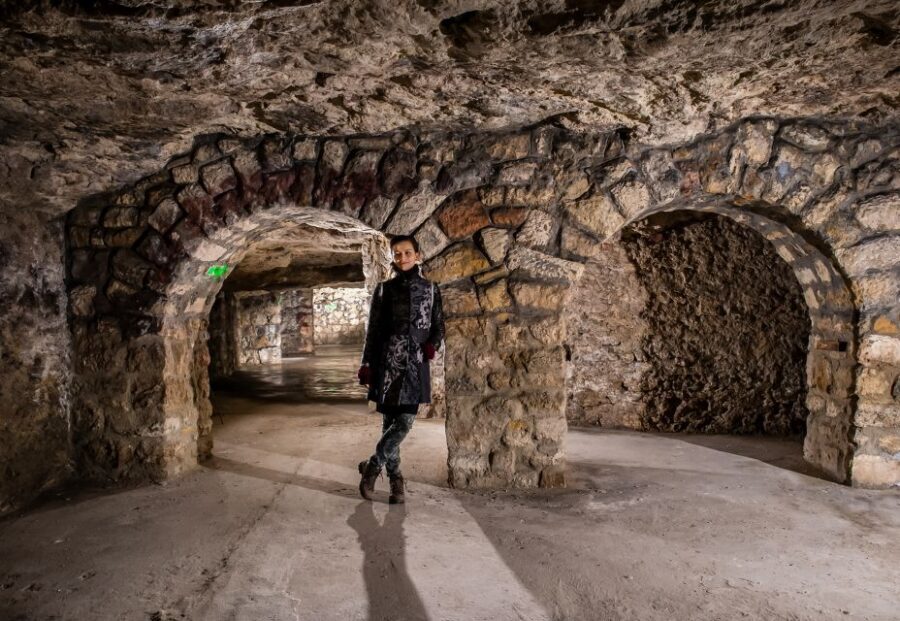
This is where the tour really earns its time. The underground network wasn’t a single-purpose site for one group or one century. It shifted with the city’s needs.
Expect the guide to connect the cave system to:
- wine cellars
- roles during wartime, including bomb shelter use
- and references to a medieval prison
Even if the exact details aren’t your priority, the overall takeaway is powerful: the cave network shows how people adapted the same physical space in different eras. You’ll hear how nature created the “what,” and human effort shaped the “how”—tunnels, cellars, and safe spaces carved into or made use of over time.
One of the best parts of this approach is that it helps you see Castle Hill above ground in a new way. Instead of imagining the area as just buildings and views, you start picturing infrastructure beneath it—storage, protection, and movement underground.




Guides make the tour: the humor-and-story rhythm
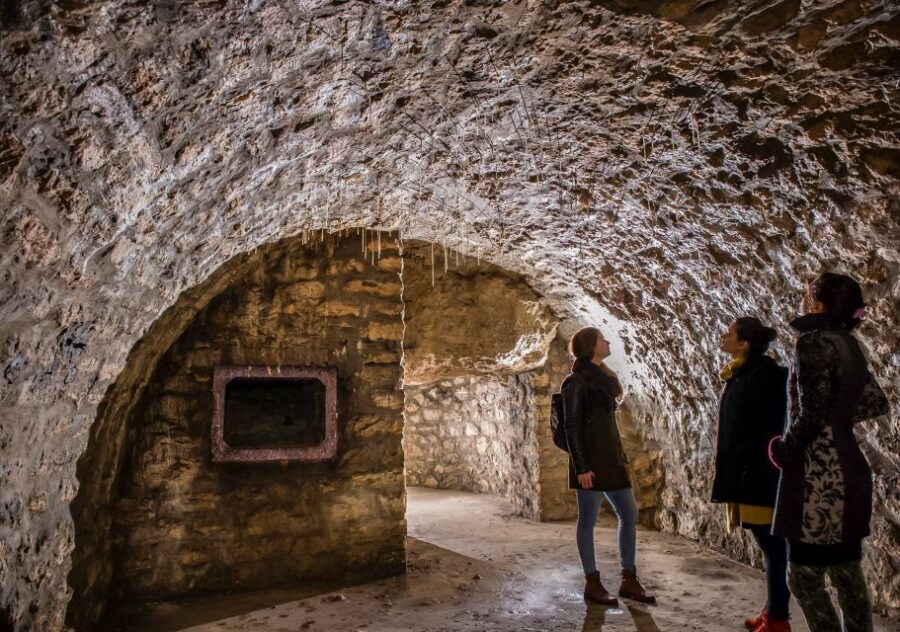
A huge reason this tour gets strong scores is the way guides tell the story. I’ve seen the name Vicky linked with tours where the guide is both funny and informative, and that combo changes the whole experience. When the guide can explain geology and history without making it heavy, the walk goes faster and you remember more.
I’ve also seen Eva mentioned as an extremely knowledgeable guide who explained natural features and historical context clearly. Another name that appears is Viktoria/Vika, with visitors noting engaging delivery and good pacing.
What does that mean for you? It means you shouldn’t treat this like a museum lecture where you just follow instructions. This is a walking guide experience where your guide sets the tempo—so listen when they pause, ask if there’s a moment for questions, and don’t rush ahead of the group. The cave routes are paved and lit, but the story is tied to where you are standing.
Is it claustrophobic? Who should book, and who should skip
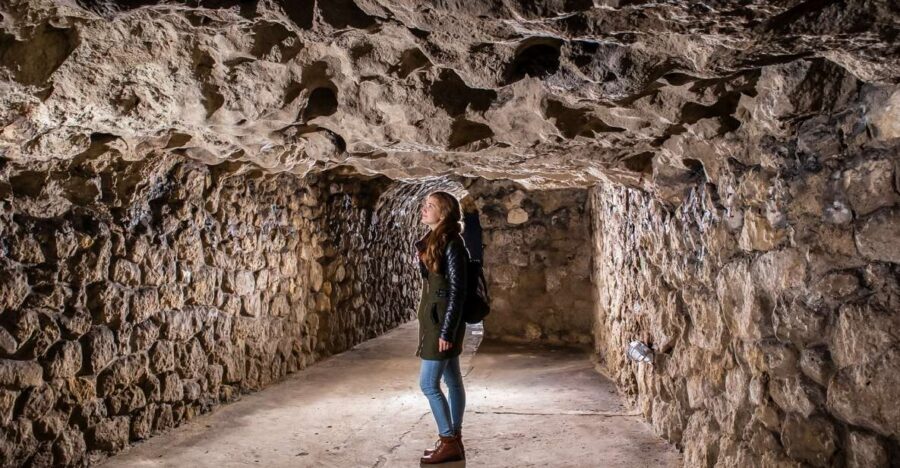
The rules are clear that this tour is not recommended for people with mobility issues or with claustrophobia, and it is not accessible for wheelchair users. That’s not being dramatic. It’s a safety-and-comfort decision based on the nature of cave spaces and how the route is managed.
That said, some people who aren’t great with confined spaces have found the caves spacious enough to feel comfortable. The lighting and the paved roads likely help with confidence. Still, you need to go by your own comfort level first, because “spacious” is personal—and the tour still happens underground.
This tour is also not suitable for:
- children under 3
- people with visual impairments (not stated as accessible)
- and anyone who needs wheelchair access
If you’re unsure, be honest about what triggers you. This cave setting isn’t a good match for panic-prone claustrophobia scenarios.
Practical value: getting a live tour for about $19
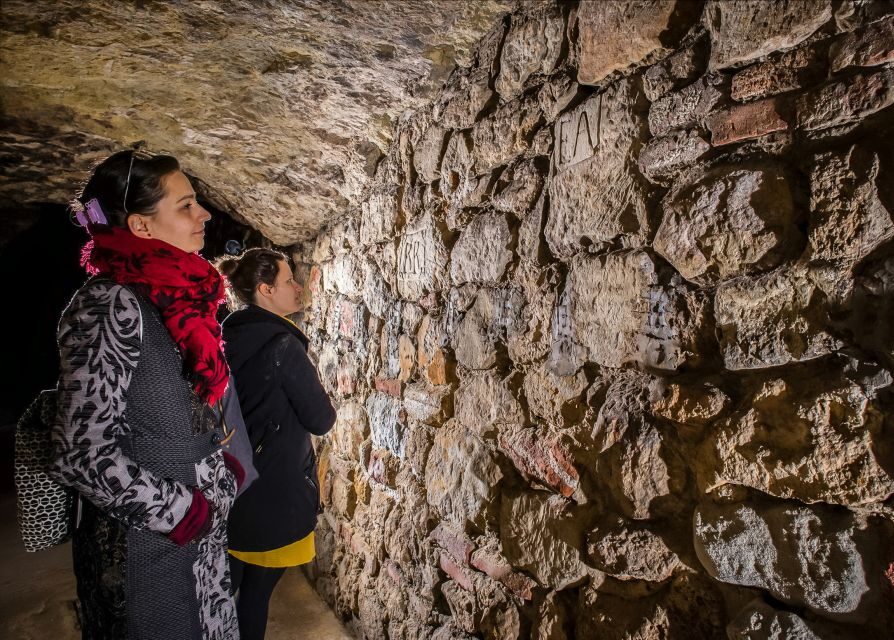
For around $19 per person, you’re paying for something many places don’t include: a live guide plus a focused walk through a real underground environment. The fact that it’s not a self-guided audio tour is part of the value. In a cave, the guide can adapt to what your group is seeing—pointing out textures, explaining why specific spaces were useful, and keeping the pacing right for a short visit.
Duration matters too. With 40 minutes to 1.5 hours, this isn’t a half-day commitment. It fits easily into a Castle District plan, even if you’re also doing viewpoints, churches, or museums above ground.
One more value note: audio guides are not included, so your guide is the source of the explanation. If you prefer to read every detail yourself on signage, you might find your enjoyment depends more on listening than you’re used to. On the other hand, if you enjoy a conversation-style tour, it’s a good fit.
Before you go checklist: clothing, shoes, phones, and what’s forbidden
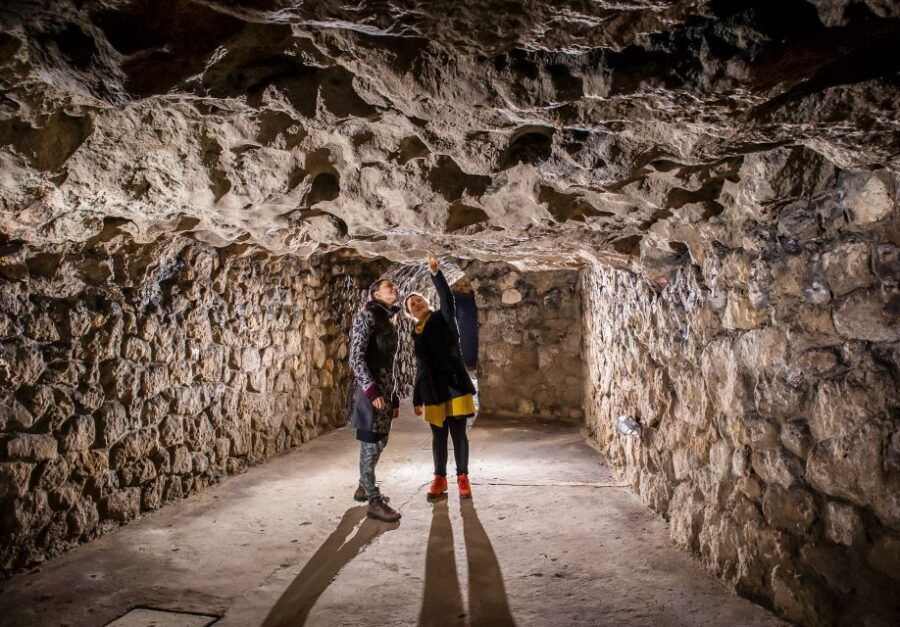
This tour is straightforward, but caves are picky about comfort. Here’s what to bring and what to avoid.
Bring:
- Warm clothing (it’s about 12°C (54°F) inside)
- Clothes that can get dirty
- Closed-toe shoes (paved doesn’t mean you won’t step on muddy spots)
Cave realism: your shoes and clothes may get dirty, especially if the road gets a bit muddy or if you need to steady yourself by leaning on the walls.
Plan for a tech break:
- no cell phone service inside the caves
Respect the rules:
- No video recording
- no pets
- no baby strollers
- no smoking
- no food or drinks
- no alcohol or drugs
- no littering
You don’t want to spend your short cave time worrying about rules. So treat it like a clean, controlled walk and follow the guide’s instructions. A cave is not the place to test boundaries.
Booking advice: when this tour is a yes (and when it’s a no)
I’d book this tour if you want:
- a geology + history experience in one place
- a short, structured activity that adds depth to Castle Hill
- a live guide who can connect limestone formations to how people actually used the space
I’d skip it if:
- you’re dealing with claustrophobia or you know cave environments trigger panic
- you need wheelchair access (it isn’t available)
- you’re traveling with very young children (under 3 isn’t permitted)
If you’re on the fence between the shorter and longer option, choose based on your time and attention span. The longer tour gives more runway for the guide’s full storytelling arc across the cave network. If you’re tight on schedule, the 40-minute version still gives you the core experience—natural limestone spaces plus the human chapters layered on top.
FAQ
Where does the Budapest Buda Castle Cave Tour start?
Meeting points vary by option. The standard tour meets at Trinity Square (Szentháromság tér), and the shorter tour meets at Dárda Street.
How long is the tour?
The duration is about 40 minutes to 1.5 hours, depending on which starting time and option you book.
Is there a live guide?
Yes. The tour includes a live guide, and it’s offered in English.
Is an audio guide provided?
No. Audio guides are not included.
How cold is it inside the cave?
The temperature inside the cave is about 12°C (54°F), so bring warm clothing.
Is there cell phone service underground?
No. There is no cell phone service in the caves.
Can I record video during the tour?
No. Video recording isn’t allowed.
Are pets or baby strollers allowed?
No pets are allowed, and baby strollers are not allowed.
Is the tour suitable for people with mobility issues or wheelchair users?
The tour is not recommended for people with mobility issues, and it is unfortunately not accessible for wheelchair users.
Is it okay if I have claustrophobia?
It’s not recommended for people with claustrophobia.