REVIEW · COOKING CLASSES
Hungarian Cooking and optional Local Market Tour
Book on Viator →Operated by Chefparade Cooking School · Bookable on Viator
Paprika is the star here. You’ll learn how classic Hungarian favorites come together, from soup to dessert, in a focused 3–4 hour cooking session.
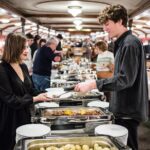
I like that you’re not just tasting. You’ll actually make the dishes step by step, then sit down and eat what you cooked, with Hungarian drinks along the way.
One thing to keep in mind: the optional market tour can feel time-tight, so double-check you’re booked for the market add-on you expect.
This experience scores big on small-group attention and on-the-ground food knowledge. Many instructors named in the program descriptions are praised for clear teaching, patience, and making even basic steps feel doable.
Still, plan your day around the pace of a workshop. It’s fast-moving by design, and if you’re sensitive to schedule changes, arrive early and stay flexible.
In This Review
- Key things to know before you go
- Why Central Market Hall is the perfect place to start
- Páva Street + the market-walking vibe (optional, but worthwhile)
- Chefparade Cooking School: how the workshop stays hands-on
- The menu: goulash soup, paprikash-style mains, and apple strudel
- Starter: goulash soup
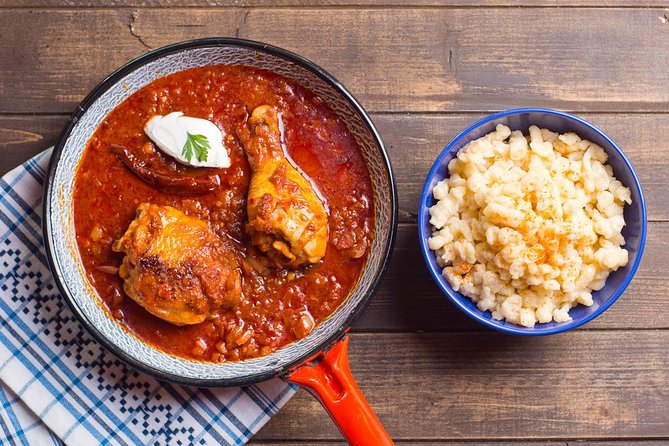
- Main: chicken paprikash with spaetzle (or nokedli)
- Dessert: apple strudel
- Hungarian drinks pairing: wine during cooking and a touch of pálinka
- Price and value: is $126.98 actually a good deal?
- Practical tips so your class runs smoothly
- Who should book this Hungarian cooking class in Budapest
- Should you book this cooking class?
- FAQ
- How long is the Hungarian cooking and market experience?
- Where does the experience start and end?
- Is the local market tour included?
- What dishes will we cook?
- Can you accommodate vegetarian diets?
- How large is the group, and is it in English?
Key things to know before you go
- Hands-on cooking for a full 3-course Hungarian meal: soup, paprikash-style main, and apple strudel
- Optional local market walk: it’s about the market atmosphere and what people actually buy, not just browsing
- Small group size (max 15): easier questions and more instructor attention
- Hungarian drinks included: wine during cooking, plus a small pálinka tasting
- Dietary needs supported, but not guaranteed: vegetarian menu is available on request; other restrictions may be limited
Why Central Market Hall is the perfect place to start
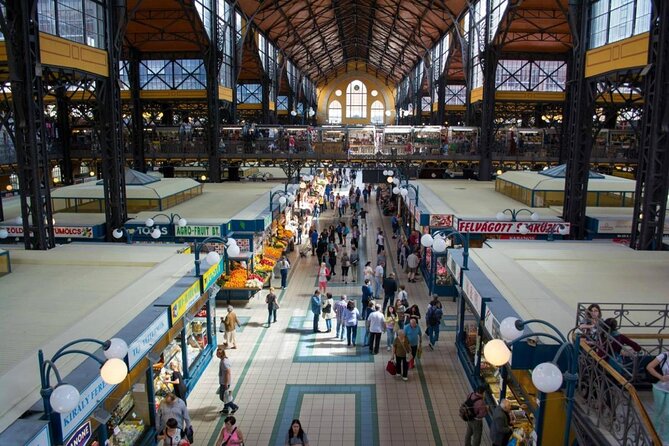
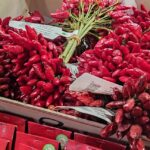
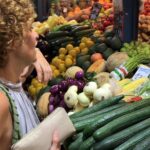
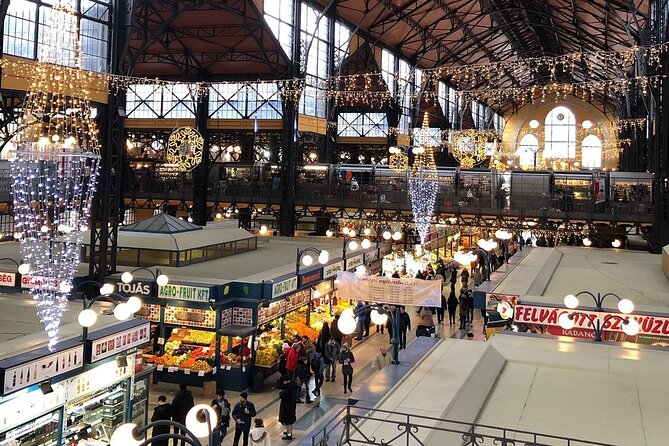
Budapest’s food story makes sense when you begin at the Central Market Hall area. This is where the ingredients feel real: paprika, cheeses, cured meats, pastries, and the produce that shows up in Hungarian kitchens. Even if you’re not a hardcore foodie, you’ll walk out with a sharper sense of what Hungarian cooking is based on: careful seasoning, slow comfort cooking, and simple-but-intense flavors.
There’s also a practical reason this start works. Getting oriented around the market gives you a mental map before you step into the cooking school. You’re not trying to memorize directions while you’re also trying to cook dinner.
You can also read our reviews of more shopping tours in Budapest
Páva Street + the market-walking vibe (optional, but worthwhile)
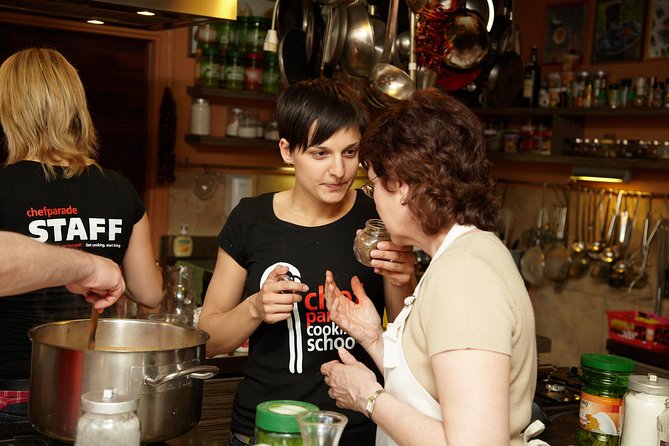
Your itinerary includes time connected to Páva Street and the market itself. If you choose the optional local market tour, expect a guided walk that’s meant to show you how Hungarians do market time: quick stops, comparisons, tasting, and small decisions based on quality.
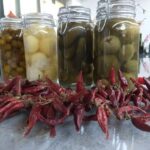
This isn’t just for shopping. The point is to help you understand why something tastes better. In Hungarian markets, that often comes down to the raw materials (like peppers for paprika dishes), how something is stored, and what vendors sell consistently.
A smart caution: the market add-on is still part of a short overall program. That means you might get less time than you’d like for wandering at your own pace. If you want to do a serious second-market shopping spree later, I’d keep the optional tour focused on sampling and learning, then plan a separate self-guided hour for extra purchases.
Chefparade Cooking School: how the workshop stays hands-on
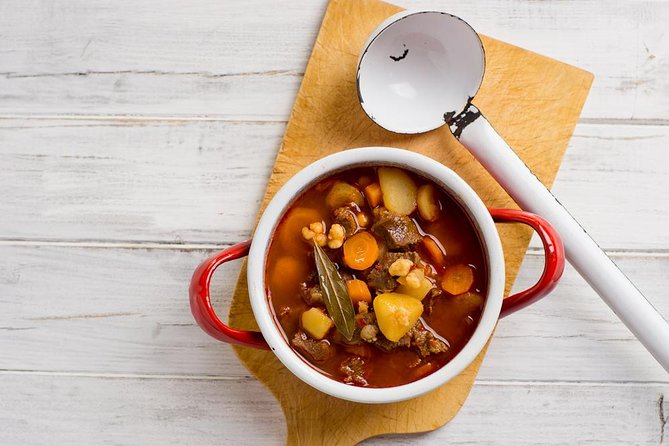
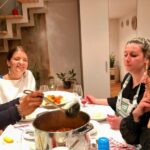
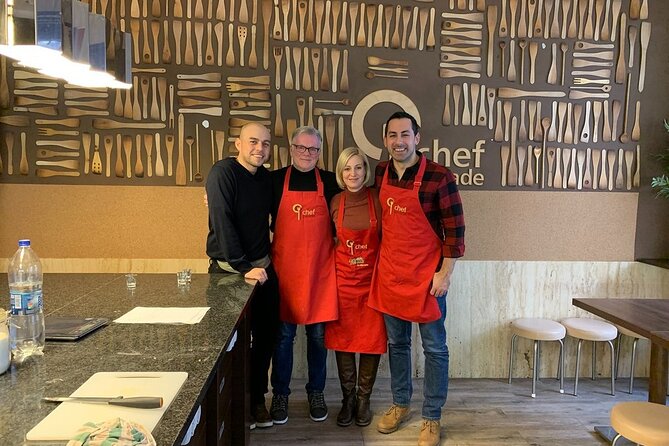
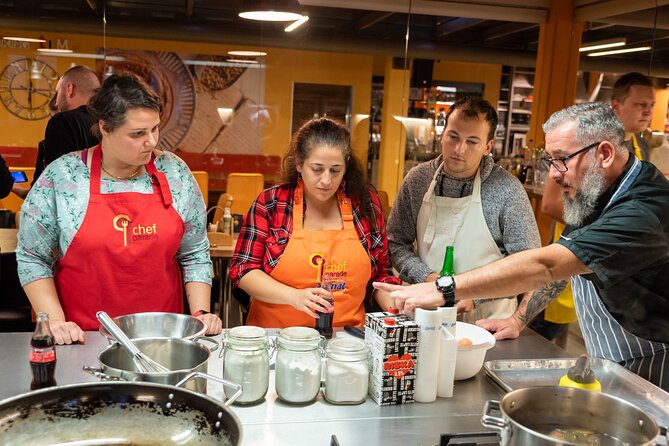
This class is run by Chefparade Cooking School, and it’s designed for active participation. You’re cooking, baking, and eating within about 3–4 hours, so you’ll spend less time listening and more time doing.
The school setup matters here. Multiple instructors mentioned in the program experiences are described as patient and encouraging, with clear guidance and good pacing for a small group. With a maximum of 15 travelers, you’re less likely to feel like you’re stuck watching from the sidelines.
One logistical detail you’ll want to be aware of: the cooking school location can be on either side of the river. The end point for the cooking portion is listed as Bécsi street 27 (Buda) or Páva street 13 (Pest), depending on where your session is scheduled. The tour itself is set to finish back at your meeting point, so you should plan to return to the central area where you started.
The menu: goulash soup, paprikash-style mains, and apple strudel
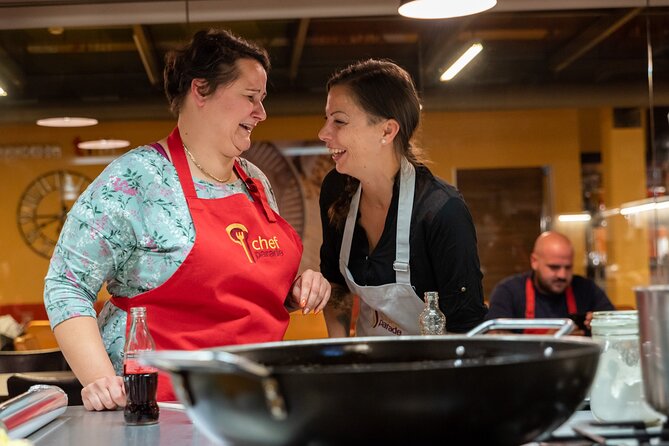
The standard menu is classic and satisfying, built around Hungarian comfort food:
Starter: goulash soup
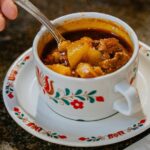
You’ll prepare goulash soup, a hearty beef-and-vegetable style soup that’s known for its deep flavor. This is the dish that teaches you the Hungarian cooking logic: develop flavor, then let it mellow into something rich rather than sharp.
You can also read our reviews of more tours and experiences in Budapest


Main: chicken paprikash with spaetzle (or nokedli)
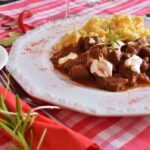
Your main is chicken paprikash with fresh-made spaetzle (sometimes described alongside nokedli). Paprikash is where Hungarian cooking really shows off the paprika-meets-creamy sauce style. You’re not just making the sauce; you’re building it with technique—then pairing it with a handmade dumpling.
If you prefer meat-free options, the menu can shift to mushroom paprikash with freshly made spaetzle. Either way, you’re getting the same idea: creamy comfort sauce plus the right Hungarian-style starch to catch it.
Dessert: apple strudel
For dessert, you’ll make apple strudel. The method centers on thin phyllo pastry with sweet apple and cinnamon filling. This is one of those desserts that can look intimidating, but in a cooking workshop you’ll typically learn the steps you need to avoid the most common mistakes, like tearing pastry or filling it too heavily.
What I’d love you to notice as you cook: these recipes are repeatable. Even if you don’t plan to cook for a crowd, you’ll be learning how to shape the flavor using paprika, timing, and sauce texture—skills that transfer.
Hungarian drinks pairing: wine during cooking and a touch of pálinka
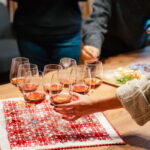
Hungarian food is inseparable from drinks, and this class reflects that. While you cook, you’ll enjoy Hungarian wines, and there’s a small pálinka tasting added in.
That matters for the experience because it changes how the meal feels. You’re not eating in silence after a class; you’re taking part in a mini-lunch culture, where people slow down, talk, and keep tasting while the food lands on the table.
If you prefer to keep it light, you still get the food learning. The drinks are part of the atmosphere, not a reason to skip water or pace yourself.
Price and value: is $126.98 actually a good deal?
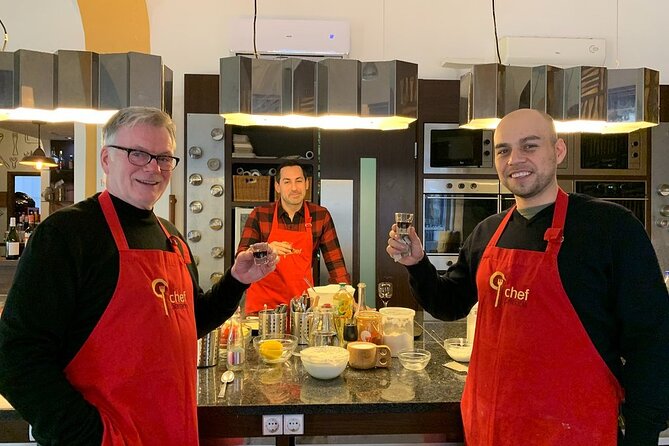
At $126.98 per person for about 4 hours, the value depends on what you’d otherwise do with your afternoon.
Here’s the practical math: you’re paying for a guided workshop plus ingredients plus a sit-down meal that includes drinks. Instead of buying lunch and then paying a separate attraction ticket, you get both in one time block.
Where the price feels most justified is when you care about technique. A good cooking class doesn’t just feed you; it teaches you how the sauce thickens, how the dumplings are made, and why seasoning timing matters. Many instructors tied to this experience are praised for making the process clear, and that’s exactly what turns the price into something you feel later at home when you actually repeat the recipe.
Potential value dip to watch for: if you’re counting on the optional market tour, make sure it’s what you booked. There have been cases where people expected the full add-on but didn’t get the time or included extras they thought were part of that package. You can avoid most of that stress by confirming your market option before you show up.
Practical tips so your class runs smoothly
These are small choices that protect your experience:
- Arrive a bit early: meeting points can be in active areas, and you want time to check in without rushing.
- If you have dietary restrictions, speak up at booking: the program says dietary requirements are supported, but options for allergies and religious restrictions may be limited. If you’re vegetarian, note it early; a vegetarian menu is available upon request.
- Wear something you can move in: you’re prepping and cooking, not just watching.
- Ask questions even if you’re not a big cook: in a small group, you’ll get direct answers, especially if the class instructor is known for patience and clear explanations.
One more smart move: bring your curiosity. Hungarian cooking often relies on paprika and sauce texture, and those are exactly the things that change the dish from bland to memorable.
Who should book this Hungarian cooking class in Budapest
This is a great fit if you want a hands-on food experience that still feels cultural and not like a generic cooking demo.
You’ll likely enjoy it if you:
- like learning recipes you can repeat at home
- want a fun way to end a day in Budapest with a full meal
- appreciate small-group instruction (max 15 travelers)
- want to taste Hungarian drinks alongside the meal
You might think twice if:
- you’re extremely schedule-sensitive and want a slow, wander-around market style day
- you’re expecting lots of time for souvenir shopping during the market component
- you have a complex allergy situation and need guaranteed substitutions (the program notes limitations)
Should you book this cooking class?
Yes, if your goal is a real Hungarian lunch that teaches you technique, not just fills your stomach. For the price, you’re getting a structured workshop, a full 3-course meal, and Hungarian drinks, all in one half-day block.
I’d especially recommend it if you’re the kind of traveler who likes to bring something home that isn’t just photos. You’ll leave with recipes to recreate goulash soup, chicken paprikash (or mushroom paprikash), and apple strudel, plus a better sense of what makes Hungarian ingredients work.
If you’re considering the optional market tour, book it intentionally and show up ready to learn rather than shop. Use the market portion to sample and understand quality, then save extra shopping for another time.
FAQ
How long is the Hungarian cooking and market experience?
It runs about 4 hours.
Where does the experience start and end?
You start at Central Market Hall (Budapest, 1093 Hungary). The activity ends back at the meeting point, with the cooking portion happening at a cooking school on Bécsi street 27 (Buda) or Páva street 13 (Pest).
Is the local market tour included?
The cooking class includes the meal and cooking. The local market tour is optional, based on the add-on you choose.
What dishes will we cook?
The sample menu includes goulash soup (starter), chicken paprikash with nokedli/spaetzle or mushroom paprikash with spaetzle (main), and apple strudel (dessert).
Can you accommodate vegetarian diets?
A vegetarian menu is available upon request.
How large is the group, and is it in English?
The group size has a maximum of 15 travelers, and the experience is offered in English.