REVIEW · CITY TOURS
Budapest: Guided City Walking Tour in Buda and Pest
Book on GetYourGuide →Operated by Gábor Glasner · Bookable on GetYourGuide
Budapest in one focused half day. I love how it strings together Pest and Buda with a short public-transport hop, and I especially like the St Stephen’s Basilica start that gives you an instant sense of direction. One drawback: it’s a German tour, so you’ll get the most out of it if you’re comfortable with German.
Led by Gábor Glasner (badge reads Budapest mit Gábor), the walk feels organized but not stiff. Afterward, you’ll get digital issues: an Insider Budapest Restaurantguide and the Budapester Sparfuchs, aimed at helping you find good food and avoid common money traps.
In This Review
- Key Things I’d Put on Your Radar
- Entering Budapest at St Stephen’s Basilica (Szent István tér)
- Pest City Centre: Art Nouveau Palaces and Freedom Square
- The Hungarian Parliament Building and Danube Photo Moment
- Crossing to Buda by Public Transport (and Why It Matters)
- Matthias Church and Fisherman’s Bastion in the Castle District
- The Royal Castle Area and the Former Government District
- What You Take Home: Insider Budapest Restaurantguide and Budapester Sparfuchs
- Price, Time, and Who This 3-Hour Tour Fits Best
- Should You Book This Budapest Walking Tour?
- FAQ
- How long is the Budapest guided city walking tour?
- What language is the guide speaking?
- Where do we meet the guide?
- What are the main sights in Pest during the tour?
- What will we see in Buda?
- Is there any public transport involved?
- What’s included at the end of the tour?
- Does the tour end back at the meeting point?
Key Things I’d Put on Your Radar
- St Stephen’s Basilica sets the tone: you start where the city’s big ideas and symbols line up fast.
- Pest’s architecture is the real main character: Art Nouveau palaces, plus landmark banking buildings you’ll actually remember.
- A built-in Parliament photo moment: the route is set up so you can get that Danube-and-Parliament view.
- A short ride saves time: you switch from Pest to Buda efficiently rather than doing a long detour.
- Castle District highlights, not random wandering: Matthias Church, Fisherman’s Bastion, and the Royal Castle area.
- You leave with practical Budapest money and meal guidance: Restaurantguide plus the Sparfuchs tips.
Entering Budapest at St Stephen’s Basilica (Szent István tér)
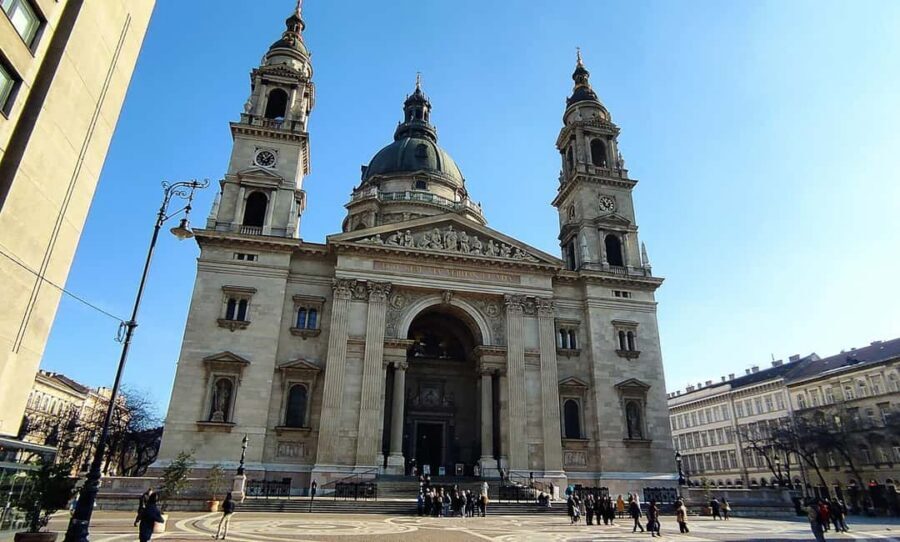
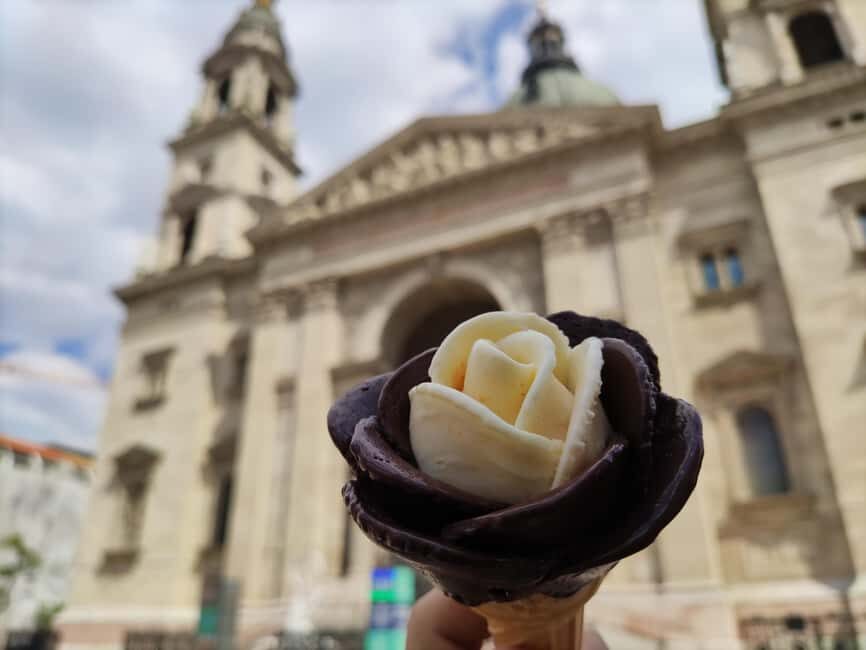
This tour starts at Szent István tér, right at the entrance of the California Coffee Company, vis á vis to St. Stephan’s Basilica. That’s a smart choice because you begin in the grand civic heart of Pest, where the city suddenly looks planned, not accidental. From there, you walk into the layers of Budapest: big monuments first, then the details that make the place feel lived-in.
I like that the early minutes aren’t just “look at this.” You get oriented before the sightseeing really starts. So when you reach the Freedom Square area and later the Danube, you already know what you’re looking at and why it matters. It’s the difference between collecting photos and actually understanding the map in your head.
The other practical win: it’s a 3-hour format. That’s long enough to feel like you saw the main story beats of both sides of the river, but short enough that you can still handle the rest of your day however you want.
You can also read our reviews of more walking tours in Budapest



Pest City Centre: Art Nouveau Palaces and Freedom Square
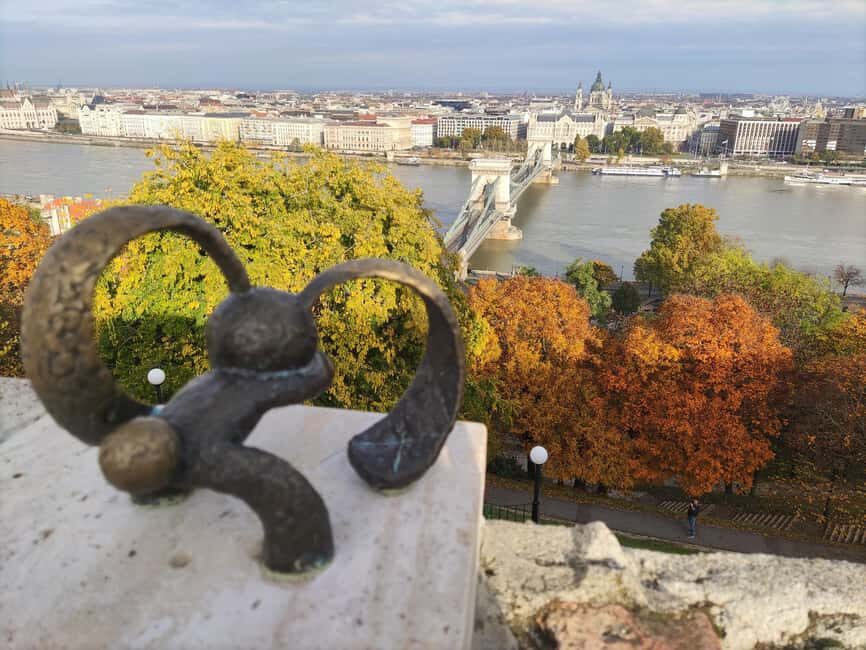
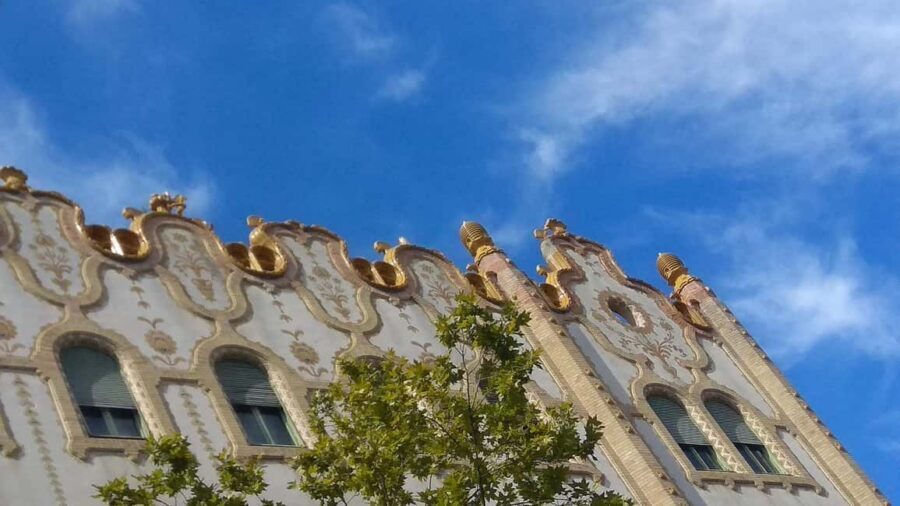
Once you move through Pest city centre, the tour leans hard into architecture from the late 19th century. That’s where Budapest starts to feel extra specific. You’ll pass major buildings tied to the city’s growth—places like the National Bank and the Postal Savings Bank—so you’re not only admiring façades, you’re learning the context behind them.
Art Nouveau palaces are a key highlight here. Even if you’re not an architecture nerd, you’ll likely notice how Budapest used design as a status signal. The street-level details can be easy to miss on your own, but a guide can point out what to look for, and why these buildings ended up where they did.
Then comes Freedom Square. This is one of those places where it helps to have someone narrate what you’re seeing, because the energy of the square is more than its shape. It’s also a hinge point for the route that pushes you toward the Danube and the Parliament area next.
What I’d keep in mind: you’ll want comfortable shoes. Pest sidewalks are manageable, but you’re still covering a good chunk of city centre on foot.
The Hungarian Parliament Building and Danube Photo Moment
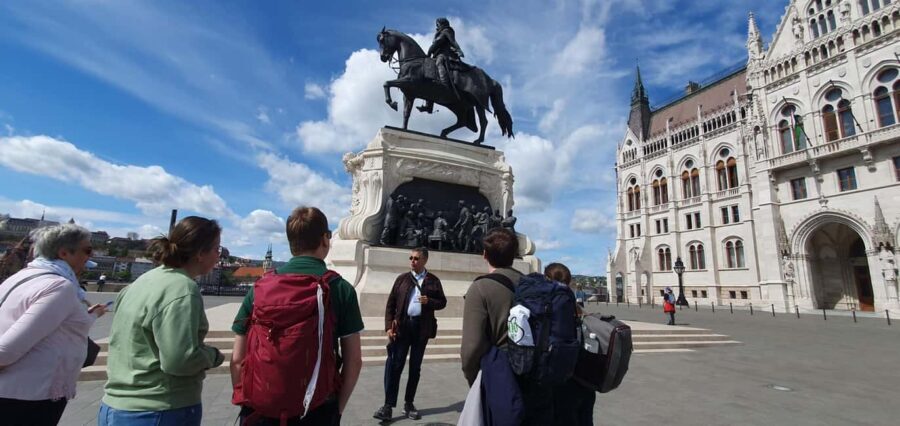
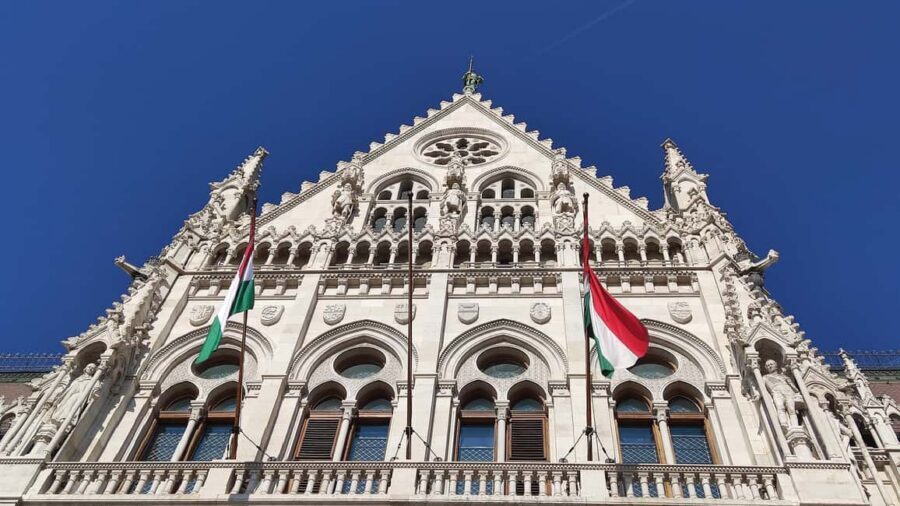
A big visual payoff lands around the Freedom Square area: you reach the Parliament building, with the Danube nearby. If you care about photos, you’ll appreciate that the tour explicitly includes a moment to capture that Parliament look. This is one of those Budapest scenes where the river adds drama, and the skyline does most of the work for you.
But the value isn’t only the view. A good guide helps you notice the relationship between the city’s political heart and the waterfront. Budapest sits with its back to the river in some spots and then suddenly “faces” the river in others. Watching where you’re positioned as you walk makes the city’s layout feel logical, not random.
And you don’t have to pace yourself the whole time because the itinerary breaks the day into blocks: Pest centre on foot, then a transition to Buda. That structure keeps you from feeling like you’re doing an endless walk with no rhythm.
If you’re the kind of person who likes to stop for one or two photos and keep moving, this part is built for you. If you want long time at every monument, just know the tour moves with a schedule.
Crossing to Buda by Public Transport (and Why It Matters)
After you hit the Parliament and Danube area, the tour includes a short ride by public transport. I like this because it’s not sightseeing by fatigue. Budapest is big, and the river is a real divider. Using transit for the switch between Pest and Buda keeps the “half-day” promise believable.
It also helps you see the city the way locals do, even if it’s only briefly. You’re not stuck doing one long, backtracking walk. Instead, you reset your legs and your head, then step into the Castle District with less hassle.
When you make it to Buda, you’re not starting from a blank slate. You’ve already learned the route logic in Pest—how the key landmarks line up—so the Castle District feels like the second act, not a separate trip you have to re-orient to.
A practical note from this kind of sightseeing day: bring water and keep your camera ready. Even on a scheduled walk, the best photos often show up right when you think you’re finished with that area.
Matthias Church and Fisherman’s Bastion in the Castle District
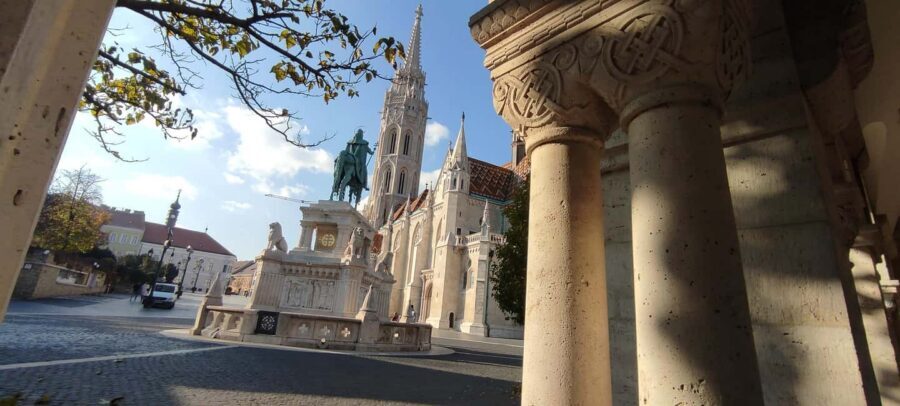
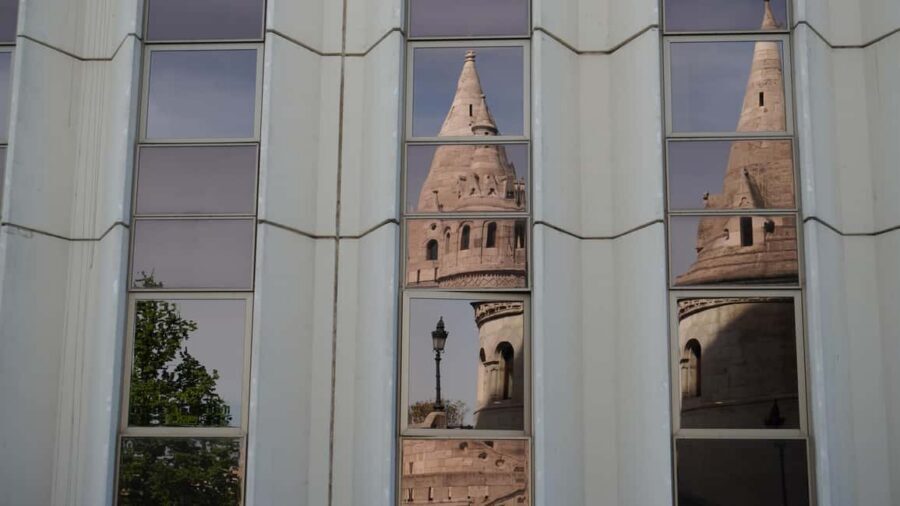
Now you get into the Castle district highlights. First up: Matthias Church and the Fisherman’s Bastion. These are classic Budapest names for a reason. They’re visually powerful, and they’re also the kind of places where a guide can help you see the “why” behind the postcard image.
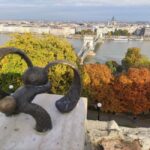
Matthias Church is tied to identity and character in this part of town, and Fisherman’s Bastion is all about the viewpoint effect—where the city opens up under your feet. If you’ve ever looked at these locations online, the surprise can be that they don’t just look good from one angle. From different positions, the views and architectural details shift.
Here’s what I’d do if I were you: once you’re in the Castle area, slow down for the details a bit more than you do elsewhere. The tour gives you the structure, but you still control how you experience it. If you take 2 minutes to look around before snapping photos, you’ll come away with a more “I get it now” feeling.
Also, the Castle District can involve uneven streets and some stairs as you move between viewpoints. The tour is manageable, but plan for walking time and wear shoes you trust.
You can also read our reviews of more guided tours in Budapest






The Royal Castle Area and the Former Government District
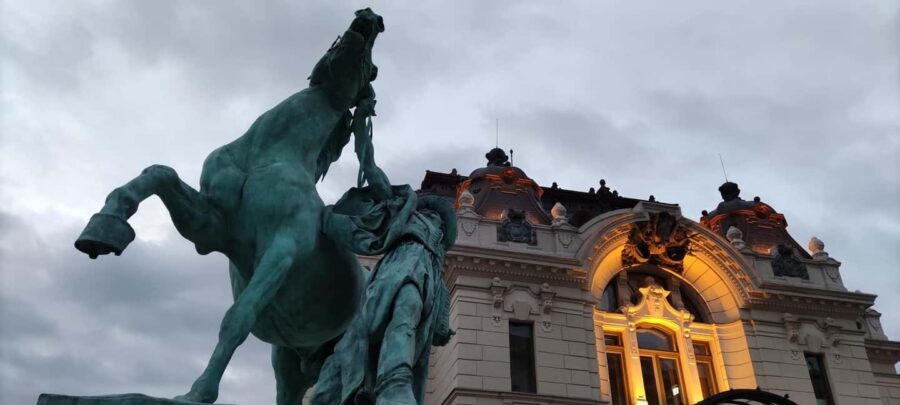
The final phase focuses on the old Royal Castle of Budapest and includes the historic centre and the former government district. This matters because the Castle area isn’t only about views. It also connects to how power and influence played out in Buda’s historic core.
A key detail: the tour describes a “tour around” the Royal Castle area. That’s important. You’re not promised a full interior visit in the information here, so you should think of it as an exterior and neighborhood-focused experience—getting oriented to the space and learning what you’re looking at as you move.
This is also where the guide’s personality really shows. The praise you’ll see about Gábor’s approach is that he shares information beyond the surface and keeps the story connected to the city’s real personality. That fits well here, because the Castle district is easy to treat like a museum set. With the right narration, it becomes something you can mentally place in Budapest’s larger story.
You’ll end the activity back at the meeting point, which helps you avoid that last-hour stress of figuring out where to go next.
What You Take Home: Insider Budapest Restaurantguide and Budapester Sparfuchs
One of the best value parts of this tour isn’t the walking—it’s what you get afterward. You receive a digital Insider Budapest Restaurantguide with dozens of options, covering restaurants, cafés, street food, and bars. That’s useful because Budapest dining can be uneven: the map is full of places, but not all of them are worth your time.
You also get the Budapester Sparfuchs, described as advice aimed at helping you save hundreds of Euros in Budapest. I’d treat that as a set of smart budgeting pointers, not a guarantee. Still, the angle is exactly what you want from a good city guide: ways to avoid overspending and find better value without guessing.
These digital tools matter most when you’re trying to plan your next 2 or 3 days. After a half-day orientation walk, you’re finally positioned to choose neighborhoods and decide what type of evening you want. Then the Restaurantguide and Sparfuchs help you actually follow through with plans instead of eating randomly.
In short, you’re paying for a guided orientation plus the practical “what to do next” layer.
Price, Time, and Who This 3-Hour Tour Fits Best
At $34 per person for 3 hours, this tour sits in the “good value” category if you like structured sightseeing and you want a shortcut to understanding how Pest and Buda connect. You’re paying for a guide who can point out what matters, plus the digital Restaurantguide and Sparfuchs materials that extend the value beyond the walk itself.
The time matters too. Three hours is enough to cover the big Pest highlights, cross to the Castle district, and still leave you with energy for your own exploring afterward. It’s also long enough that you’re unlikely to feel like you only skimmed the surface.
Who it suits:
- First-time visitors who want a clear route through both sides of the river
- People who like architecture and landmark-focused walking
- Travelers who want insider-style tips for meals and money, not just monument photos
- Those comfortable with German, since the tour is German-speaking
Who might hesitate:
- If you don’t understand German, you may struggle to follow the guide’s storytelling.
- If you prefer long, slow museum-style time at each stop, a 3-hour format may feel a bit fast.
Should You Book This Budapest Walking Tour?
I’d book this if you want a focused half-day that covers the big Pest story and the Castle District payoff without wasting time. The route choice is practical: St Stephen’s Basilica to Pest highlights, then the Parliament-and-Danube moment, then a short public-transport transfer to Buda for Matthias Church, Fisherman’s Bastion, and the Royal Castle area.
I’d also recommend it because the take-home materials are genuinely useful. A digital Restaurantguide plus the Sparfuchs-style money advice turns a sightseeing walk into planning help for the rest of your trip.
If your German is shaky, consider whether you’d rather spend your time with a guide you can understand fully. But if you’re comfortable with German and you like an organized route with insider angles, this one is a strong bet.
FAQ
How long is the Budapest guided city walking tour?
The tour lasts about 3 hours.
What language is the guide speaking?
The tour is in German.
Where do we meet the guide?
Meet your guide at Szent István tér, at the entrance of the California Coffee Company, vis á vis to St. Stephan’s Basilica.
What are the main sights in Pest during the tour?
You walk through Pest city centre, including Art Nouveau palaces, Freedom Square, and you reach the Hungarian Parliament building by the Danube.
What will we see in Buda?
In the Castle District, you visit Matthias Church and Fisherman’s Bastion, then continue toward the former government district and the old Royal Castle area.
Is there any public transport involved?
Yes. After the Pest highlights, there is a short journey by public transport to continue the tour in the Castle District.
What’s included at the end of the tour?
You receive digital issues: an Insider Budapest Restaurantguide and the Budapester Sparfuchs.
Does the tour end back at the meeting point?
Yes, the activity ends back at the meeting point.