REVIEW · BUDAPEST
Budapest Half-Day Tour: Life Behind the Iron Curtain
Book on GetYourGuide →Operated by Budapest Day Trips · Bookable on GetYourGuide
Budapest has scars you can walk up to. This half-day tour is built around the memorials and open-air symbols of Hungary’s communist era and Soviet occupation. I like that it’s structured like a story—war, occupation, then daily life under pressure—so the sites connect instead of feeling random. I also like the mix of heavy history with a practical, almost charming ending on the Children’s Railway. One thing to consider: because it packs multiple major stops into a 5-hour window, you’ll want a bit of stamina for walking and a clear plan for where you’ll meet your driver.
The real value is how the tour explains what you’re actually looking at: the Liberty Statue on Gellért Hill, the Terror House inside the communist-era memorial museum, and the outdoor sculpture world of Memento Park. The guide-led context is the difference between seeing statues and understanding why they were built, moved, and what they meant. A fair heads-up: entry fees are not fully listed as included, so plan for at least some paid admissions on top of the tour price.
In This Review
- Key points to know before you go
- Why this Iron Curtain tour feels more real than a museum day
- Getting the perspective at Citadella and the Liberty/Freedom Statue
- Terror House: the communist-era victims and the audio guide experience
- Memento Park: Marx, Lenin, and 42 relocated pieces
- The satellite lesson: how the tour connects symbolism to real life
- Ending with the Children’s Railway in the Buda hills
- Duration, pacing, and how the logistics affect your day
- Value for money: $511 per group up to 6
- Who this tour suits best
- Should you book: my quick recommendation
- FAQ
- What’s the duration of the Budapest Half-Day Tour: Life Behind the Iron Curtain?
- Is this tour private?
- Where are the pickup and drop-off locations?
- What sites will I visit during the tour?
- What’s included in the price?
- Are museum entry fees included?
- What languages are available for the live guide?
- Do I need identification to join?
Key points to know before you go
- Gellért Hill’s Citadella + the Liberty/Freedom Statue gives you the big “why here” geography fast
- The Terror House is built around communist-era victims and includes an audio guide
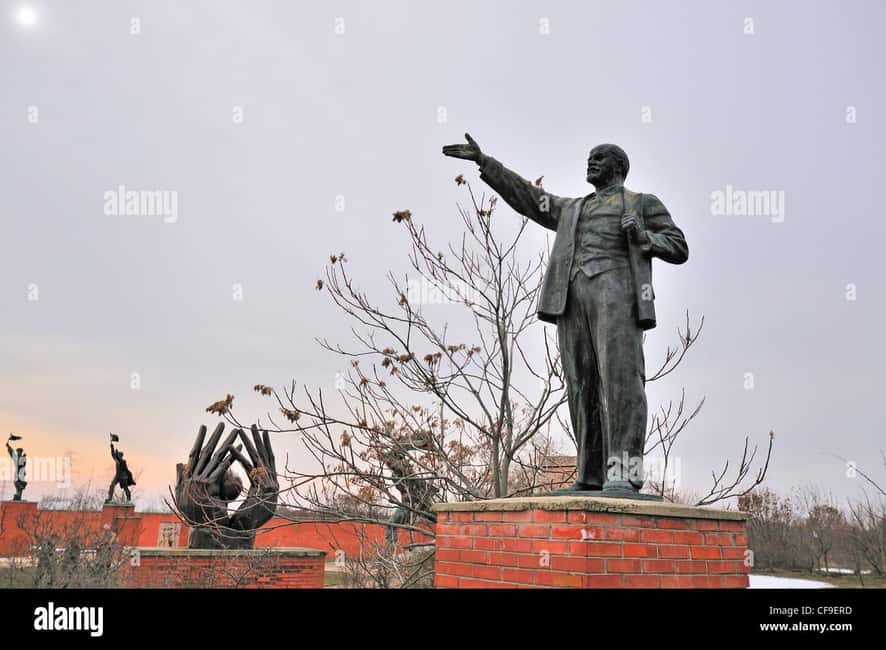
- Memento Park is an open-air collection where statues were relocated from the city
- Children’s Railway in the Buda hills softens the tone at the end with a real ride
- Private group format keeps the pacing and Q&A flexible with your guide (named Thomas in past experiences)
Why this Iron Curtain tour feels more real than a museum day
Budapest’s communist past isn’t only in documents. It’s in the skyline and in public spaces—what got built, what got removed, and what got preserved in a park. This tour works because it starts high and public, then moves to rooms and outdoor exhibits that make the ideology tangible.
On a half-day format, you don’t try to “learn everything.” Instead, you get a clear thread: end-of-World-War-II chaos and siege, the Soviet-backed postwar reality, then the communist system’s grip on daily life. Even if you’ve read about the era before, walking through the sites forces your brain to sort fact from propaganda-style messaging.
You can also read our reviews of more tours and experiences in Budapest



Getting the perspective at Citadella and the Liberty/Freedom Statue
Most visitors understand Gellért Hill as a viewpoint. This tour uses it as an interpretation platform. You’ll go to the Citadella area to learn about the siege of Budapest toward the end of World War II, which is where the country’s occupation story begins.
That matters because the communist-era memorials don’t appear out of thin air. They follow a war period when control changed fast, cities were damaged, and power was imposed. When your guide frames what happened near the end of WWII, the later memorials stop feeling like random monuments and start feeling like political punctuation.
Then comes the Liberty Statue (Freedom Statue), the huge monument on Gellért Hill. It was erected in 1947, and it was originally dedicated to Russian troops. The scale is the headline: a 26-meter pedestal plus a 14-meter statue, and it’s described as probably the tallest of its kind in Europe. Today it’s presented as a universal symbol of freedom, and it’s a key part of Budapest’s panorama.
Practical note: you’ll spend time looking outward over the city. That view helps you “place” the rest of what you’re seeing later at ground level in the museums and park.
What I like most here is that you’re not only hearing facts—you’re learning to read messages in stone and metal.
Terror House: the communist-era victims and the audio guide experience
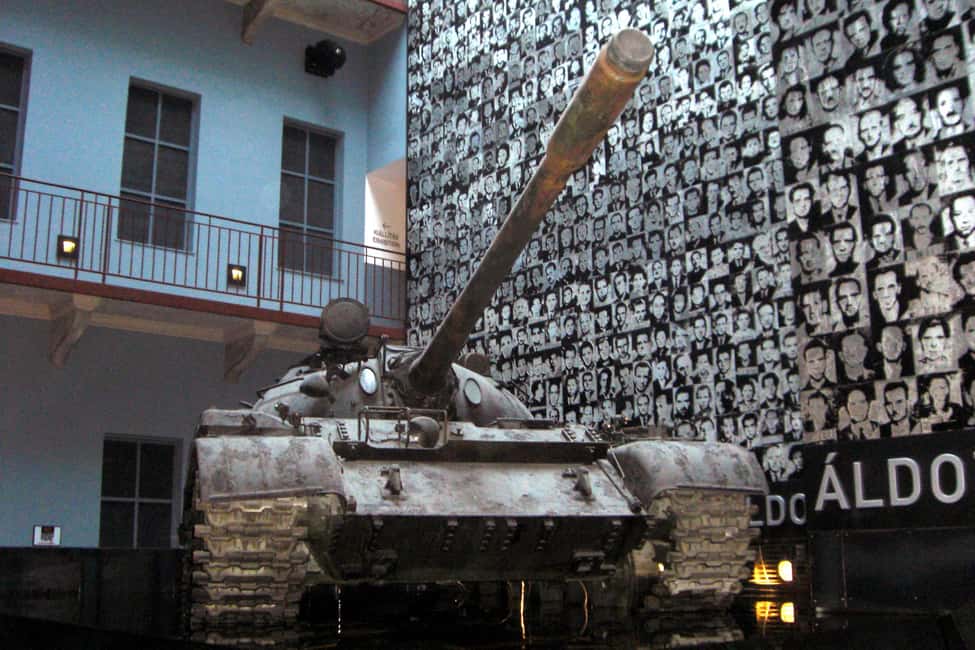
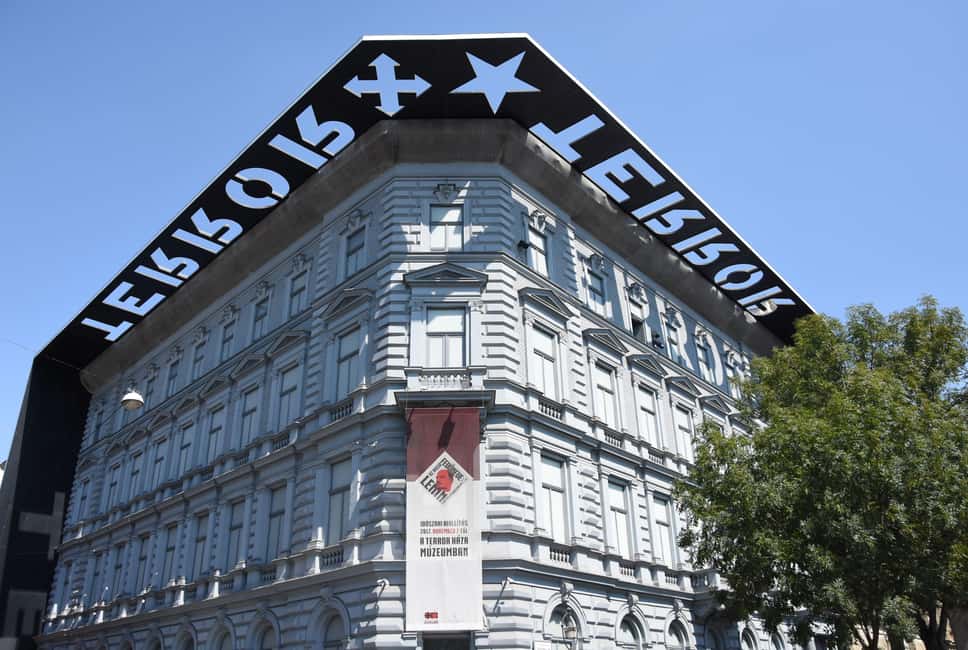
After the outdoor monuments, the tour turns inward at the Terror Museum (often referred to as the Terror House). This museum focuses on those who fell victim during the Communist era, and you’ll have an audio guide included.
This stop is emotionally heavier than the others, and it needs a slower mental pace. The audio guide helps with that because it gives you structure while you walk the exhibits. Even if you don’t control the story fully on your own, you can follow along and pick up names, dates, and themes without feeling lost.
One balance point I appreciate: the itinerary doesn’t pretend the era is only dark. The day ends with something lighter, but the museum stop stays serious. That pairing keeps the tour from becoming pure gloom or pure spectacle.
A practical consideration: the tour notes that entry fees are not included. So while you’ll have the audio guide, you should budget for the museum admission itself. If you’re cost-sensitive, check what the included transfers and listed admissions cover when you book.
Memento Park: Marx, Lenin, and 42 relocated pieces
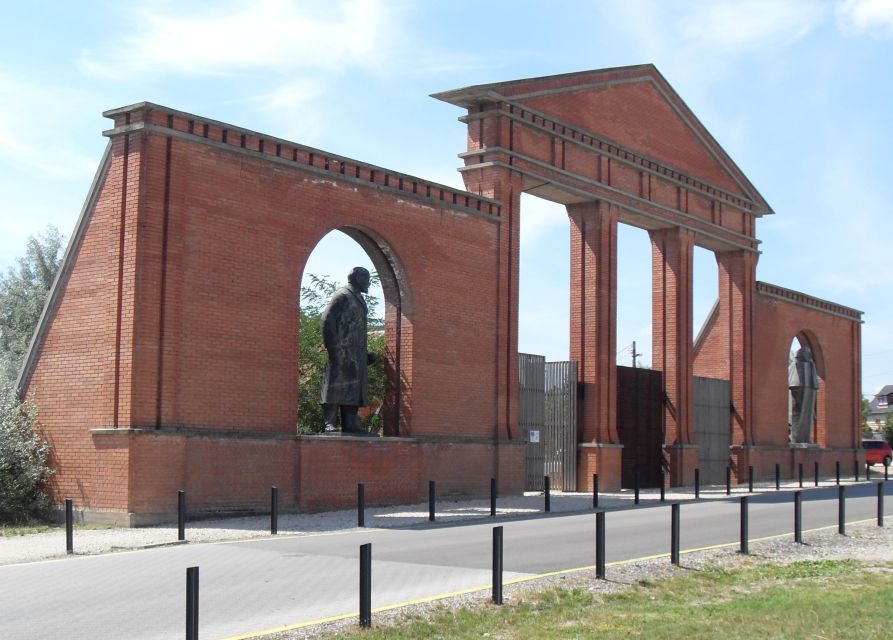
Next you’ll reach the open-air political sculpture environment of Memento Park. This is the kind of place that can go either way on a short tour: it could feel like a photo stop, or it can feel like history with context. On this tour, you get the context.
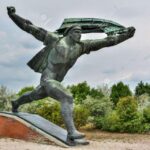
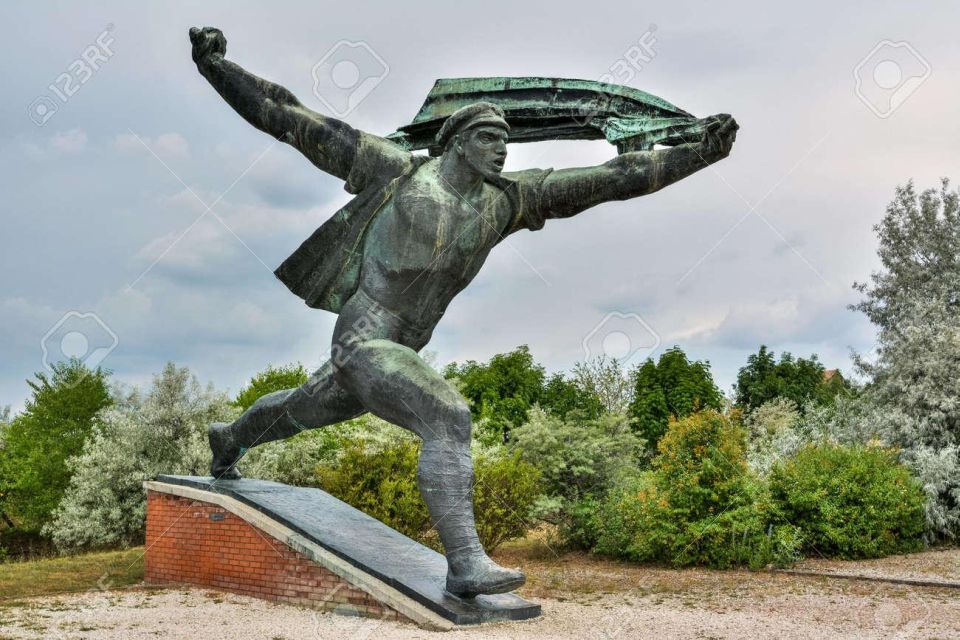
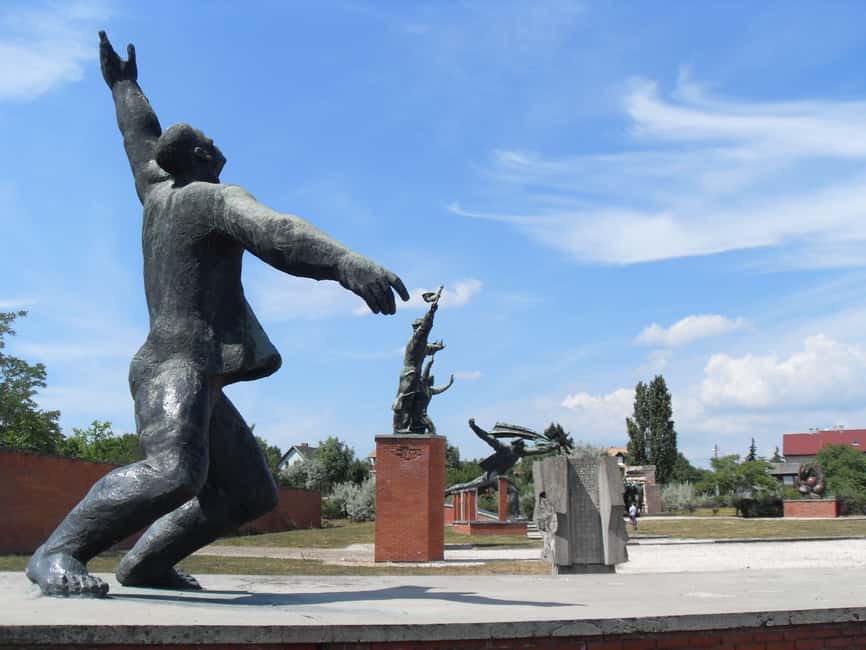
Your guide shows you statues associated with communist leaders, including Marx, Lenin, and Ostapenko, plus other personalities from the era. You’ll also learn about the Memorial of the Hungarian-Soviet Friendship, among many other monuments erected from 1945–1989.
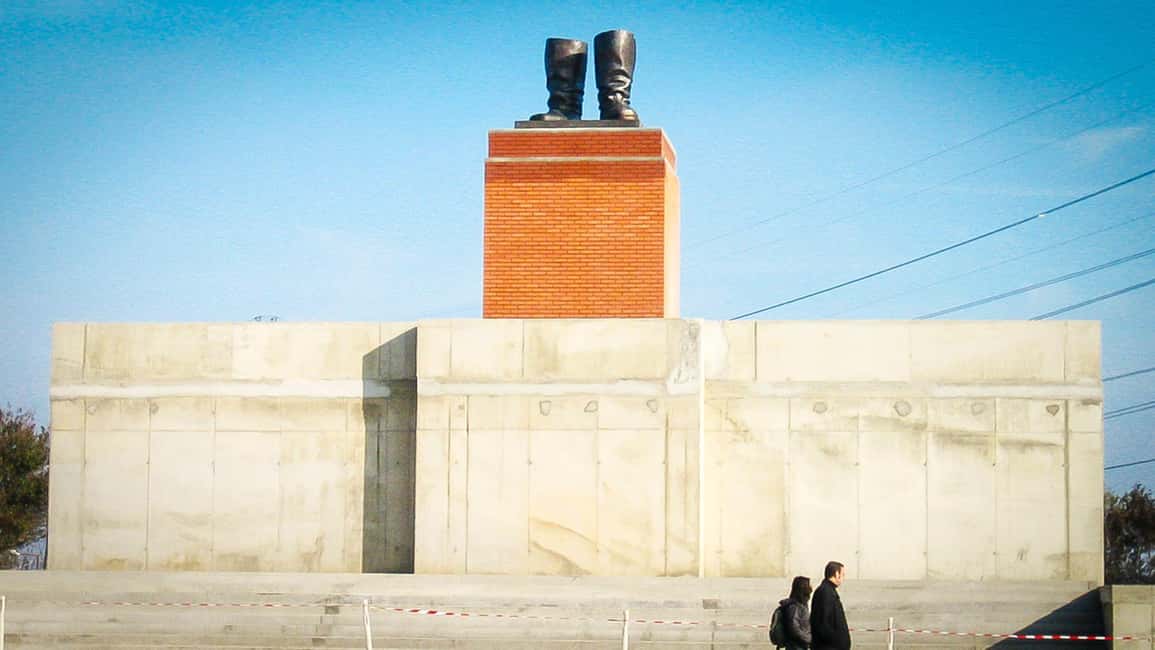
Here’s what makes Memento Park especially worth your time: many of these works were relocated from the city into this outdoor museum. That relocation tells a story of its own. The statues are not in the streets anymore, so the meaning changes. In the open air, they feel more like evidence—objects with a history—rather than active tools of daily political messaging.
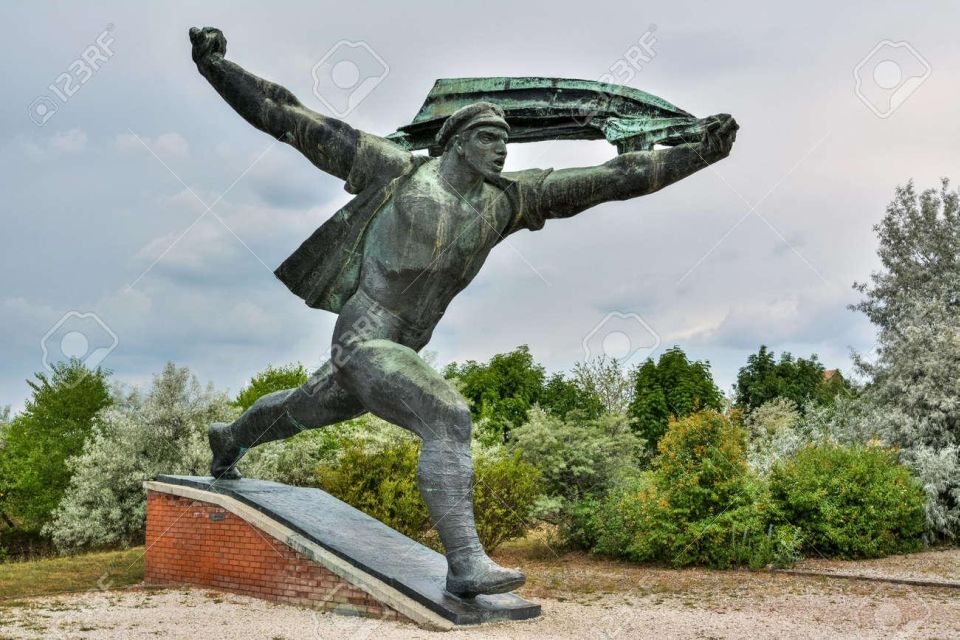
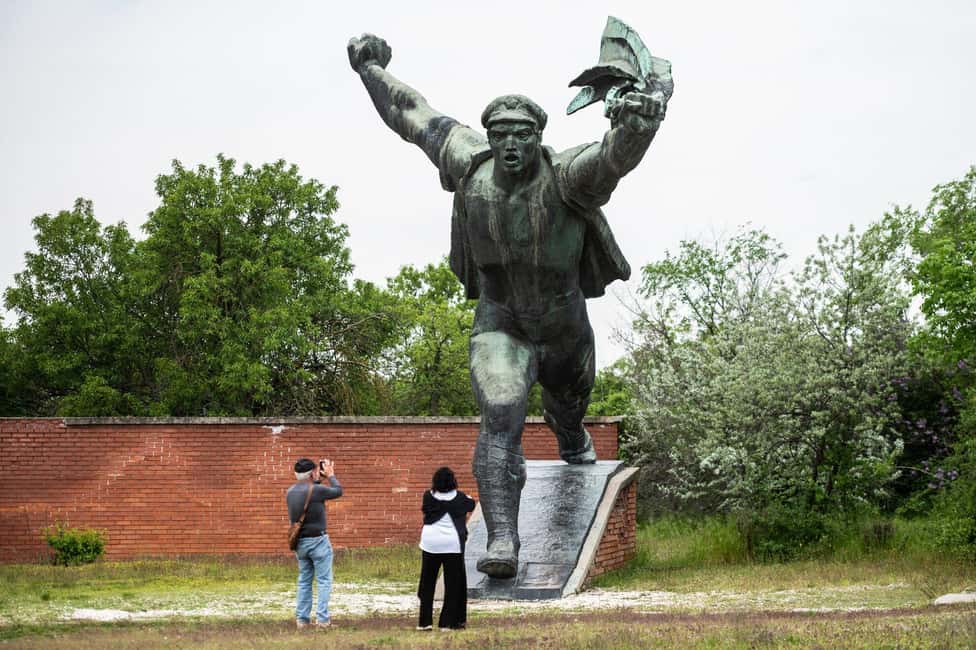
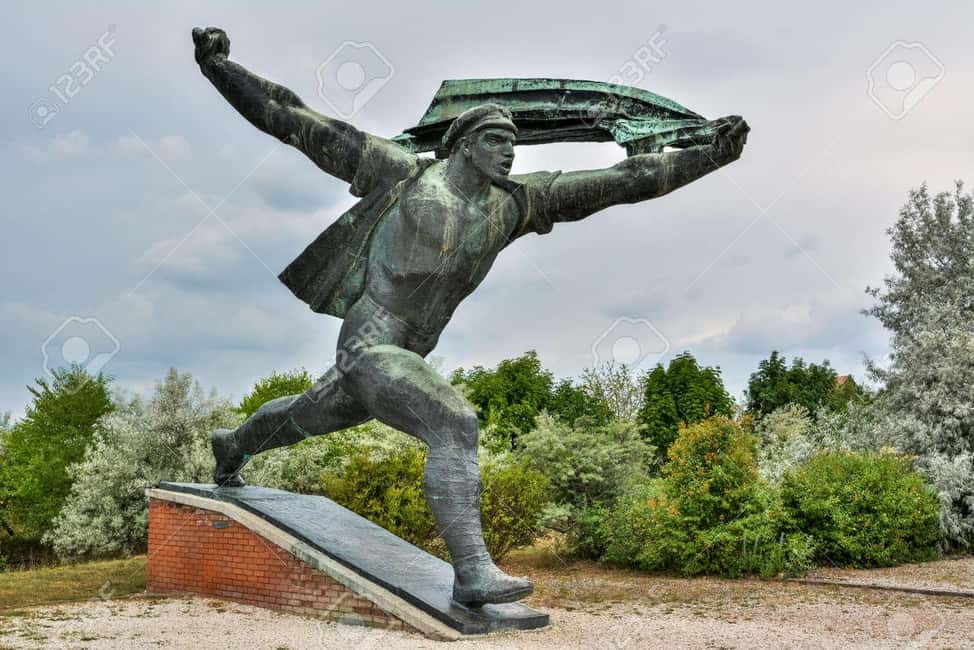
The collection is described as 42 pieces, including the 6-meter-high statue of the Liberation Army Soldier. When you stand next to something that tall, it’s easier to understand how propaganda can fill space and shape what people feel is “normal.”
Also, the tour includes entry into Memento Park, which helps make your half-day plan simpler. You’re paying for a guide-led experience, not just getting dropped at a park.
The satellite lesson: how the tour connects symbolism to real life
This tour’s best trick is the connection between symbols and lived experience. The stops aren’t isolated. The Citadella and Liberty Statue are about power and messaging in public. The Terror House is about what that system did to people. Memento Park is about how ideology can be packaged into monuments—and then later managed as the political story changes.
When you get that sequence, you start noticing patterns:
- How postwar power tries to redefine freedom
- How museums turn victim stories into public memory
- How outdoor parks can turn ideology into “objects you can study”
That’s a real value for you as a traveler. Instead of collecting landmarks, you collect meaning. And when you return to the city afterward, you’ll likely see the skyline and street-level details differently.






Ending with the Children’s Railway in the Buda hills
You finish with a tone shift on the Children’s Railway in the Buda hills. It originally opened in 1949 and was known as the Pioneer’s Railway. The operation ran with children aged 10–14 years.
That’s an interesting detail because it shows another side of communist-era life: youth programs and organized roles for children, where training and discipline were folded into everyday activities. Finishing with a ride doesn’t erase the darkness of earlier stops—it reframes the day so you can walk away without carrying only weight.
Even if you don’t think of train rides as part of “political history,” the contrast is the point. You see how a system could teach itself into routine, then later become a nostalgic, public attraction once history shifted.
Duration, pacing, and how the logistics affect your day
This experience runs about 5 hours. That’s long enough to cover three major memorial areas, but short enough that it stays focused. The private group format matters here. You’re not stuck waiting on a large group, and you can ask your guide questions when something clicks—or when something doesn’t.
You’ll have pickup from one of three options in Budapest: District XI, District V, or District VII, and the tour ends with drop-offs back in District VII, District V, or District XI. You can also expect transfers, which helps keep your time on history rather than getting yourself across town.
Languages offered include English, Spanish, Italian, German, Russian, French, Portuguese. If you prefer to follow nuance closely—names, terms, dates—going in your strongest language helps you get the most out of the museum-style explanations.
One more practical note: you should bring a passport or ID card, since it’s listed as required.
Value for money: $511 per group up to 6
At $511 per group (up to 6 people), the price is clearly designed for groups, not solo bargain-hunting. But the value can be strong if you’re dividing the cost among travel companions.
Here’s where the math starts to make sense:
- You get a private guide, not a shared bus tour
- Transfers are included, which you’d otherwise pay to arrange
- Memento Park entry is included, lowering the total out-of-pocket cost
- The day includes museum interpretation and site context, not just sightseeing
If you’re traveling as a pair or small group, this can feel like a smart way to avoid the “stand in line and hope you understand” problem. If you’re solo and comparing prices, it’ll likely feel more expensive than group tours—but that’s the trade for a private, timed, guide-led history walk.
Who this tour suits best
This is a good fit if you:
- Want a structured Cold War / communist-era overview without turning the day into a full museum marathon
- Appreciate context—why monuments were built and how their meaning changed
- Like walks with a viewpoint and then indoor/outdoor memorial stops
- Want a private guide who can explain details in your preferred language
It’s less ideal if you want a purely light, casual “photo and coffee” day. This itinerary includes a victims-focused museum stop, and the tone is meant to land.
Should you book: my quick recommendation
I’d book this tour if you want a half-day that connects the big ideas to specific places: Citadella, the Liberty/Freedom Statue, the Terror Museum, and Memento Park—then ends with the Children’s Railway for a human, real-life change of pace.
I wouldn’t book it if you’re hoping for only top views and quick photos, or if you’re not ready for a museum that centers suffering and repression. But if you’re game for thoughtful history in the spaces where it still lives, this one is built to make the city make sense.
FAQ
What’s the duration of the Budapest Half-Day Tour: Life Behind the Iron Curtain?
The tour lasts about 5 hours. Starting times vary, so you’ll need to check availability for exact times.
Is this tour private?
Yes. It’s a private group experience with pickup and drop-off options.
Where are the pickup and drop-off locations?
Pickup is available at District XI, District V, or District VII. Drop-off options are also District VII, District V, or District XI.
What sites will I visit during the tour?
You’ll visit the Citadella area on Gellért Hill, the Terror Museum (Terror House), and Memento Park. The tour also includes a ride on the Children’s Railway in the Buda hills.
What’s included in the price?
Transfers and a live guide are included, and entry into Memento Park is included.
Are museum entry fees included?
Entry fees are listed as not included. The Terror Museum is described as having an audio guide, but you should still expect that admission itself may require additional payment.
What languages are available for the live guide?
The guide is available in English, Spanish, Italian, German, Russian, French, and Portuguese.
Do I need identification to join?
Yes. You should bring a passport or ID card.