REVIEW · HISTORICAL TOURS
Budapest Old Jewish Quarter History Private Walking Tour
Book on GetYourGuide →Operated by ROSOTRAVEL Hungary · Bookable on GetYourGuide
Synagogues and street history, side by side. This private walking tour through Budapest’s Old Jewish Quarter connects major Jewish sites with the stories behind them, from Roman times to the Holocaust. You’ll see key stops like Dohány Street Synagogue, plus the Ghetto Memorial Wall, and end in the lively Klauzál area.
What I really like is the guide-led focus on meaning, not just photos. Two standouts for me are the chance to visit multiple synagogues across the Jewish Triangle, and the way the tour ties famous names like Theodor Herzl into the broader timeline.
One practical consideration: synagogue entry is not included, so you’ll mainly rely on viewpoints and accessible areas rather than a full inside visit to each building.
In This Review
- Key things that make this tour worth your time
- Start at the Sissi Statue: a 2-hour walking plan you can actually handle
- Dohány Street Synagogue: Budapest’s landmark, explained in plain terms
- The Jewish Triangle: Rumbach, Kazinczy, and Astoria’s story in between
- From Roman times to the Holocaust: how the timeline stays understandable
- The Ghetto Memorial Wall: quiet history you can’t rush
- Klauzál Square and Klauzál Market Hall: where daily life returns
- Private guide quality: how the best reviews show up in the details
- Price and value: is $150 per person fair for a 2-hour private walk?
- Who should book this tour (and who might want to plan differently)
- What to bring and how to be comfortable on the route
- Should you book this Budapest Old Jewish Quarter history tour?
- FAQ
- How long is the Budapest Old Jewish Quarter History Private Walking Tour?
- What does the tour cost?
- Where does the tour start and end?
- Is this tour private?
- What languages are available for the guide?
- Are synagogue entries included?
- Do I need to pay for the Ghetto Memorial Wall?
- How much walking is involved, and is it flat?
- Does the tour run in bad weather?
- What is the cancellation and payment policy?
Key things that make this tour worth your time

- Small private group feel (1–25 per guide) so the story can match your interests
- Five-star licensed history guide available in English, German, French, Italian, or Spanish
- Jewish Triangle highlights: Dohány, Rumbach, and Kazinczy, plus the Astoria Central Residence area
- Ghetto Memorial Wall visit with optional entry (2 euro per person)
- A strong city-meets-history finish around Klauzál Square and Klauzál Market Hall
Start at the Sissi Statue: a 2-hour walking plan you can actually handle
The tour begins next to the Sissi Statue at Madách Imre tér 7 (right in central Budapest), and it loops back to the same meeting point at the end. It runs for about 2 hours, and the walk covers roughly 2.5–3.5 km. That distance is manageable, but it does include uneven ground and some steps, so good shoes matter.
This is a private group, and that changes the feel. When your guide can slow down or speed up based on your pace, history doesn’t turn into a rushed checklist. The guide is licensed and fluent in your chosen language, which helps you follow the stories clearly while you’re outside in real city conditions.
I also appreciate the weather approach: it runs rain or shine. Budapest’s weather can be moody, so plan for that and bring what you need (umbrella or rain layer), not optimism.
You can also read our reviews of more walking tours in Budapest



Dohány Street Synagogue: Budapest’s landmark, explained in plain terms
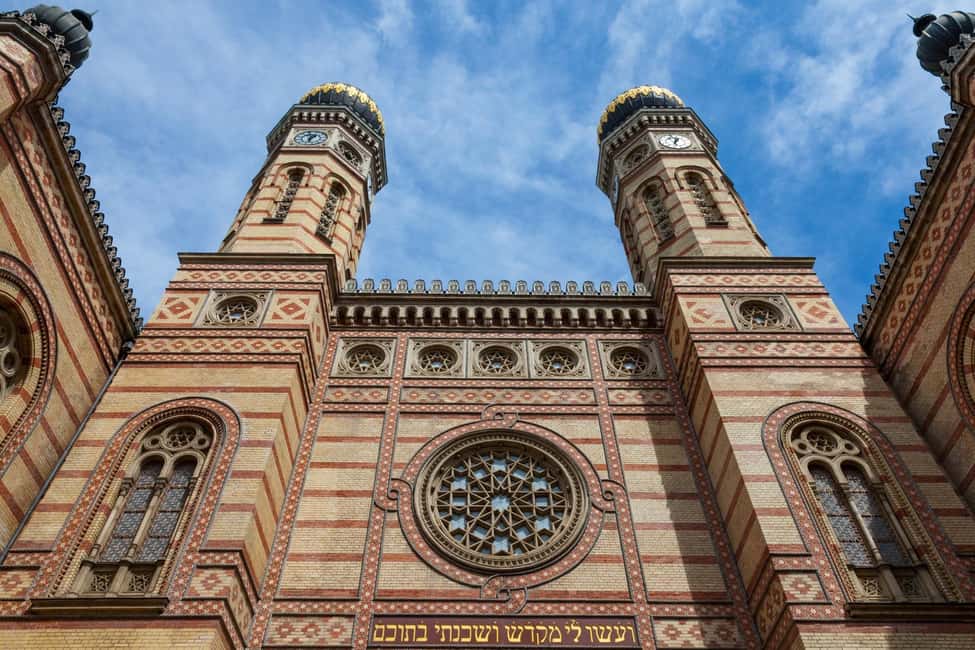
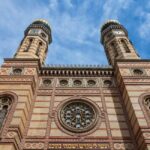
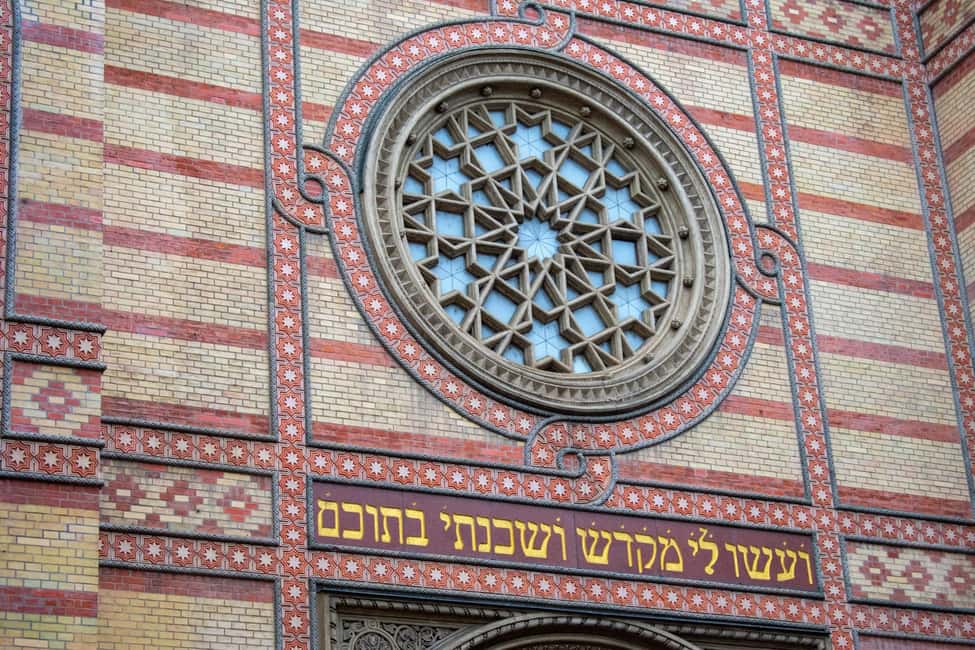
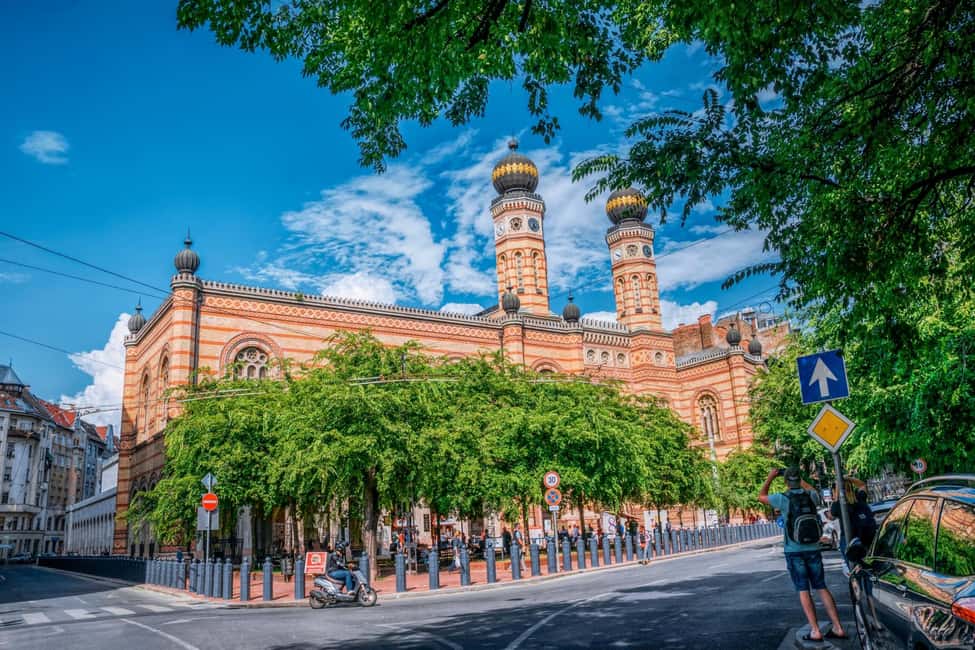
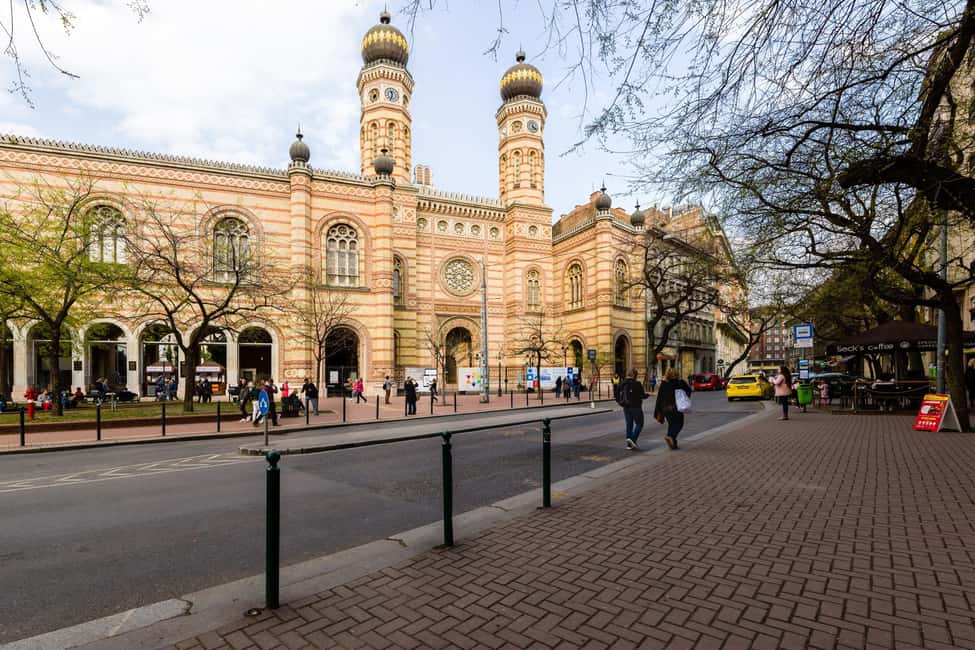
The day’s big visual anchor is the Dohány Street Synagogue with its towering spires. From the outside, it’s easy to treat as a famous postcard. The tour’s value is that your guide frames it as part of a larger Jewish story in Budapest, not just architecture.
You’ll also learn how Jewish life in the city shifted across centuries, and why this building matters in that sequence. In a short 2-hour format, you’re not trying to memorize dates. Instead, you’re building a mental map: where the community grew, where it suffered, and how survival and renewal shaped what you see today.
One more practical note: entry into synagogues is not included due to restricted access. So treat Dohány here as an essential exterior stop—still powerful, especially when your guide connects it to the events that changed these streets.
The Jewish Triangle: Rumbach, Kazinczy, and Astoria’s story in between
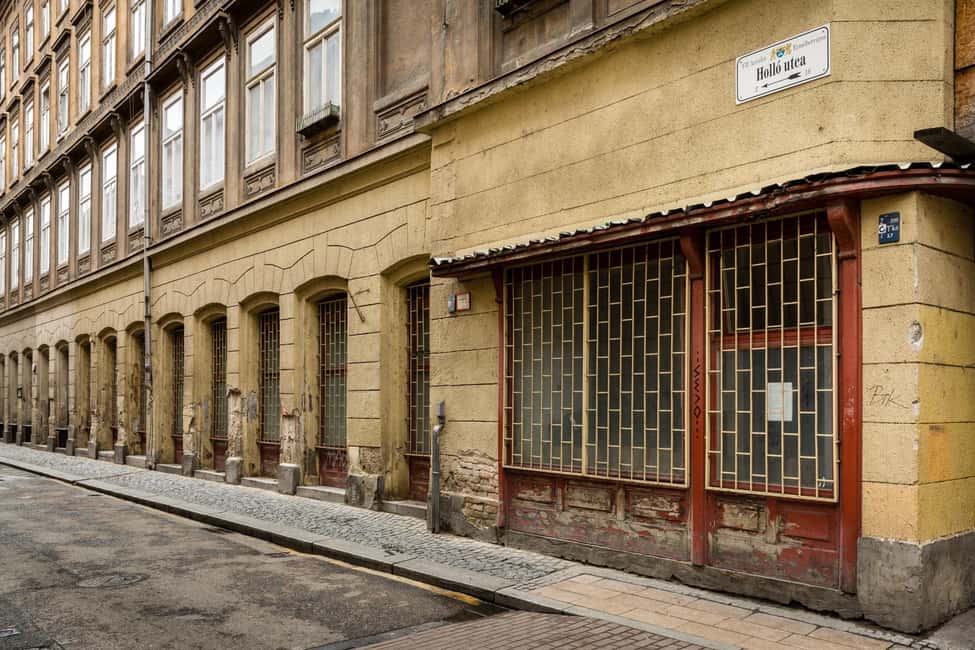
A highlight of this tour is hitting the Jewish Triangle rather than spending all your time at one location. You’ll see three major synagogues in the area—Dohány, Rumbach, and Kazinczy—and also reference Synagogue Astoria Central Residence as part of the neighborhood’s religious and cultural layout.
Rumbach is especially interesting because the guide points out its delicate Moorish-style architecture. When you learn that a building’s design reflects cultural influences and community aspirations, the street view becomes more than a facade. You start noticing details because they’re clues.
Kazinczy adds another layer too. The guide’s approach helps you understand why synagogues here aren’t just religious sites—they’re cultural markers for a changing community. Even without interior visits, you can still get the point: different streets, different histories, and different eras of Jewish presence.
This is where the private nature pays off. In the reviews, guides like Ange and Natalia are praised for kindness and tailoring the experience to what people want to focus on. If you care more about architecture, the guide can lean that way. If you care more about trauma and survival history, the guide steers the narrative accordingly.
From Roman times to the Holocaust: how the timeline stays understandable
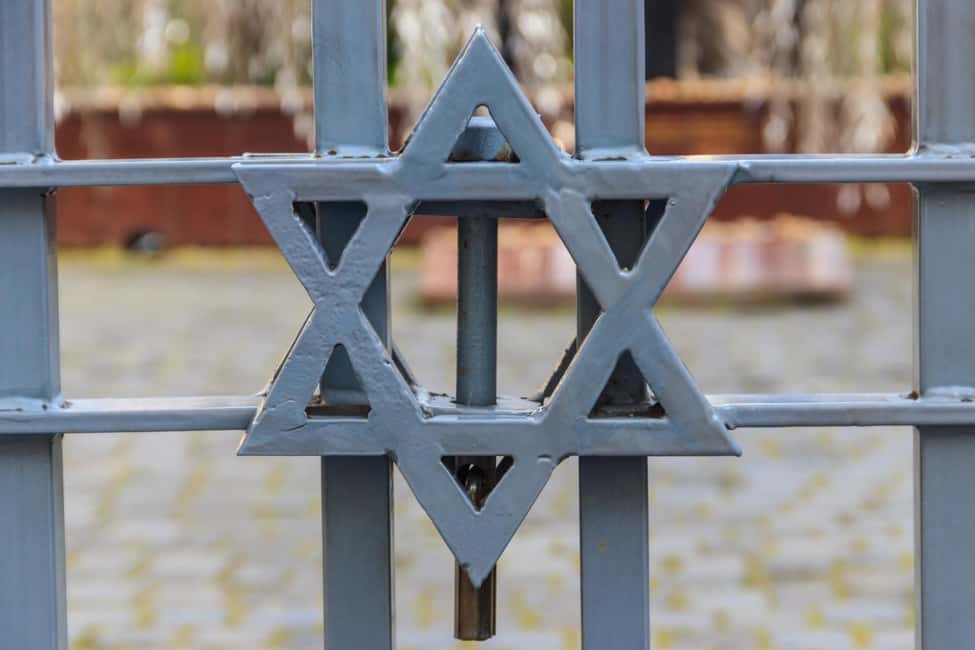
The Old Jewish Quarter can feel overwhelming at first. You see monuments, buildings, and memorials, but the sequence of what happened can blur together if you’re on your own. The tour is structured to keep that timeline readable.
Expect the guide to connect Jewish life in Budapest across major historical periods, including Roman times, the Black Death, and the Holocaust, then bring you forward into the present-day city. That broad sweep can sound like a lot for 2 hours, but the guide’s job is to make it feel like a map, not a lecture.
A key name you’ll hear is Theodor Herzl, described here as the spiritual founder of Israel. Whether you already know Herzl’s story or not, the tour uses him as a thread that links identity, political ideas, and Budapest’s role in Jewish heritage.
If your goal is to leave Budapest with a clearer understanding of why these streets look the way they do, this timeline approach is a smart use of time. You’re learning the why behind what you’re seeing.
The Ghetto Memorial Wall: quiet history you can’t rush
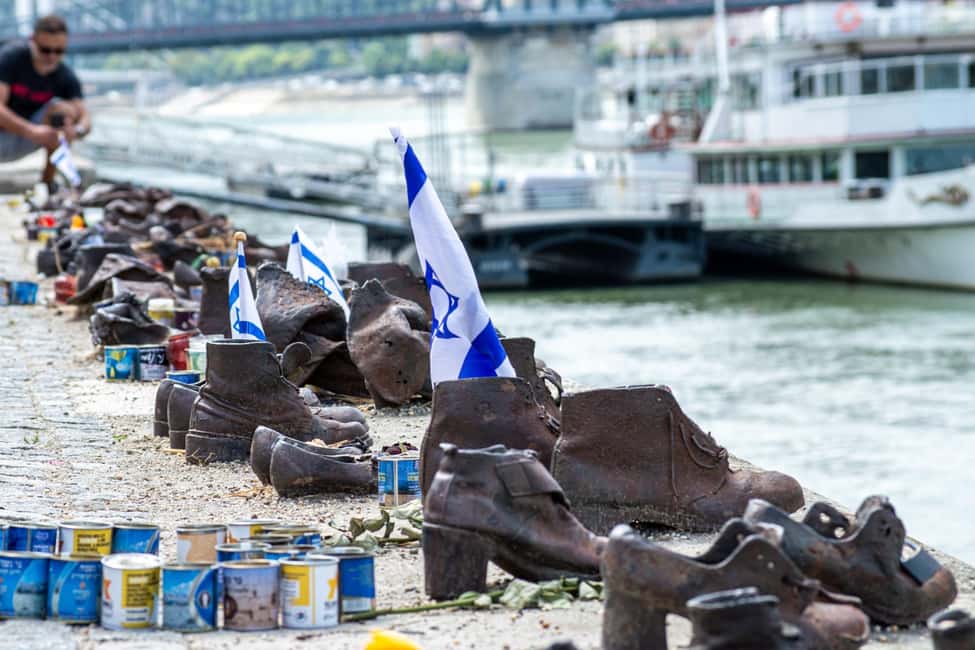
The emotional center of the tour is the Ghetto Memorial Wall, where you can visit the last remaining section tied to World War II history. This part is understandably solemn. Your guide will explain what you’re seeing and why it matters, with the Holocaust as the backdrop.
The entry is optional. You can choose to include the memorial wall visit with a fee of 2 euro per person. The tour notes that the wall ticket is available as part of the experience, but the admission itself costs that amount.
Even if you’re not the type who usually seeks out heavy history, I think this stop is one you should consider. It’s one thing to hear about the Holocaust. It’s another to stand at a wall marking the reality that lives were trapped, separated, and destroyed here.
This is also where your guide’s tone and pacing make a real difference. In the reviews, guides are described as exceptional and giving unforgettable experiences. That kind of human delivery matters in this setting, because the goal is respect, not speed.
You can also read our reviews of more private tours in Budapest






Klauzál Square and Klauzál Market Hall: where daily life returns
After the heavier portion of the walk, you shift into the normal rhythm of the neighborhood around Klauzál tér. You’ll stroll through the square and then move to Klauzál Market Hall, which is a practical end point: it’s a living place with smells, sounds, and everyday movement.
The value here is contrast. History doesn’t stop at tragedy. Jewish life—and the wider life of the district—continues in daily routines, commerce, and community energy. Your guide uses this final stretch to connect past and present in a way you can feel on your feet.
No food is included, but ending near a market is a smart move for what comes next. If you still want to eat or snack later, you’re already set up in a real neighborhood hub. If you prefer something calmer, you’ve got options nearby.
Private guide quality: how the best reviews show up in the details
The strongest praise across the guide feedback is about the person leading the tour. Reviews highlight that guides were expert, competent, and available. They also mention a personal touch, especially on tours tailored to individual interests.
Specific names show up: Bela is praised as an experienced guide who was competent and helpful. Ange is described as very knowledgeable and kind, with the tour being personal enough to match interests. Natalia is called exceptional and recommended.
You can’t control which guide you’ll get, but this is still a meaningful signal. When a tour is private and relies on discussion, guide personality matters. The guide can turn buildings and plaques into a story you actually remember.
Price and value: is $150 per person fair for a 2-hour private walk?
At $150 per person, this isn’t a budget option. But it’s also not trying to sell you a museum marathon. You’re paying for a private, licensed 5-star history guide plus structured storytelling across major sites.
Here’s the value math I’d use: you’re getting an organized route through multiple landmarks (including three synagogues in the Jewish Triangle), plus the Ghetto Memorial Wall stop. You also get built-in guidance on what to do next in Budapest, which is often worth real money if you’re short on time.
There are also costs to understand up front:
- Synagogue entry is not included (restricted access), so don’t expect paid interiors.
- Ghetto Memorial Wall entry is optional with an extra 2 euro per person.
If you want a simple self-guided stroll, you can do that too. But if you want context and clear connections between Roman times, the Black Death, and the Holocaust—without getting lost in dates—this private format makes sense.
Who should book this tour (and who might want to plan differently)

This tour is a great fit if you want a guided history route that hits the essential landmarks without dragging on for half a day. It works well for:
- First-time visitors who want high-impact context in 2 hours
- People who prefer a private format over crowded group audio tours
- Anyone who cares about how Herzl and Jewish heritage connect to Budapest’s streets
- Travelers who appreciate architecture explanations as much as social history
It may not be the best fit if you want deep, stop-by-stop synagogue interiors. Because entry isn’t included, you’ll still see major buildings, but your experience won’t be the same as a tour that includes paid access to inside spaces.
What to bring and how to be comfortable on the route
Wear comfortable shoes. The tour is moderate with uneven surfaces or steps, and Budapest sidewalks can be unpredictable. Dressing for the weather is key since it runs rain or shine.
I’d also bring a light layer even in warmer months. If you’re walking and stopping frequently for explanations, temperature swings matter. And keep your phone charged if you like photos—just remember this tour is story-led, so don’t let the camera steal the show.
Should you book this Budapest Old Jewish Quarter history tour?
If your priority is getting the big story right—Jewish presence in Budapest across centuries, plus the meaning of the Ghetto Memorial Wall—then yes, I’d book it. The combination of a private, licensed guide, the Jewish Triangle stops, and the Klauzál Market Hall ending makes it a strong use of a short visit.
If you’re hoping for inside synagogue visits, plan your expectations accordingly since entry isn’t included. For the right mindset—seeing the city as a living historical lesson—this is a smart, efficient way to understand Budapest beyond the obvious landmarks.
FAQ
How long is the Budapest Old Jewish Quarter History Private Walking Tour?
The tour lasts about 2 hours.
What does the tour cost?
The price is $150 per person.
Where does the tour start and end?
You meet your guide next to the Sissi Statue at Madách Imre tér 7, 1075 Hungary, and the tour ends back at the meeting point.
Is this tour private?
Yes. It’s a private group tour.
What languages are available for the guide?
The live guide is available in English, German, French, Italian, and Spanish.
Are synagogue entries included?
No. Entrance to the synagogues is not included due to restricted access.
Do I need to pay for the Ghetto Memorial Wall?
Entry to the Ghetto Memorial Wall is optional, and the entrance fee costs 2 euro per person.
How much walking is involved, and is it flat?
It’s a moderate 2.5–3.5 km walking route and may include uneven surfaces or steps. The guide adapts the pace to the group.
Does the tour run in bad weather?
Yes. The tour runs rain or shine.
What is the cancellation and payment policy?
Free cancellation is available up to 24 hours in advance for a full refund, and you can reserve now and pay later.