REVIEW · COOKING CLASSES
Budapest: Hungarian Cooking Class and Market Walk
Book on GetYourGuide →Operated by Foodapest · Bookable on GetYourGuide
Budapest cooks. This experience turns the Central Market Hall into your classroom, with fresh shopping, hands-on communal cooking, and tastings with wine and pálinka. I especially like the market walk first (so you know what you’re buying and why) and the fact you get to cook a real Hungarian favorite with a simple, family-style workflow. The only drawback is time and food planning: it runs about 4 hours, so you’ll want to come hungry and not schedule something tight right after.
You start outside the main entrance at Central Market Hall, near the Yellow Tram stop, and your guide is easy to spot with a brown market basket. Then you head to an apartment kitchen nearby where snacks and drinks are already waiting before the cutting, stirring, and seasoning starts. In past groups, guides like Emese, George (György), Marcell, and Kinga have led the day, and the common thread is a relaxed, welcoming vibe that feels more like learning in someone’s home than following a script.
In This Review
- Key takeaways before you book
- Central Market Hall is the real star of this Budapest food class
- Where you meet at Central Market Hall (and how to find your guide)
- The market walk: tastings, history chat, and real ingredient choices
- From market to apartment: appetizers, snacks, and Hungarian drinks
- Choose your main dish: chicken paprikash, beef goulash, or vegetarian lecsó
- Chicken Paprikash
- Beef Goulash Stew
- Mushroom Paprikas or Lecso (vegetarian/vegan friendly)
- What communal cooking really means in your day plan
- Wine, pálinka, and the family-recipe teaching style
- Practical pacing: what 4 hours feels like for a first-timer
- Price and value: is $98 per person worth it?
- Who this Budapest class suits best
- Tips so you enjoy the market walk and cooking day more
- Should you book this Budapest market walk and cooking class?
- FAQ
- Where does the cooking class start?
- How do I find the guide?
- How long is the experience?
- Do I need to already know how to cook?
- What dishes can I choose to cook?
- What food and drinks are included?
- Are there vegetarian or vegan options?
- Does the class include recipes?
- Is there an option for dietary restrictions or preferences?
- Is alcohol included?
Key takeaways before you book
- Central Market Hall ingredient hunt: you walk, taste, and learn while you shop
- Communal, family-style cooking: everyone helps, not just one person cooking
- Pick your main dish: chicken paprikash, beef goulash, or vegetarian-friendly lecso/mushroom paprikas
- Included Hungarian drinks and snacks: cold cuts, cheese, wine, and Hungarian spirits
- Recipe collection plus a small souvenir: you leave with both memories and next-step cooking guidance
Central Market Hall is the real star of this Budapest food class
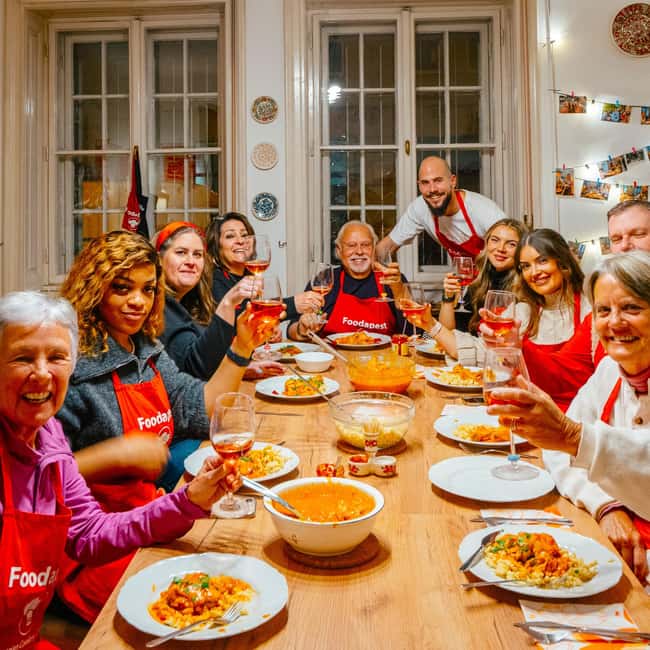
If you want Hungarian food to click in your head, start at the source. Central Market Hall is huge, covered, and built for real day-to-day eating—meat counters, paprika shelves, pickles, cheese, produce. This class uses that setting as your warm-up. You’re not just walking through pretty stalls. You’re tasting along the way and picking up context you can use later when you cook.
What makes this work so well is the order: market first, cooking second. Your senses are awake. You learn what ingredients smell like, look like, and actually taste like. Then, when you’re back at the apartment kitchen, it feels like the same food—just chopped and transformed.
I also like the practical side. You get tips and recommendations for Budapest during the experience, and you’re handed recipes at the end. That means it’s not only about one meal that disappears. It’s about bringing Hungarian flavors home in a way that makes sense.
You can also read our reviews of more walking tours in Budapest



Where you meet at Central Market Hall (and how to find your guide)
You’ll meet outside the main entrance of the Central Market Hall, on the side of the Yellow Tram’s stop. Your guide holds a brown market basket, which makes the meet-up unusually easy. That matters in a big public place like this—less wandering, more eating.
The tour is in English, and the class runs about 4 hours. The exact start time depends on availability, but the structure stays the same: meet at the market, walk and taste, then head to the apartment to cook and eat.
If you’re the type who likes to arrive early, do it. Even though you’ll skip the line through a separate entrance, Central Market Hall still benefits from a little time buffer. You’ll settle into the day faster.
The market walk: tastings, history chat, and real ingredient choices
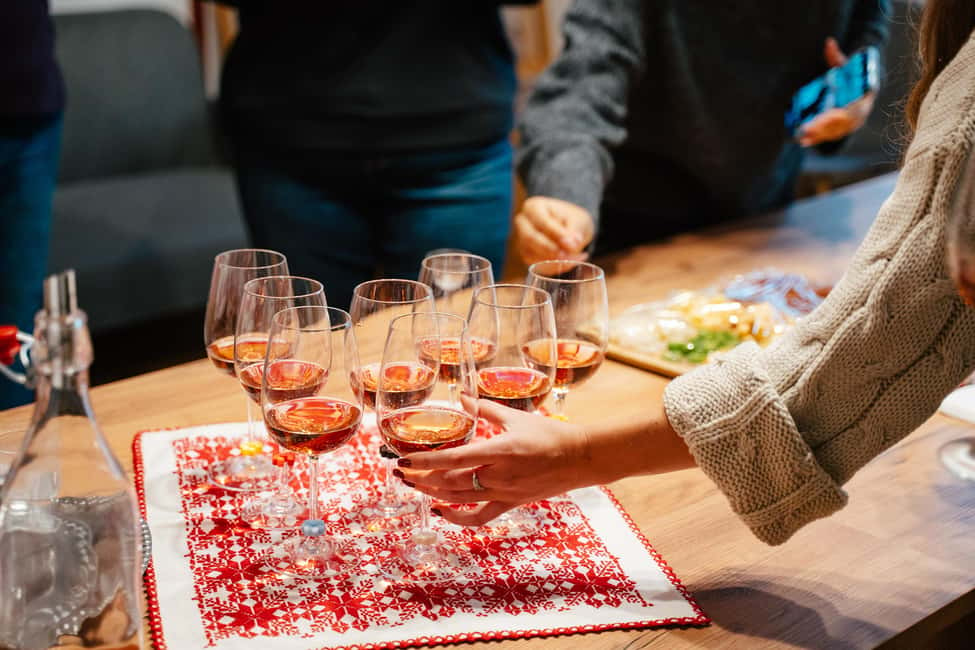
Your market portion is a short walk inside and around Central Market Hall. You’ll chat about Hungarian food culture and history while sampling local treats. That mix is important. The food is flavorful, sure—but the stories help you understand why Hungarian cuisine leans on certain flavors so hard: paprika, slow-cooked stews, cured meats, and hearty vegetables.
You’ll taste your way through the basics before choosing what to cook. The goal is not to make you an expert shopper by hour two. It’s to help you connect ingredients to outcomes. When you later cook, you remember what that ingredient did in the market tastings.
One subtle win: you’re walking with a guide who can point out what to look for and how things are commonly used. That’s useful if you plan to buy similar ingredients later in your own Budapest itinerary. And if you’re shopping for gifts, you’ll also get suggestions on what makes a good souvenir from Hungary.
From market to apartment: appetizers, snacks, and Hungarian drinks
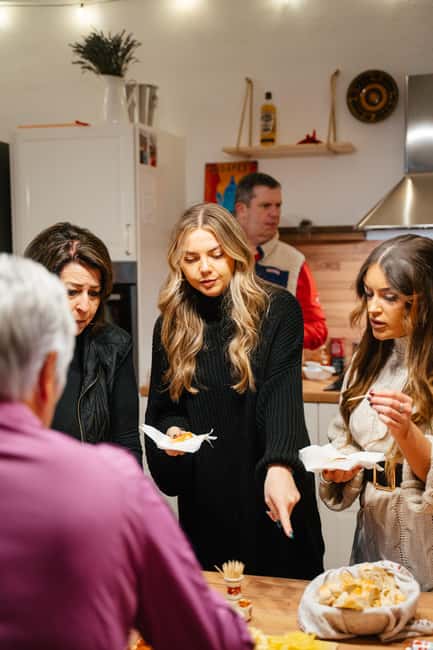
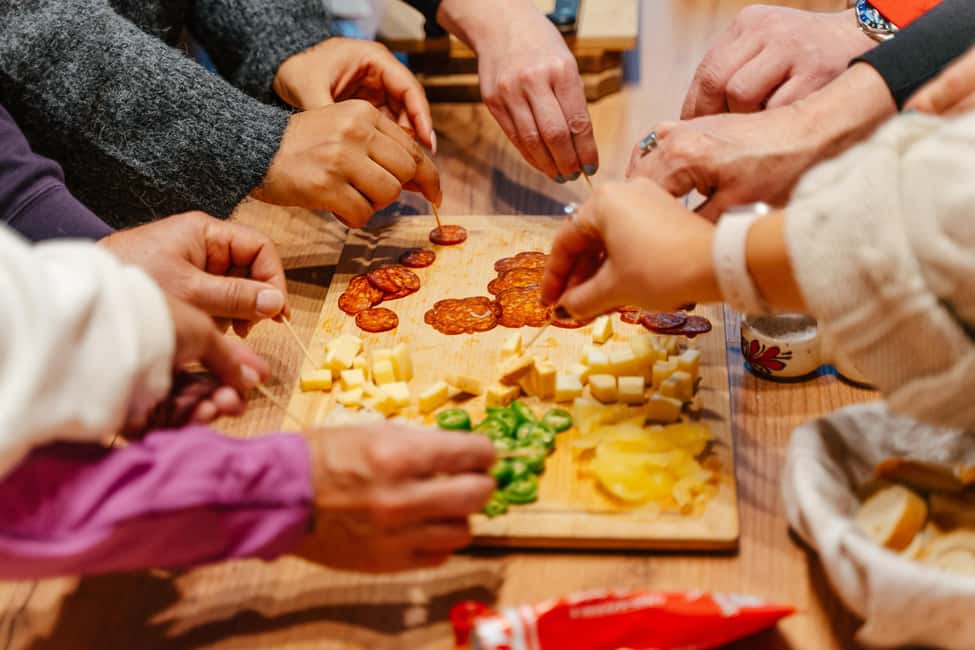
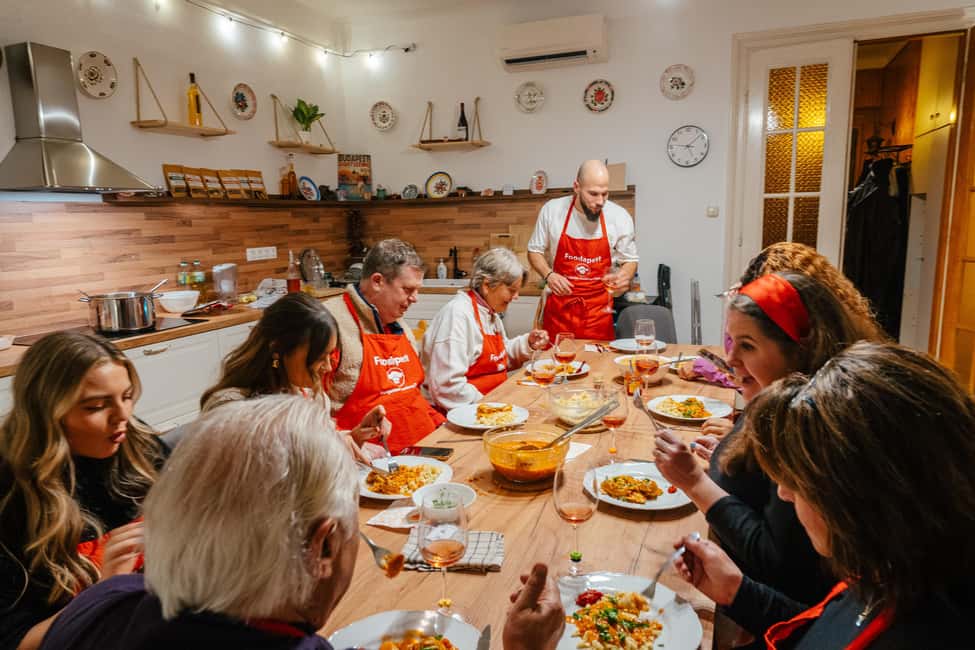
After the market, you head to a nearby apartment for the cooking session. Before anyone touches a cutting board, the kitchen is set up with snacks. Think Hungarian cold cuts, cheese, and meats as appetizers, plus additional snack items like sausages, salamis, dips, and cheeses.
Then come the drinks. You’ll have local wine and Hungarian spirits included. This is where the day shifts from browsing to bonding. Wine and spirit tasting during a cooking class can go either way, but here it feels built into the rhythm—taste, learn, cook, then eat what you made.
Another detail I appreciate: there’s a surprise souvenir included. It’s not essential, but it adds a little extra “you did something memorable” feeling when you’re leaving with both recipes and a small take-home.
Choose your main dish: chicken paprikash, beef goulash, or vegetarian lecsó
This is one of the most appealing parts for me: you don’t just watch. Your party chooses from main dish options, and the group cooks together.
You can also read our reviews of more shopping tours in Budapest
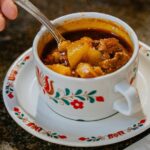
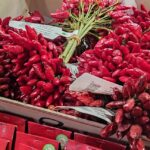



Chicken Paprikash
Chicken paprikash is easy to love and very Hungarian in flavor. Expect a comforting, paprika-forward sauce and a dish that feels made for sharing. It’s also the choice that many people latch onto because it translates well into home cooking.
Beef Goulash Stew
If you like deep, slow-cooked comfort, go for beef goulash. It’s a classic stew base built around flavor layering and patient simmering. The class uses a family-recipe approach, so you’re not getting a bland, generic version—you’re getting a method designed to taste like the dish people grew up with.
Mushroom Paprikas or Lecso (vegetarian/vegan friendly)
Good news for plant-based eaters: mushroom paprikas and lecso are listed as vegetarian and vegan options. These dishes still deliver the Hungarian flavor profile—think peppers, paprika notes, and hearty vegetable-forward comfort.
Halal ingredients can be provided upon request, but you’ll need to flag it ahead of time. If you have any dietary limits, tell the organizer in advance so the kitchen can plan properly.
What communal cooking really means in your day plan
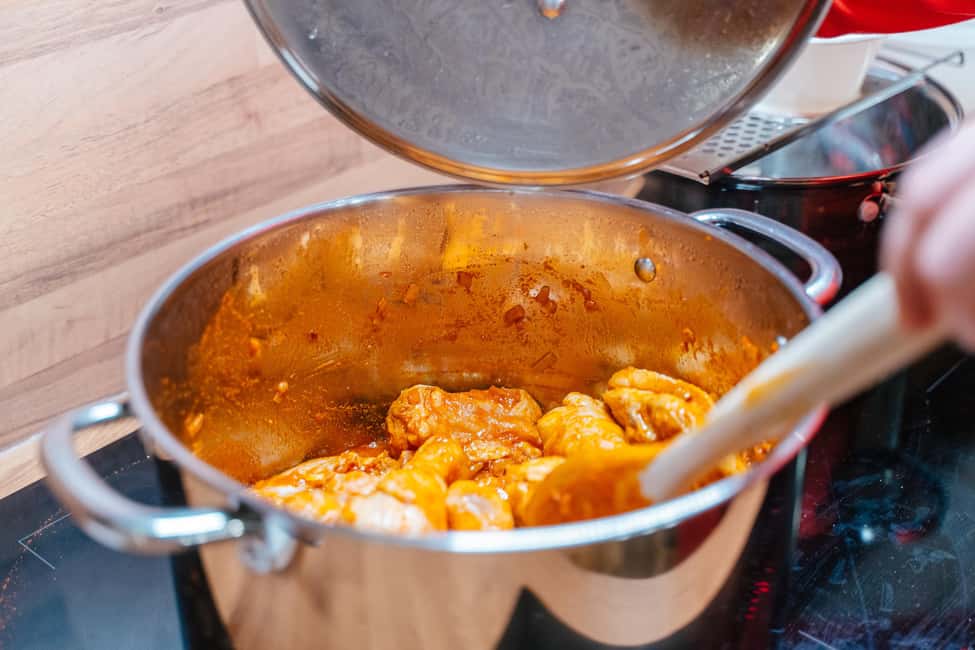
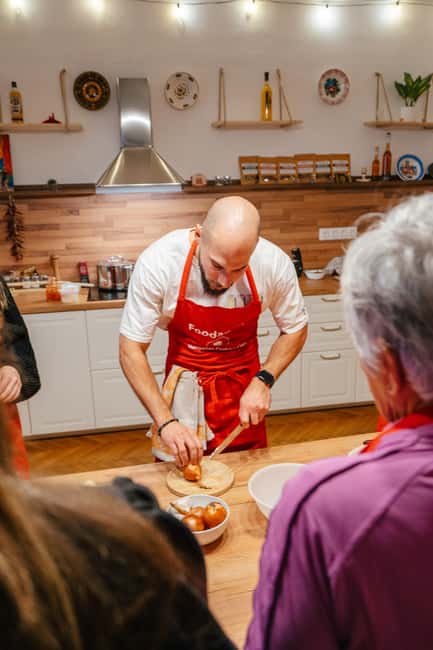
This isn’t a one-person chef show. The experience is described as communal style, inspired by family tradition. That changes the vibe in a good way.
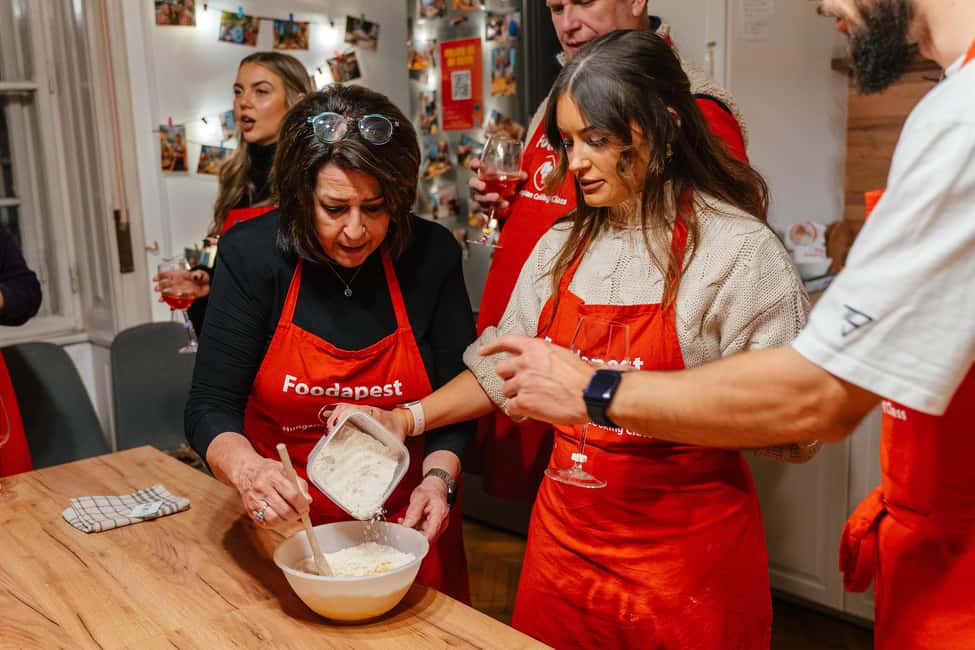
You’ll likely do a mix of prep tasks while the cooking continues—cutting, stirring, seasoning, and helping plate or finish the dish. The benefit is twofold:
1) You learn the steps because you’re physically involved.
2) You’re part of the group, which keeps the day fun rather than awkward.
From past experiences with guides like George and Marcell, the common theme is patience and friendly instruction. You’re not expected to already know Hungarian cooking technique. You’re expected to learn it.
And yes, this style also helps the meal. A group that shares the cooking is more likely to sit down together and eat what’s been made—rather than rushing through and sprinting away.
Wine, pálinka, and the family-recipe teaching style
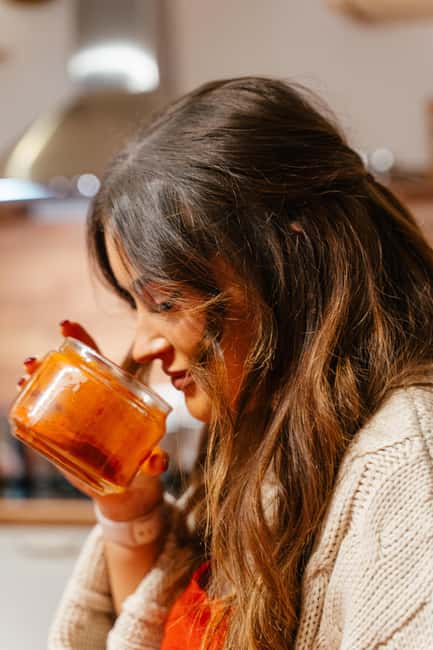
Hungarian drinks are a big part of the experience: wine and Hungarian spirits are included, and the day is taught by an instructor (English). In practice, this adds to the cultural feel. Hungarian flavors tend to be bold and straightforward. The drinks fit that same personality.
The teaching style is family-recipe inspired—tried and true, passed down through generations. That matters because classic recipes often carry small technique details. Those details can be the difference between a dish that tastes like dinner and one that tastes like Hungary.
In past class experiences, hosts have gone beyond just cooking—sharing notes about Hungarian food culture and even showing extra angles of the market, including downstairs areas and food-related finds like pickled items and fruit displays. You don’t need that extra layer to enjoy the day, but it reinforces how seriously the guides treat food history and food sourcing.
Practical pacing: what 4 hours feels like for a first-timer
Here’s how the time typically breaks down based on the structure:
- Meet at Central Market Hall and enter through a separate entrance (less waiting).
- Walk the market with tastings and cultural chat.
- Go to the apartment for appetizers, snacks, and drinks.
- Cook your selected main dish together.
- Eat as a group and wind down back at the meeting point.
Four hours is short enough to fit into a day without killing your schedule, but long enough that cooking actually happens and you sit down to a meal that feels earned.
If you’re doing Budapest sightseeing the same day, I suggest avoiding your tightest plans right before this. You’ll come out full, and you may want a slow pace afterward.
Price and value: is $98 per person worth it?
At $98 per person, you’re paying for more than a meal and more than a generic cooking demo.
Here’s what you get built into that price:
- Central Market Hall walkthrough with a guided market portion and tastings
- Skip-the-line entry via a separate entrance
- A communal cooking class with an English instructor
- Included Hungarian appetizers: cold cuts, cheese, and meats
- Included local wine and Hungarian spirits
- Main dish cooking (with you choosing among options like chicken paprikash or goulash)
- A recipe collection so you can recreate the dishes later
- Tips and recommendations for your stay in Budapest
- A surprise souvenir
When you compare that to paying for a market tasting experience plus separate cooking instruction plus dinner plus drinks, the value math starts to make sense. The class bundles the day’s “food learning” with “food eating,” and it does it in a way that’s hands-on.
If you care about food as an experience—not just as a place to get fed—this price feels fair. If you only want one quick snack and a short cooking lesson, you may find it more than you need.
Who this Budapest class suits best
This activity tends to fit a lot of people well, especially if you enjoy food that has a clear regional identity.
It’s a great fit if:
- You want an authentic Budapest food moment beyond restaurants
- You like hands-on experiences where you actually cook
- You have dietary preferences (vegetarian/vegan options, halal ingredients with request)
- You’re traveling solo or in a small group and want friendly interaction
- You want recipes you can repeat at home, not just memories
It’s less ideal if:
- You hate getting your hands dirty or following a kitchen process
- You’re trying to keep alcohol out entirely (drinks are included)
- You’re on an extremely tight schedule for the day
Families can also work well. One nice detail from real class experiences: it’s been described as enjoyable even for families with teenagers, likely because the tasks are approachable and the group dynamic stays friendly.
Tips so you enjoy the market walk and cooking day more
A few practical moves will make the day smoother:
- Come with an appetite. Snacks and a full meal are part of the plan.
- If you have allergies or dietary restrictions, tell the organizer ahead of time and specify which main dish you prefer (chicken paprikash, goulash, or stuffed cabbage rolls are mentioned as options for preference—plus vegetarian/vegan dishes).
- Wear comfortable shoes. Central Market Hall involves walking and standing.
- If you want to shop afterward for Hungarian ingredients, pay attention during the market walk so you can remember what you liked.
Also, don’t overthink which dish to choose. Pick based on what you crave, not on what you think you can pronounce. Paprika does the heavy lifting either way.
Should you book this Budapest market walk and cooking class?
If you’re deciding between another museum day and a food day, this is the kind of booking that can change how you remember Budapest. It connects the visuals of Central Market Hall to the flavor of Hungarian comfort food, and it gives you a real skill: you learn how the dish is built, not just what it tastes like.
Book it if you want:
- A guided market experience with tastings
- A hands-on communal cooking session
- Included wine and spirits with your meal
- A recipe set you can actually use later
Skip it if you’re not interested in cooking or you have a schedule that can’t handle a 4-hour block.
FAQ
Where does the cooking class start?
You meet outside the main entrance of the Central Market Hall, on the side of the Yellow Tram stop.
How do I find the guide?
Your guide will be holding a brown market basket, so they’re easy to spot.
How long is the experience?
It lasts about 4 hours. Start times vary by availability.
Do I need to already know how to cook?
No. It’s an instructor-led, English-speaking class with a communal cooking approach where you participate.
What dishes can I choose to cook?
You can choose among options such as Chicken Paprikash, Beef Goulash Stew, and vegetarian-friendly Mushroom Paprikas or Lecso. Halal ingredients can be provided upon request.
What food and drinks are included?
You get Hungarian cold cuts, cheese, and meats as appetizers, plus local wine and Hungarian spirits. You also eat the meal you help prepare.
Are there vegetarian or vegan options?
Yes. Mushroom paprikas or Lecso are listed as suitable for vegetarians and vegans.
Does the class include recipes?
Yes. You receive a collection of Hungarian dish recipes.
Is there an option for dietary restrictions or preferences?
You should let the organizer know in advance of dietary restrictions and your meal preference among the listed main dishes.
Is alcohol included?
Yes. Local wine and Hungarian spirits are included with the experience.