REVIEW · BUDAPEST
Budapest: Private Customizable Tour in French
Book on GetYourGuide →Operated by BUDAVENTURE · Bookable on GetYourGuide
Budapest changes when you have a local plan. This French private tour gives you a tight 3-hour route plus real flexibility, so you can steer toward what you care about most. I like that it mixes major landmarks with the lighter, slightly goofy side of the city, with photo stops built in.
I especially like the way the guide works the city by public transport (fast, efficient) while still keeping you in touch with everyday Budapest. I also like the customization angle: if you want more bath time vibes, markets, or street-life scenes, the route can shift around you.
One drawback to consider: 3 hours goes by quickly, and interior visits at top institutions like the Parliament, National Opera, and the Synagogue are not included by default. You’ll still get the exterior moments and the context, but if you want inside access, you’ll need to add it separately.
In This Review
- Key Things You’ll Like About This Tour
- Meeting at Erzsébet Square: Starting With the Ferris Wheel Vibe
- Ferris Wheel to Andrássy Avenue: The Boulevard That Defines the City’s Style
- Taking the Metro Like a Local: Fast Transfers Without Feeling Lost
- Heroes’ Square: Where Budapest Explains Itself
- Into the Jewish Quarter: Streets, Symbols, and the Human Scale
- What You Can Customize Beyond the Core Route
- Price and Value: When $200 Makes Sense for a Small Group
- Who This Tour Is Best For (And Who Should Skip It)
- Practical Logistics That Matter on the Ground
- Should You Book This French Private Tour?
- FAQ
- Is this tour private?
- How long is the tour?
- What language is the guide?
- Where do we meet?
- Are entry tickets included for monuments and museums?
- Is the tour wheelchair accessible, and can I cancel if needed?
Key Things You’ll Like About This Tour

- French-speaking private guide who can answer questions and adapt your pace
- Photo stops on major boulevards and squares, so you get more than “walk and hope”
- Public transport as the secret weapon, keeping transit time short and local-feeling intact
- Jewish Quarter street time with the kind of details that make the neighborhood click
- Optional adventure with Budaventure, an outdoor city escape game layer if you want it
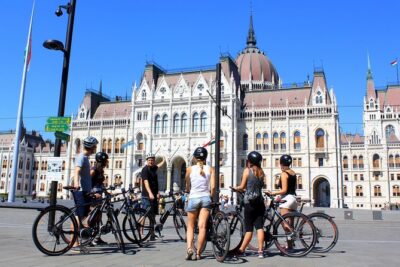
- Alternative ride options like e-bike or Segway available (not included in the price)
Meeting at Erzsébet Square: Starting With the Ferris Wheel Vibe
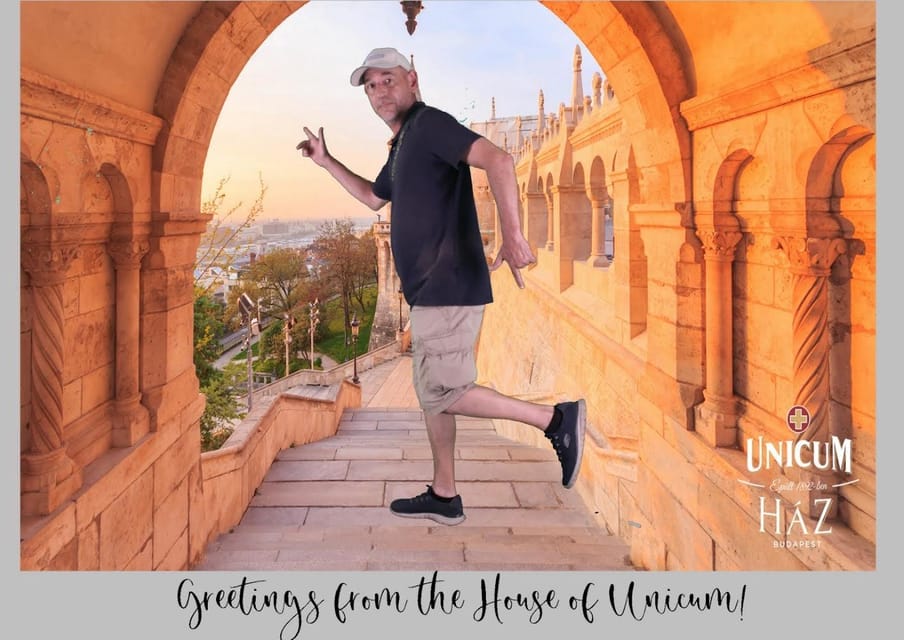
You’ll meet in front of the Ferris Wheel on Erzsébet square. It’s a simple landmark, easy to spot, and it sets the tone: this isn’t a “sprint through 12 stops” kind of tour. The guide will have a baseball cap with the Budaventure logo, which makes it quick to connect and get moving.
From the start, the tour is set up to help you get your bearings fast. Budapest can feel like several cities stacked on top of each other—Andrássy Avenue’s grand approach, Heroes’ Square’s monumental scale, and the Jewish Quarter’s street energy. With a guide in charge, you don’t waste time figuring out the order.
Also, because it’s a private group up to 4, you can ask for the pauses you actually want—more photos, less photos, a detour to a view, or a quick coffee stop if you’re the slow-walker type. If you’re visiting for the first time, this structure is gold.
You can also read our reviews of more private tours in Budapest



Ferris Wheel to Andrássy Avenue: The Boulevard That Defines the City’s Style
After you’re gathered, you head toward Andrássy Avenue. You get about 40 minutes of walking and sightseeing here, plus a photo stop. This is the portion where Budapest shows off its “big city” face—wide streets, impressive architecture, and a sense that the city was built to be seen from a distance.
Why this works: Andrássy Avenue isn’t just pretty. It’s a shortcut to understanding how Budapest organizes power and prestige visually. The guide’s commentary (in French) helps you read the street instead of just passing it. If you care about design, urban planning, or just want better context for what you’re looking at, this is where the tour pays off.
A practical tip: wear comfortable shoes even if you think you don’t need them. Andrássy Avenue invites stopping. You’ll want to frame shots, step aside for explanations, and check details you’d normally miss when moving quickly.
Taking the Metro Like a Local: Fast Transfers Without Feeling Lost
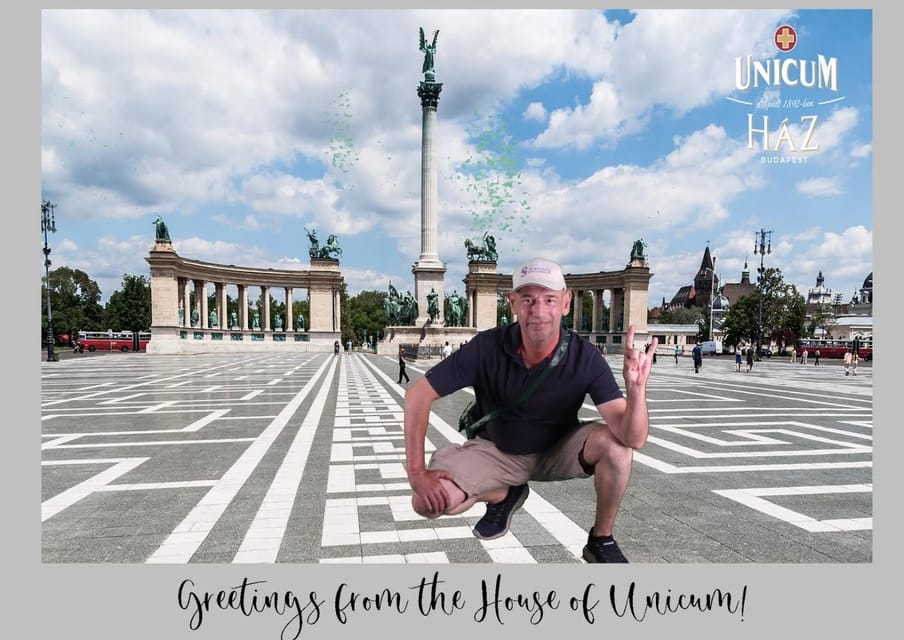
Between stops, you hop on the metro. The schedule includes a short metro segment (around 10 minutes) and then another metro transfer later. Budapest’s public transport is set up to make cross-city movement easier than many first-timers expect.
What I like about this approach is the pacing. Instead of forcing everything on foot, you keep momentum and reduce the “long walk, short attention” problem. And when you ride transit, you’re around locals, not behind the bubble of a tourist shuttle.
If you’re the type who gets grumpy about logistics, this part should make you smile. The route keeps you moving with minimal stress, and it lets the guide spend more time pointing out what matters once you arrive.
Heroes’ Square: Where Budapest Explains Itself
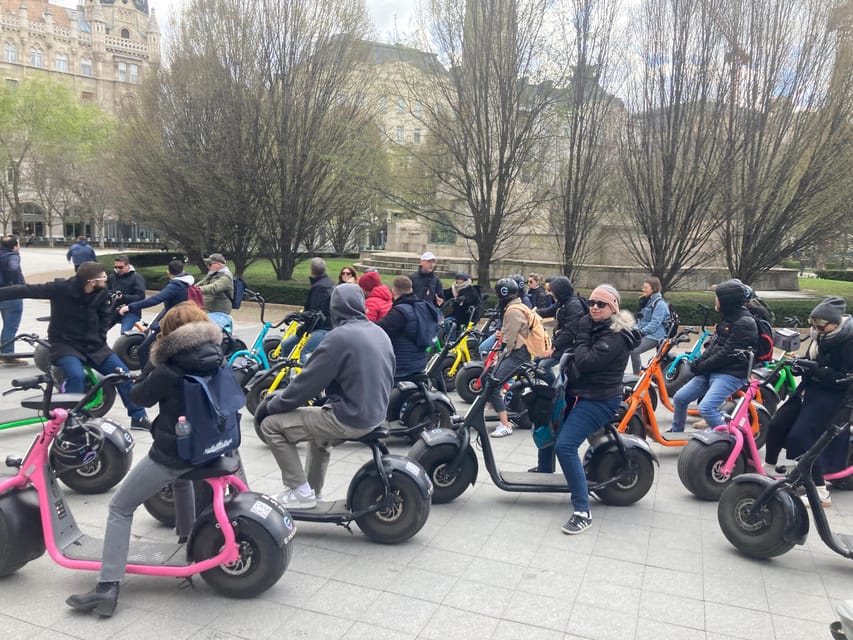
Heroes’ Square is a centerpiece, and it earns the time—about 70 minutes here with guided commentary, sightseeing, and walking. This is the stop where you go from “I see buildings” to “I get what this city is saying.”
Heroes’ Square works well on a guided tour because scale can overwhelm you if you don’t have context. The monuments are designed for impact, and the guide helps you understand what you’re looking at, why it’s placed here, and what the surrounding area signals about Budapest’s identity.
Andréasssy Avenue and Heroes’ Square connect in your mind fast. You start to see patterns: grandeur on the one hand, neighborhood character on the other. Even if you don’t care about big monuments, you’ll still enjoy the open space and the photo opportunities—this is one of those places where your camera feels like it’s “finally” doing the city justice.
A quick reality check: after this much square time, you’ll want water or a snack. The tour keeps going, so plan a little energy management.
Into the Jewish Quarter: Streets, Symbols, and the Human Scale
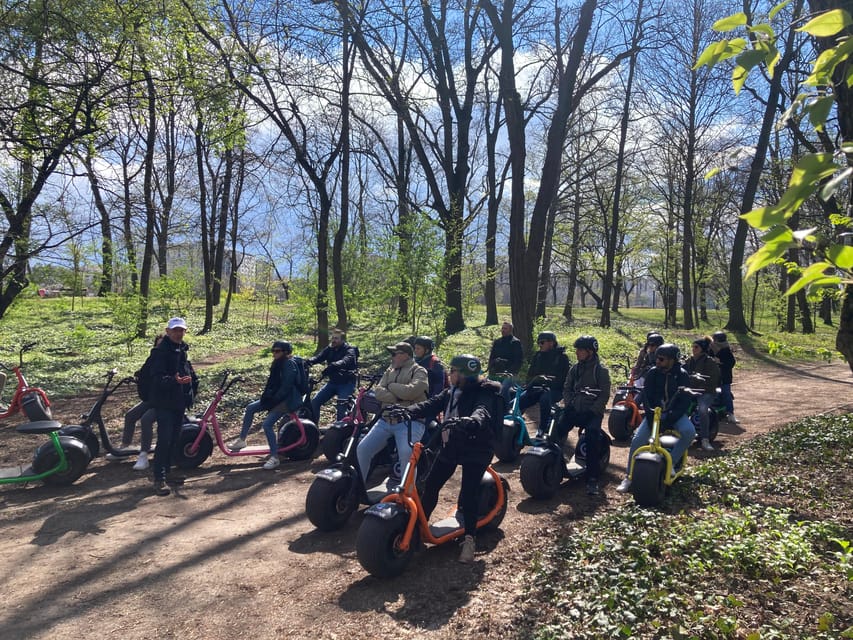
Next comes the Jewish Quarter, with about 65 minutes of photo stops, guided tour, and sightseeing, followed by a short on-foot stretch. This part is where Budapest gets personal. You move from monumental views to smaller streets where history, memory, and everyday life share the same sidewalks.
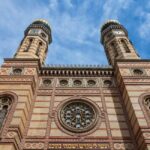
The tour focuses on the neighborhood’s character: the pedestrian street leading to the Great Synagogue area, the mural paintings you’ll notice as you walk, and the social scene around ruin bars. Even if you don’t go inside a bar (or even if you’re not in bar mode), the guide’s references help you understand why these places matter culturally.
This is also the stop that often makes people slow down. Jewish Quarter streets reward you for looking closely. If you’re the type who likes street-level details—signs, building shapes, the way people move through a block—this portion is a keeper.
If you’re traveling with kids or someone who tires easily, this is where you can ask for a pacing adjustment. You’ll likely see a lot just by moving, but you can control the length of time spent at any one spot.






What You Can Customize Beyond the Core Route
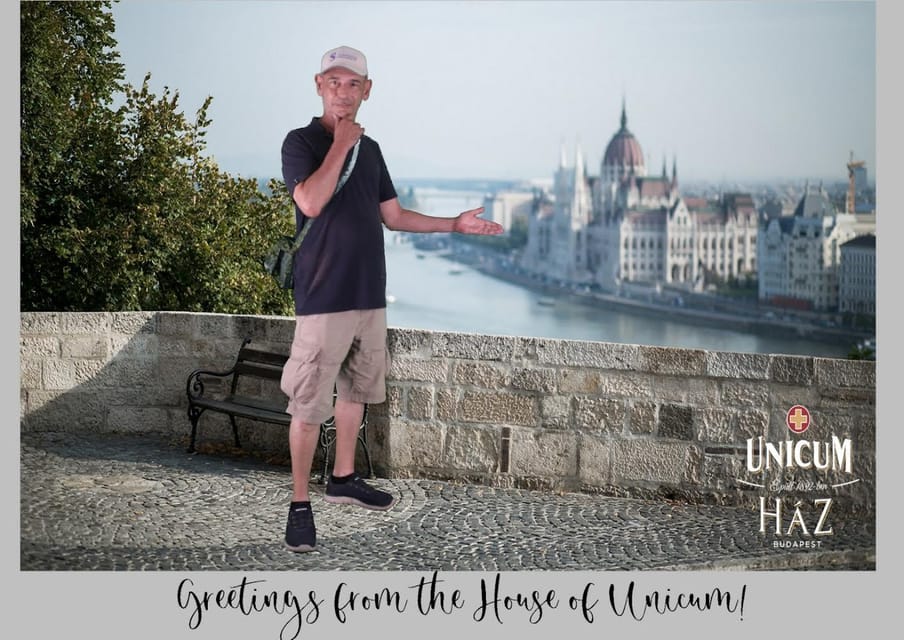
The tour is flexible by design. You can steer it toward the kind of Budapest you want most, and the guide can weave in extra stops that match your mood.
Here are the kinds of places the tour’s “real Budapest” approach supports, depending on what you choose:
- City Park zone and the cultural belt around it, including the Opera area, Heroes’ Square vicinity, and viewpoints toward Vajdahunyad Castle
- Széchenyi baths area for that iconic Budapest thermal vibe
- The Museum of Ethnography and the House of Music district feel, which brings you to a more modern cultural layer
- Gellért baths in the mix for a different thermal atmosphere
- Central Market and the surrounding “eclectic” energy
- Váci street, a shopping-and-stroll corridor that’s good for people-watching
- Restaurant and evening suggestions, including a night cruise on the Danube or show/concert leads
One useful thing: the customization isn’t just “more stops.” It’s also about choosing your transport. You can do it with regular transit (included) or switch to other options like e-bike, Segway, or scooter-style rides (available, but not included in the base price). If you want extra adventure, you can add Budaventure, the outdoor escape game layer, which changes the tour from pure sightseeing to a playful city challenge.
If you love baths, this is the tour where you can set up a next-day visit too. If you love markets, you can place the Central Market segment so you’re not hungry and rushing through it.
Price and Value: When $200 Makes Sense for a Small Group

The price is $200 per group up to 4 for a 3-hour private tour. That means it’s not “per person,” which matters in real-world budgeting. If you’re traveling as two people, you’ll usually feel it more than if you’re four—so think of it as a group-rate tool to buy time and context.
Here’s the value angle I’d use to decide:
- You’re paying for a private guide + French language + photo stops + routing that saves you from guessing.
- You’re also paying for a guide who can recommend what to do after the tour, which can prevent you from spending your next day in the wrong place.
If you’re the type who hates wasting half a day trying to connect attractions, a private tour like this can be a smart trade. You buy focus.
If you’re solo on a tight budget, you might compare against alternatives. The biggest question isn’t the cost by itself—it’s whether having a guide for exactly 3 hours will improve your trip enough to justify it.
Who This Tour Is Best For (And Who Should Skip It)
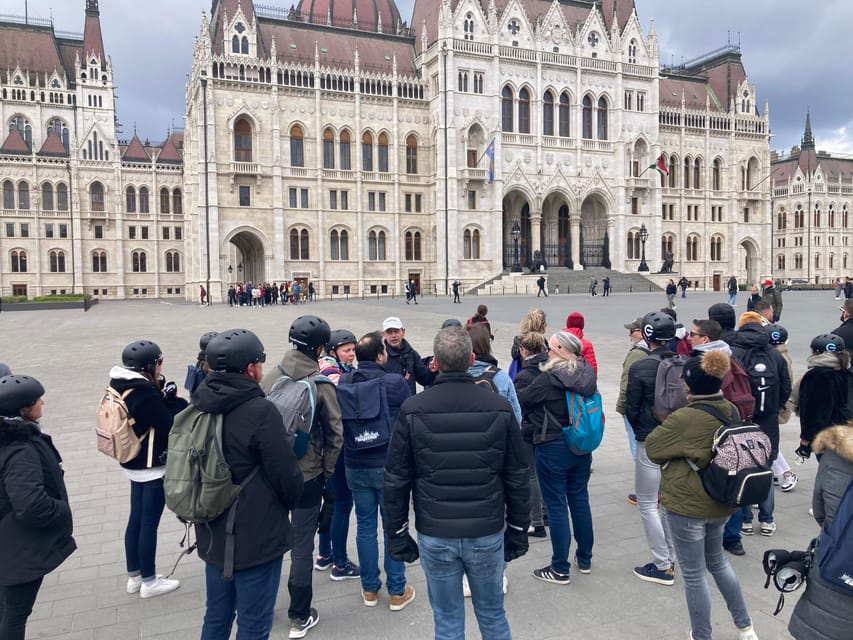
This works well if you:
- Want a first-time orientation to Budapest without feeling like you’re touring in a bubble
- Prefer a private pace over a group schedule
- Like a mix of major sights and street-level details like murals and neighborhood texture
- Are French-speaking and want explanations in French without the friction of translation
You might consider another option if:
- You want full interior access to top attractions as part of the basic experience, because interiors at the Parliament, National Opera, and the Synagogue are not included by default
- You’re planning only to visit one district and nothing else—this route is built for multiple areas
Also, if you’re big on “guide facts only,” this may feel more like a balanced sightseeing walk with context and quick turns. That’s not a flaw; it’s the style.
Practical Logistics That Matter on the Ground
A few details help you avoid trip-day surprises:
- No hotel pickup/drop-off is included. You’ll meet at the Ferris Wheel on Erzsébet square.
- Monument and museum entry tickets are not included. You can still plan around exterior views and guide-led context, and add interiors if you want.
- Public transport fees are not included in the base price, even though transit is used as part of the route.
- Wheelchair accessible is supported, so the basic format is designed with access in mind.
- Certain interior tours at major institutions are handled by the institutions themselves. The guide can integrate them if you wish.
One more thing: public transit is described as well organized, and the route keeps you in touch with locals. That means you’ll spend more time seeing and less time figuring out how to get there.
And yes, if you end up with a guide like Peter, the style can be very responsive—answering questions, keeping things friendly, and making you feel like you can decide where to spend extra time next.
Should You Book This French Private Tour?
I’d book it if you want a smart first pass at Budapest that’s flexible, French-led, and built around efficient movement. For $200 per group up to 4, it’s a strong value when you care about context, photos, and a plan that helps you hit multiple neighborhoods without stress.
I’d hesitate if your priority is spending most of your time inside major institutions from the start, because the tour format is designed around guided exteriors and neighborhood walking, with interiors requiring separate arrangements.
If you’re arriving and want to get oriented fast—this is exactly the kind of tour that makes the rest of your trip feel easier.
FAQ
Is this tour private?
Yes. It’s a private group tour with your party up to 4 people.
How long is the tour?
The duration is 3 hours.
What language is the guide?
The live tour guide speaks French.
Where do we meet?
Meet in front of the Ferris Wheel on Erzsébet square. The guide will have a baseball cap with the Budaventure logo.
Are entry tickets included for monuments and museums?
No. Entry tickets in monuments and museums are not included.
Is the tour wheelchair accessible, and can I cancel if needed?
Yes, it is wheelchair accessible. You can cancel up to 24 hours in advance for a full refund.