REVIEW · FOOD
Hungarian History Walking Tour with food tasting
Book on Viator →Operated by Living Local Hungary · Bookable on Viator
Budapest history goes down with paprikás krumplin. I like the way this tour strings Hungary’s story from 1000 to 2023 onto the streets you’re actually walking. I also love the food tasting element, with paprikás krumplin specifically called out in guest feedback. One drawback: it needs good weather, so you’ll want a backup plan if conditions are rough.
This is a private experience, so it’s just your group with Living Local Hungary. You start at Kálvin tér at 4:00 pm and finish back at the same spot, which keeps the evening simple. At about 4 hours, it’s long enough to feel like a real introduction, but short enough to still enjoy the rest of your day or night.
Price is $57.84 per person for a city-center walk plus food tasting, which is a fair deal if you like stories tied to real places and not just facts. If you’re the type who wants one specific landmark tour, you may find the emphasis more on narrative and social/cultural context than on monument-hunting.
In This Review
- Key highlights I’d circle before you go
- Budapest history from 1000 to 2023, told while you walk
- The city-center route: what you’ll actually experience
- Stop in Budapest: the one big walking segment
- Food tasting: paprikás krumplin and the comfort-food angle
- Why a private guide changes the whole vibe
- Price ($57.84) and whether it feels like value
- Timing and logistics that make the evening easier
- How to get the most from a history-walk (without overthinking it)
- Who should book this tour
- Should you book?
- FAQ
- How long is the tour?
- Where do I meet, and where does it end?
- Is this a private tour?
- What time does the tour start?
- Is there food tasting, and what’s included?
- What if the weather is bad or I need to cancel?
Key highlights I’d circle before you go
- A timeline from 1000 to 2023 on foot: history taught as a moving story, not a slideshow.
- Private guide time: your group gets the spotlight, with room for questions.
- Food tasting built in: paprikás krumplin shows up, and you’ll likely pause for more Hungarian bites.
- Social and cultural angle: you learn how people lived and how culture shifted over time.
- Simple logistics near transit: meet at Kálvin tér and return there, so you’re not stuck navigating afterward.
Budapest history from 1000 to 2023, told while you walk
The heart of this tour is the storytelling stretch—from Hungary’s early medieval roots all the way to the modern era. Instead of treating history as a set of disconnected eras, the guide connects themes: power, identity, daily life, and how events shaped culture. Walking through Budapest city center helps because you’re constantly re-orienting yourself in space while the story keeps flowing.
I like history tours most when they give you “why this matters” alongside the dates. Here, the focus is not only political events but also social and cultural life, which makes the timeline feel human. You’re not just memorizing; you’re building a mental map of what changed and what stayed.
That long span can be a lot to process in one go, so don’t stress if a few centuries blend together. The tour is designed to give you a strong backbone so that later, when you read signs or notice architectural clues, you’ll have a framework to place them.
You can also read our reviews of more walking tours in Budapest



The city-center route: what you’ll actually experience
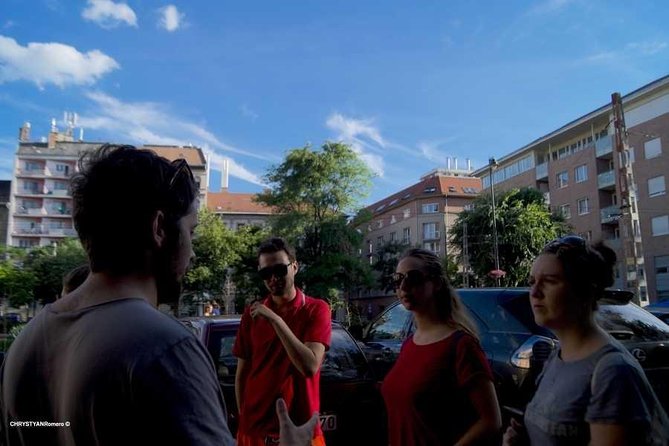
You’ll spend about 4 hours moving around central Budapest while the guide talks history. The meeting point is Kálvin tér, and the tour ends right back there, so your route is kept tight and practical—useful if you have dinner plans afterward.
Because the exact stopping points aren’t broken out in the info you’re given, it’s smart to think of this as a “guided walk with narrative stops,” rather than a check-list tour of specific monuments. That’s not a flaw. It usually means more flexibility: the guide can pace the group, slow down when something is easier to explain from a certain angle, and adjust to the energy level of your group.
A big plus here is that the tour is described as a “city tour around the picturesque city centre,” which aligns with what you want on a walking history experience: streets that feel like Budapest, so the stories land better. If you’re hoping for a busier, photo-heavy stop at landmark after landmark, you might prefer a different style. If you want context you can carry into your next museum visit, this format works.
Stop in Budapest: the one big walking segment
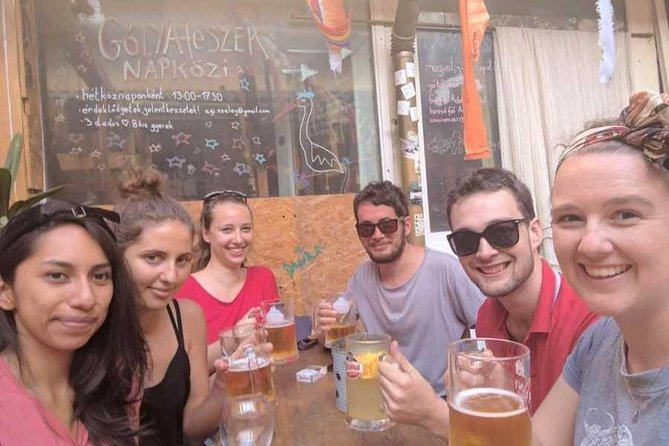
There’s one core segment: the Budapest walking portion that takes up most of the time. In practice, that means your “stop” is the city itself—moving from one scene to the next while the guide places Hungary’s history into view.
What makes this useful is continuity. You’re not constantly switching gears from train station to cathedral to square. Instead, you get a steady narrative cadence, and that helps you remember the big threads: how Hungary developed across centuries, and how the country’s story leads into modern times.
One small consideration: if you’re someone who gets tired quickly on a continuous walk, ask yourself honestly how comfortable you are with a single 4-hour stretch. The tour is described as suitable for most travelers, but walking comfort still matters. Wear shoes you trust, and plan a bathroom break before you meet.
Food tasting: paprikás krumplin and the comfort-food angle
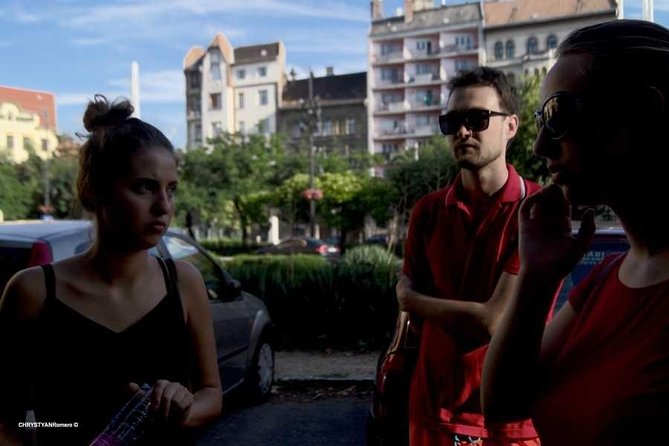
The tour includes food tasting, and one specific dish is called out in feedback: paprikás krumplin (a paprika-based potato dish, usually comfort-food style). That matters because it connects history to everyday taste—Hungarian food isn’t just background; it’s part of cultural identity.
Even if you don’t eat much on tours, this stop is worth paying attention to. Comfort food is a fast way to understand a place. When you taste something simple but strongly flavored, you start to see how people built meals around local ingredients, traditions, and household habits.
The one thing I’d keep realistic: your full menu isn’t specified in the tour details you have. So I’d treat it as a food tasting experience that includes paprikás krumplin, and possibly other Hungarian bites you’ll be offered during the tour. That uncertainty isn’t a problem if you’re open-minded. If you have strict dietary needs, you’d want to clarify with the operator ahead of time.
Why a private guide changes the whole vibe
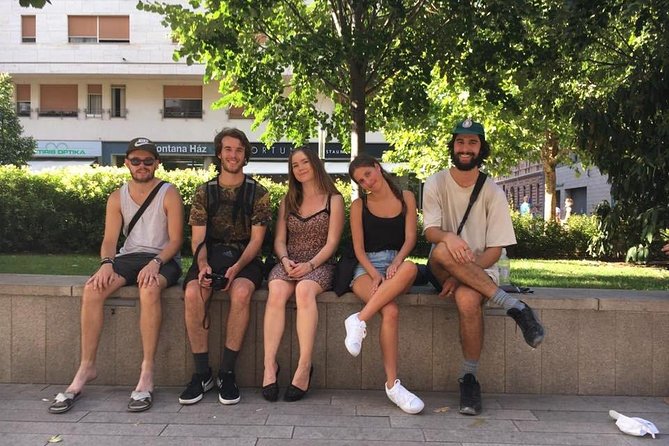
This is a private tour/activity, meaning only your group participates. For a topic like history, that’s more than a luxury—it changes how the explanation lands. You can ask quick questions, steer the conversation toward what you care about, and get clarification when something in the long 1000-to-2023 timeline feels confusing.
From the feedback, the guide style is practical and friendly, with a strong sense of local social and cultural context. People also mention humor and an easy rapport, which is exactly what you want for a tour that covers a huge time span. When the guide keeps things lively, you actually stay with the story.
Also, a private setup helps solo travelers and couples. If you’re traveling alone, you still get interaction and momentum instead of feeling like background noise in a larger group.
You can also read our reviews of more food & drink experiences in Budapest





Price ($57.84) and whether it feels like value
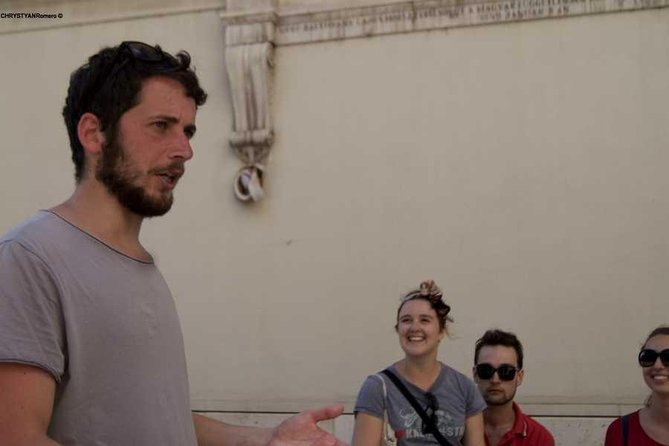
At $57.84 per person for about 4 hours with food tasting, the price sits in a “solid, not bargain-bin” range. The value comes from three things you’re buying:
- Guided context for a full national timeline, from early history to modern day.
- Time efficiency, because you’re learning while moving through the city center.
- Included tasting, with paprikás krumplin specifically noted.
If you were to do just a walking tour without food, you’d likely still pay a similar amount for a private guide. Food tasting makes this better because it breaks up the walk and adds a sensory layer. You don’t just hear about culture—you get a small taste of it.
Where value could slip for some people is if you want a more structured, multi-stop monument agenda. Since this is narrative-centered, it’s not built like a “see everything famous” checklist. If that’s your goal, budget time to pair this with a focused museum or landmark visit afterward.
Timing and logistics that make the evening easier
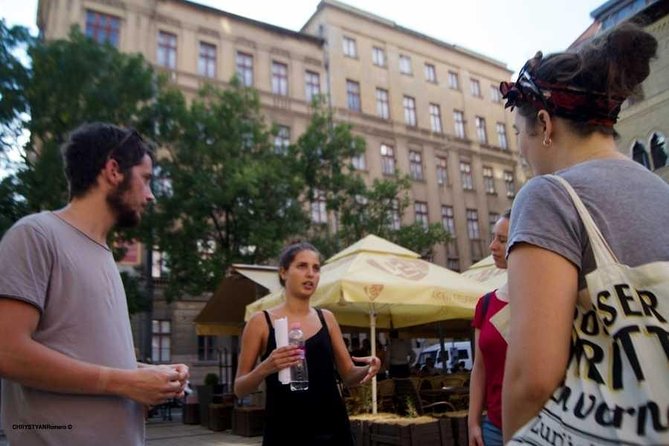
The tour starts at 4:00 pm and returns you to the meeting point. That timing is handy in Budapest because you’re often well-positioned to keep the day going into dinner. You also get a nice light window before the evening rush.
You meet at Kálvin tér, which is described as near public transportation. That’s the kind of detail that saves you stress. You can plan to arrive quickly without guesswork, and ending back at the same point means you’re not forced to navigate a new pickup area when you’re hungry or tired.
Because the tour requires good weather, plan to wear layers. Budapest weather can shift, and a walking tour magnifies that. If the forecast looks sketchy, check closer to departure and have a flexible mindset.
How to get the most from a history-walk (without overthinking it)

I’d treat this as a guided orientation. Your goal isn’t to memorize every event from 1000 to 2023. It’s to leave with a clearer sense of how Hungary’s identity and culture developed—and what to look for later when you explore on your own.
A few practical moves:
- Bring a small notebook or use your phone notes, especially for names or themes the guide repeats.
- Ask one or two questions early. A good private guide can tailor the story while you’re still setting your mental map.
- Save your big museum questions for after, when you can connect them to what you heard at street level.
And here’s a useful after-tour tip from the kind of feedback this tour attracts: ask your guide about a swimming pool experience on the Buda side during summer. It’s the sort of local suggestion that turns a tour into a whole evening plan. Even if you don’t go, the recommendation itself helps you feel like you’re traveling with someone who lives there.
Who should book this tour
This tour is a strong fit if you want:
- A private, story-driven introduction to Hungary’s timeline.
- A walking format that mixes history with social and cultural life.
- A cultural hit you can taste, since paprikás krumplin is specifically included.
It may be less ideal if you:
- Only want landmark-hopping and very specific sites.
- Dislike being on foot for about 4 hours at a stretch.
- Need highly detailed dietary accommodations and want a fully specified menu in advance.
Overall, it’s especially appealing for solo travelers and couples because private time keeps it personal and engaging.
Should you book?
If you like history that feels connected to real streets, and you’re interested in how culture and everyday life shaped Hungary across centuries, I think this is a good booking. The private guide format and the included food tasting (with paprikás krumplin called out) make it more than a standard walk.
Book it if you want context you can carry into the rest of your Budapest days. Skip it only if your ideal tour is built around a set list of famous monuments. For many people, this is the kind of first tour that makes later exploration click.
FAQ
How long is the tour?
The experience lasts about 4 hours.
Where do I meet, and where does it end?
You start in Budapest at Kálvin tér, Hungary, and the activity ends back at the meeting point.
Is this a private tour?
Yes. It’s a private tour/activity, and only your group will participate.
What time does the tour start?
The start time is 4:00 pm.
Is there food tasting, and what’s included?
Food tasting is included. Paprikás krumplin is specifically mentioned in guest feedback as part of the tasting.
What if the weather is bad or I need to cancel?
The tour requires good weather. If it’s canceled due to poor weather, you’ll be offered a different date or a full refund. You can cancel for a full refund up to 24 hours in advance; within 24 hours, no refund is offered.