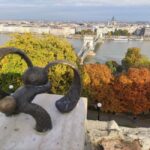
That is a lot of food for three hours. This Budapest centre tour pairs 10+ tastings with guided city stops, from the Hungarian State Opera to the Parliament area. I love the small group size (max 12), which makes it easier to ask questions and hear the food-and-culture stories. One possible drawback: if you want 100% independent, you may notice a mix of familiar local spots, and the day is very filling, so plan your meals around it.
What makes this one work is the pacing and the payoff. You get Hungarian classics like strudel, lángos, sausages, cheeses, and gulyás soup, plus wine and coffee. It is a walking tour, so you will feel the “go hungry” idea fast, then feel very satisfied for the rest of your day.
In This Review
- Key takeaways before you book
- Why this Budapest food tour works as a first-time plan
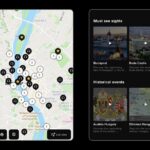
- The 3-hour route: Opera to Parliament, with St Stephen and Lipótváros
- What you actually eat: strudel, lángos, goulash, cheese and a secret dish
- Wine and coffee stops, plus palinka if you hit the finale
- Guides, small groups, and the cultural bits you remember
- Value for $118.51 and practical tips to go hungry
- Should you book this tour?
- FAQ
- How long is the Budapest Centre Food Tour?
- What is included in the tastings?
- Are any attractions included at the start?
- Do I need hotel pickup?
- Is the tour in English?
- Do they handle dietary requirements?
Key takeaways before you book
- 10+ tastings included with a real mix of sweet, savory, and hearty Hungarian comfort food
- Small group (max 12) means more attention from your guide and less waiting around
- Central sights with food stops: Opera House, St Stephen landmarks, Lipótváros, and Parliament area views
- Wine, water, coffee are part of the plan, with some tours adding spirits like pálinka at the end
- Food-and-stories guidance: guides like George, Zoltán, Kitti, Angela, and Gábor are praised for humor and cultural context
Why this Budapest food tour works as a first-time plan
If you are in Budapest for the first time, you can burn hours doing the wrong thing: sightseeing with zero local flavor. This tour flips that. You walk a tight route through the centre, then eat your way through Hungarian staples while a guide explains what you are actually tasting and why locals treat it as normal.
I especially like that the food theme is not random. You taste a spread that makes sense together: something crisp and cheesy (lángos), something warm and pastry-like (strudel), something deeply filling (gulyás soup), plus cheeses, sausages, and pickled vegetables that cut through the richness. It is not just quantity. It is the way the meal arc builds.
One more value point: guides often do more than point at restaurants. In the reviews, guides such as George and Zoltán are repeatedly described as patient with questions, fun to chat with, and willing to share city context. That is how a food tour becomes a quick way to understand Budapest manners, history, and modern life without turning your day into a classroom.
You can also read our reviews of more food & drink experiences in Budapest

The 3-hour route: Opera to Parliament, with St Stephen and Lipótváros
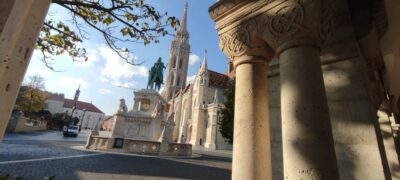
The tour starts at Budapest’s Andrássy út area by the Hungarian State Opera House. You meet there, then you get a short visit (about 15 minutes) where the admission ticket is free. It is a good warm-up stop because it puts you in the centre right away, before you head into the more food-focused legs.
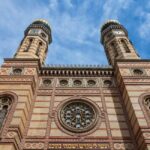
Next comes St Stephen’s landmark: the Roman Catholic Basilica named for Hungary’s first king, where the reliquary housing his supposed right hand is a major draw. This is a chance to connect Hungary’s identity to what you are about to eat. Even if you skip the extra details, you still get the sense of why Budapest’s cuisine developed the way it did.
After that, you pass through Lipótváros, including a public square in the neighbourhood. Lipótváros is where a lot of official Budapest energy lives, and it is a helpful change of pace from the purely grand sightseeing vibe. It is also a natural moment for your guide to connect buildings and history to the food culture you are sampling.
Then you reach the Parliament building area. Expect it as a visual anchor—something you can photograph, then immediately follow with a food stop so the day stays practical. The tour ends near Nyugati Station area at Báthory utca 23, at Hun&Only Club (about two blocks from the West Station). That ending is handy if you want an easy train connection after you finish.
A quick logistics note: this is “walk with purpose” territory. Comfortable shoes matter because you are doing multiple short legs in a centre-city route, not hopping by car.
What you actually eat: strudel, lángos, goulash, cheese and a secret dish
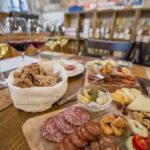
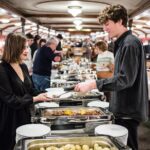
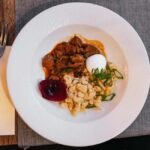
The menu is built like a mini Hungarian greatest-hits album. You should come ready for multiple bites that feel like real portions, not tiny samples. The tour’s included list covers strudel, lángos, pickled vegetables, Hungarian sausages, local cheeses, gulyás soup, bread, coffee, and a secret dish, plus red or white Hungarian wine and water.
Here is how these choices play together:
- Strudel gives you the sweet, flaky start. It is the kind of pastry that also helps with digestion pacing because it is tasty but not usually greasy.
- Lángos is the street-food highlight for many people. Think of it as a crispy Hungarian handheld that scratches the same itch as pizza, but with its own toppings and vibe. It is also one of the reasons this tour is so satisfying even for non-vegetarians.
- Pickled vegetables show you how Hungarian flavor balances the heavy hitters. When you hit cheese and sausages afterward, the sharp tang keeps things from feeling one-note.
- Hungarian sausages and cheeses add salt, fat, and depth. This is the part of the meal arc that helps you understand why people love simple ingredients treated well.
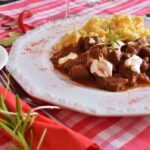
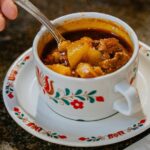
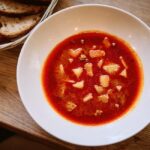
- Gulyás soup is the comfort-food centerpiece. You get the hearty, warming feel that matches the cold-season reputation of Hungarian food.
- Bread + coffee is your reset button. Reviews often highlight the quality of coffee and desserts at one stop, which is why this tour can feel like both lunch and a light treat session.
- The secret dish is the wildcard. You get something you might not find on a basic guidebook list, and that is a big part of why the tour earns so many “worth it” comments.
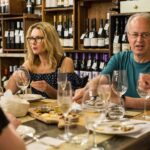
One extra detail I appreciate: some guides turn the final stop into a more “local hangout” style tasting. In reviews, Zoltán is noted for taking people to a private, speakeasy-like venue where you may see samples of meats, cheeses, veggies, breads, paprika, and spirits. If your tour includes pálinka, the vibe is usually part food, part story, part celebration of how bold Hungarian drinks can be.
Wine and coffee stops, plus palinka if you hit the finale
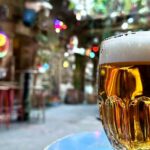
Drink planning is part of enjoying this tour. You are included for red or white Hungarian wine, plus water, and you will have coffee during the route. That is a comfortable setup for most people because you are not forced into one long alcohol stretch; you are tasting while still getting breaks and bites.
I also like that the tour includes water. When you are walking and eating multiple courses, dehydration turns your stomach sour faster than you expect.
Some tours add spirits at the end. Reviews mention pálinka shots at the finale, and that is the moment where the day can go from delicious to “okay, I definitely feel it.” If you are sensitive to alcohol, you do not have to force everything. A small sip can be enough to participate in the tradition without wrecking your evening plans.
Coffee and sweet bites matter here too. Multiple reviews point to excellent coffee and dessert-like items at at least one stop. That means you can finish the tour feeling like you had a full food experience, not just a snack run.
Bottom line: plan to pace yourself, especially if you are stacking this on top of a busy sightseeing day. The food load is real, and the wine adds to the satisfaction level, not just the flavor.
Guides, small groups, and the cultural bits you remember
A food tour lives or dies on the guide. This one consistently gets praise for exactly that. Guides named in reviews—George, Zoltán, Kitti, Angela, Gábor—are repeatedly described as fun, patient with questions, and good at tying Hungarian culinary choices to the city and the country.
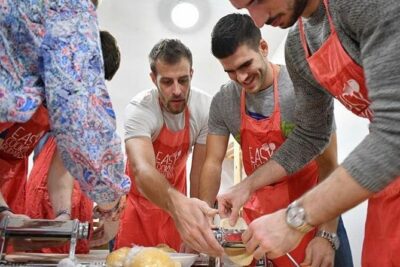
What you should look for during the tour is this pattern: the guide explains what you are about to eat, then zooms out to show you where that food fits in Hungarian life. You get commentary on culinary specialties and cultural norms, not just restaurant names. One review even highlights that the guide sent photos, recipes, and extra notes afterward, which can be a nice way to turn the tastings into real cooking inspiration later.
The small group size (max 12) is not just marketing. It reduces the classic problem of bigger walking tours: long lines, lost conversations, and you not hearing what the guide says. In a smaller group, you can ask direct questions like what ingredients mean, how dishes are typically served, or what to try next when you are back on your own.
One practical suggestion: show up with a few food questions in mind. Even simple ones—like what to order if you want a second round of lángos—can unlock better recommendations during the walk.
You can also read our reviews of more tours and experiences in Budapest

Value for $118.51 and practical tips to go hungry
At $118.51 per person for about three hours, the value comes from the shape of the inclusions. You are not paying for a vague “taste a little.” You are paying for a structured route with 10+ tastings, bread, coffee, wine, water, and multiple Hungarian staples in multiple settings. If you tried to recreate this alone, you would spend money on meals, drinks, and time figuring out where to go—then still miss the context that makes the food feel meaningful.
Is it perfect? Nothing is. Two realities to consider: it involves a fair amount of walking, and the tour menu can change based on availability, weather, or other conditions. Also, one review noted disappointment with a couple stops feeling like chain restaurants. So if your personal rule is all independent all the time, keep that in mind.
Here is how to make the day smoother:
- Wear comfortable shoes. You are walking between central sights and food stops.
- Come with an appetite. Many reviews urge people to go hungry, because the quantity can surprise you.
- Pace your drinks. Wine and possible pálinka are part of the experience; water helps you stay steady.
- If you have dietary needs, contact the operator in advance. The tour explicitly asks you to reach out so they can cater best.
Should you book this tour?
I think it is a smart choice if you want Budapest in one afternoon: central landmarks, Hungarian comfort food, and a guide who ties it to culture and history without making it tedious. It is also a great first booking because it helps you decide what you want to eat again later.
You should probably skip it (or choose another option) if you hate walking, snack tours, or long meal days, or if you only want tiny bites in a low-food format. But for most people who like eating like a local, this is one of the fastest ways to get your bearings fast—then fill your camera roll and your stomach.
FAQ
How long is the Budapest Centre Food Tour?
It lasts about 3 hours.
What is included in the tastings?
The tour includes multiple Hungarian food tastings such as strudel, lángos, pickled vegetables, Hungarian sausages, cheeses, gulyás soup, bread, and coffee, plus a secret dish. It also includes red or white Hungarian wine and water.
Are any attractions included at the start?
Yes. The meeting point is at the Hungarian State Opera House, and there is a free admission ticket included for a short visit.
Do I need hotel pickup?
No. Hotel pickup and drop-off are not included.
Is the tour in English?
Yes, it is offered in English.
Do they handle dietary requirements?
They ask you to contact them in advance for any dietary requirements so they can cater for you as best as possible.