REVIEW · 3-HOUR EXPERIENCES
Budapest: 3-Hour Grand City Tour and Castle Walk
Book on GetYourGuide →Operated by Eurama Sightseeing City Tours Budapest · Bookable on GetYourGuide
Three hours, two sides of Budapest, one great orientation. I like the air-conditioned bus for the fast hop between major sights, and I also like the Castle Hill walking time so you actually feel the Buda Castle area instead of just staring through a window. The main trade-off is simple: it’s a tight schedule, so you’ll need to choose your photo moments carefully on crowded Castle Hill days.
This tour is built for first-time visitors who want the big “wow” hits without spending the whole day in transit. You’ll get landmark passes (Parliament, St Stephen’s Basilica, the Opera, Andrássy Avenue), plus walkouts where the city’s history becomes real—Fisherman’s Bastion and Matthias Church’s exterior are highlights. If you hate walking a bit uphill on uneven stone, you may want to plan something else.
In This Review
- Key points that make this tour worth your time
- A 3-hour Budapest highlights run that actually helps you plan
- The bus route: Parliament, Basilica, the Opera, and why the order matters
- Heroes’ Square: the one stop that instantly reads as Budapest
- Crossing the Danube: bridges as a mini geography lesson
- Fisherman’s Bastion and the Castle Walk: where the city turns dramatic
- A key thing to watch
- Matthias Church exterior: seeing it without overcommitting
- Gellért Hill photo stop: one of the best quick skyline hits
- Timing, group vibe, and why the guides matter
- Price and value: what $49 buys you in real sightseeing time
- Who this tour suits best (and who should skip it)
- Should you book Budapest: 3-Hour Grand City Tour and Castle Walk?
- FAQ
- FAQ
- How long is the Budapest Grand City Tour and Castle Walk?
- How much does it cost per person?
- What are the main sights the tour covers?
- Do I get out of the bus for a walking segment at the Castle area?
- Is there a photo stop at Gellért Hill?
- Is food included in the tour price?
- Is hotel pickup included?
- Where do I meet the group?
- What languages are available for the guided tour?
- Is the tour wheelchair accessible?
Key points that make this tour worth your time
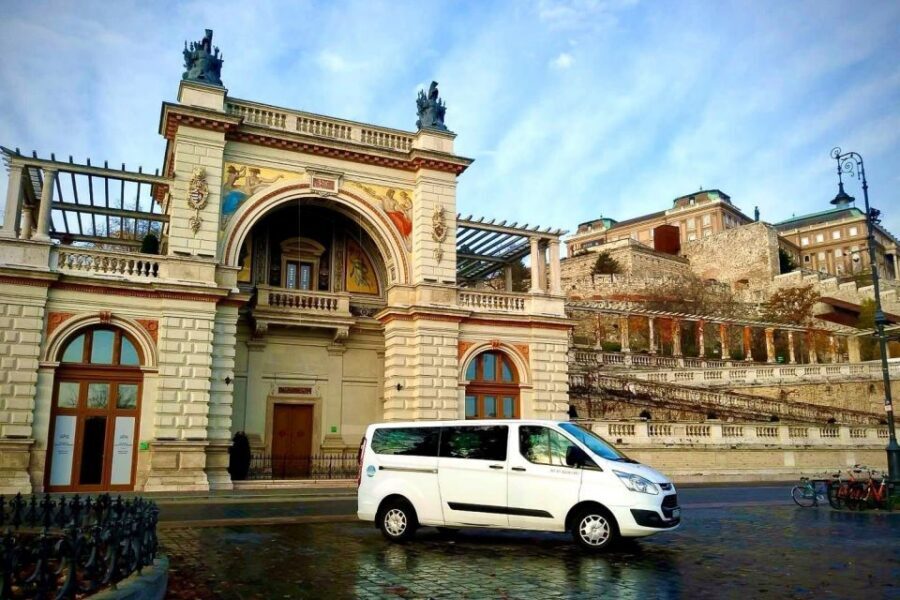
- A bus route designed for quick context: you’ll see major Pest and Buda anchors in one loop.
- Castle Hill walking, not just a drive-by: you’ll step out for the Fisherman’s Bastion area.
- Two Danube viewpoint moments: you cross bridges and also stop for a Gellért Hill photo view.
- Heroes’ Square gets real focus: a guided stop with time for photos.
- Short, efficient photo breaks: designed so you don’t lose the whole tour waiting.
- Live guide in multiple languages: English plus German, Spanish, French, and Italian.
A 3-hour Budapest highlights run that actually helps you plan

Budapest can feel huge on your first day. This is a smart fix: in just three hours, you get a guided sense of how the city is laid out across the Danube, and you see both Pest and Buda without needing to map every turn yourself.
What I like most is the pacing. The bus does the long moves. Then you jump out to walk the places that really reward feet and a little imagination—especially Castle Hill. You come away knowing where the big sights are, which makes your later independent exploring faster and less stressful.
One practical note: the tour is timed for seeing a lot, not for lingering. If you love slow travel and long museum visits, you’ll probably still enjoy this—but you’ll want to follow up on your favorite stops afterward.
You can also read our reviews of more walking tours in Budapest



The bus route: Parliament, Basilica, the Opera, and why the order matters
From the start, the bus route is set up like a guided story. You’ll pass the Hungarian Parliament building, then continue through the central sights that define Pest’s grand, formal side—think St Stephen’s Basilica and the area around the Opera.
Then you head toward the grand boulevard experience: Andrássy Avenue. Even if you don’t stop there long, seeing it from the bus helps you understand why locals and visitors treat it like a core “spine” of the city. The avenue sits right where views, architecture, and pedestrian life meet.
Why this matters for value: if you’re only in Budapest for a short stay, this tour prevents the common mistake of saving the “hard to find” areas for later—when you might be tired, late, or stuck planning in the moment.
The bus is air-conditioned, which is not a small detail in summer, or in winter when you’re bundling up and then melting indoors. It also makes the ride more comfortable during any traffic slowdowns.
Heroes’ Square: the one stop that instantly reads as Budapest

Heroes’ Square is one of those places where a quick stop still delivers. You’ll have a guided segment here, with time to walk and take scenic photos.
What you’ll notice right away is the monumentality. The square is essentially Budapest’s “big symbol zone,” and it’s the kind of sight that helps you calibrate the city’s scale. Even if you don’t know the historic background yet, the guide’s explanations turn it from impressive stone into something you can place.
A real advantage of including Heroes’ Square in a 3-hour format: it’s central to your later exploration. Once you understand where it sits, it becomes easier to decide how you want to build your day around nearby neighborhoods and streets.
Crossing the Danube: bridges as a mini geography lesson
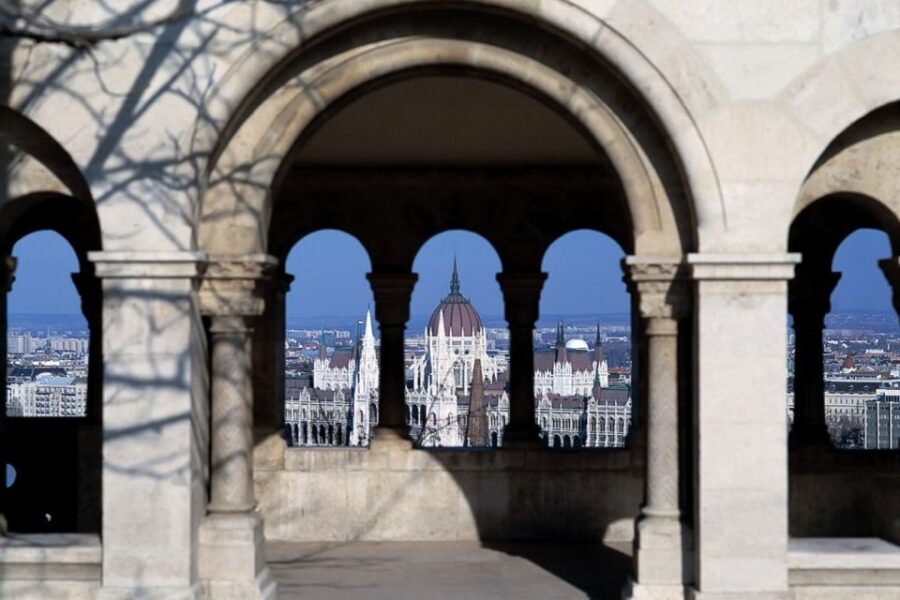
One of the simplest joys of this tour is the way it uses the Danube River and bridges to teach geography. You’ll cross the river by Margaret Bridge, then later continue and cross again using Elizabeth Bridge.
Here’s the trick: bridges aren’t just transportation in Budapest. They’re also viewpoints and “line breaks” between different moods. Being guided through those crossings means you understand what changes on each side—architecture style, street energy, and the overall feel of Buda versus Pest.
If you like photographing city lines—river curves, street grids, and skyline angles—this route gives you enough structure to get good shots without wandering for hours.
Fisherman’s Bastion and the Castle Walk: where the city turns dramatic
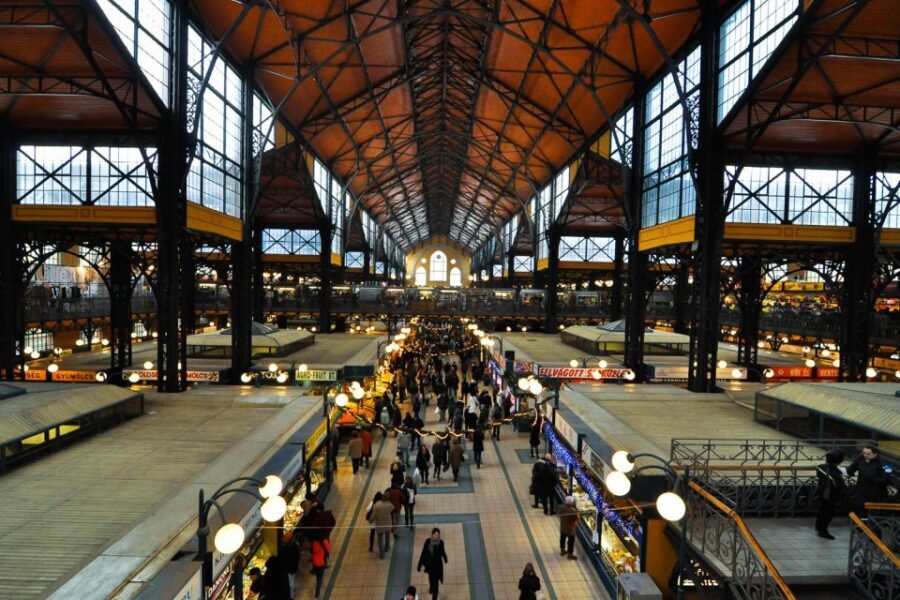
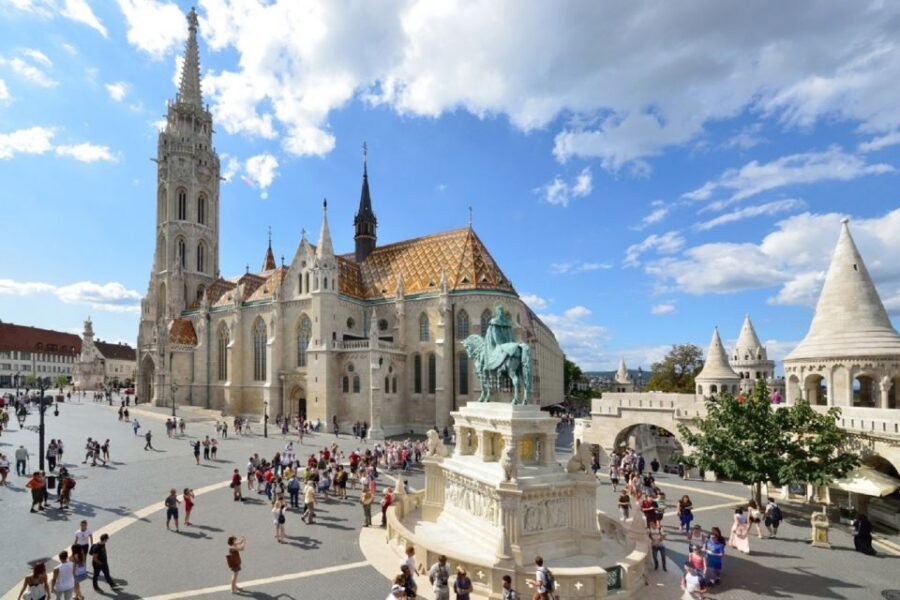
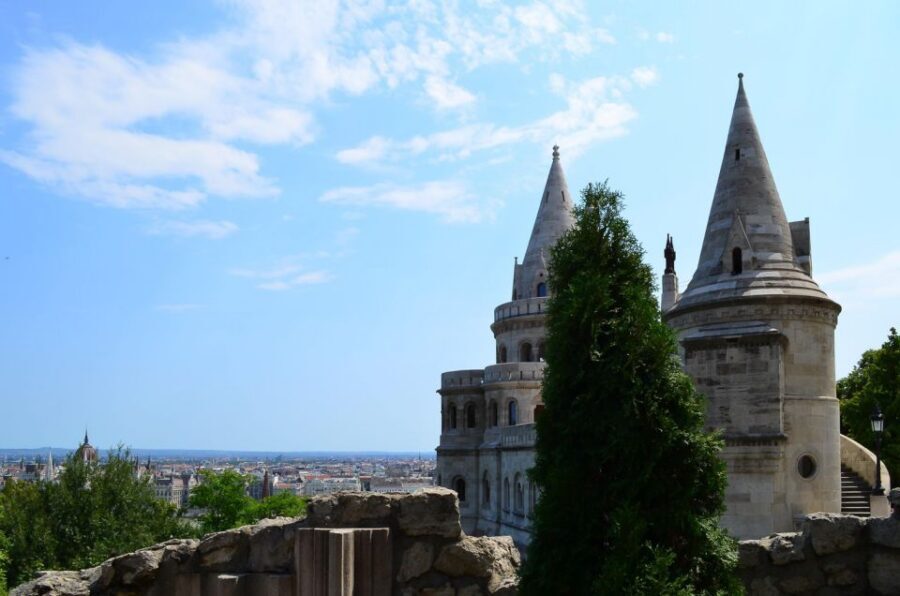
This is the heart of the tour. You’ll head to the Buda side and exit the bus for a walk in the Castle District area, with Fisherman’s Bastion as the centerpiece.
Walking here matters. From a distance, the Castle Hill area looks like a postcard. Up close, you see the textures: the stone, the stair-step terrain, and the way the district sits above the river. It’s the kind of place where you can feel the city’s layered past without needing a full museum ticket.
You’ll also get time for photos and free moments during this segment, so you’re not stuck only following your guide in a straight line.
You can also read our reviews of more city tours in Budapest






A key thing to watch
Castle Hill streets can be crowded and steep in places. Even without extra details, you should assume you’ll be doing some walking on uneven ground and possibly stairs. Wear shoes you’re happy to use like workout shoes, not “pretty for dinner” shoes.
If you’re traveling with mobility limitations, this tour is listed as not suitable for wheelchair users, and it also doesn’t allow non-folding wheelchairs or electric wheelchairs.
Matthias Church exterior: seeing it without overcommitting
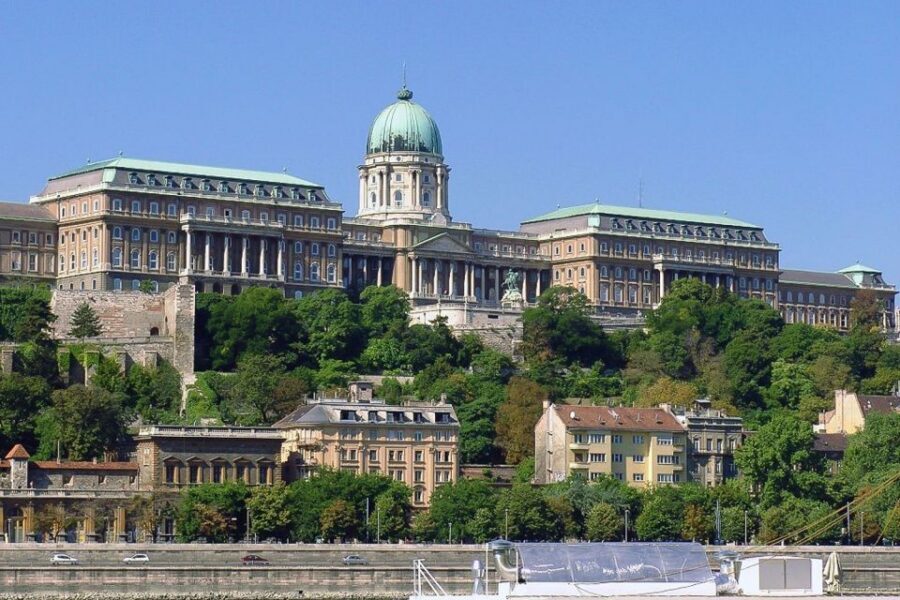
A stop you’ll appreciate even if you’re not doing a full interior visit is Matthias Church exterior. You’ll pass by it as part of the Castle area walking time.
Why that’s valuable: you get visual context. Matthias Church is one of the most recognized church silhouettes in Budapest, and knowing where it fits in the Castle District makes the area feel coherent when you later look up photos or plan your own route.
Also, the exterior approach keeps the experience focused. This tour is short by design, and showing major landmarks from the outside helps you avoid getting stuck on one single site for too long.
Gellért Hill photo stop: one of the best quick skyline hits
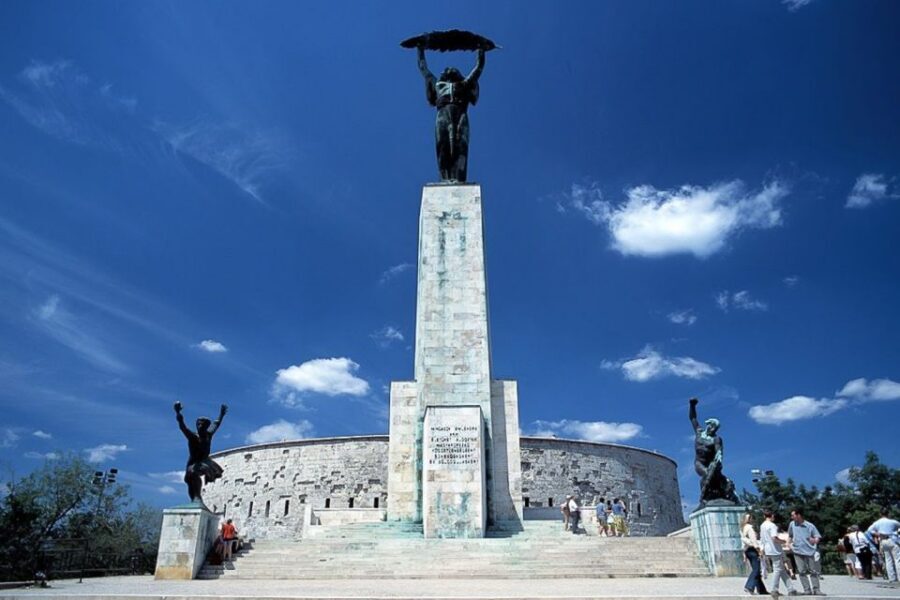
After the Castle area, you’ll continue past Gellért Hill, with a short photo stop built in. The payoff is a scenic view over the Danube River, which helps you connect the earlier bridge moments with the broader skyline.
This is the right kind of stop for a 3-hour tour: quick enough that you don’t lose momentum, but meaningful enough that your camera roll improves.
If you’re visiting on a bright day, this kind of viewpoint can be especially satisfying. If it’s overcast, you may still get great structure in the skyline—Budapest has a way of looking architectural even when the weather isn’t perfect.
Timing, group vibe, and why the guides matter
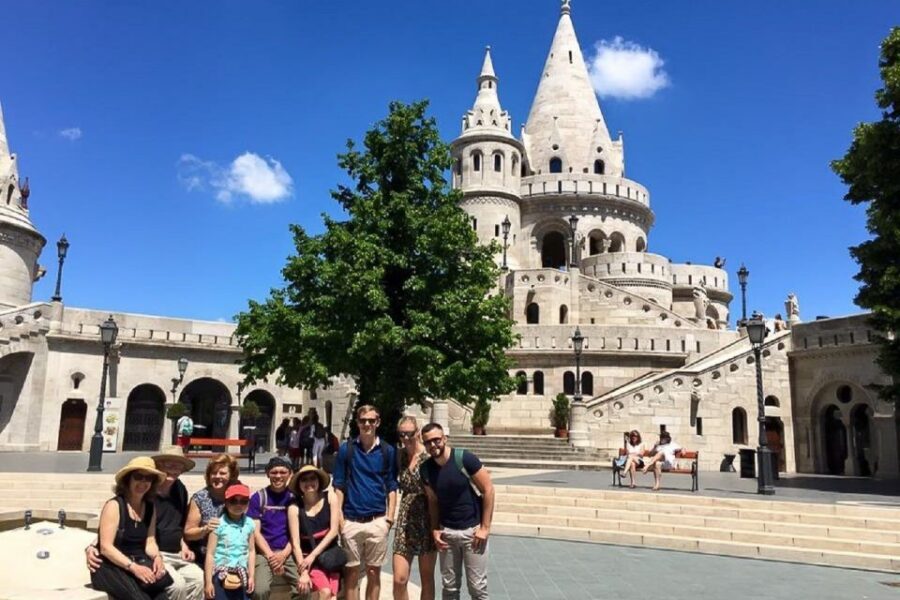
The tour runs about 3 hours, with structured breaks for bus segments and walking segments. In practice, that means you’re not just getting “sightseeing,” you’re getting a managed flow through the city.
The biggest difference-maker is the guide. People consistently highlight guides by name—Klara, Dora, Ingrid, Maria, Cristina, Martha, Dori, and others—often praising how the guide stays organized and keeps information tight to the point in a short time. That matters because it turns the tour from a checklist into something you can actually use later when you’re deciding where to go next.
If you like asking questions, or you just want someone to explain why these places matter in plain language, this format is a good match.
Also, the tour is offered with live guidance in multiple languages: English, German, Spanish, French, and Italian. The tour may sometimes run with a bilingual guide, so you may hear more than one language depending on the group.
Price and value: what $49 buys you in real sightseeing time
At $49 per person for a roughly 3-hour outing, the value is all about time and structure. You’re paying for three things that are hard to replicate on your own in a short window:
- Transportation between distant stops (air-conditioned bus)
- A guided walk where it counts (Castle Hill / Fisherman’s Bastion area)
- Managed photo breaks (Heroes’ Square and Gellért Hill are not just random stops)
If you’re only in Budapest for a day or two, spending the cost equivalent of a decent meal can save you hours of figuring out routes, organizing tickets, and navigating stairs and viewpoints.
If you’re the type who loves long self-guided wandering, you might skip paid tours and do a full day on foot. But for most visitors, this is a cost-effective way to start strong and build a plan for the rest of your trip.
Who this tour suits best (and who should skip it)
This tour is ideal for:
- First-time visitors who want major landmarks fast
- Travelers who prefer a mix of bus “orientation” and short walks
- People who want help understanding what they’re seeing without extra homework
This tour is less ideal for:
- Anyone who hates walking or standing on uneven ground
- Wheelchair users (not suitable, and specific wheelchair types are not allowed)
- Travelers who want long stays at individual landmarks
If you’re unsure, think of it like this: this tour is a smart start, not a final exam. Use it to get oriented, then go back on your own time to whichever stop stuck in your mind.
Should you book Budapest: 3-Hour Grand City Tour and Castle Walk?
I’d book it if you want an efficient first-day (or first-half-day) plan that covers Budapest’s signature sights with real walking time in the Castle District. The combination of Heroes’ Square, the Castle Hill walk, and the Gellért Hill Danube viewpoint is a strong mix for the time you have.
Skip it if you’re traveling at a slower pace, hate crowds, or you’re determined to do deep, long visits at one major site. In those cases, you’ll probably get more out of a smaller, more focused tour.
FAQ
FAQ
How long is the Budapest Grand City Tour and Castle Walk?
The tour lasts 3 hours.
How much does it cost per person?
The price is $49 per person.
What are the main sights the tour covers?
You’ll see major highlights across Budapest including the Hungarian Parliament area, Heroes’ Square, St Stephen’s Basilica, the Opera, the Castle Hill area with Fisherman’s Bastion, and scenic viewpoints around Gellért Hill and the Danube.
Do I get out of the bus for a walking segment at the Castle area?
Yes. You’ll get off the bus for a short walk on the Buda side around the Castle Hill area, including time at Fisherman’s Bastion.
Is there a photo stop at Gellért Hill?
Yes. There is a short photo stop at Gellért Hill with a view of the Danube.
Is food included in the tour price?
No. Food and drinks are not included.
Is hotel pickup included?
Hotel pickup is only included if you select the option that offers pickup. Otherwise, you meet at the Eurama office.
Where do I meet the group?
Meet at the Eurama office. Plan to arrive 30 minutes before departure and look for the blue Eurama meeting point flag.
What languages are available for the guided tour?
The live guide is offered in English, German, Spanish, French, and Italian.
Is the tour wheelchair accessible?
No. It is not suitable for wheelchair users, and non-folding wheelchairs and electric wheelchairs are not allowed.