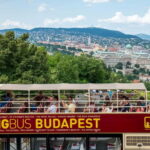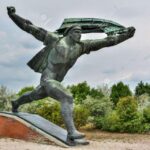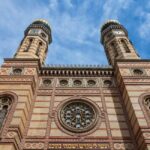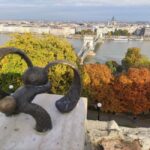
Budapest on foot is the fastest way to understand the city. This 3-hour Highlights and quieter corners walking tour strings together Parliament, Chain Bridge, Buda Castle, and the Danube memorial with a local guide who steers the experience to your interests. It’s private and customizable, so you’re not stuck watching a one-size-fits-all script.
I especially like two things: the chance to see the big sights plus the thought-provoking moments, and the guide support that goes beyond directions into real help for what to do next. You’ll get clear answers and practical advice, and some guides have even handled extra photo time or added pacing tweaks; examples in the guide history include Ferenc Vass (noted for Italian and extra time, plus photographing) and Benjamin (praised for lots of information and question answering).
One possible drawback: it’s a walking tour, so you’ll want comfortable shoes and a pace you can sustain for the full route. Also, food and drinks aren’t included, so plan to grab a bite before or after.
In This Review
- Key Things You’ll Notice On This Tour
- 3 Hours on Foot: What the Tour Is Really Like
- Meet at Immaculata Kegyoszlop: Getting Oriented Without Stress
- Hungarian Parliament Building: Gothic Revival Details You Can Actually Notice
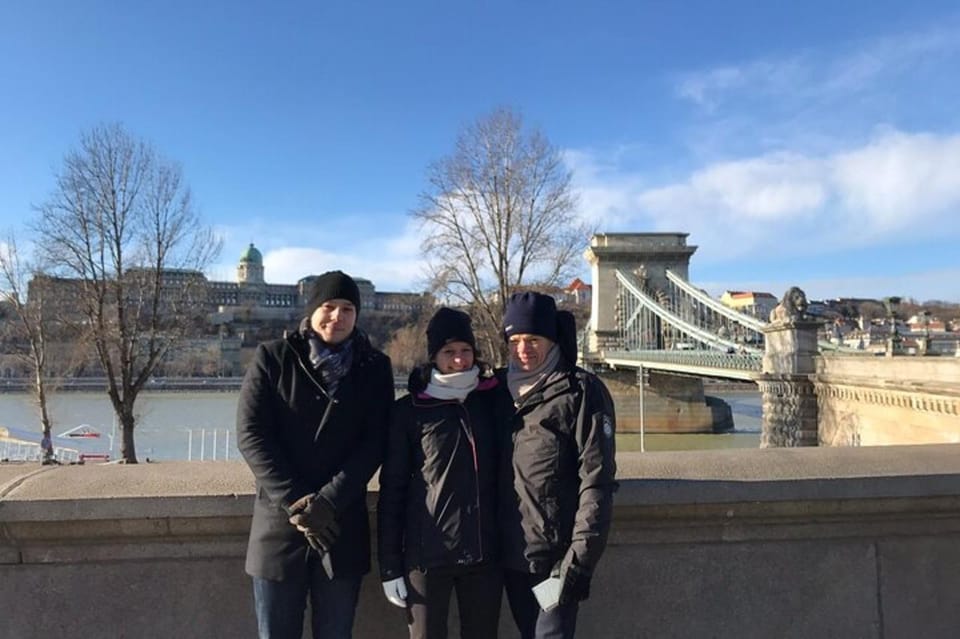
- Chain Bridge for Views: The Classic Shot With Real Context
- Buda Castle and Matthias Church: Palace Grounds and a Real Sense of Place
- St. Stephen’s Basilica and Fisherman’s Bastion: Two Stops, Two Kinds of Wow
- Liberty Square and Andrassy Avenue: When the City Looks Like It Means Business
- Shoes on the Danube Bank Memorial: A Finish That Stays With You
- Private Guide Value: What $35 Buys You (and Why It’s Not Just Cheaper)
- Timing, Transport, and Comfort: The Practical Side
- Which Language and Guide Should You Choose?
- Who This Tour Is Best For (and Who Might Skip It)
- Should You Book This Budapest Highlights and Quiet Corners Walk?
- FAQ
- Where do I meet the guide?
- How long is the tour?
- Is this a private tour?
- What’s included in the tour price?
- What languages are available for the live guide?
- Is the tour wheelchair accessible?
- What are the cancellation and payment options?
Key Things You’ll Notice On This Tour
Private, exclusive group means one guide and no crowding in your moment.
English, French, Italian, or Spanish live guiding makes the history and logistics easier.
You cover major viewpoints in a tight 3 hours, with guided tours at key stops.
The route includes the Shoes on the Danube Bank memorial for an emotional, not just scenic, finish.
Your guide can recommend what to do next, based on what you like.
The provider includes walking plus public transport (depending on the option you choose).
3 Hours on Foot: What the Tour Is Really Like
This tour is built for first-timers and repeat visitors who want a clean overview without feeling rushed. You’ll start near Szervita tér and meet your guide in front of Immaculata kegyoszlop, then the itinerary flows through the places people actually come to Budapest for, plus the areas that help everything click as a whole.
Because it’s private, you can ask more than you usually can on group tours. If you care more about architecture than stories, or you want photos and explanations in equal measure, the guide can adjust. Several past guides were specifically praised for doing extra work to make sure the stops land well, like taking time for photos or pacing so the group finishes strong.
The biggest value here is the human layer. You’re not just collecting landmarks; you’re getting interpretations and practical next-step ideas so you can keep exploring after the tour ends.
You can also read our reviews of more walking tours in Budapest



Meet at Immaculata Kegyoszlop: Getting Oriented Without Stress
Your meeting point is simple: Immaculata kegyoszlop (near Szervita tér). From there, you’ll head into the core highlights route, which matters because Budapest can feel spread out when you’re trying to map it on your own.
Here’s the advantage: you don’t waste your first hours figuring out what’s where. A good guide gives you context while you walk, so landmarks become reference points instead of separate postcards. And since the tour includes walking plus public transport (except if you select one of the options), you’re not stuck doing only long stretches on foot.
If you’re the kind of traveler who likes to ask practical questions—what to see next, where to go for a specific vibe, how to spend a limited day—this setup fits well. Guides like Alix were noted for creating recommendations tailored to what people like, which is exactly what you want when you still have energy left after the big sights.
Hungarian Parliament Building: Gothic Revival Details You Can Actually Notice
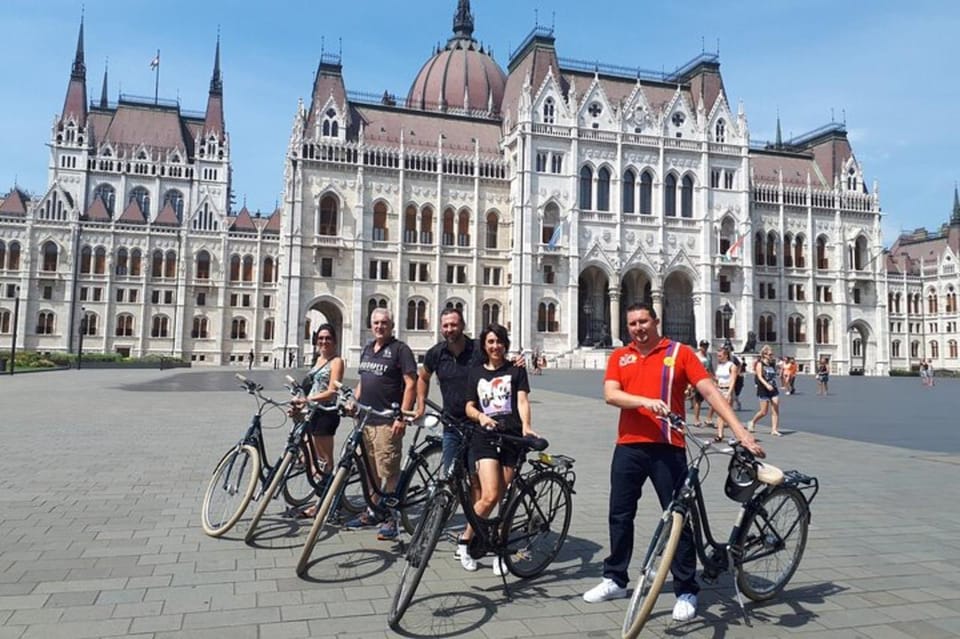
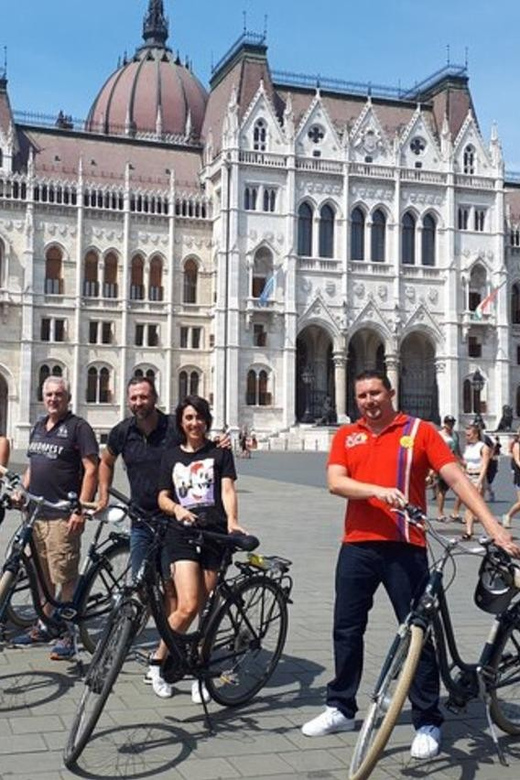
The tour begins at the Hungarian Parliament Building, and your guide gives you a guided visit rather than a quick pass-by. The building is described as Gothic Revival architecture and a symbol of Hungary’s history, so your guide’s job is to help you read the details as you’re standing there.
This stop is a strong opener for two reasons. First, it plants an immediate visual anchor: the style is dramatic, and your photos will look like they belong to the same city story. Second, Parliament is an easy place to start asking questions, because it’s big, clear, and loaded with meaning even before you get into smaller streets and viewpoints later.
Practical note: like most major monuments, you should expect time standing and moving around. Since this is a walking tour overall, you’ll want to arrive ready for that steady rhythm.
Chain Bridge for Views: The Classic Shot With Real Context
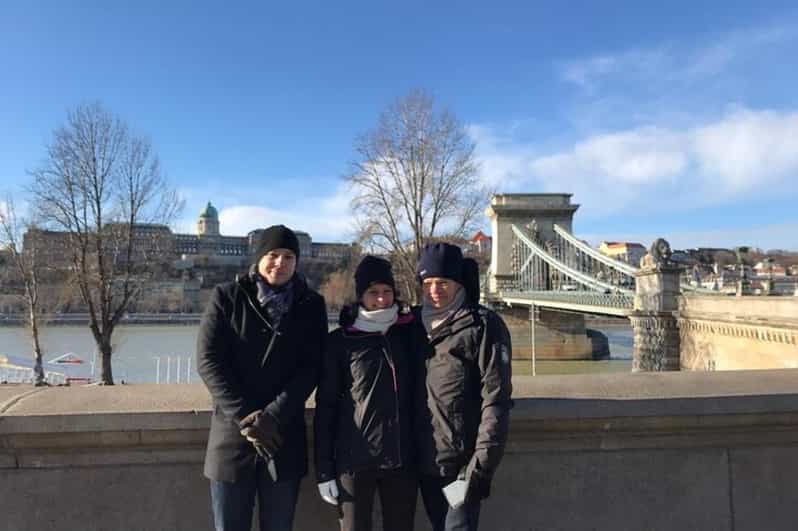
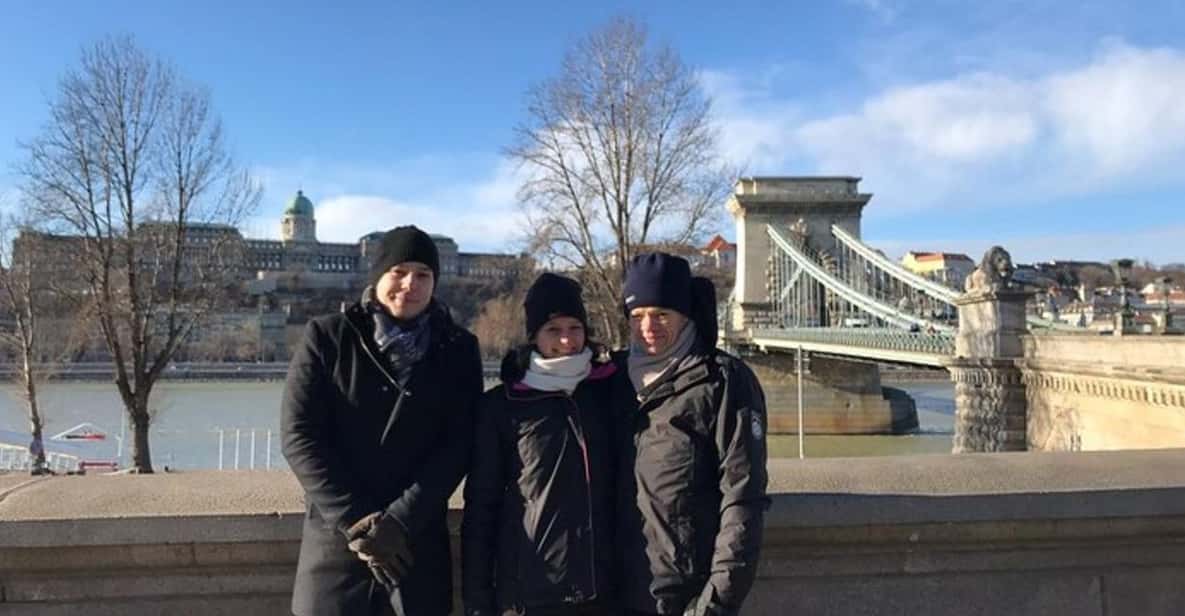
Next up is the Chain Bridge, one of Budapest’s most iconic landmarks. The tour includes a guided stop here, and the big payoff is the views over the city. Even if you’ve seen photos before, this is one of those places where a guide can point out what your eye should catch first—what you’re looking at, and why people keep returning.
The bridge also works as a natural transition. After Parliament, you go from a single monumental focus to a wider “you are here” perspective. That helps when you later move into the hilly Buda side and start dealing with Castle District scale.
Potential drawback to plan for: bridges and viewpoints tend to be exposed. If weather is rough, your guide will likely adjust pacing, but the walk stays active.
Buda Castle and Matthias Church: Palace Grounds and a Real Sense of Place

Then the tour heads to Buda Castle, described as a historical palace complex and a window into Hungary’s royal past. The guided tour component matters because palace sites can feel like a maze unless you’re guided through how the complex connects.
From there, you’ll visit Matthias Church, a Roman Catholic church in the heart of the Castle District. A church visit can be short or it can be meaningful, depending on what you’re looking for. Here, your guide is there to help you connect architectural look, setting, and what you’re seeing on the ground.
Why this part of the itinerary works: Castle District locations make everything feel higher and wider at once. You get the feeling of stepping into a different layer of the city, not just walking from one tourist stop to another. And because your tour is private, you can spend extra time at the spots you care about.
One consideration: this is the area where you’ll likely do more “looking around and walking up/down” than you expect. If your mobility is limited, you’ll want to discuss route pacing with your guide ahead of time. The activity is wheelchair accessible, but you’ll still want to confirm how the walking portions are managed for your needs.






St. Stephen’s Basilica and Fisherman’s Bastion: Two Stops, Two Kinds of Wow
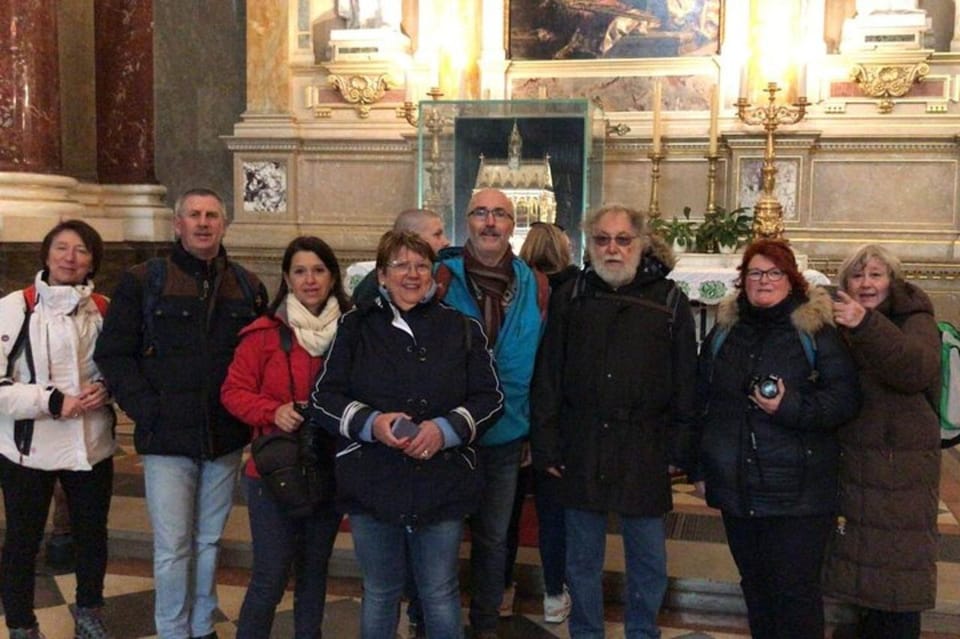
Next, you’ll visit St. Stephen’s Basilica, a Roman Catholic basilica named in honor of Hungary’s first king. With this stop, expect your guide to explain why the naming matters and what to notice while you’re inside and around the basilica space.
Then comes Fisherman’s Bastion, described as a neo-Romanesque monument with panoramic views of Budapest. This is the stop where your photos will look like they came from a postcard rack, but it’s also a good chance to understand why people gather at viewpoints: you need orientation. A guide can help you connect what you saw earlier (Parliament, Chain Bridge) to what you’re seeing from above.
A balanced itinerary note: it’s smart to schedule these near each other. Basilica to viewpoint is a good flow because the basilica gives you a cultural and architectural anchor, and Fisherman’s Bastion gives you a bird’s-eye sense of how the city is laid out.
Liberty Square and Andrassy Avenue: When the City Looks Like It Means Business
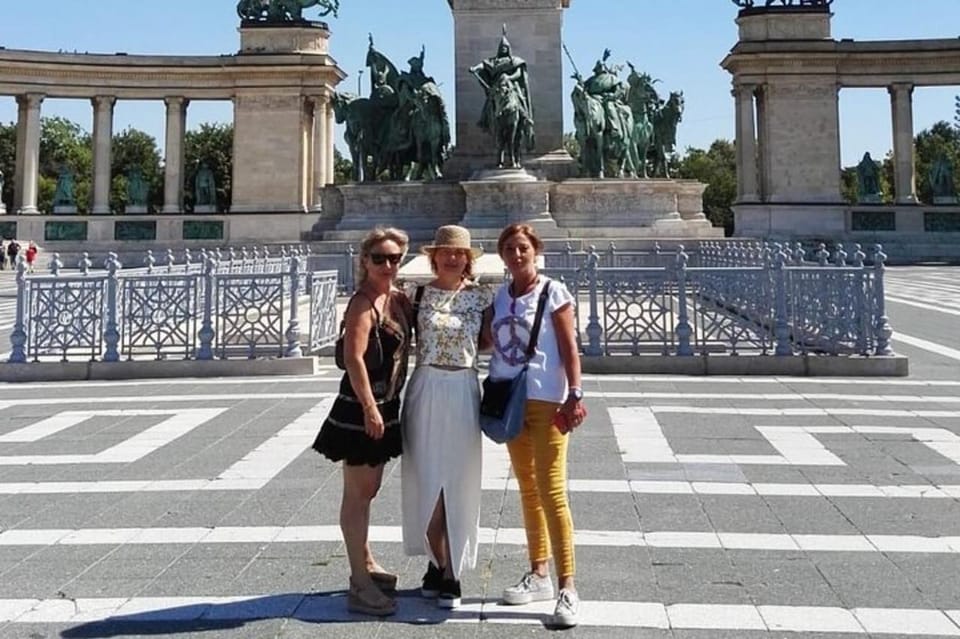
The tour continues to Liberty Square, described as a public square with a mix of business and residential buildings. That description is useful because it signals this isn’t only about monuments. You get a bit of everyday urban context—where life and commerce share space nearby.
After that, you’ll walk Andrassy Avenue, lined with Neo-Renaissance mansions and townhouses. If you love architecture that looks planned, intentional, and a little theatrical, this is where you’ll slow down. Your guide’s commentary can turn a long avenue into a sequence of stories rather than just a street walk.
What makes these two stops valuable in one tour: they balance the heavy history stops with the kind of street-level beauty you can appreciate even when you’re tired. It’s the part that often makes visitors feel like they actually lived the city for a few hours, not just toured it.
Shoes on the Danube Bank Memorial: A Finish That Stays With You

The itinerary ends at the Shoes on the Danube Bank memorial, described as a poignant tribute to those who lost their lives during the Arrow Cross rule. This isn’t a scenic checkpoint. It’s a reminder built into the riverbank space, and your guide’s explanations shape how you feel about it.
If you want your tour to include emotional weight as well as viewpoints, this is the right way to do it. Starting the day with big landmarks gives you visual confidence; finishing here gives you a sharper understanding of why Budapest’s most famous places are also deeply human.
A practical consideration: since this memorial is on the riverbank, you’ll want to dress for the weather. If it’s cold or windy, plan for it to affect how long you stand still for the guide’s explanation.
Private Guide Value: What $35 Buys You (and Why It’s Not Just Cheaper)

The price is listed as $35 per person for a 3-hour tour. On paper, that can sound like a straightforward ticket price. In practice, the real value is the structure: you’re getting a private and exclusive tour, with customization, and guide help to book tickets for desired visits.
Here’s what that adds up to for you:
- You can ask questions and get answers while you’re actually at the spot.
- You can request pacing changes without arguing through a group’s schedule.
- You leave with a working list of what to do next, not just a map full of places you’ve already seen.
The reviews give a clear pattern about what guides do well. People praised guides for tailoring, answering questions, and going the extra mile on logistics like photography and timing. Examples include Ferenc Vass, who was highlighted for speaking Italian well and taking time to act as a photographer, and Benjamin and Alix, who were praised for information and personalized recommendations.
So is $35 fair? For a private guide plus guided visits at multiple major stops, it’s good value—especially if you’re traveling with someone you can coordinate preferences with. If you’d rather watch a passive slideshow of landmarks, you might not use the customization enough to justify it.
Timing, Transport, and Comfort: The Practical Side
This tour is 3 hours, which is a sweet spot if you want highlights without losing your whole day. It’s also a schedule you can pair with dinner plans easily, since the finish point is back near your start area at Szervita tér.
Transport is partly built in: the included setup covers walking and public transport, with one caveat that public transport depends on the option you select. That matters because it changes how “hardcore walking” the day feels. If you’re trying to avoid overexertion, you’ll want to pay attention to the option you choose.
Comfort tips (based on the fact that it’s a walking tour):
- Wear shoes you’re happy to stand in for long stretches.
- Bring a layer for weather changes, since several stops involve open-air views.
- Bring water and a light snack strategy since food and drink aren’t included.
Which Language and Guide Should You Choose?
The tour offers live guide options in English, French, Italian, and Spanish. Language matters here because church stops and architectural details are easier to enjoy when explanations land clearly.
From the guide history you provided, you can see how much effort some guides put into communication and service. Ferenc Vass was praised for strong Italian and also for handling extra time and photography. Benjamin was praised in French for giving maximum information and answering expectations. Those are good signals that guides focus on clarity, not just reciting names.
If you’re deciding between languages, pick the one you’ll speak comfortably during questions. That’s where the private format really pays off.
Who This Tour Is Best For (and Who Might Skip It)
This tour is a great fit if you want:
- A high-signal route through the big Budapest sights in 3 hours
- A guide who can adjust the stop order or emphasis based on your interests
- Help figuring out what to do after the walking part ends
It’s also a smart choice for repeat visitors who already know the obvious spots but want context and guidance on what to prioritize next.
You might skip it if:
- You only want to take photos and don’t care about guided explanations at each stop
- You prefer self-paced touring with no structured itinerary
- You have limited tolerance for continuous walking, even though the tour is wheelchair accessible
Should You Book This Budapest Highlights and Quiet Corners Walk?
If you’re asking whether it’s worth it, my simple answer is yes—especially if you care about getting meaning from what you see, not just collecting views. The private format, guided tours at major landmarks, and the inclusion of practical guide advice make the $35 price feel more like service than a basic sight-seeing pass.
Book it when you want to start your Budapest trip with clarity, or when you want to turn a second visit into a smarter one. If your dream day is slow wandering with no structure, you might feel constrained. But if you want a local in your ear and a plan that still allows personal choices, this is a strong way to spend a short window in Budapest.
FAQ
Where do I meet the guide?
Meet your guide in front of Immaculata kegyoszlop.
How long is the tour?
The tour duration is 3 hours.
Is this a private tour?
Yes. It’s a private and exclusive tour, and there won’t be anyone else in your group.
What’s included in the tour price?
You get a walking tour and public transport (except if you select one of the options), plus guidance and help from the team to book tickets for desired visits. Food and drinks aren’t included.
What languages are available for the live guide?
The live guide is available in English, French, Italian, and Spanish.
Is the tour wheelchair accessible?
Yes, the activity is listed as wheelchair accessible.
What are the cancellation and payment options?
You can cancel up to 24 hours in advance for a full refund, and you can reserve now and pay later.