REVIEW · WALKING TOURS
Communist Budapest Walking Tour
Book on Viator →Operated by Insight Cities · Bookable on Viator
Communist Budapest has layers you can’t see from a bus window. This 3-hour walk gives you a guided route through key Cold War and 1956 landmarks, with local historians and small-group pacing that keeps questions alive. I particularly like how the tour links big public symbols to what they meant on the street, and I also like the way it uses real locations like Liberty Square and the House of Terror area to make the story feel concrete. One consideration: if you want only pretty viewpoints or light “sightseeing,” this history-focused tour may feel heavy.
You’ll move by short stretches on foot, plus a bit of public transit, and you do get a clear sense of where Budapest fits into the wider East-West Cold War picture. Guides such as András and Kata come up in reviews for a reason: they’re ready for follow-up questions and can talk through the why, not just the what. Bring good walking shoes and some water, because the route is built for people who can comfortably walk and stand.
If you’re curious about how communist power was shown in buildings, statues, and public spaces, you’ll likely leave with your bearings fast. If you’re not in the mood for politics talk, you can still enjoy the architecture and monuments, but you may miss the point of why they’re there.
In This Review
- Key things I’d focus on
- Walking the symbols: Parliament, Liberty Square, and 1956 scars
- The House of Terror area: what you see matters even if you skip the exhibit
- From People’s Stadium to Puskás: socialist realism in plain sight
- Ronald Reagan in Budapest: a statue with real symbolic weight
- Bem József Square and Kossuth Lajos Square: the uprising’s early spark
- Price and value: is $126.50 worth it?
- Who this tour fits best (and who should skip it)
- Getting around with your group: small, guided, and transit-aware
- Should you book this Communist Budapest walking tour?
- FAQ
- How long is the Communist Budapest walking tour?
- What is the price per person?
- What language is the tour offered in?
- Are there different departure times?
- What’s included in the tour price?
- Is the House of Terror Museum included?
- Where does the tour start and end?
- How big is the group?
- Do I need transport tickets?
Key things I’d focus on
- Small-group feel (up to 8 people): easier conversations and more time to ask why certain symbols exist.
- Cold War landmarks in public spaces: you’ll see the Soviet presence in places like Liberty Square, not only in museums.
- 1956 uprising touchpoints: you’ll connect monuments and squares to the uprising’s early momentum.
- Propaganda without sugarcoating: socialist realist style appears in ways that show how the regime wanted people to think.
- Practical route with transit help: your guide can help you handle Budapest tram/metro tickets if you need them.
Walking the symbols: Parliament, Liberty Square, and 1956 scars
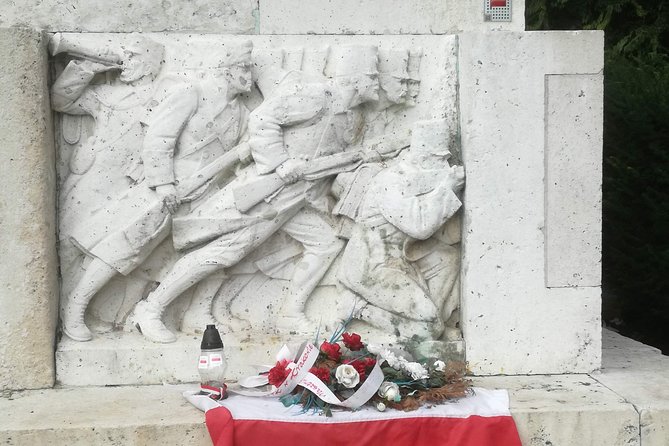
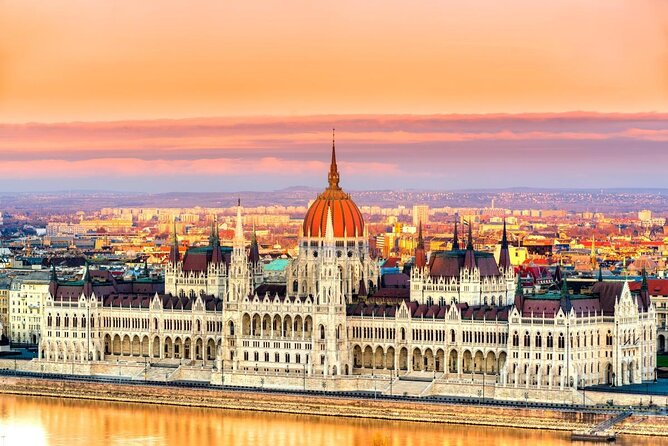
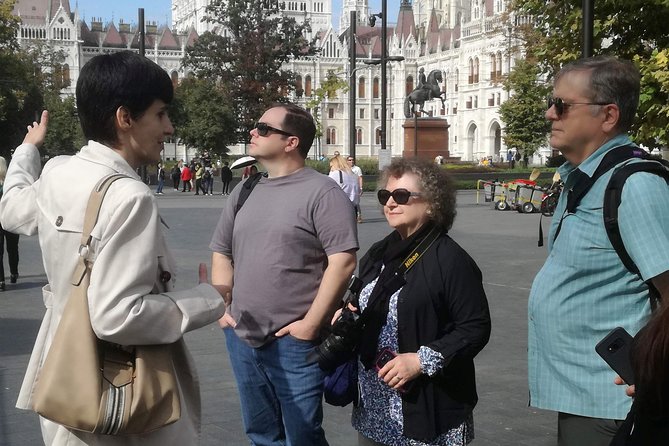
The tour begins in the orbit of the Hungarian Parliament, where the city’s political drama is impossible to ignore. From there, you head toward Kossuth Square, and your guide sets the stage by pointing out monuments tied to the 1956 revolution. Even if you’re not a history specialist, you’ll start to notice the difference between a statue that’s just art and a monument that’s built to send a message.
This first section is where the Cold War theme starts to tighten. You’ll continue toward Liberty Square, and your guide connects what you see around you with power politics from both sides of the Iron Curtain. The route includes the US Embassy area, a monument connected to the Soviet Army, and the Ronald Reagan statue tied to the idea of pressuring the system. You’ll also hear about an atomic shelter, which sounds almost surreal until you understand why governments planned for nuclear fear so openly.
What I like here is that the tour doesn’t treat these objects like trivia. You’re not only learning names and dates; you’re learning how public spaces become political tools. The drawback? You’ll have less time for wandering on your own at the start. This is a guided “read the city” experience, not a choose-your-own-adventure stroll.
You can also read our reviews of more walking tours in Budapest



The House of Terror area: what you see matters even if you skip the exhibit
Next, you end up near the House of Terror Museum, housed in the former headquarters of Hungary’s communist secret services. This stop is outside-focused, which changes the vibe in a good way. You’ll see the imposing building and even a slab of the Berlin Wall placed in front, so the atmosphere is present right away.
One important note: the museum exhibit itself is not included in the tour. That can be a plus, because it keeps the walk moving, and it lets you decide later if you want to spend time inside. If you’re the kind of person who wants the full detail, this is a smart “preview stop.” If you’re sensitive to darker subject matter, you can keep it to the exterior context and still learn what you came for.
The endpoint placement also matters. Ending outside means you’re right where you can continue independently after the tour, rather than being done with the topic as soon as the guide wraps up. I like that the experience gives you permission to go deeper only if you want.
From People’s Stadium to Puskás: socialist realism in plain sight
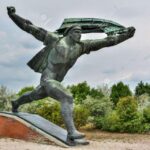
Then the tour shifts from politics-as-office to politics-as-public display. You’ll visit the former People’s Stadium, now Puskás Ferenc Stadium, and you’ll get to look at how the regime used sports and spectacle. Socialist realist statues still stand in the area, and your guide helps you read them as propaganda choices, not just “old sculptures.”
This stop works because it breaks up the heavy theme without turning it into a distraction. You’re still learning the same system of power, just through a different lens: mass events, collective identity, and the way official art tried to shape what people thought was normal.
If you’re visiting in a season when crowds around a stadium are high, you might find it slightly harder to get a quiet moment for photos. The tour time here is short and purposeful, so come with the mindset that this is about observation and explanation, not a long hangout at the gates.
Ronald Reagan in Budapest: a statue with real symbolic weight
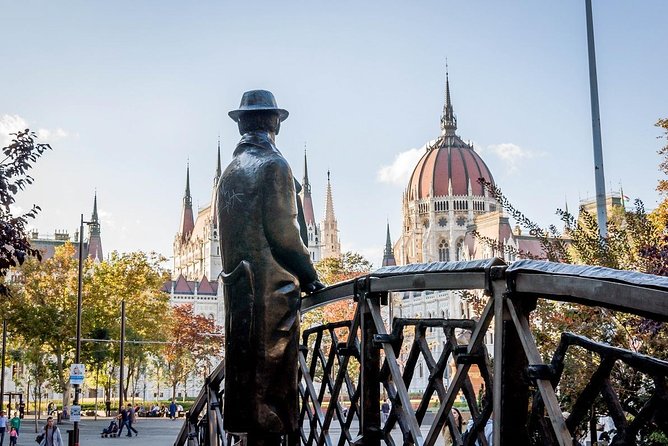
You’ll also spend time specifically at the Ronald Reagan statue, with your guide explaining why Hungarians connect him to the story of bringing down the Iron Curtain. This is one of those landmarks where the background matters. A statue on its own is just metal and stone, but explained in context it becomes a clue to how national narratives get built.
This stop is quick, so it’s best if you’re paying attention to what your guide is connecting it to. If you miss one detail, you’ll likely still catch the theme, but the meaning is easier when you’re fully with them. I’d treat this as a “listen closely” moment.
Bem József Square and Kossuth Lajos Square: the uprising’s early spark
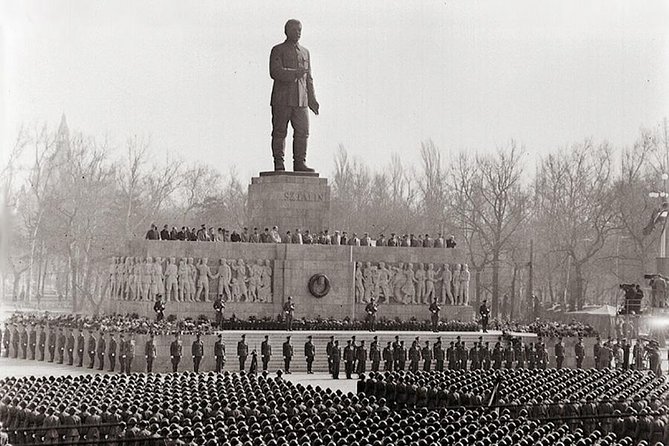
The final stretch circles back to the squares tied to the 1956 uprising. You’ll explore Bem József Square, where the first big demonstration of the uprising started. Your guide puts the moment into perspective so you can connect the square’s physical layout with what a demonstration needed to do: gather, signal, and spread.
One of the best touches here is the coffeehouse detail. There’s a coffeehouse on the square that has retained its original interior from the 1960s. That’s not a throwaway fact. When the tour points you toward a surviving interior, it helps you see how daily life keeps echoes of a political era even after power changes.
This portion is also a good reminder that communism and the Cold War weren’t just about leaders and embassies. They were about public spaces people used every day, and about the “background noise” that shaped how the city felt.






Price and value: is $126.50 worth it?
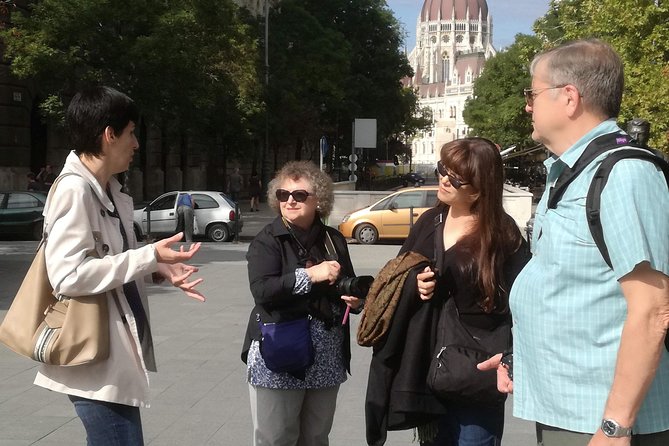
At $126.50 per person for about three hours, this isn’t a budget walk. You’re paying for a historian guide, a structured route through multiple major landmarks, and the time saved by having context handed to you rather than piecing it together yourself.
Here’s how I’d think about value: a big chunk of what you see is outdoor and transit-based (so you’re not paying multiple entrance fees just to keep moving). The House of Terror exhibit is not included, so you still control how deep you want to go at the end. If you’re the type who learns fastest with an expert explaining what symbols mean, you’ll probably feel this price makes sense.
If you’re mainly after casual sightseeing, you can get the buildings and squares on your own. But you wouldn’t get the “why” for free. The standout in the reviews is that the guide turns the walk into a conversation, with in-depth answers and real discussion about how people experienced communist Hungary.
Who this tour fits best (and who should skip it)
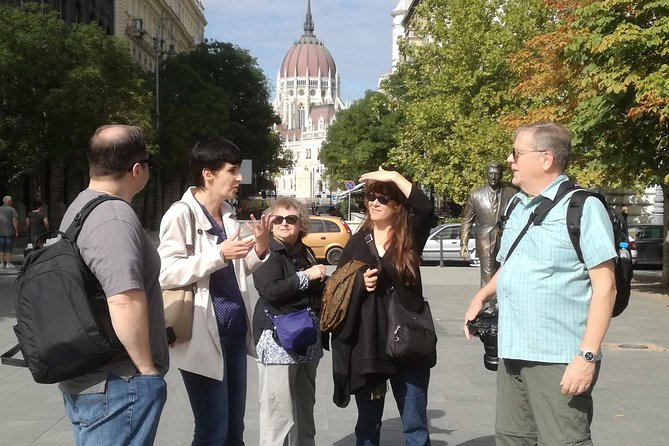
This is a strong match for you if you want to understand the Cold War through Budapest’s real geography. It also fits well if you like asking questions and trading ideas with a local historian. The reviews that call out guides like András and Kata line up with what this experience is built to deliver: clarity, context, and room for discussion.
You might want to skip (or at least adjust expectations) if you mainly want scenery. One review note makes the point bluntly: if you want just sightseeing, this isn’t for you. This tour uses heavy material—secret services, the House of Terror area, propaganda, and the Soviet presence—so go in ready to learn, not just to stroll.
Getting around with your group: small, guided, and transit-aware
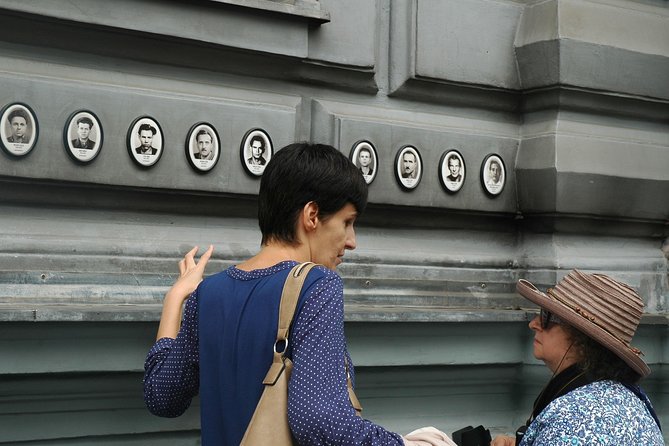
The tour runs near public transportation, and you’re not expected to figure out everything on your own. Your guide can help you purchase Budapest Tram and Metro tickets if you don’t already have a visitor pass. That’s the kind of practical support that keeps a walking tour from turning into a mini scavenger hunt.
Because the group is limited to a small number of people, you also get better mobility through streets and squares. In a city like Budapest, that matters. You’re not fighting the flow of a large crowd while trying to hear explanations.
Bring the simple essentials. Good shoes help, and water helps. You’ll be standing and walking enough that you’ll feel it if you show up underprepared.
Should you book this Communist Budapest walking tour?
Book it if you want a fast, guided way to understand communist symbolism in Budapest—especially the 1956 uprising connections, the Soviet-era messaging in public spaces, and the way propaganda shows up outside museum doors. If you like historians who answer follow-up questions and can explain what different sites meant, you’ll get your money’s worth.
Skip it if you’re visiting for casual views only. This experience is built for people who want context and interpretation, not just photos.
If you’re on the fence, here’s an easy decision rule: if the words 1956, Cold War, Soviet Army, and secret services make you curious, not stressed, you’ll enjoy this tour. If those topics sound like homework, you’ll probably feel the strain during the walk.
FAQ
How long is the Communist Budapest walking tour?
It runs for about 3 hours.
What is the price per person?
The price is listed at $126.50 per person.
What language is the tour offered in?
It’s offered in English.
Are there different departure times?
Yes, there’s a choice of morning or afternoon departure.
What’s included in the tour price?
You get a 3-hour guided walk with a historian.
Is the House of Terror Museum included?
The tour concludes outside the House of Terror Museum, and the museum exhibit itself is not included.
Where does the tour start and end?
It starts at Budapest, Frankel Leó út 2-4, 1027 Hungary and ends outside the House of Terror Museum at Budapest, Andrássy út 60, 1062 Hungary.
How big is the group?
The tour lists a maximum of 8 travelers.
Do I need transport tickets?
The guide can help you purchase Budapest tram and metro tickets if you don’t already have a visitor pass.