REVIEW · CITY TOURS
Full Day Budapest City Tour with Lunch, Wine & Dessert
Book on GetYourGuide →Operated by Budapest Urban Walks · Bookable on GetYourGuide
If you’re short on time, this kind of Budapest day tour saves you from guessing. I like the food-and-sight rhythm and the way you get local perspective instead of just photo stops. One thing to keep in mind: at 7 hours and with lots of walking, you’ll want decent shoes and the stamina to enjoy it.
In This Review
- What I like most (and one watch-out)
- Key things worth knowing before you go
- A 7-hour Budapest “best of” day that actually feeds you
- Price and value: what you’re really paying for
- Starting at the Hungarian State Opera House: a smart, central kickoff
- Heroes’ Square and the grand avenues: the “Budapest in one view” part
- Vajdahunyad Castle and Szechenyi area sights: history meets city life
- The Chain Bridge walk to St. Stephen’s Basilica and Liberty Square
- Dohany Street Synagogue, Matthias Church, and the Royal Palace area
- Food stops are the main event: Market Hall, street food, and a 19th-century sweet stop
- Market Hall: why a guided taste beats casual browsing
- Street food joint: where you learn what people actually snack on
- 19th-century confectionery: the sweet finish that feels like part of the city
- Lunch with wine and dessert: plan your pace around eating
- Private or small group: why the format matters
- Getting around: transport options if you want less walking
- What kind of traveler should book this?
- Guides make or break the experience (and here, that seems to land)
- Should you book this Budapest City Tour with Lunch, Wine & Dessert?
- FAQ
- How long is the Budapest full-day city tour?
- Is this tour private or shared?
- What language is the tour guide?
- Where does the tour start?
- What food and drinks are included?
- Are transportation options included?
- Can I get a refund if I change my plans?
- Is there a pay-later option?
What I like most (and one watch-out)
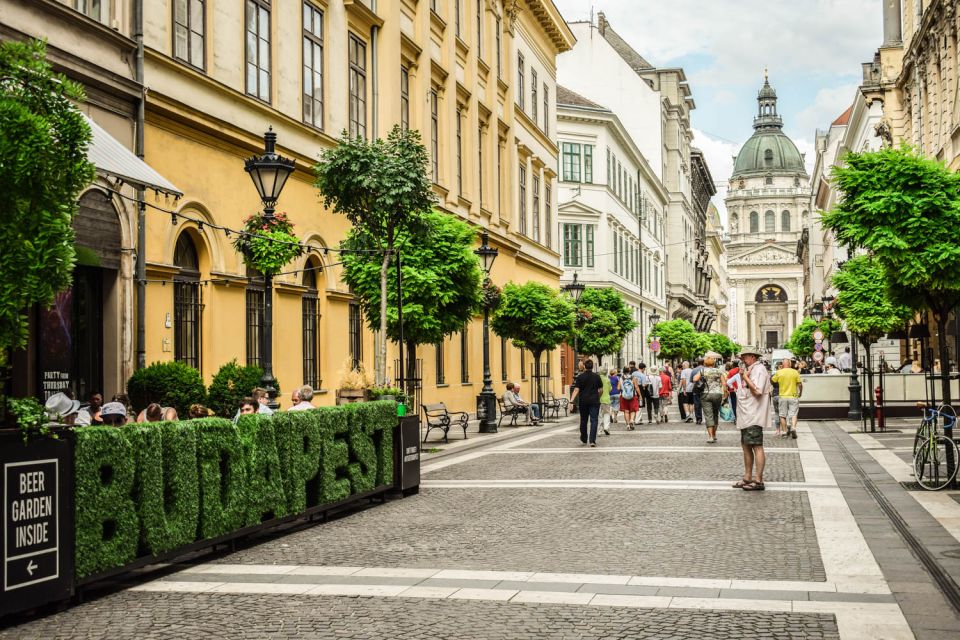
The stops are built around major landmarks plus three tasting moments, including Market Hall, a street-food stop, and a 19th-century confectionery. It’s also the kind of private or small-group format that lets the guide keep the day flowing and explain what you’re seeing from a native viewpoint. The watch-out is simple: the day is full, so if you prefer long café breaks or slow museum time, you might feel rushed.
Key things worth knowing before you go
- Opera House meeting point: you start right in front of the Hungarian State Opera House, a central, easy-to-find landmark
- Heroes’ Square to Buda landmarks: you’ll move from grand Pest sights toward Dohany Street Synagogue, Matthias Church, and the Royal Palace area
- Andrassy Avenue + Chain Bridge walking: this is one of the best ways to connect the city’s “wow” moments on foot
- Market Hall food samples: you get a guided taste of the city’s market culture rather than just browsing stalls
- Lunch with wine and dessert: the day is intentionally built around eating well, not only sightseeing
- Guides with real personality: past experiences with guides like Fanni and Rebeka highlight how much they enjoy sharing the story behind the city
You can also read our reviews of more city tours in Budapest



A 7-hour Budapest “best of” day that actually feeds you
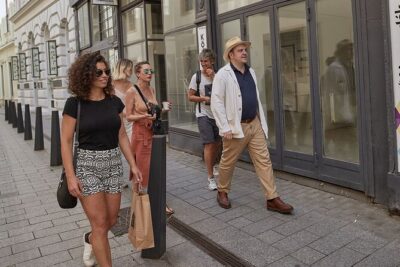
Budapest can be a little tricky on a first visit. The city is split by the Danube, the top sights are spread out, and it’s easy to burn your limited time chasing tickets and directions. This tour is designed as a single, guided loop that blends landmark walking with multiple food moments.
The big idea is that your guide isn’t just pointing at buildings. You get explanations about Hungarian history and culture from a native perspective, so the day feels like a story. And yes, there’s lunch, wine, and dessert, plus extra taste stops so you can sample Budapest street-and-market culture along the way.
Price and value: what you’re really paying for
At $212 per person, this is not a budget walking tour. You’re paying for a private or small-group guide, plus multiple food and drink stops and the time it takes to organize everything into one smooth day.
Here’s the value angle I see: if you try to DIY this day, you’ll still have to figure out timing between major sights, choose where to eat, and decide which spots are worth your time. This tour bundles those decisions for you, adds guided context, and includes tastings that you might not naturally pick on your own.
If your priority is both sights and eating like you’ve got local help, the price starts to make sense fast. If you only want a quick highlight loop and you prefer to eat wherever looks good, a lighter-cost option might be a better match.
Starting at the Hungarian State Opera House: a smart, central kickoff
Your guide meets you right in front of the Opera House, which is one of Budapest’s best landmarks to use as a starting point. From there, you get an immediate sense of the city’s scale, elegance, and “big boulevard” feel before you even cross into the older quarters.
From this starting point, you walk past or through several high-impact sights rather than spending the day jumping around. That matters because on a short trip, time spent commuting between neighborhoods is time you don’t get back.
Heroes’ Square and the grand avenues: the “Budapest in one view” part
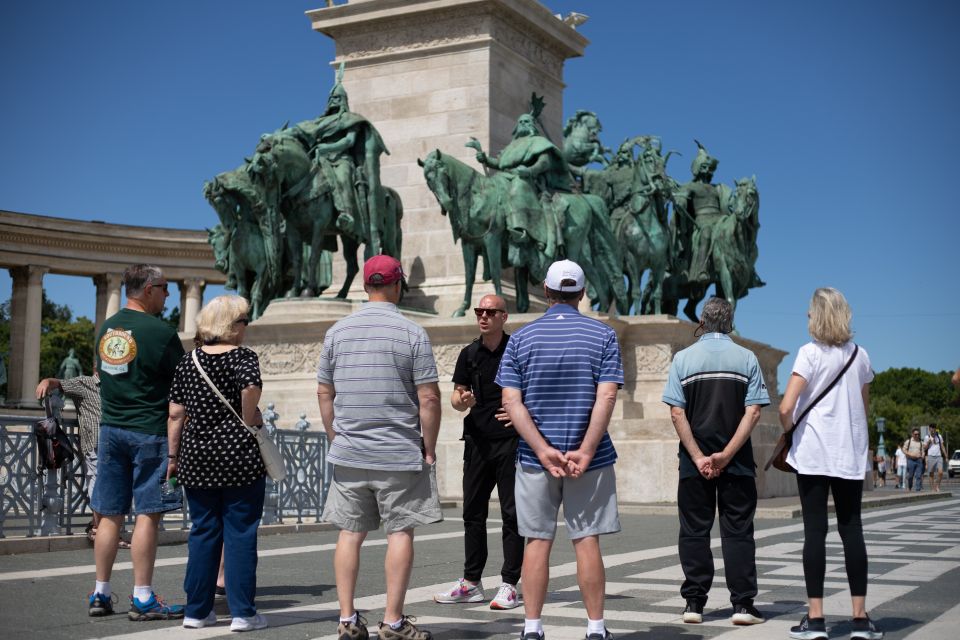
The day includes a walk past major Pest landmarks like Heroes’ Square and then the famous Andrassy Avenue. Heroes’ Square gives you a classic introduction to national symbolism and monument culture—exactly the kind of place where a local guide’s framing helps you read what you’re seeing.
Then comes Andrassy Avenue, the kind of street where Budapest feels formally impressive without needing a ticket. Even if you don’t linger, the architecture and street energy help you understand why people call this city photogenic.
I like that this portion is early in the day. If you start with the big, iconic views, the rest of the walk feels more meaningful instead of random.
You can also read our reviews of more wine tours in Budapest





Vajdahunyad Castle and Szechenyi area sights: history meets city life
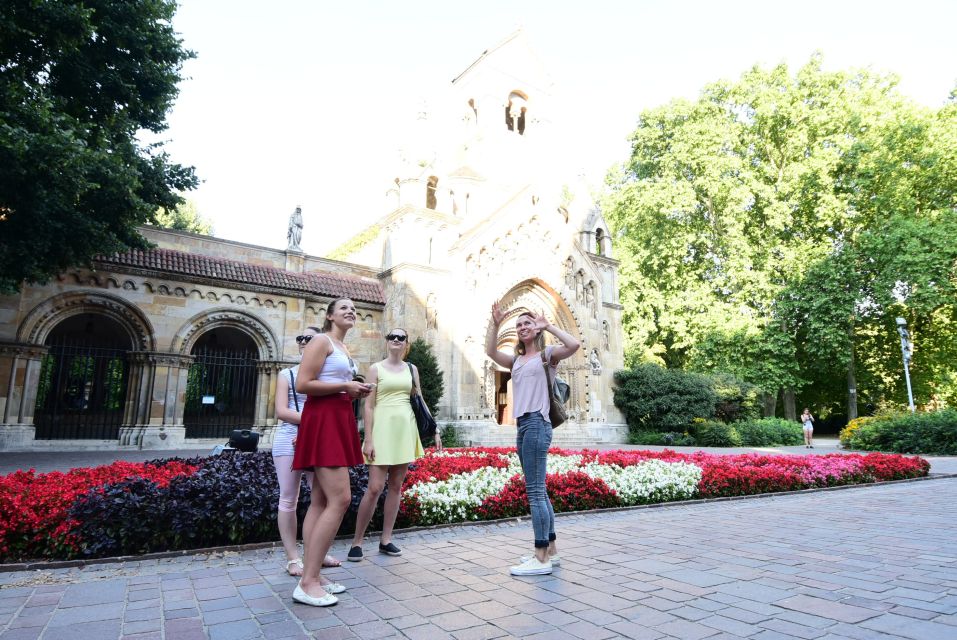
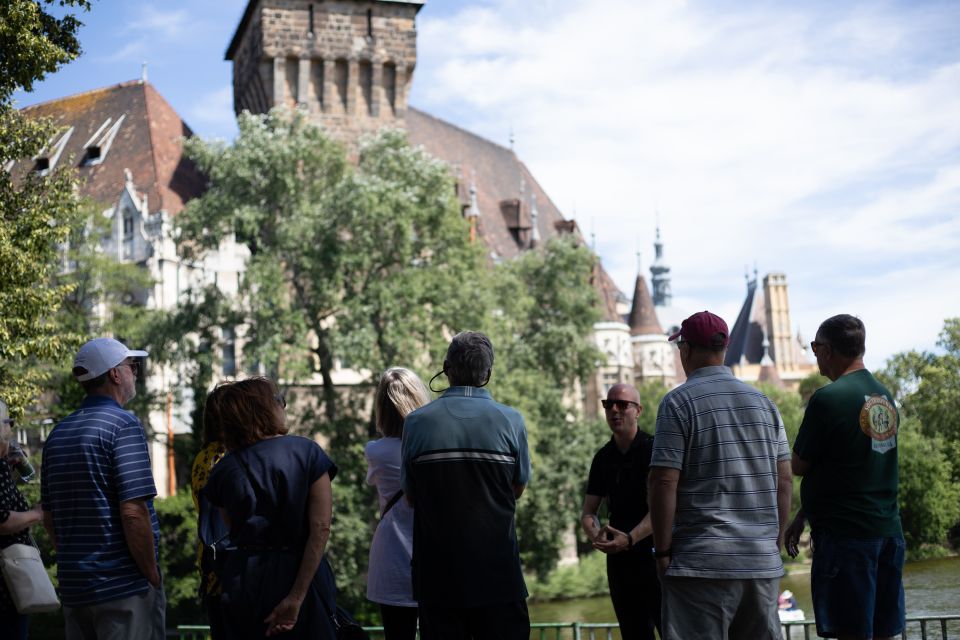
As you continue, you’ll see Vajdahunyad Castle and Szechenyi Spa from the outside as part of the sightseeing flow. This is a good mix because it shows two different sides of Budapest’s identity: romantic, historic-looking structures on one hand, and the city’s well-known spa culture on the other.
Even without entering anywhere, it’s useful to have a guide here. You get the context for why these sites are treated like major landmarks and how they fit into the city’s larger story.
One practical thought: if you’re sensitive to heat or cold, plan to dress for walking and bring layers. This is the kind of day where the weather can change quickly, especially when you’re moving between open squares and longer sidewalks.
The Chain Bridge walk to St. Stephen’s Basilica and Liberty Square
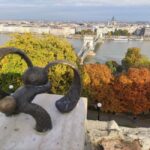
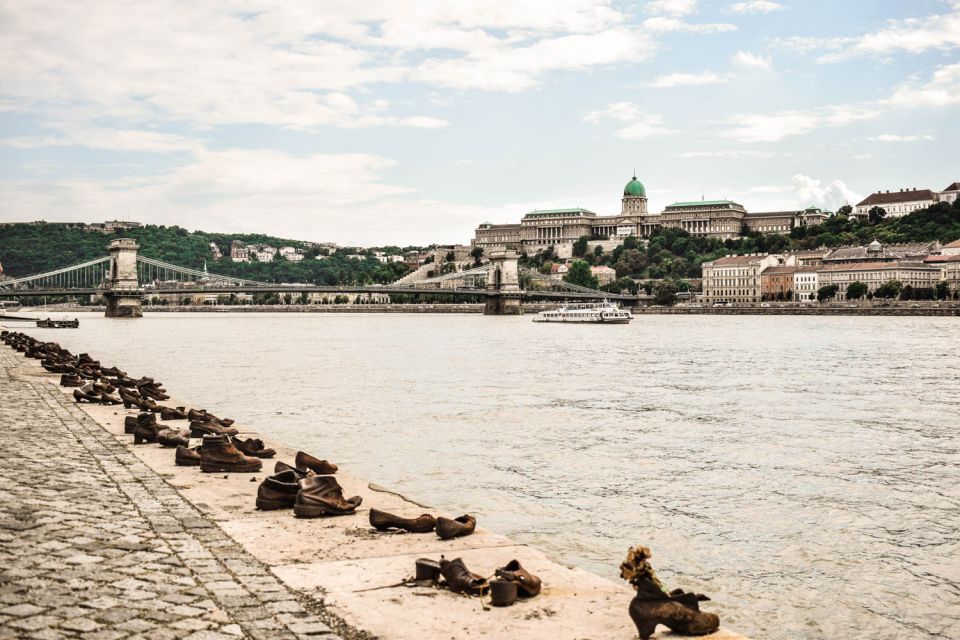
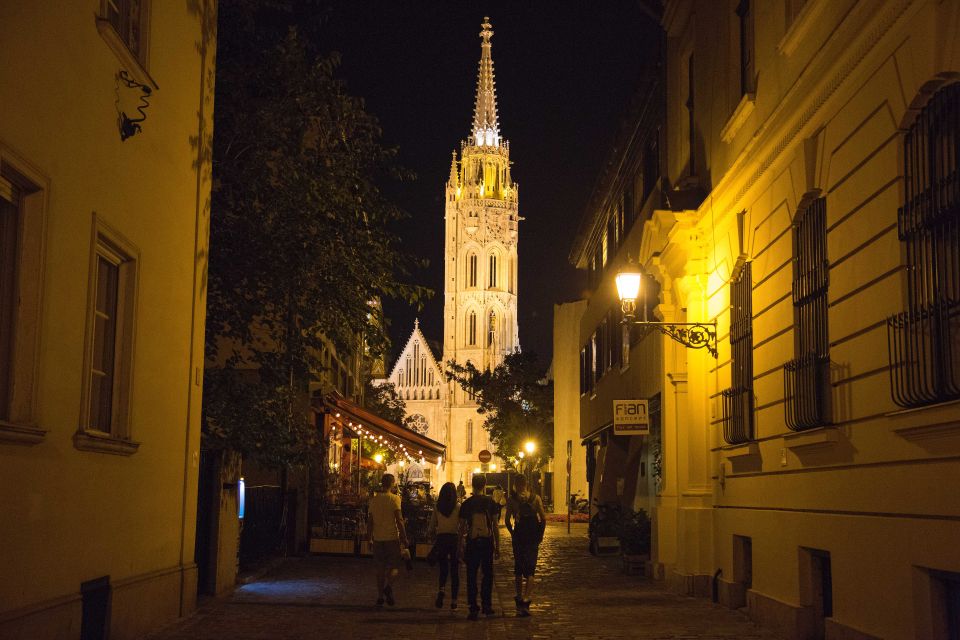
Next up, you’ll stroll along the Chain Bridge toward St. Stephen’s Basilica and Liberty Square. This is one of the best “energy transfers” in Budapest: you’re moving through a visual corridor where the Danube and city geometry do the heavy lifting.
Chain Bridge is also a natural checkpoint in your mental map. Once you’ve crossed (or walked along it), you start to understand how Pest and Buda relate, and why Budapest’s views hit so hard.
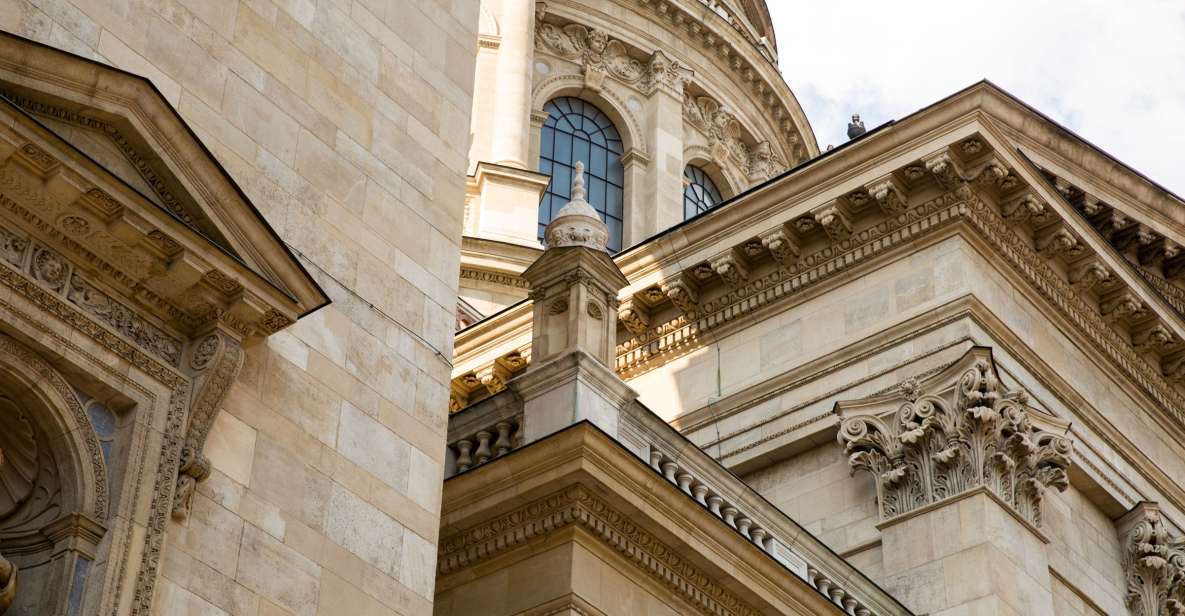
St. Stephen’s Basilica and Liberty Square add that grand-center feeling. Even if you only see them from the walking route, they help you connect the city’s religious and civic symbolism to the broader architecture you’ve already seen.
Dohany Street Synagogue, Matthias Church, and the Royal Palace area
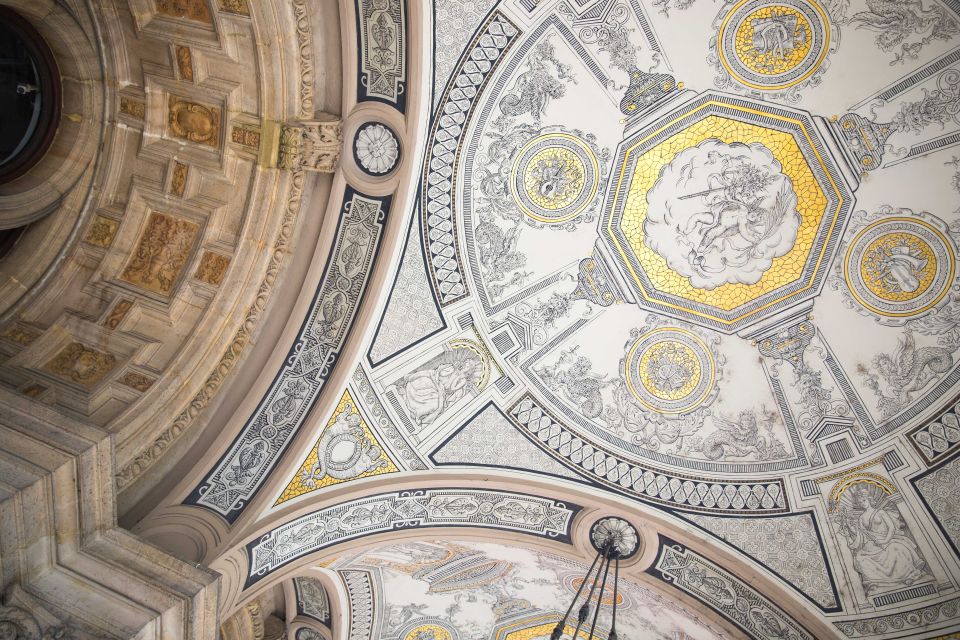
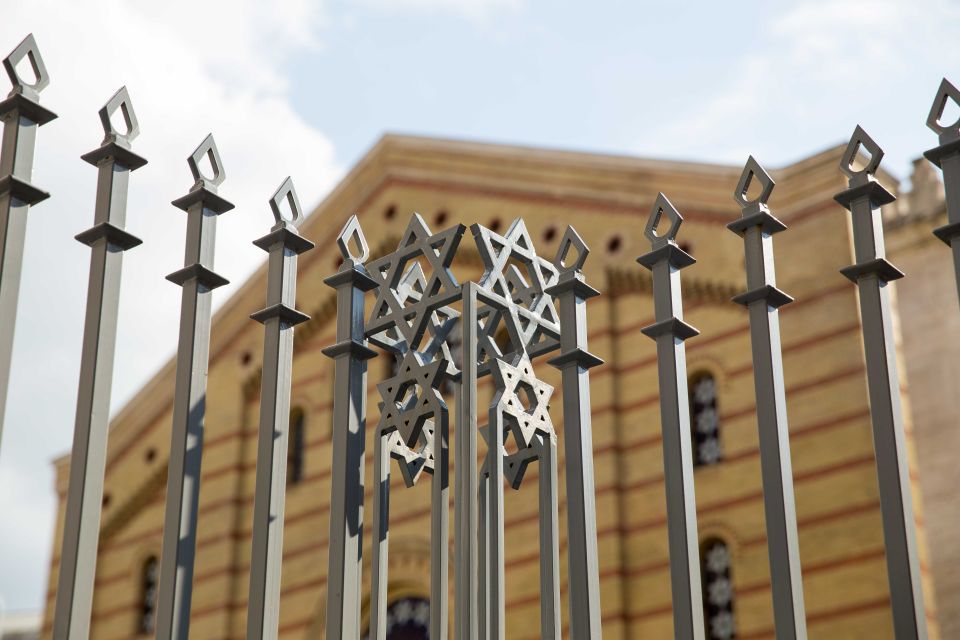
As the day continues, you’ll also get to see Dohany Street Synagogue, Matthias Church, and the Royal Palace. This part of the route is especially valuable if you’re the type of traveler who likes to know what you’re looking at, not just where it is.
A native guide’s perspective matters here because the meaning of these sites isn’t limited to the buildings. You’re learning how Hungarian history and culture show up in places tied to faith, power, and community life.
This segment is also a “mind shift.” You go from broad boulevards and grand civic views into a more layered feel where details carry more story. If your time is limited, that mix is a smart way to experience how Budapest changes as you move.
Food stops are the main event: Market Hall, street food, and a 19th-century sweet stop
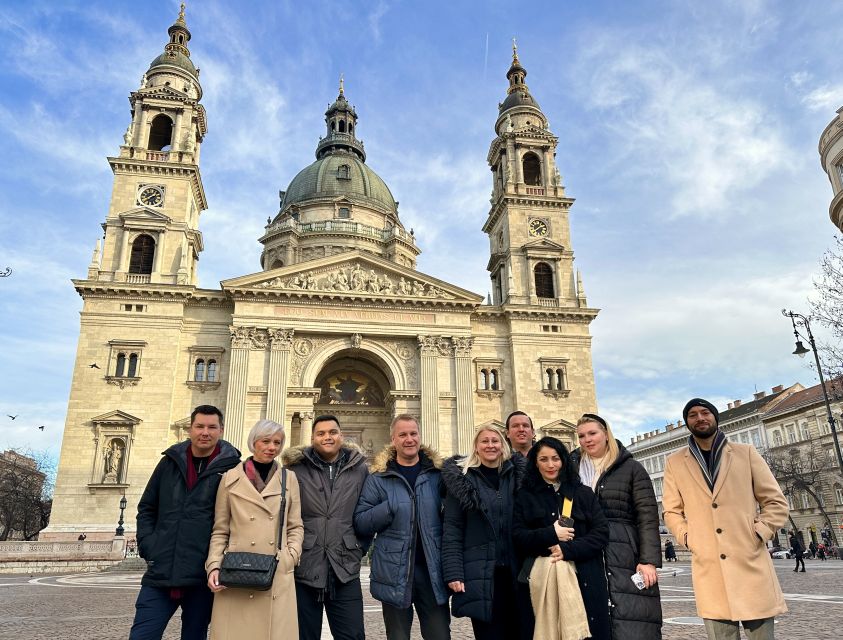
This is where the tour earns its keep. Along the way, you stop for food and drink samples at an authentic Budapest Market Hall, plus a local street food joint, and a 19th-century confectionery. Then you also have lunch with wine and dessert built into the day.
I like that the day doesn’t treat food as a single token meal. Instead, you get multiple chances to taste different sides of everyday Budapest eating, from market culture to casual street bites to something sweet at a classic confectionery.
Market Hall: why a guided taste beats casual browsing
At the Market Hall, you’re not just walking through a pretty building. You’re getting samples with context, so you can understand what you’re looking at and what locals tend to seek out. If you’ve ever wandered a market and felt stuck at the first stall, you’ll appreciate having someone else handle the order of things.
Street food joint: where you learn what people actually snack on
The street food stop gives you a more casual, fast-moving taste moment. You’re likely to learn how this fits into the city’s daily rhythm, which is the difference between eating as entertainment and eating like you’re living there for a day.
19th-century confectionery: the sweet finish that feels like part of the city
The 19th-century confectionery adds a historical flavor to your dessert time. Even if sweets aren’t your main focus, this stop helps round out the day so you’re not only eating savory foods.
Lunch with wine and dessert: plan your pace around eating
Because lunch with wine and dessert is included, you don’t have to stop and decide where to eat mid-day. That’s a big deal on a walking-heavy itinerary. It also means you can keep your energy up without gambling on the wrong restaurant near the crowds.
The practical advice: treat the day like a real schedule, not a “maybe we’ll eat here” plan. Wear comfortable clothes, drink water, and let the guide’s timing handle the breaks.
Private or small group: why the format matters
This tour is private or small groups available, so you’re not stuck with a giant herd. That can be a real advantage when you want explanations rather than just quick movement.
Private format also tends to make the day feel more personal. When the guide has the room to adjust pace, it becomes easier to ask questions and stay interested as the sights stack up.
Getting around: transport options if you want less walking
The tour includes public transportation tickets (if option selected) and car transportation (if option selected), and there’s also hotel pickup (if option selected). That gives you flexibility depending on how you want the day to feel.
If you know you’ll have limited stamina, it’s worth considering the option that reduces time on your feet. If you’re comfortable walking, you can treat it as a city stroll day.
What kind of traveler should book this?
This one fits best if you want:
- A single guide-led day that covers Pest and Buda big-name sights
- A day where food is built into the route, not added later
- A local perspective on Hungarian culture and history, not just general facts
It’s less ideal if your travel style is slow-and-flexible, with lots of unscheduled stops. The day is structured, and it’s designed to hit a lot of key places in 7 hours.
Guides make or break the experience (and here, that seems to land)
The reviews emphasize guide personality and storytelling, and specific names like Fanni and Rebeka come up as examples of guides who genuinely enjoy the job and share knowledge in an engaging way. That matters because on a day full of landmarks, the guide is what turns a route into an experience.
From the structure of the day and the promise of a native perspective, you can expect the guide to connect the sights to culture rather than leaving you with detached photo moments.
Should you book this Budapest City Tour with Lunch, Wine & Dessert?
I’d book it if you want maximum value from a limited visit and you care about eating well while seeing the key highlights. The mix of major landmarks, a Market Hall tasting, and included lunch with wine and dessert is a strong package for first-timers.
I wouldn’t book it if you want a light walk, lots of free time, or a purely budget day. At $212 and with a packed 7-hour flow, it’s designed for people who want a planned day with a guide doing the decision-making.
If your idea of a great Budapest day is: walk, learn, taste, repeat—this is a solid bet.
FAQ
How long is the Budapest full-day city tour?
It lasts 7 hours.
Is this tour private or shared?
It’s offered as private or small groups available.
What language is the tour guide?
The live tour guide speaks English.
Where does the tour start?
The meeting point is right in front of the Hungarian State Opera House.
What food and drinks are included?
The experience includes food and drinks, with stops for samples at an authentic Budapest Market Hall, a local street food joint, and a 19th-century confectionery. It also includes lunch, wine, and dessert.
Are transportation options included?
Hotel pickup is included if you select that option, and public transportation tickets or car transportation may be included if you select those options.
Can I get a refund if I change my plans?
Yes. There is free cancellation up to 24 hours in advance for a full refund.
Is there a pay-later option?
Yes. You can reserve now & pay later, which means you can book your spot and pay nothing today.