REVIEW · HISTORICAL TOURS
Budapest: Jewish History Guided Walking Tour with Historian
Book on GetYourGuide →Operated by Budapest Explorers · Bookable on GetYourGuide
Budapest’s Jewish Quarter history hits hard fast. I like the historian-led storytelling, especially the WWII human stories tied to memorials, and I love the included flódni stop that turns the tour into more than street scenes. The main drawback is simple: you only see synagogues from the outside, so if you want interior visits, you’ll need a separate plan.
What makes this tour work is the pace and scope: you cover the 7th district Jewish Quarter, the former ghetto streets, and key sights like the Dohány Street Synagogue exterior. If you’re lucky enough to get a guide like Barbara, Andrea, András, Noémi, Zsolt, or Gábor, you’ll probably get the same thing many groups report: clear facts, sharp context, and the kind of details that make the neighborhood feel real.
You’ll walk a lot for 2.5 hours, and it runs in all weather, so wear shoes you can trust.
In This Review
- Key Things You’ll Notice on This Tour
- Why Budapest’s 7th District Tells the Jewish Story So Well
- Meeting Kempinski Corvinus: Timing and the Pace for 2.5 Hours
- Synagogue Exteriors You’ll See: Kazinczy, Rumbach, and Dohány
- A drawback to keep in mind
- Former Ghetto Streets, Monuments, and Everyday Clues
- WWII Heroes at Memorials: Wallenberg and Carl Lutz
- Flódni Break and Cafe Time: A Local Jewish Dessert Included
- Gozsdu Passage, Street Art, and Elizabeth Town Secrets
- Value for Money at $63: What You Get and What You Don’t
- Who This Tour Fits Best (and Who Might Skip It)
- Should You Book This Budapest Jewish History Tour?
- FAQ
- How long is the Budapest Jewish history walking tour?
- Where does the tour start?
- Which subway stop is closest to the meeting point?
- Does the tour include entry into the synagogues?
- What food is included during the tour?
- How big is the group?
- What language is the tour guide?
- Does the tour run in bad weather?
- Can I cancel for a refund?
Key Things You’ll Notice on This Tour
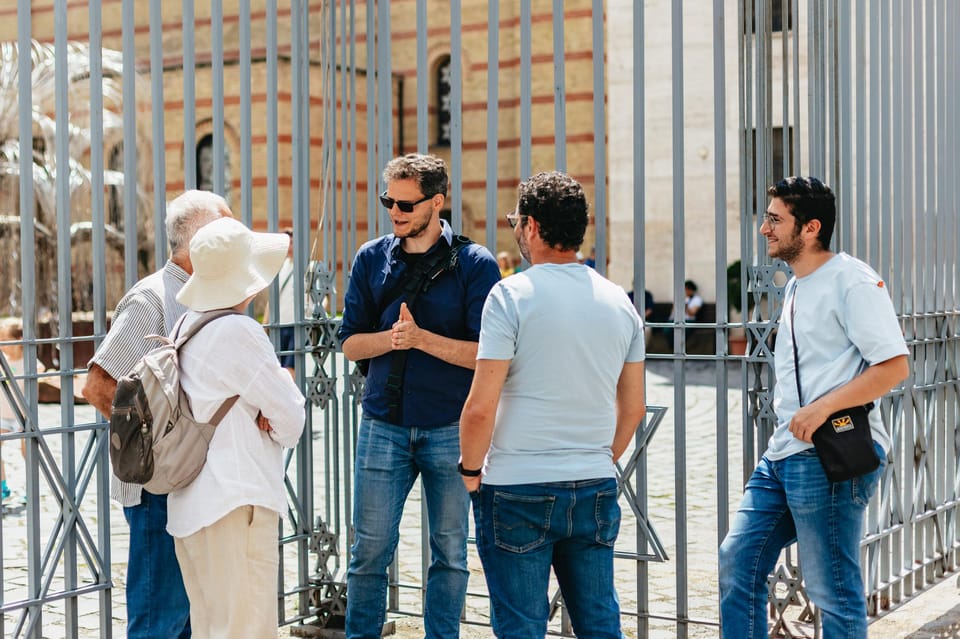
- Historian-led explanations that connect Hungary’s broader history to everyday Jewish life
- WWII hero memorial stops featuring Raoul Wallenberg and Carl Lutz
- Dohány Street Synagogue exterior views plus two other major synagogues from the outside
- Flódni with coffee/soft drink at a local cafe for a lived-in pause
- Gozsdu Passage + street art around Elizabeth Town, with tips on nightlife and ruin pubs
Why Budapest’s 7th District Tells the Jewish Story So Well
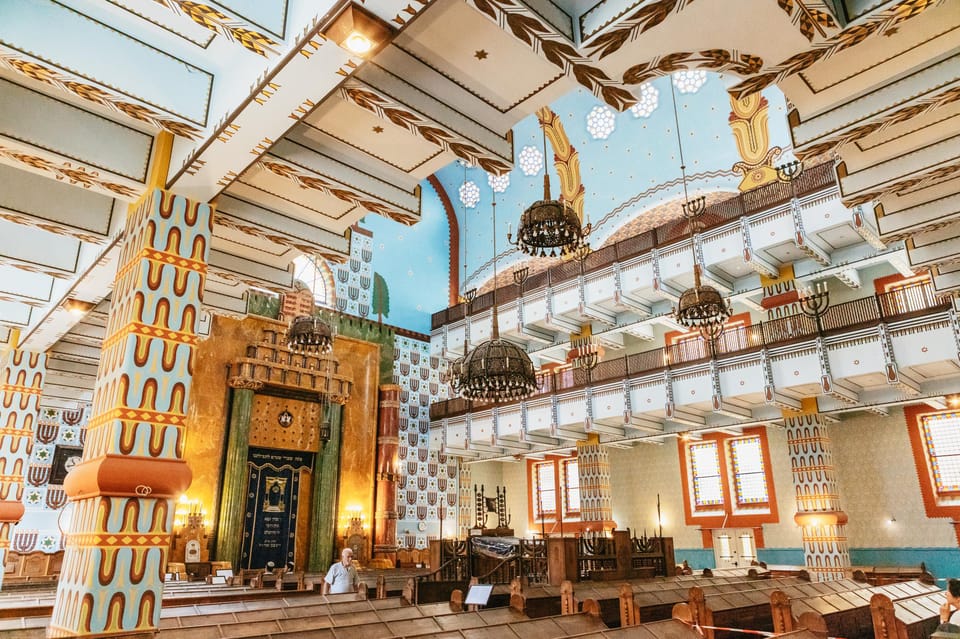
If you want one neighborhood to explain how Jewish life shaped a city—and how violence and politics tried to break it—Budapest’s 7th district is the best starting point. This area has been home to Jewish culture for over 200 years and today still hosts a large, active community. On this walk, that long timeline isn’t just theory. It shows up in the street layout, religious buildings, memorials, and even everyday businesses.
You’ll see how the Jewish Quarter isn’t frozen in time. The tour moves through parts that used to function as community hubs and shopping streets, and it also points out where you can still find kosher restaurants and kosher shops. That blend of old and current matters because it prevents the neighborhood from becoming only a museum of tragedy.
And yes, the subject matter gets dark. The tour covers turbulent history, including WWII events tied to the winter of 1944/45. The value is that you’re not just staring at buildings—you’re learning who lived here, what they faced, and who tried to help.
You can also read our reviews of more walking tours in Budapest



Meeting Kempinski Corvinus: Timing and the Pace for 2.5 Hours
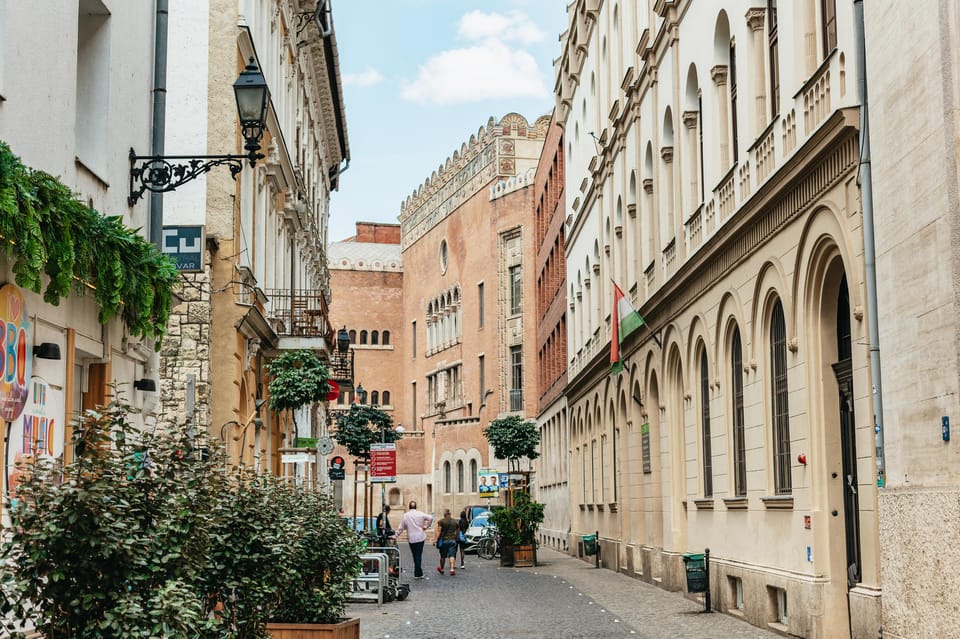
Your tour starts at Kempinski Hotel Corvinus Budapest, on Erzsébet Square, facing the Ferris wheel. It’s easy to reach via the M1, M2, or M3 subway lines, and the closest stop is Deák Ferenc tér for getting to Erzsébet Square.
The total duration is 2.5 hours, and the walking portion is around 2.25 hours, with a short dessert break added on. That means you’re not stuck on a full-day schedule, but you also don’t get a quick drive-by. The route is built for a focused walk: synagogues exteriors, former ghetto streets, memorial stops, and a few city-life detours like Gozsdu Passage.
Small group size matters here. The group is limited to 10 participants, which usually makes it easier to ask questions without losing the flow. If you like tours that feel guided but not rushed, this size is a plus.
One practical note: the tour starts in all weather conditions. Plan like it’s a real neighborhood walk, not a casual stroll. Bring a layer, and wear shoes for uneven sidewalks.
Synagogue Exteriors You’ll See: Kazinczy, Rumbach, and Dohány
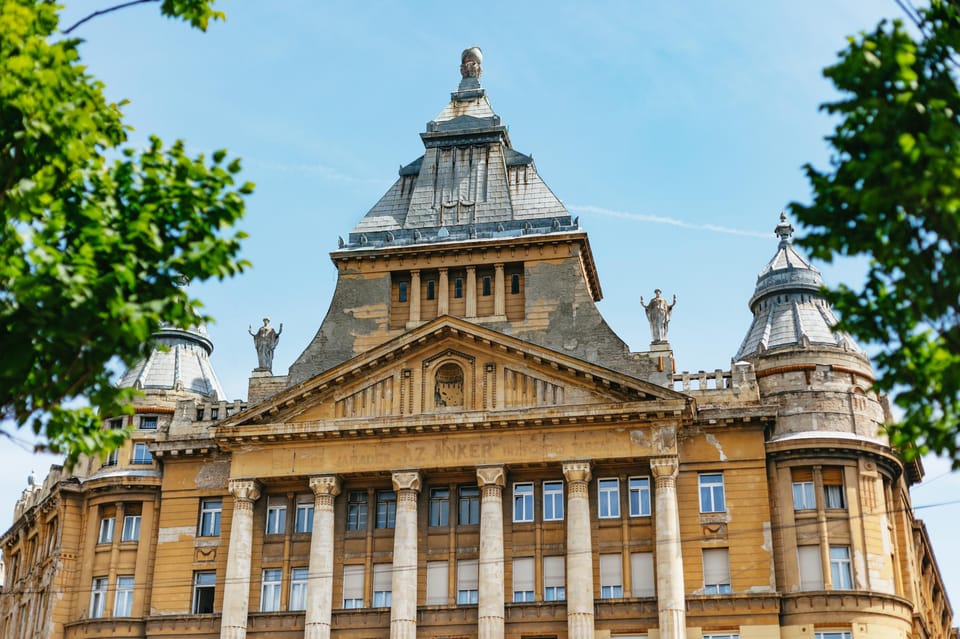
This is a smart tour choice if you want context first, without turning your afternoon into ticket lines. You’ll visit the exteriors of the three main synagogues tied to the area’s Jewish life: Kazinczy Street Orthodox Synagogue, Neolog Rumbach Street Synagogue, and the Dohány Street Synagogue.
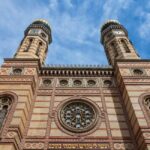
You’ll get the architectural impact even without entering. The Dohány Street Synagogue exterior is the headline, and the tour frames it as one of Europe’s most important synagogues, alongside the other two. Standing outside helps you read the neighborhood’s scale: you can see why this area mattered socially and spiritually, not just historically.
For the Rumbach Street Synagogue, there’s a great extra detail: it was built in 1872 by the Viennese architect Otto Wagner. That’s the kind of fact that makes a façade more than a photo. It gives you a date-and-place anchor, so when you later compare other buildings around the city, your brain has a reference point.
The Kazinczy Street Orthodox Synagogue exterior also adds a sense of religious diversity within the community. The tour doesn’t turn this into a religious argument or a comparison game. It treats the buildings as evidence of how Jewish life organized itself—at different times and under different pressures.
A drawback to keep in mind
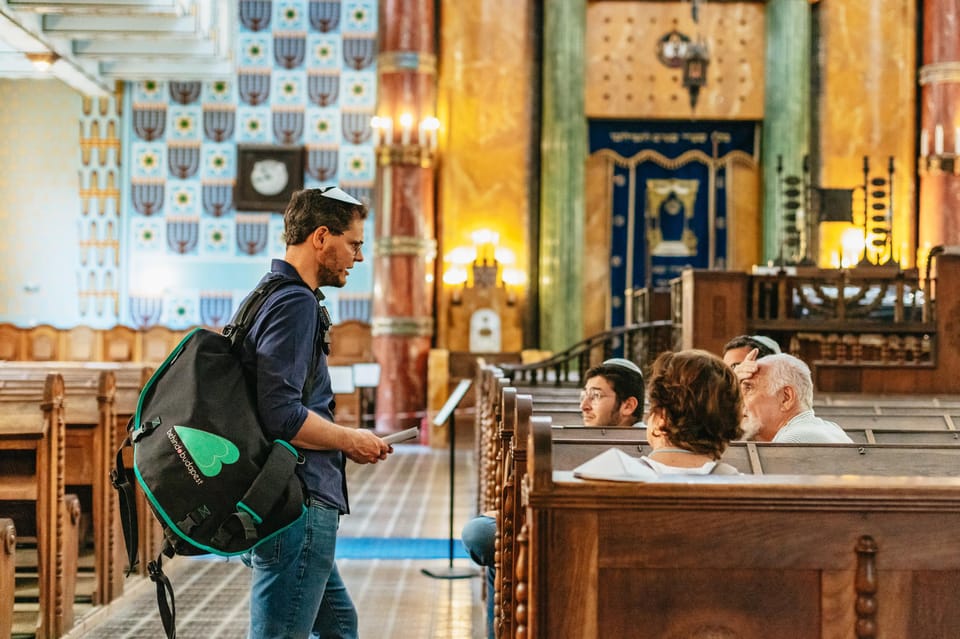
Because all synagogue stops are outside only, you won’t see the interiors, guided exhibitions, or prayer space details. If synagogue interior access is a priority for you, treat this as your “orientation + meaning” stop, then add a separate visit later.
Former Ghetto Streets, Monuments, and Everyday Clues
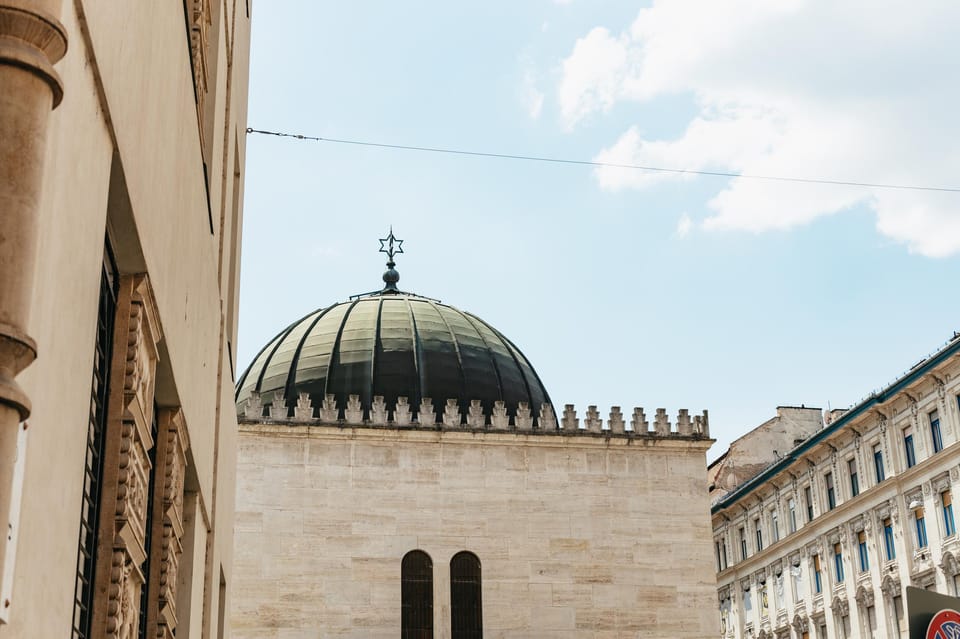
The tour’s route includes the streets of the former Ghetto, and it doesn’t just name places—it explains why these spots matter. You’ll walk past locations tied to synagogues, monuments, and the kinds of businesses that serve community life. That’s where the tour does something subtle but important: it helps you see history operating at street level.
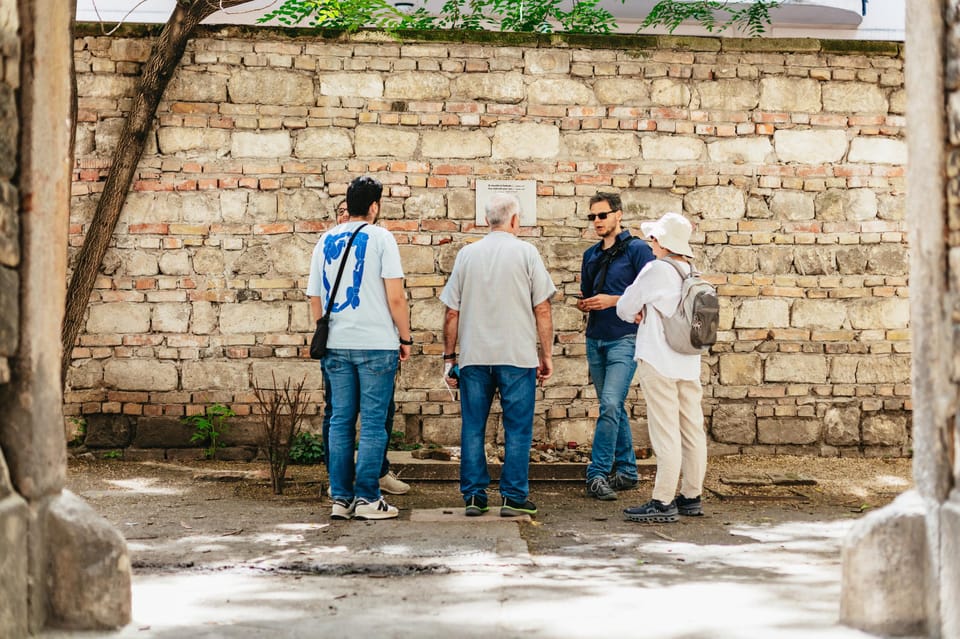
One especially memorable moment is how the tour points out an original ghetto wall section that existed only briefly—reported as under two months in the area’s timeline. Even if you don’t know the story yet, you feel the strangeness of that fact. It makes the ghetto feel less like a permanent feature and more like something that was imposed fast, then dismantled, leaving scars behind.
You’ll also get practical city context as you go. The tour highlights kosher restaurants and kosher shops in the area today, so you don’t walk away with the wrong impression that the neighborhood is only a WWII chapter. It’s still used by real people now, with real daily routines.
You can also read our reviews of more guided tours in Budapest






WWII Heroes at Memorials: Wallenberg and Carl Lutz
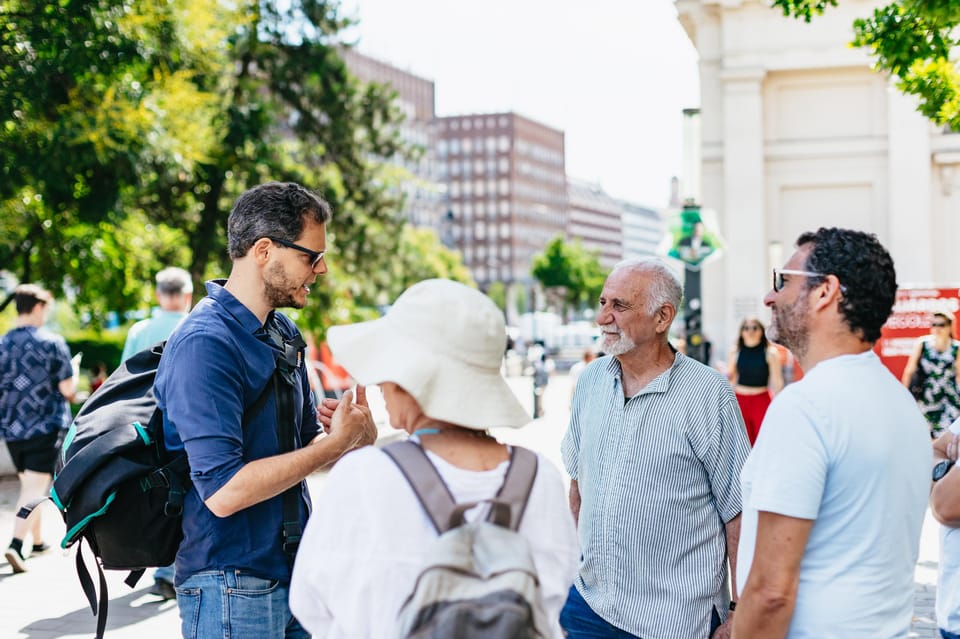
A big part of what makes this tour feel different from a standard city walk is the focus on individuals who tried to save lives. You’ll learn about efforts during the winter of 1944/45, when the tour connects the scale of suffering with the scale of rescue.
Two central names come up at their respective memorials: Raoul Wallenberg and Carl Lutz. Both are described as having saved tens of thousands of Jewish lives, and both are among the people awarded the title Righteous Among the Nations. That detail matters because it frames rescue as documented action, not just good intentions.
What I like about this portion is the balance. The tour doesn’t treat WWII like a single event that simply happened to Hungary. It explains how choices by individuals and governments affected people on the ground. In other words, you leave with a clearer sense of cause and effect, not just a grim timeline.
Also, don’t expect a lecture-only experience. The memorial stops are placed so you can actually look around as you listen. It makes the stories feel anchored to the city rather than floating in space.
Flódni Break and Cafe Time: A Local Jewish Dessert Included
This tour doesn’t end with information overload. It includes a short pause for coffee/soft drink and Jewish cake called flódni at a local cafe. The dessert stop lasts about 15 minutes, so you get a real break without derailing the schedule.
Why is this worth it? Because flódni is part of how Jewish culture survives through food, not just through monuments. Even if you’re not a sweets person, it’s a concrete way to taste a tradition that belongs to this part of Budapest.
And practically, it gives you a chance to reset your head. WWII topics can sit heavy. A short cafe stop helps you keep listening on the second half of the walk, especially when the tour shifts into street-level details like Passage areas and street art.
Gozsdu Passage, Street Art, and Elizabeth Town Secrets
Budapest isn’t only about the major historical sites. This tour nudges you toward the fun side of reading the city, in a respectful way.
You’ll walk past Gozsdu Passage, described as lively, and you’ll hear local tips that connect the area to ruin pubs and nightlife. The point isn’t to turn it into a party guide. It’s to show how Budapest’s Jewish Quarter has shaped leisure spaces—places people gather, not just places people mourn.
You’ll also see striking examples of the city’s street art scene, including stories linked to Elizabeth Town. Street art can look random unless you know what neighborhood it’s referencing. Here, the tour gives you just enough context so you notice details instead of only passing by walls.
If you like walking tours that help you leave with a mental map of where to go next, this part delivers. You’re not just informed. You’re oriented.
Value for Money at $63: What You Get and What You Don’t
At $63 per person for a 2.5-hour historian-led small group walk (max 10 people), the value is strongest if you want guided context plus a food stop. You’re paying for a human guide who connects buildings, politics, and WWII rescue history into a single story—then wrapping it up with included cafe time and flódni + coffee/soft drink.
What’s not included is important: synagogue entry. The tour makes clear that you only see the synagogues from the outside. If you were hoping to go inside every major synagogue and learn through interior exhibits, you’ll likely feel the tour is incomplete. If you want an exterior-focused overview plus storytelling, it’s a fair trade.
A useful way to think about it:
- If you want your first contact with the area to be guided and meaningful, this price is reasonable.
- If you want interior access as the main goal, you’ll probably add another visit after this tour.
Who This Tour Fits Best (and Who Might Skip It)
This tour is a strong fit for you if you:
- like history told through specific streets and landmarks, not just museum timelines
- want WWII rescue stories centered on Wallenberg and Carl Lutz
- enjoy a mix of serious context and lighter city details like street art and Passage areas
- prefer a small group pace where questions can happen
It may be less ideal if you:
- strongly want inside synagogue visits during the same activity
- prefer short, low-walking tours
- aren’t ready for emotionally heavy WWII material (the tour does cover it)
Should You Book This Budapest Jewish History Tour?
I’d book this if you want a focused, high-impact orientation to Budapest’s Jewish Quarter. The combination of historian storytelling, exterior views of the three key synagogues, memorial stops for WWII rescuers, and an included flódni cafe break makes it feel worth more than the time on paper.
Book it especially if it’s your first time in this part of Budapest and you want a reliable narrative thread from community life long ago to the crises of the 1940s, then back to how the neighborhood functions today.
If synagogue interior access is your top priority, treat this as step one. Do it for the meaning, then plan separate visits for the inside look.
FAQ
How long is the Budapest Jewish history walking tour?
It runs for about 2.5 hours.
Where does the tour start?
Meet your guide in front of Kempinski Hotel Corvinus Budapest, facing the Ferris wheel on Erzsébet Square.
Which subway stop is closest to the meeting point?
You can use the M1, M2, or M3 subway lines, and get off at Deák Ferenc tér.
Does the tour include entry into the synagogues?
No. The synagogues are visited from the outside only.
What food is included during the tour?
You’ll have coffee/soft drink and Jewish cake called flódni at a local cafe.
How big is the group?
The group is limited to 10 participants.
What language is the tour guide?
The live tour guide speaks English.
Does the tour run in bad weather?
Yes. The tour starts in all weather conditions, so dress accordingly.
Can I cancel for a refund?
Yes. You can cancel up to 24 hours in advance for a full refund.