REVIEW · WALKING TOURS
Budapest Grand Walk
Book on Viator →Operated by Taste Hungary · Bookable on Viator
Budapest tells its story one street at a time. This 4-hour grand walk connects Pest’s big landmarks with the Jewish Quarter and Danube viewpoints, and it starts with Hungarian sparkling wine at Tasting Table Budapest. I like that the guide turns buildings into clues, from the 1956 revolution story linked to the Hungarian National Radio Building to the sobering lesson of the Shoes on the Danube Memorial. The main drawback is simple: you’re doing a moderate amount of walking in a shared group, so comfortable shoes matter, and the day can run past four hours if you keep chatting or aren’t in a rush.
You’ll meet in the mid-afternoon in the Palace district, then head along handsome avenues and toward St. Stephen’s Basilica, plus the Opera House area on Andrássy út. The tour’s energy feels well paced because you include short public-transport hops, including Europe’s oldest metro line (M1), and you get an actual coffee break before the big Danube photo moments. If you’re hoping for a smaller-group feel, the cap of up to eight people helps keep questions answered instead of yelled over.
In This Review
- Key things to know before you go
- Entering Budapest with wine, then walking into history
- Tasting Table Budapest meeting point: a simple start with local vibe
- Pest’s grand streets: Andrassy Avenue, the Opera House area, and major museums
- St. Stephen’s Basilica: quick stop, big payoff
- Europe’s oldest metro line and a coffee break that actually helps
- The Jewish Quarter: synagogues, courtyards, and Király utca
- Heroes Square and the Danube axis: views that make the city feel huge
- Parliament, Chain Bridge, and Buda Castle across the water
- Shoes on the Danube Memorial: a stop you won’t forget
- Buda Castle complex area: courtyards, monuments, and Liberty Square
- Group size, pacing, and how long this really takes
- Who should book this and who might skip it
- Price and value: what you get for $125
- Should you book Budapest Grand Walk?
- FAQ
- How long is the Budapest Grand Walk?
- What’s included in the price?
- What language is the tour offered in?
- How large are the groups?
- Where do I meet and where does it end?
- Does the tour include a metro ride?
- Can I get a refund if I cancel?
Key things to know before you go
- Sparkling-wine start at Tasting Table Budapest gives you a friendly, local kickoff
- Europe’s oldest metro line (M1) breaks up the walking and adds a real city feel
- Jewish Quarter context beyond the postcard shots includes major landmarks and street texture
- Danube stops with meaning include both scenic views and the Shoes on the Danube Memorial
- Danube promenade viewpoints set you up to keep exploring toward Buda Castle on your own
- Up to eight people makes this tour more question-friendly than big bus-style sightseeing
Entering Budapest with wine, then walking into history
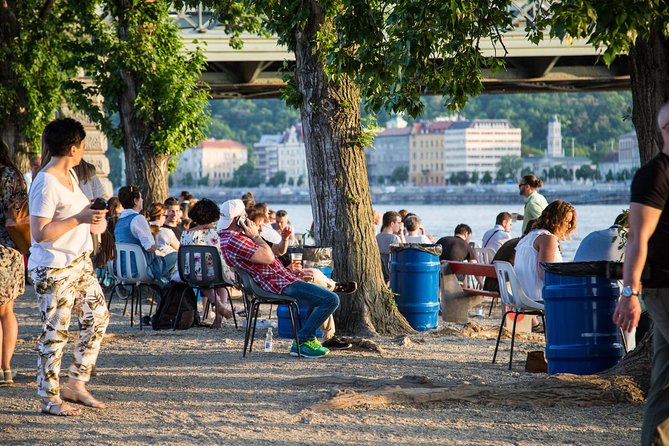
The best thing about this tour format is the order. You don’t start with a checklist of sites. You start with an aperitif-style glass of Hungarian sparkling wine at Tasting Table Budapest in the Palace district, which sets a relaxed tone before your feet hit the sidewalks.
From there, the day becomes a guided walk through Pest’s defining streets and squares. You’ll get story context for what you’re seeing, not just facts read off a plaque. That’s what helps the city stop feeling like a set of photos and start feeling like a place where people lived, argued, celebrated, and survived.
Value-wise, I appreciate that the $125 price isn’t only “the guide’s time.” You also get alcoholic beverages, a coffee/tea moment, and a few short rides on public transportation, including the M1 metro line.
You can also read our reviews of more walking tours in Budapest



Tasting Table Budapest meeting point: a simple start with local vibe
Your meeting point is Tasting Table Budapest, Bródy Sándor u. 22 (Palace district). The tour begins in the mid-afternoon, so you’re catching a softer light for walking while daylight still supports all the Danube and architecture views later.
The first stop is short—about 15 minutes—so you’re not wasting time standing around with a drink. It’s enough to feel welcomed, and then you’re moving. If you prefer to pace yourself, use that opening time to ask your guide what you care most about: architecture, the revolution era, food and cafes, or memorials and museums.
Pest’s grand streets: Andrassy Avenue, the Opera House area, and major museums
Once you head out, Pest is where the tour really shows off the “capital-city” feel. You pass by the Hungarian State Opera House, a neo-Renaissance landmark designed by Miklós Ybl, sitting right along Andrássy út. This is the kind of building you’d admire more on your own if you already knew who designed it and why the style matters.
You also see the National Museum area as part of the broader Pest palace district view. Even if you don’t go inside, the exterior and street context help you understand how the city visually presents its identity—formal, proud, and always shaped by history.
A key moment here is the Hungarian National Radio Building. The guide connects it to the 1956 Revolution. That matters because it gives you a reason to look closely, not just pass by. Even if you’ve heard about 1956 before, hearing how specific buildings fit into that moment makes the story feel real.
St. Stephen’s Basilica: quick stop, big payoff
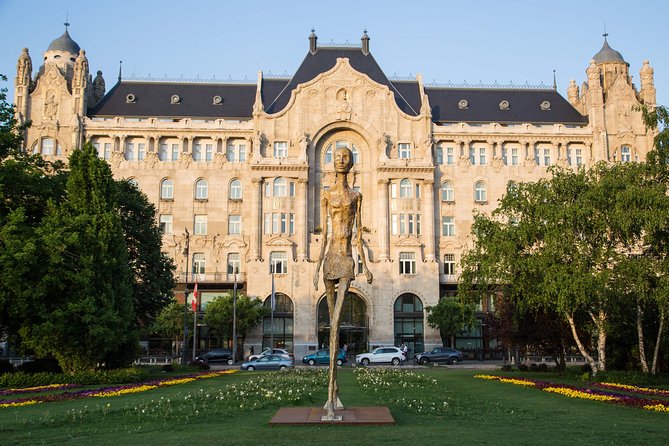
St. Stephen’s Basilica (Szent István Bazilika) is next on the route. The stop is about 15 minutes, and it works because you get just enough time to orient yourself and understand what you’re looking at without dragging the whole afternoon into a long museum detour.
This basilica is named for Stephen, the first King of Hungary. It’s also tied to a famous relic detail: his mummified right hand is housed in the church. If you want one religious-and-national anchor point for your first day, this is a good one.
Practical tip: since the walk continues right afterward, treat this as a “reset moment.” Check the façade, note the dome shape, and be ready to move on rather than trying to do everything at once.
Europe’s oldest metro line and a coffee break that actually helps
Then you ride public transport—Europe’s oldest metro line, the M1—before a coffee break at a local favorite café. This is one of those smart tour choices that people often skip on walking tours. A short transit ride breaks up fatigue and adds a lived-in feel to the day.
The coffee stop also isn’t just a pause for taste. It’s a chance to reflect on what you just learned. When you’ve been walking through major squares and political-era landmarks, switching gears to coffee makes the mental load easier to carry.
If you’re not a coffee person, I’d still show up ready to talk. In at least one version of the experience, the guide adjusted the stop so non-coffee drinkers weren’t stuck waiting out a caffeine break. So it’s worth telling your guide early what you want or don’t want.






The Jewish Quarter: synagogues, courtyards, and Király utca
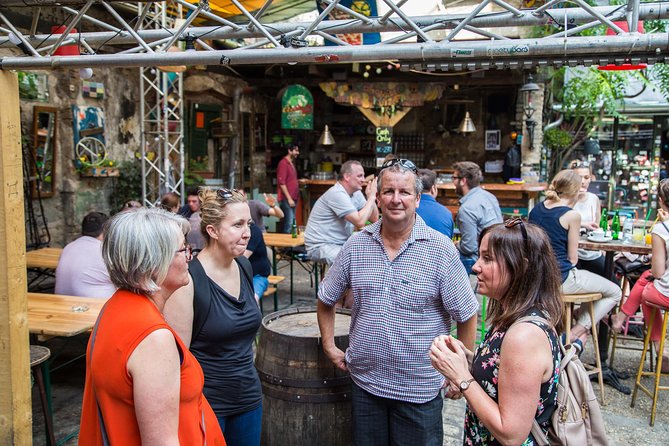
One of the strongest parts of the route is the former Jewish Quarter. You don’t just get a quick exterior photo. The tour includes key stops and street context that helps you understand how this area functioned as a real neighborhood, not an exhibit.
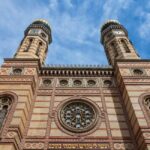
You’ll see the Grand Synagogue, described here as Europe’s largest. You’ll also pass the Gozsdu udvar complex and spend time with the atmosphere along Király utca, where street life feels energetic and very present.
This section is especially valuable because it turns “what happened” into “what was here.” You learn to look for continuity: buildings, streets, and the way today’s city layers its past.
Heroes Square and the Danube axis: views that make the city feel huge
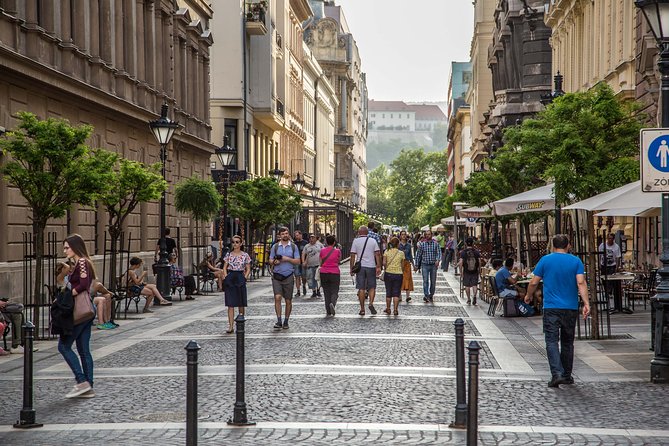
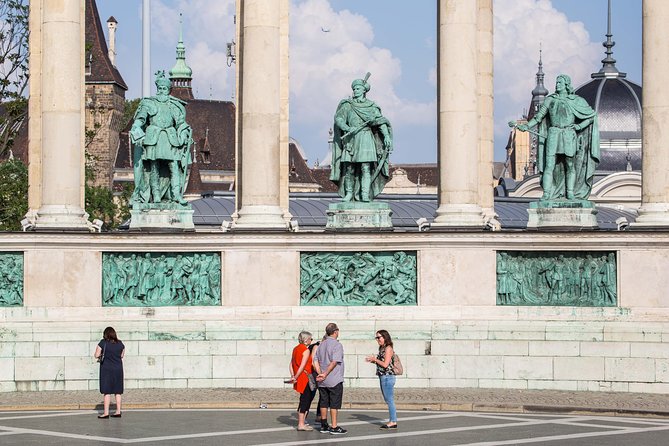
After the Jewish Quarter, the tour shifts toward the Danube and the big, recognizable monuments. Heroes Square is included, and it’s the kind of place that instantly changes your scale of the city. From there, you start seeing why Budapest’s most famous sights cluster around ceremonial spaces and river connections.
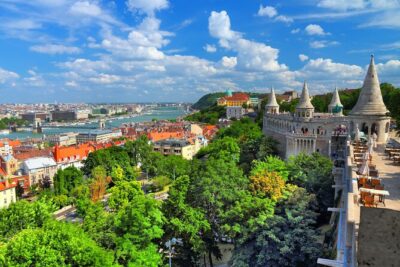
This is where the Danube promenade viewpoints begin to matter. The tour is designed so you look across the water and realize the city is two stories: Pest’s elegant public life and Buda’s heights and castles.
If you like architecture, you’ll be mentally comparing styles: neoclassical forms, neo-gothic shapes, and the variety of riverside massing. If you prefer political history, your guide ties the visuals back to what each site represented.
Parliament, Chain Bridge, and Buda Castle across the water
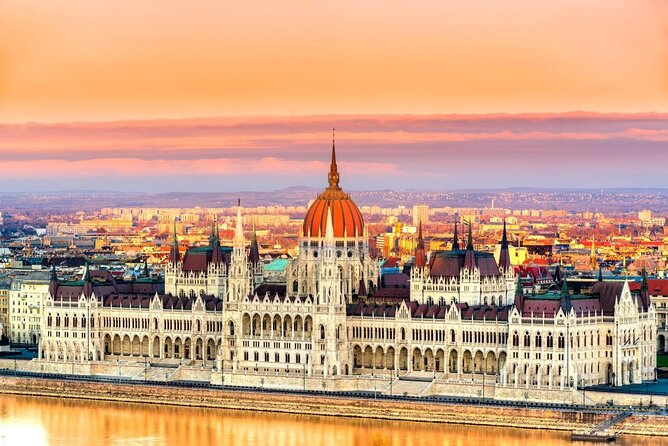
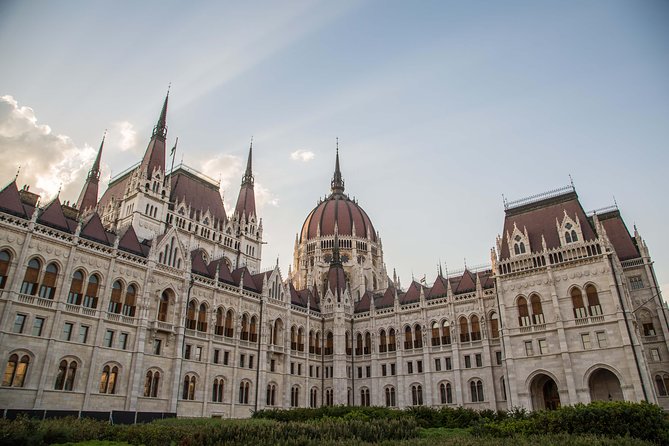
One of your best payoffs is the view of the Parliament building from the Danube bank. The Parliament dominates the riverbank here, and seeing it from the promenade gives you a more powerful perspective than a single street corner would.
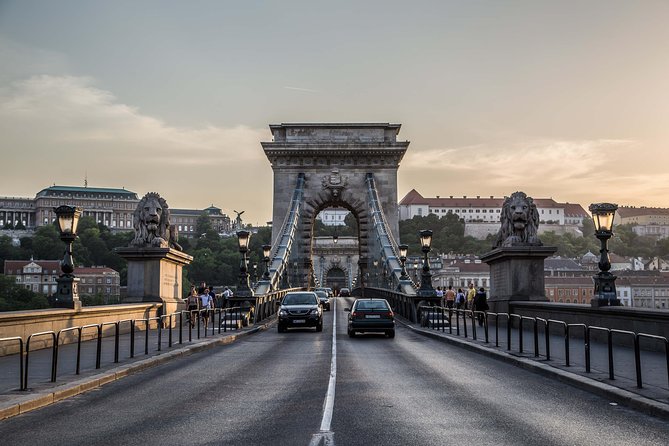
The Chain Bridge is also central. The tour ends near the Chain Bridge on the Pest side, with the idea that you’ll cross the bridge for your own Buda Castle exploration. That’s a smart finish because you’re not stuck in a hard stop before the “castle” part. You can choose how much time you want to add on.
If you only have one afternoon for orientation, ending by Chain Bridge helps. You get a clear direction for your next steps: walk over, then continue with your own pacing in Buda.
Shoes on the Danube Memorial: a stop you won’t forget
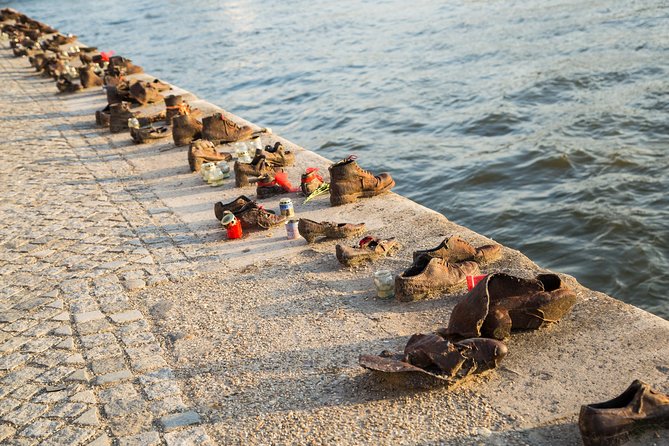
The Danube is beautiful in a way that sometimes feels too postcard-perfect. That’s exactly why this memorial matters. The tour includes the Shoes on the Danube Holocaust Memorial, a heartbreaking tribute positioned along the river.
This stop works best if you slow down and let it land. The guide’s job here is to connect what you’re seeing to why it exists. It’s also paired with other related moments, including a Soviet Monument, so the story spans different eras of oppression and remembrance.
There’s also mention of memorials tied to named figures and roles, including a US major and Ronald Reagan. Even if you don’t catch every detail, the structure of the explanation helps you understand why the site includes references beyond Hungary alone.
Buda Castle complex area: courtyards, monuments, and Liberty Square
While the tour ends on the Pest side, it guides you through how to think about what comes next. It includes the broader feel of the Buda Castle area as you move toward the sights across the river.
You’ll pass through the complex of seven buildings and connected courtyards. The courtyards are described as lively, full of shops and restaurants, which is useful because it tells you the castle area isn’t only stone and museums. It’s also where people eat, shop, and wander—especially if you continue your exploration.
The route also incorporates key monuments and civic buildings in the vicinity, such as the Hungarian Academy of Sciences housed in an elegant neoclassical palace built in 1865. Liberty Square is mentioned too, flanked by beautiful buildings including the former stock exchange.
Group size, pacing, and how long this really takes
This is a shared small-group tour for two to eight guests, with options for larger groups or private tours. I like this format for a city like Budapest because the guide’s explanations matter. In a huge group, you’d miss pieces. In a small one, you can ask questions and actually track the story.
Walking time is about four hours on the listing, but plan flexibility. The experience can stretch past four hours if you have somewhere else to be afterward, so give the guide your schedule at the start. Comfortable shoes are strongly recommended, and you’ll want a bit of fuel because the walk covers a large area.
One more value point: the tour includes short public transportation trips, so you aren’t walking nonstop just to call it a walking tour.
Who should book this and who might skip it
This tour is a great fit if you want a structured first day in Budapest. It stitches together major landmarks and lesser-known stops, and it sets up the rest of your trip with clear mental geography.
It’s also a good match if you enjoy political and cultural context. The revolution-era references (1956 and specific building connections) and the memorial stops give you more than surface-level sightseeing.
If you’re the type who hates walking and wants only indoor, timed attractions, this may feel like too much motion in one go. The pace is manageable for most people, but it is still a walking tour with moderate walking and photo stop time.
Price and value: what you get for $125
$125 might sound steep if you compare it to a self-guided walking route. But this experience folds in several paid items and “hard to replicate” pieces of value:
- a local English-speaking guide with story-driven explanations
- a welcome glass of Hungarian sparkling wine
- a coffee/tea break included
- rides on public transport, including the M1 metro line
- admission is free for key stops listed on the route
- group discounts and small-group size (up to eight)
If you’ve ever done Budapest solo, you know how expensive it can get once you add taxis, metro entries, and planned coffees. Here, the planning is bundled, and you’re spending your energy on seeing and learning instead of routing.
Should you book Budapest Grand Walk?
If you want a high-quality overview that connects Pest and the Danube with the Jewish Quarter and Buda Castle viewpoints, this is a smart booking. The mix of architecture, revolution-era context, and memorial meaning gives the tour weight, not just motion.
Book it if you’re coming for your first or second day and you like to get your bearings fast. I’d also book it if you enjoy asking questions, because the small group size makes that practical.
Skip it if your goal is minimal walking or a slow, café-focused day. In that case, you might get more comfort choosing a shorter neighborhood walk instead.
FAQ
How long is the Budapest Grand Walk?
It’s approximately 4 hours.
What’s included in the price?
You get an English-speaking local guide, a glass of Hungarian sparkling wine to begin, a coffee break (one coffee or drink included), coffee and/or tea, alcoholic beverages, and short trips on public transportation including the continent’s oldest metro line.
What language is the tour offered in?
The tour is offered in English.
How large are the groups?
The shared small-group tour runs with 2 to 8 guests. There are options for larger group tours and private tours.
Where do I meet and where does it end?
You start at Tasting Table Budapest, Bródy Sándor u. 22, 1088 Hungary. The tour ends near the Chain Bridge at Széchenyi Lánchíd, Budapest, Hungary.
Does the tour include a metro ride?
Yes. You ride Europe’s oldest metro line (the M1).
Can I get a refund if I cancel?
This experience is non-refundable and cannot be changed for any reason. If it’s canceled because the minimum number of travelers isn’t met, you’ll be offered an alternative or a full refund.