REVIEW · HISTORICAL TOURS
Budapest: Communist History Tour with House of Terror Option
Book on GetYourGuide →Operated by Tourist Angel · Bookable on GetYourGuide
Communist Budapest hits different at street level. This 2-hour guided walk starts at the Hungarian Parliament and follows the trail of Soviet-era power through the city’s monuments and Cold War scars. I especially like that the tour doesn’t stop at dates—it points you at the visual reminders you’ll otherwise miss.
My second favorite part is the choice of endings: Budapest Retro Center for a lighter, interactive slice of everyday socialist life, or the House of Terror Museum for the heavy, hands-on reality of oppression. Either way, you get a local, English-speaking guide who can connect what you’re seeing to how people actually experienced it.
One drawback to plan for: the House of Terror side is intense. If you’re sensitive to political violence, detention, and mass deportations, you’ll want to brace yourself before you go in.
In This Review
- Key things worth knowing before you go
- A 2-hour Communist walking route with real monuments in view
- Hungarian Parliament: where the story starts and why the monuments matter
- Liberty Square and the Soviet Liberation Memorial, Budapest’s last original Communist monument
- Cardinal Mindszenty and the windows you’ll remember
- Cold War leftovers: secret nuclear bunker ventilation channels and 1956 sites
- Budapest Retro Center: the lighter option that still tells the truth
- House of Terror Museum: interrogation rooms, AVO history, and 1956’s cost
- What you should expect inside the House of Terror
- How to decide between guided vs self-guided
- How the guides shape the experience in real-world Budapest
- Price and value at about $58 for guide plus museum entry
- Who this tour fits best (and who might want to adjust)
- Should you book this Budapest Communist History Tour with House of Terror?
- FAQ
- How long is the Budapest Communist History Tour?
- What options are available for the second half of the experience?
- What’s included in the price?
- Is the tour offered in English?
- Is it a small group?
- Where does the walking tour start?
- Do I need to buy tickets at the ticket office for the museum?
- Do I skip the ticket line?
- Can I get a refund if I cancel?
Key things worth knowing before you go
- Two museum options, one shared walking foundation, so your brain gets context before you hit the exhibits
- Small group (up to 10), which keeps the pacing human and questions welcome
- You’ll see specific anchors like Liberty Square, Mindszenty’s exile-related windows, and 1956 sites
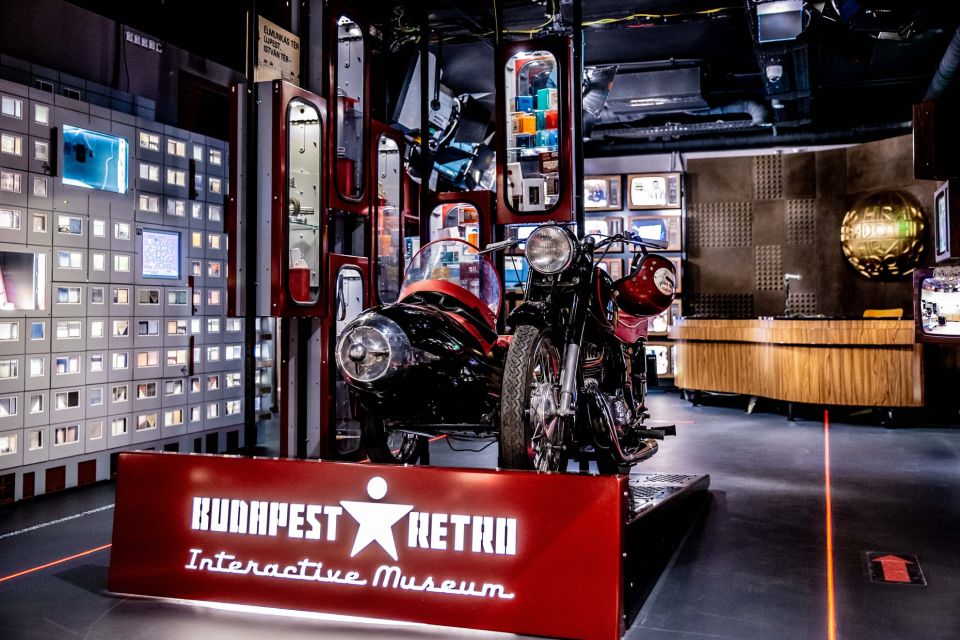
- Retro Center is interactive, with props like dressing as a Communist comrade or acting as a TV news presenter
- House of Terror covers WWII to 1989, with interrogation and torture cells plus the story of political trials and deportations
- You skip the ticket line, and your guide hands you what you need (no ticket-office scavenger hunt)
A 2-hour Communist walking route with real monuments in view
This is the kind of tour that helps Budapest make sense fast. You start in central areas where the city itself carries political fingerprints—statues, memorials, even the architecture that hints at fear and control during the Soviet decades.
The walking portion is the spine of the experience. Morning and afternoon versions share the same first stretch, so you’ll get the core story whether you end with Retro Center or go for House of Terror.
For your planning brain: you’re looking at a tight schedule that still includes notable stops. In other words, it’s not a slow “wandering history seminar.” It’s a guided route designed to give you enough to make the museums hit harder.
You can also read our reviews of more historical tours in Budapest



Hungarian Parliament: where the story starts and why the monuments matter
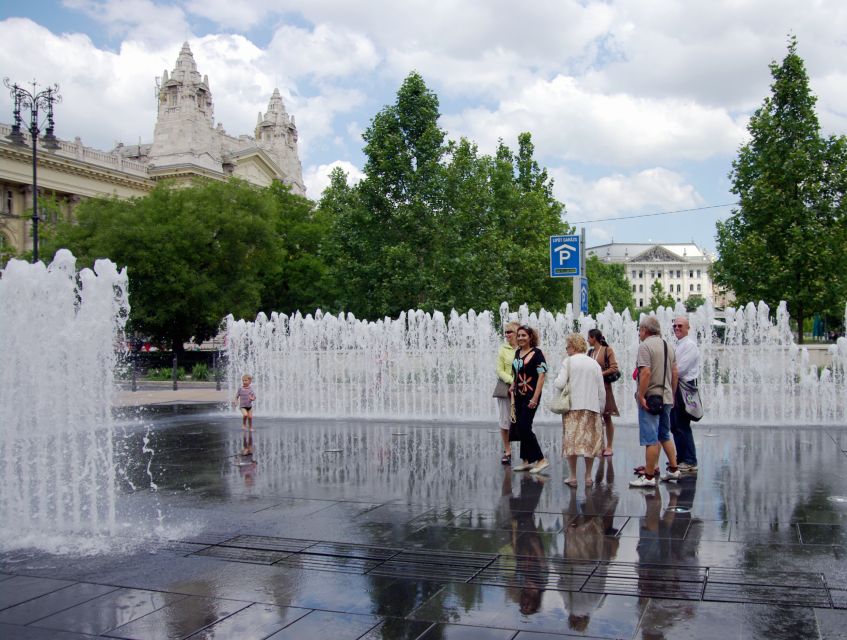
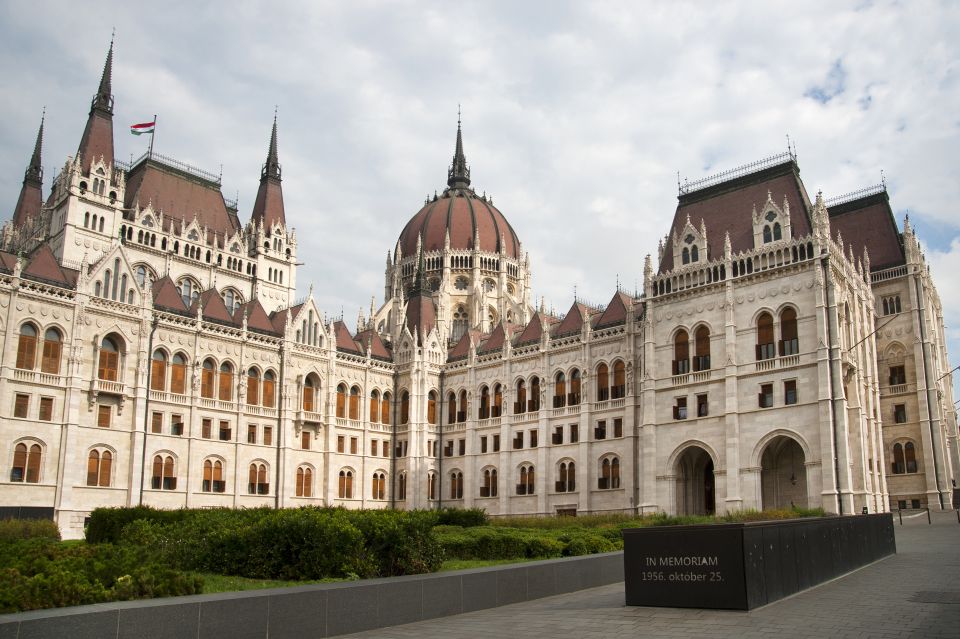
The walk begins near the Hungarian Parliament, which is a fitting launch point because it represents modern Hungary as well as the battle over what Hungary should be. As you look at the dramatic monuments, the guide frames the key idea: Communist rule wasn’t just politics. It reshaped public memory.
One highlight is the monument commemorating the victims of the red dictatorship. This isn’t vague. You’ll be pointed toward what the memorial signals and how the regime wanted to define the past.
If you’re the type who likes to understand what you’re looking at, this first section is useful. You’ll come away with a mental map for the rest of the walk and a better sense of what the city chose to keep—and what it had to hide.
Liberty Square and the Soviet Liberation Memorial, Budapest’s last original Communist monument
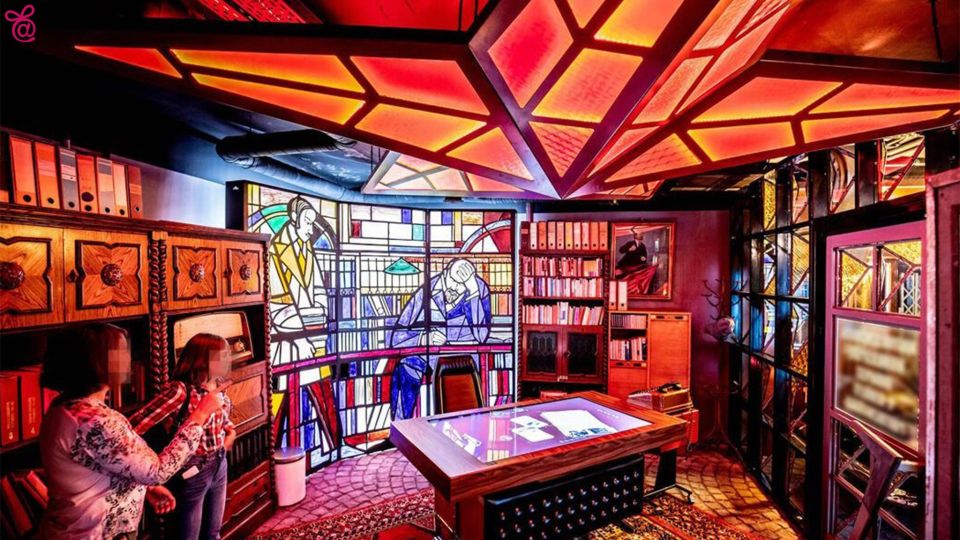
Next comes Liberty Square, a place that feels open but carries heavy meaning. You’ll see the Soviet Liberation Memorial, described as the last Communist monument left in its original place.
That “last” detail matters. It gives you a practical lens for modern Budapest: some symbols disappeared, others stayed, and some stayed long enough to become part of the city’s everyday landscape.
This part also helps you understand how Communist-era influence was sold to the public. The guide’s approach is to show you the message the memorial was built to deliver—and then compare it to the reality behind Soviet control.
Cardinal Mindszenty and the windows you’ll remember
One of the tour’s most memorable “spot-and-understand” moments involves the famous windows of Budapest. Here’s where the guide ties a real person to the city’s layout: Cardinal Mindszenty, the anti-Communist Catholic Church leader, spent years in exile.
You’ll learn why this exile became part of the Communist-era pressure story. Instead of treating religion as background, the tour frames it as a target, a counter-voice, and a symbol.
If you like tours that connect history to specific physical details, this stop is made for you. It turns a building feature into a timeline marker you can actually picture later.
Cold War leftovers: secret nuclear bunker ventilation channels and 1956 sites
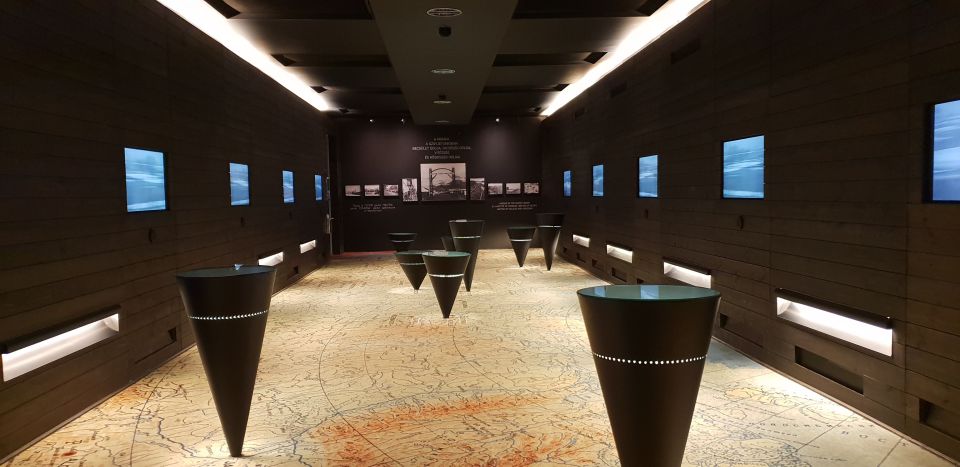
The walk also includes a stealthy, Cold War-themed stop: ventilation channels of a secret underground nuclear bunker built during the Cold War years. The idea isn’t just “wow, a bunker.” It’s how the regime prepared for fear—while ordinary people lived with the consequences.
Then you’ll move toward sites tied to the 1956 Hungarian anti-Soviet revolution. This is one of the most important chapters for understanding why Soviet influence didn’t land cleanly and why resistance survived even when it was crushed.
You’ll hear how the revolution unfolded and why its consequences lingered. The guide’s job here is crucial: without context, 1956 can feel like a single event. With context, it becomes a turning point that explains later crackdowns and the long road toward the end of Communism.






Budapest Retro Center: the lighter option that still tells the truth
If you choose the morning tour ending, you’ll get a guided visit to Budapest Retro Center, typically an about 1-hour add-on after the walk. This museum is set up to feel like you stepped into the 1960–1980 world—street scenes, typical vehicles, space-flight related items, and real interior home designs.
What I like about this option is the contrast. The Retro Center doesn’t erase the politics; it shows the era’s everyday shape. You’ll get objects that help you understand what “life under socialism” meant in kitchens, bedrooms, transit, and pop-culture style.
It’s also fun and interactive. You can dress as a Communist comrade or try being a TV news presenter of the time. That sounds silly until you realize why it works: you’re not just watching history—you’re using your senses to get a feel for the era’s messaging and social performance.
On top of that, it’s arranged over three floors, which helps you stay engaged without it turning into one long room-by-room slog.
House of Terror Museum: interrogation rooms, AVO history, and 1956’s cost
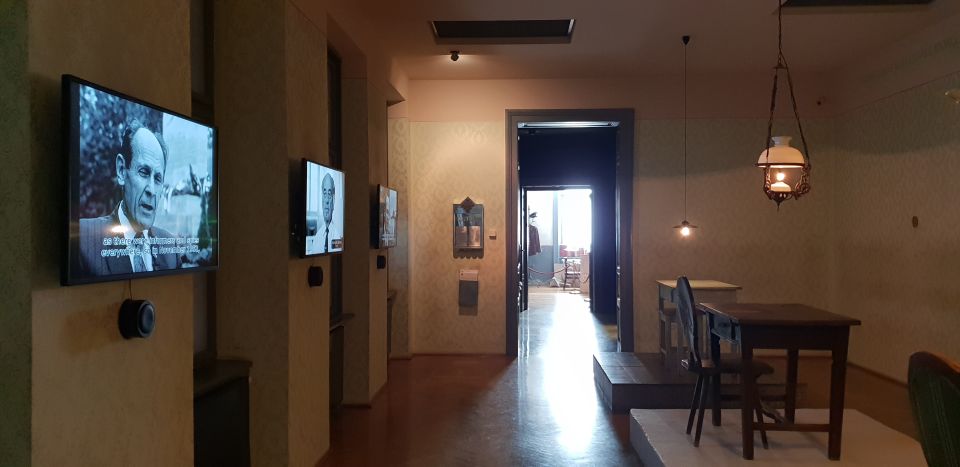
The afternoon option is where the tone turns darker. You can either add a ticket to the House of Terror Museum for a self-guided visit, or select a guided tour inside the museum.
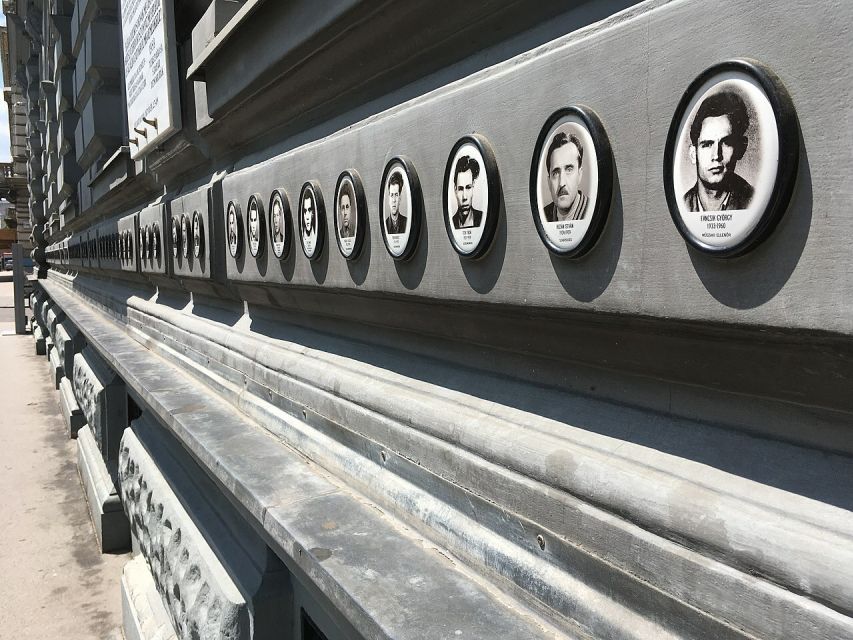
Either way, you’re focusing on the former seat of the AVO State Protection Police (the local version of the Soviet KGB). The tour frames this place as a key engine of fear during the 1940s and 1950s, and you’ll see how the museum was restored to commemorate victims of Communist dictatorship.
What you should expect inside the House of Terror
If you pick the guided museum version, your guide will help you connect the story from WWII through Nazi rule to Soviet Communist occupation. The focus shifts to the 1950s and then becomes very specific: interrogation and torture cells, the office room of the dreaded director, and stories tied to mass deportations, labor camps, and political trials.
You’ll also cover the 1956 revolution and its consequences, then the longer arc that ends with the end of Communism in 1989.
How to decide between guided vs self-guided
Choose guided if you want the “why” behind the scenes—how one room connects to another and how the guide keeps the chronology clear. Choose self-guided if you like reading at your own pace after the walk sets you up.
Also, one practical note: there can be temporary disruptions. I’ve seen cases where a guide handled issues like museum closure for renovations by adjusting the experience. That’s not something you should count on, but it’s a reminder that the guide’s flexibility can matter.
How the guides shape the experience in real-world Budapest
A tour like this lives or dies by the guide’s delivery. You’re asking someone to teach Soviet-era history while walking past real civic monuments and then (maybe) stepping into a museum built around trauma.
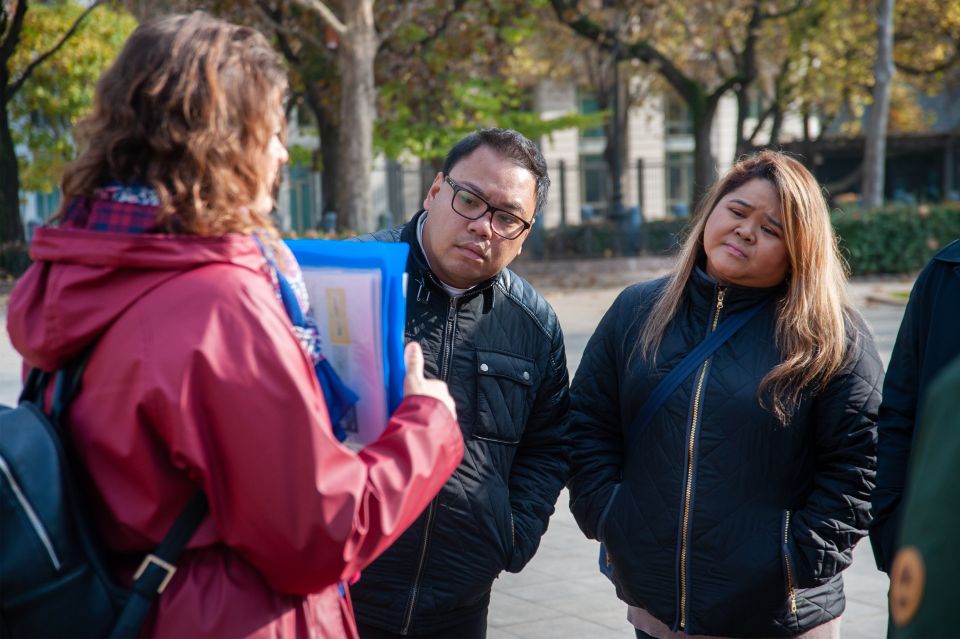
The good news: the tour is built for clear English interpretation with live guiding. And the small group size—limited to 10 participants—means you’re not lost in a crowd. That matters when a topic is emotional or complicated.
From the guidance styles reflected in real sessions, I can tell you this tour often benefits from personable, patient explanations. Names that have come up include guides such as Alexa, Beata, Alexandra, Flora, Naomi, Veronika, and Kati, and the common thread is how they handle questions and keep pacing steady.
If you have a specific interest—like 1956, the KGB-style apparatus, or the contrast between propaganda and daily life—small-group touring is the format that gives you a shot at a more tailored conversation.
Price and value at about $58 for guide plus museum entry
At around $58 per person for 2 hours, you’re paying for two things: a guided route with a local instructor and entry to a museum at the end of the walk.
That’s the value equation. If you price it out the usual way—walk with a professional guide plus paid admission—the bundled structure matters. You’re also getting skip-the-ticket-line convenience, plus the guide gives you your ticket rather than having you hunt around the ticket office.
Is it expensive? It isn’t cheap, but it also isn’t just “a museum ticket with extra steps.” You’re paying for context that makes the museums easier to follow.
The best “value move” is choosing the ending that matches your mood:
- Want a more accessible, daily-life angle after the walk? Retro Center makes sense.
- Want the blunt political story and the underground feel of AVO history? House of Terror is the one.
Who this tour fits best (and who might want to adjust)
This is a great fit if you:
- Want a guided explanation of the Communist period, not just photos and plaques
- Like seeing how political power shows up in specific Budapest locations
- Plan to do additional Budapest sights afterward and want a mental framework first
It’s a tougher fit if you:
- Are strongly affected by stories of interrogation, torture cells, deportations, and political trials
- Prefer a more casual, less structured pace (this is organized and time-efficient)
If you’re coming with family history ties to Soviet-era Hungary, the emotional weight can hit extra hard. Guides have shown patience in sessions where visitors needed to slow down, including people using walking aids.
Should you book this Budapest Communist History Tour with House of Terror?
If you want your Budapest history to feel real—written into squares, windows, and buildings—book it. The two-museum choice is the smartest part: it lets you match your interests and your emotional comfort level without sacrificing the guided context.
My call: pick Retro Center if you want a “how life felt” counterpart to the political story. Pick House of Terror if you want the clearest line through WWII, Nazi rule, Soviet occupation, AVO terror, and the long way to 1989.
Either way, you’ll walk away with a sharper understanding of why modern Budapest still carries these memories in plain sight.
FAQ
How long is the Budapest Communist History Tour?
The duration is listed as 2 hours.
What options are available for the second half of the experience?
You can choose a Budapest Retro Center visit after the walking tour, or add the House of Terror Museum either as a self-guided museum visit (with a ticket) or as a guided tour inside the museum.
What’s included in the price?
The tour includes a professional tour guide, the Communism-themed walking tour (when that option is selected), and entry to either Budapest Retro Experience Center or House of Terror Museum, depending on your option.
Is the tour offered in English?
Yes, the tour guide is listed as English.
Is it a small group?
Yes. The group is limited to 10 participants.
Where does the walking tour start?
The walk starts at the Hungarian Parliament area.
Do I need to buy tickets at the ticket office for the museum?
No. You should not look for your ticket in the ticket office. You receive it from your tour guide.
Do I skip the ticket line?
Yes, the experience lists skip the ticket line.
Can I get a refund if I cancel?
The experience offers free cancellation up to 24 hours in advance for a full refund.