REVIEW · BIKE TOURS
Budapest: Grand Sightseeing Bike Tour
Book on GetYourGuide →Operated by Bestbike Tours Kft. · Bookable on GetYourGuide
Two wheels, big Budapest views. This guided ride strings together the Danube’s best photos, a climb into Castle District panoramas, and major sights like Parliament and St. Stephen’s Basilica.
I particularly like the way the route mixes iconic landmarks with real neighborhoods. I also love the live English guide vibe, with guides like Carson, Thomas, Andy, and Zsolti earning praise for stories that make the buildings click.
One heads-up: there’s a real uphill climb in Buda. If hills feel like a dealbreaker, consider an e-bike option some riders have used to make the day easier.
In This Review
- Key Takeaways Before You Ride
- Why Budapest Works So Well by Bike
- Meeting at Stasher and Getting Set Up
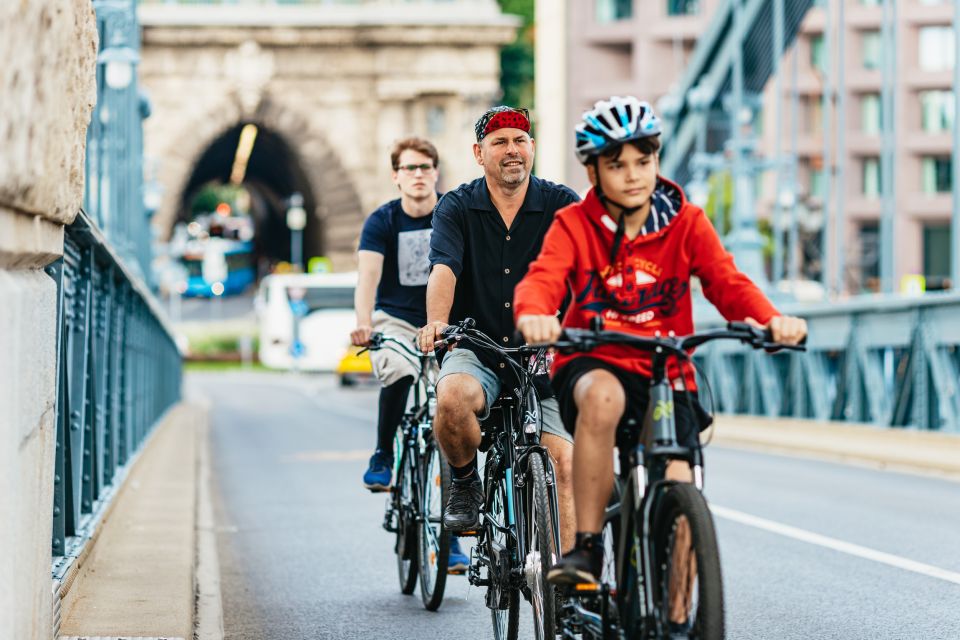
- The Danube Stretch: Elizabeth Bridge, Chain Bridge, and Duna Corso Views
- Castle District Climb: Fishermen’s Bastion Views and Castle Streets
- Margaret Island + the Parliament Photo Stop Combo
- Freedom Square and St. Stephen’s Basilica: Two Photo Stops That Anchor the Day
- Andrássy Avenue, Opera House Pass-By, and House of Terror Context
- How Hard Is This Bike Tour, Really?
- Guide Style Is the Real Difference Maker
- Price and Value: What $44 Buys You in 3 Hours
- Who This Tour Suits Best (and Who Should Skip It)
- Should You Book This Budapest Grand Sightseeing Bike Tour?
Key Takeaways Before You Ride
- Danube-first sightseeing with quick photo stops at Elizabeth Bridge and the Chain Bridge
- Castle District payoff: the climb is the price, and the Pest panorama is the reward
- Plenty of stops without feeling stuck thanks to a short, efficient 3-hour format
- Margaret Island break where the city noise drops and you get breathing room
- UNESCO Andrássy Avenue pass-by time for Opera House vibes and grand boulevards
- Small-group feel reported by past riders, which helps with pacing and photos
Why Budapest Works So Well by Bike
Budapest was made for this kind of tour. You get motion and views at the same time, and you can cover big distances without waiting for the next bus or tram.
The Danube sets up your day. As you ride along the river, the city keeps offering new angles on Parliament, bridges, and riverfront streets. Then the route climbs into Buda for the steep-but-worth-it perspective over Pest.
You can also read our reviews of more cycling tours in Budapest

Meeting at Stasher and Getting Set Up
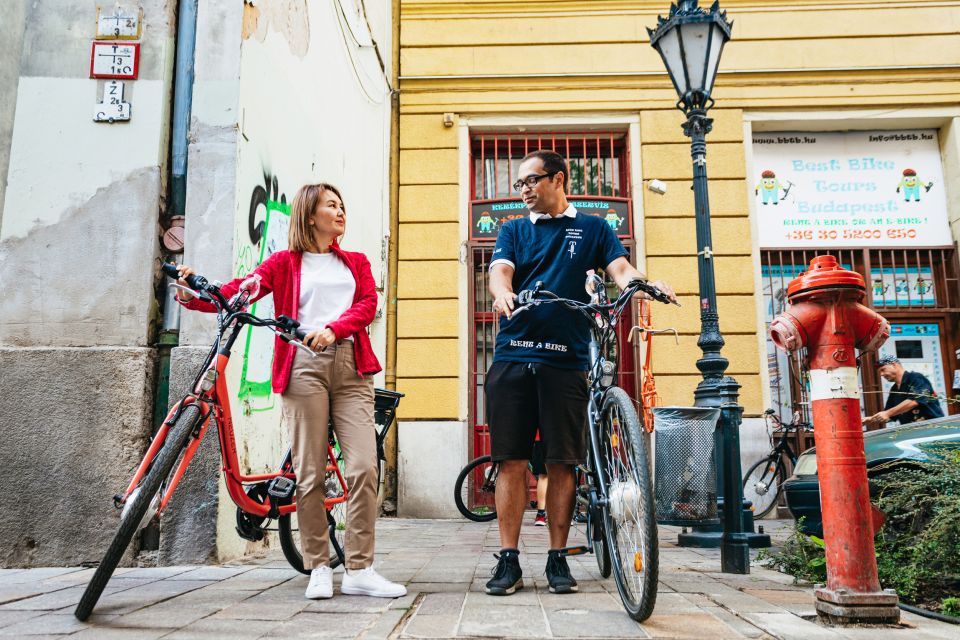
You start at Stasher – Luggage Storage Budapest. If you’re traveling light, great. If you’re not, this is one of the reasons people choose this tour early: you can stash bags and still see a lot without dragging luggage around.
The tour includes the basics that matter on day one: a bike, helmet, and a bottle of mineral water. In winter or shoulder seasons, that water matters more than you’d think, because you’ll spend the day moving and stopping for photos.
One practical note: large bags aren’t allowed. Plan to keep your daypack small and easy to carry.
The Danube Stretch: Elizabeth Bridge, Chain Bridge, and Duna Corso Views
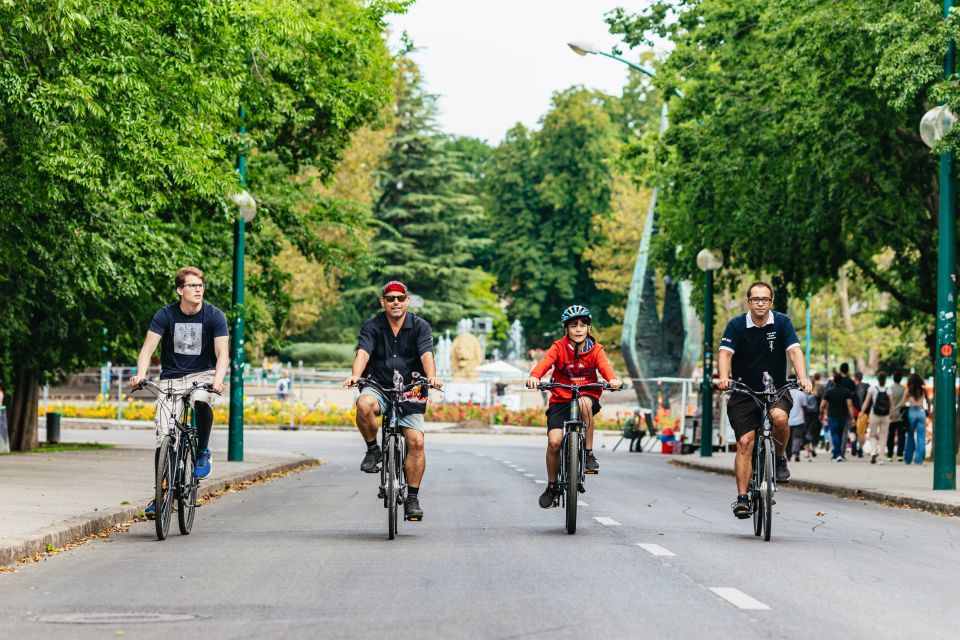
Your first stretch runs along the Danube with a guided approach to the riverfront. Even the short “pass by” portions are part of the value, because the guide helps you spot what you’re looking at instead of just riding past it.
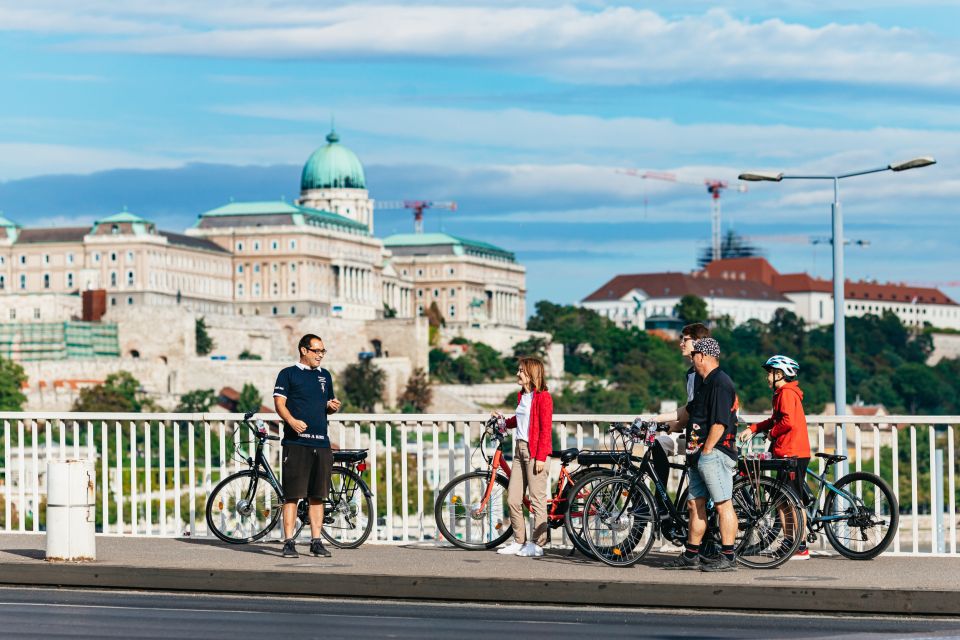
Elizabeth Bridge is a key early stop. You’ll get time for photos and context right where the views start to open up. From there, the route continues toward the Chain Bridge, another quick segment that’s short on time but strong on payoff.
This is also where Duna Corso comes into play. Riding the river level is a very different experience than seeing these landmarks from a viewpoint. You feel the bridges and the flow of the city at street level.
Castle District Climb: Fishermen’s Bastion Views and Castle Streets
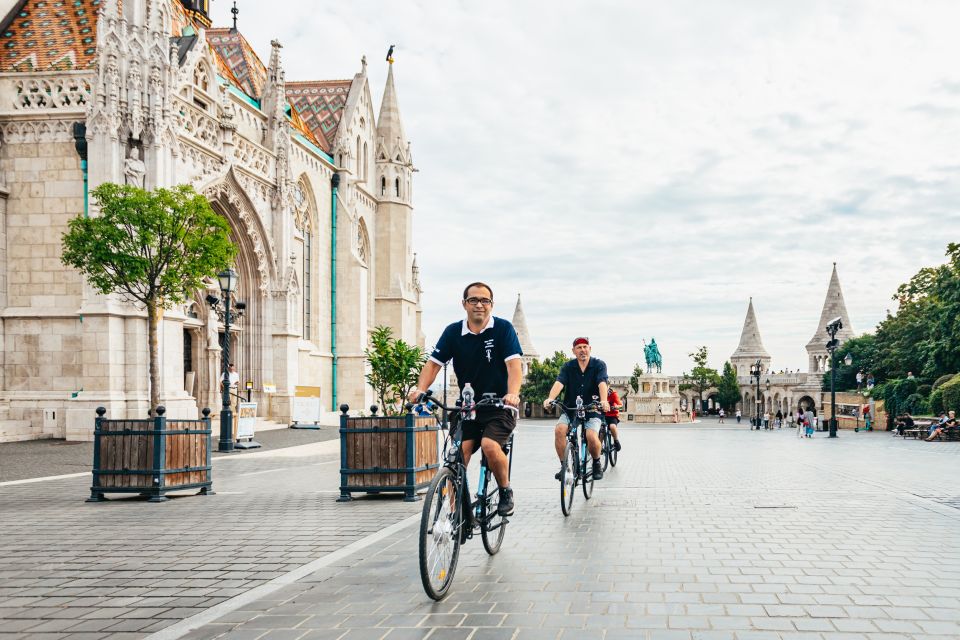
This is the moment that turns a bike tour into a Budapest memory. The ride heads into Buda and the day’s big climb takes you to Castle Hill / Castle District.
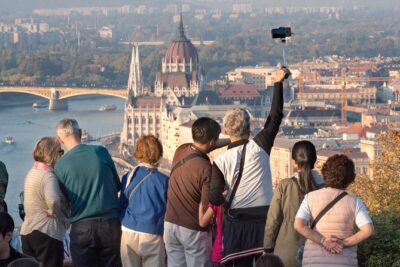
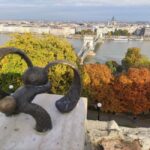
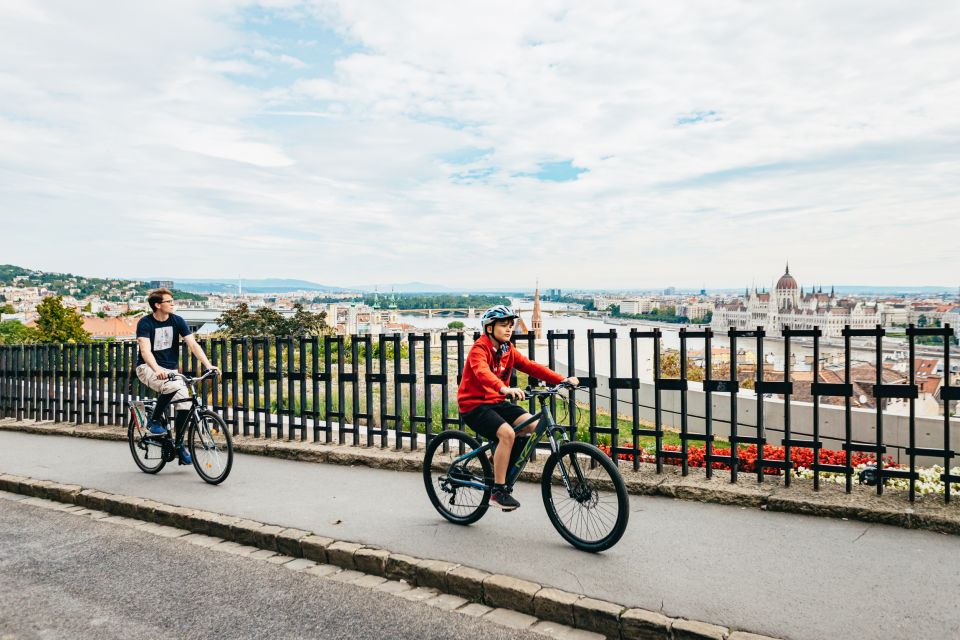
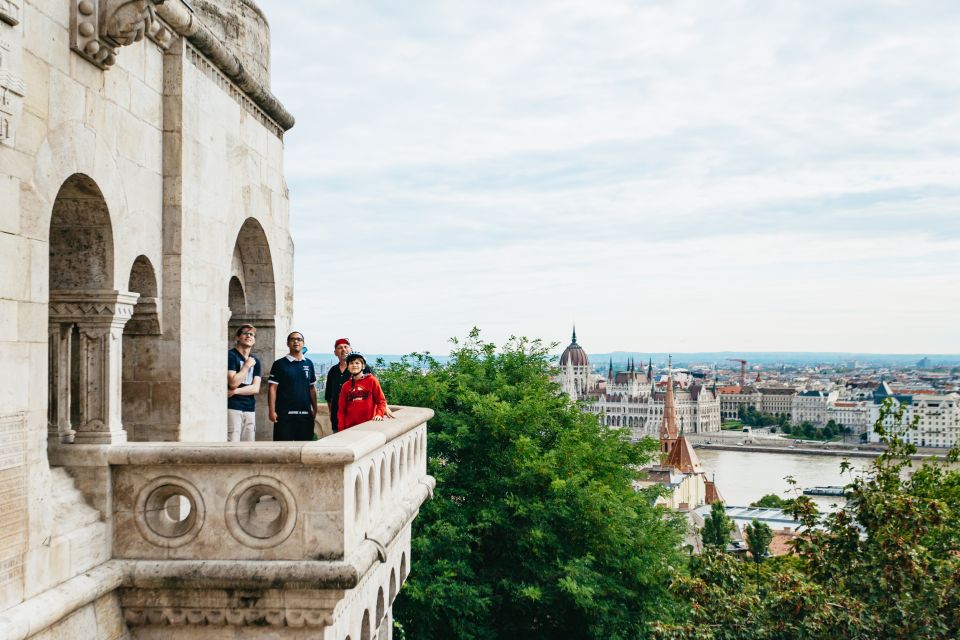
The reward is the panoramic view over Pest. Past riders repeatedly call out the lookout as the reason the effort is worth it. You also get time for a break and photos, plus some free time to wander a bit on the castle streets.
The best part here isn’t just seeing famous buildings. It’s the sense of being above the rest of the city. From the Fishermen’s Bastion area, the view is wide and layered, with the Danube and bridges acting like visual glue.
If you’re the type who gets winded easily, you’ll want to plan for it. Several riders have noted the hill as the hardest part, and some have upgraded to an e-bike to stay comfortable.
Margaret Island + the Parliament Photo Stop Combo
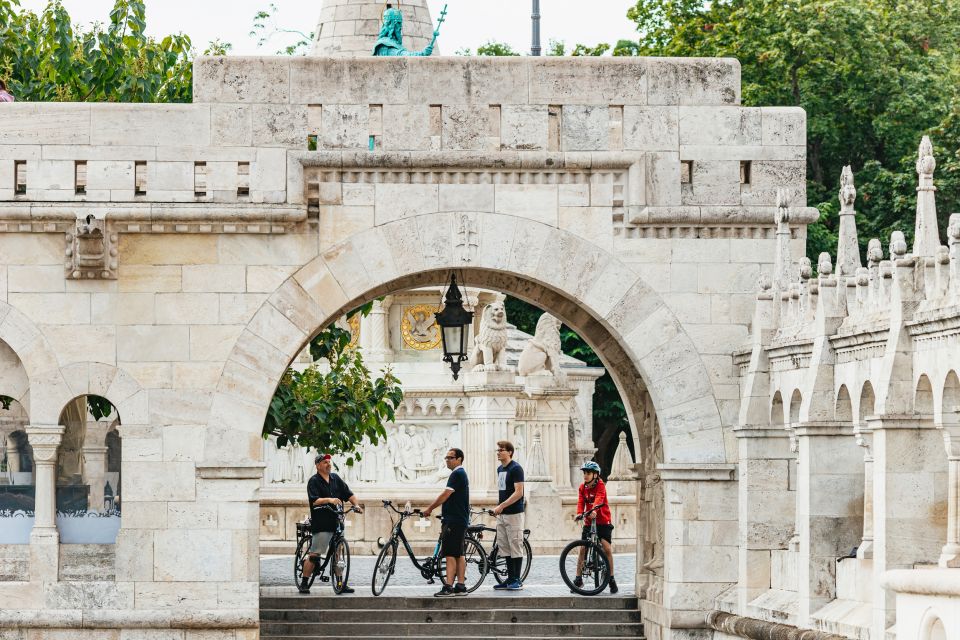
After the Buda climb, the tour shifts back toward the river. You’ll descend and ride along the water again, including a pass over Margaret Bridge.
Then you hit Margaret Island for a break. This is one of the smartest time choices on the route. Instead of cramming another monument right away, you get a pause in a greener pocket of the city. It’s a nice reset before the denser, more dramatic architecture ahead.
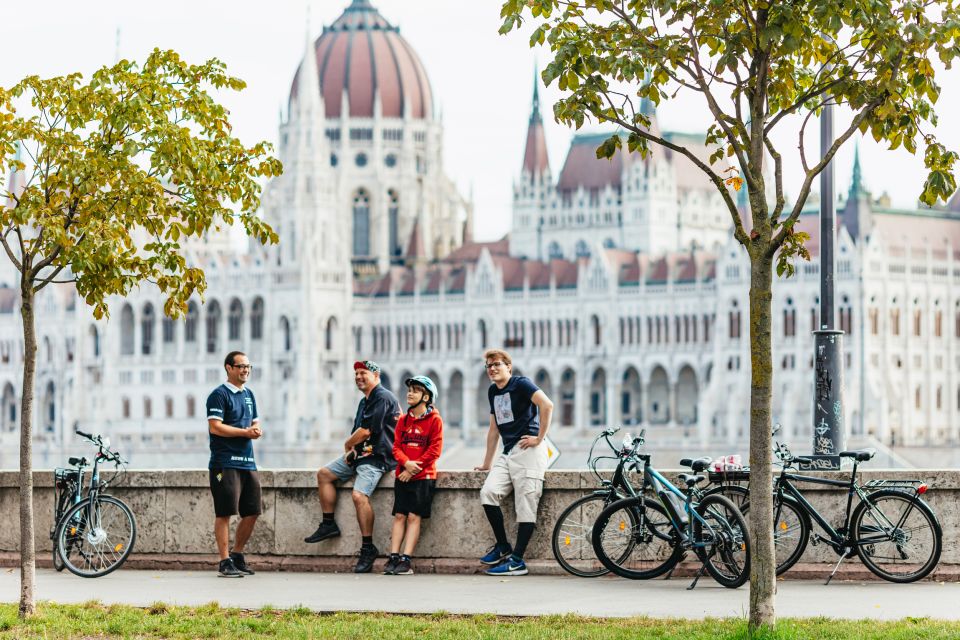
Next comes the Hungarian Parliament Building photo stop. The timing works well: you’ve already built energy and context with the river, and now you can frame the Parliament from an easy-to-reach spot without juggling multiple transit connections.






Freedom Square and St. Stephen’s Basilica: Two Photo Stops That Anchor the Day
From the Parliament area, you roll to Szabadság (Freedom) Square for another guided photo stop. This portion matters because it helps you understand where the city places its big historical narrative.
Then the tour heads to St. Stephen’s Basilica. Even if you don’t go inside during this tour, it’s a strong sight-line stop. The guide’s storytelling is the difference maker here, because it connects what you’re seeing with how Hungary’s identity shows up in stone and style.
These two stops also do a practical job for you. They bookend the “important Budapest” feeling with minimal downtime, so you still leave time to explore on your own after the tour ends.
Andrássy Avenue, Opera House Pass-By, and House of Terror Context
If Budapest has a grand boulevard mood, it shows up here. The route includes Andrássy Avenue, a UNESCO-listed stretch with a big-stage feel.
The tour passes the Hungarian State Opera House, with photo time to grab the façade and street setting. This isn’t just a pretty stop. It gives you a sense of the city’s more formal, European side beyond the river and hillside.
Then you pass by the House of Terror. This site tends to hit harder than the typical landmark stop, because it pushes you into Hungary’s 20th-century story. Several riders specifically recommend this stop if you want more than postcard Budapest.
Finally, the route continues toward Heroes’ Square for a longer photo and viewpoint moment. From there, you reach Városliget (City Park) area to close out the big-sights loop.
How Hard Is This Bike Tour, Really?
It’s a classic “mostly comfortable, one serious hill” setup. Reviews repeatedly mention that the climb up into Buda is the toughest part. The rest of the route is manageable for many people because you’re not riding nonstop between distant points.
Bike infrastructure helps. Past riders have said most of the ride is on cycle ways, and even when you’re on the road, the traffic behavior is cyclist-friendly. That doesn’t mean it’s risk-free, but it does mean you’re not spending the day dodging chaos.
Your best preparation is simple:
- Wear comfortable shoes you can move in on stairs and viewpoints.
- Dress for all-weather conditions, because the tour runs in rain too.
- Skip bulky luggage. Keep it to what you can carry easily.
If you’re not confident on hills, ask about options to reduce the strain. Some riders have upgraded to an e-bike specifically for the Buda climb, and they’ve said it made the tour feel much more enjoyable.
Guide Style Is the Real Difference Maker
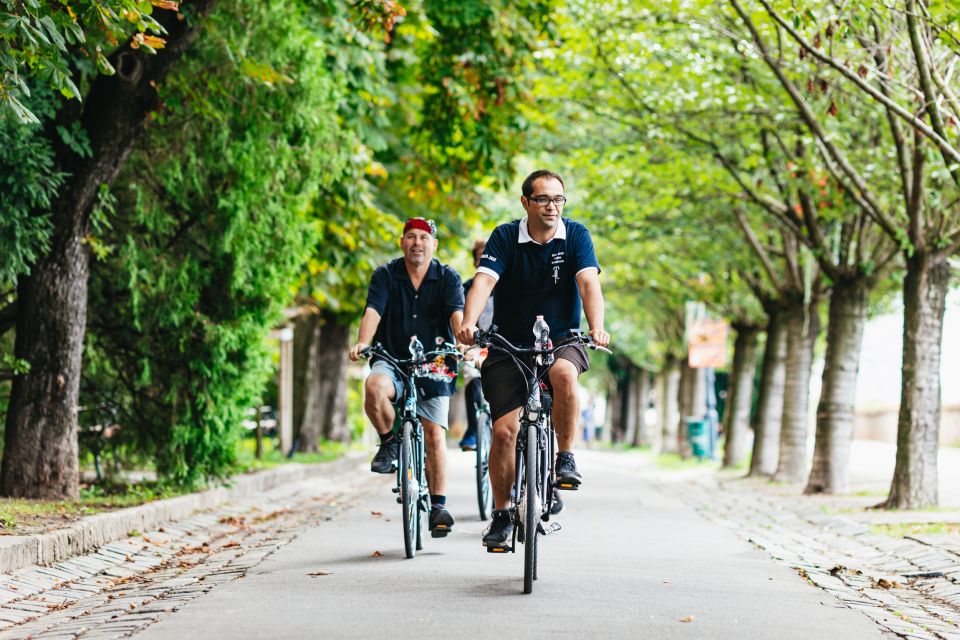
This tour lives or dies by the guide. And the good news: the English guides have a track record of being friendly, flexible, and good at making the city readable fast.
Names that have shown up in feedback include Carson, Thomas, Andy, Carlos, Zsolti, Jo, and Kata. What they share is a storytelling approach that mixes history with humor and practical navigation tips, including recommendations for where to eat and what to revisit later.
You’ll often notice that guides help you with small things that make the whole ride better: keeping the group together, taking photos, and explaining what you’re looking at before you get to the next stop. One rider even called out how the guide helped them keep going if they were new to biking.
Price and Value: What $44 Buys You in 3 Hours
For $44 per person, you’re buying more than movement. You’re buying a compact orientation to Budapest’s top “I have to see that” landmarks, plus the in-between context that usually takes days of reading or multiple guided sessions.
You also get real add-ons that reduce hassle:
- Bike
- Helmet
- Live guide in English
- A bottle of mineral water
The time format matters too. In about 3 hours, you can cover a lot of ground across Pest and Buda without losing half a day to transit. For first-timers, that’s often the sweet spot: you finish with enough bearings to plan your next self-guided walks.
Who This Tour Suits Best (and Who Should Skip It)
This tour makes the most sense if you want an efficient overview and you like being outside. It’s also ideal if you’re short on time and want to hit the major sights in a single afternoon.
It’s also a strong fit for history-minded people—especially if you like short, story-driven explanations tied to what you can actually see from the street.
But it’s not suitable for everyone. The tour data says it’s not for children under 12 and not for pregnant women. Also, because there’s a steep climb, anyone who struggles with uphill biking should consider an e-bike option or choose a different style of tour.
Should You Book This Budapest Grand Sightseeing Bike Tour?
I’d book it if you want a fast, scenic Budapest sampler with built-in structure. The ride gives you classic highlights—Danube bridges, Parliament, St. Stephen’s Basilica, Andrássy Avenue, Heroes’ Square—plus a practical way to understand where everything sits in relation to each other.
I’d hesitate only if hills are a hard no for you. If that’s the case, look for e-bike help or pick a tour designed for flatter riding.
If you’re game for some cardio and good storytelling, this is one of the smartest ways to spend an afternoon in Budapest.