REVIEW · WALKING TOURS
Alternative Budapest Walking Tour
Book on GetYourGuide →Operated by Absolute Tours · Bookable on GetYourGuide
Budapest can look perfect from the postcard spots. This tour shows the city’s other face: street art, ruin bars, and the alternative scene that’s reshaping neighborhoods in real time.
What I like most is the focus on places other walks skip. You’ll spend real time on the Jewish district side of Pest and then branch out to street-art hotspots, creative workshops, and hangout spots that feel lived-in, not staged. The second big win is the small group size (max 10), which makes it easy to ask questions as you go. In the best runs, guides like Raymond and Petra (and others named over different dates) are conversational and ready with stories you can use the rest of your trip.
One thing to weigh: it’s not a sit-down sightseeing circuit. The walk is active, and it’s not suitable for mobility impairments or wheelchair users. Also, a couple of people flagged the price as a bit high for 2.5 hours, so you’ll want to decide whether alternative culture is your priority before booking.
In This Review
- Key things that make this tour worth your time
- Starting at The Pale-Yellow Lutheran Church: Getting Oriented Fast
- Street Art Across Buda and Pest: Watching Budapest Tell Stories on Walls
- The Jewish District’s Alternative Turn: Squats, Cultural Spaces, and Change
- Ruin Bars, Coffee Collectives, and Design Shops: The Stops That Feel Like Budapest
- The Human Factor: How Guides Like Petra, Raymond, and Krisztián Shape the Walk
- Price, Timing, and Practical Tips for a 2.5-Hour Alternative Walk
- Who This Tour Fits Best (And Who Might Prefer Something Else)
- Should You Book This Alternative Budapest Walking Tour?
- FAQ
- How long is the Alternative Budapest Walking Tour?
- What is the price per person?
- How big is the group?
- What language is the tour guide?
- Where does the tour meet?
- Is food or drinks included?
- Are entrance fees included?
- Is pickup or drop-off included?
- Is the tour wheelchair accessible?
- What should I bring?
- Can I cancel for a refund?
Key things that make this tour worth your time
- A small group (up to 10) keeps the pace human and the questions flowing
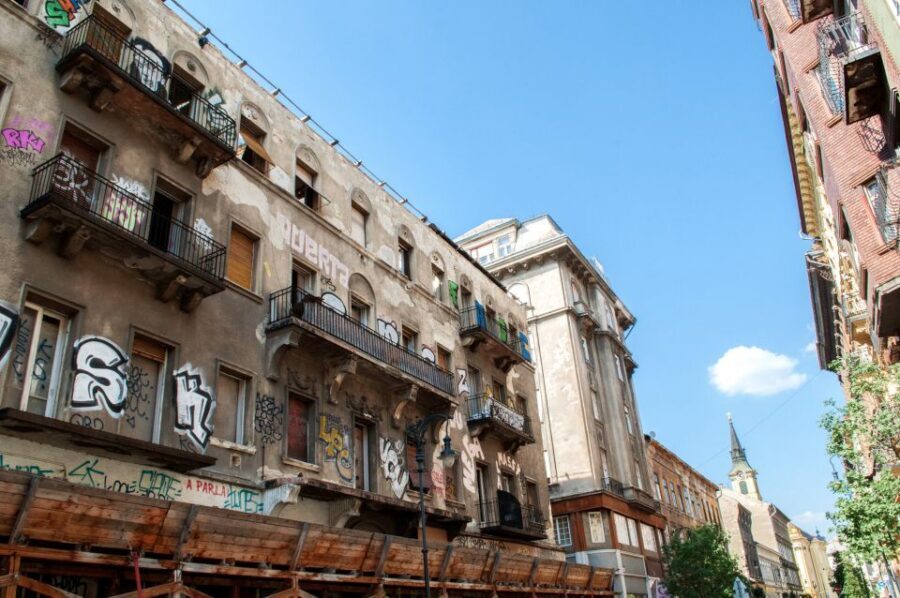
- Street art + underground culture, not just landmarks you’ve already seen in photos
- Focus on Pest’s Jewish district energy, including squats and cultural spaces you won’t stumble into alone
- Stops that mix art, coffee, and ruin-bar social life (bring your curiosity, not just your camera)
- Guides vary by date, but the experience is built around Q&A and local, current tips
- Designed for active wandering across Buda and Pest, so comfortable shoes matter
Starting at The Pale-Yellow Lutheran Church: Getting Oriented Fast
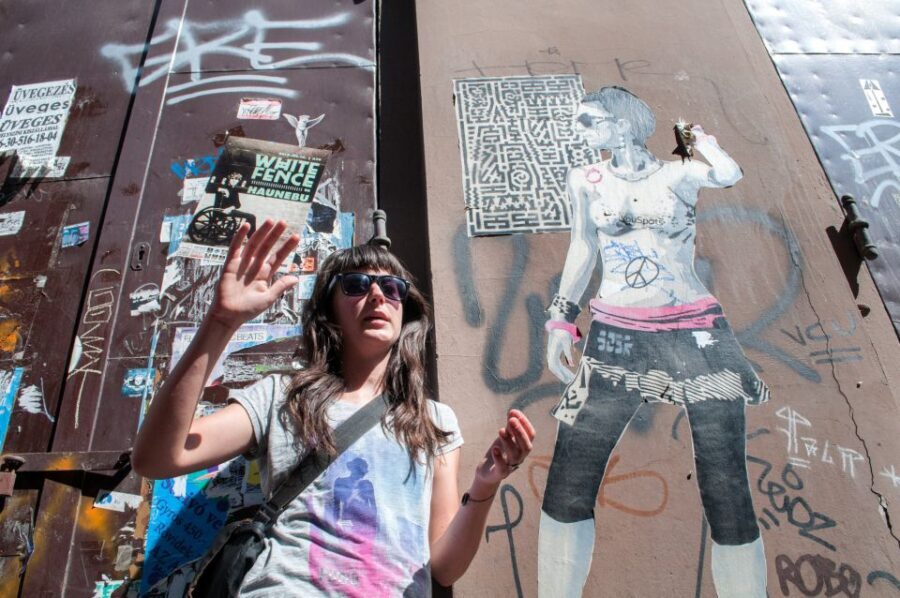
The tour meets at the Lutheran Church, painted a pale yellow, right on the church steps. It’s an easy landmark once you spot it, but if you have any trouble, you’ll need to call the local partner for help. This matters because alternative walking tours work best when you don’t lose time early.
From the start, the tour’s whole pitch is clear: you’re not here to tick off the usual views. You’re here to understand why Budapest feels different once you’re near the places where artists and locals actually meet. And you’ll feel that mindset shift quickly. The guides are expected to explain context, not just point at walls and doors. On multiple days, guide names like Ray, Raymond, Petra, and Krisztián show up in people’s notes, and the theme is the same: they connect the visuals to the city’s present-day culture and the forces that shaped it.
Practical note: plan to walk at a steady pace for about 2.5 hours (the listing calls it 2.5 hours, while the general description sometimes refers to about 3 hours). Either way, treat it like a compact city hike where you’ll learn as you move.
You can also read our reviews of more walking tours in Budapest



Street Art Across Buda and Pest: Watching Budapest Tell Stories on Walls
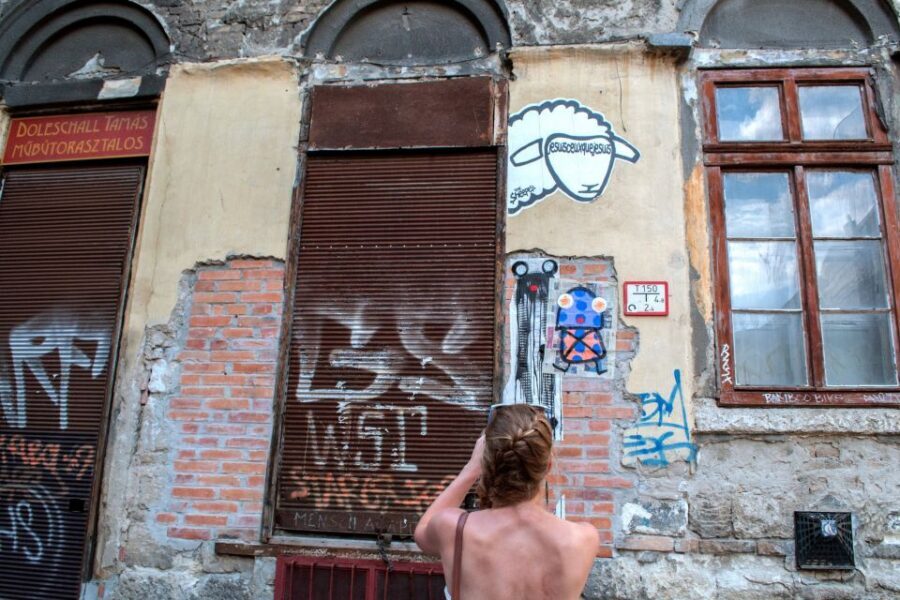
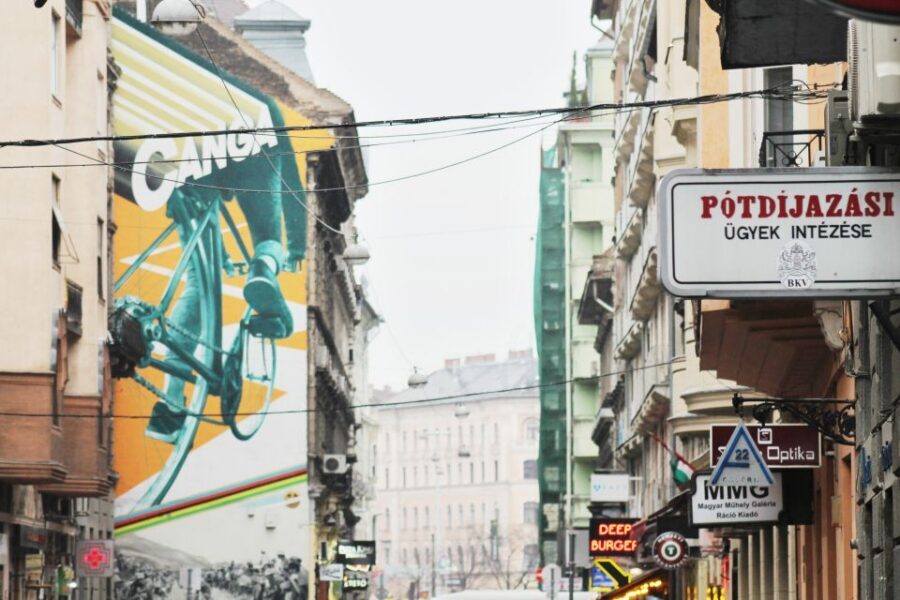
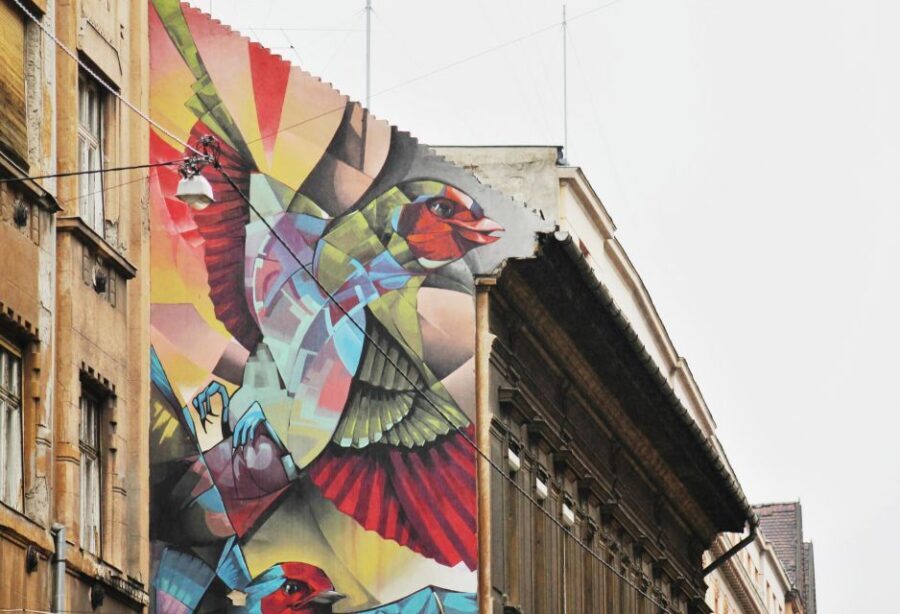
A lot of Budapest walking tours concentrate on architecture, churches, and grand squares. This one uses street art and alternative culture as your lens. That changes how you notice the city. Instead of asking what something looks like, you start asking who made it, why it ended up there, and what it says about Budapest right now.
Because the group is limited to 10, you’re less likely to feel herded. You can get closer to murals and details without playing bumper cars with other visitors. And the best part is how the tour ties what you see to people: the guide is specifically set up to talk about the local street art culture and how graffiti writers and artists fit into the broader scene.
If you’re the kind of traveler who loves art but gets bored by lectures, you’re in the right place. One recurring point from people who booked this is that the tours felt personal, with time to chat and ask questions. Guides are described as friendly and easy to understand, and that matters because half the value is in the back-and-forth. Even if your personal taste is more graffiti than fine art, you still get the “why” behind the look.
One possible drawback: if you’ve spent years studying street art scenes and Budapest’s alternative culture already, some of the themes may feel familiar. At least one person noted that for deep street art fans, it might not feel brand-new. My advice is simple: if you’re curious but not an expert, this is a great primer.
The Jewish District’s Alternative Turn: Squats, Cultural Spaces, and Change
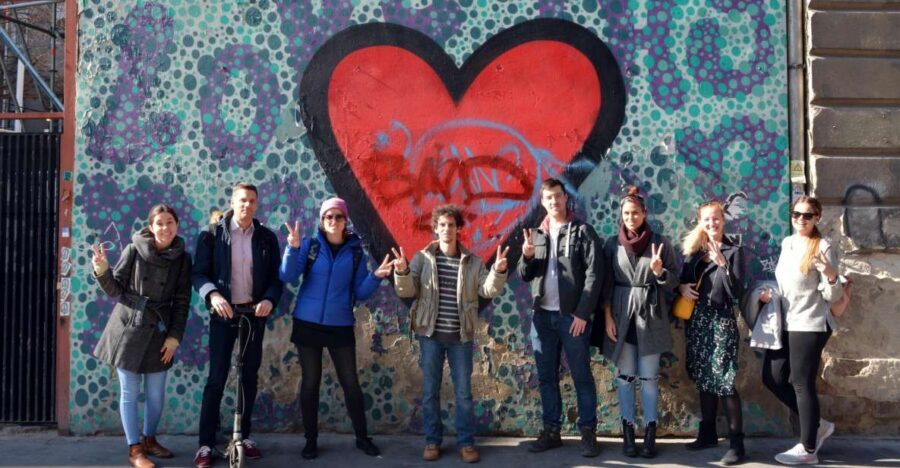
The tour head toward the Jewish district area, because that’s where the alternative scene gets going. The comparison made in the tour description is to East Berlin after the wall: neighborhoods with a lot of underused space became creative playgrounds, and the city’s energy shifted as new communities moved in.
What you’re likely to encounter (as part of the tour’s focus) includes references and visits tied to:
- squats and cultural centers
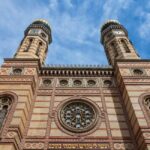
- abandoned synagogues
- art galleries connected to the scene
This is the part of Budapest where history and present-day street culture overlap in a way that feels real, not museum-like. You’re not just looking at old buildings; you’re learning how spaces got repurposed and how the city’s social map changed. It’s also where you’ll hear the most “local” explanations. People specifically highlighted that their guide walked them through the history of the Jewish community of Budapest and how that area has changed into a nightlife and creative-stay zone.
The bigger value for you as a visitor: after this walk, you’ll understand why ruin bars and art spaces exist where they do. You’ll also be able to spot the difference between tourist-friendly nightlife and the kind of place artists and locals actually use as a hub.
Ruin Bars, Coffee Collectives, and Design Shops: The Stops That Feel Like Budapest
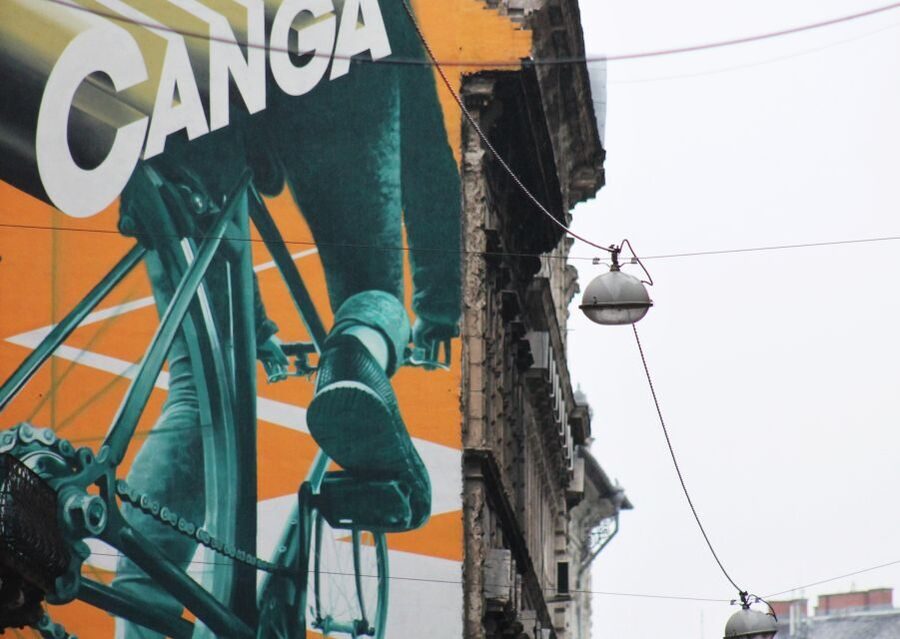
This tour is built around the idea that alternative culture is not locked inside museums. It’s out on the street and in the spaces where people hang out—cafés, bars, studios, and small shops.
The route is designed to include stops for something like coffee or beer, but keep expectations grounded: food and beverages are not included. That said, these pauses are part of the experience. They give you a chance to sit, ask questions, and get guide recommendations while the context is fresh.
You may pass through or stop at places that match the tour’s stated themes, including:
- a ruin bar-cum community center
- a bike workshop
- an analogue photography gallery
- an art and coffee collective
Some specific places came up in people’s experiences:
- Printa, an eco design shop people mentioned as a stop where they enjoyed coffee
- Szimpla Kert, a major ruin bar stop that stands out for its layout (many rooms around a courtyard) and its mismatched objects, including an old Trabant turned into a seating area
- a book shop café (also mentioned as part of the experience)
These kinds of stops matter because they show you how the alternative scene is organized. A ruin bar isn’t just a party location; in this tour framing, it’s often tied to community space and creative networks. That’s why guides use them as teaching points rather than treating them as optional extras.
In at least one experience, the tour also included a stop connected to music and venues: a person wrote that their guide Antonia took their group past the A38 ship bar/venue, with a glimpse of a sound check. That’s not guaranteed, but it’s a good example of the tour’s spirit: you’re looking for the city’s creative infrastructure, not just walls.
The Human Factor: How Guides Like Petra, Raymond, and Krisztián Shape the Walk
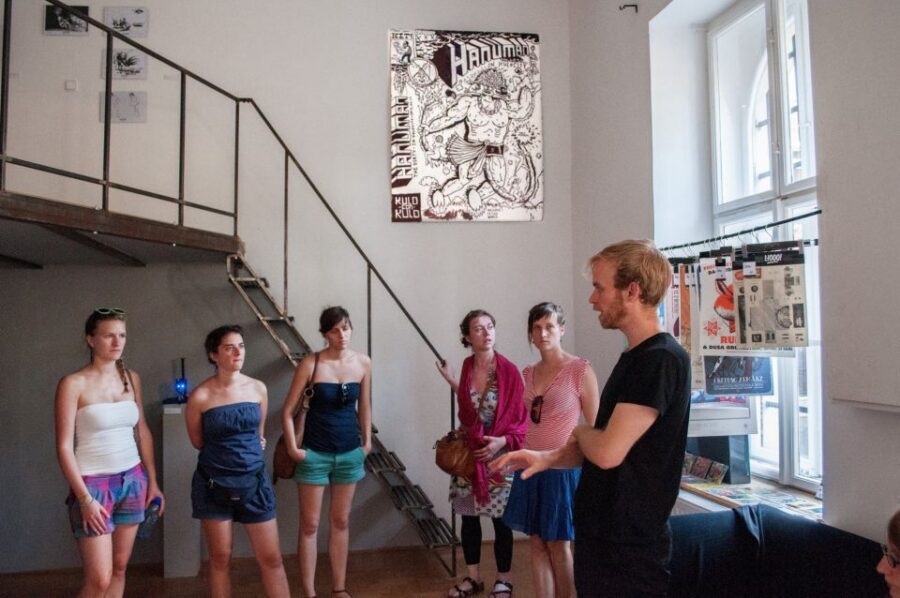
A tour like this lives or dies on the guide. The good news is that the tour is explicitly designed for interaction: small groups, chances to ask questions, and guides who share what’s current so you can plan the rest of your stay.
You’ll also notice patterns in the names people gave across different dates:
- Raymond / Ray for stories and background that made the street art easier to understand
- Petra for being enthusiastic and giving lots of details and context
- Krisztián for covering the Jewish community history and how ruin bars contributed to the area’s revival
- Anna, Lauren, Bella, Bogata, Antonia, and Zsophia were also mentioned as guides who kept things friendly and informative
Even when the wording differs, the consistent message is that guides make the experience feel like a conversation. People specifically pointed out that they had room to ask questions and that the guide’s city knowledge added useful context for the rest of their trip.
If you want to maximize your value, show up with two or three questions. For example:
- Where would you go tonight if you like live music instead of big clubs?
- What’s the difference between tourist bars and scene bars here?
- If I’m into street art, what should I look for next after the tour?
That’s the kind of “local, up-to-date info” this tour is built to provide.






Price, Timing, and Practical Tips for a 2.5-Hour Alternative Walk
The price is $67 per person for about 2.5 hours. That can feel steep until you match it to what you actually get: a professional guide, a concentrated route across neighborhoods, and structured access to places you might not find on your own.
You’re not paying for bus rides or entrance tickets—those are not included. You’re paying for interpretation and for the time-saving factor of having someone point out the meaning behind the art and the logic behind the nightlife geography. If alternative culture is your interest, $67 for a focused, guided walk in a small group can be reasonable value.
Timing is also worth planning around. This is a walking-heavy experience, so I’d treat it as a “first or second day in Budapest” activity. It can prime you for what to hunt for afterward: cafés, bars, design shops, and music venues that fit the scene you just learned about.
What to bring:
- comfortable shoes
- comfortable clothes
- weather-appropriate gear
The tour is not described as especially short, so dressing for walking matters more than usual. And if it’s rainy, don’t assume it becomes a slow museum tour. Bring the mindset of a wandering walk, just with occasional indoor stops for coffee/beer.
Who This Tour Fits Best (And Who Might Prefer Something Else)
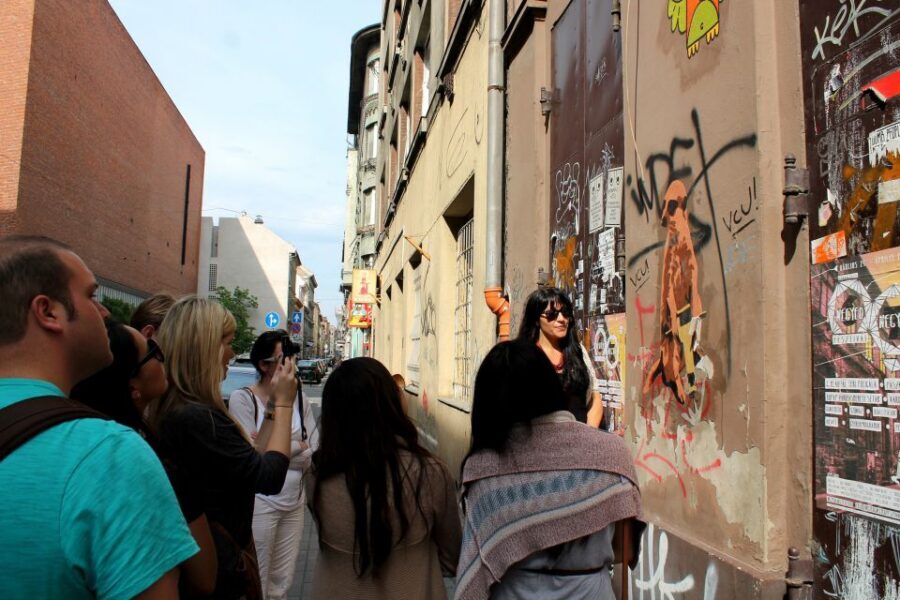
This Alternative Budapest Walking Tour is best for you if you want:
- street art and the stories behind it
- Budapest through contemporary culture, not only major historical sights
- a guided way to explore the Jewish district and the alternative nightlife axis
- small-group conversation with a guide who can suggest what to do next
It’s also a good choice if you’re the type who likes to ask questions and compare notes with locals. The tour’s structure is built for that.
You might want to choose a different option if:
- you want a mostly seated, landmark-heavy itinerary
- you need wheelchair-friendly routes (this tour is not suitable for wheelchair users)
- you already know Budapest’s alternative street art scene very well (at least one person noted it might not add much for long-time experts)
Should You Book This Alternative Budapest Walking Tour?
If your ideal Budapest includes murals, ruin bars, design shops, and the Jewish district’s creative energy, I think this is a smart booking. The small-group size helps, and the fact that guides consistently bring stories you can use right after the tour is the real selling point.
Here’s the quick decision guide I’d use:
- Book it if you want to understand Budapest’s present through art and everyday culture.
- Skip it if your priority is only classic monuments and museums.
- Consider it carefully if you’re very price-sensitive, since a few people felt it was slightly overpriced for the duration.
Overall, with a 4.8 rating from 118 reviews, the balance of “cool places you’d miss” plus “guide-led context” looks strong. Just show up ready to walk, ready to ask questions, and ready to see Budapest from the streets where the city’s current ideas are being made.
FAQ
How long is the Alternative Budapest Walking Tour?
The tour is listed as 2.5 hours, though the description also references an about 3-hour walking tour style.
What is the price per person?
It’s $67 per person.
How big is the group?
It’s a small group limited to 10 participants.
What language is the tour guide?
The live tour guide speaks English.
Where does the tour meet?
Meet the guide in front of the Lutheran Church (pale yellow) on the church steps.
Is food or drinks included?
No. Food and beverages are not included, though the tour may include stops for coffee or a beer.
Are entrance fees included?
No. Entrance fees are not included.
Is pickup or drop-off included?
No. Pickup and drop-off are not included.
Is the tour wheelchair accessible?
No. It is not suitable for people with mobility impairments or wheelchair users.
What should I bring?
Bring comfortable shoes and comfortable clothes, plus weather-appropriate clothing.
Can I cancel for a refund?
Yes. You can cancel up to 24 hours in advance for a full refund.