REVIEW · BUDA CASTLE & FISHERMAN'S BASTION
Buda Castle Private Walking Tour: A Kingdom of Many Nations
Book on Viator →Operated by Insight Cities · Bookable on Viator
Budapest’s Castle Hill is where power shows.
This private walking tour is built around that idea: you’ll walk the hilltop sights and get an historian’s commentary that connects kings, empire, and changing borders to the buildings you’re standing in. Two things I like a lot are the personalized pacing of a private group and the way the guide ties small details to big historical turns. If you want lots of indoor museum time, there’s a key consideration: tickets for Buda Castle, Matthias Church, and Fisherman’s Bastion aren’t included, so much of your tour is exterior and viewpoints unless you buy entry separately.
You’ll get to see classic Castle Hill landmarks without feeling rushed.
The itinerary flows from the old palace area up through the presidential district and ends at the Vienna Gate viewpoint, with a clear “here’s what changed, here’s why it matters” thread. The main drawback is simple: since some entrances cost extra, you may need to plan a bit if your dream is to go inside every stop.
In This Review
- Key points before you go
- Castle Hill in “many nations” mode
- Price and logistics: what you’re paying for
- From the palace skyline to the story of kings
- Sándor Palace: where modern Hungary lives on the hill
- Matthias Church: the decorated roof and what it means
- Fisherman’s Bastion: seven towers with a 9th-century backstory
- Ending at Vienna Gate: a view that points to Aquincum
- Who this tour suits best (and who might feel shortchanged)
- My value take: private guide + major landmarks, minus some ticket costs
- Should you book this Buda Castle Private Walking Tour?
Key points before you go
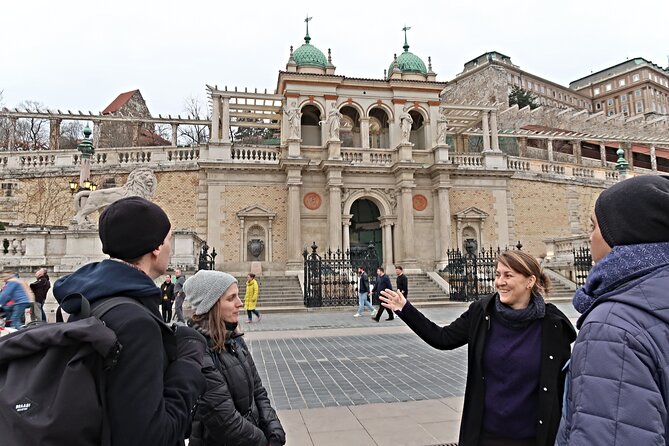
- Historian-style commentary connects the hill’s buildings to real political changes over centuries
- Private group feel keeps the walk flexible and easier to ask questions on the spot
- Ticket math matters: Matthias Church and Fisherman’s Bastion aren’t included, and Buda Castle entry is also extra
- Two standout view stops: Fisherman’s Bastion terrace and the Vienna Gate look toward Obuda
- Small-group structure with tight caps (listed as up to 8 per booking; the activity also notes up to 10 travelers)
Castle Hill in “many nations” mode
Castle Hill doesn’t feel like a museum. It feels like a timeline you can walk across. On this tour, you’re not just looking at pretty buildings—you’re watching power shift, again and again, and you’re learning what each era tried to project.
That’s why I think this tour works so well: the guide’s focus on how functions changed over time gives you a framework. You’ll hear how the palace area goes through different roles, and you’ll spot how those layers show up in what’s left behind. Even if you don’t memorize dates, you’ll start recognizing patterns like who built what, who rebuilt it, and what got adapted for the next ruler.
I also like that this isn’t “see everything fast.” It’s about understanding where you are. Walking with a professional historian guide makes the hill feel less random, and more like it has a logic.
And yes, you’ll still get the eye candy. Castle Hill is famous for a reason. But the value here is that you’ll know what you’re looking at—especially when the buildings look like they could belong to different worlds at once.
You can also read our reviews of more walking tours in Budapest



Price and logistics: what you’re paying for
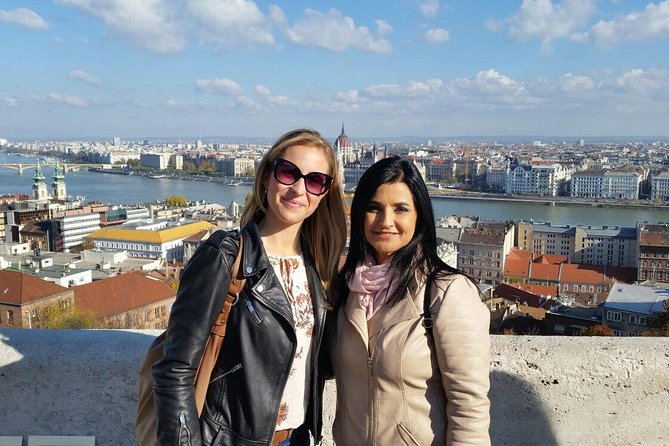
The price is $397.36 per group (up to 10) for about 3 hours. That sounds steep until you do the simple math: if you split it among a few people, the cost drops fast. And because it’s private, the guide can slow down where you’re curious and pick up where you’re not.
You also want to understand the ticket situation up front. The tour itself includes a guided walk with a professional guide, but tickets are listed as not included for Matthias Church and Fisherman’s Bastion, and Buda Castle tickets are also not included. That means you should budget a bit more if your goal is full interior access instead of mostly exterior exploring and viewpoints.
Scheduling is flexible. There’s a choice of morning or afternoon departure. That matters on Castle Hill because light and crowds change the whole feel of the views.
Meeting point is practical: you meet near Országház u. 31 at the Bálthazár hotel area (15 minutes early unless pickup is arranged). If you’re taking public transit, it’s near bus stops on Castle Hill, which is a big plus because getting up the hill on your own can be the annoying part.
Most people can participate, and if your group wants a guide-led route rather than figuring it out street by street, this is the setup.
From the palace skyline to the story of kings
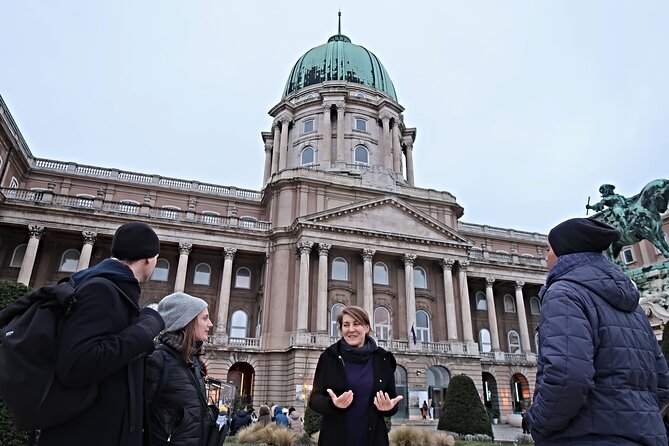
Your walk starts on Castle Hill with the kind of skyline that grabs you immediately. Two visual anchors dominate the hill: the large, imposing palace building and the striking colored roof associated with Matthias Church. Even before you get deep into details, the mix of facades and rooflines signals something important: this place is layered.
The opening time is roughly two hours dedicated to the castle area and surrounds. You’re not paying for admission for that section as listed, which is perfect if your priority is the big setting, the viewpoints, and the feel of the hill without rushing into ticketed interiors.
Then the tour focuses on the palace itself and the long sequence of change. You’ll hear how the palace area was rebuilt, extended, altered, destroyed, and rebuilt again. That recurring cycle is the point: Budapest’s castle zone isn’t a single “final” moment—it’s the result of centuries of impact, rebuilding, and political theater.
A few storyline highlights you’ll get along the way:
- King Béla IV built an early fortress on Castle Hill around 1250, after the Mongol invasion
- During the Renaissance, King Matthias helped turn it into one of Europe’s most famous courts by the late 1400s
- After that came long Turkish rule by pashas for over 150 years
- Later, Hapsburg emperors took the baton and shaped the next era
If you care about how history actually changes architecture, this is one of the better parts of the tour. You’ll come away understanding that what you’re seeing is partly design—and partly survival.
Sándor Palace: where modern Hungary lives on the hill
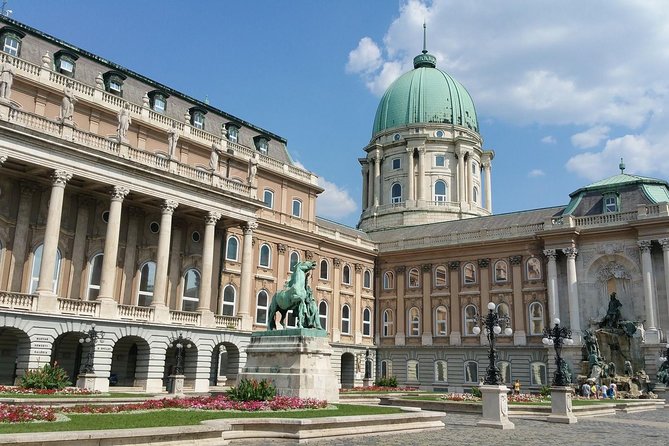
After the medieval and early-modern layers, the tour shifts to something more current: the Sándor Palace, the official residence and workplace of the President of Hungary. It’s been the seat for the President since 2003.
The original palace at the site was built in neoclassical style in 1806, commissioned by Count Vincent Sándor, an aristocrat and philosopher within the Austro-Hungarian world. That detail matters because it shows how “official power” kept moving into new forms—even when the location stayed the same.
This stop is shorter (about 5 minutes), and that’s fine. You’re not here for a long visit inside. You’re here to connect the dots: the same hill that once emphasized royal control now hosts a modern state function.
What you’ll notice is how the hill keeps reinventing itself without losing its role as a stage for authority. One era’s fortress and court becomes another era’s residence and offices.
If your group likes structured history (instead of wandering and hoping you understand), this is a good contrast stop: it anchors the tour in today’s Hungary after a lot of centuries of change.
Matthias Church: the decorated roof and what it means
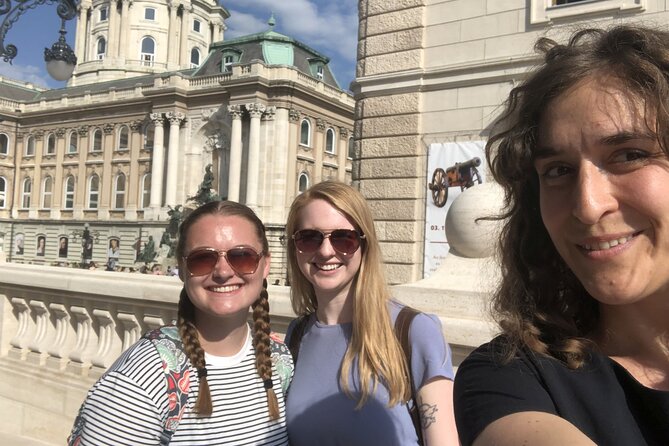
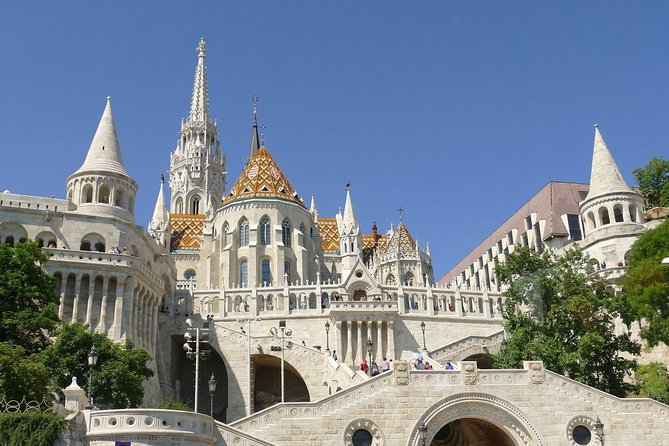
Now you’ll head to Matthias Church, one of the most recognizable highlights on Castle Hill. The outside already looks like it belongs in a storybook, but the roof decoration is the kind of detail you’ll keep noticing as you walk.
The important thing here is what it is architecturally. This is a neo-Gothic reconstruction fantasy from the end of the 19th century. That phrase matters. It reminds you that even if a church feels ancient, restoration and rebuilding can still shape the “final” look you see today.
Inside, you’ll find an interior designed to impress—rich in ornament and execution. The tour time here is about 20 minutes, and admission is not included, so plan for extra ticket costs if you want to see the interior.
One practical tip: if you want photos, keep your camera ready during the transition from exteriors to the church itself. The lighting on the hill can change fast, and you don’t want to waste time fumbling.
Also, consider how this stop fits the tour’s bigger theme. The church’s appearance isn’t just pretty—it’s part of how later periods chose to present the past. That’s the “many nations” idea in a single building: different eras shaping what you’re meant to feel when you stand there.
You can also read our reviews of more private tours in Budapest






Fisherman’s Bastion: seven towers with a 9th-century backstory
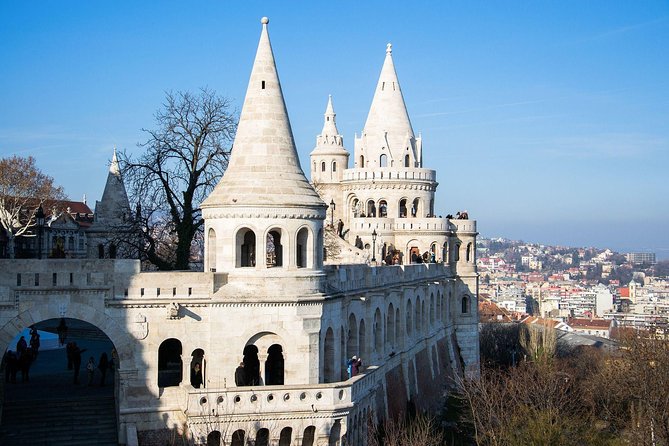
From Matthias Church you’ll make your way to Fisherman’s Bastion, with a stop time of about 20 minutes. This is the “postcard view” zone, but it’s more than a photo deck.
The architecture is an architectural fantasy built between 1895 and 1902, mixing neo-Gothic and neo-Romanesque styles. It may not feel “medieval original,” but that’s the point—this was a later design project built to evoke earlier identity.
The best detail is why the towers matter. You’ll hear that the seven towers represent the seven Magyar tribes that settled in the Carpathian Basin at the end of the 9th century. That gives you a lens for the whole structure. The bastion isn’t just decoration; it’s symbolism tied to origins.
The terrace views are a major payoff. From here you can look out toward the Danube, Margaret Island, Pest, and Gellért Hill. It’s one of those places where your brain stops fighting for details and just starts taking it all in.
Ticket-wise, admission isn’t included, so if you want full access to the bastion area (not just surrounding viewpoints), budget for that.
If you’re sensitive to crowds, go in with a flexible mindset. Castle Hill gets busy in prime hours, and Fisherman’s Bastion is often the busiest photo stop. The guide can help you time your viewing so you spend more time looking and less time standing in lines.
Ending at Vienna Gate: a view that points to Aquincum
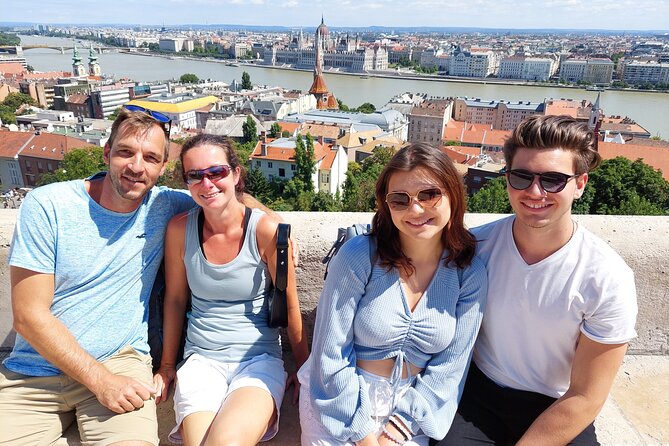
Your tour finishes at the Vienna Gate, and the final minutes are about orientation and distance—where the hill ends and the city begins. You’ll get a view all the way to Obuda (Old Buda), where the Romans founded the city called Aquincum.
This is a clever closing move. After walking through medieval fortresses, Renaissance court fame, Turkish rule, Hapsburg influence, and a 19th-century reconstruction vibe, you end with an even older foundation story—Roman settlement.
The stop itself is short (about 10 minutes), but it helps you see that Castle Hill isn’t an isolated world. It’s one part of a bigger map of Budapest’s past.
If you’re the kind of person who likes to keep walking after a tour, this ending is useful. Vienna Gate is a good launch point for exploring surrounding areas on your own, especially if you want to connect the view with what you’ll do next in the city.
Who this tour suits best (and who might feel shortchanged)
This tour is a strong fit if you:
- Want a guided history thread instead of random sightseeing
- Like architecture with context (how buildings change function over time)
- Are traveling in a group where splitting the private price makes sense
- Prefer 3 hours of focused walking over half-day museum marathons
It may disappoint you if:
- You came specifically for interior time and long museum stops
- You expect every major landmark to be included with entry tickets
- Your group hates walking up and down cobblestones and uneven ground
There was also a bit of a clue in feedback style that matches this reality: some people get disappointed when they expect the entire palace experience as an included visit. So be smart about your expectations. The tour gives you the hilltop context and key landmark time; if you want deeper interior access to Buda Castle, you’ll likely need separate tickets.
My value take: private guide + major landmarks, minus some ticket costs
Here’s the clean value equation. You’re paying for:
- About 3 hours of a guided route on Castle Hill
- A professional guide with historian-style commentary
- A structured sweep of top landmarks from palace zone to viewpoints
You’re not paying for:
- Tickets for Matthias Church
- Tickets for Fisherman’s Bastion
- Buda Castle admission
So this tour is best viewed as a history-led walking framework. Think of it as the explanation you get while you’re seeing the sights. If you then add the interiors with the tickets you care about, you can build a full experience without wasting time trying to figure out which door is worth your money.
As for group size, it’s small. The activity is described with a maximum near 10, while the booking info also lists a maximum of 8 per booking. Either way, it should feel manageable and not like herding.
If you’re deciding between a cheaper group tour and this private setup, choose this one if your priority is getting the “why” behind what you see. If your priority is just saving money and speed, a lower-cost option might be enough. But if you want the hill to make sense as you walk it, this private format is a good bargain.
Should you book this Buda Castle Private Walking Tour?
Yes, if you want your Castle Hill time to feel intentional. The mix of palace context, Sándor Palace, Matthias Church, Fisherman’s Bastion symbolism, and the Vienna Gate ending makes it more than a checklist. The private guide format also helps you ask questions when something catches your eye—like how the same site keeps taking on new roles across centuries.
Book it if your group can share the cost and you’re okay with paying for interiors separately. With tickets not included for Matthias Church, Fisherman’s Bastion, and Buda Castle admission, you’ll get the best results if you plan your ticket budget ahead of time.
Skip it only if you’re expecting a mostly ticketed, inside-everywhere palace day. This tour’s strength is the walk + the story.
If you want a Castle Hill experience that feels connected, this is a solid way to do it.