REVIEW · BUDAPEST
The beginner’s guide to Budapest – Budapest Sightseeing Tour
Book on Viator →Operated by Budapest Urban Walks · Bookable on Viator
Budapest clicks into place fast here. This beginner-style sightseeing tour strings together the city’s big-name landmarks with just enough local context to help you understand what you’re looking at. You start by the Hungarian State Opera and move efficiently with public transport tickets included, so you’re not wasting your first hours guessing where to go.
Two things I really like: the guided pace and the small group size. Guides like Ferenc and Fanni keep things moving at a comfortable speed and still make time for questions, and that makes the whole route feel less like a checklist. I also appreciate the food stop: coffee and cake at a local café, plus snacks and coffee or tea.
One thing to consider: a few major buildings don’t include entry. Places like Vajdahunyad Castle, St. Stephen’s Basilica, and the Hungarian Parliament are stop-and-look moments here, so if you want to go inside, plan to add tickets on your own.
In This Review
- Key things you’ll notice on this Budapest tour
- Starting at the Hungarian State Opera: your easy first move in Pest
- Heroes’ Square: a national symbol you’ll understand in minutes
- Széchenyi Medicinal Bath: 15 minutes in hot thermal water
- Vajdahunyad Castle and the quick City Park orientation
- Andrássy Avenue: where Budapest shows off its boulevard style
- Hungarian State Opera House: a stop with included admission
- St. Stephen’s Basilica, Liberty Square, and Parliament: big sights without entry time
- Chain Bridge and Shoes on the Danube Bank: where the river story turns serious
- Coffee, cake, snacks, and a map you’ll actually use
- Price and value: is $94.63 a good deal?
- Who this tour fits best
- Should you book this Budapest beginner sightseeing tour?
- FAQ
- How long is the Budapest sightseeing tour?
- How much does the tour cost?
- Is public transportation included?
- What food is included during the tour?
- Are tickets included for all major attractions?
- What is the maximum group size?
- Is the tour in English?
- Does the tour run in bad weather?
- Can I cancel and get a full refund?
Key things you’ll notice on this Budapest tour
- Public transport included so you can ride trams/metro without turning your day into ticket math
- Heroes’ Square + the Seven chieftains gives you an instant “who’s who” story
- Széchenyi Baths admission is included, and the thermal water is seriously hot (74–77°C)
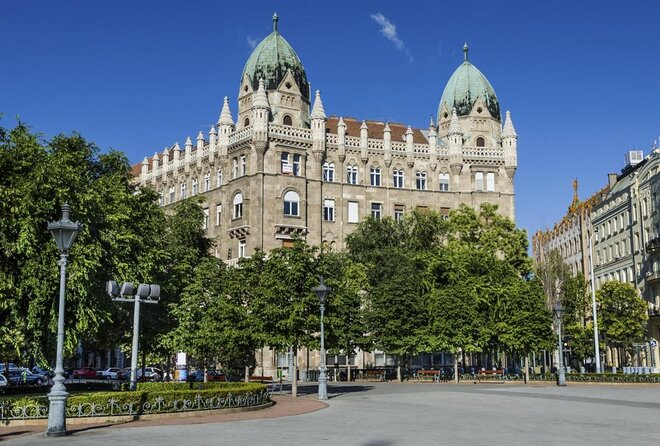
- Andrássy Avenue is a World Heritage boulevard dating back to 1872
- Danube memorial moment at Shoes on the Danube Bank makes the river walk hit harder
- Small group max of 15 helps you actually hear the guide and ask questions
Starting at the Hungarian State Opera: your easy first move in Pest
The tour begins at the Hungarian State Opera on Andrássy út (22, 1061). It’s a smart starting point because the area is central and very walkable, but you’re also close to public transportation, so the route feels flexible instead of stuck.
From the start, you get the shape of the day: a mix of iconic sights and quick orientation stops. And yes, you’ll have a handy souvenir map, plus extra recommendations so you can keep exploring after the tour ends back where you started.
What makes this work for first-timers is the way the guide ties places together. You’re not just seeing buildings; you’re learning how the city “thinks,” from national symbols to the famous stretches of Pest.
You can also read our reviews of more guided tours in Budapest


Heroes’ Square: a national symbol you’ll understand in minutes
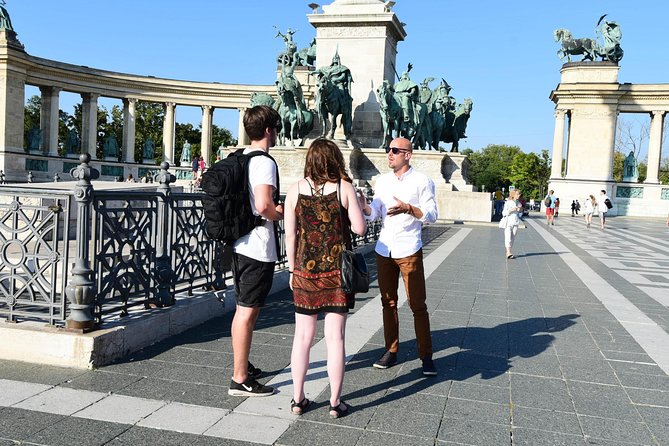
The tour first heads to Heroes’ Square (Hősök tere), one of Budapest’s headline plazas. The statue complex is the star here, including the Seven chieftains of the Magyars and other key Hungarian national leaders.
This is also where a detail helps you avoid confusion: the Memorial Stone of Heroes is sometimes mistakenly called the Tomb of the Unknown Soldier. Having that correction early on matters because you’ll see similar memorial logic across other European cities—once you know what you’re looking at, you read the rest of the route faster.
You only spend about 20 minutes, but it’s the kind of stop that pays off later. After Heroes’ Square, you start noticing symbolism everywhere—arches, statues, and the way the city chooses to remember.
Széchenyi Medicinal Bath: 15 minutes in hot thermal water
Next up is Széchenyi Baths and Pool. This is the big-name stop for a reason: it’s described as the largest medicinal bath in Europe, supplied by two thermal springs. The water temperatures are 74°C (165°F) and 77°C (171°F), which is hot enough that even standing near the pools feels like an instant temperature shift.
This stop is listed for about 15 minutes, and admission is included. That’s a short window, so you’ll want to be practical about it. If you plan to actually use the pools, come ready with what you’d normally need for a bath visit. If you’re more interested in the building and atmosphere, you can still get a lot out of the time without rushing.
The value here isn’t just the famous name. It’s the quick “thermal bath logic” lesson: you learn how Budapest’s spa culture is tied to the city’s geography and mineral water—and why this isn’t just a tourist trick.
Vajdahunyad Castle and the quick City Park orientation
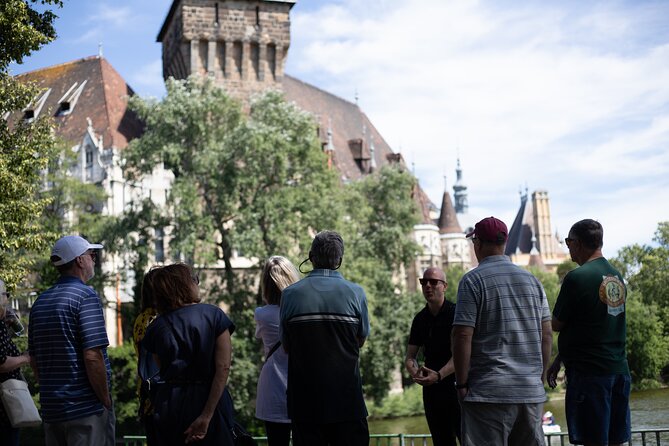
After the baths, you’ll reach Vajdahunyad Castle in City Park. It was built in 1896 for the Millennial Exhibition celebrating 1,000 years of Hungary’s history, starting from the Hungarian Conquest of the Carpathian Basin in 895.
Important practical point: entry to the castle isn’t included here. So this is more about getting oriented and seeing the look of the place rather than doing a full interior visit. If you’re the type who loves museum-style details and want longer time inside, you’ll likely want to come back later.
Still, a short stop works well because City Park is a different mood from the dense streets of central Pest. It gives you a breath between heavier landmarks.
Andrássy Avenue: where Budapest shows off its boulevard style
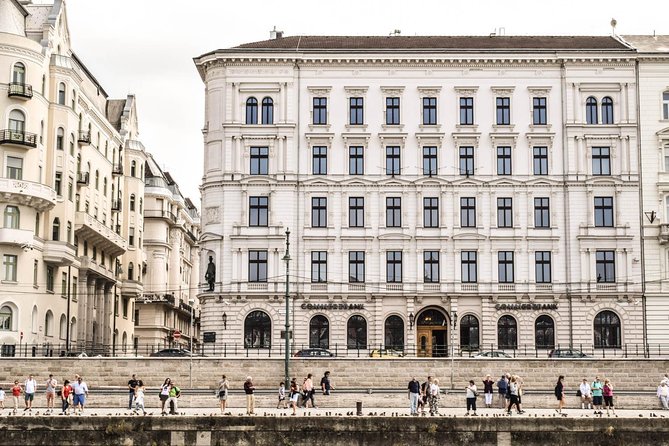
Then you move to Andrássy Avenue (Andrássy út), a boulevard that dates back to 1872. It links Erzsébet Square with Városliget and is recognized as a World Heritage Site (since 2002).
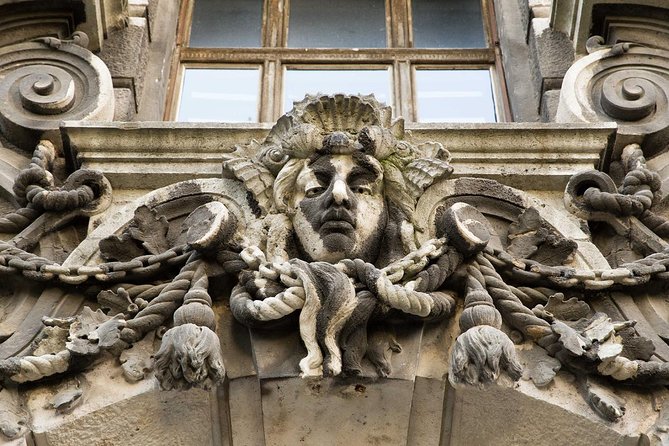
This is the kind of place where the guide’s commentary really helps. The street is lined with Neo-renaissance mansions and townhouses, and once you’re told what to notice—facades, rhythm, and the “European capital” feel—you start seeing the architecture instead of just passing it.
This stop lasts about 10 minutes, so it’s not meant to be a long stroll. Think of it as a visual runway: enough time to connect the look of Andrássy Avenue with Budapest’s reputation for class and style.






Hungarian State Opera House: a stop with included admission
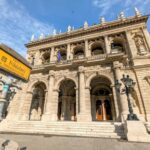
You’ll also spend time at the Hungarian State Opera House (Magyar Állami Operaház). The building is neo-Renaissance, and it’s tied to a major architectural name: it was designed by Miklós Ybl.
Admission is listed as free for this stop, which means you’re not just looking from outside. This is a good moment if you like grand interior spaces, even if you’re not a hardcore opera fan. You’ll get a feel for why this avenue is considered one of Budapest’s signature corridors.
If you’re traveling with someone who loves art and architecture, this stop alone makes the tour feel more special than a typical “walk to the big squares” route.
St. Stephen’s Basilica, Liberty Square, and Parliament: big sights without entry time
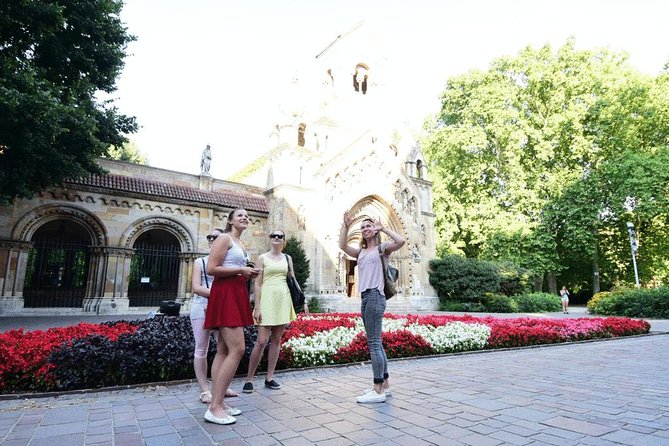
The middle of the route shifts into major landmarks where you’ll usually want more time, but you’ll get shorter, smarter stops.
At St. Stephen’s Basilica (Szent István-bazilika), admission isn’t included. Still, it’s a powerful landmark. The basilica is named for Stephen, the first King of Hungary (c 975–1038), whose right hand is housed in a reliquary.
If you love to go inside cathedrals, this is where you’ll likely wish the tour gave more time. But even as a quick stop, it helps you connect the city’s religious story to its political story.
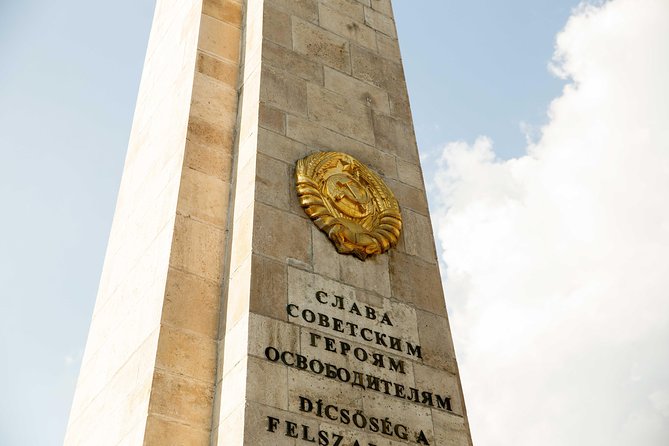
Then comes Liberty Square (Szabadság tér), in Lipótváros. This square is famous for two controversial memorials: one commemorates Hungarian Jewish victims of the Holocaust, and another honors Soviet soldiers who liberated Budapest from the Nazis in 1945. The symbolism is heavy, and the guide’s framing here matters because it stops the memorial from feeling like just another photo spot.
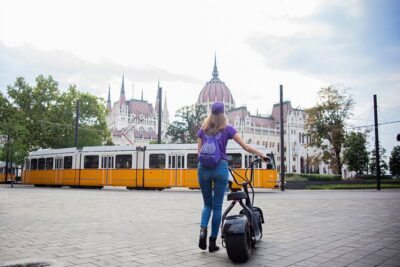
Finally, you reach the Hungarian Parliament Building (Országház). Admission isn’t included, but the building itself is a landmark of Hungarian national life and a popular destination. It’s also known as the House of the Country or House of the Nation.
These stops are about context and first impressions. For inside-visit fans, treat them like motivation, not the finish line.
Chain Bridge and Shoes on the Danube Bank: where the river story turns serious
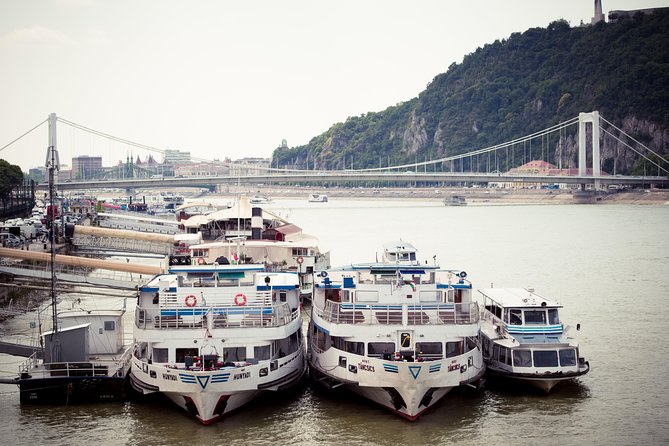
No Budapest list is complete without the Danube waterfront. This tour crosses to the Széchenyi Chain Bridge (Széchenyi lánchíd), the chain bridge spanning the river between Buda and Pest. Seeing it in a planned route is helpful because you can get the big-picture view without spending your morning hunting angles.
Then you’ll stop at Shoes on the Danube Bank. This memorial honors Jews who were massacred by fascist Hungarian militia belonging to the Arrow Cross Party in Budapest during World War II.
This is the kind of stop that lands differently than the more decorative landmarks. It’s specific. It’s personal. It turns the river from scenery into witness.
If you want your Budapest day to have both beauty and weight, this is where the balance clicks.
Coffee, cake, snacks, and a map you’ll actually use
The food part of this tour isn’t an afterthought. You get coffee and cake at a local café, plus snacks and coffee or tea. After a few hours of walking and transit, that break helps your brain absorb what you just learned instead of rushing through it.
You’ll also receive a handy souvenir map along with further recommendations. This is a small inclusion, but it’s one of the smartest. Budapest is easy to love but sometimes hard to plan when you first arrive. The map and suggestions help you turn the tour into a springboard for the rest of your trip.
And if you’re the kind of traveler who likes to go out again on your own, this is the right style of tour. It gives you orientation, then gets out of your way.
Price and value: is $94.63 a good deal?
At $94.63 per person for about 3 hours 30 minutes, you’re paying for structure—and for the things that usually cost extra on your own.
Here’s what’s included that protects your wallet:
- Public transport tickets included
- Coffee and cake included
- Snacks and coffee or tea included
- A souvenir map plus recommendations
- A group limit of 15 travelers, which tends to keep the experience personal rather than chaotic
That combination matters. If you were to DIY the same route, you’d still likely spend on transit and pay separately for a café break. The tour also saves you time in the moments that feel most stressful on Day 1: figuring out how to move through central Budapest and understanding what each stop means.
Time is the only part you can’t buy back. With a few high-interest sites marked as admission not included, you don’t get the full inside experience for every landmark. But as a beginner introduction that sets you up to explore on your own, the price feels fair.
Who this tour fits best
This is a strong fit if you:
- are visiting Budapest for the first time and want a guided route that covers the big landmarks
- like asking questions and want a guide who stays responsive
- want public transport support instead of figuring it out solo right away
- appreciate a mix of iconic sights and one or two emotional, grounded stops
It may be less ideal if you:
- want long, inside visits to cathedrals and museums during this one tour
- prefer totally free-form walking without set timing
Also note the physical side: the route assumes moderate physical fitness. It runs in all weather conditions, so bring the right clothes for rain, wind, or cold.
Should you book this Budapest beginner sightseeing tour?
Yes—if your goal is to get your bearings fast and learn what matters. This route does a lot in a short window, and the included transit tickets are a big practical win for first-timers. The guides named Ferenc, László, and Fanni come through in how the tours feel: friendly, paced well, and geared to questions, not just speeches.
My one caution is simple: if you strongly want to go inside specific buildings, treat this as your orientation day. Then pick one or two places to return to afterward when you have the time.
If you want a smart start in Budapest without turning Day 1 into logistics, this tour is a solid choice.
FAQ
How long is the Budapest sightseeing tour?
It lasts about 3 hours 30 minutes.
How much does the tour cost?
The price is $94.63 per person.
Is public transportation included?
Yes. Tickets for public transport are included.
What food is included during the tour?
You get coffee and cake at a local café, plus snacks and coffee and/or tea.
Are tickets included for all major attractions?
Not all. Some stops include admission tickets for free, while others list admission as not included, so you may need to buy tickets separately if you want to go inside.
What is the maximum group size?
The tour has a maximum of 15 travelers.
Is the tour in English?
Yes, it’s offered in English.
Does the tour run in bad weather?
Yes, it operates in all weather conditions, so dress appropriately.
Can I cancel and get a full refund?
Free cancellation is available. You can cancel up to 24 hours in advance for a full refund, based on local time cut-offs.