REVIEW · TUK-TUKS
Budapest: Sightseeing Tour by Electric Tuktuk
Book on GetYourGuide →Operated by Daniel Herczeg · Bookable on GetYourGuide
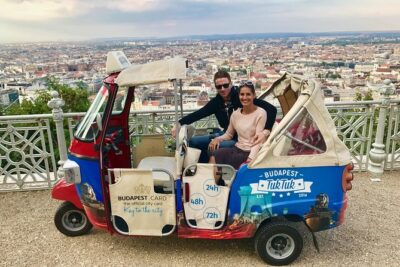
Walking Budapest is a lot. This silent electric tuktuk tour lets you cover major landmarks without the nonstop walking, and you can actually hear the guide. I especially liked Daniel Herczeg’s storytelling, from big monuments down to the small details that make Budapest feel real.
I also love the built-in photo breaks and short walkouts at key stops. You get time to step out, look around, and frame the views from smart angles instead of just passing by at speed.
One drawback to plan for: it’s only 2 hours, so some places are quick looks rather than full museum time, and the route can shift with traffic and weather.
In This Review
- Key highlights at a glance
- Why a silent electric tuktuk fits Budapest so well
- Starting at Oktogon 2: a quick orientation before the big sights
- Heroes’ Square and Vajdahunyad Castle: the city’s grand “welcome”
- Andrássy Avenue, the Opera House, and the House of Terror
- St. Stephen’s Basilica and Parliament: two icons, two vibes
- The Jewish Quarter circle: narrow streets, big atmosphere
- Crossing to Buda: Gellért, Rudas Thermal Bath, and castle-town drama
- Chain Bridge to Matthias Church and Fisherman’s Bastion
- What makes the $108 price feel fair (and when it won’t)
- Small comforts that add up: safety, weather help, and real suggestions
- Should you book this Budapest electric tuktuk tour?
- FAQ
- How long is the Budapest sightseeing tour by electric tuktuk?
- Where do we meet the tuktuk?
- Is the tour private?
- What language is the guide in?
- What are the main sights included?
- Is there time for photos?
- Is it really an electric, silent tuktuk?
- What should I bring?
- What happens if it rains?
Key highlights at a glance
- Silent, eco-friendly ride: A quiet electric tuktuk keeps the focus on your guide and the sights.
- Daniel Herczeg’s personal touch: Friendly, story-driven explanations and practical local recommendations.
- Photo-friendly route: Stops are timed so you can actually take pictures.
- Covers both Pest and Buda efficiently: You see the full city picture without backtracking.
- You notice the details: Small things you’d skip on foot often get pointed out.
- Weather-friendly comfort: On cold days, you may be offered extras like blankets or warmth.
Why a silent electric tuktuk fits Budapest so well
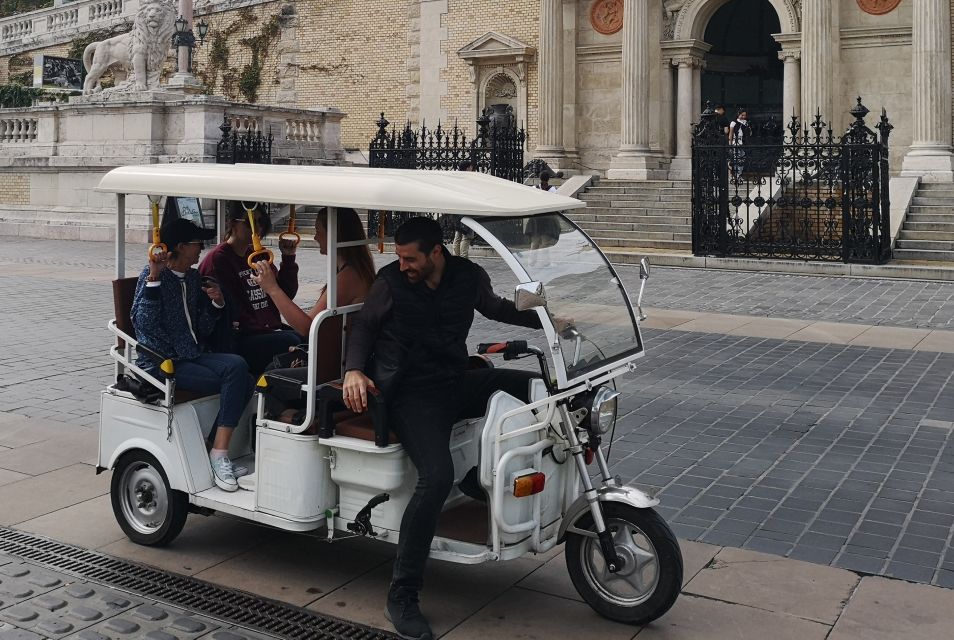
Budapest is split in two. Pest (the grand boulevard side) and Buda (the hill and castle side) feel like different cities. That means good walking—or good transportation. This electric tuktuk hits the sweet spot: you move fast enough to see a lot, but the ride stays calm and easy.
The real win is the quiet. Electric driving means the commentary stays clear as you roll past landmarks. You’re not yelling over engine noise, which matters when your guide is explaining why a building matters or what legend is tied to a spot.
And because the tuktuk is smaller, you may slip along areas that feel more direct than you’d get with bigger vehicles. A lot of crowds funnel onto foot routes. Here, you can often cruise through the “in-between” parts and still stop when the views are worth it.
You can also read our reviews of more tours and experiences in Budapest.



Starting at Oktogon 2: a quick orientation before the big sights

You meet at Oktogon 2, next to the tuktuk by the parking spots in front of K&H Bank. The point is simple: you start in an area that’s central enough to reach both sides of the river without wasting time.
From the jump, you’re set up to understand Budapest’s layout. The guide doesn’t just list monuments. You’ll get a sense of how Pest and Buda relate, how boulevards connect to squares, and where the city’s most photogenic angles usually are.
If you’re new to Budapest, this is a strong first-day move. It gives you reference points you can build on later, so your self-guided sightseeing feels smarter, not random.
Heroes’ Square and Vajdahunyad Castle: the city’s grand “welcome”
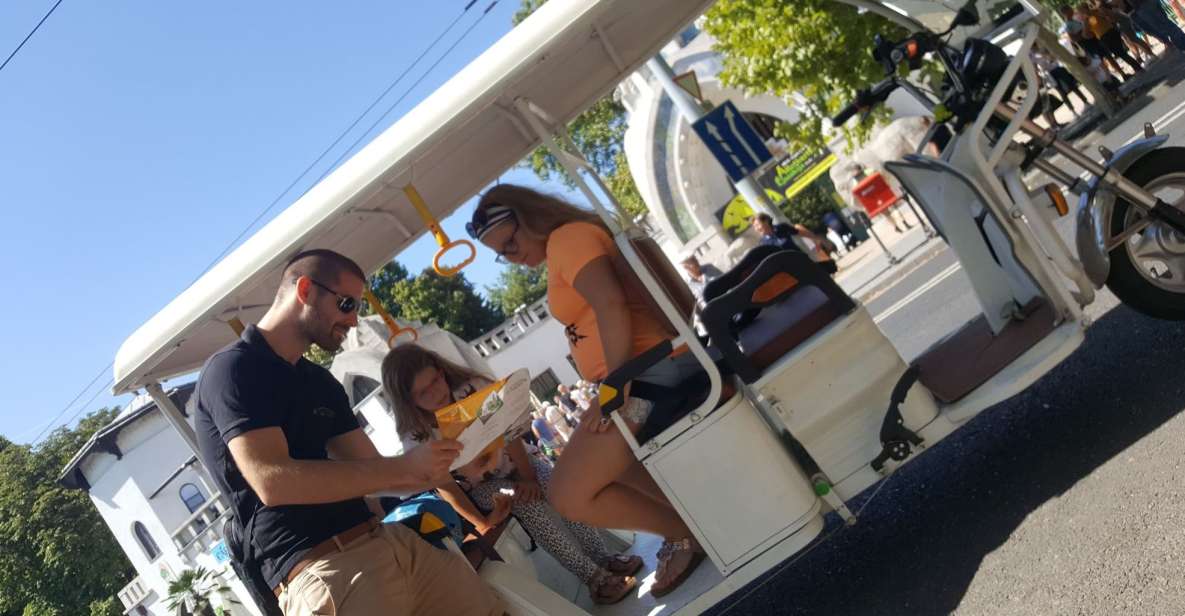
The tour commonly starts with Heroes’ Square, then works through the area around the Fine Art Museum, the Hall of Art, and Vajdahunyad Castle. This zone is where Budapest signals that it’s not just pretty. It’s proud.
Heroes’ Square works on two levels. One: the scale is impressive, and it’s easy to capture wide shots. Two: the statues and design are designed to tell national stories, not just decorate a plaza. The guide’s job here is to connect what you’re seeing to why those choices were made.
Vajdahunyad Castle (even when you’re viewing it for a short time) is a great contrast point. It feels like a “castle storybook” moment, and it helps you understand why the Buda side feels so dramatic later on.
Photo tip for this stretch: aim to capture the square first, then spend your attention on the lines and symmetry around the castle area. That’s where the design reads best in a quick visit.
Andrássy Avenue, the Opera House, and the House of Terror
Next comes the wide, formal look of Pest: Andrássy Avenue and key stops along the way. You’ll see the Hungarian State Opera House, and it’s one of those landmarks where even a short viewing window can still feel meaningful if you understand what you’re looking at.
Then there’s the House of Terror. This stop is heavier than the opera-side beauty, and the guide’s stories matter here. You’ll likely want a moment to absorb the atmosphere, not rush through it like it’s just another photo stop. The quiet tuktuk ride helps because the shift in mood feels clearer as you move from one kind of site to the other.
A practical note: because this is a short, time-limited tour, you’re not promised a long “deep visit” inside every site. You’re there to see, understand, and orient yourself, then decide what to explore later.
St. Stephen’s Basilica and Parliament: two icons, two vibes
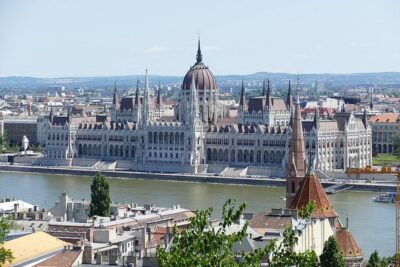
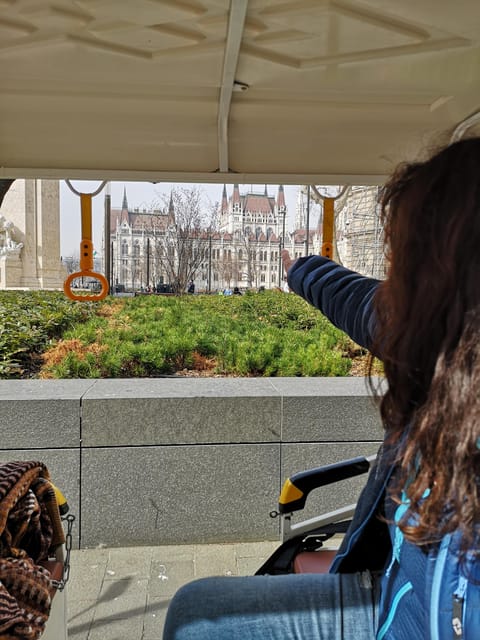
You’ll pass St. Stephen’s Basilica and then reach the Hungarian Parliament Building. These are the two Pest giants most first-time visitors want on camera, and they also represent two different tones of Budapest.
St. Stephen’s Basilica reads as spiritual and soaring—an easy win for photos because the building catches light well from multiple angles. Parliament feels political and monumental. Even when you only get a brief look, it’s the kind of structure that benefits from context: why it looks the way it does, and what era it represents.
If you care about architecture, you’ll appreciate the way the guide points out details as you ride. People often overlook small design elements when they’re focused on getting the perfect wide shot. The commentary helps you notice.



The Jewish Quarter circle: narrow streets, big atmosphere
After the Parliament area, the tour typically goes into a circle around the Jewish Quarter. This is one of the most atmospheric parts of the route because the streets tighten up and the city feels more lived-in.
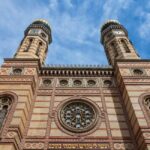
You’ll ride through the narrow, small streets where Budapest’s day-to-day character shows up, and you’ll pass Dohány Street Synagogue (the area’s landmark at Dohány Street Synagogue, near the Great Synagogue complex). Even if your time on foot is limited, the views from the route are enough to understand the neighborhood’s layout.
This stretch is also great for your sense of contrasts. You’re moving from grand civic buildings to streets that feel intimate. The guide’s legend-and-history style approach helps you connect the atmosphere to the people and the eras that shaped the neighborhood.
Photo tip: in tight streets, wide shots can be hard. Try angles that include street lines or doorway details. Those often look more “Budapest” than a distant skyline photo.
Crossing to Buda: Gellért, Rudas Thermal Bath, and castle-town drama
Then you head toward the Buda side. Along the way, the route can include the Gellért Hotel area and Rudas Thermal Bath. These stops give you a different kind of Budapest energy: hotel-luxury views, then the bath-culture world.
Rudas Thermal Bath is especially useful on a sightseeing tour because it anchors the “Budapest is more than monuments” idea. You get a sense of how the city’s identity connects to thermal baths and everyday ritual—not just what’s painted on postcards.
Once you move closer to the Castle-bazaar and the Buda Castle area, the topography starts doing its job. You feel the city rise. You’re looking at the river valley from above, which changes everything about how you see the river and bridges.
If you’re the kind of person who loves viewpoints, this is where the tour starts paying off visually. Even short stops can be worth it because the perspective does half the storytelling for you.
Chain Bridge to Matthias Church and Fisherman’s Bastion
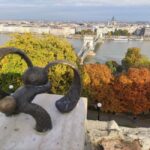
You’ll see the Chain Bridge and then continue into the castle grounds, including Buda Castle, Matthias Church, and Fisherman’s Bastion. This is the “Budapest postcard” zone, but the guide’s commentary helps you notice why it’s postcard-perfect.
The Chain Bridge is a clear orientation moment. It’s the visual link between Pest and Buda, so it helps you place everything you just saw. And the ride position can make photos easier than stopping in pedestrian traffic.
Matthias Church and Fisherman’s Bastion are the big visual finale. Even with short time windows, these spots can be well worth it because you’re getting both architectural beauty and the layered views over the Danube.
Keep your expectations realistic, though: a 2-hour private tour can’t replace a full day around the castle district. Think of it as a fast, well-guided “best-of” that shows you where to go back later.
What makes the $108 price feel fair (and when it won’t)
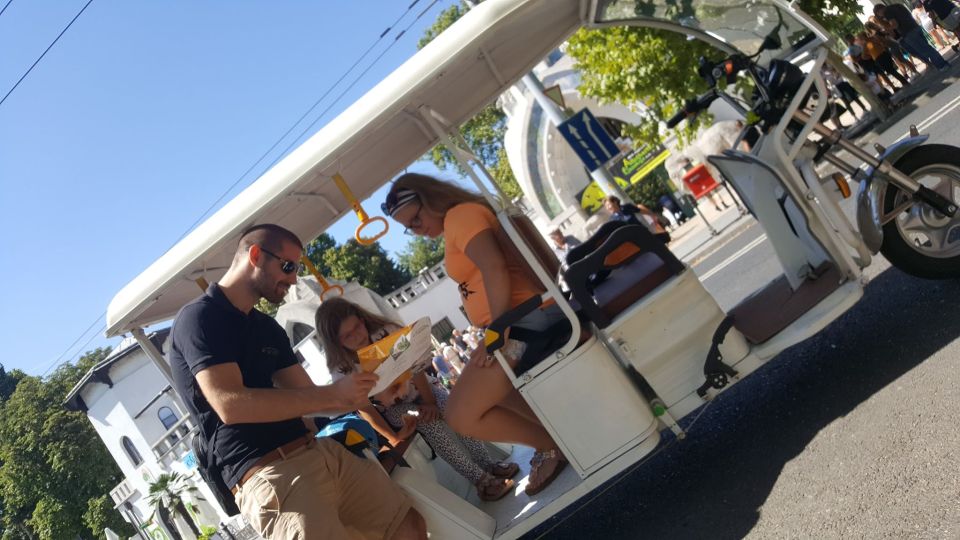
At $108 per person for 2 hours, you’re paying for three things: transportation that saves time and effort, a guide who explains what you’re seeing, and access to photo stops without the stress of planning.
For the landmarks covered—Heroes’ Square, Opera-area sights, Parliament, Jewish Quarter streets, Rudas Bath area, and then the castle district—this can feel like good value if you’re short on time or tired from walking. Budapest’s spread is the key factor here. If you tried to do this on foot, you’d spend far more time moving between areas, and you’d likely miss some of the “in-between” details.
Where it might feel less like a bargain: if you’re the type who already knows Budapest well and wants only a single neighborhood deeply. In that case, you might prefer a longer, more focused tour or a self-guided route.
But if you want a strong first impression, plus a route that’s timed for photos and understanding, the cost makes sense.
Small comforts that add up: safety, weather help, and real suggestions
Several touches show up again and again: the tuktuk ride feels safe, and it’s designed for easy listening. People often mention how smooth the ride is and how the electric motor keeps the guide audible.
On cold or nasty weather days, you might get help to stay comfortable. There are mentions of blankets, and even warmth like heat patches, plus hot drinks in some conditions. That kind of “we’ll handle the weather” attitude matters because Budapest can swing from pleasant to uncomfortable fast.
One more thing I really like: the guide doesn’t stop at facts. Daniel Herczeg tends to share restaurant, pub, and bar recommendations, and he may follow up with an email list of suggestions after the tour. That turns the tour from a “see sights” service into a “make your trip better” service.
Should you book this Budapest electric tuktuk tour?
Book it if you want a quick, well-paced overview that covers both Pest and Buda, includes major landmarks plus neighborhood vibes, and comes with practical tips you can use right away. It’s also a great pick for first-timers who don’t want to spend their vacation feeling like they’re commuting.
Skip (or pair with something else) if you already have a tight plan for deep museum time. A 2-hour window is best for orientation, photos, and stories—not for long ticket lines or full interior visits.
If you’re unsure, my advice is simple: treat this as your “map in motion.” Do it early, then come back later to the places that stuck with you.
FAQ
How long is the Budapest sightseeing tour by electric tuktuk?
It lasts about 2 hours.
Where do we meet the tuktuk?
The meeting point is Oktogon 2, next to the tuktuk by the parking spots in front of K&H Bank.
Is the tour private?
Yes. It’s listed as a private group.
What language is the guide in?
The tour has a live guide in English.
What are the main sights included?
You’ll see major landmarks such as Heroes’ Square, House of Terror, Hungarian State Opera House, St. Stephen’s Basilica, Parliament, Dohány Street Synagogue, Rudas Thermal Bath, Chain Bridge, Buda Castle area, Matthias Church, and Fisherman’s Bastion (with the exact order depending on traffic and weather).
Is there time for photos?
Yes, there is time for photo stops during the tour.
Is it really an electric, silent tuktuk?
Yes. It’s described as an eco-friendly, silent electric tuk tuk.
What should I bring?
Bring weather-appropriate clothing.
What happens if it rains?
If it’s rainy, the tour can be postponed to another time or day.