REVIEW · COOKING CLASSES
Hungarian Cooking Class with Iconic Dishes
Book on GetYourGuide →Operated by Cooking Hungary - Culinary Experiences · Bookable on GetYourGuide
Paprika teaches Budapest fast. In this small-group Hungarian cooking class in central Budapest, I love how you cook a real Hungarian classic beside a pro chef, while Marti’s stories turn dinner into something you can actually remember and repeat at home. You also get to work in a cozy studio setting, not a food-factory classroom, with bites and drinks flowing while you learn. One thing to consider: you’ll be hands-on from the start, so if you just want watching, this won’t feel like the right fit.
What I like most is the combination of practical cooking (you leave with recipes and kitchen tips) and culture that feels personal, not scripted. Marti brings in customs and history as you cook, including the Hungarian Jewish thread that shows up in her approach to food and family recipes. The only drawback is simple: with a menu of choices and one dish per person, you may wish you could cook two things instead of one.
In This Review
- Key things to know before you book
- Budapest Hungarian cooking class: more than a meal
- Your menu choices: what you can cook and why it matters
- Goulash soup (beef, celery)
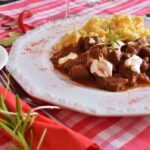
- Chicken paprikash with small dumplings
- Stuffed cabbage (pork, dairy, egg)
- Savoury meat crêpe – Hortobágy style (dairy, egg, flour)
- How to choose quickly
- Inside the cosy studio apartment and meeting Marti
- The flow of your 2.5-hour evening (and what to watch for)
- 1) Arrive, settle in, and get oriented
- 2) Cooking time with real guidance
- 3) Tasting Hungarian bites while you cook
- 4) Drinks and a proper sit-down moment
- 5) Wrap-up: recipes and kitchen tips you can use immediately
- Hungarian drinks, bites, and that homemade advantage
- Chef tricks and how to bring this home
- Value and price: what $102 buys you in real terms
- Who this Hungarian cooking class suits best
- Should you book this Hungarian cooking class?
- FAQ
- How long is the Hungarian cooking class?
- How many people are in the group?
- What dishes can I choose to cook?
- Are dietary needs accommodated?
- Where does the class start?
- What’s included for drinks and food?
Key things to know before you book
- Small group (up to 8) keeps the pace relaxed and the chef’s attention close.
- Central Budapest studio apartment setting feels local and quiet, not like a commercial tour stop.
- Choose one iconic dish from goulash, chicken paprikash, stuffed cabbage, or Hortobágy-style meat crêpe.
- Homemade Hungarian bites and drinks come during the session, including wine and soft drinks.
- Take-home recipes and kitchen tips so you can recreate the dish for family or friends.
- Dietary options handled on request including vegetarian, gluten-free, lactose-free, and nut allergy needs.
Budapest Hungarian cooking class: more than a meal
There’s something wonderfully grounded about cooking where the food comes from. In this 2.5-hour session, you’re not just learning what Hungarian classics are called; you’re doing the work that makes them taste right. With a small group limited to 8, you get a calmer rhythm than the big “sit and listen” type of experience.
I also like the vibe: it happens in a private cozy studio apartment in the centre of Budapest, which matters more than you’d think. You can focus on chopping, stirring, and tasting without the buzz of a busy restaurant dining room. The apartment setup also keeps the whole evening feeling human—more kitchen chat, less performance.
One more practical point: the experience is designed around one included iconic dish (from four choices). That’s efficient for the time you have, but it also means you’ll need to make a real decision when you book.
You can also read our reviews of more cooking classes in Budapest



Your menu choices: what you can cook and why it matters
You’ll pick one main dish from four options, and that’s what you’ll cook during your hands-on time. Each option has a different personality, so think about what kind of Hungarian comfort food you want to master.
Goulash soup (beef, celery)
Goulash is the headline dish for a reason. If you want something hearty, paprika-forward, and ideal for batch cooking, goulash soup is a smart choice. You’ll get practice with building flavor and cooking a soup that feels thick, rich, and satisfying without needing fancy equipment at home.
Why it’s valuable: once you understand the core method, you can adapt it—more vegetables, different meat, or even a lighter version later.
Chicken paprikash with small dumplings
Chicken paprikash is where Hungarian flavors feel both comforting and delicate. This version comes with small dumplings made with dairy, egg, and flour, so you’re not only dealing with the sauce—you’re also making a key component that soaks up that flavor.
Why it’s valuable: learning dumplings changes your whole cooking toolkit. If you’ve only ever bought dumplings or avoided them because they seemed too hard, this is a chance to demystify them.
Stuffed cabbage (pork, dairy, egg)
Stuffed cabbage can look intimidating, but it’s also one of those dishes that rewards learning the rhythm—prep, fill, roll, and cook until it becomes tender and cohesive. This option includes pork plus dairy and egg in the mix.
Why it’s valuable: you’ll come away with a method you can use for other stuffed-roll variations, even when the filling changes.
You can also read our reviews of more tours and experiences in Budapest




Savoury meat crêpe – Hortobágy style (dairy, egg, flour)
This one gives you a different kind of Hungarian comfort: crêpes, seasoned meat, and a style associated with Hortobágy traditions. Since the ingredients list includes dairy, egg, and flour, you’ll be working with dough or batter as part of the dish.
Why it’s valuable: it’s a great option if you want to impress with something that feels a bit more special than soup or cabbage rolls.
How to choose quickly
If you’re deciding last minute, choose based on your comfort level:
- Want the easiest win? Pick goulash.
- Want to learn more technique? Paprikash with dumplings is a strong choice.
- Want a family-style classic? Stuffed cabbage fits the bill.
- Want a dish that feels “more than everyday”? Pick the Hortobágy-style crêpe.
Inside the cosy studio apartment and meeting Marti
The class starts at Flavors of Budapest, Király u. 77, 1077, and the cooking happens in the central Budapest studio apartment included with the experience. In other words, you’re not wandering through a market or hopping between far-away spots. You’re getting focused time in a real working space.
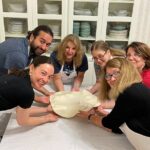
The host, Marti, is the heart of the evening. She brings a warm, home-feeling hosting style—chatty, organized, and ready to explain things clearly. One detail I really appreciate from how this is described: while the stories cover Hungarian customs, culture, and history, they don’t feel like you’re being lectured. They come out naturally while you cook.
Marti also uses family-style sources for recipes. The approach includes dishes drawn from her husband’s grandmother’s books, and that grandmother is still alive to teach. That matters because you’re not only learning recipes—you’re learning the logic behind them: why certain steps exist and how the food should feel when it’s finished.
A local note from the way the experience is set up: the session isn’t run from her private living space, because local rules don’t allow offering cooking classes from her home. What you get instead is a purpose-used studio that keeps things quiet, stylish, and central. That balance is part of the value here: it’s authentic without being chaotic.
The flow of your 2.5-hour evening (and what to watch for)
Even without a minute-by-minute schedule, the structure is straightforward. You’ll move through a cooking-and-eating rhythm that keeps you involved, not stuck waiting.
1) Arrive, settle in, and get oriented
You’ll meet at the start point and then get into the studio setting where the group gathers. Since the group is limited to 8 participants, you’ll get time to ask questions early—about your chosen dish, ingredients, or substitutions.
Practical tip: when you arrive, mention your dietary needs right away if you have them. The experience states that needs like vegetarian diets and gluten-free, lactose-free, or nut allergies can be handled with advance notice.
2) Cooking time with real guidance
Once the cooking begins, you’re hands-on with your chosen iconic dish. Expect coaching on how to handle the core ingredients and techniques that make Hungarian food taste the way it does. This is where the class earns its name as a cooking experience, not just a meal.
The best part is that you learn the “why” behind small steps through stories and tips. If you’ve ever made goulash or paprikash at home and wondered why it didn’t taste the same, this is where you start fixing that.
A small consideration: with a 2.5-hour window, the pace can be active. You’ll likely do the parts you need to feel competent by the end, but it’s not a slow, leisurely cooking club.
3) Tasting Hungarian bites while you cook
During the session, you’ll get Hungarian bites and drinks while you’re cooking. This keeps energy up and helps you connect the flavors you’re building in the pot with what’s being served alongside.
This also makes the class feel like a real evening, not a workshop where everyone finishes and then eats later. You’re tasting as you learn.
4) Drinks and a proper sit-down moment
Food is paired with drinks. Included are wine (white and/or red), two types of homemade soft drinks, and mineral water (still and/or sparkling). Even if you don’t drink wine, the homemade soft drinks are a nice touch because they keep the experience feeling Hungarian rather than generic.
The dinner moment is also when the conversation typically clicks into place. Marti is described as being able to make you feel at home and chat like old friends, and that matches what the format seems built for: you cook together, then you share the result.
5) Wrap-up: recipes and kitchen tips you can use immediately
At the end, you’ll receive all recipes and useful kitchen tips to take home. That’s a key value point. Cooking classes are fun in the moment, but the best ones help you repeat the dish within a week or two, while the steps are still fresh in your mind.
Hungarian drinks, bites, and that homemade advantage
One reason this class feels different is that the included food and drink isn’t treated like an afterthought. The experience lists a farmer’s plate plus Hungarian bites during the session, and it clearly emphasizes homemade drinks.
From the way it’s described, the soft drinks are home-made, and the wine component comes with a host who knows her stuff. Marti grew up in a wine region, and the experience notes that she knows Hungarian wines well. In practice, that can mean you’ll get simple guidance for what you’re drinking and why it pairs naturally with Hungarian food.
If you like your travel days to include tastings that go beyond a standard restaurant glass, you’ll appreciate this. You get to taste as part of the cooking flow, which helps the flavors stick.
Chef tricks and how to bring this home
A good cooking class doesn’t just teach a recipe. It teaches you to cook with less guesswork. Here, the promise is cooking tips, tricks, and cultural insights, plus take-home recipes.
What you can expect to learn in the practical sense:
- how to keep the texture right (especially relevant for dumplings and stuffed cabbage)
- how to manage seasoning so paprika-style flavors land where they should
- how to coordinate timing between components (crêpe elements, dumpling prep, soup thickness)
You’ll also get ingredient guidance. The class highlights authentic ingredients and traditional customs, which typically means you’re not guessing at what to buy later. You’ll have a reference in the recipes and tips you take home.
A quick reality check: you may not recreate every detail exactly the first time, especially if you’re shopping outside Hungary. But the value here is that you’re learning methods and decision points, not only a list of ingredients.
Value and price: what $102 buys you in real terms
At $102 per person for about 2.5 hours, this is not a budget activity. But it also isn’t priced like a “meal-only” experience. You’re paying for:
- a professional chef-led, hands-on cooking session
- small-group attention (up to 8)
- one full iconic dish cooked by you
- all ingredients, kitchen tools, and equipment
- drinks including wine and homemade soft drinks, plus mineral water
- Hungarian bites during the session
- take-home recipes and kitchen tips
When you look at it this way, the cost starts to make sense. You’re not just buying dinner; you’re buying instruction, included ingredients, and a follow-up tool kit for cooking at home.
One consideration: because only one dish is included, you’ll get the best value if you’re choosing a dish you genuinely want to learn—not just the safest option. Pick based on what you’ll actually cook again.
Who this Hungarian cooking class suits best
This experience fits best if you:
- like hands-on activities more than listening tours
- want a Budapest food experience that feels personal and central
- care about learning the stories behind cooking, including Hungarian customs and culture
- want a take-home result, not just a one-night meal
It may feel less ideal if you’re:
- looking for a passive, short, sightseeing-style evening
- traveling with someone who hates cooking steps and prep work
- hoping to taste multiple dishes in one sitting without cooking them
Still, the format is designed to keep you involved without turning it into a marathon. If you can chop, stir, and follow simple instructions, you’ll do well.
Should you book this Hungarian cooking class?
If you want a night in Budapest that feels like a real home-kitchen experience with an expert host named Marti, I think this is a strong booking choice. The mix of cooking one iconic dish, getting bites and drinks during the process, and leaving with recipes and tips is the kind of value that lasts beyond your trip.
Book it especially if you’re the type who loves goulash, paprikash, stuffed cabbage, or crêpes and you want to learn how to make them yourself. The only reason not to book is if you prefer sightseeing alone or you don’t want to roll up your sleeves.
FAQ
How long is the Hungarian cooking class?
The experience lasts about 2.5 hours.
How many people are in the group?
The group is small and limited to 8 participants.
What dishes can I choose to cook?
You can choose one of four options: goulash soup, chicken paprikash with small dumplings, stuffed cabbage, or a savoury meat crêpe in the Hortobágy style.
Are dietary needs accommodated?
Yes. Vegetarian options and requests like gluten-free, lactose-free, and nut allergy needs can be handled if you let the organizer know.
Where does the class start?
The meeting point start is Flavors of Budapest, Király u. 77, 1077 Hungary, and the activity ends back at the meeting point.
What’s included for drinks and food?
You’ll cook one iconic dish, and you’ll also have tasting with Hungarian bites plus drinks including wine (white and/or red), two types of homemade soft drinks, and mineral water (still and/or sparkling), along with a farmer’s plate.