REVIEW · FOOD & DRINK
Budapest: Essentials of Hungarian Wine Tasting Class
Book on GetYourGuide →Operated by Taste Hungary · Bookable on GetYourGuide
Hungarian wine is fun when someone makes it make sense. This 2-hour, sommelier-led class gives you a guided tasting of 8 wines plus local food pairings, all in one easy evening. I liked the honest, approachable pacing and the way you taste enough wines to actually compare styles, not just sip one and move on. I also love that you get tasting sheets with a map of Hungarian wine regions, so your notes don’t vanish the next morning. One thing to consider: if your group chat gets loud, the room can get harder to hear, so pick a seat where you can focus.
The venue matters too. It’s a shop/tasting room near the National Museum, and the setting includes a brick-arched wine cellar vibe that feels like you’re stepping into a local secret. The wines are paired with cheese and charcuterie, so you’re not stuck tasting on an empty palate or guessing what the flavors are supposed to be. The only real drawback is that you may not get time for extra swapping between wine types, like switching glasses between whites and reds, so bring a little patience if you’re picky about glassware.
You’re not expected to know Hungarian wine going in. The goal is simple: by the end, you should understand where Hungary’s grapes come from, why they taste the way they do, and which bottles you’ll want to buy afterward.
In This Review
- Quick hits before you go
- Entering Taste Hungary’s tasting room near Budapest’s center
- The 8-wine course: from aperitif to Tokaj Aszú sweet finale
- What you actually learn about Hungarian wine (without getting lectured)
- The role of the sommelier: friendly hosts who translate regions into taste
- Cheese, charcuterie, and local flavors that keep the tasting honest
- Glassware quirks: a small issue in a well-run format
- Price and value: what $65 buys you in real terms
- Getting there and fitting it into your Budapest day plan
- Who should book this class (and who might not)
- Book it or skip it?
- FAQ
- How many wines are included in the class?
- How long is the Budapest Hungarian wine tasting class?
- Where do I meet for the tasting?
- Is the tasting offered in English?
- What’s included besides wine?
- What ages are allowed to participate?
- Is there free cancellation?
- Can I reserve now and pay later?
- What if the minimum number of guests isn’t met?
- What time does the tasting usually run?
Quick hits before you go
- 8 wines in 2 hours: expect an aperitif opener, then a run through whites and reds, with a sweet Tokaj Aszú finish.
- Sommelier-led and English: hosts are described as engaging and very good at translating regions, soils, and styles into plain language.
- Food pairings included: local Hungarian flavors like cheese and charcuterie show up alongside the pours.
- Tasting sheets and region map: you’ll leave with notes, not just a buzz.
- Close to public transit: the tasting table is near Astoria and Kálvin tér, plus tram stops that make it easy after dinner.
- A small, social evening: the format is built for chatting, especially between pours, not for rushing through.
Entering Taste Hungary’s tasting room near Budapest’s center
You meet at The Tasting Table Budapest at Bródy Sándor utca 9, District VIII. It’s about a 5-minute walk from both Astoria (M2) and Kálvin tér (M3), and the trams that stop nearby make it a low-stress plan if you’re already sightseeing. You’ll also be close to the National Museum, which helps if you like building your evening around landmarks.
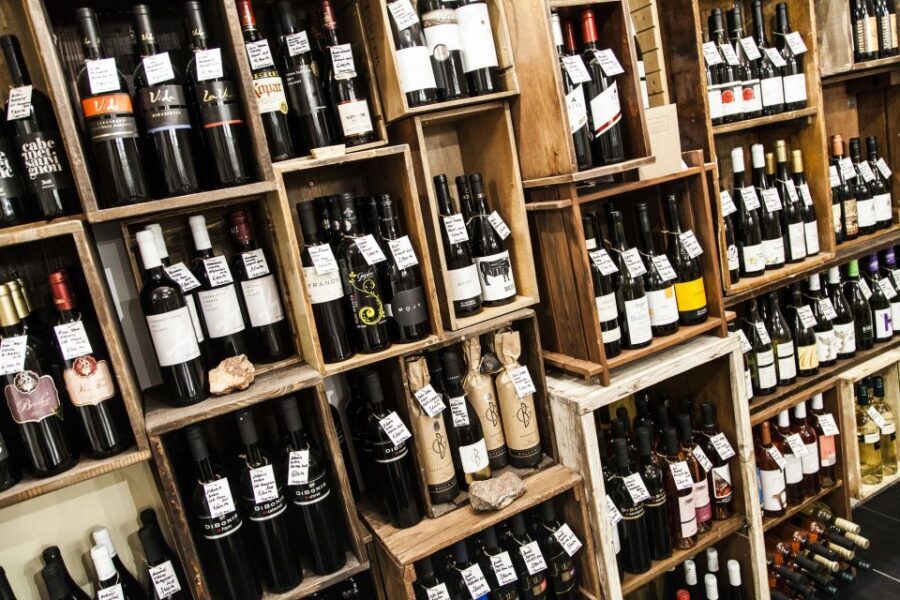
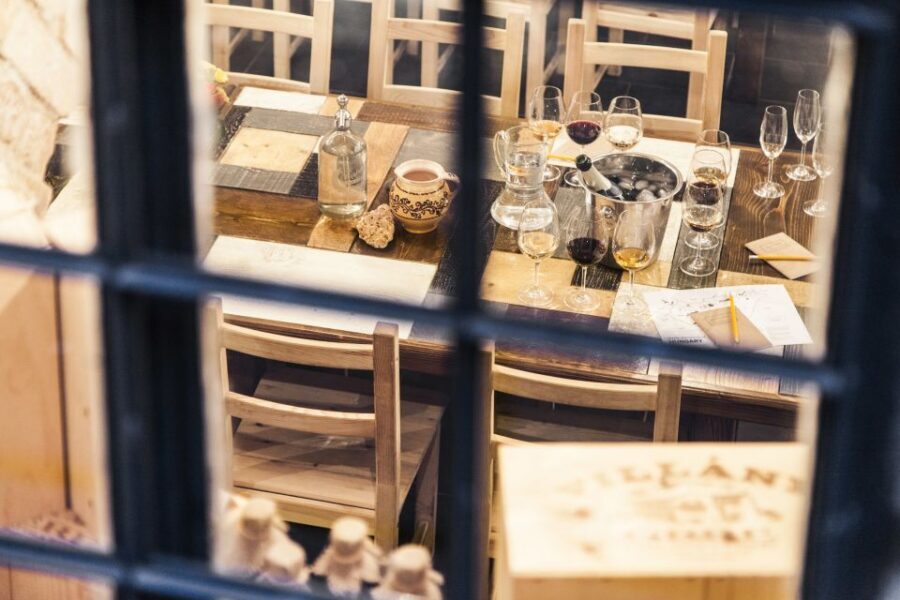
The setting feels like a real wine shop rather than a sterile classroom. Several people highlight a brick arched wine cellar atmosphere, plus an inviting layout where you can talk as the evening moves along. That matters because this kind of tasting works best when you’re comfortable enough to ask, compare, and correct your own assumptions as you go.
This is an English-hosted evening tasting, offered most nights between 6:00 PM and 8:00 PM. Since it runs for 2 hours, it fits nicely into a classic Budapest rhythm: sightseeing early, then settle in for a guided dinner-like tasting that isn’t a full restaurant commitment.
You can also read our reviews of more food & drink experiences in Budapest


The 8-wine course: from aperitif to Tokaj Aszú sweet finale
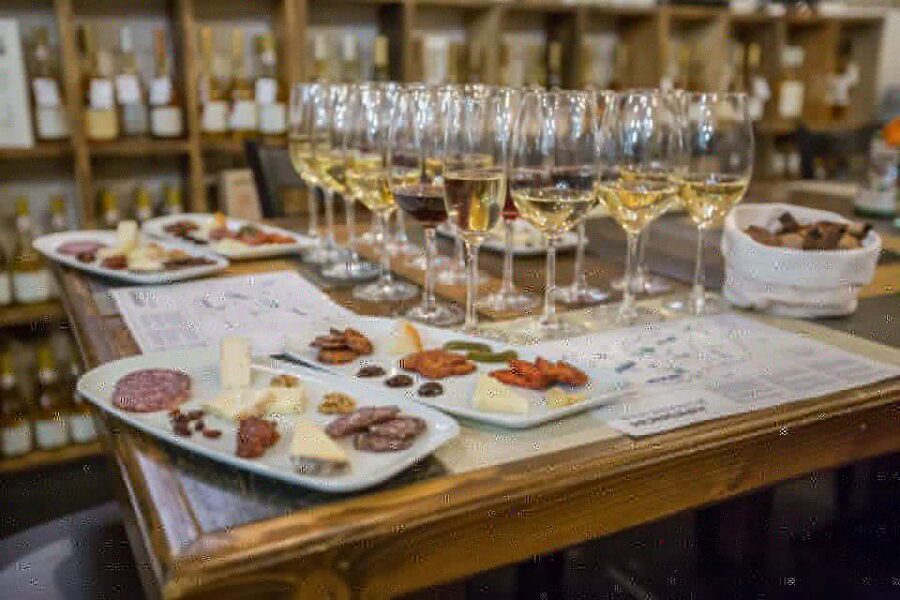
The heart of the experience is the 8-wine flight, and the order is part of the teaching. It typically starts with an aperitif, then moves through whites and reds (and you might see rosé in the mix depending on that evening’s selection). The final stop is the one Hungary fans wait for: a sweet, botrytised Tokaj Aszú wine.
Why the order matters: if you start with lighter styles and climb toward sweeter, richer wines, your palate resets more naturally. You’ll also notice how Hungarian winemaking expresses itself differently across grapes and regions, because you’re tasting a sequence rather than random picks.
A lot of the enjoyment here comes from the selection itself. People describe the wines as high quality, with plenty of variety and careful pairing choices. There’s also a theme of small producers and direct sourcing from growers, which tends to make the tasting feel less like a marketing pitch and more like a genuine snapshot of what’s being made now.
Timing-wise, you’re not racing. The structure is “taste, learn, taste, repeat,” and the sommelier keeps the room moving. More than one person notes generous pours, so if you’re the type who prefers subtle sips, you might want to pace yourself with water and bread.
What you actually learn about Hungarian wine (without getting lectured)
This class is built as a crash course, not a textbook. Over the 2 hours, the sommelier guides you through Hungary’s wine story: the history of winemaking, key regions, what the major grapes are like, and the styles that make Hungarian wine feel distinct.
The practical win here is that you get a framework. Hungary can sound confusing at first because it has grape names you’ve never seen and regions you’ve heard only in passing. But a well-run tasting breaks that down into understandable chunks: what to expect from certain areas, how soils and climate influence flavor, and why certain wines taste the way they do.
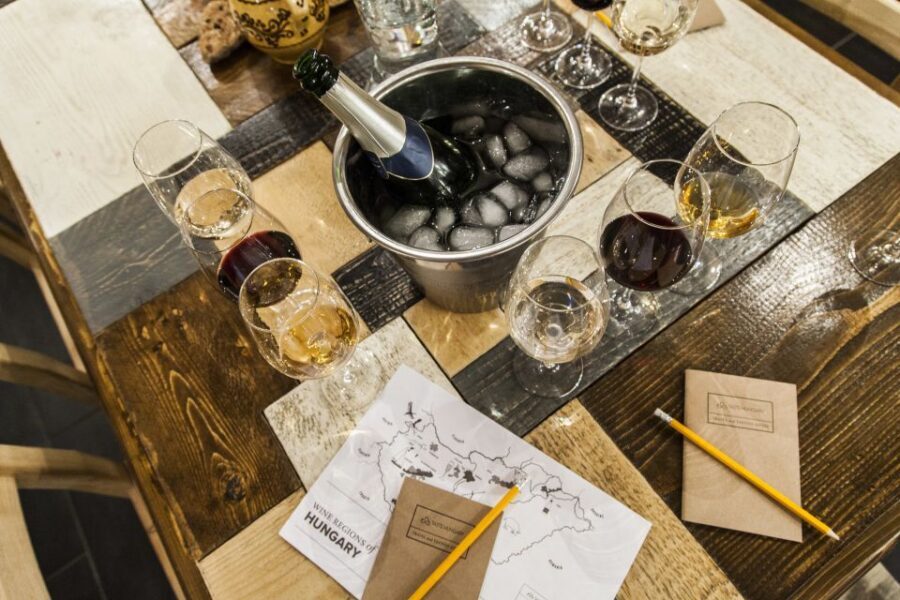
I also like how the tasting sheets and map reduce the usual problem of forgetting everything. After a couple of pours, it’s easy to lose track of which note belongs to which wine. Having a written guide means you can replay the evening in your head the next day and remember what you liked and why.
That said, there’s one trade-off. One person found the information flow a bit heavy and hard to hold onto, even while enjoying the wines. So if you’re the type who learns best by tasting and not by listening, you may need to focus on your own comparisons rather than trying to capture every detail.
The role of the sommelier: friendly hosts who translate regions into taste
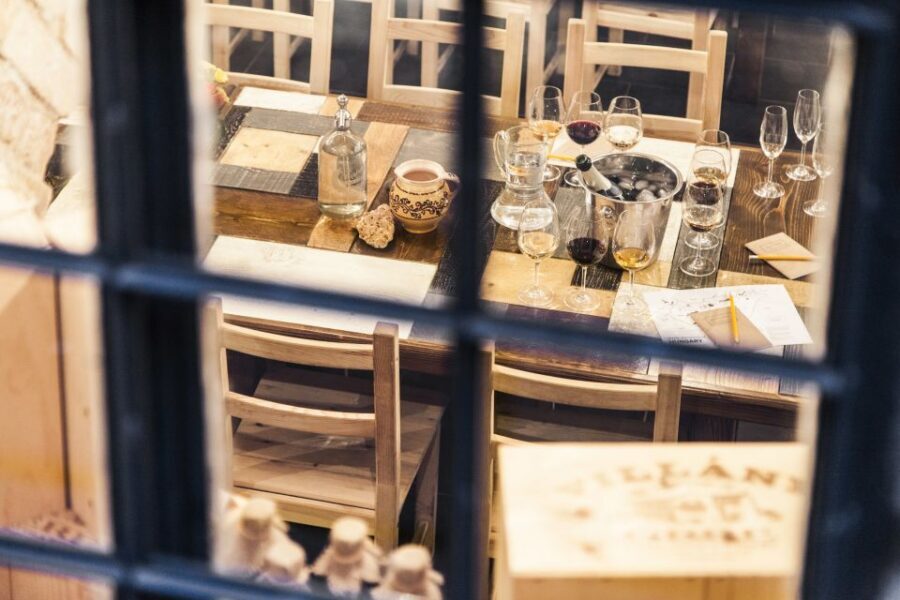
The class lives or dies on the sommelier. The good news: many people call out hosts who are engaging, entertaining, and genuinely passionate about Hungarian wine.
Names that show up in the experience include Somali, Tomas, Carlos, Christian, Nikki, Sebastian, and John. You might meet one of these guides, or you might get another English-speaking sommelier, but the common thread in what you’re paying for is clear: someone who can explain the “why” behind each wine without making you feel out of your depth.
A few practical details show up in feedback too. Several people mention the sommelier creating a friendly vibe so the group mixes naturally between pours. And others note how knowledgeable the host is about both Hungarian history and wine, which helps when you want context that isn’t just flavor descriptions.
If you’re sensitive to noise, watch where you sit. One person mentioned it was hard to hear at points because people were talking continuously. In a social tasting, you want conversation, but you also want the guide’s explanations. Pick a spot that gives you a clear line toward the host.
Cheese, charcuterie, and local flavors that keep the tasting honest
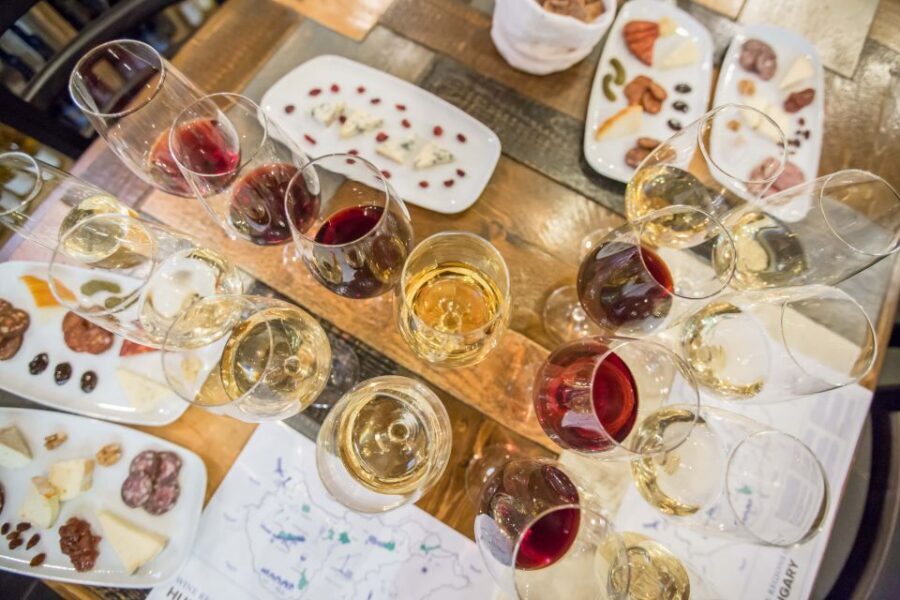
You’re not just drinking wine. You get food pairings that match the pours, including local Hungarian flavors. Most feedback highlights cheese and charcuterie boards as a major part of why the evening feels like more than a quick tasting.
The practical advantage is that food keeps the tasting from turning into a one-note mash. If you’re sampling 8 wines, some of which can be intense, pairing helps you stay engaged and notice differences instead of just tasting alcohol and sweetness. Several people say it was enough to feel like dinner, which makes the evening good value for your time.
Bread shows up in the descriptions too, along with pairings that include things like pumpkin seed oil in at least one account. That’s a reminder that Hungarian food flavors can be earthy and nutty, which often plays nicely with both whites and reds.
One person did wish there were more “munchies” with the wine as the pours continued. So if you arrive hungry and you’re sensitive to pacing, consider having a light snack before you go. The food is there, but this is still a tasting format.
You can also read our reviews of more wine tours in Budapest



Glassware quirks: a small issue in a well-run format
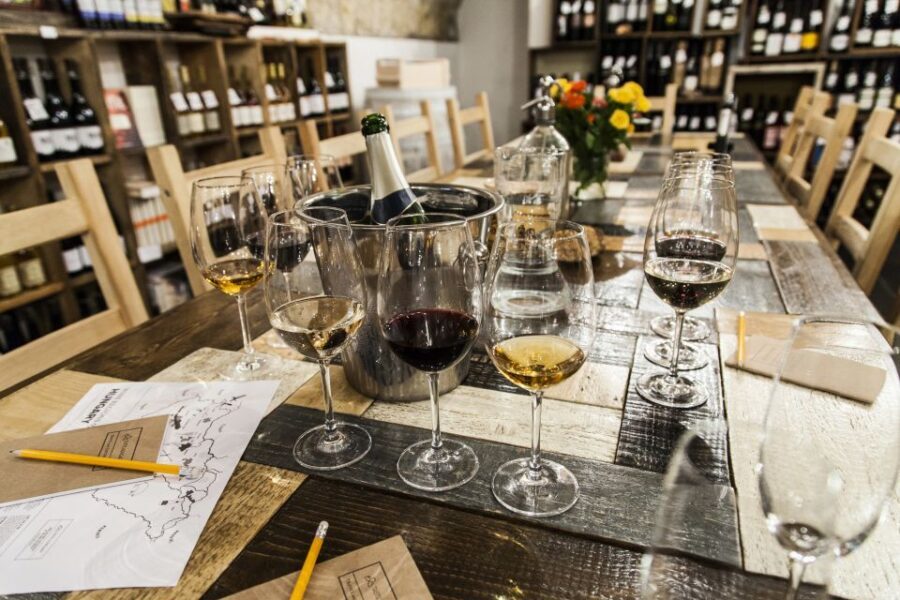
One reviewer suggested a simple improvement: switching glasses between whites and reds. That’s a fair point because it helps you keep aroma clean and separate. If you’re very picky about how the tasting is served, you might notice the lack of glass swapping.
Here’s the balanced view: even without perfect glass management, the experience still seems to focus on pairing, explanation, and variety. Most people report generous pours and strong wine quality, so the overall experience doesn’t fall apart because of glassware logistics.
If you’re concerned, you can manage it yourself. Take your time, smell the wine, and keep water nearby so your palate doesn’t get muddied between styles.
Price and value: what $65 buys you in real terms
At $65 per person for 2 hours, this isn’t a budget pour-and-go tasting. But you’re also paying for a guided experience with a real structure: 8 wines, food pairings, mineral water, and take-home tasting sheets with a region map.
The value equation looks strong if you want three things in one evening:
- enough wine to learn what Hungary tastes like
- enough food to make comparisons enjoyable
- a sommelier to connect it to regions and grapes so your next purchase makes sense
Several people call it a worthwhile way to get educated quickly, including for people who don’t consider themselves wine experts. Also, the pours sound generous, which matters when you’re paying for both the learning and the tasting.
There’s another value angle people mention: you can often buy bottles afterward, and some attendees return to purchase or even ship wine home. Even if you don’t plan to buy, knowing which bottles you actually liked makes the class feel more like an education than a one-time activity.
Getting there and fitting it into your Budapest day plan
This class is located in central Budapest in District VIII, close to two metro lines (Astoria and Kálvin tér) and tram stops that stop nearby. If you’re walking around the National Museum area, this is an easy detour without needing complicated transport.
The start window is mostly evenings, 6:00 PM to 8:00 PM, so it works as:
- an early dinner replacement
- a first Budapest activity that sets your tastes and curiosity up for the rest of your trip
- a calm indoor plan when the weather turns
Because the group vibe is social, plan for a relaxed evening where you’ll have time to chat between pours. If you have a hard deadline later that night, you might want to choose a start time that gives you buffer. Some people report their session running a bit longer due to conversation and extra chatting.
Who should book this class (and who might not)
If you want a short, guided way to understand Hungarian wine, you’ll likely love this. It’s especially good for:
- wine-curious travelers who want more than a drink ticket
- people who like learning through tasting rather than reading
- anyone who wants to meet others in a relaxed setting
- first-time Hungary visitors who want a smart intro to regions like Tokaj
You might not love it as much if you:
- hate group settings and small talk
- need quiet, classroom-style instruction
- want an ultra-technical, low-food tasting that focuses only on purity and lab-style precision
Still, the overall pattern in the experience is clear: it’s welcoming, social, and designed to make Hungarian wine feel approachable.
Book it or skip it?
I’d book this if you want a high-ROI evening in Budapest: 8 wines, real food pairings, and a guide who helps you connect grapes to regions in plain language. The best part is that you leave with notes you can actually use, plus a short list of styles you’ll want to remember.
Skip it only if your ideal wine experience is quiet and minimal, or if you’re hoping for a pure cellar tour with heavy history and no tasting focus. This is first and foremost a tasting class, and it delivers on that.
FAQ
How many wines are included in the class?
You’ll taste 8 Hungarian wines during the 2-hour session, starting with an aperitif and moving through whites and reds, with a sweet Tokaj Aszú as the finish.
How long is the Budapest Hungarian wine tasting class?
The experience runs for 2 hours.
Where do I meet for the tasting?
The meeting point is The Tasting Table Budapest, Bródy Sándor utca 9, 1088 Budapest (District VIII).
Is the tasting offered in English?
Yes, the host or greeter is listed as English.
What’s included besides wine?
The class includes mineral water and food pairings made from local Hungarian flavors, plus tasting sheets and a map of Hungarian wine regions.
What ages are allowed to participate?
The legal drinking age is 18 in Hungary, so participants must be 18 or above.
Is there free cancellation?
Yes. You can cancel up to 24 hours in advance for a full refund.
Can I reserve now and pay later?
Yes. The offer includes Reserve now & pay later, so you can book without paying immediately.
What if the minimum number of guests isn’t met?
There is a minimum number of 2 guests, and if the tour is canceled due to not meeting requirements, you’ll be offered an alternative or a full refund.
What time does the tasting usually run?
This tasting is available on most evenings between 6:00 PM and 8:00 PM, with starting times based on availability.