REVIEW · PHOTOGRAPHY SESSIONS
Explore Budapest in Pictures: Guided Tour Photo Tour
Book on GetYourGuide →Operated by Solange colque · Bookable on GetYourGuide
Budapest changes fast, and your camera has to keep up. This 3-hour photo tour is built around learning how to frame monuments, bridges, and views as you walk from the Chain Bridge area toward the Castle District. If you like the idea of taking better shots in fewer hours, this format can work well.
I especially like the hands-on, personalized approach for your level. The tour promises small groups, practical composition and light tips, and even extra photos taken by the guide that will be mailed to you.
One drawback to seriously consider: there are reports of the guide not showing up at the meeting point, even when guests waited in very cold weather. So you’ll want to take meeting time seriously and be ready to reach out right away if anything feels off.
In This Review
- Key highlights worth your attention
- How An Instagram-Style Photo Walk Works in 3 Hours
- Meeting at the Umbrella: Starting Where Photos Are Easiest
- Chain Bridge Panoramas: Learning Composition Before You Climb
- Buda Castle Cobblestone Alleys and City Views
- Castle Quarter Streets: Color, Gates, and Small Details
- Matthias Church: Shooting a Specific Visual Target
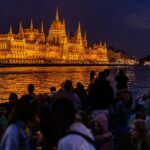
- Parliament of Budapest: Iconic Gothic Details at Daytime (or Dusk)
- Heroes’ Square Finish: Turning Statues Into Strong Frames
- What You Get for $17: Value, Small Groups, and Extra Photos
- The Real-World Watch-Outs: Weather, Walk Pace, and a No-Show Risk
- Who Should Book This Photo Tour (and Who Should Skip It)
- Should You Book This Budapest Photo Tour?
- FAQ
- What is the duration of the Budapest photo tour?
- How much does the tour cost?
- Where is the meeting point?
- What language is the tour guide?
- Is entrance to museums or monument interiors included?
- What should I bring?
- Is it wheelchair accessible, and is it suitable for people with mobility or hearing/vision impairments?
Key highlights worth your attention
- Chain Bridge start: big architecture plus Danube River panoramas right at the beginning
- Small-group feedback: tips aimed at improving your shooting, not just sightseeing
- Light and framing coaching: you practice how to control the shot as you move between viewpoints
- Matthias Church ceiling focus: you’re guided toward a specific visual detail, not just a quick stop
- Day-to-dusk attempt for Parliament: you may get a second chance if conditions permit
- Extra guide photos: you’re not relying only on your own pictures by the end
How An Instagram-Style Photo Walk Works in 3 Hours
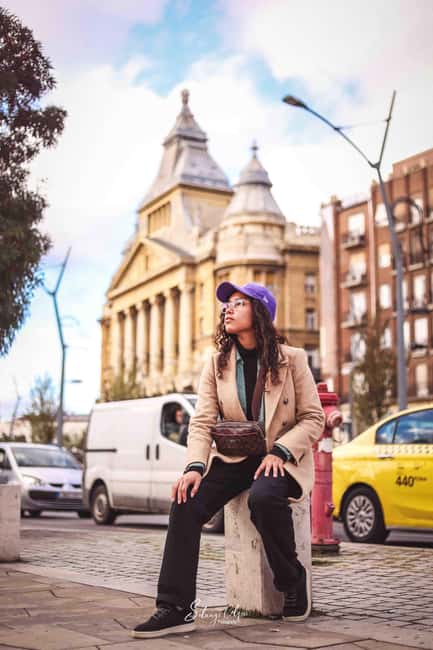
This is an “Instagram tour” in the practical sense: you’re walking a tight route, stopping often enough to shoot, and getting photo advice along the way. The tour is only 3 hours, so the value isn’t in long museum time. It’s in getting quick coaching at the exact places where you’re likely to struggle with photos.
You’ll get tips on composition (what to include, what to leave out), light management (how to avoid flat or washed-out shots), and ways to capture both the dramatic parts of Budapest and the everyday scenes. That blend matters, because cities like Budapest can tempt you into only wide, postcard-style images. This tour keeps nudging you toward a more balanced feed: monument shots plus close details.
The “small group” piece is key. When the group is small, you can actually get individualized feedback instead of standing in the back hoping someone notices your camera settings.
You can also read our reviews of more guided tours in Budapest
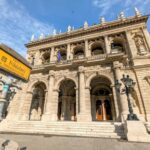
Meeting at the Umbrella: Starting Where Photos Are Easiest
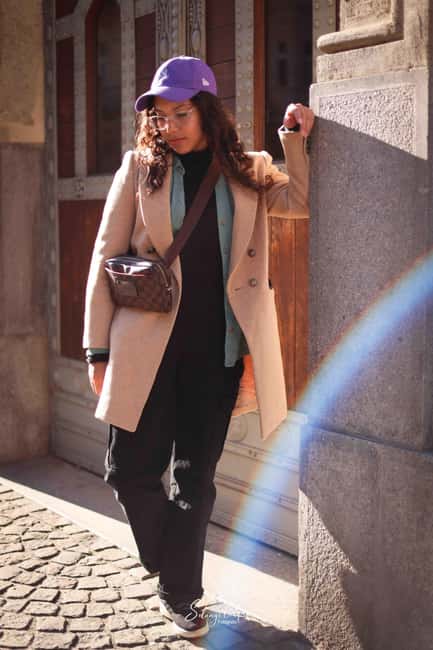
You’ll meet the guide at the start point where the guide will be wearing an umbrella. It’s a simple cue, but it’s also a reminder: arrive early enough to find them calmly. This tour leans on momentum—once you’re late, you’ll miss your best early shooting time.
The tour guide language is Spanish, so if you don’t read Spanish, you’ll still likely follow along through demonstrations and the practical nature of the advice. Still, clear instructions help, especially when the tour is teaching composition and framing on the move.
One more real-world note: since there are reports of no-show situations, the safest approach is to plan to be at the meeting point before the start window and keep your phone charged so you can act quickly if something doesn’t line up.
Chain Bridge Panoramas: Learning Composition Before You Climb
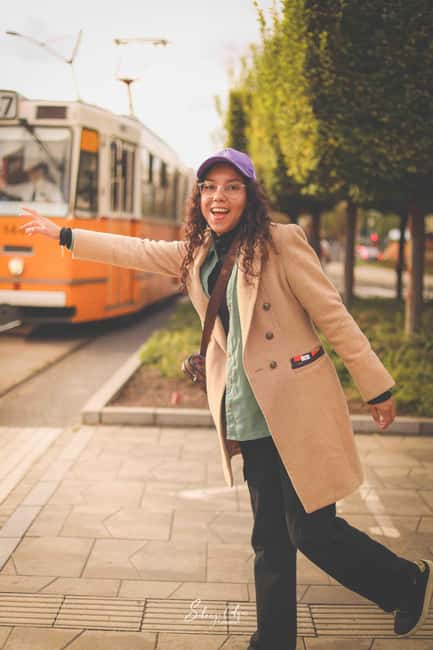
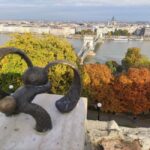
The tour starts at Chain Bridge, which is a smart choice for learning because it gives you multiple photo angles in one area. You’re set up to capture the bridge’s architecture plus panoramic views over the Danube River.
This is where I think the tour’s teaching style clicks. You get the monument big enough to anchor a frame, but you also have water reflections and wide sight lines that let you practice composition fast. If you’ve ever taken a wide shot and thought it looked “too empty” or “too busy,” this type of start can help you see how framing choices change the whole image.
Also, bridges are a good training ground for movement. You can adjust where the bridge sits in the frame as you shift your position, and you can learn how to keep lines working for you instead of fighting you.
Buda Castle Cobblestone Alleys and City Views
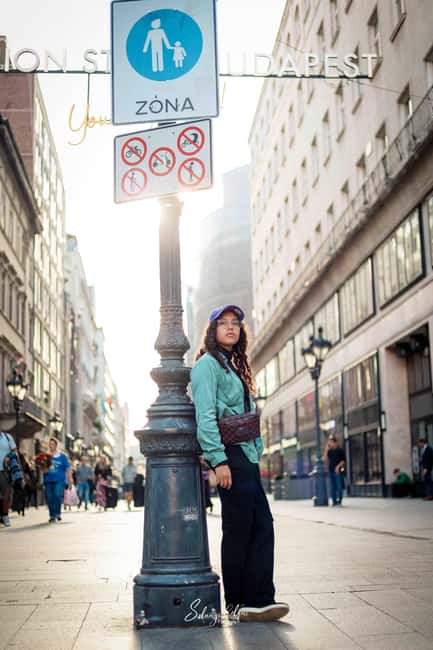
Next you head to Buda Castle, where the tour focuses on the look and feel of the setting: cobblestone alleys plus spectacular city views. This stop is valuable because it’s a switch from river panoramas to streets and elevations.
If you tend to shoot monuments only from far away, Buda Castle helps you think closer. Cobblestones naturally give you texture, and that’s useful for practicing framing. You can look for leading lines in the street layout, use doorways or walls to frame the background, and work on making the view feel intentional rather than accidental.
The tour also promises guidance on playing with light and framing as you shoot the wide scenes spreading out before you. Even if you don’t know camera jargon, that kind of coaching helps you notice things like contrast and how shadows behave on uneven streets.
Practical angle: wear shoes that handle uneven ground without stress. You’ll be moving between viewpoints, and the tour is only 3 hours, so it’s not the time for blisters.
Castle Quarter Streets: Color, Gates, and Small Details
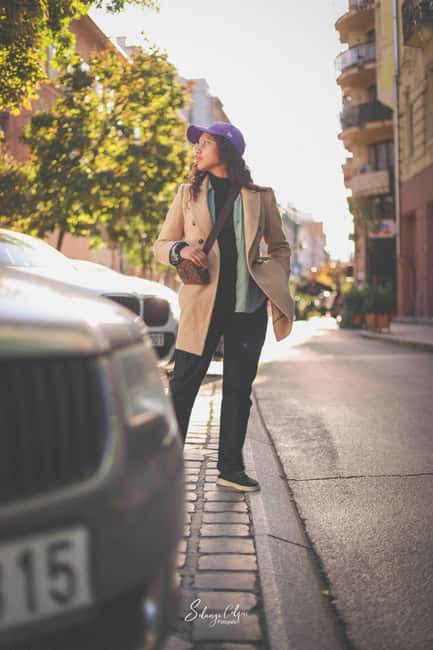
After Buda Castle, you’ll wander the Castle Quarter streets, chasing architectural details from ancient gates to the colorful facades of houses. This segment is where the tour’s “bigger + small” promise becomes real.
Monuments in Budapest are impressive, but the city also rewards you for slowing down. The tour’s approach encourages you to capture everyday corners that make your photos feel lived-in. That matters if you want images that don’t all look like the same skyline shot.
From a photography standpoint, this is an easier area to practice “varied shots.” You can do:
- tight compositions with architectural details
- mid-range shots that show context
- wider scenes when the street opens up
Even if you’re not chasing fancy gear, these streets let your composition skills do the heavy lifting.
You can also read our reviews of more photography tours in Budapest

Matthias Church: Shooting a Specific Visual Target
You’ll stop at Matias Church, called out for its medieval history and its brightly tiled ceiling. Instead of treating it like a quick landmark, the tour turns it into a photo assignment: find the detail and frame it.
That’s useful for photographers of all levels. When someone tells you what to focus on, you stop wandering and start shooting with purpose. A tiled ceiling is also a tricky subject—color and pattern can overwhelm a frame if you don’t manage what’s taking up space.
The tour notes that some places may have entrance fees and that those interior visits are not included in the price. So you should plan your expectations around exterior views and viewpoints unless you decide to pay separately for entry.
If you’re the type who gets disappointed when the “best part” isn’t included, this is the one area to think about ahead of time: do you want outside shooting only, or do you want to add paid entry on your own?
Parliament of Budapest: Iconic Gothic Details at Daytime (or Dusk)
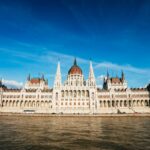
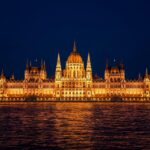
Then it’s off to the Parliament of Budapest, one of Europe’s most iconic buildings. The tour highlights that you can photograph it in daytime, and, if conditions permit, at dusk when softer light brings out the Gothic details.
This stop can be a great lesson in time-based photography. Daytime usually gives you clearer structure and easier exposure. Dusk tends to make the building feel more dramatic, but the balance shifts: you’re dealing with lower light and changing contrast.
Because the tour says dusk depends on conditions, don’t assume you’ll get it. Still, even a daytime shot can teach you composition. Try capturing both the scale of the building and the surrounding context so the final images don’t feel like random close-ups.
Also, this is a good moment to review what the guide has been teaching. If you’ve been ignoring composition, Parliament is where that starts to show.
Heroes’ Square Finish: Turning Statues Into Strong Frames
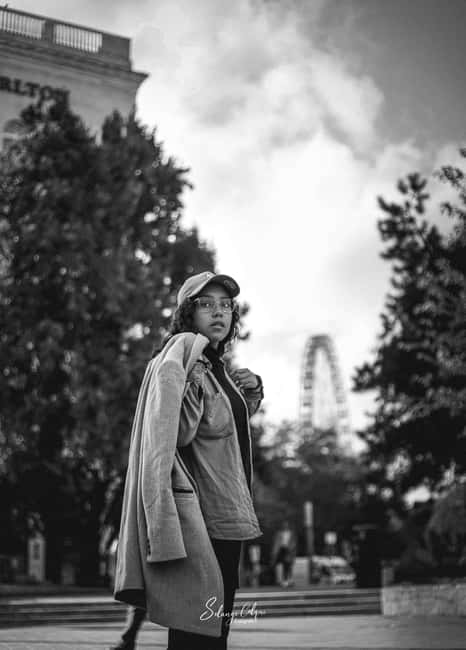
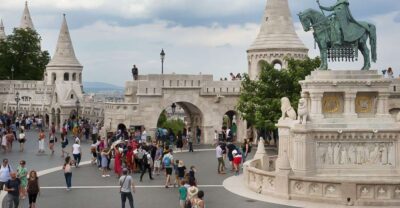
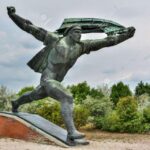
The tour ends at Heroes’ Square, described as full of history with statues and monuments that you can photograph while perfecting your technique. This stop is the final test of everything you’ve been practicing for the last 3 hours.
Squares are different from streets and viewpoints. They often demand a steadier approach to symmetry, spacing, and horizon placement. If you’ve been learning about framing and how to manage the scene, Heroes’ Square is where that learning turns into images you’re more likely to like later.
It’s also a nice way to wrap up the tour. You get a clear end point, and you’re not stuck chasing the last good shot while the light changes too much.
What You Get for $17: Value, Small Groups, and Extra Photos
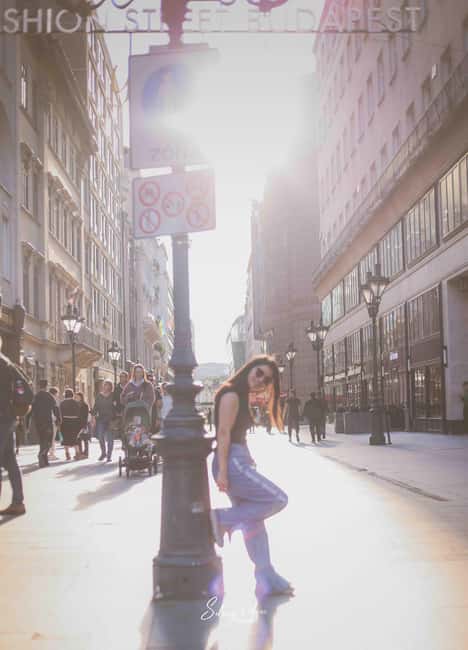
At $17 per person for a 3-hour guided photo tour, the value depends on what you want: shortcuts to better images, or pure sightseeing.
Here’s what you’re paying for, in practical terms:
- a professional photo tour guide with local experience
- photographic advice tailored to your level
- small group size for more individualized attention
- suggested or access to unique angles for better photos
- local transportation if necessary between remote points
- additional photos taken by the guide, mailed to you
- extra written material with recommendations to improve your skills
The mailed photos part is a quiet value boost. It means you’re not starting from zero at the end of the walk. Even if you only love a few of your own images, you may leave with usable shots you can actually post.
One more thing: the tour feels relaxed and friendly by design. That matters because learning photography while walking fast can be stressful if the guide is rigid. The tour positioning is more teacher than drill sergeant.
The Real-World Watch-Outs: Weather, Walk Pace, and a No-Show Risk
This tour is an outdoor photo walk. Bring comfortable shoes, comfortable clothes, and plan for weather. The tour’s notes include bringing a garbage bag, which sounds small until you’re dealing with messy weather or just want a quick way to manage trash on the go.
The itinerary is focused on viewpoints and walking between them. That’s why it’s listed as not suitable for some accessibility needs and not suitable for people with a cold. Also, it lists wheelchair accessibility, which conflicts with the “not suitable for mobility impairments” note. If you need mobility support, I’d treat this as a question to verify with the operator before booking, since the walking component sounds central.
Now, the biggest practical concern: there are reports of the guide not arriving, with guests waiting 30 to 45 minutes at the meeting point in very cold weather. That doesn’t mean it happens every time. But it does mean you should be cautious if your trip is tightly scheduled or if you can’t afford to lose time outdoors.
If you do book, make sure you arrive early enough to locate the umbrella quickly and be ready to ask for clarification fast if anything is off.
Who Should Book This Photo Tour (and Who Should Skip It)
This tour fits best if you:
- want photo coaching more than strict monument touring
- enjoy quick stops that still focus on technique
- have a camera or smartphone and want help making it look better
- like the idea of a small group and a friendly guide
It might not be the best choice if you:
- need guaranteed guide punctuality with no risk of delays
- want long museum time or paid interior time included
- have accessibility needs where walking distance or pace could be an issue
- are planning to shoot while sick or feeling unwell (the tour states it isn’t suitable for people with a cold)
Should You Book This Budapest Photo Tour?
I’d book it if you want a structured way to improve your photos fast, especially if you’re aiming to capture Chain Bridge, Buda Castle, Matias Church, and Parliament without wasting your whole trip guessing angles. The combination of technique tips, small-group attention, and the extra mailed photos is the kind of practical payoff that makes a short tour feel worthwhile.
I’d hesitate if you’re going during very cold or harsh conditions, or if you absolutely cannot risk losing half an hour waiting at the start. In that case, either plan extra buffer time or choose a different activity where timing issues are less likely to derail your day.
If you do decide to go, bring your camera and a charged smartphone, wear shoes made for uneven ground, and treat the tour like a photo class with landmarks as your classroom.
FAQ
What is the duration of the Budapest photo tour?
It lasts 3 hours.
How much does the tour cost?
The price is $17 per person.
Where is the meeting point?
The guide will be recognized because they will be wearing an umbrella.
What language is the tour guide?
The live tour guide speaks Spanish.
Is entrance to museums or monument interiors included?
Entrance fees are not included. The tour notes that places requiring fees, like interiors of Buda Castle or Matthias Church, are not covered.
What should I bring?
The tour suggests comfortable shoes, a camera, food and drinks, comfortable clothes, cash, a daypack, a charged smartphone, and a garbage bag.
Is it wheelchair accessible, and is it suitable for people with mobility or hearing/vision impairments?
Wheelchair accessibility is listed, but the tour also notes it is not suitable for people with mobility impairments, and it says it is not suitable for people who are visually impaired or hearing-impaired.