REVIEW · JEWISH QUARTER & SYNAGOGUE TOURS
Budapest: Jewish District Private Walking Tour
Book on GetYourGuide →Operated by Travel Van Kft. · Bookable on GetYourGuide
Your feet hit history fast. This private Jewish Quarter walk connects synagogues, the memorial garden, and Budapest’s street-art edge into one smart 3-hour loop.
I like how it starts with architecture you can actually read, from restored streetside details to the scale of Dohány Street. I also like that you get the present-day hangout vibe at Gozsdu Court and the original ruin bar, Szimpla Kert. One thing to plan around: synagogue interiors are optional, and you’ll need to budget for entrance tickets separately.
Expect a focused walk with stops that take you from community life to major landmarks—without turning it into a lecture marathon. The biggest heads-up is the dress and bag rules: no large bags and no sleeveless shirts, and some synagogues close during Friday afternoons, Saturdays, and Jewish high holidays.
In This Review
- Key things to notice before you go
- Jewish Quarter on Foot: how the 3-hour route stays manageable
- Rumbach Street Synagogue: the restored details that make you slow down
- Dohány Street and the Grand Synagogue scale check
- Museum, Wallenberg Memorial Garden, and the Tree of Life moment
- Gozsdu Court to Szimpla Kert: when the tour turns social
- Kazinczy Street Orthodox Synagogue: Art Nouveau you can actually see
- Your guide experience: why the best tours feel personal
- Is $229 per group good value for this Jewish Quarter loop?
- When to go and what to bring: closures and the dress rules
- Should you book this Budapest Jewish District Private Walking Tour?
- FAQ
- How long is the Budapest Jewish District Private Walking Tour?
- Is this tour private?
- How much does it cost?
- Does the tour include pickup?
- Are entrance tickets included for synagogues and museums?
- Are interior visits included?
- Are food and drinks included?
- When are the synagogues closed on this tour schedule?
- Are there any restrictions for bags or clothing?
- Can I cancel and get a refund?
Key things to notice before you go
- Rumbach Street and Dohány Street synagogues set up the story in a clear, visual way
- Hungarian Jewish Museum + Wallenberg Garden add context beyond the buildings
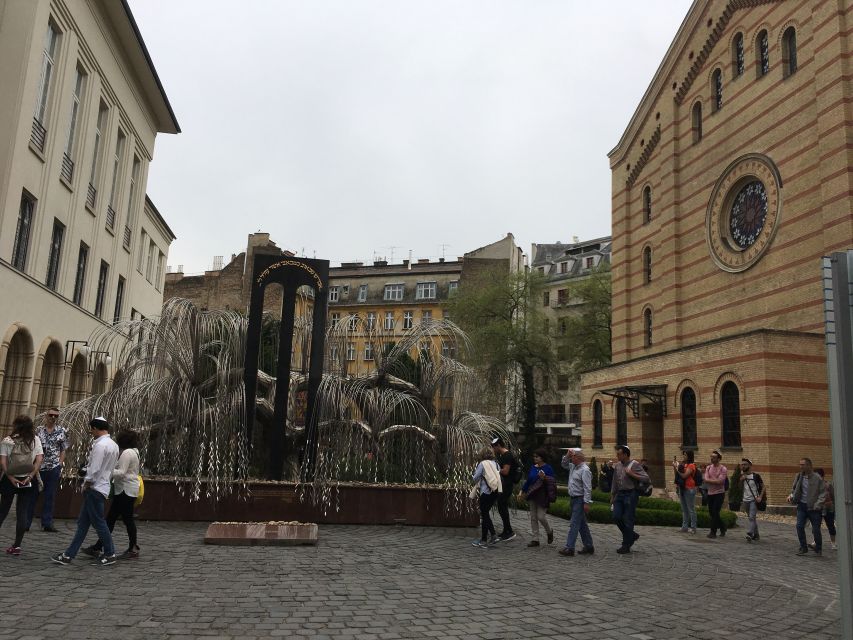
- Raoul Wallenberg Tree of Life monument gives you a calm, meaningful pause
- Gozsdu Court and Szimpla Kert shift from solemn to social, while still staying on-theme
- Kazinczy Street Orthodox Synagogue is where the architecture fans get serious
- Private format means your guide can adapt if you’re curious about specific questions
Jewish Quarter on Foot: how the 3-hour route stays manageable
This is a walking tour, so you’re moving through the Jewish Quarter at a pace that lets you see landmarks without feeling rushed. The total time is 3 hours, which is long enough to cover several major sites, but short enough that you’re not stuck in one place forever.
You also get a real advantage from the format: it’s private, so your guide can lean into what matters to you. In past bookings I saw guides like Eszter, Emi, András (Andy!), and Gary praised for being interactive and responsive—so if you like asking questions (or changing your mind mid-walk), this style usually fits.
One more practical point: it includes pickup from your hotel or wherever you request in advance, so you don’t waste time figuring out transit or meeting points. That matters in a neighborhood you’ll want to enjoy at street level, not from the inside of a bus.
You can also read our reviews of more walking tours in Budapest



Rumbach Street Synagogue: the restored details that make you slow down
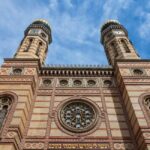
The tour begins with a visit to the synagogue on Rumbach Street. This stop matters because it’s not just a pretty façade. You’ll be able to connect what you see to the site’s story, and the building has been recently restored to a level that helps the details read clearly.
What I like about starting here is the tone it sets. Before you hit the bigger landmark buildings, you’re learning how Jewish heritage is embedded in Budapest’s streets—through design, community identity, and the way structures survive and change over time. If you’re the type who usually rushes past churches and synagogues on city walks, this one gives you a reason to stop and look properly.
Also, interior visits are optional. If you choose not to go inside, you still get the outside context and the historical framing. If you do go inside, it’s a good moment to compare how different parts of the same neighborhood communicate faith, memory, and civic presence.
Tip: if you’re sensitive about timing, keep an eye on synagogue opening hours. The tour includes multiple synagogue stops, but Friday afternoons, Saturdays, and Jewish high holidays can affect access.
Dohány Street and the Grand Synagogue scale check
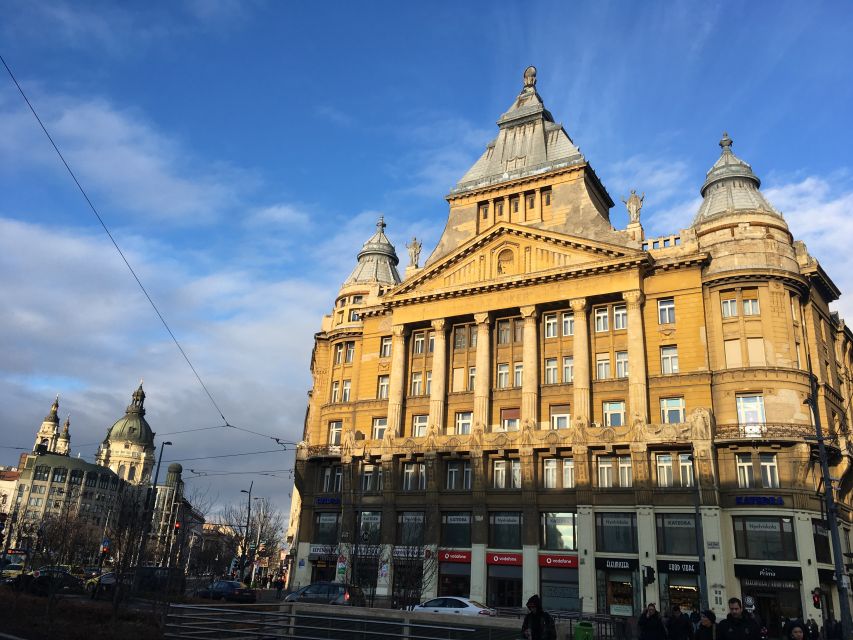
Next up is Dohány Street, where you’ll visit the second synagogue stop: the biggest synagogue in all of Europe. That description sounds like a brag, but on the ground it’s useful. It helps you understand why people call this area a center of community life rather than a small historic pocket.
This stop is also where your guide’s explanation can really click. You’ll learn about Jewish life in Budapest, both past and present, and you’ll get context that connects the building to broader European history—not just a list of dates.
Two smart choices to make here:
1) If you want the most complete experience, consider an interior visit if the schedule allows.
2) If you’re more into street-level sightseeing, you can focus on observing exterior features and then spend more energy on the later neighborhood stops.
Either way, Dohány Street is a visual anchor. After this, the rest of the route feels less like random sightseeing and more like a guided walk through a living map.
Museum, Wallenberg Memorial Garden, and the Tree of Life moment
After the synagogue visits, the tour moves to the Hungarian Jewish Museum, still with your guide walking you through the meaning of what you’re seeing. This is where you get the story behind the streets. It’s especially helpful if your first instinct is to treat synagogues purely as landmarks. A museum stop turns the visit from sight-only into understanding-only, in the best way.
Then you’ll visit the Raoul Wallenberg Memorial Garden, including the Tree of Life monument. This part feels different from the synagogue-heavy stretches. It’s quieter. It gives your brain a break from architecture and facts, and it reframes the neighborhood story around survival, rescue efforts, and remembrance.
If you like architecture and history, don’t skip this mental gear shift. In many cities, memorial gardens can feel like side quests. Here, it’s a core waypoint that helps the rest of the walk land.
Gozsdu Court to Szimpla Kert: when the tour turns social
Once you’ve had the museum-and-memory portion, your guide takes you into Gozsdu Court, which is the food and beverage district. This isn’t random downtime. It’s a chance to see how the neighborhood functions now—how people gather, eat, and socialize in the same area where history is also present.
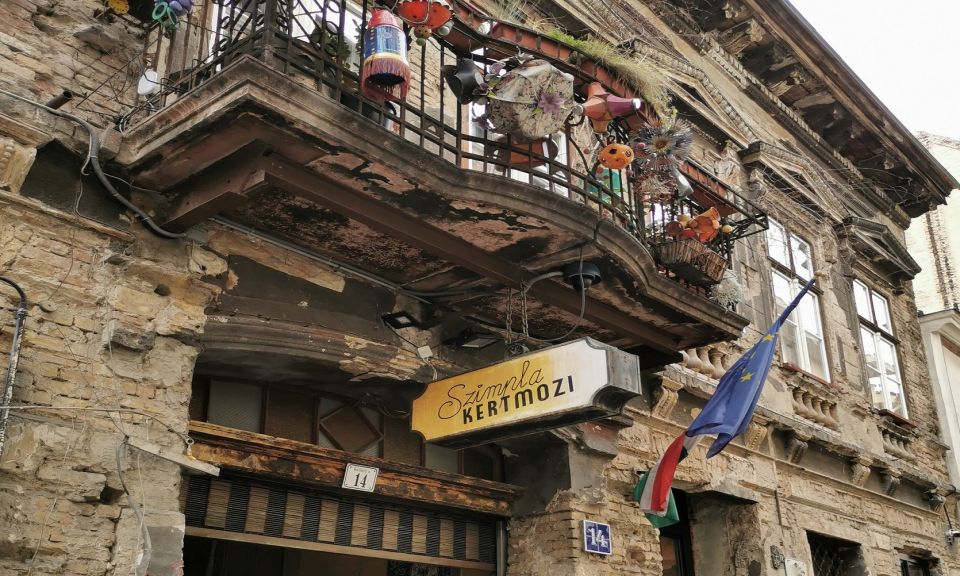
After that you head to the bohemian side of the Jewish Quarter, where you’ll visit the ruin bar Szimpla Kert. This is one of the original ruin bars, and it has a reputation for a reason: the vibe is part of the cultural identity of the district.
Practical reality: food and drinks are not included. So if you want to try something, plan a small budget. Also, don’t treat the bar like a long stop; it’s there to show you the neighborhood’s modern beat, not to turn the tour into a night out.
This is also one of the best segments for street-art spotting. Throughout the walk you’ll see murals and underground street art, and the guide helps you connect the art to what’s been happening in the neighborhood over time.
You can also read our reviews of more private tours in Budapest






Kazinczy Street Orthodox Synagogue: Art Nouveau you can actually see
The tour’s final synagogue visit is the Kazinczy Street Orthodox Synagogue. If you’re an architecture person, this is a highlight because it’s known for its Art Nouveau architecture, and you can even explore the inside of the building as well, if interior access is available.
What makes this stop useful, even if you’re not an architecture nerd, is the contrast. You’ve already seen two major synagogue experiences, and now you’re seeing another style, another visual language, and another layer of how faith and community express themselves in Budapest’s streetscape.
A key consideration: dress code. Sleeveless shirts aren’t allowed, and synagogue spaces can be strict about appearance. Bring a light layer you can put on quickly, especially if you’re visiting in warm weather and like to travel in tank tops.
If interior access is limited for your schedule, you’ll still get a solid outside presentation and historical context.
Your guide experience: why the best tours feel personal
This is a tour where the guide really matters. The guides associated with this experience have been repeatedly praised for being engaging, answering questions in detail, and keeping the tone respectful and thoughtful.
I especially like that this doesn’t feel like a script read at you. In past bookings, guides including Eszter, Emi, András (Andy!), and Gary were described as flexible—sharing what they think you’ll care about and adapting to the group. One guide also kept showing extra spots even after the scheduled walking time, which tells me the approach can be generous if the schedule allows.
If you’re traveling with a class, this kind of interactive pacing can be a big plus. If you’re a couple or a solo traveler, it’s even better: you can ask about what you find most meaningful, whether that’s the design differences between synagogues or the human story behind memorial sites.
If you have questions about what to prioritize—street art, architecture, or museum content—tell your guide early. The private format makes that a practical move, not a formality.
Is $229 per group good value for this Jewish Quarter loop?
Let’s talk value in a real way. The price is $229 per group up to 20, and the tour is 3 hours with a live English guide, pickup included. Entrance tickets and food/drinks are not included, and synagogue interior access is optional.
So what are you really paying for?
- Guided interpretation: Someone is connecting the buildings, memorials, and neighborhood life into one story.
- Efficiency: You’re covering multiple major stops in one walk instead of planning separate visits.
- Time savings: The tour includes skip-the-ticket-line, which matters on busy days.
- Private experience: Even though the max group size can be large for pricing purposes, the private setup means your guide isn’t juggling a big crowd in the same way.
If you’re traveling with a small group—two to six people—this can be a strong value because the cost per person drops quickly. If you’re solo, it may still be worth it if you care about context and want to avoid piecing together everything yourself.
Bottom line: for a neighborhood where the meaning is in the details, paying for a guide usually pays you back in understanding. Just remember to set aside separate money for entrance tickets and any drinks/snacks you want at stops like Szimpla Kert.
When to go and what to bring: closures and the dress rules
Timing is the biggest practical variable here. The tour notes that synagogues are closed on Friday afternoons, Saturdays, and Jewish high holidays. That can affect whether you can do interior visits at each site.
If your travel dates land on one of those times, plan for a tour that still covers the area and the outside/interpretation parts, but maybe with fewer interior access windows.
On the practical side, keep these rules in mind:
- No luggage or large bags
- No sleeveless shirts
For most travelers, that’s easy to handle. Still, if you’re coming from another day trip and you’re carrying a bigger bag, consider lightening your load before you meet the guide.
Also, the tour runs on walking time, not car time, so comfy shoes are a smart move. Budapest’s sidewalks are fine, but you’ll do real walking through the district.
Should you book this Budapest Jewish District Private Walking Tour?
Book it if you want a guided walk with real context, not just a photo spree. I’d especially recommend it if:
- you like asking questions and want a guide who can explain things clearly,
- you care about how the neighborhood connects past community life to present-day culture,
- you want a mix of synagogues, museum context, memorials, and street-art/ruin-bar atmosphere in one route.
Skip it (or at least adjust expectations) if you’re hoping the price includes everything. Entrance tickets and any drinks/food are on you, and interiors are optional depending on openings.
If you’re deciding between going alone and hiring a guide, this is one of those tours where a guide helps you see the city’s signals instead of just reading plaques afterward. For Budapest’s Jewish Quarter, that difference is the whole point.
FAQ
How long is the Budapest Jewish District Private Walking Tour?
The tour lasts 3 hours.
Is this tour private?
Yes, it’s listed as a private group.
How much does it cost?
It’s priced at $229 per group up to 20.
Does the tour include pickup?
Yes. The guide meets you at your hotel or wherever you request in advance.
Are entrance tickets included for synagogues and museums?
No. Entrance tickets are not included in the price.
Are interior visits included?
Interior visits of the synagogues are optional.
Are food and drinks included?
No. Food and drinks are not included.
When are the synagogues closed on this tour schedule?
The synagogues are closed on Friday afternoons, Saturdays, and on Jewish high holidays.
Are there any restrictions for bags or clothing?
Yes. You can’t bring luggage or large bags, and sleeveless shirts are not allowed.
Can I cancel and get a refund?
Yes. You can cancel up to 24 hours in advance for a full refund.