REVIEW · WALKING TOURS
Communist Budapest Walking Tour
Book on GetYourGuide →Operated by insightcities.com · Bookable on GetYourGuide
Communism in Budapest has street-level clues. This 3-hour walk turns decades of control into places you can point to—especially with a historian guide and iPad photo contrasts that show how the city looked under Stalin and after. You start in the 1950s uprising orbit and keep moving through Cold War symbols, 1970s apartment dreams, and Social Realist propaganda that still shapes the streetscape.
I love how the tour connects politics to daily experience: small freedoms traded for obedience on major issues. I also like the relaxed, conversational pace I’ve seen from guides like András, with the route adjusted when you already know some of the background. One thing to plan around: tram and metro tickets aren’t included, and there’s plenty of walking and transit in just three hours.
In This Review
- Key things you’ll notice on this tour
- Meeting at Bambi Eszpresszó: history starts with a sidewalk coffee
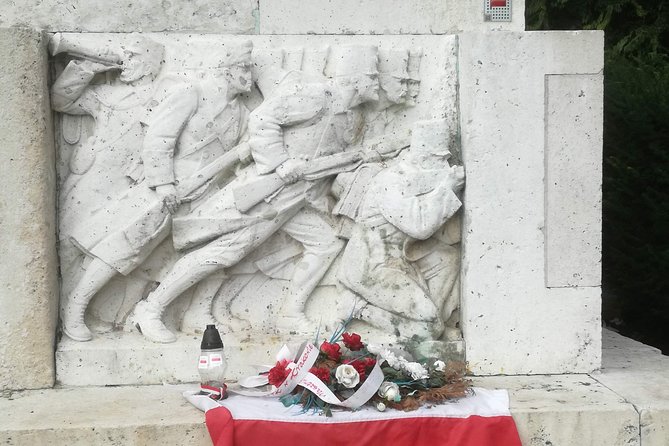
- Bem József Square and the first wave of 1956
- Kossuth Square and Parliament: monuments tied to the 1956 story
- Freedom Square: four Cold War symbols and one chilling idea
- 1970s housing estates: apartment pride under gray skies
- Puskás Stadium and Social Realist sculpture: propaganda you can walk around
- Dozsa György Street by trolleybus: May Day spectacle to House of Terror contrast
- Price and value: what $123 buys you in this 3-hour format
- Who this tour is best for (and who should choose something else)
- Should you book the Communist Budapest Walking Tour?
- FAQ
- How long is the Communist Budapest Walking Tour?
- Where do I meet the guide?
- Is the tour in English?
- What’s included in the price?
- Do I need tram and metro tickets?
- Is this tour private or small group?
- Can I pay later or cancel if plans change?
- What kind of guides run this tour?
Key things you’ll notice on this tour
- Bem József Square kicks off with the first big demonstration tied to the 1956 uprising
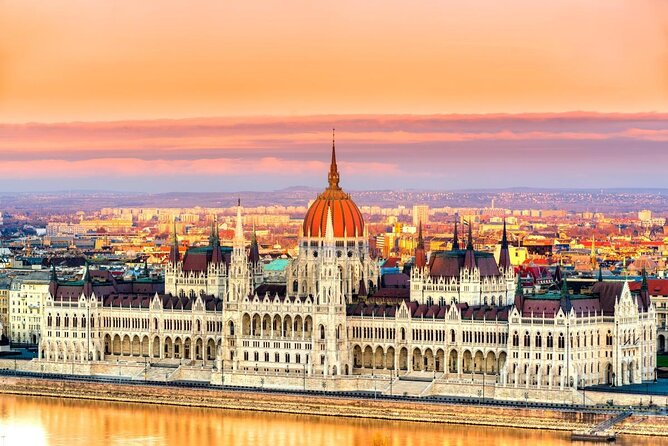
- Kossuth Square and Parliament put you near monuments tied to the 1956 political and armed conflict
- Freedom Square’s four Cold War markers pack the U.S., Soviet legacy, Reagan, and a secret atomic shelter into one stop
- 1970s housing estates show how “better convenience” could coexist with a gray political reality
- Social Realist statues at the former People’s Stadium (Puskás) turn ideology into heroic worker-and-soldier sculpture
- Dozsa György Street + the House of Terror links public spectacle (May Day) with secret police brutality
Meeting at Bambi Eszpresszó: history starts with a sidewalk coffee
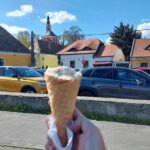
You begin at Bambi Eszpresszó (Frankel Leó út 2/4, 1027). It’s a small practical detail, but it matters: the tour doesn’t start with a lecture. You’re on your feet from the beginning, with your guide steering you toward what to notice as you walk.
Right away, you’ll get the theme the whole route follows: under totalitarianism, people lived with constant pressure. The system often offered small liberties in return for obedience on major issues, and your guide keeps that tradeoff in focus.
You can also read our reviews of more walking tours in Budapest

Bem József Square and the first wave of 1956
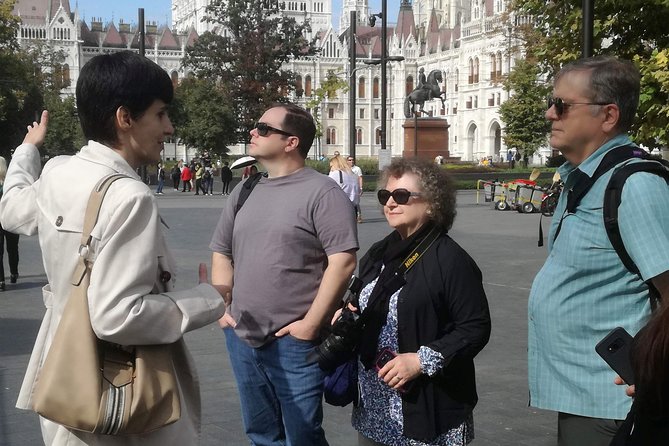
The walk begins at Bem József Square, a key early stage for the 1956 uprising. This is where you start seeing how quickly events that seemed normal could turn into collective action.
In the same area, you’ll also see a coffeehouse interior that’s been preserved since the 1960s. That kind of detail is more than nostalgia. It helps you understand how communist life wasn’t only about rallies and policy—people also kept routines going in the middle of strict control.
A helpful guide habit here: your historian won’t just name dates. They’ll point out what the spaces suggest about everyday culture, and why the uprising mattered beyond slogans.
Kossuth Square and Parliament: monuments tied to the 1956 story
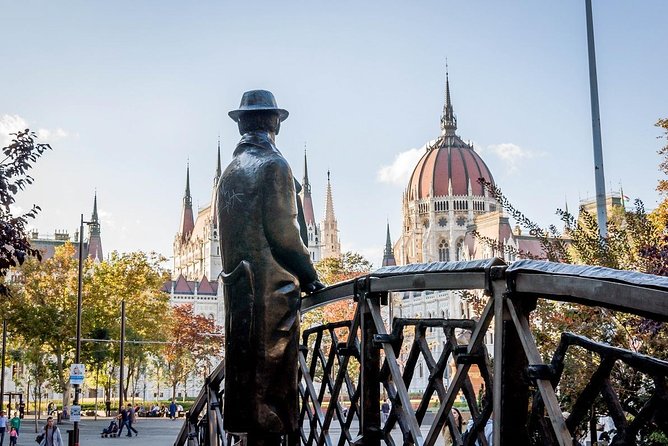
From Bem József Square, you’ll take the metro to Kossuth Square, near Hungary’s Parliament. This part of the tour is built around the idea that public monuments can be a political record.
In front of Parliament, you’ll see monuments that connect directly to the 1956 revolution’s political and armed conflicts. It’s one of those moments where the city feels like a page you can read—stone and layout doing the work of a textbook.
If you’re curious about how the revolution shaped Hungary’s later memory, this stop gives you the physical anchors. If you already know 1956, you’ll still benefit, but you may want your guide to connect the dots to daily life and not only battlefield moments.
Freedom Square: four Cold War symbols and one chilling idea
Next comes Freedom Square, where the Cold War gets translated into four stone structures. You’ll stand near the U.S. embassy, a monument to the Soviet army, a statue of President Ronald Reagan, and the entrance to a secret atomic shelter.
That mix is the point. This isn’t Cold War history in neat categories. It’s the reality of living in a world where politics, fear, and propaganda sat side-by-side in public space.
Your guide’s job is to help you see what those markers would have meant to people moving through the area. It’s easy to treat these things like photo ops; this tour pushes you to treat them like context.
1970s housing estates: apartment pride under gray skies
One of the most valuable segments comes when the tour takes you to a housing estate from the 1970s at the edge of the city center. Today, the blocks may look drab and gray. Back then, young Hungarian families were often thrilled to get apartments here.
Why? You’ll learn that the buildings came with practical upgrades that were rare in older Budapest housing—like elevators and modern conveniences. That’s a key lesson for understanding communist life: ideology wasn’t only about slogans. It also showed up in what kind of comfort people could access.
This stop also works as a reality check. Even when everyday life improved, the political system still shaped choices. The contrast between improved housing and controlled society is where the tour becomes more than sightseeing.






Puskás Stadium and Social Realist sculpture: propaganda you can walk around
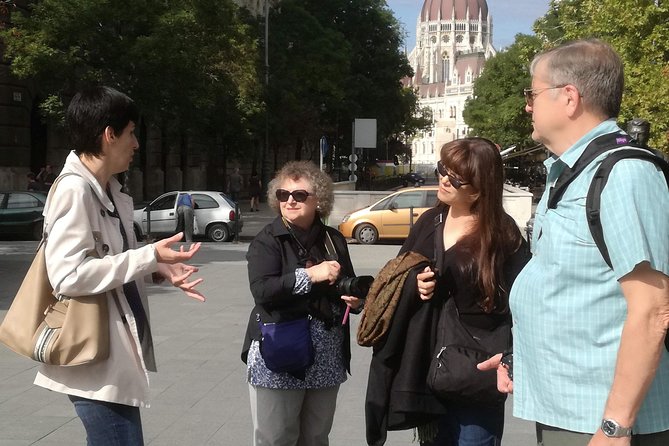
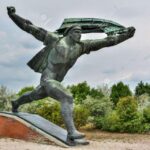
After the housing estates, the tour shifts to the former People’s Stadium, now Puskás Soccer Stadium. This is one of the city’s few places where you can see Social Realist statues—heroic workers, soldiers, and intellectuals pointing toward a bright future.
It’s propaganda, yes. But the interesting part is how physical it is. You can get close. You can see how the figures are posed to communicate certainty and purpose, and how that message was meant to steer public belief.
Social Realist art can feel almost theatrical, which is why it lands so well on a walking tour. Instead of reading about the style, you can watch how the style tries to do its job in real space.
Dozsa György Street by trolleybus: May Day spectacle to House of Terror contrast
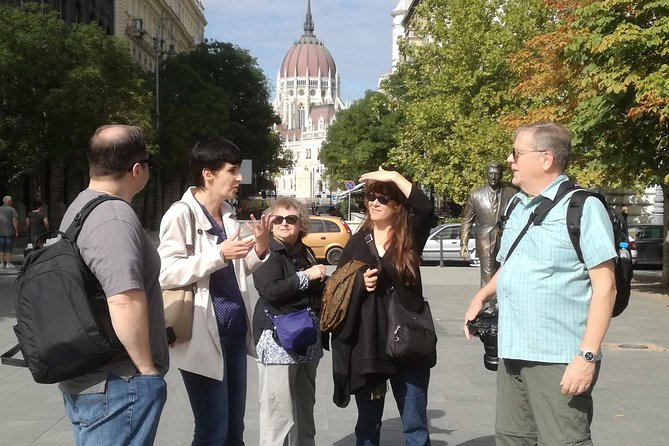
You’ll take a short ride on a Stalin-era trolleybus to Dozsa György Street, a broad boulevard known for May Day parades. This stretch is about public performance—the kind of mass ritual that makes state power feel normal.
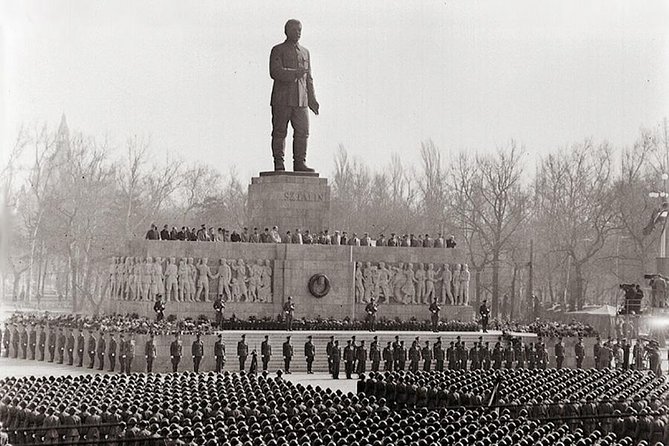
Then your guide uses an iPad with old photos to show the contrast between how the city looked during Stalin’s time and how it looks now. This is one of the best practical tools on the route. Your brain stops treating the era as vague and starts mapping it onto the street you’re standing on.
And then comes the turn in tone: near the corner is the House of Terror. It’s housed in the former headquarters of the secret services and commemorates the crimes of communism, especially during the Stalinist years. In front of the building, you’ll see a slab connected to the Berlin Wall, which adds a stark Cold War marker right at the threshold.
This pairing—parade boulevard next to secret police headquarters—does a smart job of showing the system’s two faces. Public confidence on one side, coercion and fear on the other.
Price and value: what $123 buys you in this 3-hour format
At $123 per person for a 3-hour tour, you’re paying for more than access to sights. You’re paying for an interpreter who can connect architecture, monuments, and art to the way power operated.
The tour’s value is strongest if you want clarity. The format is tight: metro where needed, a trolleybus segment, then walking around major story points. You’ll leave with a mental map of Budapest that includes the 1956 revolution sites, Cold War symbols, and propaganda art.
Guides for these tours are also described as professors, doctoral students, historians, journalists, art critics, and published authors. That variety helps explain why the tour can feel like a thoughtful class without being stiff.
Still, balance matters. One caution from real-world experience: if you already know the post–World War II through 1989 period very well, you may find the explanation stays nearer the surface than you’d hoped. The route works best as a strong foundation and a structured way to see the sites, not as a replacement for deeper reading.
Who this tour is best for (and who should choose something else)
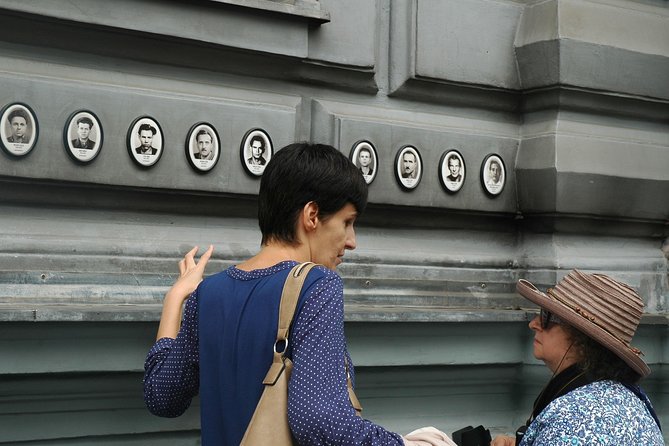
I’d steer you toward this tour if you want a compact, site-based understanding of communist Budapest—especially the 1956 uprising context, the Cold War messaging around Freedom Square, and how everyday comfort and political control could coexist in places like 1970s housing estates.
It’s also a great pick if you like guides who adjust to your questions. I saw that flexibility in the way András approached the day, keeping things conversational and pacing the tour in a way that still covered the big landmarks.
You might consider another option if you’re looking for heavy detail on Hungary’s later transition to democracy, or if you already have a firm grasp of the period and want a deeper, more specialized analysis at each stop.
Should you book the Communist Budapest Walking Tour?
Book it if you want a well-structured, historian-led route that turns ideology into physical places—Bem József Square, Kossuth Square, Freedom Square’s Cold War symbols, the 1970s apartments, Social Realist sculpture at Puskás, and a final stop at the House of Terror.
Skip it or pair it with extra self-study if you already know the period and you want more depth than a three-hour walk can reasonably provide. And regardless of your background, wear comfortable shoes and plan on using your own tram/metro tickets since they’re not included.
FAQ
How long is the Communist Budapest Walking Tour?
It runs for 3 hours.
Where do I meet the guide?
You meet at Bambi Eszpresszó, Frankel Leó út 2/4, 1027 Budapest, Hungary.
Is the tour in English?
Yes. The live guide provides the tour in English.
What’s included in the price?
The tour includes a 3-hour walking tour and a historian guide.
Do I need tram and metro tickets?
Yes. Tram and metro tickets are not included, so you’ll need your own for the transit parts of the itinerary.
Is this tour private or small group?
It offers private or small groups.
Can I pay later or cancel if plans change?
You can reserve now & pay later, and there is free cancellation up to 24 hours in advance for a full refund.
What kind of guides run this tour?
Guides are described as professors, doctoral students, historians, journalists, art critics, and published authors.