Budapest looks different at street level. This 2-hour Budapest Walking Tour stitches together major landmarks and lesser-expected stops, so you get the story behind the city blocks instead of just snapshots. I like that it includes both the art scene and the memory sites, all in a tight route that starts and ends at Szent István tér 1.
Two standouts for me: the District VII street murals tied to the Budapest Street Art Project, and the reflective stop in the Jewish Quarter, where statues mark key parts of the community’s past and remember Holocaust victims. One thing to think about: the tour includes a few extra stops that are kept as a surprise, so you’ll want flexible timing and comfortable shoes more than you’ll want a rigid checklist.
With the price set at $36 per person, plus free admission at every listed stop, it’s a pretty straightforward deal for an English-speaking guide. The group stays small (maximum 15), which usually helps you hear the guide and ask questions without the “everyone shout at once” effect.
In This Review
- Key points to know before you go
- Starting at Szent István tér: the 2-hour plan you can actually handle
- District VII murals: Budapest Street Art Project on foot
- Szimpla Kert: a ruined building turned nightlife magnet
- Budapest’s Jewish Quarter: statues that keep memory visible
- Szakszervezetek Háza: the 1970s trade union story in central Budapest
- Szent Istvan Bazilika area and the planned surprises
- Price and value: is $36 a fair deal for 2 hours?
- Pace, group size, and who this tour is best for
- Practical tips for your shoes, photos, and timing
- Should you book this Budapest walking tour?
- FAQ
- How long is the Budapest walking tour?
- What is the price per person?
- Where does the tour start and end?
- Is the tour offered in English?
- What kind of ticket do I need?
- Are there any admission fees at the stops?
- How many people are in the group?
- Is gratuity included in the price?
- What is the cancellation window?
Key points to know before you go

- District VII street art murals: a walk through an outdoor gallery linked to the Budapest Street Art Project.
- Szimpla Kert nightlife history: the origin story of a famous ruin-to-icons nightlife spot.
- Jewish Quarter remembrance: statues that honor community history and Holocaust memory.
- Szakszervezetek Háza (1970s trade unions hub): a central Budapest building with a political/work-life storyline.
- Szent Istvan Bazilika area stop: a classic landmark finish, with a couple of extra surprises along the way.
Starting at Szent István tér: the 2-hour plan you can actually handle
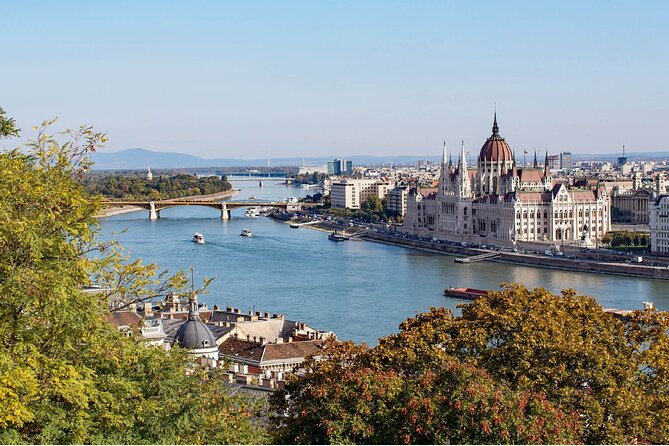
The tour runs for about 2 hours, and it stays focused. You start at Szent István tér 1 (1051 Hungary) and end back at the same meeting point, which makes it easy to plug into the rest of your day.
You’ll be walking with a professional guide in English, and the group is capped at 15 people. That matters because this kind of route works best when you’re not doing a slow shuffle in a big crowd—2 hours is short, so you want the pace to stay moving.
Also, every listed stop here has free admission, so you’re not paying extra once you’re out on the streets. If you like tours that are mostly “show up, walk, and listen,” this format fits.
You can also read our reviews of more walking tours in Budapest



District VII murals: Budapest Street Art Project on foot
Stop one is in District VII, where you’ll look at murals created as part of the Budapest Street Art Project. Plan on about 20 minutes here, which is enough time to see what you’re looking at and get the guide’s framing without turning it into a homework session.
Why I like this stop: street art is often treated like decoration, but in places like this it can function like local commentary—who painted, what message is present, and why the community chose this wall. A guided stop changes how you read the artwork. Instead of just asking whether the mural is cool, you start noticing details like style, placement, and what it signals about the neighborhood.
What to watch for: if you’re the type who wants to photograph everything from every angle, 20 minutes goes fast. I’d treat this as a “see the main points, then come back later if you want more.”
Szimpla Kert: a ruined building turned nightlife magnet
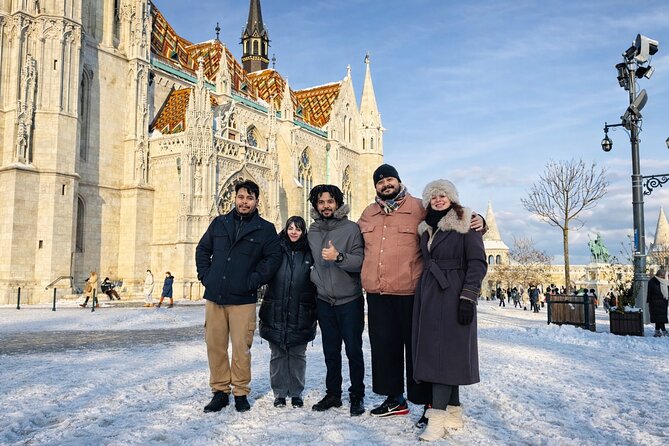
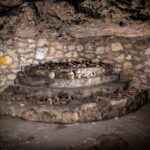
Next up is Szimpla Kert, with another 20 minutes. The quick idea: it’s an iconic Budapest nightlife spot that began life inside a dilapidated building, and now it’s filled with eclectic furniture, art, and live events.
This stop works well if you want your Budapest experience to include more than monuments. The guide helps connect the dots between how cities reuse space and how scenes form. Even if nightlife isn’t your thing, you can still learn a lot from the concept: a place doesn’t need to be polished to become important.
A practical note: since Szimpla Kert is known for events, you might see the site in a different “mood” depending on the day and time. That’s not a problem—just don’t expect a museum-like quiet. Bring your curiosity for how people actually use the space.
Budapest’s Jewish Quarter: statues that keep memory visible
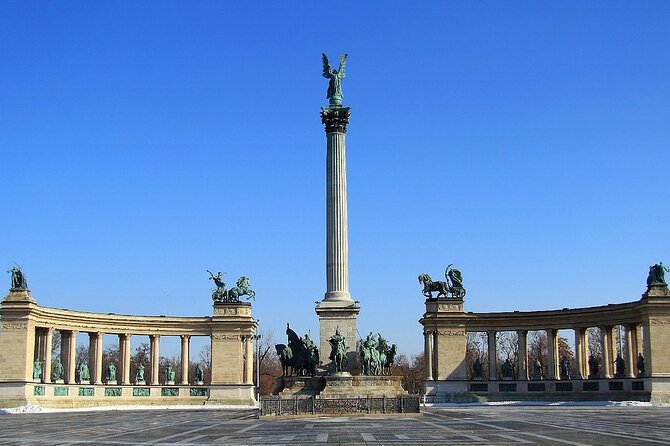
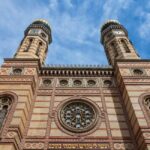
Stop three is in Budapest’s Jewish Quarter, and it gets 30 minutes. Here, you’ll reflect on the past through statues that honor the Jewish community’s history and commemorate lives lost during the Holocaust.
This part of the tour is slower and more grounded. It’s not “quick facts and move on.” The guide’s role is important here, because memorials can be easy to skim past on your own if you don’t know what you’re looking at.
Why this stop has strong value: it gives you a human scale to big events. Instead of only reading names and dates later, you’re seeing how the city marks memory in public space—how remembrance fits into daily streets.
Consideration: if you’re sensitive to heavy topics, give yourself a buffer after this stop. The tour still continues, but you might want a moment to decompress before the next architectural stop.
Szakszervezetek Háza: the 1970s trade union story in central Budapest
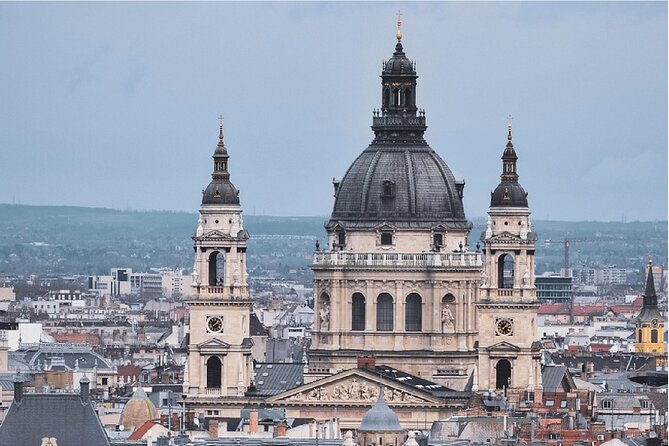
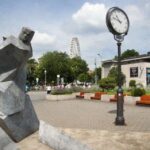
Stop four takes you to Szakszervezetek Háza, where you’ll spend 30 minutes. This is an iconic central Budapest building, constructed in the 1970s, and it originally served as a hub for trade unions in Hungary.
I find this stop especially useful because it expands what you think you’re learning on a city walk. You’re not only collecting pretty views; you’re also picking up how buildings relate to systems—work, organizing, and daily life under different eras.
A key benefit: the guide can connect the architecture to its original purpose, so you’re not left wondering why the building looks the way it does. Without that context, it can be just another facade. With it, you start to see the city as a record of decisions people made.
Practical expectation: since it’s a building and not a ticketed interior experience (based on what’s listed), you’ll mostly be observing from outside and reading the story through the guide’s explanation.






Szent Istvan Bazilika area and the planned surprises
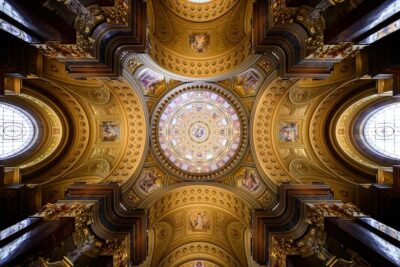
For the finish, you’ll head toward Szent Istvan Bazilika, with about 20 minutes in this stop window. The tour also includes a few additional stops along the way, but they’re intentionally kept as a surprise to make the walk more special.
That “surprise” element is a double-edged sword. On the plus side, it reduces the feeling of a rigid checklist and keeps you more present. On the downside, if you have a very tight schedule (like catching a specific train shortly after), you’ll want extra time and a calm buffer built in.
Still, finishing near the basilica area is smart because it anchors the walk with one of the most recognizable sights in Budapest. Even if you’re not going inside, you leave with a clear mental map: street level art, neighborhoods and memory, then the landmark zone.
Price and value: is $36 a fair deal for 2 hours?
At $36 per person for a roughly 2-hour guided walking tour, this is priced in a way that usually makes sense for a city like Budapest. You’re paying for guided interpretation and routing—what you would otherwise do less efficiently on your own.
The big value lever here is that all listed stops have free admission. That means the cost mostly goes to the guide and the structure of the experience. If you tend to dislike tours where you’re constantly paying extra for entrances, this format is refreshingly simple.
Also, the tour is offered in English with a maximum group size of 15. For a short walking tour, small-group guidance can be the difference between hearing details and just catching general vibes.
My one caution about value: if the itinerary shifts due to timing issues, make sure you get the exact route update so you still see the highlights you booked for. Clear communication is part of value, not just the ticket price.
Pace, group size, and who this tour is best for
This is built for travelers who want an efficient overview without feeling like they’re sprinting from one paid attraction to another. With a small group (up to 15) and listed stop times ranging from 20 to 30 minutes, you’ll get a steady rhythm.
It’s especially good if:
- You enjoy walking tours that mix art, everyday scenes, and memorials.
- You want a guided route to get context you’d miss if you were solo.
- You like your Budapest experience to include both classic sights and neighborhood texture.
It may be less ideal if:
- You need a perfectly predictable itinerary down to the minute, since a few stops are intentionally kept as surprises.
- You prefer long stretches of silent sightseeing with no guidance and no interruptions.
One detail I appreciate from real-world experience with this tour style: a guide named Janet has been singled out as awesome for her approach. If you get a guide with that kind of clarity and energy, the stops land better.
Practical tips for your shoes, photos, and timing
A tour this length is all about comfort and attention. Here are the basics that help you get more out of it:
- Wear comfortable walking shoes. District VII and the Jewish Quarter area are best handled on foot at a steady pace.
- Bring your camera, but plan to “look first, shoot second” at the mural stop. Details are part of the meaning.
- After the Jewish Quarter memorial section, consider grabbing water and a quick pause before the next stop. The topic is serious and it helps to reset.
- If you’re arranging the rest of your day, leave a small buffer around the two-hour window. The “surprise stops” can change how smoothly you predict your exact finish time.
And since it’s a mobile ticket tour and the end point matches the start, you don’t have to worry about transit logistics at the end of the walk.
Should you book this Budapest walking tour?
Book it if you want a well-paced 2-hour Budapest Walking Tour that blends street art, neighborhood culture, and public memorials, without piling on extra entry fees. The mix is thoughtful: it starts in District VII with murals, moves through Szimpla Kert’s scene history, then shifts into remembrance at the Jewish Quarter, and finishes near Szent Istvan Bazilika.
Think twice if you need a strictly fixed itinerary with no surprises, or if your schedule is so tight that any route change would ruin your day. If you do book, I’d also make a habit of confirming the exact route details in your pre-tour messages, so you don’t lose the stops you care about most.
If you like your city walks guided but not stiff, this one is a solid use of time.
FAQ
How long is the Budapest walking tour?
It runs for about 2 hours.
What is the price per person?
The price is $36.00 per person.
Where does the tour start and end?
It starts at Budapest, Szent István tér 1, 1051 Hungary, and ends back at the same meeting point.
Is the tour offered in English?
Yes, the tour is offered in English.
What kind of ticket do I need?
You’ll use a mobile ticket.
Are there any admission fees at the stops?
Admission is free for the listed stops on the itinerary.
How many people are in the group?
The tour has a maximum of 15 travelers.
Is gratuity included in the price?
No. Gratuities are optional.
What is the cancellation window?
Free cancellation is available up to 24 hours in advance for a full refund. If you cancel less than 24 hours before the start time, the amount you paid won’t be refunded.