REVIEW · DAY TRIPS FROM BUDAPEST
Hungary: Szentendre Retro Design Center Entry Ticket
Book on GetYourGuide →Operated by Retro Design Center · Bookable on GetYourGuide
A 70s greeting sets the tone fast. The Szentendre Retro Design Center is a compact time machine for anyone who loves everyday design from the Eastern Bloc, with a friendly hippie-style welcome and lots of photo-friendly vehicles. I especially like the hands-on photo moments inside famous cars and the way the museum pairs transport with real-life clutter: toys, radios, TVs, and domestic items you almost never see in one place.
One thing to think about first: the visit is short (about 1 hour), and the guided tour timing can matter, especially if you were hoping for more than just the written English/German/Russian info.
In This Review
- Key things to know before you go
- Szentendre’s Retro Design Center: A 1970s Time Capsule in 1 Hour
- The Hippie Welcome and Your First Photo Targets
- The Car Collection: Trabant, Ikarus, Wartburg, and More
- The Polish Market Diorama and Camping Scene Details
- Inside the 70s Apartment: Living Room, Kitchen, and Tech of the Day
- Toys, Gadgets, and the Communist-Era Objects People Kept
- Text Guides in English, German, or Russian (and How to Use Them Fast)
- Price and Logistics: Is $11 Good Value?
- Who This Retro Ticket Is For (and Who Might Want to Skip)
- Should You Book the Szentendre Retro Design Center Entry Ticket?
- FAQ
- How long is the visit?
- What is the price?
- Where is the museum located?
- What’s included in the ticket?
- Is parking included?
- What languages are available for the guide information?
- Can I take photos in the vehicle displays?
- Is there a guided tour?
Key things to know before you go
- Hippie-girl greeting on arrival: you start the experience before you even reach the exhibits.
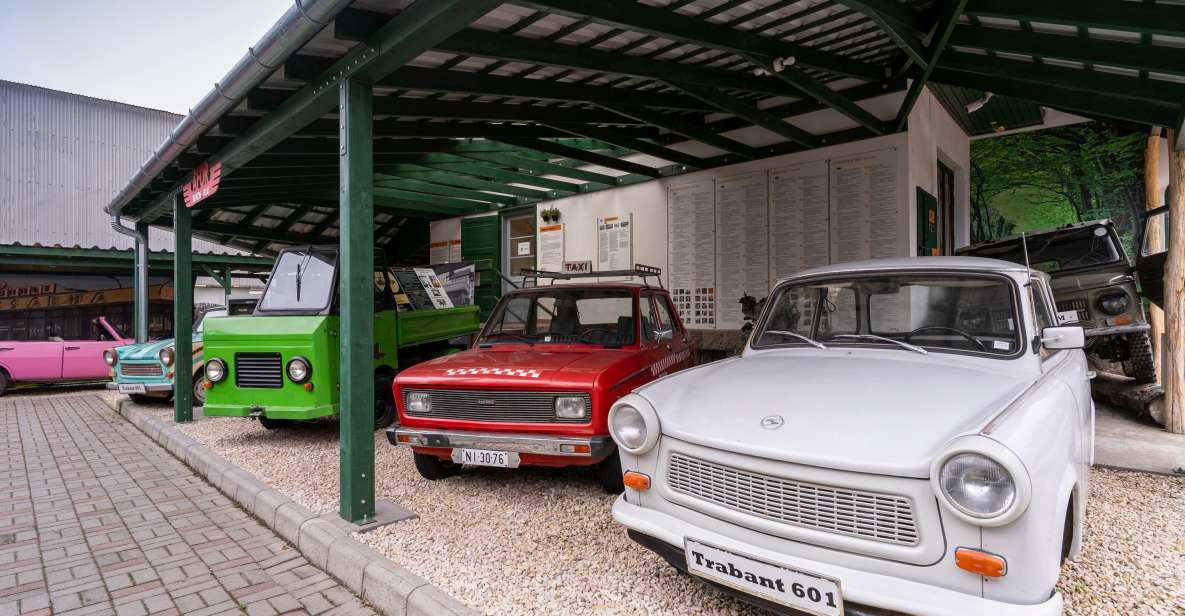
- Photo-friendly vintage vehicles: sit in a pink Wartburg Cabriolet, a Trabant, or an Ikarus bus.
- A big automotive focus: around 30 cars, including Moskvitch and the famous Hungarian Ikarus.
- Polish Market diorama plus a camping scene: the small details make the era feel specific.
- 70s home life everywhere: LP walls, radios, TVs, household appliances, and a furnished apartment.
- Short, easy timing: this is designed for a tight visit, not a half-day marathon.
Szentendre’s Retro Design Center: A 1970s Time Capsule in 1 Hour
This is one of those museums that doesn’t try to overwhelm you with facts—it makes you see the era. You’re walking through almost 1,000 square meters of exhibits built around the look and feel of the 1970s in Eastern Europe.
The experience is built for momentum. You can realistically plan on about an hour, and you’ll still have time to focus on the parts that grab you: vehicles, dioramas, toys, or the apartment rooms. If you enjoy themed museums that move at a human pace, this fits well.
You can also read our reviews of more tours and experiences in Szentendre.



The Hippie Welcome and Your First Photo Targets
The moment you arrive, you get greeted in character. A friendly hippie girl welcomes you as you step into the Retro Design Center, which instantly turns a ticketed entry into something more playful and memorable.
Then your attention naturally shifts to the biggest magnets for photos. The museum leans into a fun, hands-on vibe, so you’re not only looking—you’re sitting inside vintage models and taking pictures where you can. That makes the visit feel more personal, even if you’re traveling solo or with kids.
Practical note: because this is a short visit, you’ll get more out of it if you decide early what you want most—cars first or dioramas first—and then enjoy the rest without rushing.
The Car Collection: Trabant, Ikarus, Wartburg, and More
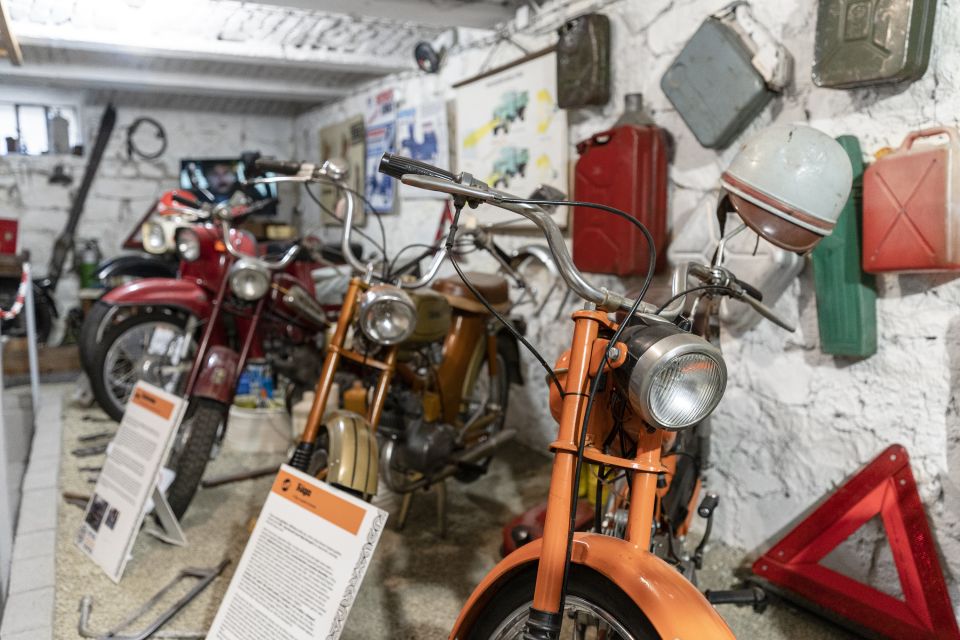
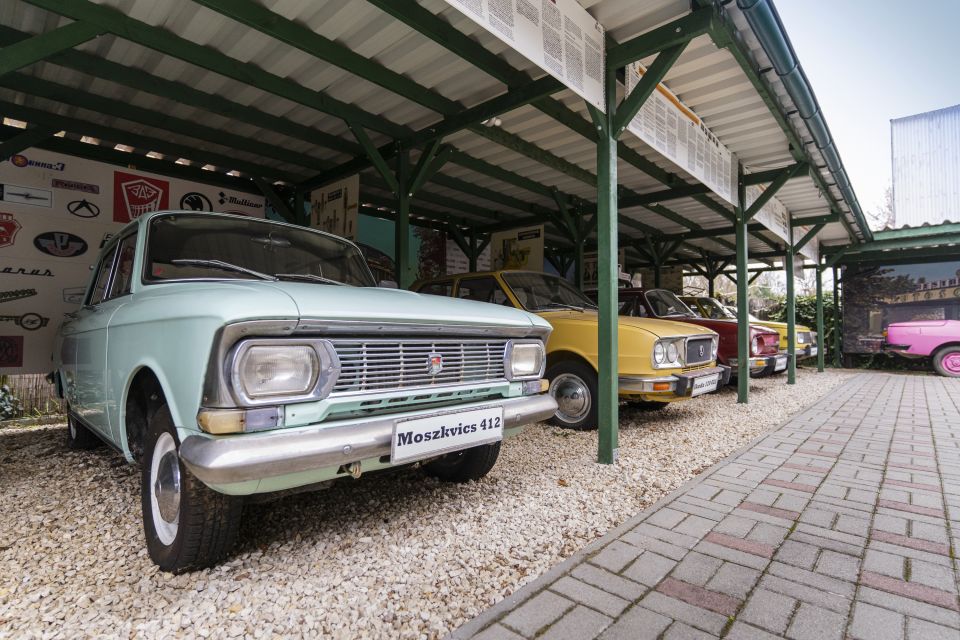
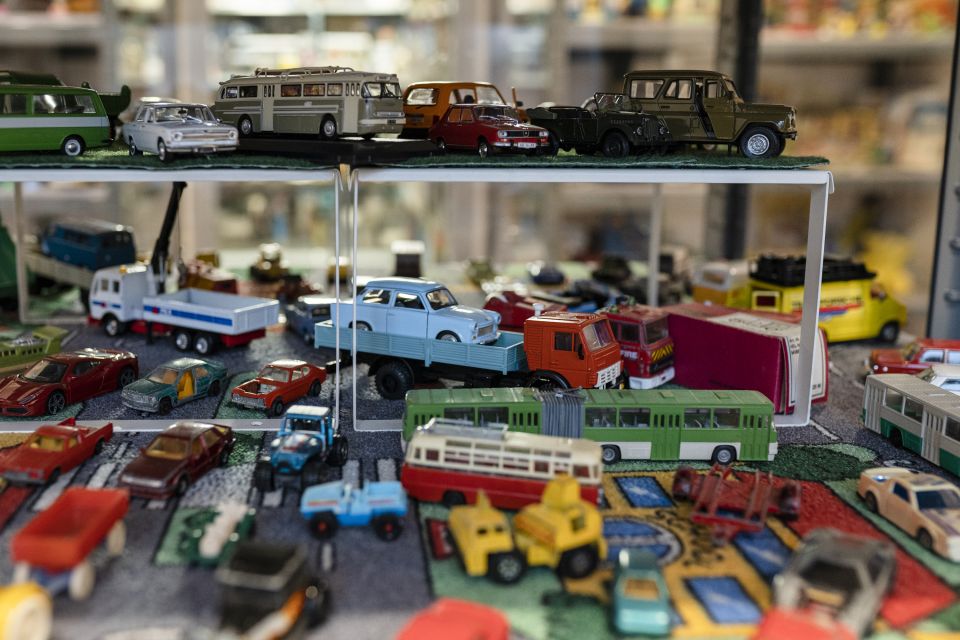
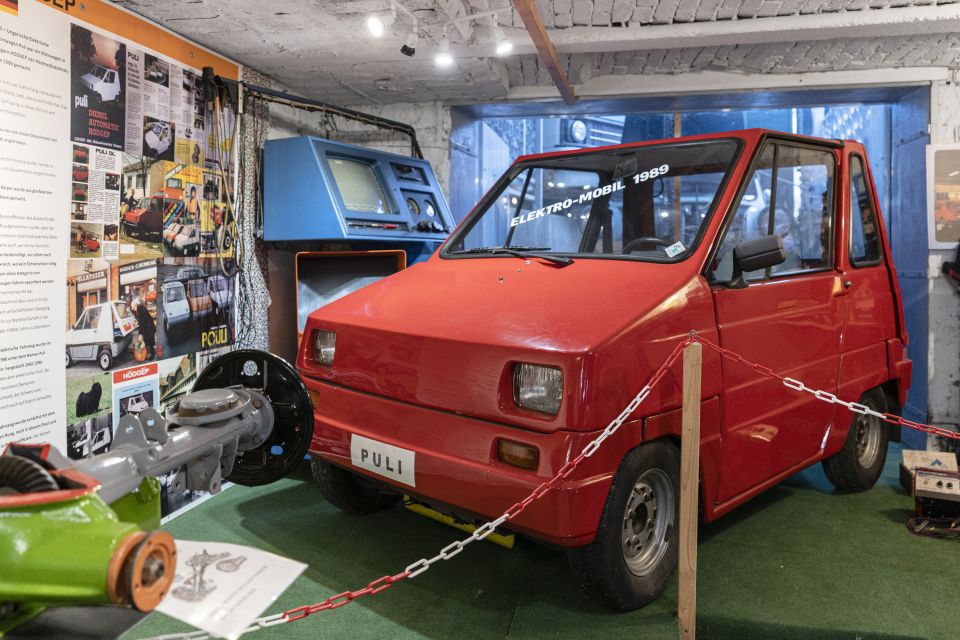
The vehicle exhibits are the main event, and the list hits all the recognizable names. Expect a collection of about 30 vintage cars covering multiple brands tied to the Eastern Bloc, including Trabant, Moskvitch, and other period icons.
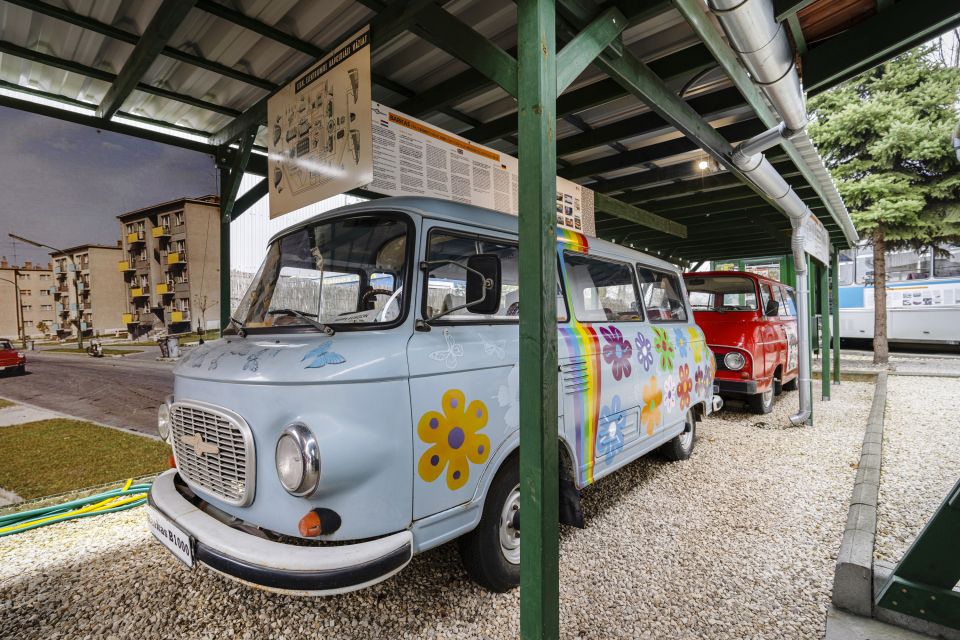
One display that usually draws instant attention is the famous Ikarus bus. It’s the kind of piece that makes you stop talking and just look, because it connects industrial design to everyday life. Another standout is the pink Cabriolet Wartburg, plus other cars you can sit in and photograph.
You may also see additional vehicles such as an Ikarus bus, and other recognizable models referenced in the collection like a Moskvitch. There’s also mention of a hippie-themed Barkas Furgon van, which adds a fun twist to the whole concept.
What I like about this setup is the way it avoids being just a lineup of cars. The museum ties transportation to the wider atmosphere of the era—so the vehicles don’t feel isolated from the living room, toys, or radios.
The Polish Market Diorama and Camping Scene Details
Not every museum can make a small diorama feel meaningful, but this one tries. You’ll find the Polish Market diorama and also a camping scene to expand the setting beyond vehicles.
These scenes matter because they show everyday textures. It’s not only about famous brands; it’s also about the mood of street life, vacation life, and the kind of small-scale staging people associate with the 70s. When you pair that with the car collection, the era feels more complete.
Because the dioramas are part of a visit that’s roughly an hour, you’ll want to linger just enough. Take a few slow looks, snap photos, and then move on before you run out of time.
Inside the 70s Apartment: Living Room, Kitchen, and Tech of the Day
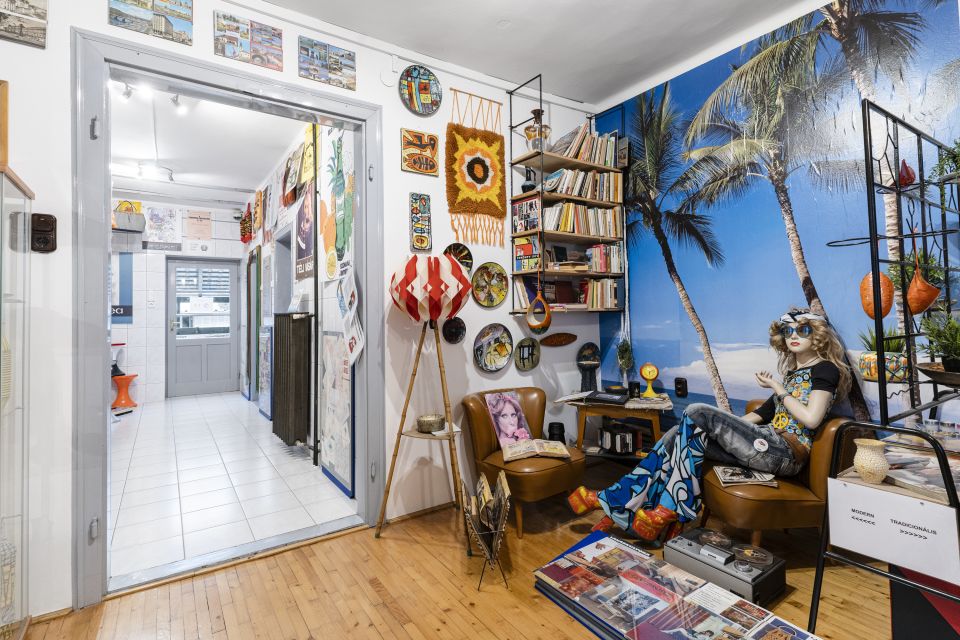
Some of the strongest “this is how people lived” moments are the home displays. You’ll see furnished rooms arranged in a 1970s style, including a living room and kitchen. The layout helps you imagine daily life, not just consumer objects on shelves.
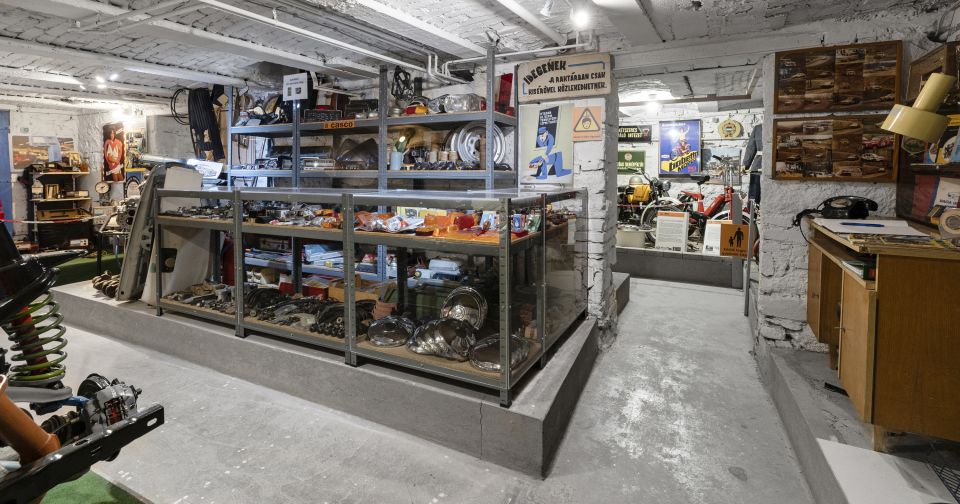
Alongside that domestic scene, the museum includes displays of televisions, household appliances, and radios. Even if you’re not an electronics person, it’s the visual language of the time that hits: the shapes, the colors, the bulky “everyday tech” vibe.
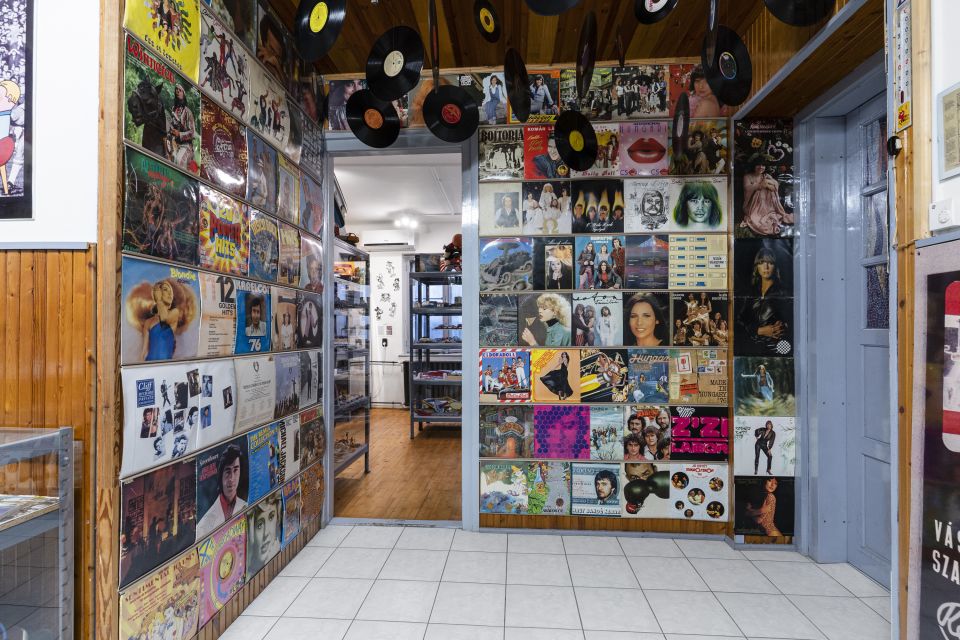
The walls covered with 70s LPs also add atmosphere. They make the museum feel like a place you could walk into, not a set of sealed artifacts.
One extra detail you might enjoy is the sense of period advertising and media showing up as part of the tech displays. That kind of surprise is what turns a quick visit into something you remember later.



Toys, Gadgets, and the Communist-Era Objects People Kept
The museum doesn’t just show cars; it shows how households filled space. You’ll spot communist-era toys and household items, which helps explain why the 70s look so specific when you see it through everyday objects.
This section works especially well if you’re traveling with kids or if you simply love nostalgia. It’s easy to connect with, because toys and familiar household items don’t require you to “know history” first.
The museum spreads these items across its rooms, so expect to move from display to display and catch little details as you go. If you tend to love small objects, you’ll probably spend more time here than you planned, which is fine as long as you don’t let it steal all your vehicle time.
Text Guides in English, German, or Russian (and How to Use Them Fast)
The museum offers written interpretation, and you should use it. Text guides are available in English, German, or Russian, so you can pick what works for you and still get meaning beyond the objects.
Here’s the practical tip: read the short labels while you’re standing in front of the item. Don’t try to “save reading for later,” because the whole point is to match the text to what you see. For a one-hour visit, that method keeps you from missing the best context.
You might also notice a guided-tour component exists at specific times. In fact, the schedule can be limited, so if your plan depends on a guided walkthrough, pay close attention to the time you book.
Price and Logistics: Is $11 Good Value?
At around $11 per person for an entry ticket and roughly 1 hour of time, this is priced for a quick, focused visit rather than a long museum day. That can be great value if you’re the type who enjoys strong themes and tangible photo opportunities more than hours of deep reading.
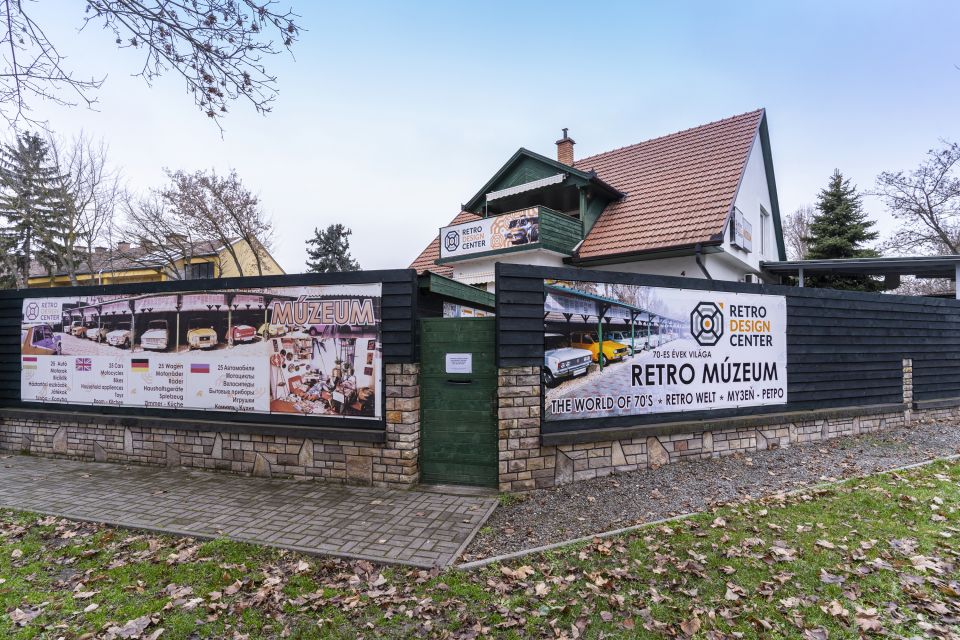
The main logistics question isn’t cost—it’s location and timing. The Retro Design Center is in a town outside Budapest, so you’ll need to plan transport and build the day around getting there. If you’re already spending time in that region, it’s a smooth add-on. If you’re squeezing it into a tight Budapest-only itinerary, you’ll want to weigh travel time carefully.
Also note: parking isn’t included, so if you’re driving, you’ll need to plan that separately.
Who This Retro Ticket Is For (and Who Might Want to Skip)
This is a strong match if you love design, social history through objects, or photo-friendly exhibits. If you’re fascinated by everyday Eastern Bloc life—especially vehicles—you’ll likely feel like you got your money’s worth because the museum delivers on those exact themes quickly.
It’s also a good choice for families, because the cars, toys, and playful staging make the experience easy to understand without a long attention span. If you hate crowds and prefer a short visit with clear highlights, this fits.
You might want to skip or reconsider if you’re expecting a long, fully narrated tour all day long. Between the one-hour pacing and the possibility that guided tours run only at certain times, you’ll want to pick a slot that matches what you want.
Should You Book the Szentendre Retro Design Center Entry Ticket?
If your goal is a fun, fast “see the 70s” visit with plenty of photo moments, I’d book this. The combination of vintage cars (including the Ikarus bus and pink Wartburg Cabriolet), dioramas like the Polish Market scene, and home life displays makes it feel like more than a car museum.
To make it a win, do two things: choose your visit time with the guided-tour schedule in mind, and plan enough time for the trip out of Budapest. If you do that, the $11 ticket becomes a very practical way to experience Eastern European retro design without spending an entire day.
FAQ
How long is the visit?
The entry ticket is for about 1 hour.
What is the price?
The ticket price is listed at $11 per person.
Where is the museum located?
It’s in Central Hungary, in Szentendre (outside Budapest).
What’s included in the ticket?
The ticket includes admission to the Retro Design Center.
Is parking included?
No. Parking is not included.
What languages are available for the guide information?
The museum has written text guides available in English, German, and Russian. The host or greeter is listed as English.
Can I take photos in the vehicle displays?
Yes. The experience is set up so you can sit in vehicles and take photos.
Is there a guided tour?
A guided tour component is mentioned, and timing can matter. If you want the guided part, choose your entry time carefully.