REVIEW · WALKING TOURS
Budapest Walking Tour with a Professional Local Guide
Book on GetYourGuide →Operated by Tourist Angel · Bookable on GetYourGuide
Budapest turns into a story when you walk it. This 3-hour, English-led walk threads Pest and Buda together, from St. Stephen’s Basilica to Buda Castle, while your guide explains how dictatorships and revolutions shaped everyday life. I love the mix of St. Stephen’s Basilica grandeur and the Matthias Church Gothic drama, and I love that the tour connects big events to real human experience.
The only catch is logistics: you cover a short walk (about 1.5 km) but you’ll cross the river using public transport, and metro/bus tickets cost 1400 HUF per person (4 tickets).
In This Review
- Key takeaways before you go
- A 3-hour first-day plan for Pest and Buda
- Start by St. Stephen’s Basilica (and why that matters)
- Basilica to Buda Castle: the walk that gives you city scale
- Communism and revolution, explained through lived experience
- Matthias Church and the Castle zone: art you can actually read
- Hungarian Parliament building exterior: politics in stone
- Price, time, and the public transport ticket you should budget
- Guides that make the difference (Dominik, Alexandra, Dalia, and more)
- Who should book this Pest-and-Buda walking tour
- Quick, practical prep tips
- Should you book this Budapest walking tour?
- FAQ
- How long is the Budapest walking tour?
- How much does the tour cost?
- Where does the tour meet?
- Is the tour offered in English?
- What’s included in the price?
- Are public transport tickets included?
- Can I cancel for a refund or pay later?
Key takeaways before you go
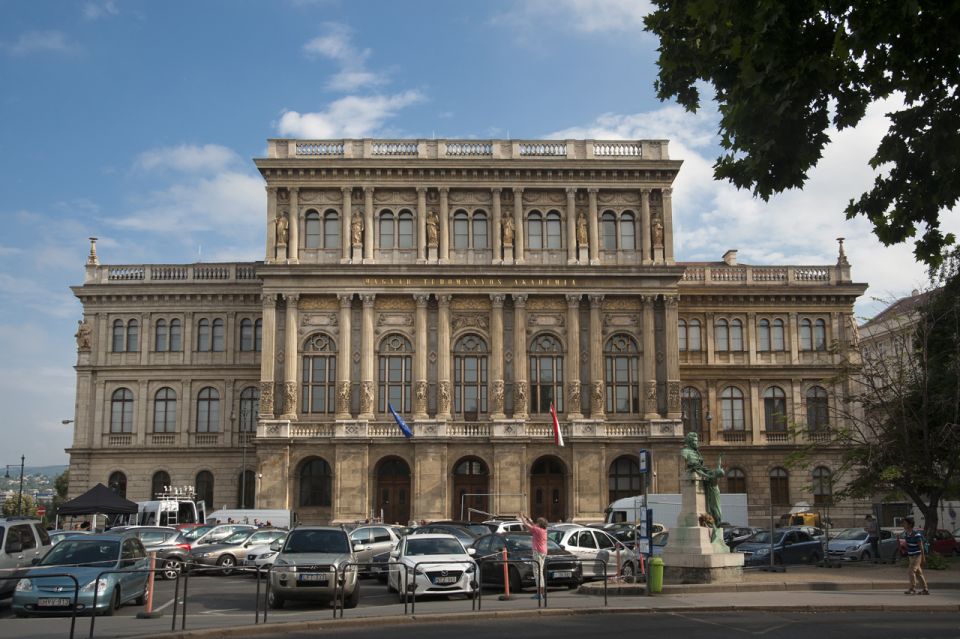
- St. Stephen’s Basilica meetup: Meet next to the Basilica in front of California Coffee Company.
- A tight 3-hour route: Pest and Buda highlights without burning a whole day.
- Architecture plus real 20th-century stories: You hear about Nazi and Communist dictatorships and revolutions, not just dates.
- Basilica to Castle of Buda is the backbone: Expect comfortable walking and a guided “read the city” approach.
- Matthias Church and Parliament exterior: Gothic splendor and landmark politics, mostly through what you can see from the streets.
- Small group energy: Guides like Dominik, Alexandra, Dalia, Oliver, Vikki, and Z are praised for pacing, humor, and answering questions—rain or shine.
A 3-hour first-day plan for Pest and Buda
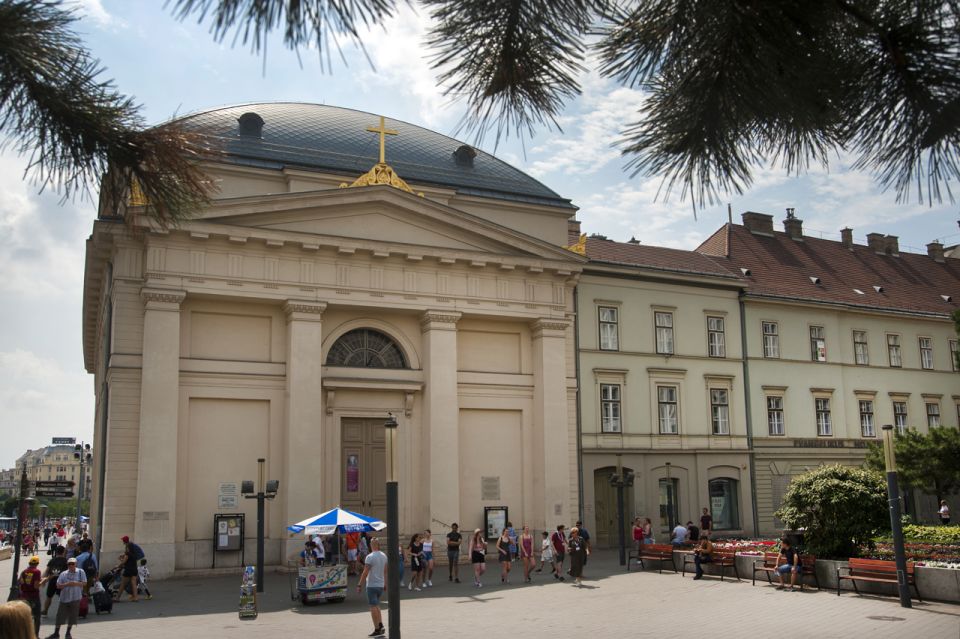
If Budapest is on a tight schedule, this is the kind of tour that helps you get your bearings fast. In just about 3 hours, you cover key sights on both sides of the river, plus the meaning behind them—medieval royal power, 19th-century growth, and the heavy shadows of 20th-century dictatorships.
What makes it work is the balance. You’re not only seeing famous buildings; you’re getting context for why they matter. And you’re doing it at a comfortable pace, with walking kept to roughly 1.5 km, then using public transport to move across the river.
You can also read our reviews of more walking tours in Budapest



Start by St. Stephen’s Basilica (and why that matters)
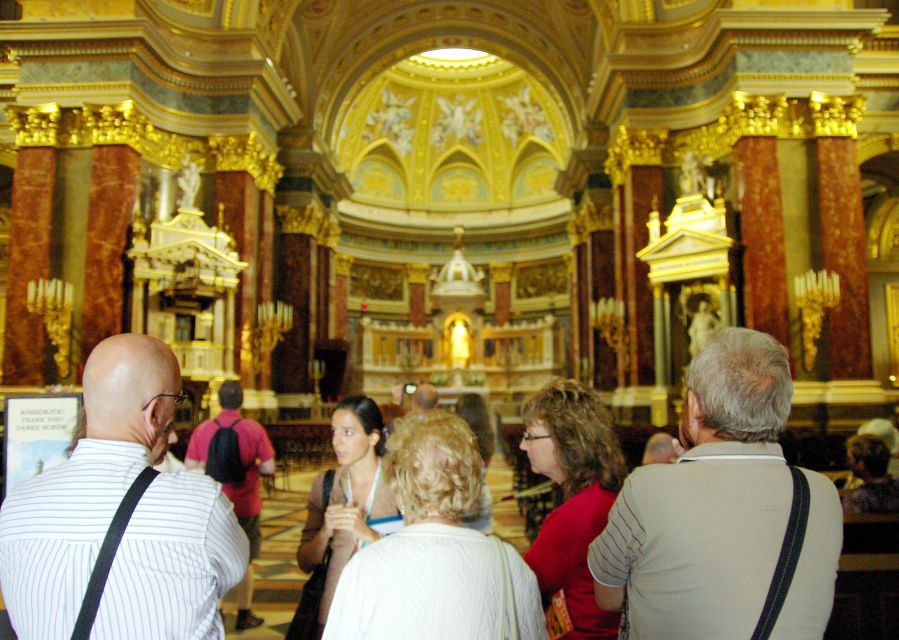
Your tour begins next to St. Stephen’s Basilica, in front of California Coffee Company. That’s a smart starting point because the area is central and easy to orient from, especially if it’s your first day in Budapest.
From here, you don’t just wander. You’re guided through how Budapest’s layers fit together—religious faith, civic power, and the changing face of the city over centuries. This tour is designed to be your “map with a voice,” the moment you want the story behind what you’re seeing.
Tip: arrive a few minutes early and be ready for a walk that’s meant to stay comfortable. The experience is built for momentum, not lingering forever at one spot.
Basilica to Buda Castle: the walk that gives you city scale
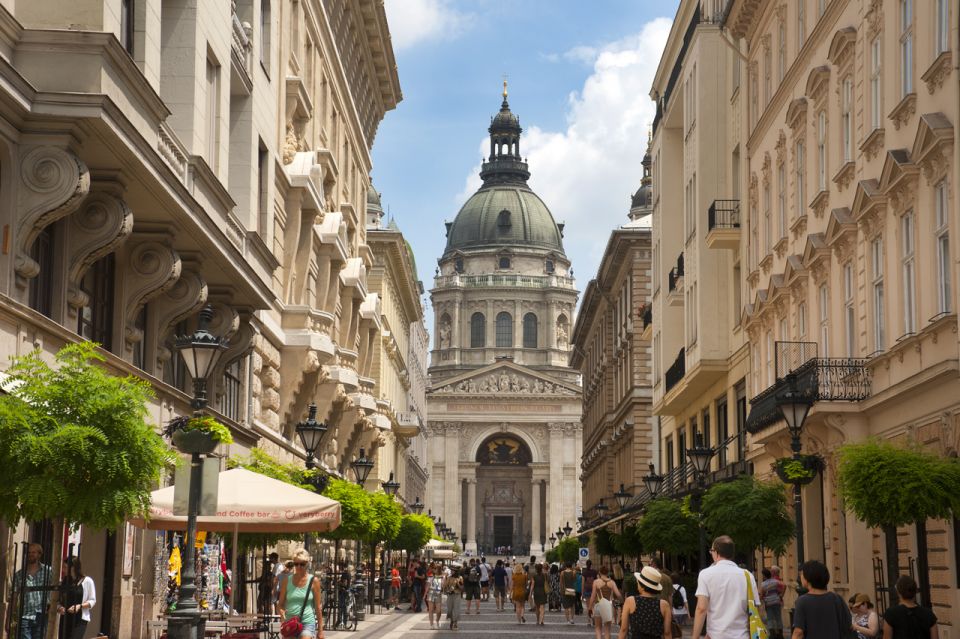
The walking core runs from the Basilica area toward the Castle of Buda. Along the way, the guide helps you understand Budapest’s architecture so you can look beyond postcard angles.
St. Stephen’s Basilica is the first anchor. The tour frames it in terms of religious identity, so you’re not just admiring a big church—you’re learning how faith and national life show up in stone. Then you shift toward the Buda side, where the Castle zone helps you feel the contrast between old royal ground and later urban expansion.
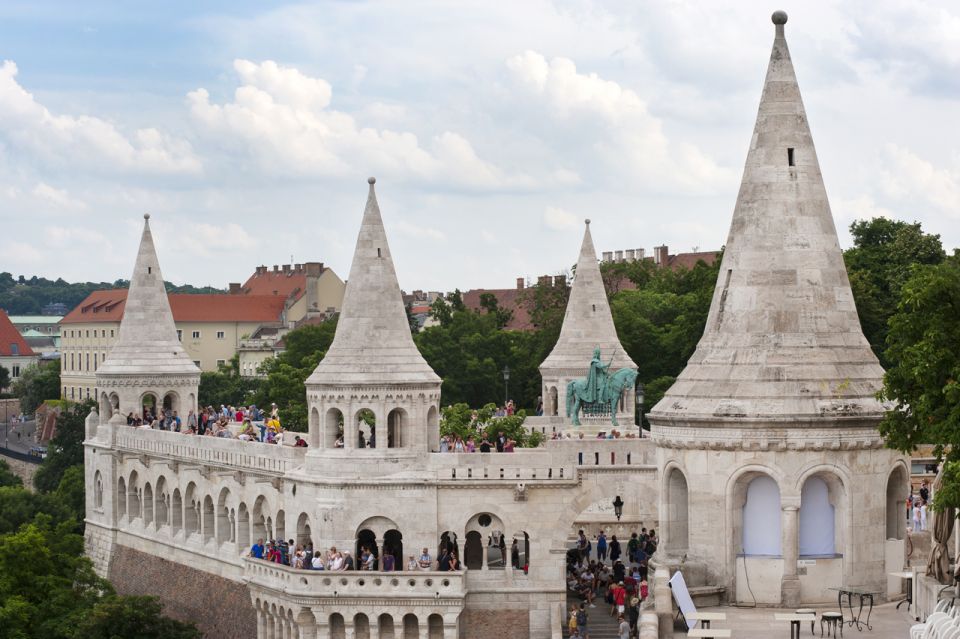
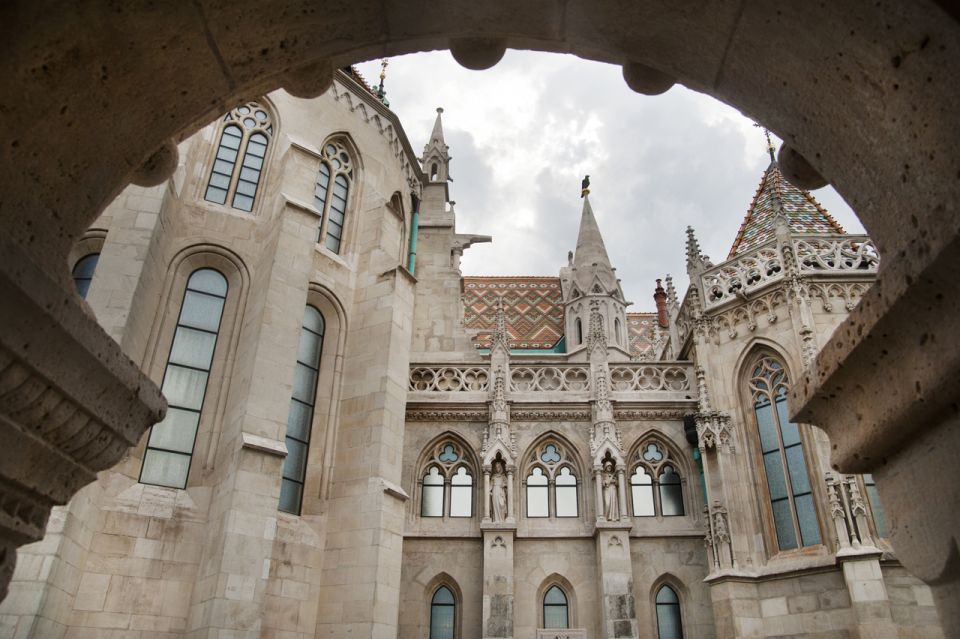
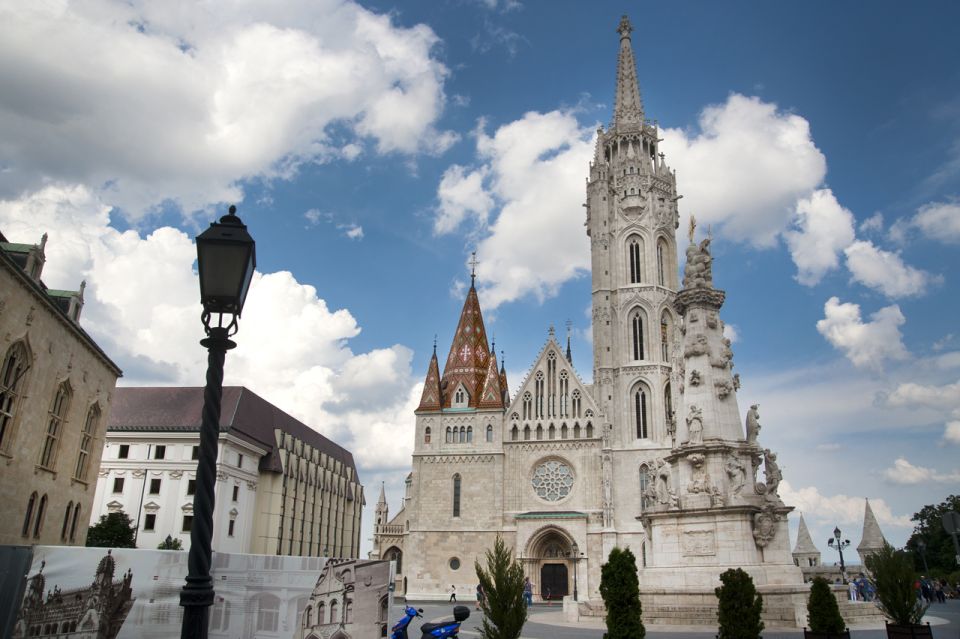
You’ll also see Matthias Church, often described as Gothic splendor for a reason. Even if you’ve seen Gothic churches elsewhere in Europe, the guide’s explanations help you notice what’s different in Budapest’s style and artistic choices.
One practical note: because you move between Pest and Buda, this isn’t a “stay on one hill” stroll. You’ll want comfy walking shoes and a light layer for changing weather.
Communism and revolution, explained through lived experience
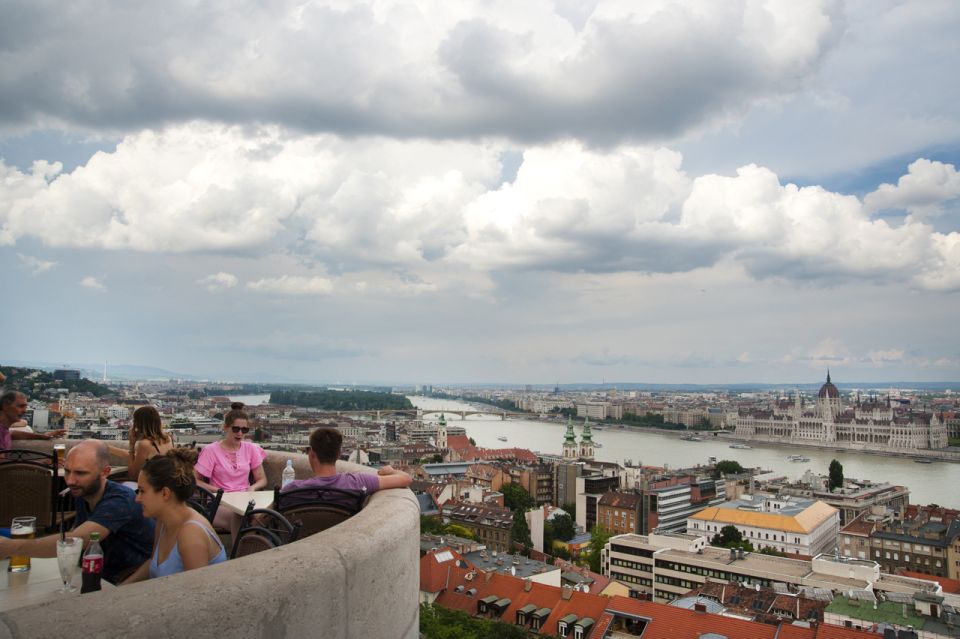
The strongest part of the tour is the way it handles 20th-century history. The route threads the story of dictatorships and revolutions into the sights you pass, with personal accounts of life under Hungary’s Communist dictatorship.
This is where the guides stand out. Dominik, for example, is praised for bringing attention to the often difficult and tragic events of the 20th century, and how they connect to the wider story of Europe, including Poland. Z is noted for mixing deep knowledge with humor, which helps heavy topics feel human rather than like a lecture.
The tour also covers Nazi and Communist dictatorships, then brings you forward to recent democratic change. That timeline matters because Budapest didn’t just “survive” these eras—it was reshaped by them. You start understanding why certain buildings, symbols, and public spaces look the way they do.
If you’re the type who likes history but gets lost in dry dates, this approach is a good fit. You’re walking and learning at the same time, with a guide translating the past into everyday realities.
Matthias Church and the Castle zone: art you can actually read
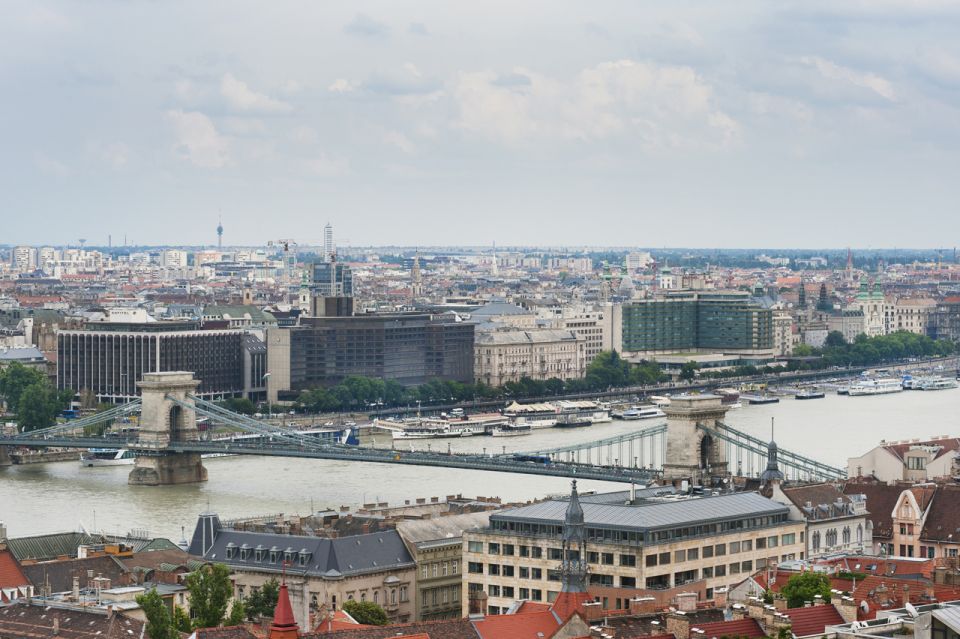
Budapest’s best architecture often feels like it’s shouting for attention. The tour teaches you how to listen to it instead.
Matthias Church is presented as Gothic splendor, and the guide uses it as an entry point into Budapest’s artistic life. You’re meant to notice details and patterns—how styles were chosen, and what they signal about the city at different times.
Then the Castle of Buda comes into view. Even if you’re not spending hours inside every space, the guided walk helps you understand the Castle zone’s role as a former royal residence and a symbol of power. You see how the city’s physical layout mirrors shifts in authority, from medieval rule to later urban growth.
This section is also ideal for photos. You’ll get the kind of vantage points that make people instantly say, yes, Budapest really looks like this.
You can also read our reviews of more guided tours in Budapest






Hungarian Parliament building exterior: politics in stone
You’ll see the magnificent exterior of the Hungarian Parliament building. That’s a smart choice for a 3-hour tour because it gives you the instant visual impact without forcing the day to expand into a half-day or longer plan.
Why exteriors work here: big landmarks are also cultural signals. Even without an interior visit, the guide’s framing helps you connect the building to Hungary’s political story—especially when the tour has already built context about dictatorships and democratic change.
This is also a good moment to ask questions. If you’re wondering how modern Hungary got from one era to the next, your guide can tie the visible landmark back into the broader narrative you’ve been hearing throughout the walk.
Price, time, and the public transport ticket you should budget
The tour costs $41 per person and includes the knowledge of a professional local guide. Public transport tickets are not included, with the tour listing 4 tickets per person totaling 1400 HUF (metro and bus).
Here’s the practical math: you’re paying for a guided, fast route across both sides of the river, built to show major highlights in a limited time window. If you’re comparing this to spending your day piecing together sights on your own, the guide’s job is to save you effort and reduce confusion.
Also, the public transport requirement is part of the design. It’s how you actually experience Budapest. You’re not stuck in one neighborhood or waiting around for a long ride—just moving efficiently while you learn where things are.
If you hate extra steps, this might feel like a tiny hassle. But the overall tradeoff is that you get a clean introduction to Pest and Buda in one go.
Guides that make the difference (Dominik, Alexandra, Dalia, and more)
This kind of tour rises or falls on the guide. In the feedback for this experience, certain themes keep showing up.
Many praise the pacing. One example: a guide who kept things at a good speed, not too fast, with plenty of information. Another guide handled pouring rain without letting it derail the group’s rhythm.
Humor also matters. Z is praised for a sense of humor and zest, which helps the tour’s serious history stay engaging. Alexandra is described as lively and fun, with local knowledge added on top of the core route. Dalia is credited with going above and beyond, including giving extra time when the group needed it. Oliver and Vikki are also praised for answering questions and giving valuable insights, even during cold weather.
Bottom line: you’re not just getting facts—you’re getting a guide who can respond to curiosity.
Who should book this Pest-and-Buda walking tour
This tour fits best if you want:
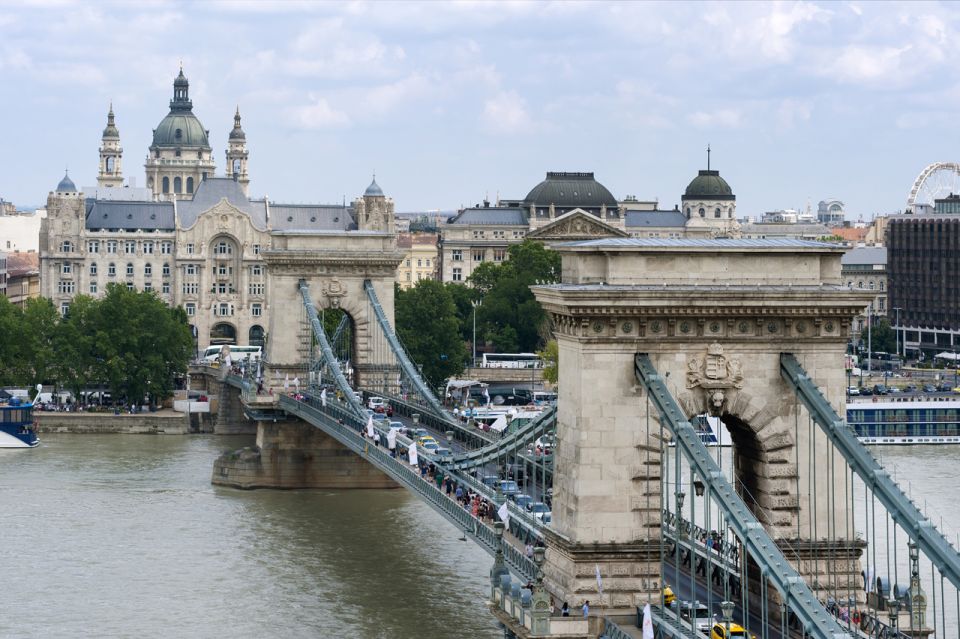
- a strong first-day overview of Budapest on both sides of the Danube
- a guided blend of major landmarks and 20th-century political context
- a format that works when time and energy are limited
It’s also a good option if you’re traveling solo and appreciate small-group attention. The experience is offered as private or small groups, which usually means more chances to ask questions without feeling rushed.
You might want something different if your priority is slow, deep visits inside museums or a long, uninterrupted walk through every corner of the Castle District. This tour is built for direction and understanding, not for extended time in one single site.
Quick, practical prep tips
- Start near St. Stephen’s Basilica and plan to arrive a few minutes early.
- Bring layers. Budapest weather can swing fast, and this is still a walking experience.
- Budget the transport tickets (1400 HUF total for 4 metro/bus tickets per person).
- If you care about history, come ready with questions. This is the kind of tour where answers can connect the dots quickly.
Should you book this Budapest walking tour?
Yes—if you’re in Budapest for a short window and want a guide-led overview that actually explains what you’re looking at. The value is in the pairing: landmarks like St. Stephen’s Basilica, Matthias Church, Buda Castle, and the Parliament exterior, tied together with stories about dictatorships, revolutions, and everyday life under Communist rule.
If you’re comfortable paying a bit extra for expert interpretation and you don’t mind a mix of walking plus short public-transport moves, this is an efficient way to make your first hours in Budapest count. And since it offers free cancellation up to 24 hours in advance and reserve-and-pay-later options, you can book confidently and adjust if your schedule shifts.
FAQ
How long is the Budapest walking tour?
The tour lasts 3 hours.
How much does the tour cost?
It costs $41 per person.
Where does the tour meet?
The meeting point is next to Saint Stephen’s Basilica, in front of California Coffee Company.
Is the tour offered in English?
Yes, the live guide is English.
What’s included in the price?
The price includes the knowledge of a professional local guide.
Are public transport tickets included?
No. Public transport (metro and bus) tickets cost 1400 HUF total per person for 4 tickets.
Can I cancel for a refund or pay later?
Yes. You can cancel up to 24 hours in advance for a full refund. You can also reserve now and pay later.