REVIEW · CITY TOURS
Private City Kickstart Tour: Budapest
Book on Viator →Operated by Withlocals · Bookable on Viator
Budapest clicks into place fast when someone explains it like a neighbor. This private kickstart tour is built for quick orientation, with a local guide who points out what matters and why, and you get personalized recommendations for the rest of your trip. One thing to note: the two hours are tightly packed, so if you want long museum time, this is more about direction than deep entry.
I especially like how guides can steer the route toward your interests, so the walk feels useful instead of scripted. And I like that you start in the city’s main hub area, then move through big, recognizable landmarks that help you understand where the Danube, Pest, and Buda fit together. The main consideration is logistics: there’s no hotel pickup, and the museum stop requires an extra ticket.
Finally, this works best as your first morning or first full day in town. It gives you a mental map, plus practical next steps—like where to focus later and what to watch for as you wander.
In This Review
- Key things that make this tour worth your time
- Where you’ll start: Deák Ferenc tér, the smart launchpad
- Hungarian National Museum: using a museum stop for real orientation
- Vigadó Square (Vigado ter): the 19th-century concert-hall vibe
- Elisabeth Bridge: passing the landmark that frames the Danube
- The optional stops that depend on your host’s route
- Private pace: what you actually get in 2 hours
- Local tips and tailored recommendations for the rest of your trip
- Price and value: $71.35 per person for a guide-led start
- Who this tour is best for
- Logistics you should plan for (so the day stays smooth)
- Watch-outs before you book
- Should you book the Private City Kickstart Tour: Budapest?
- FAQ
- How long is the Private City Kickstart Tour in Budapest?
- Is this tour private?
- What is the meeting point?
- What does the tour price include?
- What is not included in the tour price?
- Is admission included for the Hungarian National Museum?
- Are the other listed stops free to visit?
- How big is the group?
Key things that make this tour worth your time
- Private and small-group feel with only you and your local guide (up to 8 people per booking)
- Orientation that connects the dots between Pest, the Danube, and the grand landmark areas
- Guides who tailor the route to your interests (people such as Nick, Zsofia, Anges, Noemi, and Gabor have been praised for this)
- Free walk-by stops at Vigadó Square and Elisabeth Bridge help keep it efficient
- You leave with next-day plans built from local tips and quick, personalized advice
- Mobile ticket delivery so you’re not scrambling for paperwork on the day
Where you’ll start: Deák Ferenc tér, the smart launchpad
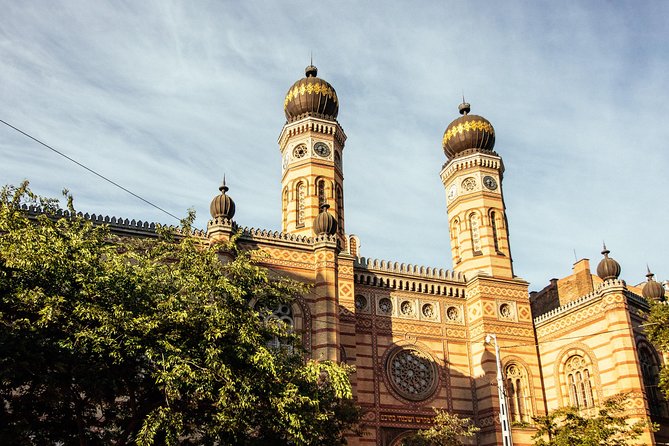
You meet at Deák Ferenc tér 4 (Budapest), right in the thick of the city’s transit web. That’s a big deal because Budapest is easier when you understand the geography and can move quickly. If your hotel is anywhere near the central areas, you’ll likely find it simple to get there without planning extra rides.
This is also one reason the tour works well early in your trip. You’re not trekking across town just to begin. You’re stepping into the part of Budapest that most travelers will pass through repeatedly, then you’ll get a clearer sense of where things are as you go.
The tour runs about two hours. It’s short enough to fit into a tight schedule, but long enough for a guide to make connections instead of just pointing at buildings.
You can also read our reviews of more city tours in Budapest



Hungarian National Museum: using a museum stop for real orientation
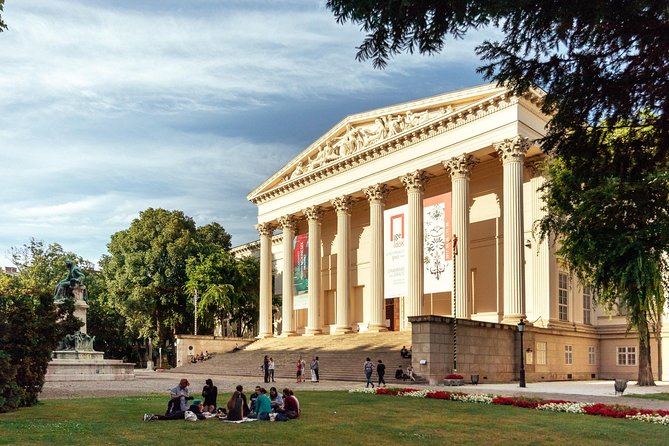
The tour’s first major stop is the Hungarian National Museum. It covers the historical relics of the Carpathian Basin and Hungary, collecting and presenting artifacts since 1802. That sounds like a lot, and it is, but the smart part is how a good guide uses that context to help you read the city.
Practical side first: the museum admission ticket is not included. So you have two options:
- Treat it as a location cue and learn from what you can see and what the guide explains.
- Decide on the spot whether it’s worth paying for entry, based on how your interests line up.
Either way, this is more than a photo stop. You’re getting a quick framework for understanding how Hungary’s story shaped what you see around you—especially when you connect this stop with what comes next near the Danube and the landmark square areas.
For value-minded travelers, this is one of the clearest places to spend your money, because it sets up the rest of your Budapest sightseeing. Even if you don’t go inside for long, you’ll come away with a better way to interpret the city.
Vigadó Square (Vigado ter): the 19th-century concert-hall vibe
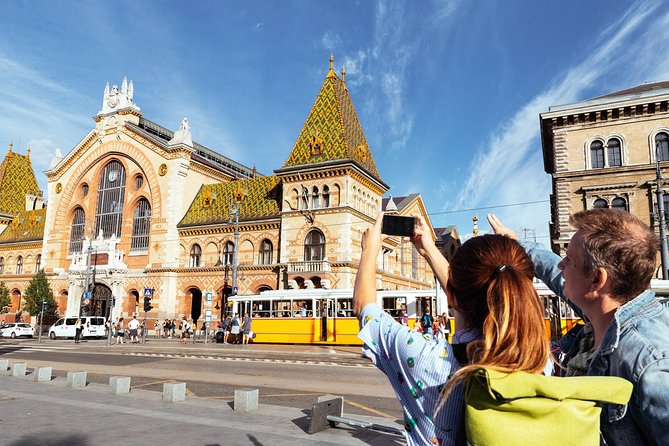
Next comes Vigadó Square, a quick stop designed to send you back in time. It’s associated with Budapest’s 19th-century concert hall atmosphere, and the location is great for orientation because you can look around and see how the area is laid out.
The best part here is that admission is free. So you get the benefit of a historic reference point without the extra ticket cost. In a two-hour tour, those free stops help keep the math simple.
This is also where a tailored guide really shows up. If you’re into architecture or cultural history, your guide can spend more time on what makes the area feel distinct. If you’re more focused on everyday Budapest, you can get pointers on how locals think about this part of the city and where it connects to the Danube walkways and central areas.
Elisabeth Bridge: passing the landmark that frames the Danube
Then you’ll pass by Elisabeth Bridge, known as a classic Danube crossing. The tour keeps this stop short (it’s about five minutes), but it does one valuable job: it anchors your mental map.
Bridges are not just crossings in Budapest. They help you understand the city’s shape. Once you’ve seen Elisabeth Bridge from the right angle with a guide’s explanation, it’s easier to choose where to go later—whether you want riverside walking, big views, or a route that feels logical instead of random.
Admission is free here too. That means your guide can use the time for context rather than ticket logistics. It’s also a good reminder that Budapest’s most famous scenery isn’t confined to one view. It’s connected. A bridge is often your clue to find the next good angle on your own.
The optional stops that depend on your host’s route
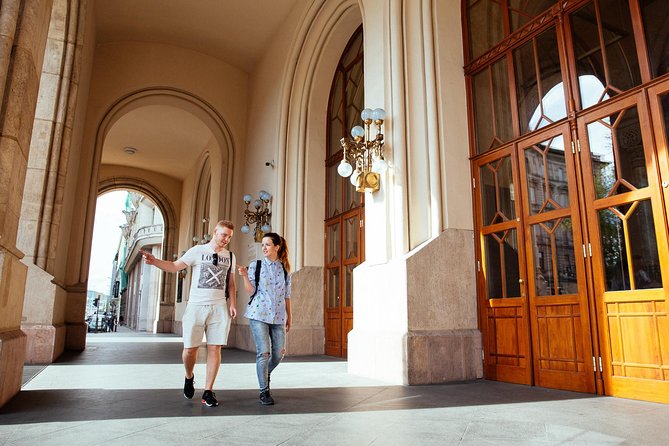
One important detail: after the main listed landmarks, there may be additional stops depending on the guide and the chosen route. The exact extra locations aren’t fixed in the information you receive, but the intention is clear—your guide can adapt.
That’s not a downside if you think of it as flexibility. It’s a benefit if you want the tour to match how you like to travel:
- Want more photos and recognizable landmarks?
- Prefer streets and city life over monuments?
- Curious about how Pest and Buda feel different?
Because the tour is private, the guide can tune the timing too. Some guides are known for giving more time where your questions are pulling you, rather than racing through a checklist.
You can also read our reviews of more private tours in Budapest






Private pace: what you actually get in 2 hours
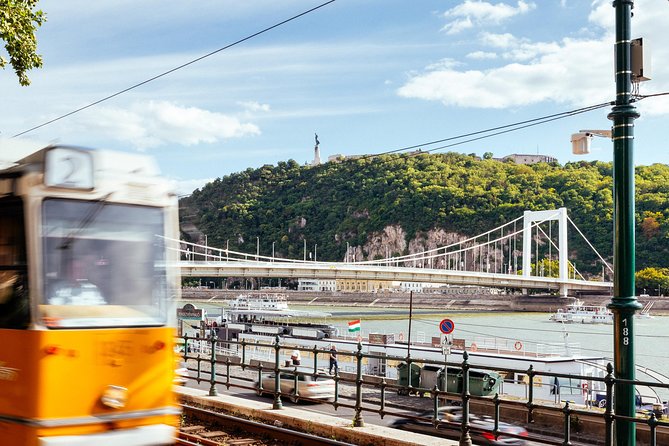
The phrase private tour can mean a lot of things. In practice here, it means you’re not stuck with the speed and rhythm of a larger group. You’re able to ask questions and move at a pace that matches your curiosity.
This matters in Budapest because the city rewards attention. A guide can help you see patterns that you would otherwise miss—like why certain areas feel grand, where the energy shifts, and how the river and landmark zones create a natural route for your future days.
Also, the tour is capped at a maximum of 8 people per booking. That’s small enough to keep the conversation real, even if your group is more than just two travelers.
If you’re a couple, you may feel like you have the city to yourselves. If you’re traveling with family or friends, this is still a manageable group size for a focused orientation.
Local tips and tailored recommendations for the rest of your trip
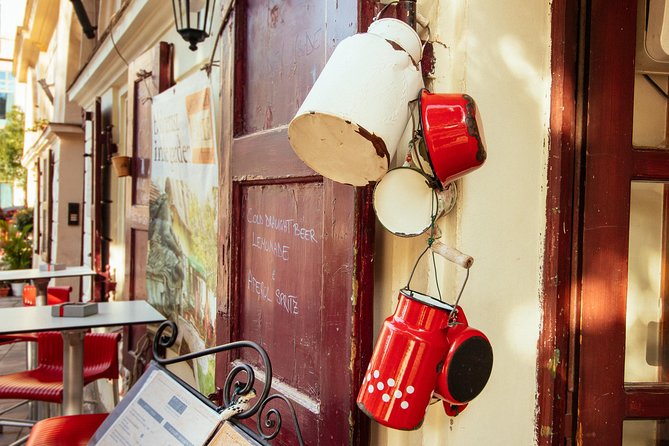
A kickstart tour is only half about where you walk. The other half is what you do next. This tour is built around local tips and tricks plus a city orientation that sets you up for smarter decisions later.
What that looks like on the ground:
- Your guide can point out where it makes sense to spend your next hour or your next morning.
- You’ll get suggestions connected to what you just learned, not random lists.
- If you’re heading to a market, a viewpoint, or a specific neighborhood, you can ask the guide for the easiest path and the best time to go.
Some guides have been praised for generosity with their time and for making sure you leave with a plan you can actually use. Names that have stood out include Zsofia, Anges, Noemi, Nick, and Gabor—each noted for being attentive and steering the tour toward what the group cares about.
One practical bonus: because you start near a major transit node, it’s easier to follow through on the recommendations the same day. You won’t feel like you have to solve transportation first.
Price and value: $71.35 per person for a guide-led start

At $71.35 per person for roughly two hours, the cost is best understood as a time-saver and a planning upgrade.
Here’s why this can be good value:
- You’re paying for a local guide who gives you a directional mental map, so you spend less energy guessing.
- It’s private for your party, and the pace is controlled to your group’s questions.
- Two stops are free to enjoy, which helps you keep extra costs down.
But there is one cost consideration beyond the tour price: the Hungarian National Museum admission is not included. If you decide to go in, you’ll pay that ticket separately. For most people, that’s reasonable, because the museum stop is a strong anchor for understanding the broader story of the country.
I’d think of the tour as paying for clarity. If your Budapest plan already feels tight and you know exactly where you want to go, you might skip it. If your plan is still loose, this is a cost-effective way to tighten the whole trip.
Who this tour is best for
This experience is ideal for travelers who want:
- A quick orientation to Budapest without joining a large group
- A private, small-scale guide conversation
- A first-day plan that feels realistic instead of overwhelming
It also suits people with moderate physical fitness. The itinerary is walk-focused and short on paper, and the stops are arranged to keep it manageable.
You’ll likely like it most if you’re in town for a short time, or if it’s your first visit and you want to avoid wasting a day wandering without a strategy.
Logistics you should plan for (so the day stays smooth)
No hotel pickup and drop-off is included, so you’ll need to get yourself to the meeting point at Deák Ferenc tér. That’s not a problem if you’re staying centrally or near transit, but it can matter if you’re far out.
The tour is offered in English, and it may be operated by a multi-lingual guide. If English is your comfort zone, you should be set, but it’s smart to confirm communication expectations when booking.
The tour ends back at the meeting point, so you don’t need to solve a complicated end-of-tour transit problem.
One more timing note: this is often booked about 17 days in advance on average. If you’re visiting during a peak travel window, early booking can help you secure the day and start time that fits your schedule.
Watch-outs before you book
Two things to keep in mind:
- The Hungarian National Museum stop doesn’t include admission, so decide whether you’ll pay for entry or treat it as a context stop.
- Not every additional stop is guaranteed; the route can vary based on your host.
This isn’t a reason to avoid it. It just means you should approach the tour as flexible orientation, not a rigid route where every single stop is identical for every booking.
Should you book the Private City Kickstart Tour: Budapest?
If you want Budapest to feel organized on day one, I think this is a smart move. The best version of this tour gives you a clear sense of where you are, why the landmarks matter, and what you should do next. With private pacing and guides praised for tailoring, you’re buying direction, not just sightseeing.
I’d skip it only if:
- You already have a very detailed day-by-day plan and feel confident navigating on your own.
- You want a lot of time inside museums as the main event.
- You don’t want to pay extra for museum admission at the Hungarian National Museum.
If you’re somewhere in the middle—curious, short on time, and ready to understand the city—this is exactly the kind of start that makes the rest of Budapest easier.
FAQ
How long is the Private City Kickstart Tour in Budapest?
The tour lasts about 2 hours.
Is this tour private?
Yes. It’s a private tour for your party, with only you and your local guide participating.
What is the meeting point?
You meet at Budapest, Deák Ferenc tér 4, 1052 Hungary, and the tour ends back at the same meeting point.
What does the tour price include?
It includes a private tour, a local guide, local tips and tricks, and city orientation.
What is not included in the tour price?
Hotel pickup and drop-off are not included, and food and drinks are not included.
Is admission included for the Hungarian National Museum?
No. The museum stop notes that admission ticket is not included.
Are the other listed stops free to visit?
Vigadó Square and Erzsebet Bridge are listed as free.
How big is the group?
The maximum is 8 people per booking.