REVIEW · WALKING TOURS
Budapest : Must-see attractions walking tour
Book on GetYourGuide →Operated by Guydeez Tours · Bookable on GetYourGuide
Budapest makes sense on foot. This private, customizable walking tour uses a licensed local guide to connect major sights with the real stories behind the buildings, squares, and everyday culture. You start near Kempinski Hotel Corvinus Budapest and keep moving through the city’s best-known landmarks without feeling like you’re stuck in a checklist.
I really like the stop-by-stop mix of architecture, public art, and practical city advice, including a few Hungarian-language basics along the way. The possible drawback is time: at 2 hours, you’ll get smart orientation and key highlights, but you won’t have long, slow moments inside every stop.
In This Review
- Key takeaways before you go
- Meeting Kempinski Corvinus: the fastest way to get oriented
- Elizabeth Square to St. Stephen’s Basilica: churches, symbols, and the city’s layout
- St. Stephen’s Square and Vörösmarty Square: public art, people-watching, and food-story connections
- József nádor tér and the Váci utca area: Habsburg echoes and porcelain color
- Danube Embankment viewpoints: one walk, a whole postcard wall
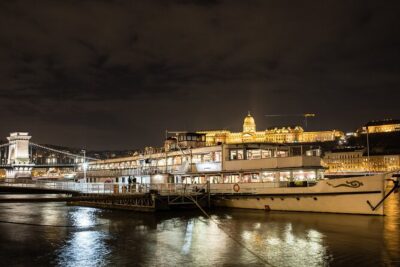
- Vigadó Square and the Chain Bridge: coronation banquets and engineering drama
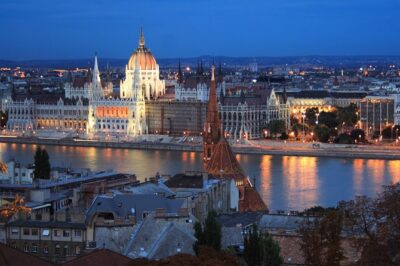
- Parliament Building finish: neo-Gothic power and recent politics
- Price and value: what $29 buys you in real walking-tour terms
- Practical notes for enjoying every stop
- Who this tour is best for
- Should you book this Budapest highlights walking tour?
- FAQ
- FAQ
- How long is the Budapest walking tour?
- How much does it cost?
- Is the tour private?
- Where do I meet the guide?
- What sights are covered?
- Is there public transport included?
- What languages is the guide available in?
- Is the tour wheelchair accessible?
- What if my plans change?
Key takeaways before you go

- Private and customizable: you can steer the walk toward what you care about most.
- A licensed local guide: explanations are built around how Budapest works, not just what it looks like.
- Major sights plus “in-between” details: from St. Stephen’s Basilica to Váci utca, Fat Policemen art, and the Little Princess Statue.
- Danube views in one efficient route: you’ll see Castle Hill, Fisherman’s Bastion, Matthias Church, Buda Castle, and Gellért Hill-Citadel viewpoints.
- Real Budapest context: from Habsburg connections to the Chain Bridge story and Parliament-era politics.
Meeting Kempinski Corvinus: the fastest way to get oriented
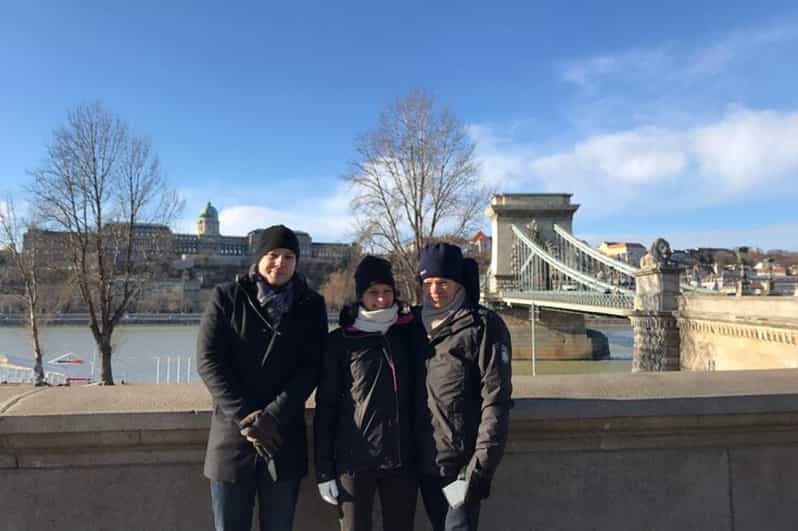
The tour starts at Erzsébet tér 7, right in front of Kempinski Hotel Corvinus Budapest. That’s a smart first move because this area puts you close to the broad, easy-to-walk parts of the center, and you’re not scrambling to find your first reference point. Within minutes, your guide sets the tone: how to read the city, which sights matter most for first-timers, and how the neighborhoods relate to the river.
This is the kind of tour that feels practical from the beginning. You’ll cover a lot in two hours, but you’re not moving blindly. A guide like Adrienne, Alix, or Anikó (names that show up in feedback) tends to run things like a real conversation: clear explanations and room for questions, not a rushed lecture.
One more value point: your guide doesn’t just hand you facts. You’ll get guidance on other things to do in Budapest after the walk, which is often what helps you turn one sightseeing day into a solid plan.
You can also read our reviews of more walking tours in Budapest



Elizabeth Square to St. Stephen’s Basilica: churches, symbols, and the city’s layout
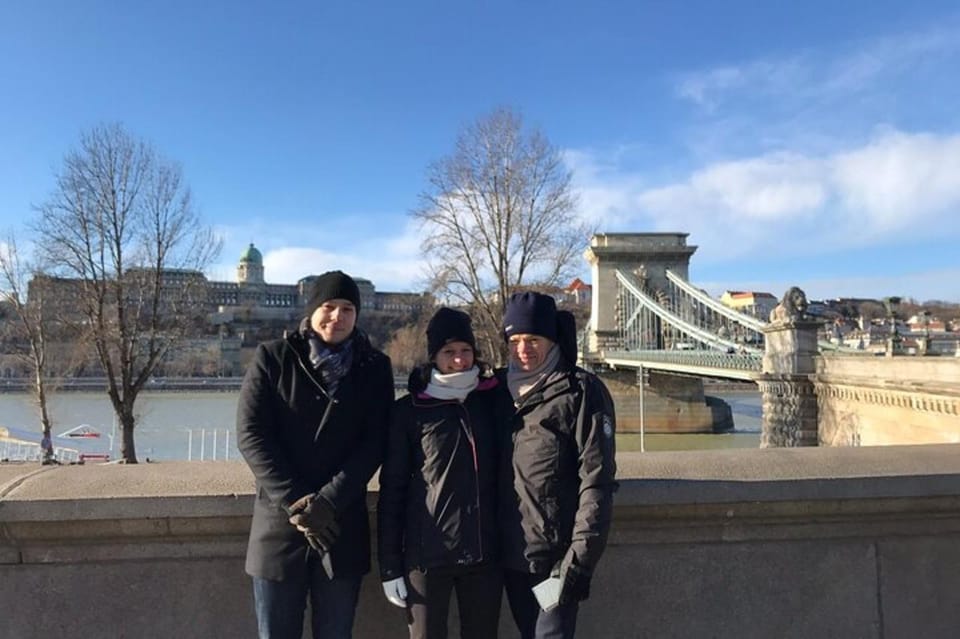
Your route begins at Elizabeth Square (Erzsébet tér), where the guide introduces Budapest through architecture, public art, and Hungarian culture. This early framing matters. If you only see landmarks without context, Budapest can feel like separate postcards. With this start, you learn the logic of the city while you’re still close to your starting point.
From there, you head to St. Stephen’s Basilica, Budapest’s largest church. You’ll hear about its architecture and history, which helps you notice details you might otherwise miss. Even if you don’t go inside deeply, understanding what you’re looking at changes the whole experience: domes, scale, design choices, and the way this building anchors the surrounding streets.
A good guide will also help you connect the basilica to the wider city experience—how religious monuments fit into modern life, and how people use central spaces as social rooms, not just tourist zones. That sets you up for the next squares, where public art and everyday culture take the spotlight.
St. Stephen’s Square and Vörösmarty Square: public art, people-watching, and food-story connections

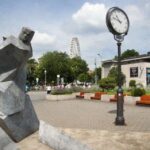
Next comes St. Stephen’s Square, where public art plays an unexpected role. You’ll see the public art depicting fat policemen—an odd detail in the best way, because it tells you Budapest is willing to be funny. It’s not all stone solemnity. The guide connects the artwork to Hungarian culinary art and history too, which is a nice reminder that culture isn’t only museums. It’s also what people eat, celebrate, and talk about.
Then you move to Vörösmarty Square, a favorite for people-watching. This stop is less about one “must-see” monument and more about atmosphere. You get a feel for where locals and visitors naturally slow down. That’s useful because later, at river viewpoints, you’ll understand where crowds come from and why certain spots keep pulling attention.
Tip: if you want photos, use these squares as your warm-up shots. You’ll get calmer results before you step into the high-demand riverfront views later.
József nádor tér and the Váci utca area: Habsburg echoes and porcelain color
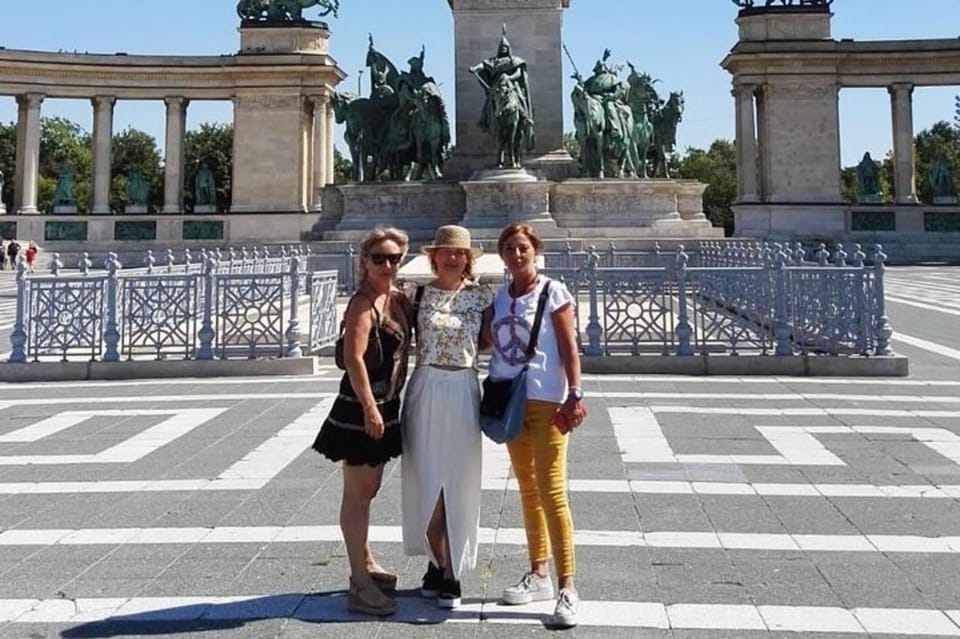
At József nádor tér, you shift into a different chapter of Budapest’s story: Hungarian Habsburg history. This is where you learn how power and empire show up in the city’s art and objects, not just in old documents.
You’ll also see exquisite hand-painted porcelains and colorful ceramics. This matters for two reasons. First, it gives you something visual and tangible to remember. Second, it helps you understand why decorative arts in Central Europe are not just decoration—they’re part of identity, status, and craftsmanship.
From there, you head toward Vörösmarty Square and the end stretch of Váci utca, the famous pedestrian street. Even if you don’t plan to shop, you’ll enjoy the walk because it’s a classic way to understand how Budapest’s central tourism spine feels: shops, street rhythm, and the easy flow of people moving between squares.
If you’re trying to keep your trip efficient, this portion is a strong bridge between “big monuments” and the human-scale street experience.
Danube Embankment viewpoints: one walk, a whole postcard wall
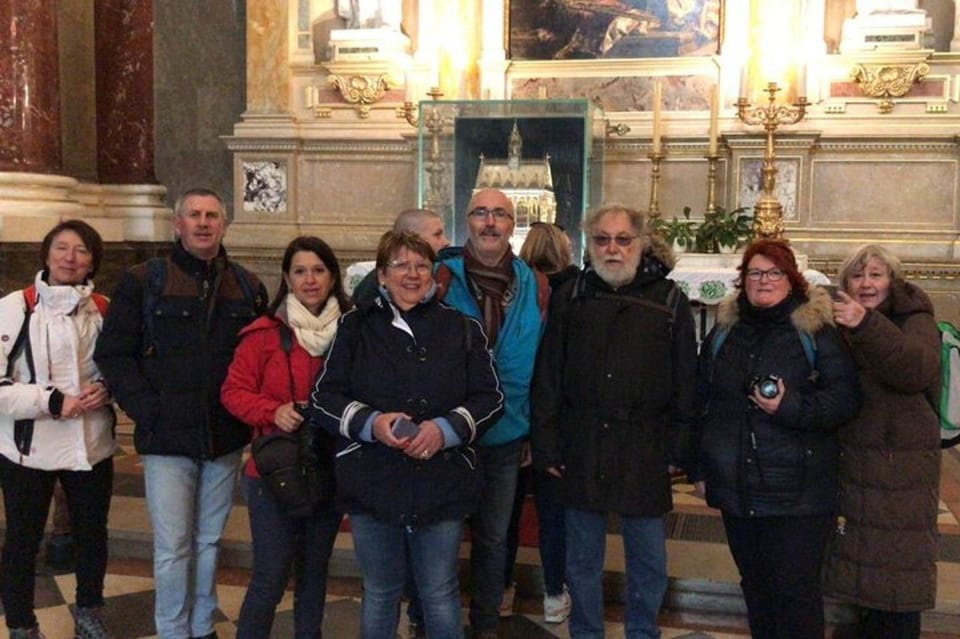
Now you get the payoff: walking along the Danube Embankment. This is the section where Budapest’s silhouette explains itself. Your guide points out panoramic views of Castle Hill, Matthias Church, Fisherman’s Bastion, Buda Castle, and Gellért Hill with the Citadel. Those names can sound like a sightseeing list until you see them aligned across the river like layers of a city model.
This is where a guide makes the difference. Instead of just naming landmarks, you learn what they are and why people care about them. You also learn how the riverfront positions the city’s best photo angles. You’ll likely take more photos than you planned, but at least you’ll know what you’re photographing.
Then there’s the quirky, sweet moment: the Little Princess Statue, where you can make a secret wish. It’s short, but it gives your brain a break from the historical explanation mode. It also adds a tiny bit of play to a tour that’s mostly about learning.
Wear shoes you trust here. The embankment can be busy, and you’ll want stable footing while you stop to look, point, and frame shots.






Vigadó Square and the Chain Bridge: coronation banquets and engineering drama
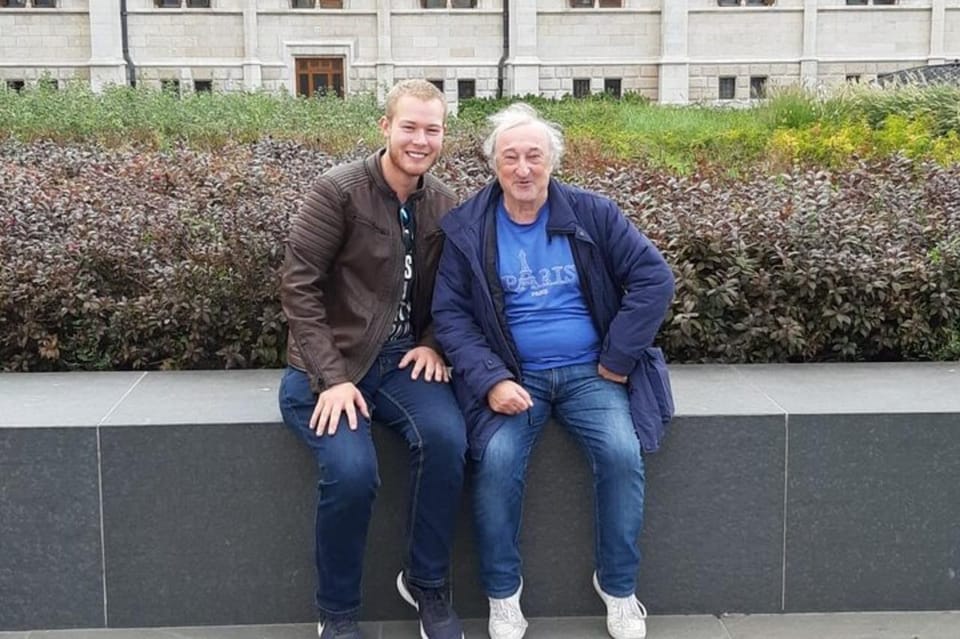
Next you reach Vigadó Square, tied to the grand scale of 19th-century royal life. You’ll learn about Franz Joseph’s and Sissy’s coronation banquet held here. This kind of story is useful because it gives you a reason to care about the buildings and spaces you’re seeing. A square isn’t just a place to pass through; it’s a stage where big events played out.
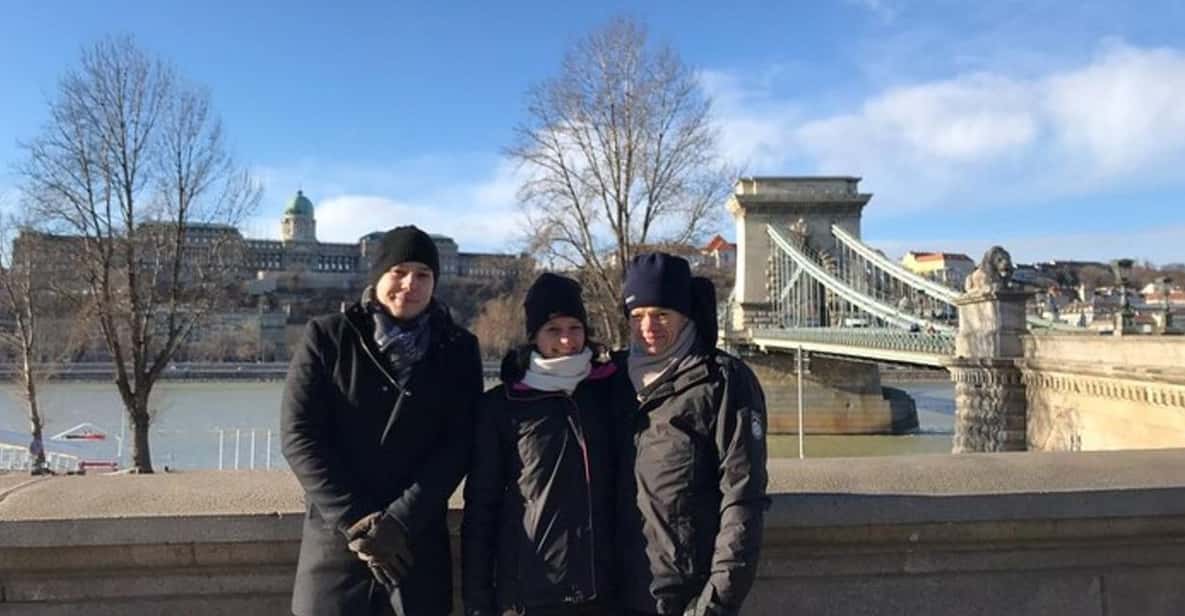
You’ll then learn about the history of Chain Bridge (Szechenyi Lanchid). The chain bridge story is the kind of engineering-era narrative that helps you understand Budapest as a modernizing city, not only an old one. When you hear the background, you start noticing the bridge as a symbol of connection, trade, and ambition.
Right after that, admire Gresham Palace, known for exceptional secessionist architecture. This is another moment where the guide’s job is to help your eyes land on design: the language of the facade, the style choices, and how this building fits into the city’s 19th-century identity.
If you like architecture as a form of storytelling, this is one of the strongest stretches of the walk.
Parliament Building finish: neo-Gothic power and recent politics
The tour ends at the Hungarian Parliament Building, which is a perfect finale because it’s both dramatic and educational. You’ll learn about the building’s neo-Gothic architecture, but you’ll also cover recent history and elections. That blend is key. It turns the Parliament from a postcard object into something connected to living democracy and national identity.
From a practical point of view, finishing here is also smart. This area sits at the center of many routes, so after the tour you’re well placed to continue exploring on your own. You’ll walk out with a clearer sense of how Budapest’s grand institutions relate to everyday civic life.
And because the last part includes modern context, it helps your earlier historical stops feel connected rather than separate eras.
Price and value: what $29 buys you in real walking-tour terms

At $29 per person for a 2-hour private walking tour, the value comes from density plus guidance. You’re not just seeing landmarks; you’re getting a guided reading of them. The tour also includes walking and public transport (unless you choose an option that changes it), plus help from the team to book tickets for the visits you want.
Private matters here. With no one else in your group, you can ask follow-ups and adjust pace. That’s not fluff. In a city like Budapest, where architecture, river history, and empire-era design all overlap, having one focused guide who can answer your questions quickly can save you hours of guesswork later.
If you’re a first-timer, this is the kind of tour that can act like a foundation day. You’ll leave knowing what to prioritize next: whether you want more time in the Castle Hill zone, more food culture stops, or more architecture.
If you already know Budapest well, you might find it shorter than you’d like. But for most people, $29 is a reasonable trade for focused orientation and efficient coverage.
Practical notes for enjoying every stop

This tour is built around walking, with some public transport added depending on the route flow. Bring shoes that handle uneven pavement and crowd flow near major sights. You’ll also want a camera or phone with enough storage, because the Danube Embankment viewpoints are photo-heavy.
Also, don’t treat it like a sprint through landmarks. The “secret wish” moment at the Little Princess Statue, the people-watching at Vörösmarty Square, and the quirky Fat Policemen art are part of the learning too. They help you understand Budapest as a lived-in city with humor and human scale.
What to do if you want to personalize it: ask your guide which stop matters most to you and what pace you want. This tour is customizable, so you can nudge toward architecture, culture, or street-life vibes without throwing away the main route.
Who this tour is best for
This walk fits especially well if you:
- Are visiting Budapest for the first time and want major sights plus culture context quickly.
- Like architecture and public art but want the stories behind them explained clearly.
- Want a guide to help you plan the rest of your day with practical advice.
It may be less ideal if you:
- Prefer slow museum-style pacing.
- Want long interior time at churches or monuments. This tour is about orientation and key stops, not extended entry time at every site.
Should you book this Budapest highlights walking tour?
I think you should book it if you want an efficient, private introduction to Budapest that ties landmarks together with stories you can actually use while planning the rest of your trip. The private format, the licensed guide, and the mix of major sights with memorable smaller details like the Fat Policemen art and the Little Princess Statue make the $29 price feel fair.
If you’re in Budapest for only a short time, this tour is a strong way to avoid that feeling of seeing famous places but not understanding how they connect.
FAQ
FAQ
How long is the Budapest walking tour?
It lasts 2 hours.
How much does it cost?
The price is $29 per person.
Is the tour private?
Yes. It’s a private and exclusive tour, with no one else in your group.
Where do I meet the guide?
Meet your guide in front of Kempinski Hotel Corvinus Budapest (Erzsébet tér 7).
What sights are covered?
You’ll see major sights including St. Stephen’s Basilica, St. Stephen’s Square, József nádor tér, Vörösmarty Square, Váci utca (end section), the Danube Embankment viewpoints, Vigadó Square, the Chain Bridge area, Gresham Palace, and the Hungarian Parliament Building.
Is there public transport included?
Walking is included, and public transport is included unless you select an option that changes this.
What languages is the guide available in?
English, Spanish, Italian, and French.
Is the tour wheelchair accessible?
Yes, it is wheelchair accessible.
What if my plans change?
Free cancellation is available up to 24 hours in advance for a full refund.