REVIEW · FOOD
Budapest Culinary & Wine Walk—Budapest’s Signature Food Tour
Book on GetYourGuide →Operated by Taste Hungary · Bookable on GetYourGuide
Budapest has a way of feeding your curiosity fast. This culinary and wine walk turns the city into a snack trail, starting at the Central Market Hall and ending with a guided Hungarian wine tasting. I love that you get multiple tasting stops (not just one meal), and I also like how guides like Barbara, George, and Anna keep the pacing easy while packing in real food stories. One thing to consider: you’ll cover plenty of ground on foot, and it isn’t wheelchair accessible.
If you want a quick way to understand Hungarian eating habits, this tour gives you the language to ask smarter questions. You’ll learn how signature ingredients like pork fat, paprika, and goose liver show up in local dishes, then you’ll test that knowledge by tasting along the way. The vibe works best if you’re happy to taste, walk, and ask questions—because the tour is built around small moments in shops, not long museum-style time.
In This Review
- Key takeaways before you go
- Central Market Hall: where the tour starts (and why it matters)
- How the walk hits 4 hours without feeling rushed
- The tastings that teach Hungarian flavor fast
- Neighborhood stops you might encounter (and why the variety is useful)
- Butcher shop and patisserie: the stops that make you feel like you belong
- Wine tasting at the end: 3 wines from different Hungarian regions
- Price and value: what you’re really paying for
- Who this tour fits best (and who might want a different plan)
- Practical tips to make it smoother
- Final verdict: should you book Budapest Culinary & Wine Walk?
- FAQ
- How long is the Budapest Culinary & Wine Walk?
- Where do I meet the tour guide?
- What’s included in the tastings?
- How many places do we visit?
- Is there a wine tasting, and how many wines are sampled?
- Is the tour wheelchair accessible?
Key takeaways before you go
- Central Market Hall first: you start inside the main entrance near the up escalators, so you’re fueled early
- 4–5 venues plus the market: tastings are spread out so you don’t feel stuffed too fast
- Real Hungarian ingredients, explained simply: you’ll connect what you taste to what Hungarians cook
- Neighborhood variety by day of week: spice shop, kosher bakery, coffee houses, candy or artisan chocolate can be on the route
- Finish with 3 essential wines: different wine regions, all tied back to what you just ate
- Small groups or private options: small group setting helps you get answers without waiting
Central Market Hall: where the tour starts (and why it matters)
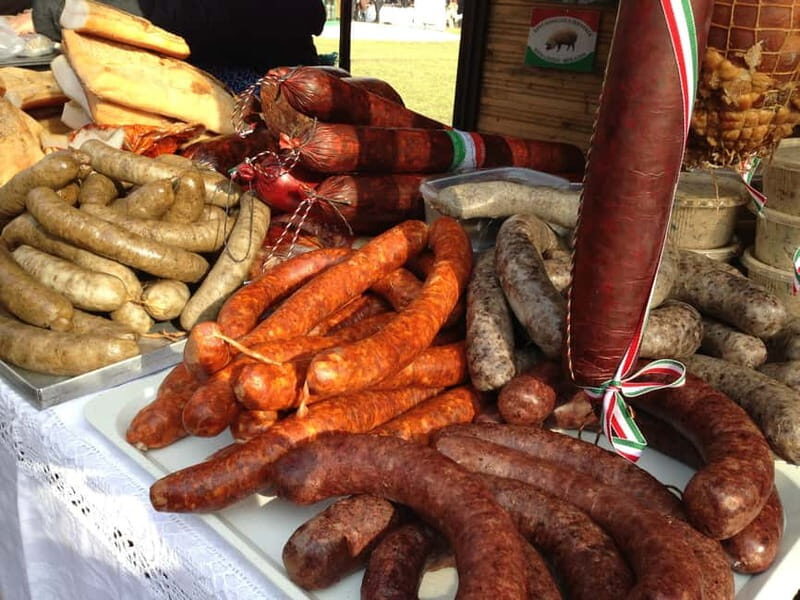
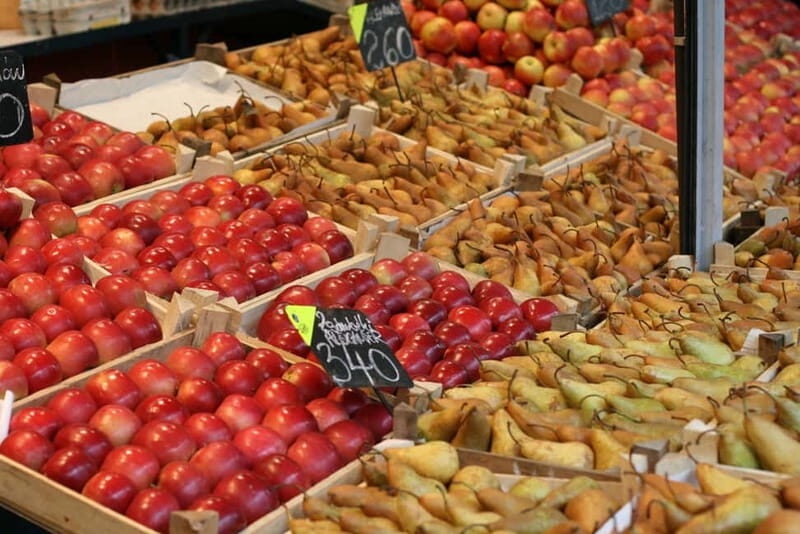
You begin at the Central Market Hall, right inside the main entrance near the up escalators. That positioning is smart. It puts you in the thick of the market right away, before your brain has time to overthink what to buy or where to go.
The Central Market Hall isn’t just a pretty building for photos. You get the building’s history and you also learn how Hungarian food culture is shaped by ingredients you can actually see and smell here. It’s one of those places where the education happens naturally: you notice what vendors highlight, you hear what your guide points out, and then you taste something that makes the explanation stick.
What I like most is that the market visit sets a baseline for the rest of the walk. After you learn what makes Hungarian pantry staples special, the neighborhood stops feel less random. They start reading like a map of flavor.
You can also read our reviews of more walking tours in Budapest



How the walk hits 4 hours without feeling rushed
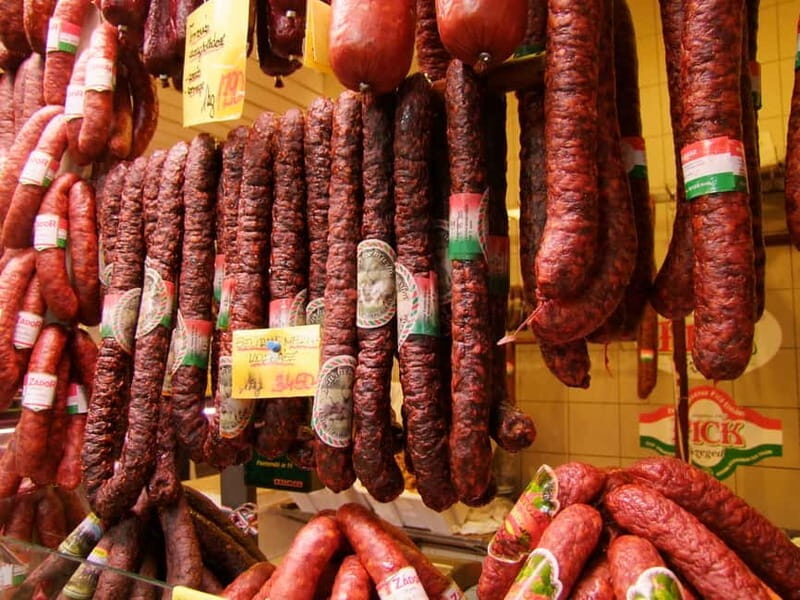
This is a 4-hour walking tour, and the format is built for first-time visitors. You’re not stuck in one place for hours, and you also aren’t doing a speed-walk sprint. The stops are spaced so you can regroup, sample, and ask questions without losing the thread.
You’ll visit the Central Market Hall plus 4 to 5 additional venues. Depending on the day, the tour can include a spice shop, kosher bakery, coffee house, candy producer, or artisan chocolate shop. That flexibility is practical. It means you’re less likely to repeat the same “tourist version” of food, because the route can reflect what’s open and what’s good that day.
There’s also built-in breathing room. The tour includes stops for photos and for food shopping. That matters because you’ll probably want to buy something after tasting, not just after listening.
The one downside is the walking itself. The tour notes that you’ll cover a lot of ground on your feet even though there are plenty of eating breaks. Wear shoes you can stand in comfortably, and plan to take your time at each stop because you’ll want to look around.
The tastings that teach Hungarian flavor fast
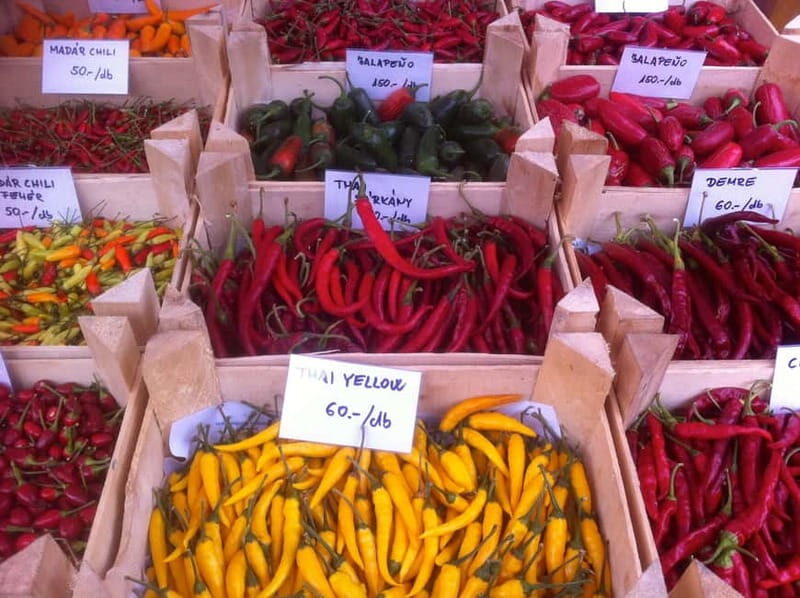
The tour’s biggest strength is the way it connects explanation to bites. You’ll hear how signature ingredients show up in Hungarian cooking—specifically pork fat, paprika, and goose liver—then you’ll get chances to taste dishes that put those ingredients into context.
That approach is great value for people who don’t want to guess. Instead of wandering around later trying to remember what a dish was called, you leave with a clearer mental model of what Hungarian flavors are built from. It’s the difference between eating and learning.
At some point you’ll also sample typical dishes at a butcher’s shop, and you’ll taste from a traditional patisserie to try elegant cakes. This matters because Hungarian cuisine isn’t only about savory cooking. The sweet stops are part of the lesson: how pastries and desserts fit into the same food culture you just saw in the market.
If you’re the type who worries that food tours will be repetitive, you’ll probably like the variety here. You’re bouncing between market produce, specialty shops, and more traditional counters where food is made for eating there and then.
Neighborhood stops you might encounter (and why the variety is useful)
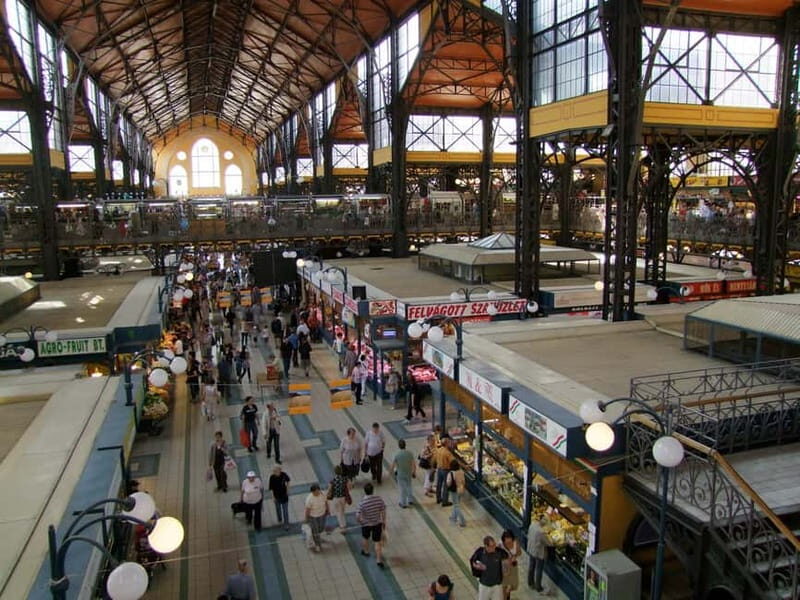
After the market, the tour moves into nearby neighborhoods. This is where the walking tour starts to feel like Budapest instead of a single attraction.
Depending on the day of the week, you might visit:
- a spice shop (great if you want to understand how seasoning works in Hungarian cooking)
- a kosher bakery (useful for seeing how different food traditions sit side-by-side)
- a coffee house (for a breather and a sweeter counterpoint)
- a candy producer or artisan chocolate shop (a good bridge between savory tastings and dessert)
Even when you don’t know what you’re about to try, the logic stays the same. Each stop gives you a different angle on Hungarian eating—ingredients, technique, and the everyday choices people make.
One of the most praised parts of this tour is how well guides handle questions. People mention that their guides kept interaction high and the walk well paced. That matters because these neighborhood stops can be visually chaotic if you’re on your own. With a guide, you know what to ask and what to look for.
Butcher shop and patisserie: the stops that make you feel like you belong
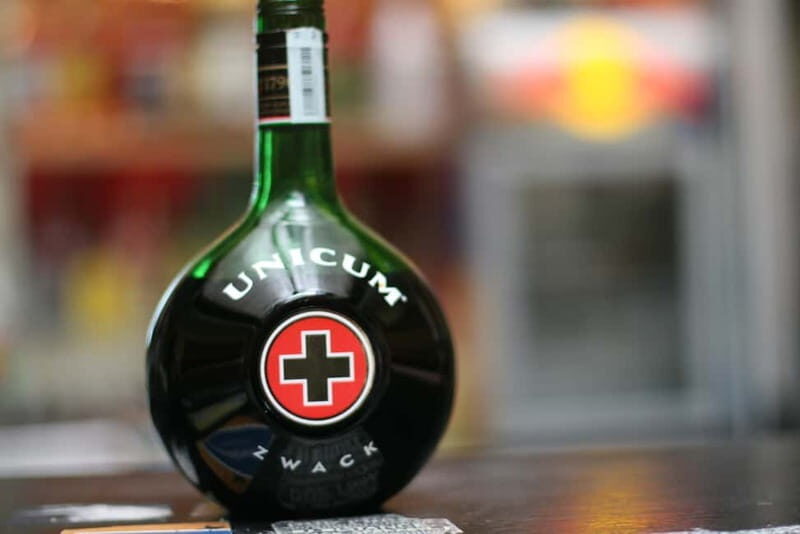
Savory food tours can sometimes skip the “where does this come from?” part. This one doesn’t. You’ll get to sample at a butcher’s shop, where typical dishes help explain the role of meat-based flavors in Hungarian cuisine. If you’re curious about how pork shows up in local cooking, this is the moment the tour’s ingredient talk turns into something you can taste.
Then you shift gears to a traditional patisserie. The point here isn’t just dessert. It’s balance. Hungarian meals often end with something sweet, and tasting elegant cakes gives you a fuller picture of the cuisine rather than treating it like a series of separate experiences.
The practical tip: come ready to taste. The tour notes generous tastings, and from the overall feel of the experience, you’ll likely go through multiple bites that add up fast. If you eat a big breakfast and try to “power through,” you’ll miss some of the fun.
You can also read our reviews of more food & drink experiences in Budapest



Wine tasting at the end: 3 wines from different Hungarian regions
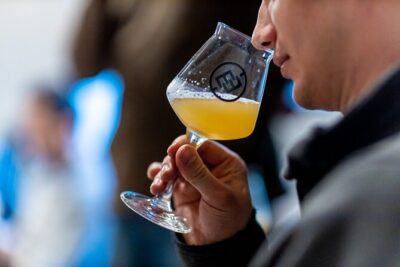
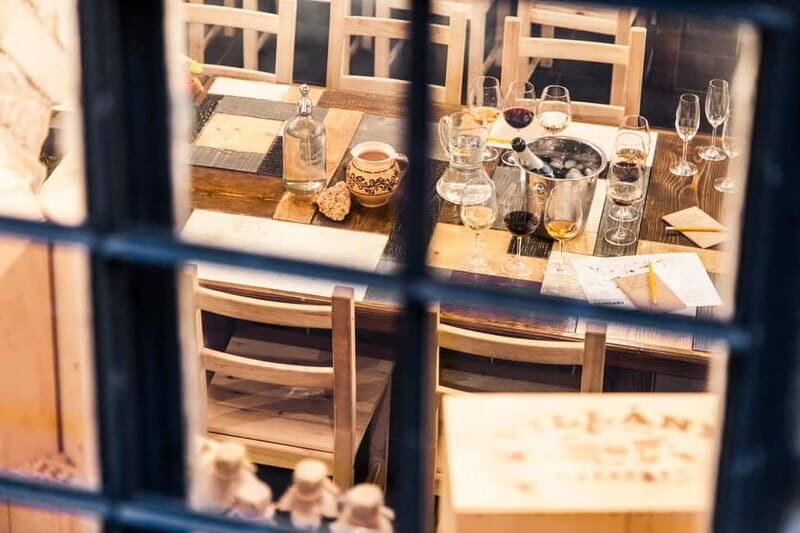
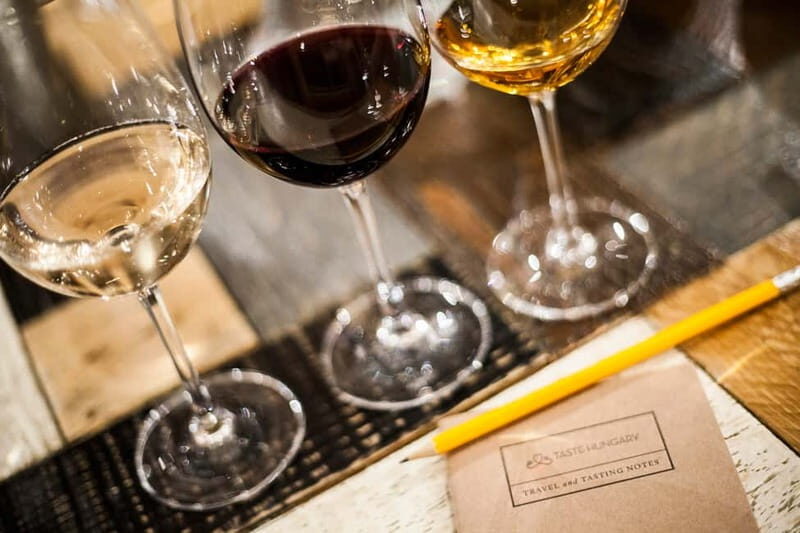
The tour finishes with a Hungarian wine tasting of 3 essential wines from different wine regions. That structure is helpful for two reasons.
First, it teaches you how to think about variety beyond grape names. Second, it gives you a satisfying ending after you’ve been tasting savory and sweet foods for hours. The tasting becomes a final lesson: you can link flavors from food to flavors in wine and start making your own picks for later meals.
In a tour like this, the wine portion can either feel like a bonus or like the climax. Here, it’s designed as a proper finish. If wine is a big part of what you want from your Budapest trip, this is a strong reason to book.
Price and value: what you’re really paying for
At $120 per person, this isn’t a budget snack crawl. But it can be good value if you judge it by what you actually get: an English-speaking guide, skip the ticket line at the market, a bottle of mineral water per participant, and generous food and drink tastings across multiple stops plus the Central Market Hall.
You’re paying for time, access, and guidance—not just food. With a self-guided approach, you’d have to figure out where to go, what to order, and how to understand the ingredients you’re seeing. Here, the guide puts the pieces together for you, including the ingredient story behind what you taste.
It’s also good value compared to doing separate “market + wine tasting” experiences later. This packs it into one 4-hour outing that ends back at the start, so there’s less coordination and fewer decisions.
Who this tour fits best (and who might want a different plan)
I think this tour fits best if you’re:
- a first-time visitor who wants a fast start in Budapest
- a foodie who learns by tasting, not by reading
- someone who enjoys small group interactions and likes asking questions
- a wine drinker who wants a simple, structured introduction to Hungarian wines
It may be less ideal if:
- you hate walking or standing for long periods (you will cover a lot of ground)
- you want only one long sit-down meal instead of multiple tasting breaks
- you need wheelchair accessibility (this tour isn’t wheelchair accessible)
If you’re traveling with friends and want a bit more control, the small group option (minimum 2, maximum 8) keeps it social but manageable. Private tours are available and can be customized if you book that format.
Practical tips to make it smoother
Here are a few things that’ll help you enjoy it more from the first minute.
- Eat lightly before you go. Even with breaks, this is tasting-heavy. If you arrive ravenous, you’ll be thrilled; if you arrive stuffed, you’ll miss nuance.
- Wear comfortable shoes. You’re touring on foot and the route includes markets and shops.
- Bring a little room for purchases. The tour includes stops where you can do some food shopping, and the market experience makes it tempting to grab ingredients.
- Ask about the ingredients you just heard. When your guide mentions pork fat, paprika, or goose liver, follow up with what that means in practice. You’ll taste better when you understand why.
Final verdict: should you book Budapest Culinary & Wine Walk?
If your goal is a one-stop introduction to Hungarian food culture—market produce, signature ingredients, neighborhood specialty shops, cake, butcher counter bites, and a structured 3-wine finale—this tour is a strong choice.
I’d book it if you like guided tasting experiences and you want to leave with both satisfied taste buds and useful context for what to order later. I’d skip it only if walking is a problem for you or if you prefer a single restaurant meal over several stops.
If you’re aiming for value, arrive hungry, wear good shoes, and come ready to ask questions. This tour is built for that kind of curiosity.
FAQ
How long is the Budapest Culinary & Wine Walk?
It runs for about 4 hours. Starting times vary, so you’ll want to check availability for the options.
Where do I meet the tour guide?
Meet inside the Central Market Hall at the main entrance near the up escalators. Your guide will be holding a canvas tote bag with the tour operator’s logo.
What’s included in the tastings?
The tour includes generous food and drink tastings at the Central Market Hall and 4 to 5 additional venues, plus a wine tasting of 3 essential wines. Mineral water is provided (bottle per participant).
How many places do we visit?
You’ll visit the Central Market Hall and then 4 to 5 other venues nearby, depending on the day.
Is there a wine tasting, and how many wines are sampled?
Yes. The tour ends with a wine tasting featuring 3 essential wines from different Hungarian wine regions.
Is the tour wheelchair accessible?
No. The tour is not wheelchair accessible.