REVIEW · WALKING TOURS
Budapest Walking Tour with Your Private Guide: 10+ Highlights
Book on Viator →Operated by Budapest with Lara · Bookable on Viator
Budapest has a talent for turning a walk into a story. This private guide route takes you from Pest to Buda like a time-travel corridor, with the walk finishing at the Fisherman’s Bastion viewpoints.
I like two things most: the way Lara gives you a quick Hungary grounding lesson before you start, and the fact that she’s flexible in real time when your questions or pace need adjusting. One consideration: admission fees aren’t included, so if you want interiors at any stops, you’ll likely pay extra.
In This Review
- Key Highlights to Look For
- Why This 3-Hour Pest-to-Buda Route Makes Sense
- Meeting at Elizabeth Square and How the Walk Is Timed
- Stop 1: St. Stephen’s Basilica and Getting Your Bearings Fast
- Stop 2: Hungarian Parliament Building and Kossuth Lajos Square
- Stop 4: Széchenyi Lánchíd (Chain Bridge) as Your Danube Moment
- Stop 5: Hungarian Academy of Sciences and the City’s Idea of “Order”
- Stop 6: Little Princess Statue and the Fun Side of Budapest Details
- Stop 7: Sándor Palace and Power in Plain Sight
- Stop 8: Matthias Church and the Shift Toward the Buda Story
- Stop 9: Fisherman’s Bastion—Why This Is a Strong Ending
- The Guide Factor: Lara’s Flexibility and Practical Help
- Price and Value: Is $162.56 Worth It?
- Practical Tips So You Don’t Waste Half the Tour
- Who Should Book This Private Budapest Walk
- Should You Book This Private Budapest Walking Tour?
- FAQ
- How long is the Budapest walking tour?
- How much does the tour cost?
- Is the tour private?
- Where do I meet, and where does it end?
- What language is the tour offered in?
- What’s included, and are admission fees covered?
- What is the cancellation policy?
Key Highlights to Look For

- Lara’s mini history lesson to help you understand what you’re seeing as you go
- Pest-to-Buda time-travel flow that makes the city feel connected, not random
- Multiple iconic landmarks in one 3-hour walk, from Basilica to Parliament to Matthias Church
- Finish at Fisherman’s Bastion, timed for big-picture views over the Danube
- Practical help at the end, including support with getting bus tickets back to your hotel area
Why This 3-Hour Pest-to-Buda Route Makes Sense
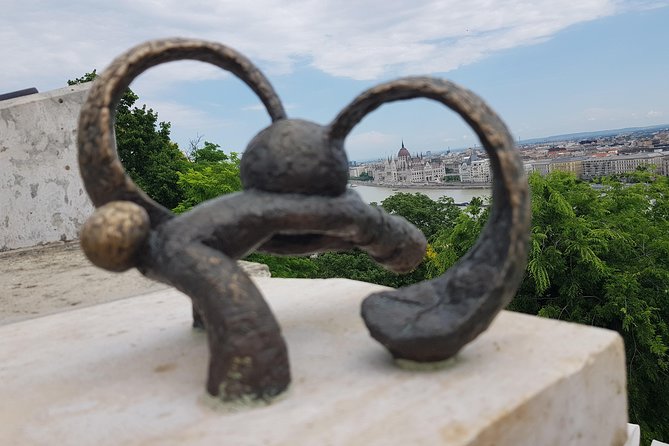
Budapest can feel split in two—Pest on one side, Buda on the other. This tour smartly builds that contrast into the route: you start on the Pest side and work your way back toward the Buda hill history, then end at a classic panorama spot.
The payoff is simple. In about three hours, you get a clean mental map of where things are, what ties them together, and what to revisit later. For a first-time visit, that kind of orientation saves you time on the next day.
Because it’s private, the guide can pace things for your group. That matters more than people think, especially in a city where you might want a little extra time for photos, a closer look at details, or explanations of why a building looks the way it does.
You can also read our reviews of more walking tours in Budapest



Meeting at Elizabeth Square and How the Walk Is Timed
You meet at Elizabeth Square (Deák Ferenc tér 2, 1052 Hungary), and the tour ends back at the same meeting point. That loop is useful. It means you’re not left guessing how to get home after the last viewpoint.
The experience runs daily from 10:30 AM to 3:30 PM, so you can pick a slot that fits your day. You’ll also get a mobile ticket, and you should receive confirmation within 48 hours of booking, subject to availability.
It’s listed as near public transportation, which is a big help if you’re using transit to hop to the meeting point. And since the tour is marked as suitable for most people, it’s a good option if you want to see major sights without committing to a full day.
Stop 1: St. Stephen’s Basilica and Getting Your Bearings Fast
You start with St. Stephen’s Basilica (Szent Istvan Bazilika). This is one of those Budapest anchors: you can’t miss it, and it gives you a strong landmark to orient from as the walk begins.
What I like about starting here is that it helps you set context. Even if you’ve seen photos before, a good guide can point out what to notice—how the building’s presence fits into the wider city story, and how it connects to the religious and civic rhythm of the area.
Also, since admission fees aren’t included, treat this as a “see it and learn from it” stop unless you choose to pay separately for any indoor access. Either way, it’s a strong opener that makes the next stops easier to follow.
Stop 2: Hungarian Parliament Building and Kossuth Lajos Square
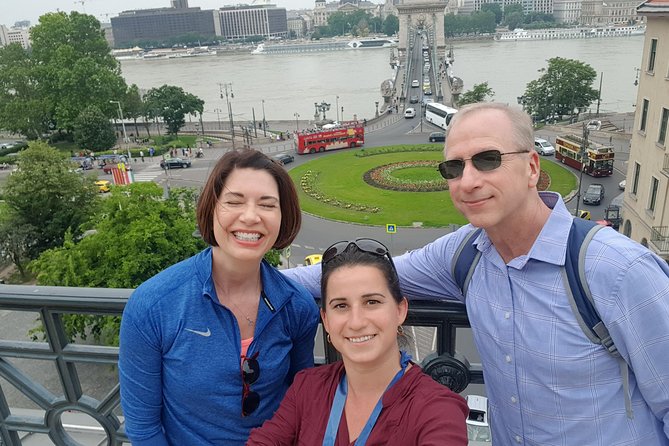
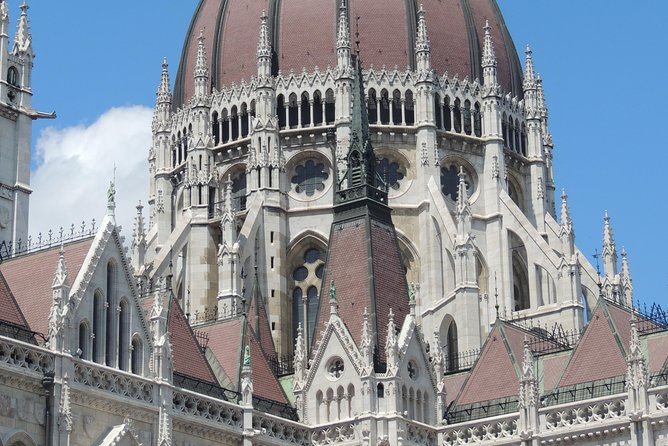
From the Basilica area, you move toward the Hungarian Parliament Building and then Kossuth Lajos Square. These are major visual anchors, and they’re also loaded with meaning.
This part of the walk is valuable because the guide can connect the dots for you: why this building sits where it does, how the square functions as a civic space, and what kind of national identity Budapest projects through architecture. When you understand that, the place stops being just a “wow photo spot” and turns into something you can actually read.
A practical note: because admission fees aren’t included, you’ll likely focus on exterior viewing and on-the-spot explanations. If you’re someone who cares a lot about interiors, plan for the extra cost at the relevant site.
Stop 4: Széchenyi Lánchíd (Chain Bridge) as Your Danube Moment

Next comes Széchenyi Lanchid (the Chain Bridge). This is the classic Danube crossing, and it’s one of the quickest ways to feel the city’s geography. You don’t just see it—you understand it.
Why it matters on a walking tour: the bridge is a visual connector between Pest and Buda. It helps you understand why these two sides feel so different, and why people historically would have cared about crossings like this.
This is also a great pause point. Even if you’re not spending extra time inside anything, you’ll likely want a few minutes to slow down, look across the water, and frame what you’ll see next on the Buda side.
You can also read our reviews of more guided tours in Budapest






Stop 5: Hungarian Academy of Sciences and the City’s Idea of “Order”
After the bridge area, you hit the Hungarian Academy of Sciences area. This stop gives the walk another layer: Budapest isn’t only palaces and cathedrals. It also has institutions that signal learning, planning, and public intellect.
A guide helps here because it’s easy to walk past “important-looking buildings” without really getting what makes them notable. Lara’s style—quick background and then attention to specific details—turns this into more than a photo stop.
Again, admission isn’t included, so consider this a guided viewing and explanation stop. If you want to go inside later, you can decide based on time and cost.
Stop 6: Little Princess Statue and the Fun Side of Budapest Details
Then you meet the Little Princess Statue. This is one of those pieces that feels charming and human in a city full of monumental architecture.
What I find useful about this kind of stop is the balance it brings. After heavier civic and religious sights, a small, story-carrying statue gives your brain a break and reminds you that Budapest has playful layers too.
A good private guide is the difference between seeing it as “a statue” and understanding why it’s remembered. In this case, Lara’s anecdotes help you notice the little things you’d otherwise miss while reading only street-level cues.
Stop 7: Sándor Palace and Power in Plain Sight
Next is Sándor Palace. Palaces in Budapest aren’t subtle in the way some other European cities can be. This one carries official presence, and it helps you understand the “who had power” angle of the city.
From a visitor perspective, the value is how the guide links it to the larger story. You’re not just looking at a big building; you’re getting context for why these structures exist and what their prominence means in the city’s timeline.
This also continues the walk’s big theme: moving from the broad Pest side into the older-feeling Buda side where the city’s governing story has deeper roots. If you care about history, a guide keeps it from turning into a memorization exercise.
Stop 8: Matthias Church and the Shift Toward the Buda Story
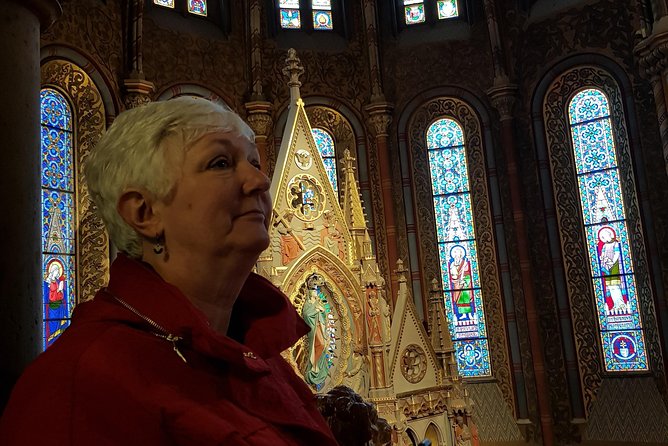
Matthias Church is where the walking tour feels like it truly turns a corner. The church is iconic, but the real win is how it signals you’ve moved deeper into the Buda side atmosphere.
If you want a mental reset, this is it. You’ll feel the energy shift—less “city-center planning” and more “older layers and older meanings.” The guide can point out the kinds of details that make Matthias Church a standout: how it looks, what you should watch for, and how it fits into the timeline of the area.
As with other stops, admission fees aren’t included, so keep expectations flexible. Even without interior access, the exterior experience plus explanations can still be satisfying if you enjoy architecture and context.
Stop 9: Fisherman’s Bastion—Why This Is a Strong Ending
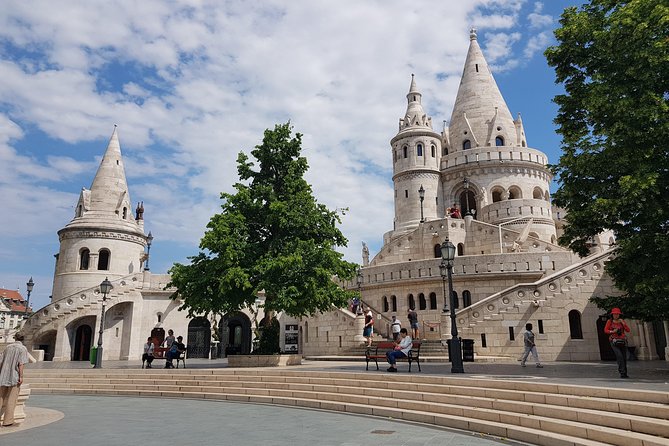
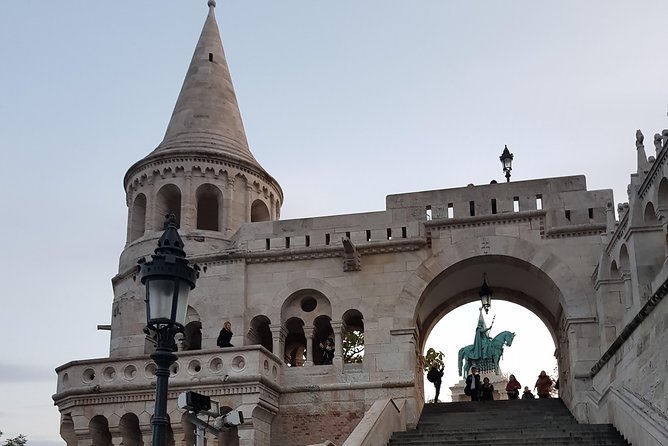
You finish at the Fisherman’s Bastion. Ending here is smart because it rewards you after you’ve built up context. By now, you understand which side you’re on, what the Buda viewpoint is for, and how the city’s geography ties together.
The bastion viewpoint is also a great place to process everything. You’ll likely look back across parts of Pest, and the earlier sights make more sense as part of one big map.
If you’re traveling with photo expectations, this is where your guide’s timing matters. A good guide can also help you avoid rushing the moment and instead take a few minutes to really look.
The Guide Factor: Lara’s Flexibility and Practical Help
What makes this tour feel polished isn’t just the landmarks. It’s the hosting style.
Lara starts with a mini history lesson of Hungary before you set off. That matters because Budapest is full of symbolism. With a little background first, the walk becomes easier to follow and more enjoyable in the moment.
I also like that the explanations include anecdotes—the kinds of details you wouldn’t catch on your own from a plaque or a quick guidebook read. Lara’s approach is to point out what you might overlook, not to drown you in facts.
Then there’s the practical side. Lara also helped with buying bus tickets for the ride back to the hotel area. That’s the sort of small, real-world help that turns a nice walk into a smoother day.
Price and Value: Is $162.56 Worth It?
The price is $162.56 per person for about three hours with a licensed tourist guide, and it’s a private experience. For Budapest, that’s not “cheap,” but it can be good value when you compare what you get: a guided route across key sights plus context you can’t easily DIY in the same amount of time.
Here’s how I’d think about the math:
- If you’re traveling as a pair or a small group, privacy often becomes a bargain compared to piecing together multiple group tours.
- You’re paying for time efficiency. In a compact walk, you cover several major landmarks without having to plan the route, interpret the buildings, or decide what order makes sense.
The big catch is simple: admission fees aren’t included. That means your total trip cost could rise if you want interiors at any stop. But if you’re happy with exterior viewing and guided storytelling, you can keep the spend under control.
Also, the listing notes group discounts, which can help if you’re booking with others. If your schedule allows it, pooling with friends or family can improve the value.
Practical Tips So You Don’t Waste Half the Tour
I’d come ready to walk and ready to look up. This kind of route is best when you stop often enough to take in details, not just to move from one photo spot to the next.
A couple of practical pointers:
- Wear comfortable shoes. Three hours in Budapest’s streets adds up fast.
- Bring a charged phone. You’ll have a mobile ticket, and you may use your phone for maps or transit once you’re back.
- Ask questions as you go. The guide’s flexible approach works best when you speak up early rather than saving questions for the end.
Because the tour ends back at the meeting point, plan the rest of your day with that in mind. You’ll likely be ready for a food stop or a self-guided wander afterward.
Who Should Book This Private Budapest Walk
This tour is a strong fit if you:
- want an easy introduction to Budapest’s Pest-to-Buda storyline
- prefer a private guide instead of navigating crowds and audio devices
- like architecture and city context more than “just show me the photo spots”
- would enjoy a guide who can add both history framing and real-life help like bus tickets
It’s also a solid choice for anyone who wants to feel confident about where things are before booking museums or planning later sights. After this walk, you’ll usually have a better sense of what to revisit and what you already saw in the “right order.”
Should You Book This Private Budapest Walking Tour?
I’d book it if you want a guided, high-signal tour that links the city into one coherent route. The licensed guide, Lara’s history-start approach, and the ending viewpoint at Fisherman’s Bastion are exactly the combo that helps Budapest click fast.
I would skip or adjust expectations if you’re strictly focused on indoor admissions, because admission fees aren’t included. You’ll still see a lot and learn plenty, but if your goal is mostly interiors, you should budget for separate tickets.
If you want a smooth, story-led walking experience with practical follow-through, this one deserves a spot on your short list.
FAQ
How long is the Budapest walking tour?
The tour is listed as approximately 3 hours.
How much does the tour cost?
The price is $162.56 per person.
Is the tour private?
Yes. It’s a private tour/activity, and only your group participates.
Where do I meet, and where does it end?
You start at Elizabeth Square (Deák Ferenc tér 2, 1052 Hungary), and the activity ends back at the same meeting point.
What language is the tour offered in?
It’s offered in English.
What’s included, and are admission fees covered?
A licensed tourist guide is included. Admission fees are not included.
What is the cancellation policy?
You can cancel for a full refund if you cancel up to 24 hours in advance. If you cancel less than 24 hours before the start time, the amount paid isn’t refunded.