REVIEW · BUDA CASTLE & FISHERMAN'S BASTION
Budapest: Buda Castle Private Walking Tour
Book on GetYourGuide →Operated by Budapest Private Walks · Bookable on GetYourGuide
Three hours is enough for Buda Castle’s best scenes. A private walk through the Castle District, guided by Attila (with dry humor and real context), turns cobblestone streets into a clear timeline from medieval to Ottoman and Habsburg impacts. I love the panoramic Danube-and-Pest views and the way you’ll get spotlight time on Matthias Church and Fishermen’s Bastion. The only real catch: it’s a hilly, cobblestoned area, so comfortable shoes matter and mobility limits can be an issue.
With pickup from your Budapest hotel and an English-speaking private guide, the pacing is friendly and flexible for your group. If you want a little more than the main sights, you can extend the tour on request toward Watertown’s twisting street lanes between the Danube and Castle Hill.
In This Review
- Key points to know before you go
- Buda Castle District in 3 Hours: why this walk works
- Attila’s guide style: the personal touch you actually feel
- Getting started: hotel pickup and the Castle Hill warm-up
- Matthias Church and Holy Trinity Square: what you’re looking at
- Fishermen’s Bastion viewpoints: photo spots with an explanation
- Buda Castle Royal Palace complex: the stones tell a story
- Walking the UNESCO Castle District: route pacing and real comfort
- Danube views and Pest’s skyline: when the tour feels worth the price
- Watertown extension: a good extra if you want the backstreets
- Price and value: what $141 per group up to 6 really buys
- Who this tour suits best (and who should think twice)
- Helpful practical advice before you book
- Should you book Budapest: Buda Castle Private Walking Tour?
- FAQ
- How long is the Buda Castle private walking tour?
- What does it cost?
- Is the tour private or shared?
- What is included in the price?
- Are entrance fees included?
- Do I need to bring anything?
- Is pickup included?
- Who is this tour not suitable for?
- Can I extend the tour?
Key points to know before you go
- Private guide, small group (up to 6): you get a calmer pace and more back-and-forth.
- Matthias Church + Holy Trinity Square: one of the area’s most important stops, explained in plain language.
- Fishermen’s Bastion viewpoints: you’ll do more than snap photos—you’ll understand what you’re seeing.
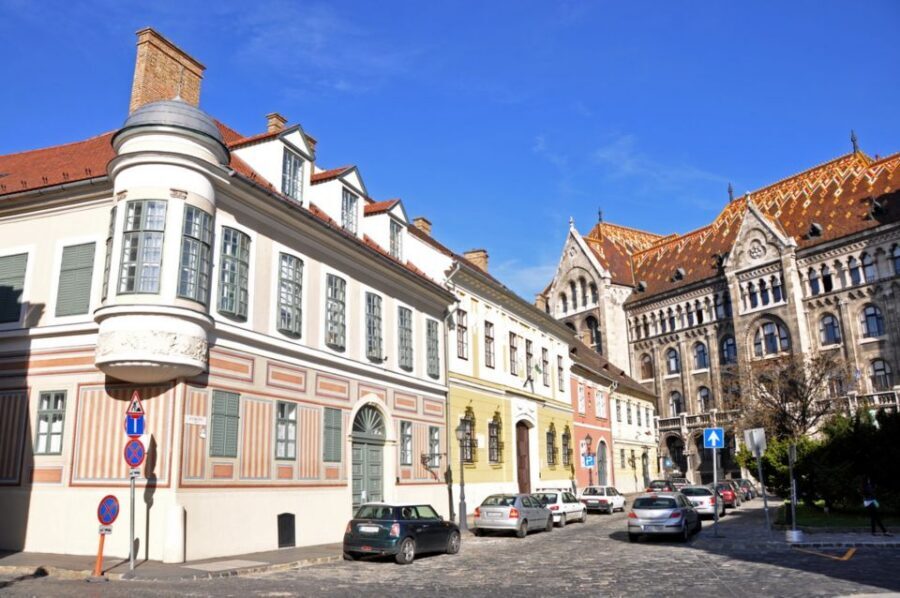
- Buda Castle walls and Royal Palace focus: architecture tied to Ottoman, Habsburg, and WWII-era changes.
- Best-city-scenery included: you’ll look out over the Danube and across to Pest’s big, monumental buildings.
- Optional Watertown add-on: if you want the maze-of-streets feel after the main complex.
Buda Castle District in 3 Hours: why this walk works
Buda Castle is one of those places where you can wander for hours and still feel like you missed the point. This is different. In about three hours, you’ll cover the core sights on Castle Hill while your guide connects what you see to what happened here—medieval foundations, Ottoman pressures, Habsburg rule, and the heavy scars of the 1944–1945 battles.
I like that the tour doesn’t try to sprint through everything. You’ll spend real time around the big landmarks, pause for photos, and get view breaks. That matters because the Castle District is built to be looked at from walls, terraces, and angles—especially across the river toward Pest.
And yes, the views can feel like they were built for postcards. But the real payoff is that the guide helps you read the city. You’ll start noticing why certain buildings sit where they do and how the river shaped the city’s power.
You can also read our reviews of more walking tours in Budapest



Attila’s guide style: the personal touch you actually feel
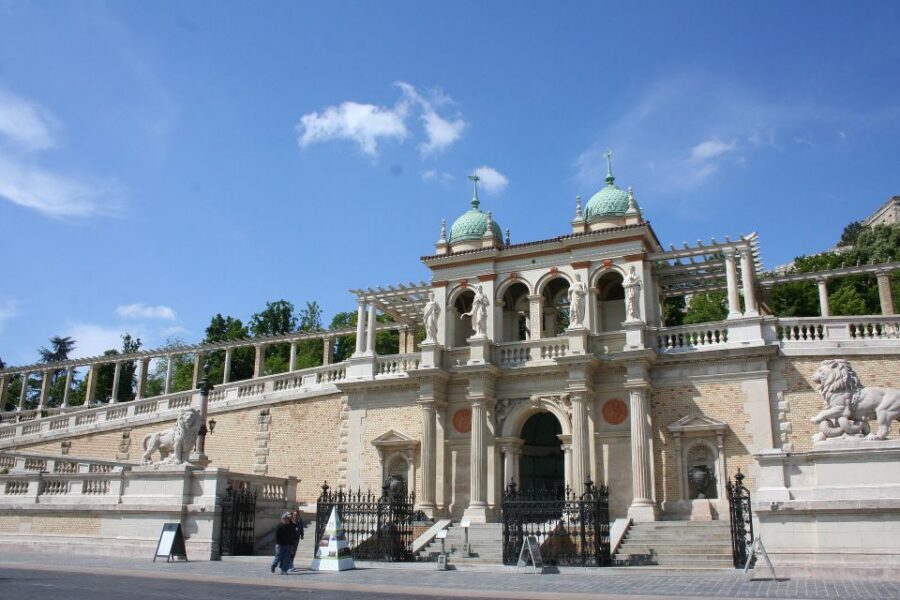
A private tour lives or dies on the guide. Here, that’s a major strength. In multiple tour experiences, Attila shows up as the kind of guide who blends facts with personality—friendly, considerate, and quick with humor. You may even find the humor is that dry, low-key kind that makes the history feel less like a lecture.
A few guide strengths show up again and again:
- He’s good at English and keeps it understandable, not stuffed with complicated terms.
- He’s organized about the route and timing, so you don’t feel like you’re being dragged around.
- He connects big time periods—one review included discussions stretching from the Roman era through Communist-era Budapest—so your walk feels like a timeline, not separate photo stops.
- He helps with practical travel moments too. One tour experience mentioned he assisted with transit ticket purchase, which is useful when you’re juggling schedules and language.
If you like asking questions, a private format makes it easier. It also means you can get small tweaks: if you want more time on viewpoints, or you’re trying to match the walk to where you’re headed next, you’re not stuck with a set herd pace.
Getting started: hotel pickup and the Castle Hill warm-up
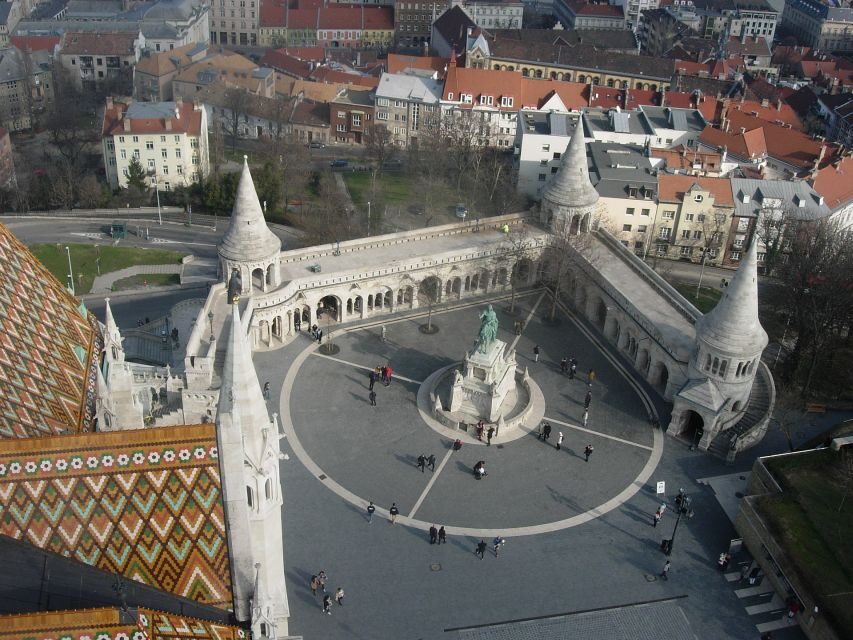
You’ll start with pickup from your hotel in Budapest. That’s a small detail, but it changes the mood. You don’t waste time figuring out how to reach Castle Hill, and you arrive ready to walk.
Once you’re at the Castle District area, you’ll begin around Castle Hill with:
- a photo stop,
- a guided walk through the complex,
- scenic views along the way.
That warm-up matters because the neighborhood is hilly. If you start with viewpoints and orientation, you’ll understand where the major landmarks sit before you step into the busiest sections.
The whole tour is about three hours of movement—so it’s long enough to feel satisfying, but not so long that you’ll feel cooked. Still, plan for uneven surfaces and some uphill sections.
Matthias Church and Holy Trinity Square: what you’re looking at
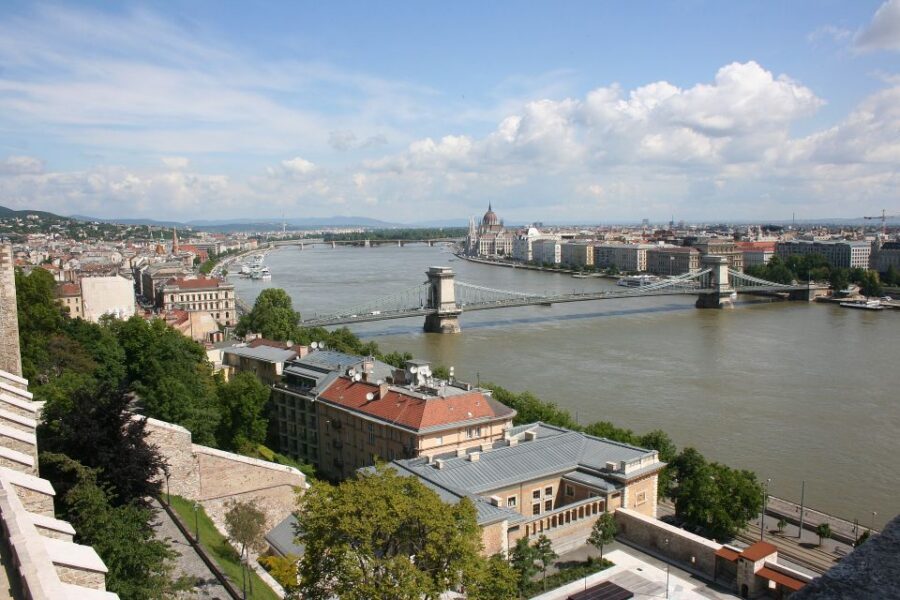
Matthias Church is one of the headline attractions in the Castle District, and this tour treats it like more than a stop for a single photo.
The key here is Holy Trinity Square as your anchoring point. Your guide uses it to give context for why Matthias Church matters within the Castle area, and how it fits into the broader story of the hill.
What I like about this kind of stop is that it turns a recognizable monument into something you can interpret. Instead of just noticing colors and details, you’ll understand how the church connects to power, identity, and the shifting control of the region over centuries.
Practical note: the tour includes the guided sightseeing, but entrance fees are not included. So if you want to go inside specific buildings, plan to pay those fees separately.
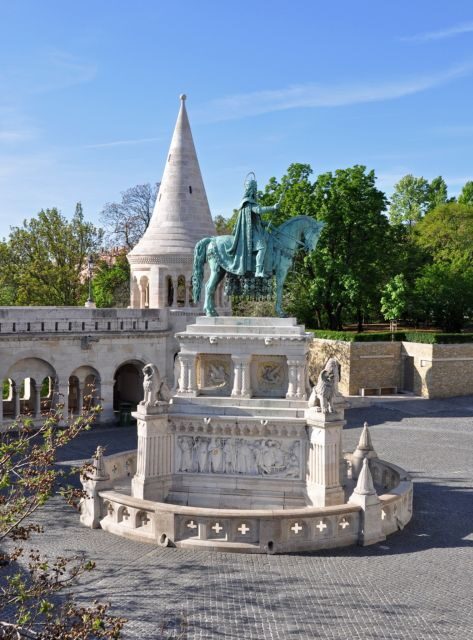
Fishermen’s Bastion viewpoints: photo spots with an explanation
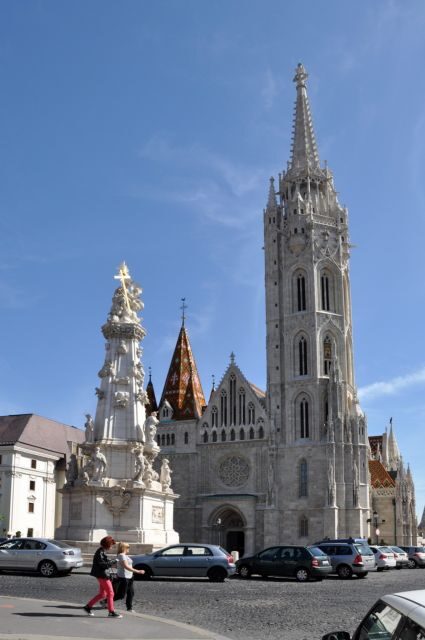
Fishermen’s Bastion is famous for a reason. From here, the Danube and the Pest skyline unfold in a way that feels almost stage-set.
The best part of doing this stop with a private guide is that you don’t just get the view—you get a “read” of it:
- why the viewpoint works the way it does,
- what landmarks across the river mean in the context of Budapest’s growth,
- and how the Castle District’s position shaped defense and status.
You’ll likely linger more than you expect, because viewpoints are the moments where the guide’s story clicks. You start connecting the street-level walk to the big city pattern you’re seeing through the river gap.
If your timing lines up with good light, this is where you’ll feel the tour earn its reputation. Even in grey weather, it stays worthwhile because the structure and angles still let you understand the city layout.
You can also read our reviews of more private tours in Budapest






Buda Castle Royal Palace complex: the stones tell a story
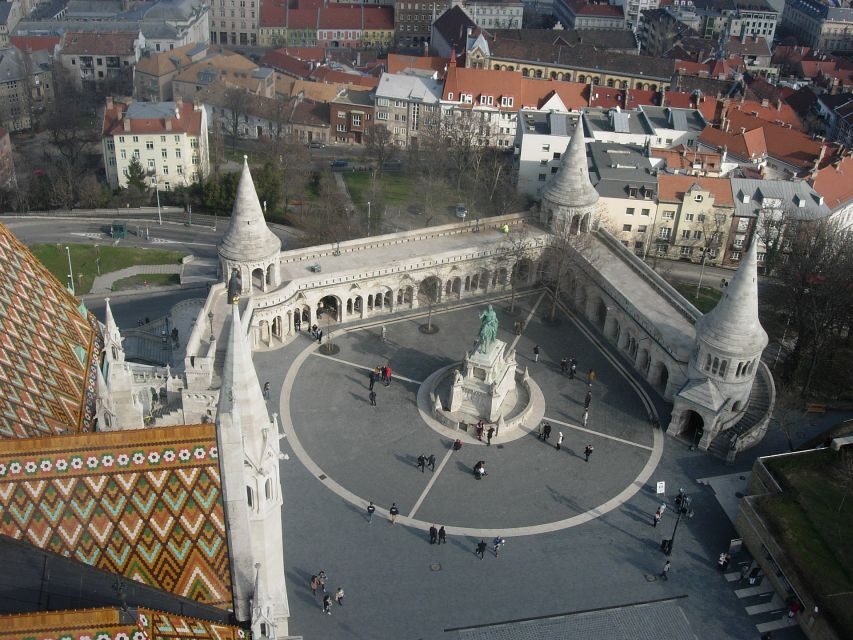
The tour centers on the Buda Castle complex—often called the Royal Palace—plus the surrounding walls that gave the district its strategic value.
This is where the historical timeline becomes concrete. You’ll journey back to the 13th century and then jump to the 15th century’s “golden period,” using the architecture as a map. Then, you’ll also connect later damage and rule changes to what’s visible now, including:
- Ottoman invasion impacts,
- Habsburg-period influences,
- battles of 1944–1945 that left the district shaped by conflict.
This matters because Buda Castle isn’t frozen in time. It’s a layered place. The guide helps you spot how time and politics leave fingerprints on buildings—so you don’t just see walls and courtyards; you understand why those forms exist.
Also, the walls provide some of the best strategic viewpoints in the city. You’ll be able to gaze out from the most strategic position in the area and see why this hill mattered so much. It’s hard to get that understanding from a self-guided walk.
Walking the UNESCO Castle District: route pacing and real comfort
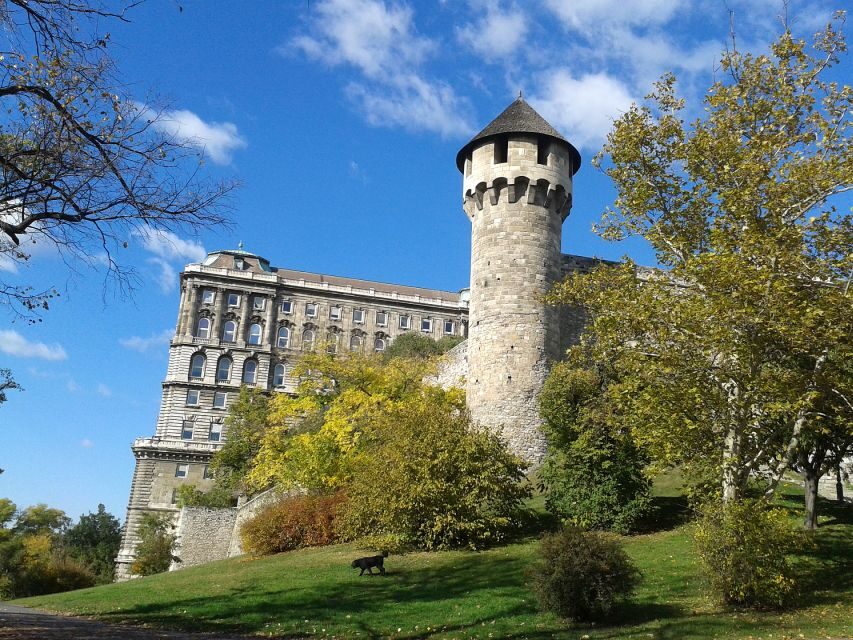
Castle District walking is scenic, but it’s not a flat stroll. Expect cobblestone, steps, and some incline. That’s why the tour includes a straightforward tip: bring comfortable shoes.
Your best move is to dress for walking, not for comfort-in-theory. I suggest:
- shoes with solid grip (cobblestones can be slick when damp),
- layers, because Castle Hill weather can shift fast,
- water in your daypack if you’ll be walking before or after.
There’s also a weather reality in Budapest. One experience mentioned the tour experience was affected by unexpected rain, so plan to stay flexible. A private guide can still keep the route moving, but if conditions are rough, you may want to keep an umbrella handy and expect slower walking.
Danube views and Pest’s skyline: when the tour feels worth the price
The tour’s value is not only in the sights; it’s in the way the views are woven into the walking plan. You’re looking out over the Danube and toward Pest’s monumental buildings. That is a huge part of why the Castle District feels iconic.
Here’s why it matters: without a guide, it’s easy to treat these views like wallpaper. With context, you start noticing:
- how the river creates a natural divide,
- how the city’s growth shows up across the water,
- and how the Castle Hill’s role in defense and status shaped what you see.
If you’re the type who likes to understand what you’re photographing, this is a strong fit. You’ll leave with images plus a mental map.
Watertown extension: a good extra if you want the backstreets
There’s an optional extension you can request: a visit toward Watertown, the narrow area of twisting streets between the Danube and Castle Hill.
This add-on is for you if you want contrast. After the main sights—church, bastion, palace complex—Watertown shifts the feel toward alleyways and tighter lanes. It’s the kind of place where you slow down, look up, and let the maze-of-streets character do the talking.
If you’re short on time and just want the big monuments, you can keep the tour strictly to three hours. If you like wandering with a purpose, this extension can make the experience feel more personal.
Price and value: what $141 per group up to 6 really buys
The price is $141 per group up to 6 for a 3-hour private walk. That pricing structure is important: you’re paying for privacy and an English-speaking guide, not a per-person ticket.
So the value equation looks like this:
- If you’re traveling as a couple or small group, you’re basically buying a customized, low-stress itinerary.
- If you’re solo, it may feel pricey compared to group tours, but you’re buying the ability to ask questions and linger at viewpoints without negotiation.
- Entrance fees and food aren’t included, so you should budget separately if you want to go inside buildings.
In a city like Budapest—where the Castle District can overwhelm you if you don’t know what you’re looking at—this kind of guide time can be a shortcut to understanding. You’re not just getting someone to walk with you. You’re getting someone to connect the dots.
Who this tour suits best (and who should think twice)
This tour is a great fit if you:
- want a focused introduction to the Castle District’s main landmarks,
- enjoy history but want it explained clearly on the ground,
- like private pacing and questions,
- care about views as part of the story, not just as a backdrop.
It is not suitable for pregnant women, people with mobility impairments, wheelchair users, or babies under 1 year. If any of those apply, it’s worth choosing an option designed for your needs.
Even if you’re generally mobile, come prepared for walking on uneven ground.
Helpful practical advice before you book
A few things will help your day go smoothly:
- Plan on comfortable shoes; don’t save the good look for later if it means flimsy support.
- Bring layers and something for rain, just in case.
- If you want indoor time, remember entrance fees are not included.
- If your schedule is tight after the tour, tell your guide. One tour experience noted the guide escorted the group toward a next stop near St. Stephen’s, which is the kind of practical kindness that can save you time.
Should you book Budapest: Buda Castle Private Walking Tour?
Book it if you want the Castle District’s biggest hits—Matthias Church, Fishermen’s Bastion, and the Buda Castle/Royal Palace area—explained with personality and clear context, all while keeping the pace comfortable in a private group of up to six.
Skip or reconsider if you can’t handle cobblestones and hilly walking, or if you need a fully accessible route.
If you’re on your first Budapest trip and you want a smart start to the Castle side of the city, this tour is the kind that turns a scenic afternoon into a memorable understanding of how Budapest layers its centuries on top of each other.
FAQ
How long is the Buda Castle private walking tour?
The tour lasts 3 hours.
What does it cost?
It is $141 per group, for groups of up to 6.
Is the tour private or shared?
It’s a private group experience.
What is included in the price?
The price includes the Buda Castle walking tour and an English-speaking private guide, with pickup from hotels in Budapest.
Are entrance fees included?
No. Entrance fees are not included. Food and drink are also not included.
Do I need to bring anything?
You should bring comfortable shoes.
Is pickup included?
Yes. Pickup is included from hotels in Budapest.
Who is this tour not suitable for?
It isn’t suitable for pregnant women, people with mobility impairments, wheelchair users, or babies under 1 year.
Can I extend the tour?
Yes, it can be extended on request with a visit to Watertown, the narrow twisting street area between the Danube and Castle Hill.