REVIEW · BUDAPEST
Budapest: Memento Park Ticket
Book on GetYourGuide →Operated by Memento Park · Bookable on GetYourGuide
A walk through communist propaganda. That’s the first feeling you get at Budapest’s Memento Park, where major Soviet-era monuments were moved out of the city and set here as a living reminder. I especially like the sheer scale of the statues and the fact that you can also treat the site as a photo stop, not just a lecture.
Second, I like how the park mixes outdoor monuments with indoor context. You’ll start at Stalin’s Grandstand and then move into the on-site photo and documentary set-up for the bigger story behind the era. One consideration: the paths are gravel, so this isn’t a comfortable choice if you use a wheelchair.
In This Review
- Key things you’ll notice at Memento Park
- What Memento Park really is: communist statues moved out of Budapest
- Entering Stalin’s Grandstand and feeling the parade-square scale
- The Most Cheerful Barrack: photo exhibition plus The Life of an Agent
- Stalin’s Boots: storage showroom and an art exhibition
- Outdoor statue hunting: liberation monuments, labor movement figures, and Red Army soldiers
- The original Trabant car: a top photo point on your way out
- Price and value: what $10 buys in a 1-day stop
- Getting there from Budapest and planning your day
- Who should book Memento Park (and who should think twice)
- Should you book Memento Park?
- FAQ
- How much is the Budapest: Memento Park Ticket?
- How long is the visit?
- Where do I present my voucher?
- What’s included with the admission?
- Is transportation included?
- Is a guided tour included?
- What documentary do I watch on site?
- Are there photo stops besides the Trabant car?
- Is Memento Park wheelchair accessible?
- Can I cancel and do I pay now?
Key things you’ll notice at Memento Park
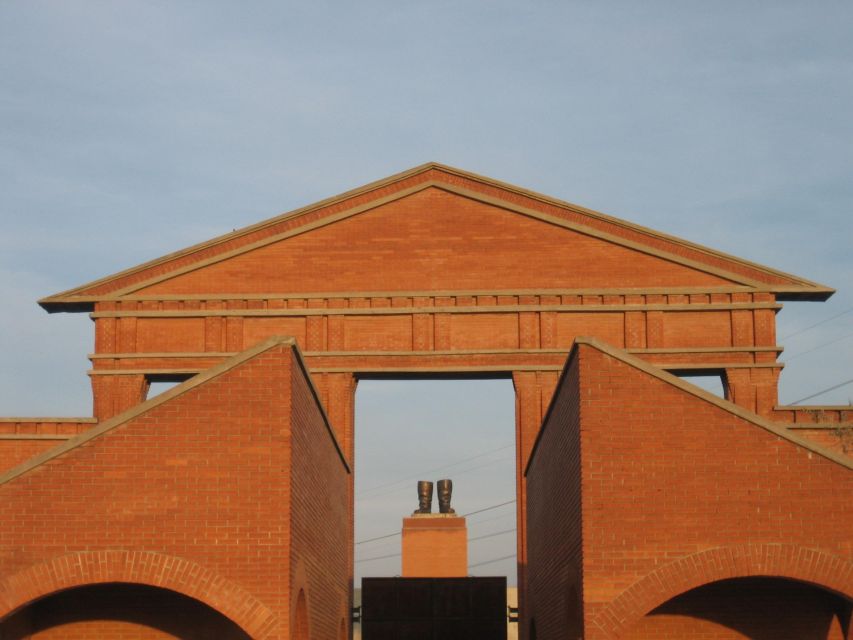
- Stalin’s Grandstand replica sits right at the entrance and sets the tone immediately.
- The Most Cheerful Barrack pairs a photo exhibition with a documentary titled The Life of an Agent.
- Stalin’s Boots is a storage-and-art kind of space that reframes the objects you see outdoors.
- Lenin and Red Army statues make for quick, classic selfie moments.
- An original Trabant car is one of the site’s most popular photo points.
- Removed-from-the-streets monuments let you compare what disappeared from Budapest with what survived here.
What Memento Park really is: communist statues moved out of Budapest
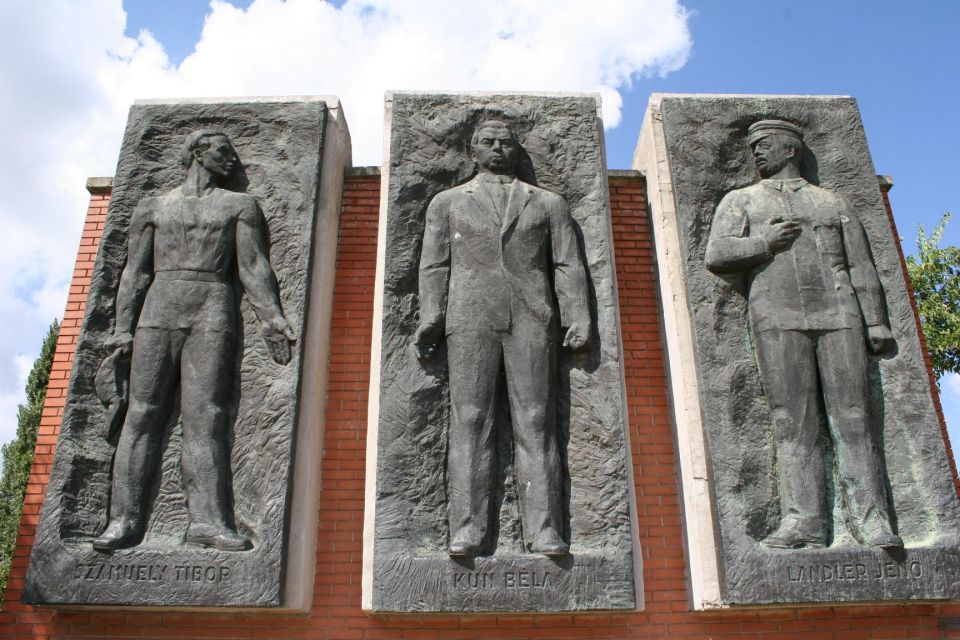
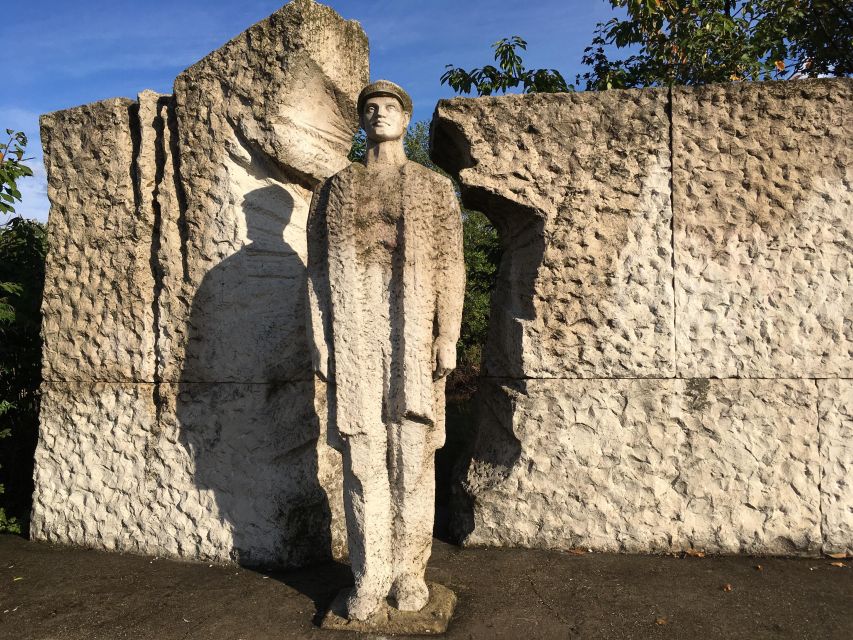
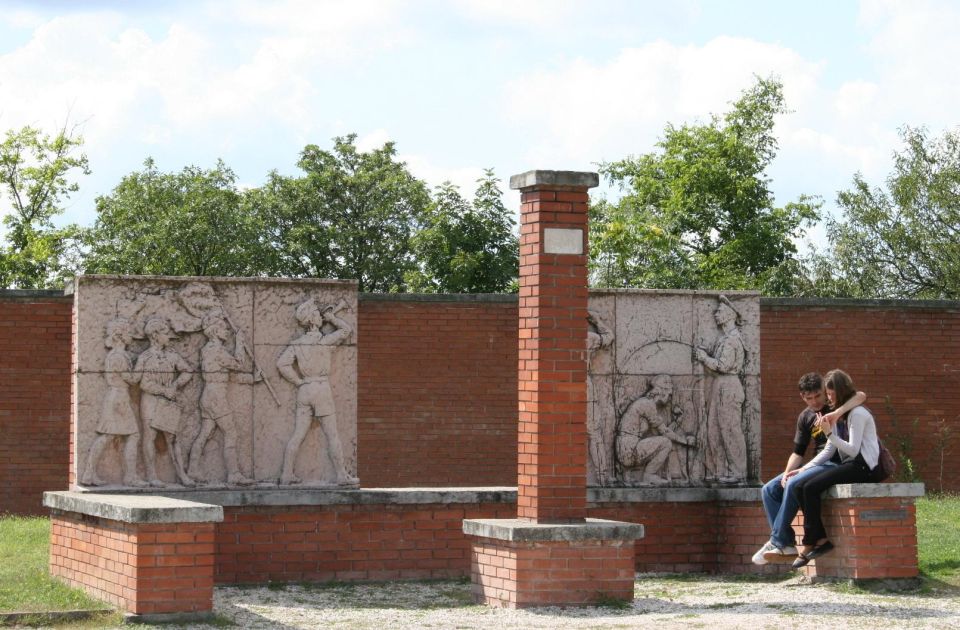
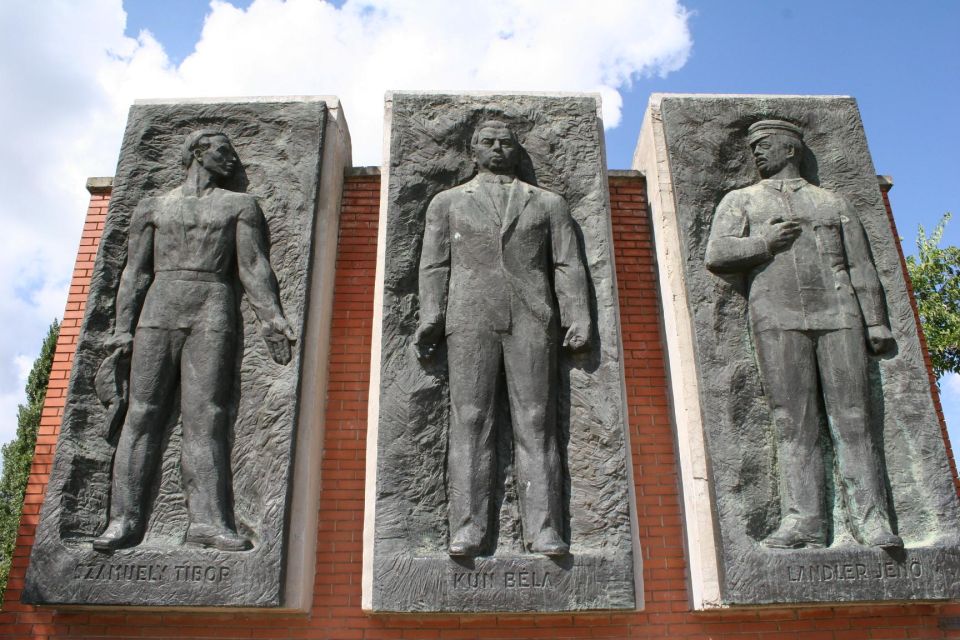
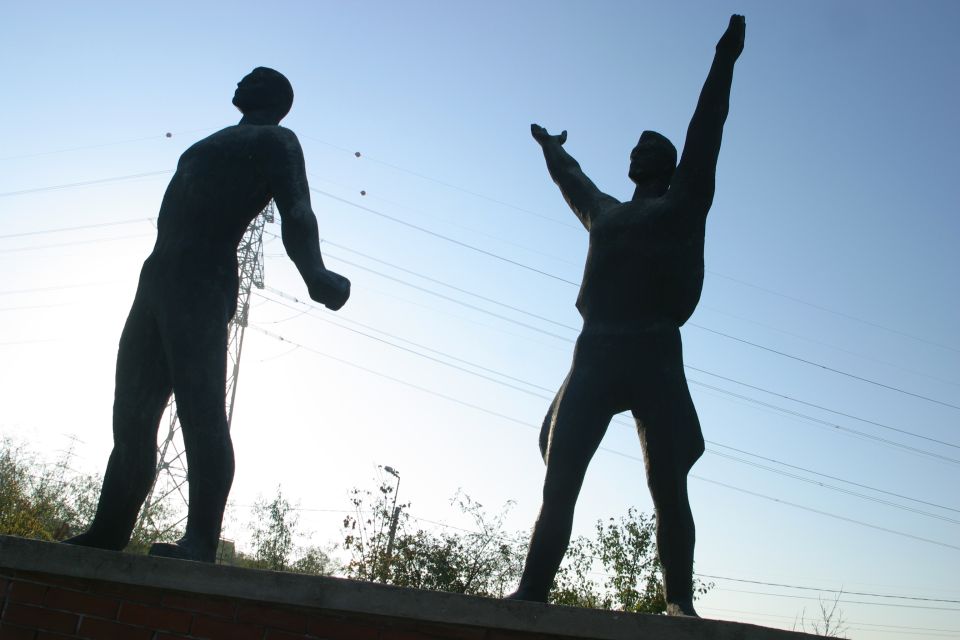
Memento Park is a special kind of history stop. When the communist era ended, statues were removed from Budapest’s streets and placed here to keep the memory of the system in a single, focused place. Instead of museum lighting and polished narratives, you’re walking among the monuments themselves, including allegorical figures tied to liberation, statues connected to the labor movement, and soldiers of the Red Army.
You’ll get a clear sense of how ideology looked in public space—big, theatrical, and meant to be seen from a distance. That’s the point. These works weren’t designed for quiet contemplation, so experiencing them outdoors changes how you read them.
It’s also a place where you can choose your vibe. If you want heavy symbolism, you’ll find it. If you want to make it lighter for your camera, you’ll find plenty of spots where Lenin or Soviet soldiers are easy to pose with—without anyone demanding you treat it like a funeral.
You can also read our reviews of more tours and experiences in Budapest



Entering Stalin’s Grandstand and feeling the parade-square scale
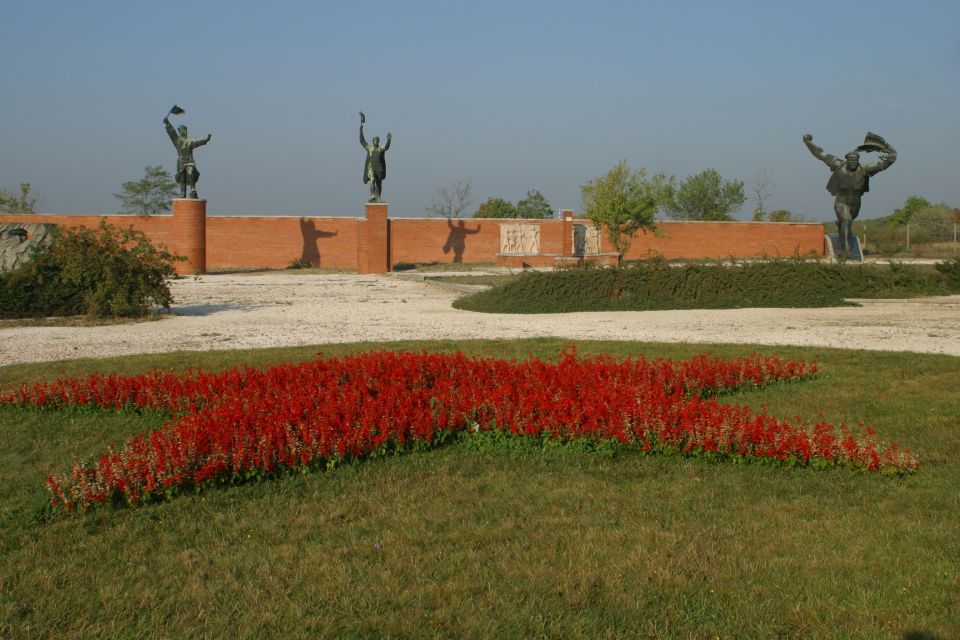
On arrival, the park doesn’t ease you in. You see Stalin’s enormous grandstand first, a replica of the one that used to stand in the former Parade square, where leaders celebrated socialist holidays. That’s a key detail for your visit: this isn’t just about individual statues. It’s about how power staged itself.
As you approach, slow down and look for how the space is built to impress. Grandstand architecture is meant to push your eyes upward and make the viewer feel small. Even if you don’t care about the politics, you’ll understand the psychology of the setting fast.
From there, you can branch into the indoor materials and then come back outside with better context. I like that the visit supports this rhythm: start with the spectacle, then add explanation, then return to the statues with fresh eyes.
And yes, you’ll also find more statues beyond the first big centerpiece. The park includes a spread of figures connected to the socialist message—perfect for wandering at your own pace and spotting different styles, from strict propaganda poses to more symbolic “allegory” types.
The Most Cheerful Barrack: photo exhibition plus The Life of an Agent
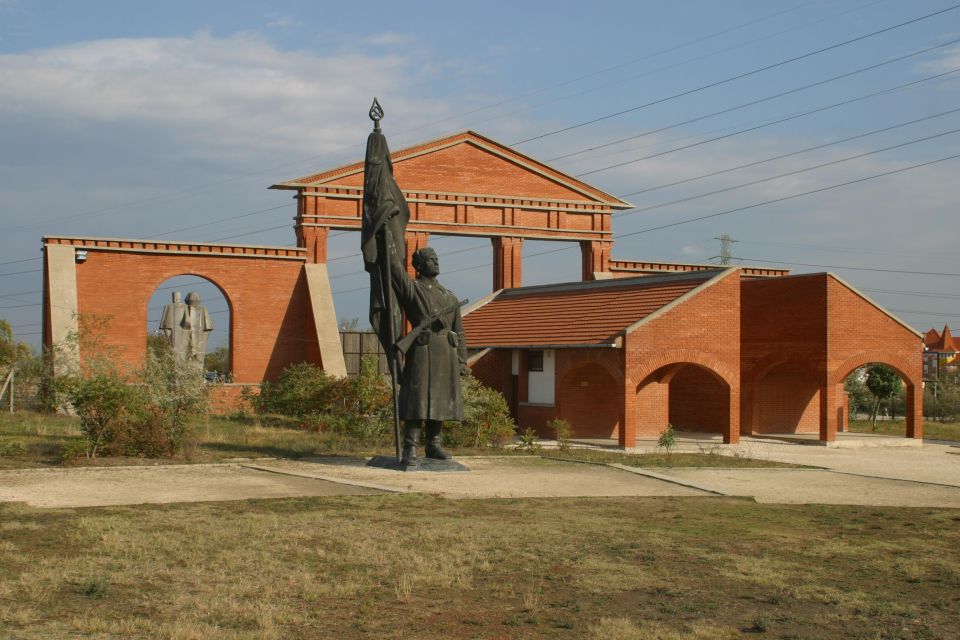
If you only did the outdoor monuments, you’d still learn something. But the indoor stop is what ties the site together. In The Most Cheerful Barrack, you’ll see a photo exhibition and watch a documentary titled The Life of an Agent.
That film focus matters. The documentary is about the former political secret service, so you’re not just seeing the official face of socialism—you’re also getting at how control worked behind the scenes. For me, that’s the difference between a “cool statue park” and a place that actually helps you understand why those statues existed in the first place.
The photo exhibition gives you another layer, too. It’s the kind of material that helps you connect faces, slogans, and systems to real mechanisms of power. You don’t need to be a political-history specialist to benefit. You just need the willingness to slow down for a bit and read.
Practical tip: plan a weather-proof rhythm. If it’s hot or rainy outside, the barrack helps you keep momentum. If it’s pleasant, do the documentary/photo portion early, so you can wander outside afterward without feeling like you’re multitasking history and photos.
Stalin’s Boots: storage showroom and an art exhibition
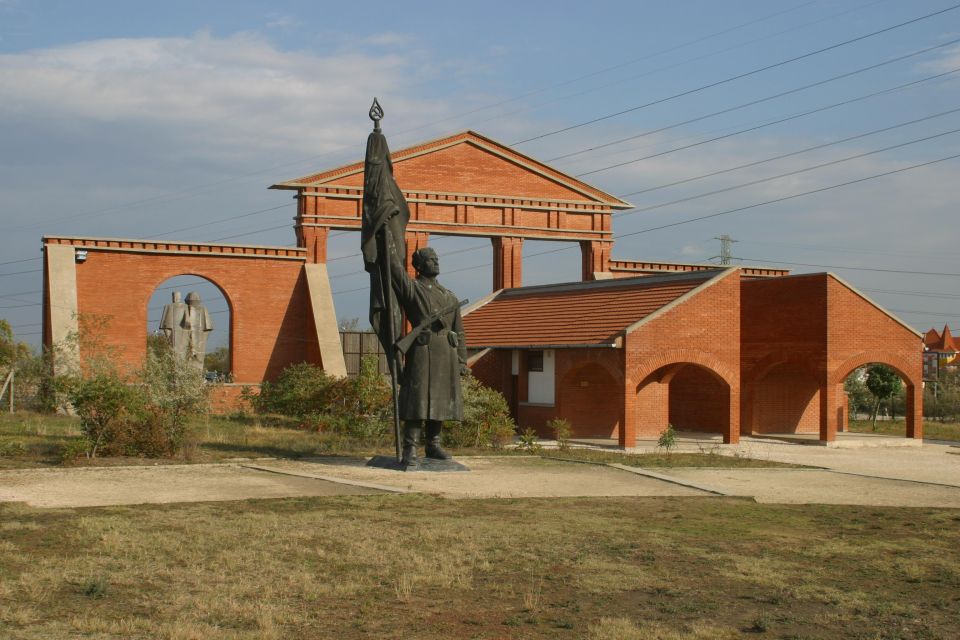
You’ll also spend time in the exhibition area under the name Stalin’s Boots. The format here is different from typical indoor museum rooms. It’s described as a storage showroom and art exhibition, which hints at the park’s “objects out of context” approach.
That’s valuable for you as a visitor. When you see propaganda art outdoors, it’s framed by plazas, streets, and official staging. When you see it treated like an item—stored, sorted, displayed—you start noticing details you might have missed. Materials, scale, and even the craftsmanship of certain statues become easier to appreciate once the original setting is gone.
You can treat this section like your “reset moment.” After reading about the secret service and viewing the photo material, the boots-area exhibitions can feel like the bridge between story and object—why these things looked the way they did, and what happens when a regime collapses.
Outdoor statue hunting: liberation monuments, labor movement figures, and Red Army soldiers
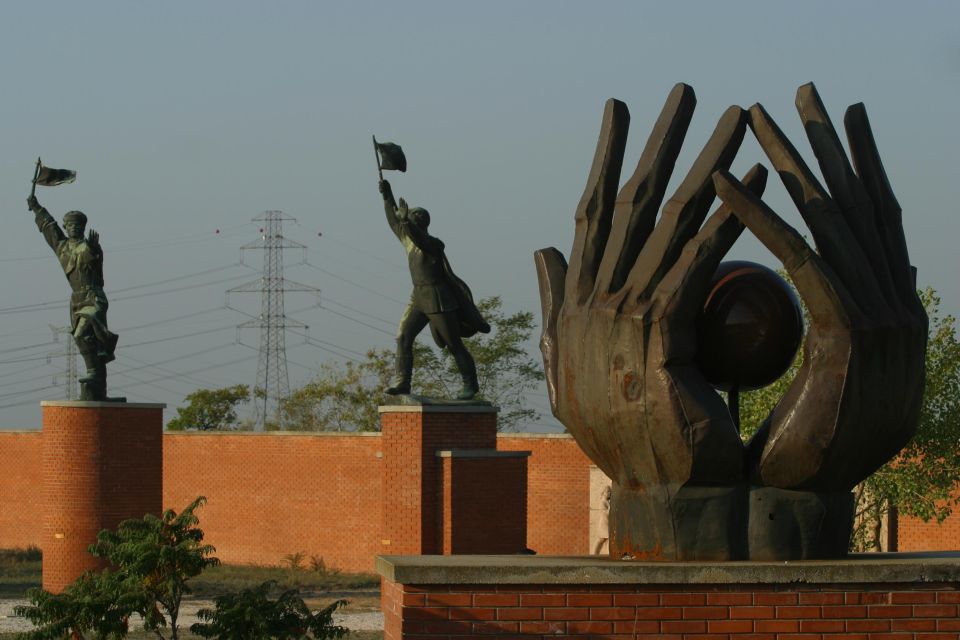
The outdoors is where Memento Park becomes fun in a very specific way. You can follow the serious monuments—allegorical liberation pieces and statues linked to the labor movement—and then switch to the Soviet military imagery when you want a quicker moment for your camera.
A big part of the experience is how repetitive the propaganda language can feel at first. That’s normal. The point of a socialist monument collection is to show recurring themes: heroism, certainty, unity, and the “rightness” of the system. Once you notice the repetition, it becomes easier to interpret.
And then there’s the playful side. You’ll find obvious photo points like a Lenin statue and Soviet Red Army soldiers that are popular for selfies. I don’t think you’re meant to laugh at the past, but I do think the park gives you permission to treat the visit as human. These monuments were public theater; seeing them with your own modern camera in place creates an interesting contrast.
If you like photography, give yourself time to walk slightly off your main path. The best angles often come when you’re not staring straight at the biggest object. Try different distances and notice how the statues read differently when you’re near their base versus when you’re farther back.





The original Trabant car: a top photo point on your way out
One of the most talked-about photo moments at Memento Park is the original Trabant car. It’s included as a playful photo spot, so you can sit, pose, and take the kind of picture that makes people immediately ask where you went.
This is the kind of stop that works even if you’re not “into” propaganda monuments. The Trabant is recognizable and a bit absurd in the best way, and it breaks up the heavier themes of the rest of the site.
Timing tip: try to hit it when you’re ready for a short break, not when you’re sprinting between indoor and outdoor stops. If you’re doing this as part of a Budapest day, that pacing keeps you from feeling like you’re only there for one highlight.
Price and value: what $10 buys in a 1-day stop
The ticket is listed at $10 per person, and that price makes sense if you think of the experience as both outdoor monuments and indoor interpretation. You’re not paying for a guided tour (that’s not included), but you are paying for entry plus specific on-site content: the photo exhibition and documentary in The Most Cheerful Barrack, and the storage showroom/art exhibition tied to Stalin’s Boots. Add the Trabant photo spot, and you’ve got a complete half-to-full day plan.
The value here comes from “coverage.” You get a cluster of major emblematic socialist-era monuments plus the media that explains the context—especially the documentary on the political secret service. That combination is harder to assemble on your own in a casual way.
If you’re the type who likes to sample history without committing to a full guided program, this works well. If you only want city-center landmarks, you might feel the trip is too niche. But if you enjoy how public art reflects power, it’s a fair deal for the time it takes.
Getting there from Budapest and planning your day
Transportation isn’t included, so you’ll want a practical approach. Pick a time when you’ll have enough energy to walk the gravel paths and still enjoy the outdoor wandering.
Also, do yourself a favor and check last-minute transit options and road conditions. One note from experience: bus service can be affected by roadworks, and lines like 101E and 150 may not stop close to the park entrance when routes change. So, even if you think you’ve got the right plan, confirm the current approach before you leave.
As for pacing: the park is built for self-guided exploration, so you can linger where your interests hit. Start with the big visuals at arrival, add the documentary/photo portion to sharpen context, then return to the statues with better interpretation. That order helps most people connect “what they see” with “what it means,” without turning your visit into a checklist.
Who should book Memento Park (and who should think twice)
This is ideal if you:
- want a strong visual sense of socialist propaganda from the ground level
- like photo opportunities and don’t mind mixing serious topics with light moments
- enjoy documentary-style context alongside monuments
It’s not ideal if you need wheelchair-friendly pathways. The park paths are covered with gravel and may not be suitable for wheelchair users, so plan for mobility that can handle uneven ground.
It also helps if you’re okay with a self-guided visit. There’s no guided tour included, so your learning relies on the materials and your own pace.
Should you book Memento Park?
I’d book it if you want a focused, memorable look at how communist symbolism was designed for public life—and what happened to it after the system fell. The combination of outdoor monuments plus an on-site documentary/photo exhibition gives your visit real context, not just photo ops.
Skip it only if you strongly prefer city-center attractions you can cover quickly, or if gravel terrain would make the walk too uncomfortable. If you can handle that, this $10 ticket is a strong value for a one-day stop that’s different from the usual Budapest sights.
FAQ
How much is the Budapest: Memento Park Ticket?
The ticket price is listed at $10 per person.
How long is the visit?
The experience is valid for 1 day, so you can plan to spend up to a full day at the park.
Where do I present my voucher?
Present your voucher at the Memento Park entrance at Balatoni út – Szabadkai utca sarok, 1223 Magyarország.
What’s included with the admission?
Admission includes the Memento Park entry, a photo exhibition and movie show in The Most Cheerful Barrack, a storage showroom and art exhibition under Stalin’s Boots, and access to an original Trabant car photo spot.
Is transportation included?
No. Transportation is not included.
Is a guided tour included?
No. A guided tour is not included.
What documentary do I watch on site?
You watch the documentary titled The Life of an Agent.
Are there photo stops besides the Trabant car?
Yes. There are popular selfie photo moments with statues like Lenin and Soviet Red Army soldiers.
Is Memento Park wheelchair accessible?
No. The paths are covered with gravel and may not be suitable for wheelchair users.
Can I cancel and do I pay now?
There’s free cancellation up to 24 hours in advance for a full refund, and you can reserve now and pay later.