REVIEW · 3-HOUR EXPERIENCES
Art Nouveau Tour in Budapest: 3-Hour Private Tour
Book on GetYourGuide →Operated by FUNGARIAN · Bookable on GetYourGuide
Budapest’s façades tell stories in Secession lines. On this 3-hour private Art Nouveau walk, I liked how the guide explains why late-1800s buildings were so decorative and how szecesszió connects Hungarian folk motifs to the city’s distinctive look. One possible drawback: pickup can be a make-or-break detail, since at least one booking reported the guide didn’t meet them at the agreed spot.
This tour focuses on understanding the “why” behind what you see: the Art Nouveau movement in Pest, the symbolism on public buildings (yes, including beehives), and why Budapest’s skyline lacks skyscrapers. In several accounts, guides such as Miklós are praised for being friendly, on-time, and able to handle lots of individual questions without rushing you.
In This Review
- Key highlights you’ll care about
- Why Art Nouveau in Budapest feels different than elsewhere
- What you’ll notice on the street: decorative façades with a purpose
- The Secession and folk motif connection (szecesszió, explained)
- Beehives on public buildings: symbolism you can spot
- Why Budapest doesn’t have skyscrapers: the skyline story
- Architects behind the façades: who shaped this look
- Walking the Pest Art Nouveau trail in 3 hours
- Pickup in Budapest: how to make meeting point issues less likely
- What’s included (and what’s on you) for real-life comfort
- Who this tour is best for
- Price and value: is $127 per person fair for 3 hours?
- My practical take: what to do before and after the tour
- Should you book the Art Nouveau Tour in Budapest?
- FAQ
- How long is the Art Nouveau tour in Budapest?
- Is this a private tour?
- What is the price per person?
- Where does the guide meet me?
- What languages are offered for the live guide?
- What is included in the tour?
- Is food or drink included?
- Is transportation included?
- What should I wear or bring?
- Is the tour suitable for people with mobility impairments?
- Can I cancel and get a refund?
- Is pay later an option?
Key highlights you’ll care about
- Szecesszió explained in plain terms so Art Nouveau makes sense in Hungarian context
- Decorative façades, not random ornament—you learn the logic behind the details
- Beehive symbolism on public buildings and what it represents in Budapest’s visual language
- The skyscraper question—you’ll get the tour’s explanation for Budapest’s lower skyline
- Architect stories you can actually remember (the people behind the buildings)
- Private Q&A pace—you can steer the conversation toward architecture or culture
Why Art Nouveau in Budapest feels different than elsewhere
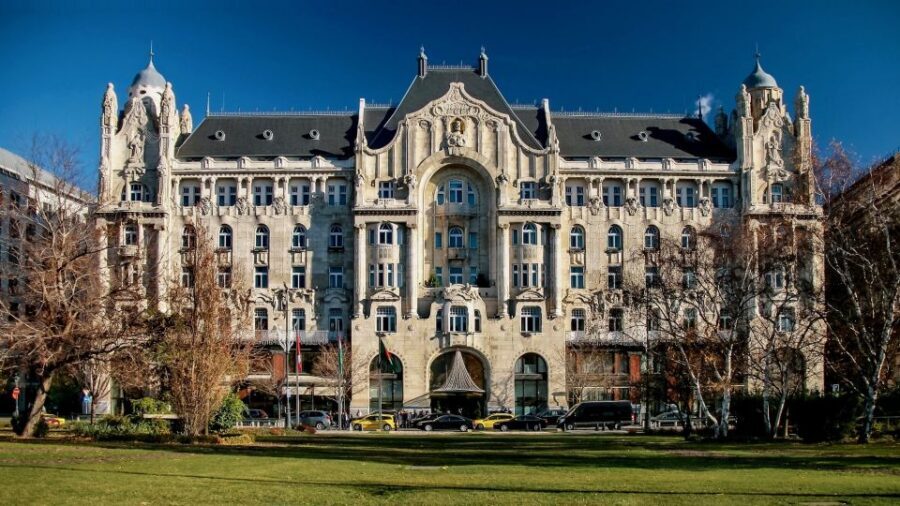
Budapest has its own Art Nouveau personality, and that comes down to history plus local symbolism. This tour frames Art Nouveau as more than decoration. You get the sense of a city trying on a new identity in the late 1890s and early 1900s, especially in Pest as it grew fast and looked outward.
A big reason the tour is worth your time is the way it clarifies the movement’s name. In Hungarian, Art Nouveau is called Secession, or szecesszió. Once you hear that term explained, you start seeing the buildings as a statement: a break from older styles and a push for something modern, local, and recognizable.
You’ll also learn why Hungarian folk motifs show up in the architecture. That matters because it turns the buildings from “pretty façades” into a living cultural message. Instead of asking you to simply admire flowers and curls, the guide points out how local identity gets built right into the designs.
You can also read our reviews of more private tours in Budapest



What you’ll notice on the street: decorative façades with a purpose
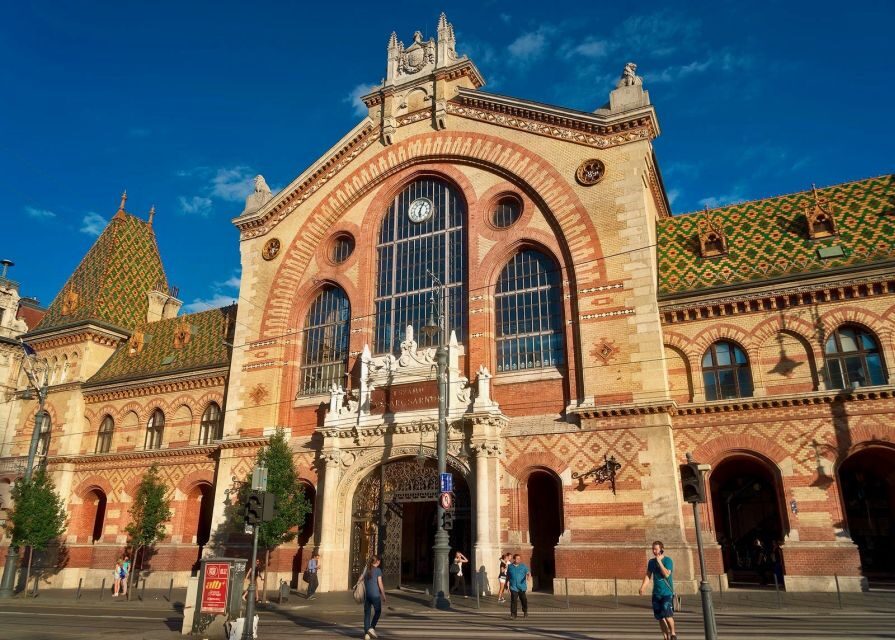
A lot of Art Nouveau tours stop at describing shapes. This one focuses on interpretation, especially around the late 19th-century look of Pest. You’ll learn why so many buildings have heavily decorated facades. The key is that the ornament isn’t random. It’s tied to the era’s taste, pride, and ideas about what a street should communicate.
As you walk, the guide trains your eye for the small stuff that makes the big stuff look intentional:
- Facade decoration as a sign of period style and civic confidence
- Folk-inspired motifs used within an Art Nouveau design language
- Architectural symbolism embedded in public-facing details
One practical win here: with a 3-hour format, you don’t need to become an architecture student. You just need a few mental anchors. After this tour, you’ll be able to look at a façade and say what the style is doing there—almost like reading a paragraph, not just staring at a photograph.
The Secession and folk motif connection (szecesszió, explained)
The tour’s explanation of szecesszió is the foundation for everything else you’ll see. When a guide connects the Hungarian term to the broader Art Nouveau story, it stops feeling like international branding and starts feeling like a local movement.
You’ll also get help connecting Hungarian folk traditions to what you see in the stonework. That link is one of the most memorable parts of the experience because it gives you a reason behind recurring patterns. You start to notice how the architecture borrows from everyday cultural imagery and gives it an urban, modern finish.
If you like learning how culture shows up in everyday streets, you’ll probably enjoy this section a lot. It’s not just “look at this.” It’s “here’s why this belongs to Budapest.”
Beehives on public buildings: symbolism you can spot
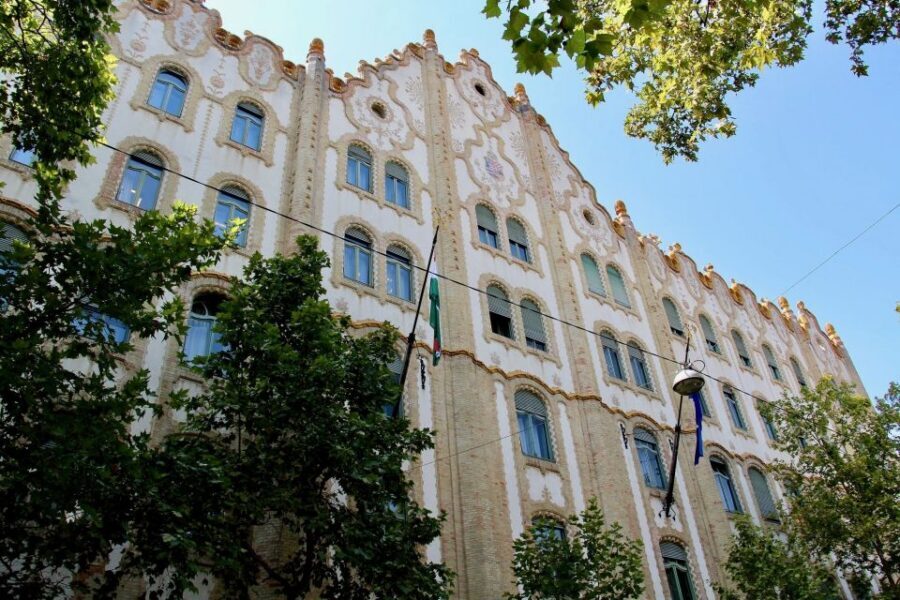
Beehives might sound like a random detail until someone explains what you’re looking at. Here’s the deal: the tour includes a specific focus on how beehives symbolize on Budapest’s public buildings. That kind of symbolism is exactly the point of a good architecture tour. It turns visual trivia into meaning.
Once you learn what the beehive motif is doing, the effect sticks. Later, when you see similar details elsewhere, you’ll know you’re not watching decorative filler. You’re seeing a system of messages that Budapest built into its public spaces.
This is also where the private format helps. If you’re the type who asks questions like Why would they choose that?, the guide’s pace and focus make it easier to get a clear answer without feeling like you’re slowing everyone down.
Why Budapest doesn’t have skyscrapers: the skyline story
Another standout theme is the question of why there are no skyscrapers in Budapest. The tour treats this as part of the city’s architectural evolution, not as a trivia fact. In other words, it’s not simply a yes/no answer. You’ll hear the tour explanation and connect it to what’s happening in the late 19th and early 20th centuries.
That matters for your broader Budapest trip. Skyline rules influence how the city feels on the ground. Budapest’s built environment reads differently when buildings don’t tower over you. You’ll likely walk away with a better sense of scale—how streets, façades, and public buildings create a city identity without needing height to make a point.
You can also read our reviews of more tours and experiences in Budapest





Architects behind the façades: who shaped this look
Art Nouveau can feel like “the style,” but you don’t get the full picture until you meet the people. This tour includes tales about the architects behind these buildings, and that changes how you interpret the work.
When you hear the human side—who designed it, what they were trying to achieve—you stop viewing façades like they’re all the same. You start seeing variations in choices: where symbolism appears, how decorative energy is used, and how folk-inspired elements get translated into an urban style.
Guides like Miklós have been specifically praised for mixing friendliness with strong command of the material. The best part of that kind of guiding is confidence in answering individual questions. If you’re curious about Hungarian culture in general, the architecture examples become your entry point.
Walking the Pest Art Nouveau trail in 3 hours
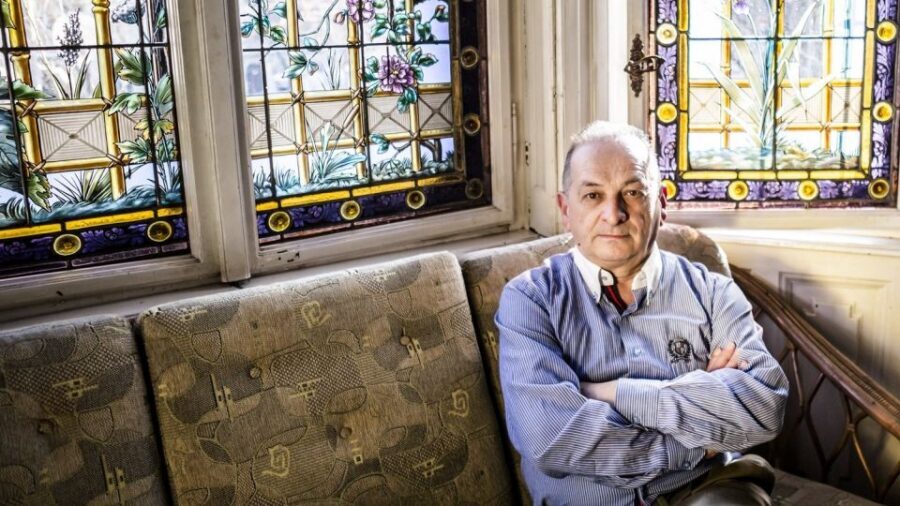
You’ll be on the move for about 3 hours, and the pace is built for attention. The structure (private group, multiple street-facing viewpoints, and explanation tied to what you’re seeing) helps you avoid the common problem of architecture tours that drag. With a shorter duration, the guide can keep you focused on the most telling details.
Here’s how the experience usually feels in practice:
- You start together after pickup and get a quick orientation to what makes Budapest’s Art Nouveau distinct
- You then focus on exterior façades where the style and symbolism show up most clearly
- You get “why” explanations—szecesszió, folk motifs, decorative logic, and symbolism like beehives
- You wrap with more context about architects and how this era shaped the city
Also, one review notes that Miklós may include extra context about the underground and tram system along the way. Even if that’s not the exact focus every time, it’s a good example of what you’re paying for: perspective that helps you understand the city beyond the façades.
Pickup in Budapest: how to make meeting point issues less likely
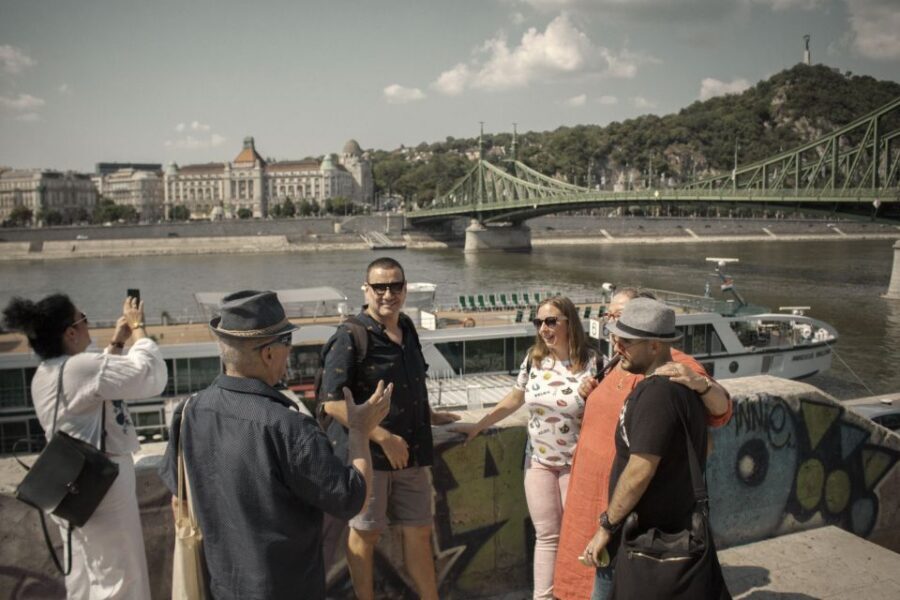
Pickup is included, and the guide meets you at your accommodation in Budapest, then you move to the first stop together. That’s convenient when you’re tired or new to the city.
Still, there’s one practical caution. Since at least one booking reported a missed pickup at the agreed spot and trouble reaching the provider by phone, I’d treat meeting logistics as your job too. Confirm:
- the exact pickup point (building entrance, not just the street)
- the contact details used by the local partner
- that your phone works and is reachable on the day
Do that, and you’ll reduce the odds that a minor snag ruins the first 10 minutes.
What’s included (and what’s on you) for real-life comfort
Included items are simple but useful: notebooks, pens, and printed material. I like that combination because it encourages you to slow down and actually write down the patterns or motifs the guide mentions. Printed material also helps you connect what you saw on the street with what you’ll remember later.
Not included:
- Food and drink
- Transportation
Because transportation isn’t included, plan for a walking-based tour. If you need a ride to reach the general area from your accommodation, you’ll cover that yourself. The duration is short enough that you can usually time it around a meal rather than spending your whole day chasing it.
For clothing, the tour asks for comfortable shoes and comfortable clothes. That’s the correct advice for any Art Nouveau walk where you’ll likely pause often and look closely at details.
Who this tour is best for
This is a strong fit if:
- you care about architecture, and you like learning the story behind the style
- you want a Budapest history and culture angle that isn’t just museums and monuments
- you enjoy asking questions and want a guide who handles them directly
It’s also a nice choice if you’re a first-timer who doesn’t want to guess which buildings matter. The tour’s whole job is to point your attention to what’s meaningful.
It’s not a fit if you have mobility impairments. The tour is specifically marked as not suitable for that. If you need step-free access and frequent seating breaks, you’ll need a different kind of sightseeing plan.
Price and value: is $127 per person fair for 3 hours?
At $127 per person for 3 hours in a private format, you’re paying for three things: time with one guide, focused attention on architecture, and the convenience of pickup.
Does it feel expensive? It can, until you compare what you’re getting:
- A private guide who explains symbolism like beehives and the meaning behind decorative facades
- A structured focus on Art Nouveau in Budapest, including szecesszió and Hungarian folk motif integration
- Included materials (notebooks, pens, printed info) that support note-taking and memory
If you’re traveling with a friend, the private setting can still feel worth it because the guide can answer your questions without compromise. If you’re solo, you’ll still likely feel the value if you’re the kind of person who wants context, not just photos.
The quality signal is also there: the experience holds a 4.6 rating from 21 reviews, and the most praised theme is the guide’s friendliness and ability to answer individualized questions, including deep architecture talk (like the beehive motif and the skyline question).
My practical take: what to do before and after the tour
To get more from your 3 hours, I suggest one simple move: come ready with two question topics. For example:
- How does Hungarian folk design end up in city architecture?
- What’s the architect mindset behind the decorative façades?
Then after the tour, take one walk on your own. Look back at the places you saw through the guide’s lens. When you see a façade again, you’ll spot motifs faster because you already know what to hunt for.
Also, if you’re staying in Budapest for more days, this tour can become your “decoder ring” for other neighborhoods. Art Nouveau details often show up next to older and newer styles, and now you’ll recognize what era you’re looking at and why.
Should you book the Art Nouveau Tour in Budapest?
Book it if you want a guided, meaning-focused Art Nouveau experience in Pest, not a hit-and-run photo session. The private format and the strong emphasis on explanations—szecesszió, folk motifs, decorative logic, beehives, and the skyline story—are exactly what make this tour feel like more than sightseeing.
Skip it (or look for a different option) if you need an itinerary that supports mobility needs, since it isn’t suitable for mobility impairments. And do your part on pickup by confirming the meeting point clearly, because one booking issue shows that early logistics matter.
If you’re ready to read Budapest’s façades like a story, this is a smart use of time.
FAQ
How long is the Art Nouveau tour in Budapest?
The tour lasts 3 hours.
Is this a private tour?
Yes, it’s a private group experience.
What is the price per person?
The price is $127 per person.
Where does the guide meet me?
Pickup is included. The guide meets you at your accommodation in Budapest, and then you go together to the first stop.
What languages are offered for the live guide?
The live guide is available in English, German, and Albanian.
What is included in the tour?
Included items are notebooks, pens, and printed material.
Is food or drink included?
No. Food and drink are not included.
Is transportation included?
No. Transportation is not included.
What should I wear or bring?
Wear comfortable shoes and comfortable clothes.
Is the tour suitable for people with mobility impairments?
No, it’s not suitable for people with mobility impairments.
Can I cancel and get a refund?
Yes. You can cancel up to 24 hours in advance for a full refund.
Is pay later an option?
Yes. There is a reserve now & pay later option, so you can book and pay nothing today.