REVIEW · JEWISH QUARTER & SYNAGOGUE TOURS
Original Budapest Alternative Street Art & Jewish Tour
Book on Viator →Operated by Original Budapest Tours · Bookable on Viator
Budapest’s street corners have stories. This Original Budapest street art and Jewish tour mixes public art with neighborhood context, in a social, friendly walk that keeps moving and makes even tough history feel human. Two things I really like are how the route spotlights major street-art spots (including the Colourful City theme) and how the guide encourages conversation in the moment. One possible drawback: guide quality can vary, and exact details about the Jewish ghetto placement have been handled inconsistently in the past—so if accuracy matters to you, ask follow-up questions.
You start at St. Stephen’s Basilica and spend about 3 hours working your way through the 6th and 7th districts, where young energy and old streets sit side by side. The day’s structure is simple: short stops, lots of looking, then walking again—helpful if you don’t want a long lecture. The route also includes the kinds of outdoor art you can keep noticing long after the tour ends.
Plan for real city logistics. It’s weather-dependent, water isn’t included, and you’ll be on your feet enough that comfortable shoes beat trendy shoes. Also, the experience uses a mobile ticket, so have your phone ready before you meet.
In This Review
- Key things to know before you go
- How This Budapest Alternative Street Art & Jewish Tour Works
- Meeting at St. Stephen’s Basilica and Getting Your Bearings Fast
- Stop 1: Lépcső Street Art and the Art-That-You-Can-Reach Feeling
- Stop 2: Terézváros and How Neighborhoods Carry Memory
- Stop 3: Andrássy Avenue to Király u. and the 7th District Mood Change
- Stop 4: Színes Esernyők and the Colourful City Idea in Real Walls
- Price, Tips, and What You Really Get for $25.20
- Timing, Weather, Group Size, and Comfort: The Stuff That Makes or Breaks It
- Who This Tour Suits Best (and Who May Want a Different Plan)
- Should You Book? My Practical Recommendation
- FAQ
- How long is the Budapest Alternative Street Art & Jewish tour?
- Where does the tour start, and when is it?
- What’s included in the price?
- Is bottled water included?
- Do I need to buy admission tickets at the stops?
- How big is the group?
- What happens if it’s canceled due to weather?
Key things to know before you go
- Tips-based model: the guide works for tips, so the value is tied to how much you engage (and what you feel it’s worth).
- Street art stops are outdoors: you’re looking at public walls and installations like Lépcső Street Art.
- Local artist spotlight: the tour connects big-name works to the idea of Színes Város / Colourful City.
- 6th and 7th district focus: Terézváros and the 7th are part of the story, not just a backdrop.
- Jewish-quarter themes are woven in: the walk ties neighborhood layout to Jewish life and the ghetto story.
- Group size can be up to 100: you’ll still get a guide, but don’t expect a private chat the entire time.
How This Budapest Alternative Street Art & Jewish Tour Works

This is not a museum tour where you stand still and read labels. It’s a walking route built around street art—plus the human story of the neighborhoods you’re crossing. The “alternative” angle matters: you’re seeing Budapest through alleys, sidewalks, and walls rather than only through postcard viewpoints.
The practical setup is what I’d call low-pressure. You meet in the center (St. Stephen’s Basilica), the schedule is broken into short segments (about 30 minutes per stop), and the guide gives you enough context to notice details you’d otherwise skip. Because it’s designed for discussion and street-level observation, you get more out of it if you ask questions as you go instead of saving them for the end.
Pricing is also part of the experience design. You’re charged a set price when you book, but the model is tips-based—the guide is working for your tip, not a fat paycheck. In plain terms: show up curious, tip accordingly, and you’ll usually feel like you got your money’s worth. If you’re only interested in snapping photos and you don’t engage at all, the tour can feel like a basic walk.
You can also read our reviews of more tours and experiences in Budapest



Meeting at St. Stephen’s Basilica and Getting Your Bearings Fast
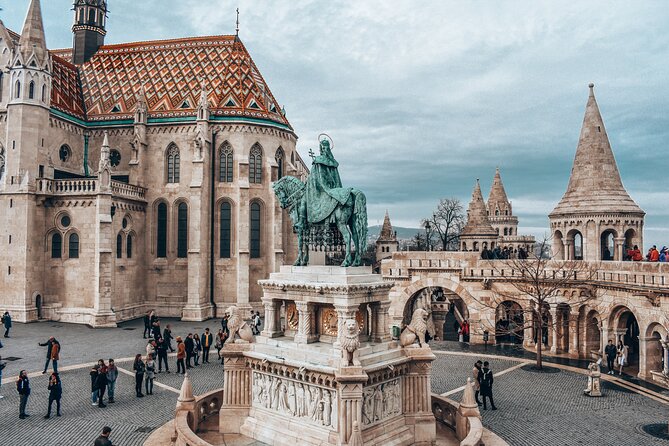
You start at St. Stephen’s Basilica at 11:00 am. It’s a smart choice for a first gathering point because you can orient yourself instantly. If you arrive early, you’ll have plenty of time to settle your route brain before you start walking.
From the start, the vibe is “friendly city stroll with commentary.” You’re not stuck waiting around. Expect the guide to steer you from one street-art moment to the next, then connect it to what was happening in the area around it. The walking route takes you through the 6th and 7th districts, which is useful because Budapest’s layers show up differently depending on which side of the neighborhood you’re in.
One thing I recommend: before you leave the meeting point, take 30 seconds to notice the street plan. Later, when the guide starts referencing neighborhood layout (including the ghetto story), you’ll be able to picture where you are instead of just hearing names.
Stop 1: Lépcső Street Art and the Art-That-You-Can-Reach Feeling
The first stop is Lépcső Street Art, and this is where the tour earns its “alternative” badge. Street art is easy to dismiss as random graffiti if you don’t know what to look for. Here, the guide helps you see composition, placement, and why these works work in the exact spot they’re painted.
What makes this stop valuable is the way it trains your eyes. You start noticing things like how a mural changes the way you read a street, how artists use scale and color to guide your gaze, and how certain walls become landmarks over time. Even if you’ve seen street art in other European cities, this gives you a Budapest-specific lens.
Potential drawback: if you’re expecting a formal museum-style explanation for every piece, you might want to keep your expectations light. This is outdoor art with neighborhood context, not a catalog-level workshop. For me, that’s a plus—Budapest doesn’t need another building to tell you what to think.
Stop 2: Terézváros and How Neighborhoods Carry Memory
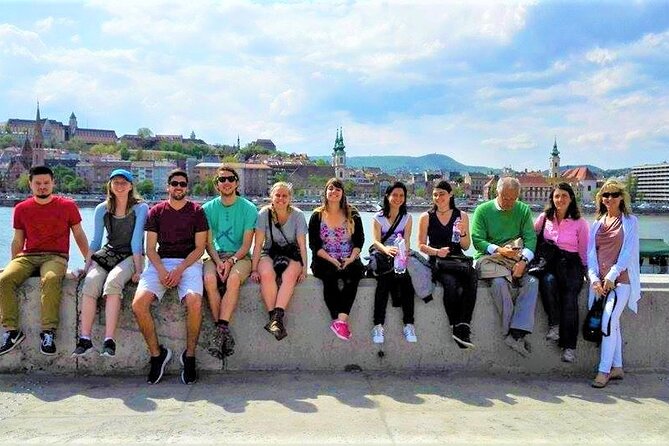
Next you move into Terézváros (the 6th district) for another short, focused stop. This is where the tour shifts from “look at art” into “why here?” The 6th district helps set the tone: you get streets that feel lived-in, not staged for tourists.
This matters for the Jewish-quarter component. Even when the art is what you see first, the tour uses the walk to connect what you’re looking at to what the neighborhood has meant for different communities over time. You’ll hear stories tied to Jewish life and how the ghetto story fits into the city’s layout.
A practical tip: if you care about the Jewish history details, ask the guide to explain it in terms of directions—what street you’re on, what area you’re near, and how the layout made daily life different. That way you’re not just collecting facts; you’re mapping them.
And because there’s been inconsistency about ghetto placement in the past, this is the moment to press for clarity. If something doesn’t sound right to you, say so politely and ask for a map-style explanation.
Stop 3: Andrássy Avenue to Király u. and the 7th District Mood Change

Then comes Andrássy Avenue, with Király u. as a key crossing point. This is a satisfying segment because the city’s personality changes as you move through Budapest. Andrássy Avenue has a more grand, boulevard feel, while the 7th district side of the walk tends to feel more intimate and “street-life” oriented.
The tour uses this contrast well. The guide’s job here is to help you connect the feeling of a street to its purpose—how people moved, what kind of life the streets supported, and how that shapes what you notice now. Since the tour is partly about street art, the transition also helps you understand why certain walls and corners become canvases in some neighborhoods more than others.
If you like social travel, this is a good moment. The guide encourages conversation and reactions while you’re walking and before you hit the next photo stop. It also gives you a chance to ask about anything that’s been bugging you—art meaning, neighborhood changes, or how the Jewish-quarter story is being woven into the route.
Small drawback: because you’re crossing a main corridor, you may have less quiet time for deep questions compared with alley-street stops. If you want to ask a longer question, do it before the group starts moving too quickly.






Stop 4: Színes Esernyők and the Colourful City Idea in Real Walls
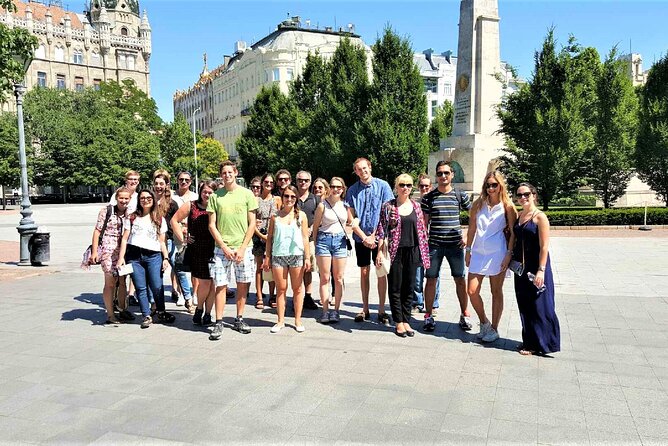
The final stop highlights Színes Város / the Colourful City theme and spotlights prominent local works linked to that idea. The tour name may promise “street art,” but this last segment is where it becomes a philosophy: art isn’t just decoration. It can reshape how people experience public space.
Színes Esernyők (the colorful umbrellas) ties to that broader concept in a way that’s easy to grasp. You can look at the installation, see how it transforms an ordinary street moment, and then understand why artists and locals keep returning to this approach. It’s the kind of art you remember because it’s attached to daily movement, not a one-time exhibition.
This stop is also a strong finish for photography. The guide helps you look for details, but you’ll naturally want to pause and take pictures. Just remember the street is still a street—be mindful of flow and don’t block entrances.
One thing to keep in mind: if you’re coming purely for “deep Jewish quarter sightseeing,” the art emphasis might feel like the tour balances too much toward visuals. On the other hand, that balance is what makes this walk distinctive. It’s street art as a way to understand neighborhood identity.
Price, Tips, and What You Really Get for $25.20
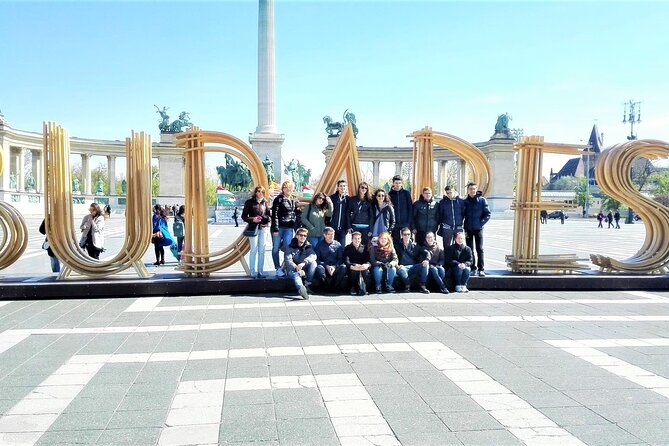
The listed price is $25.20 per person for an experience that runs around 3 hours with a local guide. You’re also told that the stop sites have free admission in the walking segments, which matters because it keeps you from feeling nickel-and-dimed on top of the tour fee.
What’s included is straightforward: a local guide. What’s not included is bottled water. That means you should plan to buy water on your own or bring your own. It’s a small thing, but on a summer day it can turn into the big thing if you ignore it.
Is it good value? For me, yes—if you genuinely like street art and you’re open to neighborhood context. This isn’t a “see everything in Budapest” tour. It’s a curated walk through a focused slice of the city, and its value comes from the guide’s ability to connect art to place.
Because the guide is working for tips, you can also adjust your payout based on experience quality. That’s fair, and it also puts you in charge of getting what you want out of it: ask questions, react to details, and be ready to offer a tip that matches your enjoyment.
Timing, Weather, Group Size, and Comfort: The Stuff That Makes or Breaks It
This tour runs for about 3 hours, with about 30 minutes at each stop. That timing is ideal for people who want a structured walk without a long sit-down component. You’ll likely get enough time to read the vibe of each place and still feel like you’re doing more than just passing by.
It’s also good-weather dependent. That’s a real thing with street art walks. If rain hits, colors dull, visibility drops, and murals become less fun to study. If the tour gets canceled due to weather, you’ll be offered a different date or a full refund.
Group size has a ceiling of 100 travelers. That’s not tiny, so don’t expect a small classroom feel. You can still enjoy it, but you’ll want to stand close enough to hear the guide when you want details. If you’re hard of hearing or you know you struggle in larger groups, you might find it harder to catch everything.
Comfort tip: wear shoes you don’t mind getting scuffed. This is a walk with city surfaces and short stop-start movements. Bring a phone with a charged battery for the mobile ticket, and consider carrying a small bottle of water before you start.
Who This Tour Suits Best (and Who May Want a Different Plan)
This fits best if you’re the kind of traveler who looks up from the ground occasionally and likes to connect art to the neighborhood around it. If you care about Budapest’s Jewish-quarter story but you also want that story explained through the places you walk past now, this tour gives you a workable approach.
It’s also a good pick if you prefer social travel without the pressure of formal group activities. The route is described as friendly and the atmosphere encourages interaction—so you’re not just being shipped from stop to stop in silence.
Who might not love it: if you’re hunting for strict, map-precise historical instruction at museum detail level, you should be prepared to ask direct questions. There has been at least one instance where a guide handled ghetto placement confusingly. That doesn’t mean the tour is always wrong—it means you should take responsibility for clarity. If the guide can explain it well, you’ll get a lot out of the walk.
Should You Book? My Practical Recommendation
I’d book this if you want a Budapest street art walk that also touches the Jewish-quarter context, and if you’re okay with the idea that the experience depends on how the guide runs the conversation. The route through the 6th and 7th districts, the mix of public art stops, and the focus on the Colourful City theme make it memorable in a way a generic sightseeing walk usually isn’t.
Before you go, do two things: bring comfortable shoes and come prepared to ask questions. If you care about history accuracy—especially around the ghetto story—don’t be shy about asking for clarification on the spot. You’ll get more out of the tour that way, and you’ll leave with both better pictures and a clearer mental map.
If your main goal is purely Jewish history in a strictly chronological, tightly factual way, you might want a different format. But if your goal is “I want to see where the stories live,” this is a strong, good-value option.
FAQ
How long is the Budapest Alternative Street Art & Jewish tour?
It’s listed as about 3 hours.
Where does the tour start, and when is it?
The meeting point is St. Stephen’s Basilica, Szent István tér 1, 1051 Hungary, and the start time is 11:00 am.
What’s included in the price?
The tour includes a local tour guide.
Is bottled water included?
No. Bottled water is not included.
Do I need to buy admission tickets at the stops?
Admission is listed as free for the stops mentioned in the itinerary.
How big is the group?
The tour has a maximum size of 100 travelers.
What happens if it’s canceled due to weather?
The experience requires good weather. If it’s canceled due to poor weather, you’ll be offered a different date or a full refund.