REVIEW · BUDAPEST
Hollókő Ethnographic Village: Day Tour from Budapest
Book on GetYourGuide →Operated by Budapest Day Trips · Bookable on GetYourGuide
A day at Hollókő feels like time travel. This preserved Palóc village, protected since 1987 as a UNESCO site, lets you see rural life in classic peasant houses from the 17th–19th centuries.
I love the way Hollókő turns history into people you can talk to, with residents in colorful folk costume and a living rhythm of crafts, songs, and village traditions. I also like that you’re not stuck behind glass all day—there’s time to watch demonstrations and enjoy a proper lunch in the Palóc style. One thing to keep in mind: the day’s cultural programming can be more consistent in peak seasons (like Easter), so it’s smart to ask what’s actually running when you book, especially for costume-and-performance moments.
In This Review
- Key things to know before you go
- Hollókő’s UNESCO village feel: what you’re really paying for
- The 8-hour day from Budapest: pickup, drive, and time on site
- Entering Hollókő: 67 protected peasant houses (and how to spot the details)
- Palóc people in costume: what living traditions add to the tour
- Museums: the Palóc Folk Museum (included) plus the Doll Museum stop
- Lunch in the Palóc way: how food fits into the experience
- Price and value: $681 per group up to 6 (what you’re getting)
- Easter in Hollókő: when the village puts on extra programs
- Who this tour suits (and who should choose a different style)
- Should you book the Hollókő Ethnographic Village day tour?
Key things to know before you go
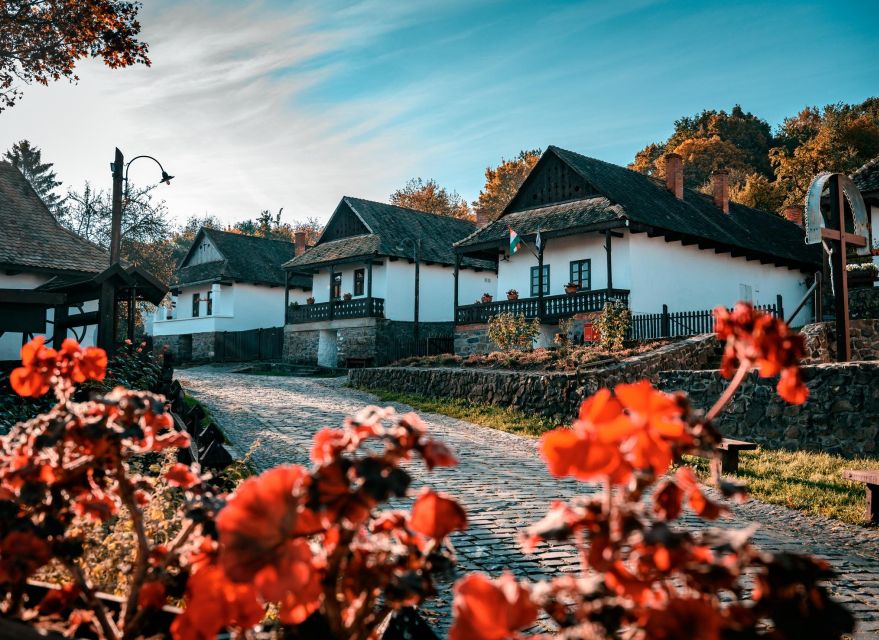
- UNESCO-protected village layout with 67 protected buildings gives you a real sense of how the settlement was designed.
- Palóc culture is the main character, from dialect and traditions to folk crafts and songs.
- You get museum time (the Palóc Folk Museum is included, and you’ll visit the Village/Doll museum stop as part of the day).
- A full 8 hours with travel built in means you’ll need to be ready for a coach ride from Budapest (about 80 minutes each way).
- Private-group format keeps the day calmer than standard bus tours—handy when you’re focused on photos and pace.
- Easter can supercharge the visit, and sometimes weddings and special programs add extra energy.
Hollókő’s UNESCO village feel: what you’re really paying for
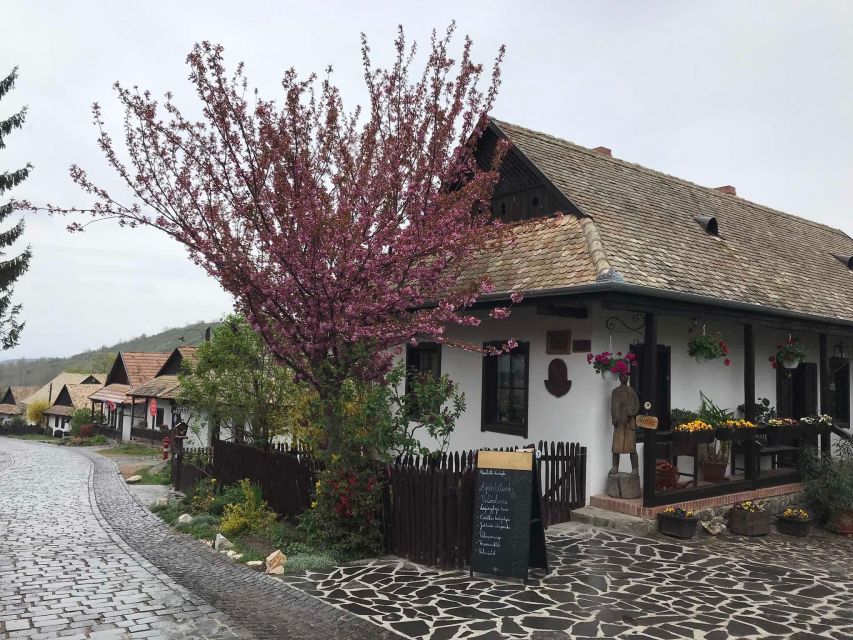
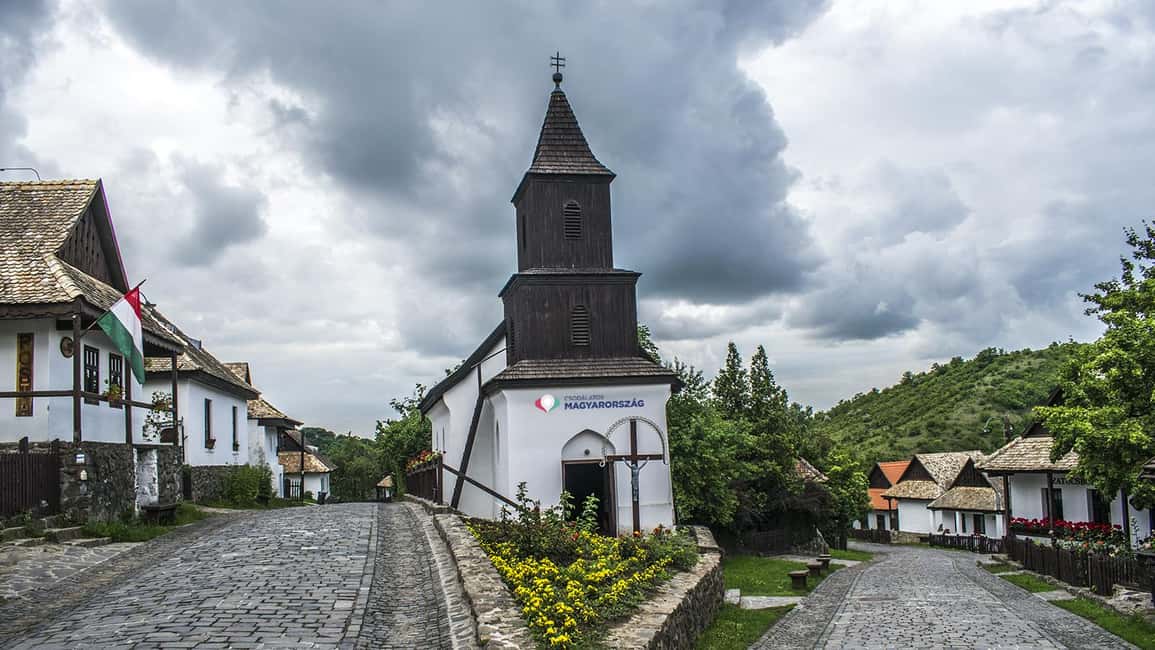
Hollókő is one of those places where the setting matters as much as the artifacts. This is a deliberately preserved traditional settlement, protected as a UNESCO World Heritage Site since 1987, and you can feel the care in the way the village reads as a whole.
What makes it more than a photo stop is the Palóc identity. This is a rural community with its own dialect and living traditions—crafts, folk songs, and richly decorated colorful costumes. The village is home to about 400 residents, and many of the experiences on your tour are designed around that living continuity rather than a distant “museum village” vibe.
You’re also paying for an organized day that bridges big-city time with countryside rhythm. With pick-up points in central Budapest and transport arranged for you, you’re not spending your energy on connections, tickets, or figuring out where to go once you arrive.
You can also read our reviews of more tours and experiences in Budapest.


The 8-hour day from Budapest: pickup, drive, and time on site
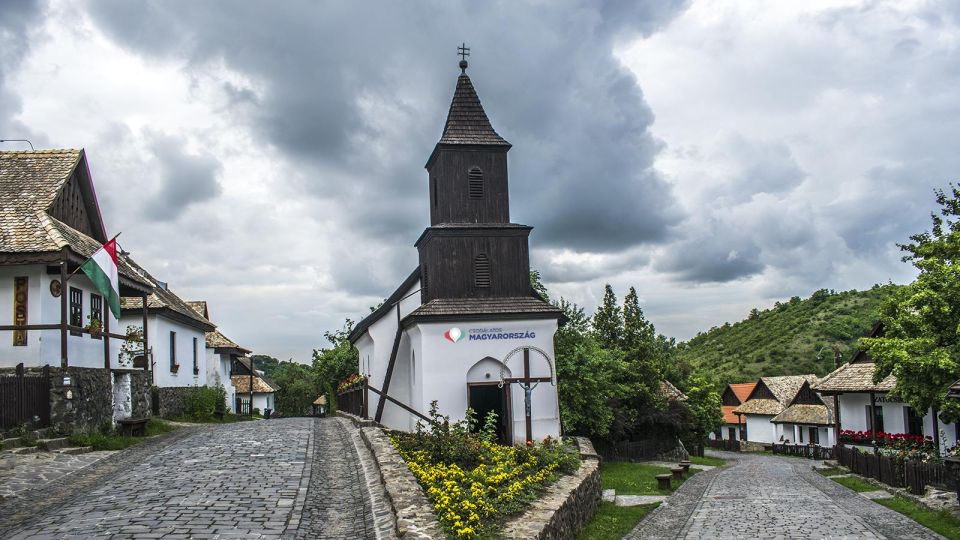
This is an 8-hour day tour, designed to work smoothly from Budapest with hotel pickup. You’ll choose from three pickup locations: Király Street, Széchenyi Tér, or Deák Ferenc tér. The return drops off at three places as well (Király Street, Deák Ferenc tér, or Széchenyi Tér), which is convenient if you’re staying near those hubs.
Expect about 80 minutes of coach/bus time each way. That’s normal for Central Hungary day trips, but it does affect your “on the ground” time. The upside is that the day is structured so you’re not wandering for hours hoping something interesting is open. The downside is you should treat it as a guided taste of the village, not an open-ended day you can stretch for shopping or extra performances.
For English-speaking visitors, the tour is run with a live guide, and the guide language options include German, Russian, Spanish, Italian, French, and Portuguese. If you’re hoping for a very narrative, story-driven experience, that guide matters—some departures may be led by someone like Kinga, who has been singled out for excellent guidance in past experiences.
Entering Hollókő: 67 protected peasant houses (and how to spot the details)
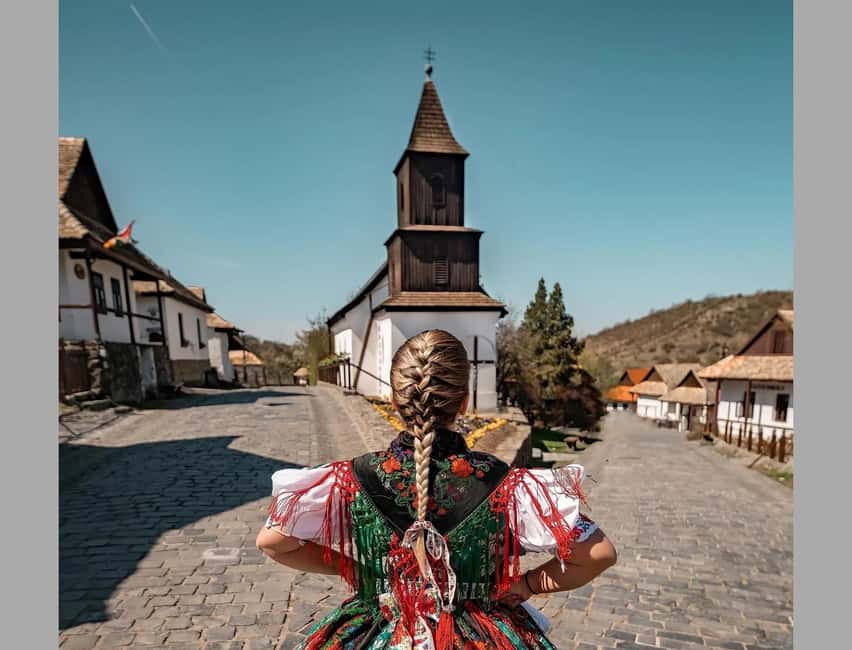
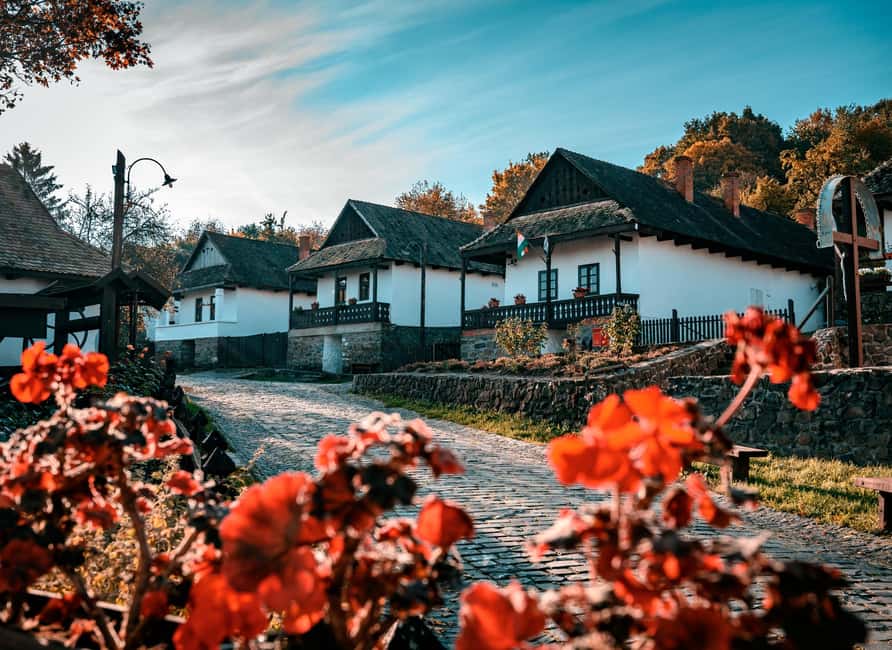
Once you arrive, the heart of the visit is walking the protected village. Hollókő includes 67 protected buildings, and the architecture is typical peasant housing from roughly the 17th to 19th centuries. Even if architecture isn’t usually your thing, this is a good place to slow down because the houses help you understand daily life—how people lived, where work happened, and what the settlement looked like before modern agricultural change.
Here’s what I suggest you do when you’re inside the village lanes:
- Look for how the houses relate to each other, not just the buildings one by one. The street arrangement is part of the story.
- Keep your camera ready, but also look up—rooflines, facades, and decorative elements can be subtle.
- If your group stops for explanations, stand where you can see the full view of a building, not just the guide’s talking spot.
A practical point: modern village life can exist alongside preserved areas. If you’re planning to shoot very “classic village” photos, go in expecting that some views may include everyday surroundings. Your guide can usually help you find angles that reduce visual clutter.
Palóc people in costume: what living traditions add to the tour
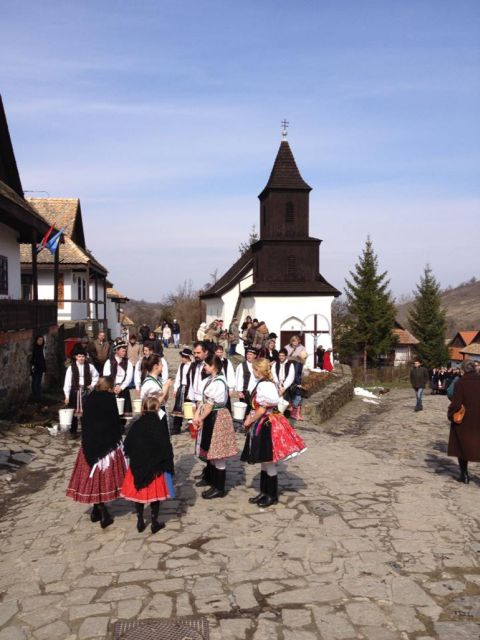
Hollókő is not just about buildings—it’s about Palóc life. On this tour, you’ll meet residents and observe how village life continues today. That’s the difference between a heritage site and an active community presentation.
You can expect parts of the day built around:
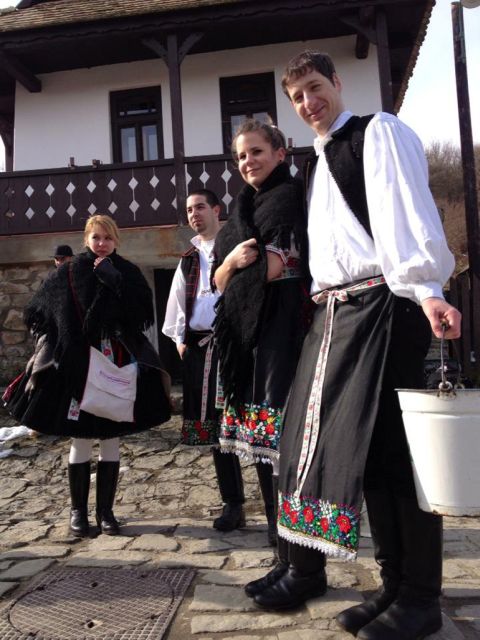
- Residents in folk costumes
- A folk dance performance
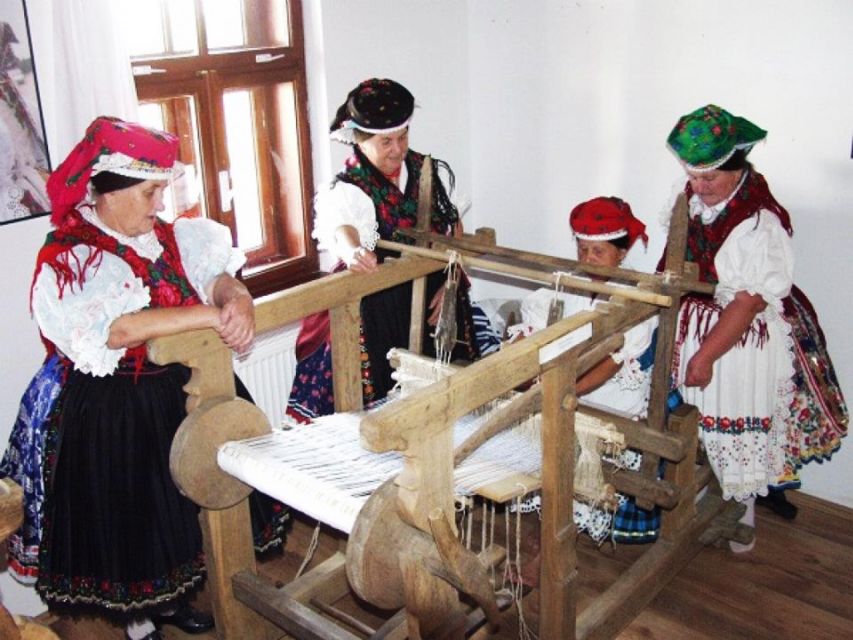
- Craftspeople demonstrating traditional work
I love this approach because it gives context. When you see costume, music, and crafts together, you start to understand them as part of one culture system rather than separate performances.
One consideration: the degree of costume-and-performance action can vary depending on the day’s schedule. If you’re traveling specifically for the strongest chance of seeing everything in motion, target times when village programs are known to be more active (more on that below).
Museums: the Palóc Folk Museum (included) plus the Doll Museum stop
You’ll visit museum time during the day, including the Palóc Folk Museum, which is listed as included in the tour price. This matters because it reduces surprise costs once you’re there and makes the tour feel more “complete” instead of half-guided, half-independent wandering.
The broader museum plan on the day also includes a stop at the Village Museum area and a Doll Museum visit. Since the included admission info specifically names the Palóc Folk Museum, treat the other museum admissions as something to confirm with your operator if you’re trying to budget tightly. Either way, plan to spend time here, because museums are usually where you get the cultural explanations behind costumes, tools, and village objects.
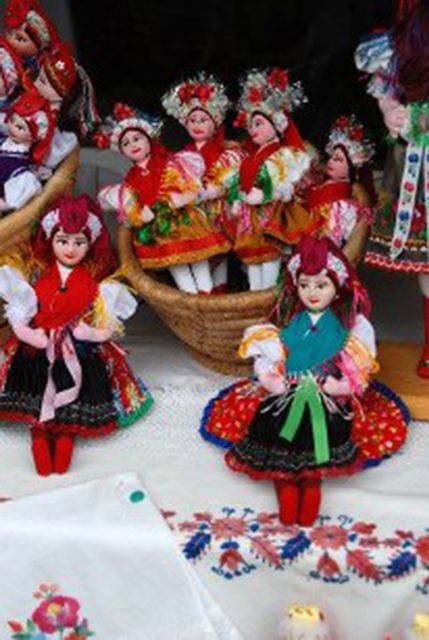
If you enjoy folk arts, dolls, traditional household items, and the way everyday objects reflect identity, this museum pairing is an easy win. Even if you’re not a “museum person,” the doll collection can be a surprisingly effective way to understand how craft, decoration, and family life tie into a larger cultural picture.



Lunch in the Palóc way: how food fits into the experience
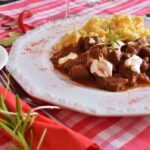
The tour includes a stop for lunch, with regional food served in a Palóc style. This is worth taking seriously. In villages like Hollókő, food isn’t just fuel—it’s another way traditions show up in daily routine.
A practical suggestion: eat slowly and keep room in your schedule for one extra drink or snack afterward if you want it. Heritage villages can have limited choices compared with a city, and your “perfect lunch” moment might be part of why people remember the day.
Some departures may also include additional stops or demonstrations along the route (for example, there’s at least one account mentioning cheese tasting and a leather craft demonstration). Don’t assume those are guaranteed extras, but it’s a reminder that this tour can sometimes offer more than the headline village walk.
Price and value: $681 per group up to 6 (what you’re getting)
The price is $681 per group (up to 6 people). On the surface, that’s a big number. Here’s how I’d think about value.
First, it’s a private-group tour with hotel pickup and round-trip transportation from Budapest. That alone often changes the feel of the day: you get a guide on hand for navigation, context, and timing. If you’re traveling with family or a small group of friends, splitting the cost can turn it into a reasonable per-person outing compared with piecemeal tickets plus your own transport and planning.
Second, your tour includes entry into the Palóc Folk Museum and includes guided time for the village experience—so the day isn’t just transportation to an open-ended stop. You’re also paying for an English (and many other languages) live guide, which is especially helpful in a place where the culture is tied closely to language and craft.
The drawback is that it’s still a premium price for a rural day trip. If you show up expecting hours of constant performances and find that some elements are less active that day, the value can feel thin. My advice: book with the assumption that the village walk and cultural context will be the core of the day, and treat costumes/dances as “added strength” that may vary by season and schedule.
Easter in Hollókő: when the village puts on extra programs
If you can rearrange your trip, Easter is the best time to aim for Hollókő. The village can run special programs and Easter traditions, and on some occasions there may even be Palóc weddings as part of the visit.
Why this matters: holidays tend to bring a higher level of public activity, which increases your chance of seeing the culture in full swing rather than just the architectural and museum side.
If Easter isn’t possible, the tour still offers the essentials—village walk, guide-led interpretation, and museum visits—but Easter is the season when you’re most likely to feel the traditions as something that’s happening, not just something you read about.
Who this tour suits (and who should choose a different style)
This is a great fit for:
- People who want guided context more than independent exploration
- Families or small groups (since the price is per group up to 6)
- Visitors who care about folk culture expressed through daily life—crafts, costume, music, and village identity
It may be less ideal for you if:
- You want maximum freedom to roam at your own pace for the whole day
- You’re chasing a guaranteed “always-on” show schedule with constant dancing and fully staged costume scenes
- You prefer cheaper, more flexible hop-on arrangements where you can easily extend or shorten the day
The private-group format helps, but it can’t fully control what’s running in a living village. That’s why it’s smart to ask your operator what the typical on-the-day schedule looks like when you book.
Should you book the Hollókő Ethnographic Village day tour?
Yes, I think you should book—if you want a well-structured, culture-first day that turns Hollókő into more than a scenery stop. The included Palóc Folk Museum entry, the guided village walk through 67 protected buildings, and the focus on Palóc people, crafts, and folk performance create a coherent experience that’s hard to replicate on your own without serious planning.
Don’t ignore the main risk: on some days, the amount of visible programming can be lighter than you hope. If that would disappoint you, prioritize travel dates when the village is known to run bigger traditions (Easter) and confirm what’s scheduled for your departure.
If you’re traveling in a small group, this tour also makes more financial sense. For a party of up to six, you get private-guided time, hotel pickup convenience, and cultural context—exactly the stuff that helps a day trip feel worth it.