REVIEW · DAY TRIPS FROM BUDAPEST
From Budapest: Full-Day Danube Bend Tour with Lunch
Book on GetYourGuide →Operated by Eurama Sightseeing City Tours Budapest · Bookable on GetYourGuide
Danube Bend feels like another country. This full-day outing blends a quick cross-border moment at the Mária Valéria Bridge with real sightseeing hits—especially Esztergom and the big Catholic landmark there. I also like that the day ends in a way that feels different from a normal bus tour: you head back with views on the Danube, either by boat or by coach. One drawback to keep in mind: the schedule is full, and that can make Szentendre feel a little rushed if you’re a slow wanderer.
What makes this tour work is the pacing and the live guiding. You’ll get a guided walk in town, photo stops along the way, and a 3-course Hungarian lunch that many people rate as a highlight—while others note it can vary by day and restaurant. I’ve seen names like Atila, Clara, Krisztina, and Maria Gabriella tied to particularly strong guiding, with good energy and clear explanations across languages.
Tour highlights you’ll actually use
- Mária Valéria Bridge: a quick Slovakia photo stop that adds spice to the day
- Esztergom Basilica: the largest Catholic church in Hungary, plus guided town context
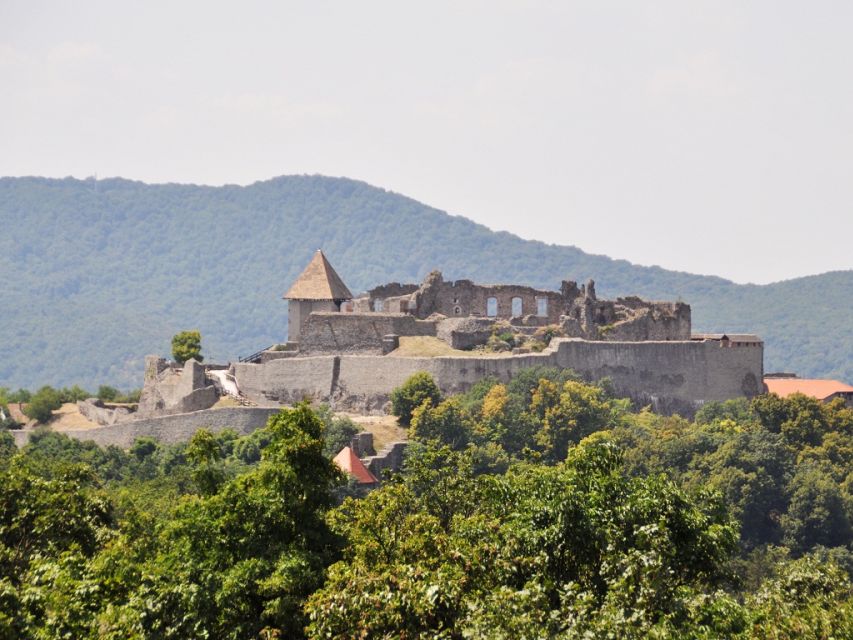
- Visegrád Hill views: classic Danube Bend panoramas from higher ground
- Szentendre’s Artist Village feel: cobblestones, guided downtown time, and free wandering
- Danube boat return (summer): a relaxing finish when the weather and schedule cooperate
- Lunch included: a real break that saves you from hunting for food between stops
In This Review
- Danube Bend at a Glance: a 9-Hour Loop With Big Views
- Getting There: Meeting Point, Pickup Options, and the Bus Comfort Factor
- A Quick Slovakia Photo Stop at Mária Valéria Bridge
- Esztergom: the Basilica, the River Setting, and a Guided Walk That Gives Context
- Visegrád Hill: Scenic Views and Lunch With Danube Bend Energy
- Szentendre’s Artist’s Village: Cobblestones, Guided Downtown, and Free Time That Matters
- Returning to Budapest: Danube Boat vs Bus (and Why Season Matters)
- Price and Value: Is $122 a Good Deal for This Danube Bend Day?
- What the Itinerary Feels Like, Step by Step
- Who Should Book This Tour (and Who Might Prefer a Different Plan)
- Should You Book This Danube Bend Tour?
- FAQ
- How long is the Danube Bend tour?
- Where do I meet the tour?
- Is hotel pickup included?
- Do I need a passport or ID?
- What’s included in the price?
- When is the return by boat?
- What languages are the guides?
- Is the tour wheelchair accessible?
Danube Bend at a Glance: a 9-Hour Loop With Big Views
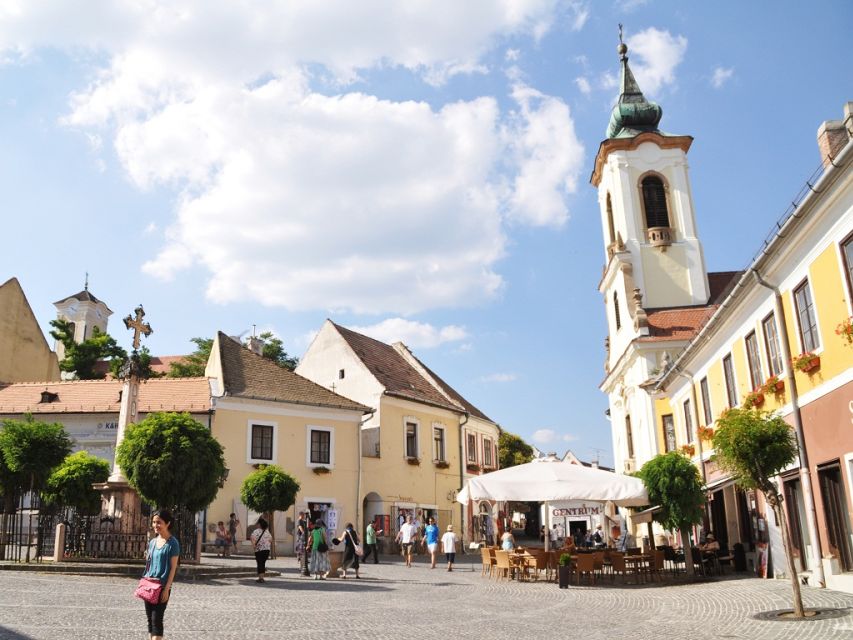
This is a classic Budapest day trip, but it’s not just a checklist of pretty places. The Danube Bend is a dramatic stretch of river where you can see how the land and the water shape each other—hills, valleys, and those sweeping river curves that look better in motion than from a static viewpoint.
You’re out for about 9 hours, split between guided walks, photo stops, and actual time to roam. The tour also throws in a small cross-border moment in Slovakia, which is a fun way to break up the day and make it feel less like you’re just driving in circles around Budapest.
Value-wise, you’re paying for more than transport. You get the air-conditioned bus, live guide time, a guided sightseeing plan through multiple towns, and a 3-course lunch. If you land on a day with the Danube boat return, that’s essentially a bonus experience without you having to plan extra tickets.
Getting There: Meeting Point, Pickup Options, and the Bus Comfort Factor
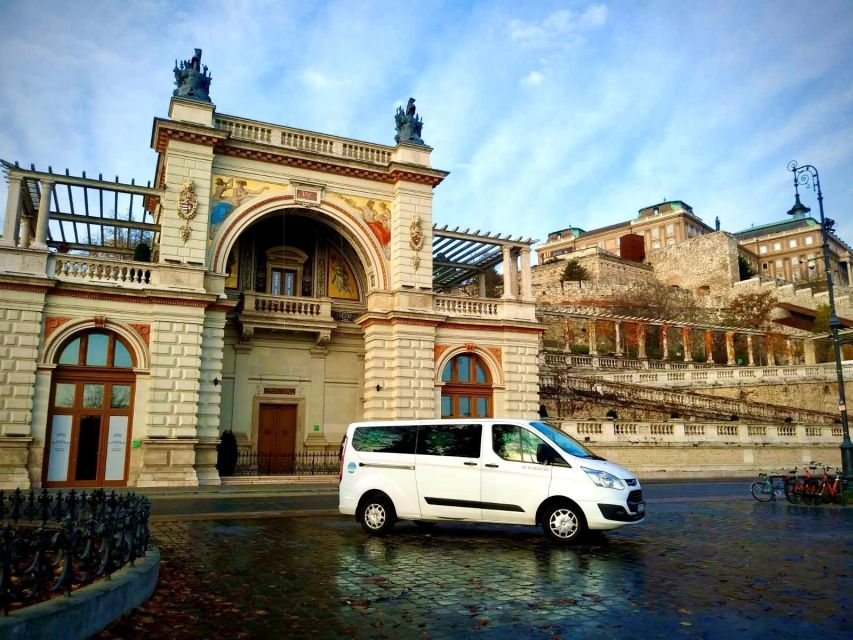
Most people start at the Eurama office. You’ll want to arrive about 30 minutes early and look for the blue meeting flag. This matters because the day runs on a tight schedule, and being late can push you into the awkward zone of joining the group after everyone’s settled.
If you selected it, hotel pickup is available only in downtown Budapest, with pickup happening about 30 minutes before the program starts. The key practical note: hotel pickup does not automatically mean hotel drop-off on the way back.
Once you’re on board, the bus is the backbone of the day. It’s air-conditioned, and that’s a big deal when you’re traveling through hills and spending time outdoors. One small detail that adds comfort: on at least one departure, the group was reported as small (11 people). Smaller groups often mean the guide can manage transitions more smoothly, especially during photo-stop moments.
You can also read our reviews of more tours and experiences in Budapest



A Quick Slovakia Photo Stop at Mária Valéria Bridge

Before you dive deep into Hungarian towns, you’ll cross the Mária Valéria Bridge for a short photo stop linked to Slovakia. It’s not a long border adventure—think quick pause, quick photos, and right back onto the route.
Why I like this part: it gives you a change of scenery without eating your whole day. You get the feeling of a border region, the river as a connector (not a divider), and a simple story you can tell later: you stood on a bridge that touches two countries and watched the Danube do what it does best.
Practical tip: bring the ID you’re required to carry (passport or ID card). You also shouldn’t count on wheelchairs or non-folding setups here—this tour isn’t set up for mobility impairments, and you’ll be doing walking during multiple stops.
Esztergom: the Basilica, the River Setting, and a Guided Walk That Gives Context
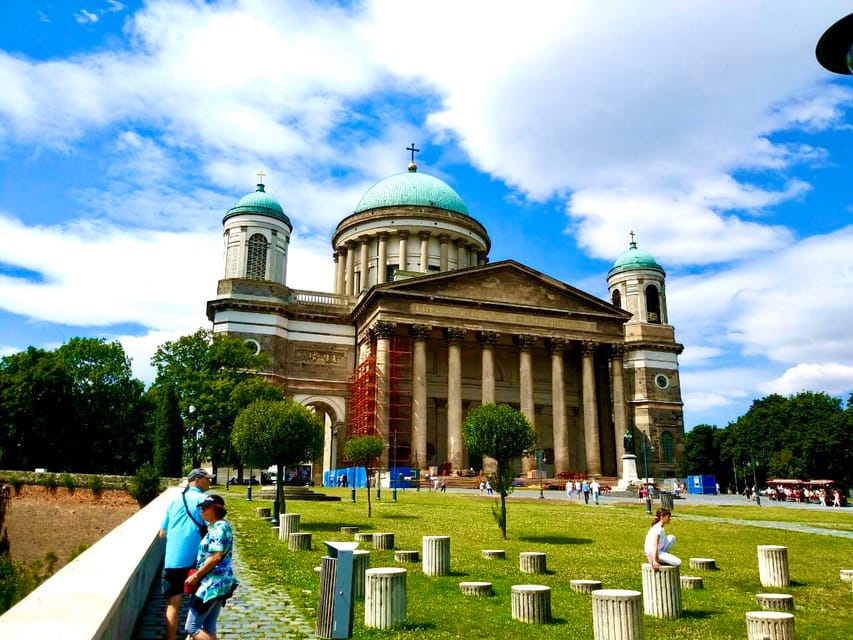
Esztergom is where the tour turns from scenic to historic—fast. You’ll spend around 1.5 hours there with a guided visit and sightseeing walk.
The centerpiece is the largest Catholic church in Hungary, the Esztergom basilica. Even if you’re not the type to get emotional about church domes (no judgment), this is one of those landmarks that changes how you see the whole area. The architecture and the scale help you understand why this town matters in Hungarian Catholic life and national storytelling.
A practical benefit of a guided stop here: it keeps you from wandering with no idea what you’re looking at. A guide can explain what you’re seeing in a way that makes the details feel connected—especially around why the town sits where it does along the river.
One tradeoff to consider: some days depend on what’s going on around the basilica. On a few departures, ceremonies or conditions can affect access or timing, so you should expect the experience to be flexible, not rigid.
Visegrád Hill: Scenic Views and Lunch With Danube Bend Energy
Next comes Visegrád, where you get both a break and another hit of scenery. You’ll have break time, photo stops, and time for a guided visit and walk, plus lunch. The time in this stop is about 1.5 hours.
This is where the Danube Bend starts to feel real in your bones. The views from Visegrád Hill are the kind that make you slow down without being asked. You’re looking at the river curve from higher ground, which helps you understand why this stretch of water has mattered for centuries—routes, defense, trade, and the simple fact that people always wanted the best vantage points.
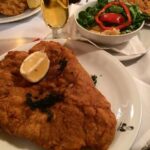
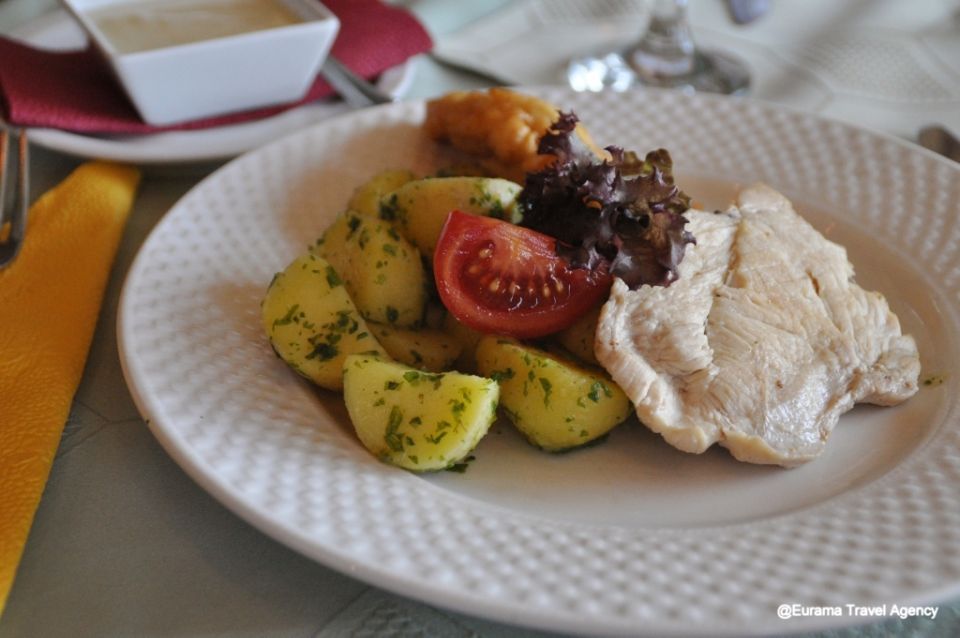
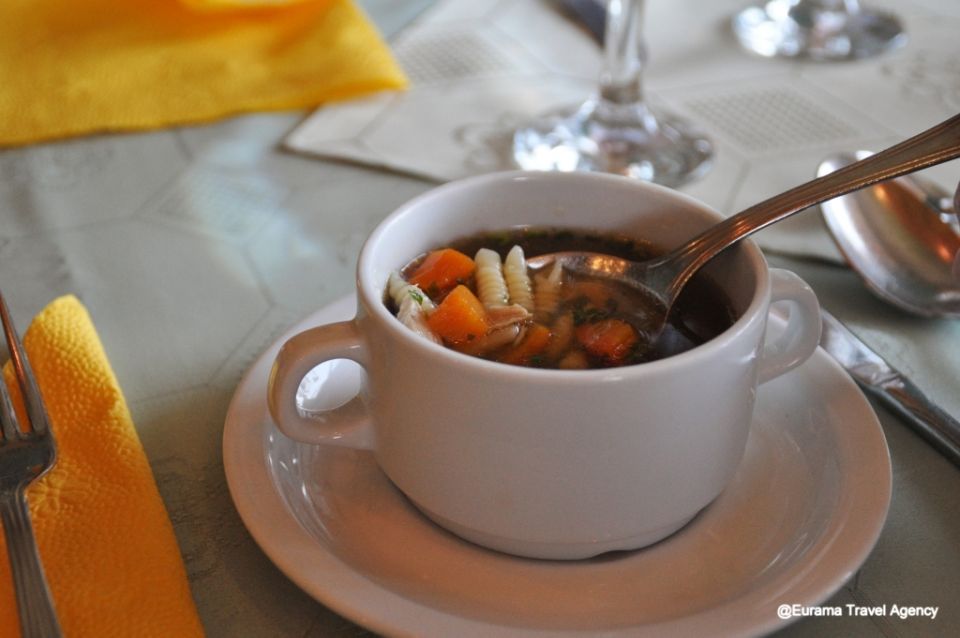
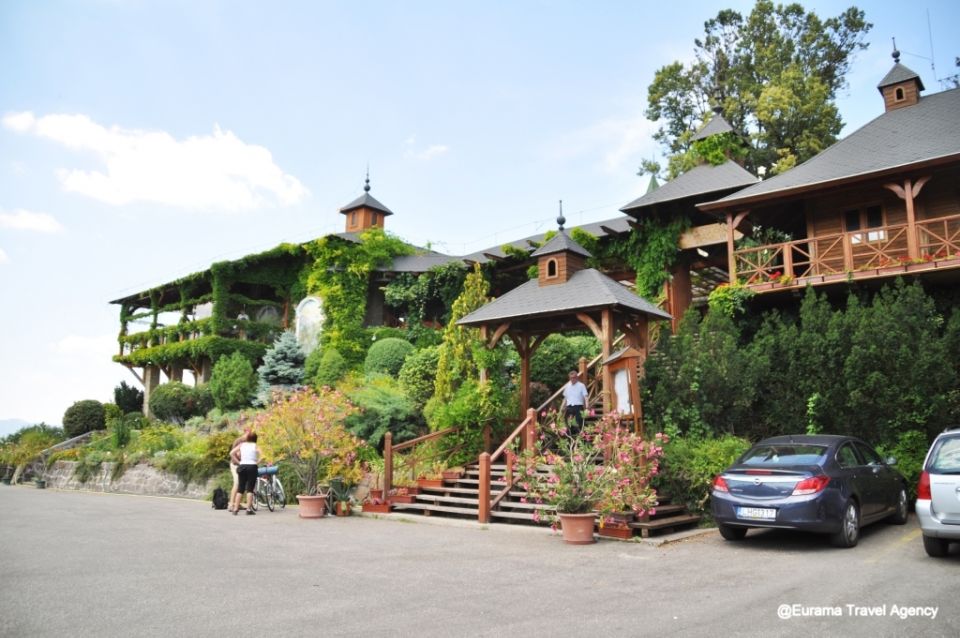
Lunch is included as a 3-course Hungarian meal. In many cases, it’s described as excellent, often served in a setting with impressive views—so you’re eating while the landscape does its best work. Still, there are also a few notes about lunch being mediocre or not meeting expectations (like cold soup or a main course that didn’t land). That’s the only part of the day where you should keep expectations adjustable.
If you’re picky or you have dietary needs, the safest move is to communicate ahead of time. One guide reportedly helped arrange a vegetarian option when requested, so it can be possible.
Szentendre’s Artist’s Village: Cobblestones, Guided Downtown, and Free Time That Matters
Szentendre is the tour’s “slow moment,” but only if you manage it well. You’ll get a guided tour of the downtown area (including time to walk cobblestone streets) and then free time to explore on your own.
The biggest value here is atmosphere. Szentendre has that artist-village vibe people come for: small streets, quirky shops, and a town feel that’s more human-scale than the larger Hungarian capitals. The guided portion helps you pick where to spend your free time instead of drifting into random corners.
Still, you should be aware of a practical limitation: the schedule can feel a bit tight here. Some people wished for more time, and at least one departure felt rushed at the final stop. If you love shopping for small crafts or you like taking your time in museums, consider that you may not get the full leisurely pace you want.
Also, the town can bring in visitors, so you’ll see tourist-friendly spots. If you’re food-driven, keep an eye on what’s actually good locally versus what’s designed for quick purchases.
You can also read our reviews of more tours and experiences in Budapest





Returning to Budapest: Danube Boat vs Bus (and Why Season Matters)
The end of the day is where this tour can feel either special or just practical.
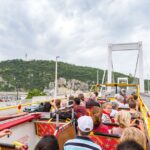
In summer season, you return from Szentendre to Budapest by boat on certain days (the tour info lists boat returns on Fridays, Saturdays, and Sundays from early May through late September). Another note states boat return runs between 15 May and 27 October. Either way, the core idea is the same: when the river and schedule cooperate, the boat is a scenic, relaxing finish.
A few real-world notes to plan for:
- The boat can get crowded fast, especially if you board near the start of the return.
- On hot days, lower decks can feel hot, and some people wished they had something like a small fan or airflow plan.
If there’s extremely low or high water on the Danube, the operator switches to bus. You’re trading the romance of a river cruise for the certainty of getting back on time, which is often the right call.
Price and Value: Is $122 a Good Deal for This Danube Bend Day?

At $122 per person, you’re not paying for a simple transport day. You’re paying for:
- guided sightseeing across multiple towns,
- air-conditioned coach transport between stops,
- 3-course lunch,
- and a boat return when the schedule and river conditions allow it.
So the value depends on how you personally weigh two things: (1) guided interpretation and (2) included meals/transport. If you want to squeeze multiple towns into one day without figuring anything out, this price often makes sense. It’s also cheaper than piecing together separate entry tickets, lunch plans, and transport on your own—especially in a day where you’re hopping between hill viewpoints and riverside towns.
If you’re the type who hates group pacing, the value might feel worse. You don’t get total freedom; you get structure. But for most first-time visitors, that structure is what makes it feel efficient without feeling like a blur.
What the Itinerary Feels Like, Step by Step

Here’s the flow in plain language, and what each stage is really doing for you:
- Morning bus ride + photo stop into Slovakia: breaks up the day early so you’re not stuck doing only Hungarian stops.
- Esztergom: the historic anchor, with the basilica as the main reason you’re there.
- Transfer to Visegrád: the scenic shift from town center to hill viewpoints, timed with lunch so you’re fueled for walking.
- Visegrád: views first, then guided context, then a sit-down meal.
- Szentendre: the artist-town mood—guided walking to get oriented, then free time to shop, snack, and wander.
- Return to Budapest: boat when possible in season, bus when needed.
The strongest part is how the day builds. You start with river-crossing curiosity, then you move into religious and historic importance, then you end with a relaxed artistic town and a scenic return.
The main weakness is time pressure. You can’t linger everywhere. If you love long stays in one place, you’ll have to choose what to prioritize: basilica depth, hilltop views, or Szentendre wandering.
Who Should Book This Tour (and Who Might Prefer a Different Plan)
This tour is a good fit if you want:
- a structured day that covers Esztergom, Visegrád, and Szentendre,
- a guided explanation (not just photos),
- included lunch without decision fatigue,
- and the chance of a Danube boat return during summer.
It may not be the best fit if you:
- need maximum mobility and minimal walking (this tour isn’t suited for wheelchair users and mobility impairments),
- hate group pacing,
- or want lots of time in only one town (Szentendre can feel rushed).
It also makes sense for couples, solo travelers, and friends who like being out of Budapest for a full day but don’t want to drive.
Should You Book This Danube Bend Tour?
If you’re visiting Budapest and you want the Danube Bend experience without planning transport between three towns, I’d say this is a smart booking. The mix of Esztergom’s basilica, Visegrád Hill views, and Szentendre’s cobblestone town feel hits the right notes for a first (or only) Danube Bend day.
I’d book it—especially if you can time your trip for a day with the boat return—but go in with realistic expectations about pace. It’s a full day. And like any day-trip lunch, the meal can be great or just okay depending on the restaurant setup.
If you want one takeaway: you’ll leave with photos of the bend from high ground, time to wander in an artist town, and a distinctly different return from Budapest than you’d get from a city-only plan.
FAQ
How long is the Danube Bend tour?
It lasts about 9 hours.
Where do I meet the tour?
You meet at the Eurama office. Arrive about 30 minutes early and look for the blue Eurama meeting point flag.
Is hotel pickup included?
Hotel pickup is optional and only available in downtown Budapest, if you select that option. Pickup is about 30 minutes before the tour starts, but hotel drop-off is not included.
Do I need a passport or ID?
Yes. You should bring a passport or ID card.
What’s included in the price?
You get a live guided tour, air-conditioned transportation, a 3-course Hungarian lunch, and a return to Budapest by boat on certain summer days or by bus on specified days (and sometimes when water levels are extreme).
When is the return by boat?
The tour information says boat returns run in the summer season on weekends (Friday to Sunday) during a May-to-September period, and it also lists boat return as operating between 15 May and 27 October. If water levels are extremely low or high, the return can be by bus.
What languages are the guides?
The tour runs with live guides in Spanish, English, French, German, and Italian.
Is the tour wheelchair accessible?
No. It is not suitable for wheelchair users or people with mobility impairments, and non-folding wheelchairs are not allowed.