REVIEW · DAY TRIPS FROM BUDAPEST
From Budapest: Danube Bend & Szentendre Tour with Lunch
Book on GetYourGuide →Operated by Program Centrum Ltd · Bookable on GetYourGuide
Danube Bend turns one city day into three. I really like the Danube views that keep popping up as you travel, plus the chance to visit the Esztergom basilica, the biggest church in Hungary. It’s a full-day mix of stone, skyline, and guided context that makes the region feel connected instead of random sightseeing.
My main caution is time. You’ll walk at each stop, and the day runs long—so if you want slow browsing in Szentendre or extra time at Visegrád’s sights, plan to be flexible about the pace.
In This Review
- Key highlights you’ll feel right away
- A Danube Bend day trip that hits both history and river views
- Getting out of Budapest: pickup, transfers, and the Mária Valéria Bridge photo stop
- Esztergom: Hungary’s biggest basilica and a view across to Slovakia
- Visegrád’s Royal Residence walk: 750-year-old stones and Danube panoramas
- Lunch in Visegrád: a 3-course Hungarian meal that slows the day down
- Szentendre: the artists’ village feel and baroque street wandering
- Boat return vs bus back to Budapest: what your day ends like
- Guides and the “why it makes sense” factor
- What to bring (and what to wear) for a 9.5-hour route with walking
- Price and value: why $128 can feel fair here
- Who should book this Danube Bend and Szentendre tour?
- Should you book this tour?
- FAQ
- How long is the Danube Bend & Szentendre tour with lunch?
- Where do I meet the tour?
- Is lunch included?
- Do I return to Budapest by boat or bus?
- What ID do I need?
- Is this tour wheelchair friendly?
Key highlights you’ll feel right away
- Esztergom + a cross-border Slovakia view for serious riverbank drama and basilica scale
- Visegrád’s 750-year-old stones tied to the Royal Residence area and sweeping Danube panoramas
- A 3-course Hungarian lunch in Visegrád that’s part of the experience, not an afterthought
- Szentendre’s artists’ village vibe with baroque streets, scenic overlooks, and shop time
- Boat return on Fri/Sat/Sun (May 15–Oct 31), with bus returning on other days or during water-level changes
A Danube Bend day trip that hits both history and river views
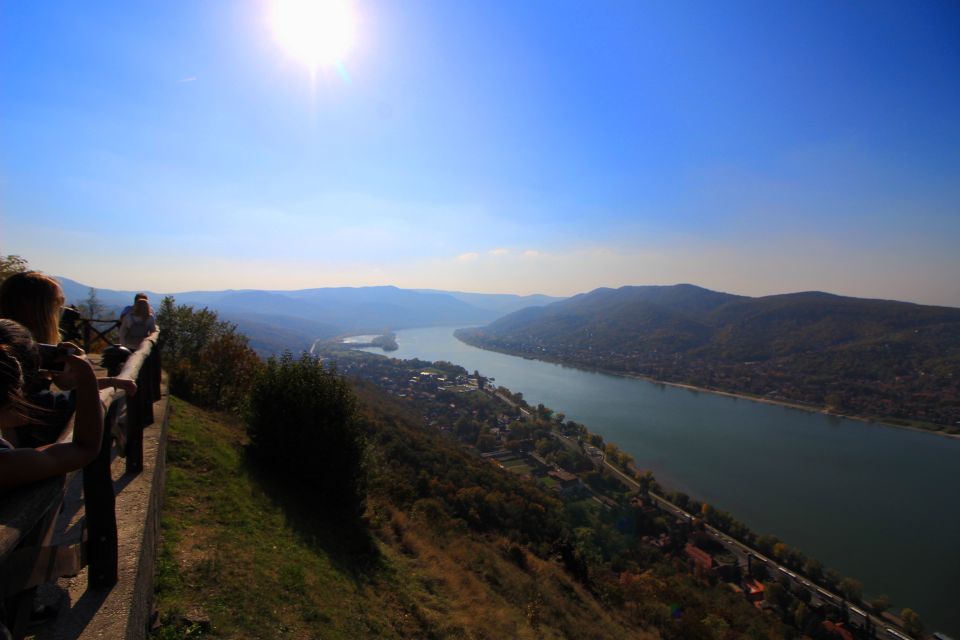
This is the kind of tour that works well when you’re staying in Budapest and still want that bigger picture of Hungary. You’re not just driving through countryside. You’re stopping at three different places along the Danube bend, each with a distinct mood: grand church power in Esztergom, medieval-era echoes and a fortress-town feel in Visegrád, and an artsy baroque town atmosphere in Szentendre.
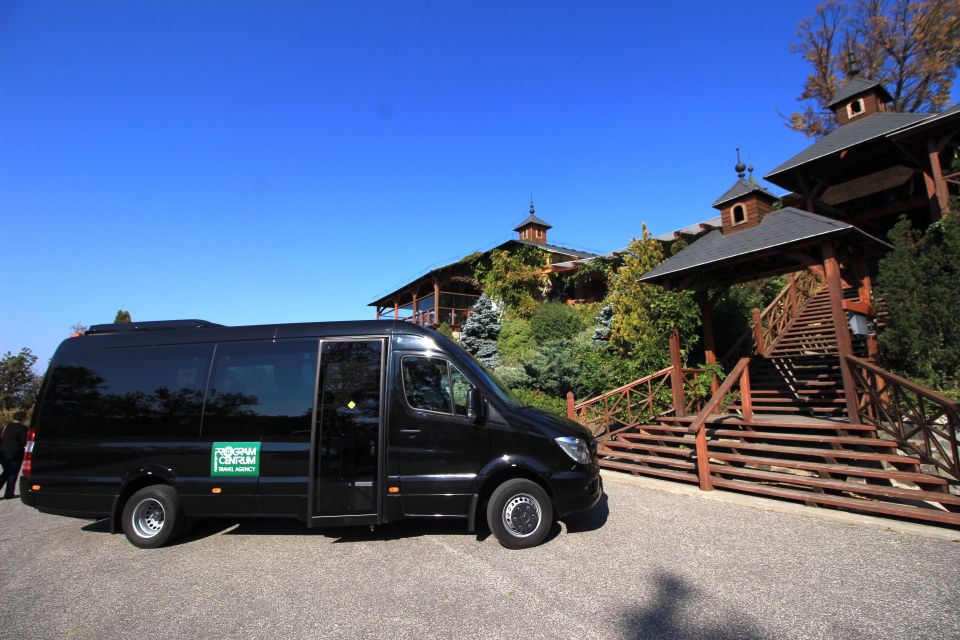
Price-wise, at $128 per person for about 9.5 hours, it’s built for travelers who want an organized day. You’re getting guided time at multiple sites, transportation in an air-conditioned bus, and a full 3-course lunch. In practice, the value comes from bundling: you’re paying for a plan plus narration plus food, instead of piecing those parts together yourself.
You also get something that’s hard to DIY easily: the return down the Danube. When the boat option is running (typically Fri/Sun/Sat in season), it turns the end of your day into a change of scenery instead of another bus ride.
You can also read our reviews of more tours and experiences in Budapest



Getting out of Budapest: pickup, transfers, and the Mária Valéria Bridge photo stop
You’ll start with either hotel pickup (optional) or meet at the Eurama office. If you choose pickup, the driver comes 15–30 minutes before departure. If not, you should arrive at the Eurama meeting point 30 minutes early and look for the blue Eurama Meeting Point flag.
Before you hit the main sites, you’ve got a transfer period and a quick photo stop at Mária Valéria Bridge. This matters more than it sounds. It’s a clean way to get your bearings on the Danube and the route you’ll be following. Even if you’ve already seen photos of Budapest’s riverfront, this helps you connect the city to what you’re heading toward—especially when your later views open up into the Danube Valley.
Expect to spend a chunk of the morning on the road. That’s normal here. The payoff is that the driving time is paired with scheduled stops and guided talk, so you’re not left sitting on the bus with nothing but scenery.
Esztergom: Hungary’s biggest basilica and a view across to Slovakia
Esztergom is your first real anchor point—often described as the northern gate of Budapest. You’ll have around 80 minutes here, split between a guided visit, sightseeing time, and a bit of free time.
The headline is the largest basilica in Hungary. It’s not just about the building looking impressive from outside. The experience is tied to what you learn while you’re there, including the burial sites of famous cardinals. That kind of detail gives the stop weight, because you’re not only looking at architecture—you’re hearing why these places mattered.
One of the most memorable parts of the day is the way the tour frames Esztergom in a cross-border context. You’ll pause and look across the water toward Slovakia, then the plan includes crossing into Slovakia for a viewpoint on the opposite bank. Even if you’re not a history buff, this is where the Danube feels dramatic in a practical way: the river is wide, the town edges feel close, and the bend makes the scenery feel layered.
Practical tip: bring your passport or ID card. This is the kind of day trip where border-crossing is part of the structure, even if it’s brief.
Visegrád’s Royal Residence walk: 750-year-old stones and Danube panoramas
Next you head to Visegrád, with a scenic stretch between stops and a schedule that builds in both views and time to move around. You’ll get about 105 minutes total here, including a break, photo stops, sightseeing, lunch, and a walking segment.
The standout feature is the walk on 750-year-old stones in the Royal Residence area. That’s one of those details that instantly changes how the stop feels. Instead of treating it like another viewpoint, you’re literally stepping onto something that’s been part of this spot’s story for centuries.
During this time, you’ll also get panoramic views over the Danube Valley. This is a key part of the tour’s design: it balances church-and-history stops with nature-and-scale stops. The Danube bend isn’t just scenery to look at through a window. Here, you’re outside, walking, and taking in the wide river curve that makes the region strategic in every era.
Lunch in Visegrád: a 3-course Hungarian meal that slows the day down
Lunch is included and served as a 3-course Hungarian menu. The exact dishes can vary, but set meals in this part of Hungary tend to center on paprika-based comfort food, soups, and traditional sweets.
Past groups have described menus that included:
- a soup such as chicken noodle soup
- a main like chicken paprikash, with rice and sides
- dessert such as cake with chocolate sauce, rum, and whipped cream
Also, some guests noted vegetarian and vegan options were handled when they requested it. The safe way to think about it is this: you’re not ordering from a menu. You’re getting the provided set meal, so if you have dietary needs, try to communicate them in advance.
One more realistic point: if you’re hoping for a long sit-down linger, this lunch is part of the timed itinerary. It gives you a proper pause, but it’s not an all-you-want lifestyle meal. It’s still a great change of pace after the morning driving and viewpoints.






Szentendre: the artists’ village feel and baroque street wandering
After lunch, the day turns toward atmosphere. You’ll travel to Szentendre, described as an artists’ village and known for its baroque city setting where the Danube meets the Pilis Mountains.
You’ll have around 80 minutes here, with a guided tour plus free time for sightseeing and browsing. The plan includes a break, photo stop moments, and walking through the narrower streets. This is where the day feels most like stepping into a postcard—small-scale streets, art shop windows, and views that catch you between buildings.
Szentendre can be a hit if you like small-town exploration. It’s also the kind of stop where you’ll get the most out of it if you don’t treat it like a single museum. Instead, let yourself wander: look in shop fronts, step onto a viewpoint when you get a chance, and take in how the baroque style changes the way streets and facades look from one corner to the next.
Timing reality check: 80 minutes is enough to get the charm, but it’s not enough to do slow, deep shopping. If you’re the type who wants to browse every gallery and shop, consider that you’ll be moving with the group.
Food-wise, this is also where you might pick up a local sweet snack if you want one. One guest even called out chimney cake as a standout treat during the shop time.
Boat return vs bus back to Budapest: what your day ends like
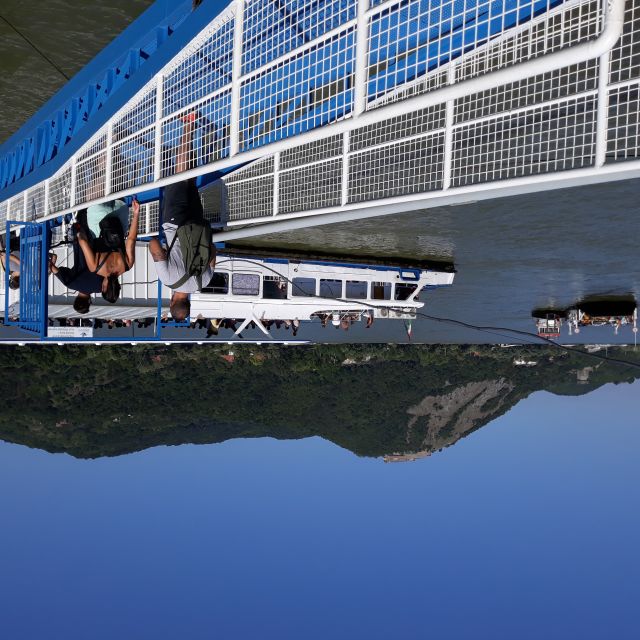
This tour has a very important ending—because it changes how you remember the day.
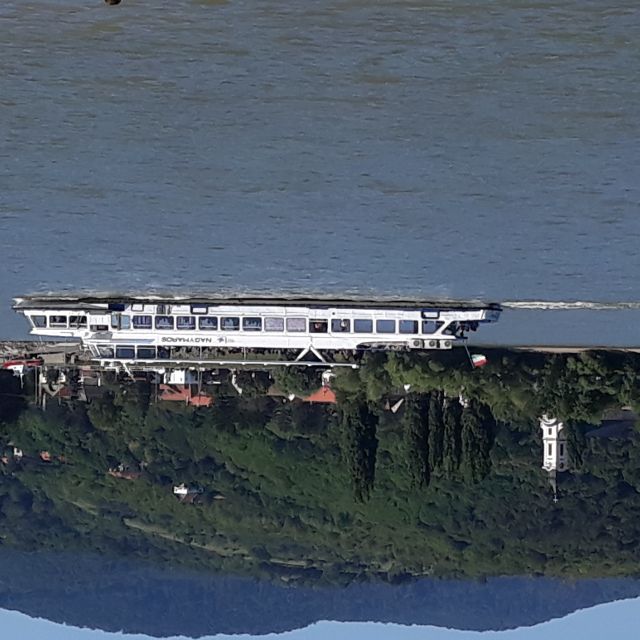
From May 15 to Oct 31, you’ll return by boat on Friday, Saturday, and Sunday. On Wednesdays, the return is by bus during the same season. And during late September through October, plus in cases of low/high water levels, the return can switch to bus.
Here’s what that means for your planning:
- If your dates fall on a boat-return day, you get the chance to relax and watch the Danube slide by from the water.
- If you’re on a bus return day, you’ll still cover the route, but the “river payoff” is less cinematic.
When the boat is running, one thing to expect is that it can feel crowded. If you care about where you sit, don’t assume you can roam freely at the last minute. Get yourself settled early so you can enjoy the view instead of playing chair roulette.
Also, don’t assume the boat return will drop you right back at your exact hotel door. The tour finishes at the Eurama site in Budapest, so treat that as your anchor point for where the day ends.
Guides and the “why it makes sense” factor
A tour like this lives or dies by the storytelling. When it works, you understand how Esztergom, Visegrád, and Szentendre connect—not just where they are on a map.
In the named feedback I saw, guides such as Attila, Kristina, Maria, Yolanda, Clara, and Adam were praised for making Hungarian history and culture feel clear and personal. That matters because these stops include a mix of religious significance, medieval themes, and a town that expresses itself through art and street life.
Language options are broad: the live guide can work in Spanish, English, French, German, or Italian, and the tour may sometimes operate with a bilingual guide. Translation quality and pacing can vary by day and by guide, but you’re at least set up for a real live narration rather than a silent audio headset.
What to bring (and what to wear) for a 9.5-hour route with walking
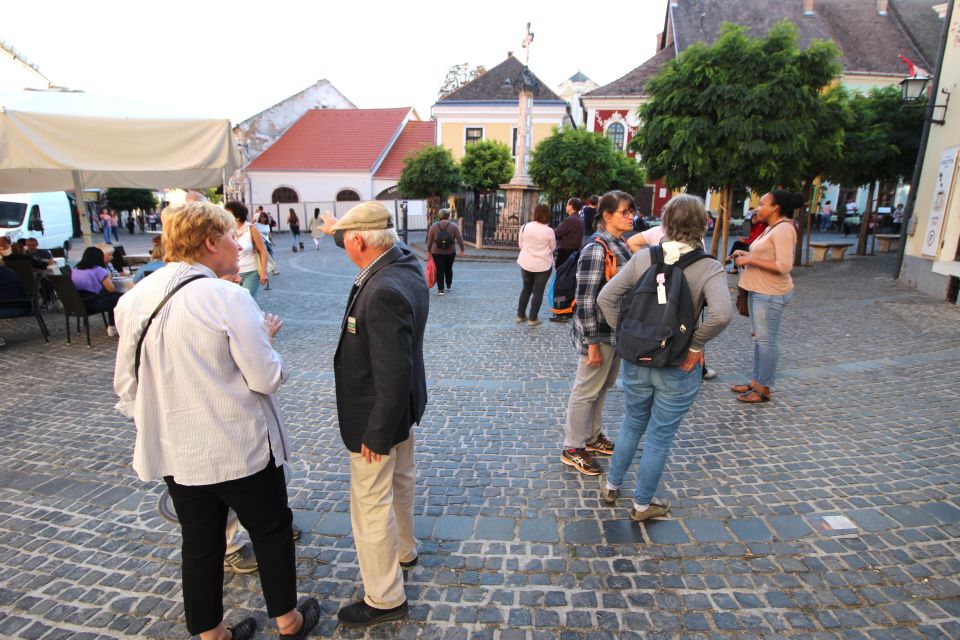
This is not a sit-all-day tour. Even with generous stops, the plan includes walking segments in towns with older streets and historical areas.
Bring:
- Passport or ID card
- Comfortable shoes for walking on old stone at Visegrád
What to know about mobility:
- The tour is not suitable for people with mobility impairments.
- Wheelchair users face limits (non-folding wheelchairs aren’t allowed; electric wheelchairs aren’t allowed).
If you’re generally mobile but have knee or foot issues, think of this as “light walking, but not flat ground.” You’ll want shoes with grip, and you’ll benefit from moving at a steady pace instead of trying to sprint between photo stops.
Price and value: why $128 can feel fair here

At $128 per person, you’re paying for a full structure: transport plus live guiding plus lunch plus part of the return experience. A big chunk of the value is the fact that the day is built around three distinct areas rather than one busy stop with a long commute.
You’re also getting air-conditioned bus transport, which matters in hot months. And you’re not just receiving one guided museum-style visit. You’re getting multiple guided moments across different types of places: basilica, royal residence stones, and a walkable artists’ village.
The other value lever is lunch. A 3-course Hungarian meal isn’t rare on day trips, but what makes this one practical is that it’s placed in the middle of the sightseeing block—when you need fuel and a pause—so it helps reset your energy.
The main price-related downside is timing. If you end up wishing you had much more time in one place (some people do prefer extra hours in Szentendre), then you may feel like you’re paying for a “highly structured overview,” not a long, slow immersion.
Who should book this Danube Bend and Szentendre tour?
I’d point you to this tour if:
- you want a first-timer-friendly Danube Bend day from Budapest
- you like a mix of church history + medieval-era places + small-town wandering
- you want lunch handled for you as part of the plan
- you can do a full day with guided pacing
It may not be your best fit if:
- you want a museum-only, quiet, long-stay style day
- you strongly prefer avoiding border crossings (this day includes one for views)
- mobility issues make walking and older stone areas difficult
- you’re visiting in a date window where the return is more likely by bus than boat (late September and October timing matters)
Should you book this tour?
Yes—if your dates align with a boat return day and you’re excited by the idea of pairing big views with three story-heavy stops. The Esztergom basilica, the walk on Visegrád’s ancient stones, and Szentendre’s artists’ village streets make a satisfying “outside Budapest” day that feels more than just driving and photos.
If you can’t do long walking, or if you want extra time to browse and linger in Szentendre, you’ll likely feel the limits of the schedule. Also, check your travel dates: boat returns are tied to the seasonal schedule and can switch to bus with water-level conditions.
FAQ
How long is the Danube Bend & Szentendre tour with lunch?
It lasts about 9.5 hours.
Where do I meet the tour?
You meet at the Eurama office meeting point. Arrive 30 minutes early and look for the blue Eurama Meeting Point flag. Hotel pickup is optional if you select that option.
Is lunch included?
Yes. Lunch is a 3-course Hungarian meal in Visegrád. Additional drinks are not included.
Do I return to Budapest by boat or bus?
Between May 15 and Oct 31, return by boat is offered every Friday, Saturday, and Sunday. Return by bus is offered every Wednesday. Between Sep 11 and Oct 31, and in cases of low/high water levels, the return to Budapest can be by bus.
What ID do I need?
Bring your passport or an ID card.
Is this tour wheelchair friendly?
No. Non-folding wheelchairs and electric wheelchairs are not allowed, and the tour is not suitable for people with mobility impairments.