REVIEW · WALKING TOURS
Budapest Walking Tour with Your Private Guide: 20+ Highlights
Book on Viator →Operated by Budapest with Lara · Bookable on Viator
Budapest in one long, smart day. This private tour with Lara links together Pest and Buda highlights in a single 6–7 hour route, including the first historical underground metro line in Europe and a stop for traditional Hungarian lunch. I like that it mixes big-ticket sights with small, story-driven details (statues, memorials, and why the city looks the way it does), and I especially like the hands-on help with transport so you’re not guessing your way around.
The trade-off: it’s a lot of standing and walking for one day, with some hills near Citadella and the Castle District. If you have leg or knee problems, you’ll want to skip the stairs-heavy parts or consider a different plan.
In This Review
- Key things you’ll notice on this tour
- Why this Budapest route is built for getting your bearings fast
- Getting there, tickets, and how transport fits the plan
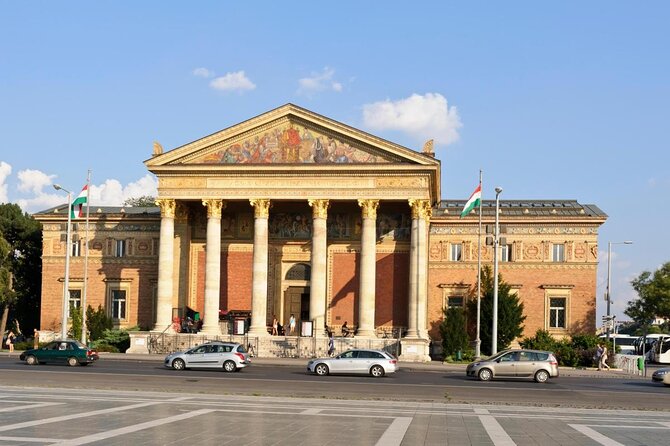
- Heroes Square, Vajdahunyad Castle, and Széchenyi Baths: symbols and scale
- Andrassy Avenue by metro: the efficient way to cross 2.5 km
- Basilica, WWII memorials, and the Danube memorial: the emotional spine of the day
- Central Market Hall and lángos: where you stop for energy and souvenirs
- Crossing to Buda: Liberty Bridge, Citadella, and the viewpoint climb
- Buda Castle District: the Royal Palace area and Matthias Church payoff
- The lunch stop you’ll actually use: traditional Hungarian food, not tourist filler
- Price and value for a private group up to 15
- Who this Budapest private guide day suits best
- Should you book Budapest with Lara for this walking tour?
- FAQ
- How long is the Budapest walking tour with a private guide?
- How many highlights does the tour cover?
- Is this a private tour, and how many people are in a group?
- What is included in the price?
- What’s not included: transportation, meals, and entry tickets?
- Does the tour include the historic underground metro line in Europe?
- Can I go inside St. Stephen’s Basilica, Matthias Church, and other paid sites?
- Where does the tour start and end?
Key things you’ll notice on this tour
- 20+ major Budapest highlights in one day without getting stuck doing one area only
- Historic M1-style underground metro ride to travel a key stretch efficiently
- Real local lunch stop plus practical food guidance (and a chance to recharge)
- A guide who explains the story behind the buildings so photos make sense later
- Castlе District movement support, including using an escalator instead of tiring stair routes
- Entrance fees are mostly optional, so you control what you pay for inside
Why this Budapest route is built for getting your bearings fast
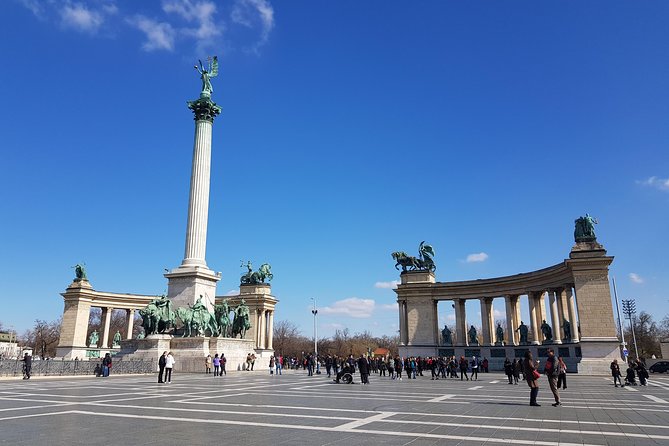
This isn’t a slow “wander and hope” day. The point is to help you understand Budapest as you walk—why Pest feels different from Buda, how the Danube shaped the city, and how modern Hungary remembers its complicated past.
You’ll also see how a well-timed guide handles distance. Some stretches that look walkable on a map are switched to public transit on purpose. For example, Andrassy Avenue is about 2.5 km long, and the route uses the metro instead of forcing you to do it on foot. That matters, because you’re saving your energy for the places where walking is unavoidable: memorial banks, viewpoint climbs, and the Castle District.
For me, the best value of this style of tour is simple: you get the key sights plus the why-behind-the-sight. Heroes’ Square isn’t treated like a photo backdrop. It’s explained through the statues. Shoes on the Danube isn’t only described; it’s placed in the context of the community the memorial represents. That kind of interpretation is what turns a day of sightseeing into a day of understanding.
You can also read our reviews of more walking tours in Budapest



Getting there, tickets, and how transport fits the plan
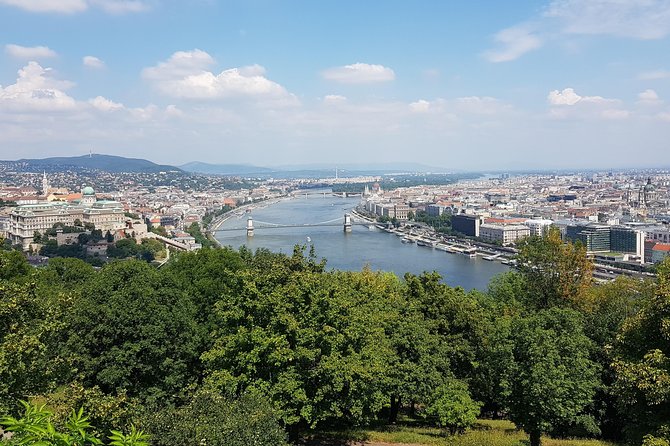
The tour starts at Elizabeth Square, listed at Deák Ferenc tér 2, 1052 Hungary. You end in the Castle District at Matthias Church, Mátyás Templom, Szentháromság tér 2, 1014 Hungary.
You’ll get a mobile ticket, and confirmation is sent within 48 hours, subject to availability. It’s also a private tour for your group only, up to 15 people. That group size is a big deal in a city like Budapest—small enough for personal questions, large enough that it doesn’t feel like you’re fighting for attention.
One practical note: daily public transportation is not included. The cost listed is 1650 HUF per person. You’ll want that ticket because the route uses trams and metro, especially around Andrassy Avenue and the bridge crossing into Buda. The guide also helps you figure out the system in real time, which makes your next day in the city easier.
Finally, the tour is offered in English, and it’s best with moderate fitness. There’s a walk up to Citadella (optional bus route exists), plus a hillier end in the Castle area.
Heroes Square, Vajdahunyad Castle, and Széchenyi Baths: symbols and scale
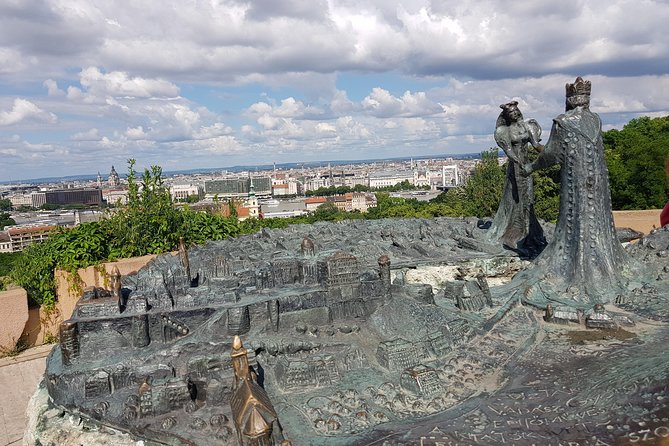
You begin at Heroes’ Square, where the guide tells Hungary’s story through the statues. This is one of those places where the “wow” is immediate, but the meaning only clicks once someone connects the figures to the country’s history. You’ll also get a quick orientation of what the square is designed to communicate.
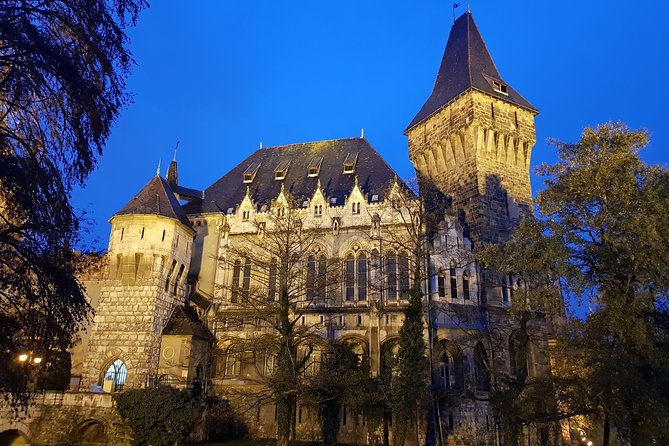
From there, you move to Vajdahunyad Castle. The focus here is architectural variety—how the site borrows from different styles. There’s also a note about seasonal changes: during the summer, you’ll see an artificial lake in the area, which adds atmosphere for photos.
Next is Széchenyi Baths and Pool, but with realistic expectations. This is not a full spa visit. You’ll do a quick look at the entrance and interior design elements. Think of it as a visual stop that gives you context for what Széchenyi is known for, without turning your day into a long soak session.
These three stops work well early because they give you:
1) a history anchor, 2) a “Budapest is styled as well as historic” lesson, and 3) a classic city landmark exterior that sets up what you’ll keep seeing all day.
Andrassy Avenue by metro: the efficient way to cross 2.5 km
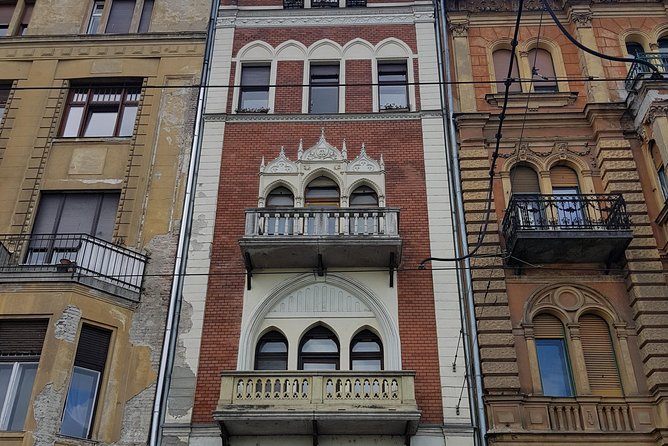
Andrassy Avenue is one of those streets you hear about in guidebooks, but it’s easy to underestimate how long it feels when you’re already moving through a busy city day. Here, the tour uses the metro for the long stretch instead of walking the full distance.
This is also where the tour connects to a signature detail: the first historical underground metro line in Europe. Even if you don’t care about transit history, this is a good break in the walking rhythm. You’ll spend less time transferring on your own, and more time where you can actually slow down—like the squares and memorials later.
It’s a smart move for a half-day to full-day plan. You arrive at the next area with less fatigue, and the photos come out better because you’re not already drained.
Basilica, WWII memorials, and the Danube memorial: the emotional spine of the day
After Andrassy Avenue, you’ll reach St. Stephen’s Basilica (Szent István Bazilika). You can go inside for a listed fee of 250 HUF, and the tour highlights the “Holy Right” connected to Hungary’s first king. This is a quick interior window, not a long church visit, so it’s worth going in if you want that extra layer beyond the exterior.
Then comes Szabadság tér, a dense stop packed with modern history references. You’ll see the WWII memorial area, the National Bank, the Former Stock Exchange, the US Embassy, a Soviet memorial monument, and even a reference point connected to Ronald Reagan. It’s a lot to absorb in a short time, but a guide helps you place the buildings and monuments in the right era.
From there, you’ll admire the Hungarian Parliament Building from the outside. If you want to tour inside, it’s not part of the standard stop and needs online booking weeks ahead. This is important: if Parliament interior is your top goal, plan it separately. Otherwise, the exterior viewpoint still gives you the structure and the scale that make the Parliament so iconic.
Then you continue through Kossuth Lajos Square, and move to one of Budapest’s most striking memorials: Shoes on the Danube Bank. This is short on time, but powerful in impact. It’s Jewish memorial work placed right where the river meets the city story.
You can also read our reviews of more guided tours in Budapest






Central Market Hall and lángos: where you stop for energy and souvenirs
You’ll reach Central Market Hall, and this is one of the most practical stops on the route. You’ll go for lángos, a Hungarian comfort-food classic. The tour doesn’t list it as included, but it’s clearly part of the plan for a real mid-tour reset, and you’ll have guidance on what to buy and how to make decisions without overspending.
This is also where you can add small Budapest take-home items. There’s time to look around for souvenirs, too, which beats trying to do shopping after you’re already tired from hills and churches.
If you’re the type who likes to snack lightly while sightseeing, treat this as your structured meal stop. It can save you from later “we’re too hungry to decide” mistakes.
Crossing to Buda: Liberty Bridge, Citadella, and the viewpoint climb
To get to the Buda side, you’ll cross using Liberty Bridge (Szabadság hid). The route includes the option to go by tram or on foot, depending on timing and what fits the group best.
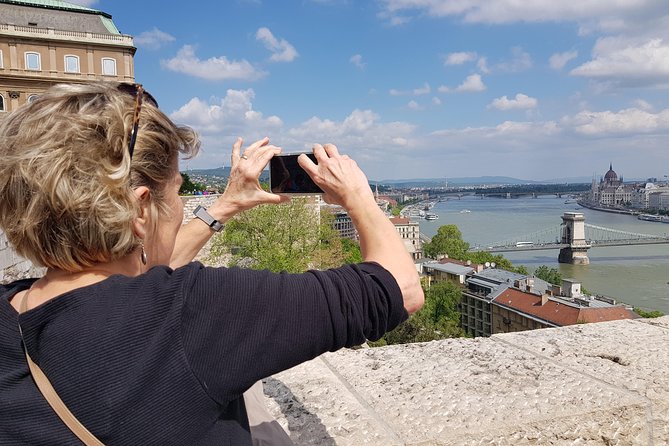
Once you’re headed toward the skyline, you’ll reach Citadella. This is where the day gets more active. You’ll either walk up (about 12 minutes) or, if requested, take a public bus for a partial assist and then walk a bit (about 8 minutes). Either way, it’s a climb that rewards you with higher views and a sense of how the city layers along the river.
After Citadella, the guide helps you move back down and through the Castle-area approach using tram connections and a practical trick: escalators to reduce the stair burden as you reach the Castle District.
This portion is valuable because it’s not just “go up, take photos.” You’re getting the spatial layout of Budapest—where landmarks sit relative to the river and each other—so later stops feel connected rather than random.
Buda Castle District: the Royal Palace area and Matthias Church payoff
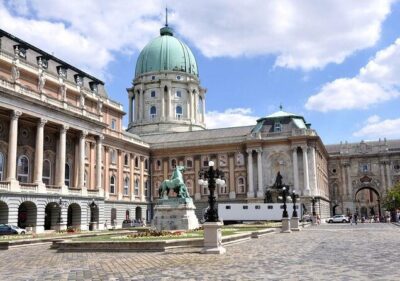
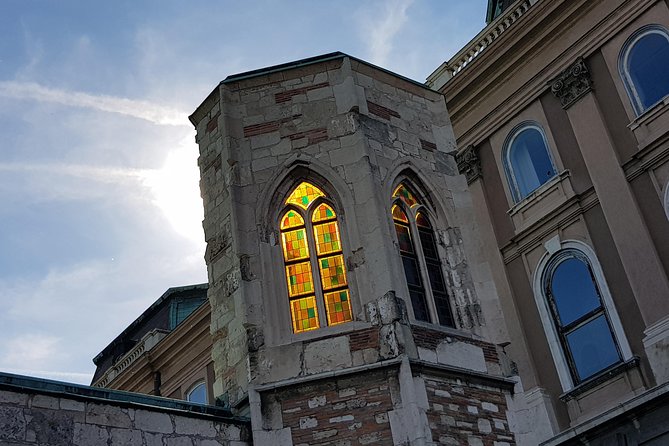
In the Castle District, you’ll visit Buda Castle (often discussed as the Royal Palace area). The tour frames it with a helpful reality check: there isn’t an old-school “castle” presence the way people expect. Instead, you’ll be shown where the castle is hiding in the complex—so your time doesn’t turn into guesswork.
Then it’s Matthias Church, one of Hungary’s most memorable interiors and exteriors. This stop is paid at 2800 HUF, and the guide can help by buying the ticket on the spot to reduce or avoid queue time. You’ll get about 30 minutes, which is enough to see key details without feeling rushed.
If you’re deciding whether to spend money on church interiors, this is the place where the fee usually feels most justified. Matthias Church is a “this is why you came” stop, and the time window is tuned to your bigger itinerary, not to a slow church marathon.
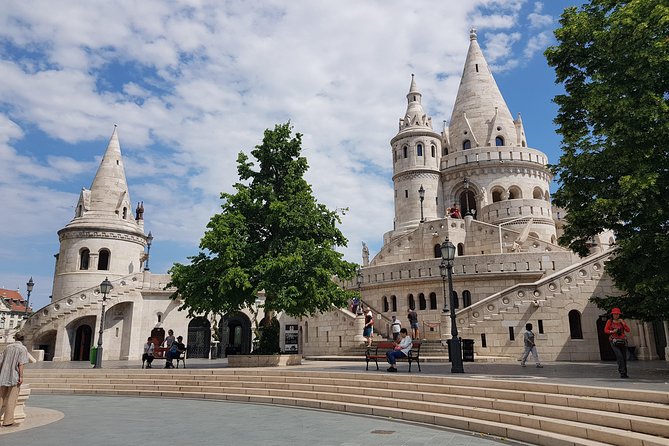
Finally, your tour ends at Fisherman’s Bastion. This is less about learning and more about atmosphere and views. The listed fee is 1000 HUF, and the tour gives you a short end window of about 10 minutes before you’re done.
The lunch stop you’ll actually use: traditional Hungarian food, not tourist filler
The tour is designed around a proper meal moment, not just a snack break. You’ll stop for lunch at a local restaurant and the day is timed so you can keep moving afterward.
Food and drink are not listed as included, so you’ll pay for your own meal, but the value here is that you get help choosing what fits Hungarian style without wasting time. One of the most helpful things about this kind of guided lunch is that you don’t have to translate everything yourself while also deciding what’s worth paying for.
Treat lunch as your fuel before the Castle District. If you skip it or eat too lightly earlier, the last third of the day can feel harder than it should.
Price and value for a private group up to 15
The price is $576.76 per group (up to 15) for a 6 to 7 hour tour. That sounds high if you think in per-person terms, but private tours in Budapest often price like this because you’re paying for one guide and one coordinated plan.
If you split the group cost across 8 to 15 people, the per-person value can become much more reasonable than you’d expect. Even for smaller groups, you’re paying for a guided route that includes:
- transport guidance (metro/tram use)
- interpretation for major monuments and memorials
- timed pacing across Pest and Buda
- optional help with tickets for Matthias Church
What’s not included is just as important for budgeting:
- Public transport ticket (1650 HUF/person)
- Entrance fees for places with listed charges (St. Stephen’s 250 HUF, Matthias 2800 HUF, Fisherman’s Bastion 1000 HUF, and Parliament is not included and needs early online booking)
- Food and drink
So the real cost for you depends on how many interiors you want to do. If you want just the exterior sights plus one church interior, this can stay closer to a “mid-range guided day.” If you do all paid interiors, it becomes a more premium day but still fairly efficient given the number of stops.
Who this Budapest private guide day suits best
This tour fits you if you want a structured highlights day with interpretation, and you like learning what you’re looking at while still moving at a human pace.
It’s especially good for:
- first-timers who want Pest + Buda in one sweep
- people who don’t want to figure out transit stops and routes while sightseeing
- history-minded visitors who enjoy stories behind monuments and statues
It may not be ideal if you:
- have leg or knee issues (the day includes climbs and hill walking, even with an optional bus up Citadella)
- need long indoor time in churches (most interiors are brief by design)
- want Parliament interior on the day without prior online plans
Should you book Budapest with Lara for this walking tour?
If your goal is to leave Budapest feeling like you understand the city, this is a strong pick. The combination of statue storytelling, major memorial stops, and practical transport guidance makes the day feel purposeful rather than exhausting.
I’d book it if you’re comfortable with a moderate day of walking and you’re okay paying for a few key entrances. I’d think twice if you need a low-mobility route, or if you’re set on Parliament interior but haven’t already planned online tickets.
FAQ
How long is the Budapest walking tour with a private guide?
The tour lasts about 6 to 7 hours.
How many highlights does the tour cover?
The tour covers 20+ highlights in one day.
Is this a private tour, and how many people are in a group?
Yes, it’s private, and the group size is up to 15 people.
What is included in the price?
You get a tourist guide, plus the guide’s experience and knowledge to help you find hidden gems and top attractions.
What’s not included: transportation, meals, and entry tickets?
Daily public transportation tickets (1650 HUF per person) are not included. Food and drink are not included, and entrance fees for certain sights are not included.
Does the tour include the historic underground metro line in Europe?
Yes. The route includes visiting the first historical underground metro line in Europe.
Can I go inside St. Stephen’s Basilica, Matthias Church, and other paid sites?
St. Stephen’s Basilica can be entered for 250 HUF. Matthias Church has an admission fee of 2800 HUF, and the guide can buy tickets on the spot. Fisherman’s Bastion has an admission fee of 1000 HUF. The Parliament Building is viewed from the outside, and Parliament interior visits require online booking weeks ahead.
Where does the tour start and end?
It starts at Elizabeth Square (Deák Ferenc tér 2, 1052 Hungary) and ends in front of Matthias Church (Mátyás Templom, Szentháromság tér 2, 1014 Hungary). By bus 16, you can get back easily to Deák tér.