REVIEW · BUDA CASTLE & FISHERMAN'S BASTION
Budapest: The WWII Siege of Buda Castle & Bomb Shelter Tour
Book on GetYourGuide →Operated by Buda Castle Walks · Bookable on GetYourGuide
Budapest goes silent underground. This 90-minute English tour pairs Castle Hill street sights with a descent into the Buda Castle Cave system and a real WWII bomb shelter. I love the mix of above-ground context and underground survival stories in one walk.
I also like how the tour focuses on the human timeline of the 52-day siege rather than vague war facts. It follows the encirclement that began on Christmas Eve 1944 and explains why tens of thousands crowded into Royal Palace cellars and cave rooms. One caution: the route includes steep stairs, narrow corridors, and sometimes wet surfaces, so it’s not suitable if you’re dealing with mobility limits or claustrophobia.
In This Review
- Key things to know before you go
- A 90-Minute Walk From Castle Hill Into WWII Shelters
- Meeting at Dísz Square: Finding the Turquoise Umbrella
- Castle District Route: Úri Street and Lovas Way on Foot
- Entering Vár-barlang Cave Walks: The 12°C Reality Check
- The WWII Bomb Shelter Labyrinth: What the Underground Teaches
- The Siege of Budapest Story: 52 Days From Christmas Eve to Liberation
- Hearing Guides Live in English: Small Details That Make It Easier
- Comfort, Safety, and Who This Tour Fits (and Doesn’t)
- Price and Value at $24: Worth It for a Short Budapest Trip?
- Should You Book This Buda Castle Siege Tour?
- FAQ
- How long is the WWII Siege of Buda Castle and Bomb Shelter tour?
- Where do I meet for the tour, and how do I find the group?
- Is the tour in English?
- What will the tour include?
- Is it suitable for kids?
- What should I bring or wear?
- Is it accessible for people with mobility challenges or a wheelchair?
- Is the tour held in bad weather?
Key things to know before you go
- Castle Hill meets WWII survival with both outdoor walking and indoor cave/shelter sections
- English live guide who anchors the story in survivor diaries and memoir-style accounts
- Underground temps stay cool: expect about 12°C / 54°F in the cellar and caves year-round
- A guided route through the cave labyrinth plus an authentic Second World War bomb shelter
- You may spot siege traces like bullet holes and hidden architectural details pointed out along the walk
A 90-Minute Walk From Castle Hill Into WWII Shelters
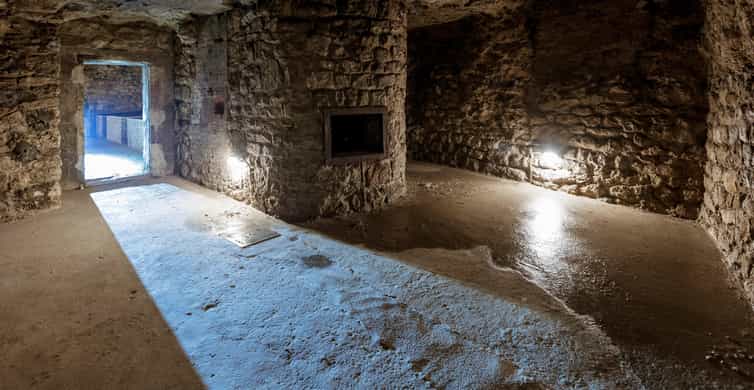
This is the kind of Budapest tour that changes how the city feels in your head. Above ground, you’re in the Buda Castle district with familiar historic textures. Then, you step into cramped, cold spaces that explain what people were running from—and why “safe” was still terrifying.
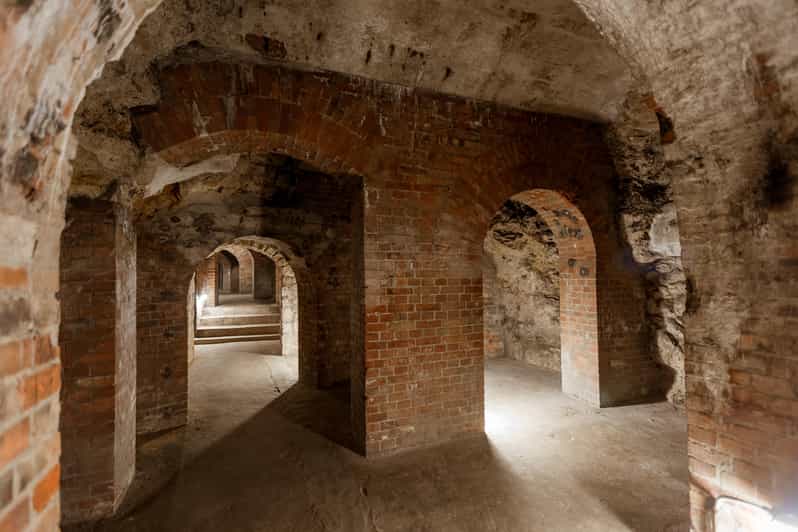
The Siege of Budapest story is big and brutal, and it can get abstract fast. Here, the guide keeps it concrete by tying the timeline to rooms you can actually stand in: cellars, passageways, and an underground bomb shelter area that shows the limits of survival. If you like history that has weight—literal walls and narrow turns—this works.
It’s also well-paced for a short visit. Ninety minutes is long enough to build a narrative arc, but short enough that you don’t feel trapped underground for hours. You’ll walk, you’ll listen, and you’ll get a clear sense of why the siege is often compared to Stalingrad.
You can also read our reviews of more tours and experiences in Budapest.



Meeting at Dísz Square: Finding the Turquoise Umbrella
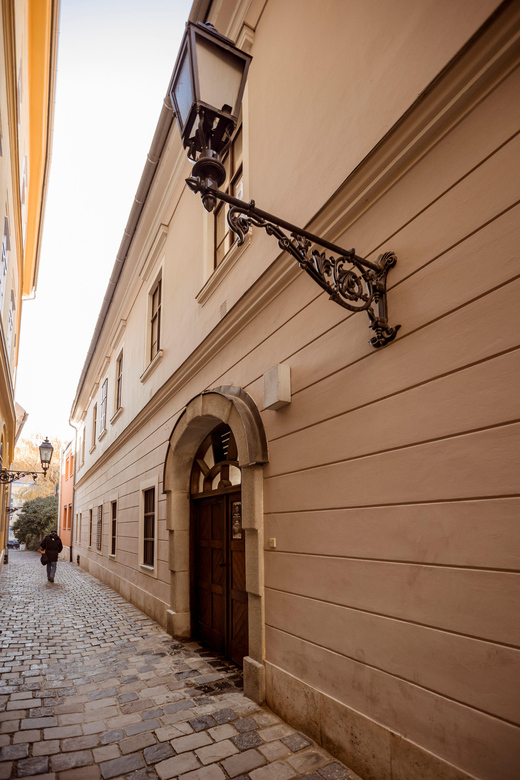
You start at De la Motte–B.-Palace, 1014 Budapest, Dísz tér 15 (Dísz Square 15), next to the Posta building at the big green gate. Look for a colleague holding a turquoise umbrella with the Buda Castle Walks logo.
This start point matters because the Castle district can have construction and traffic changes. There’s also an on-site visit planner for real-time closure/traffic info within the palace district, and I’d use it if you’re arriving by taxi, car, or bus and want to avoid last-minute detours.
Plan to arrive early. The tour starts promptly at the time indicated, and the team can’t wait for latecomers. The walk winds through cobbled streets and uneven historic surfaces, so a few minutes to get your bearings is smart.
Castle District Route: Úri Street and Lovas Way on Foot
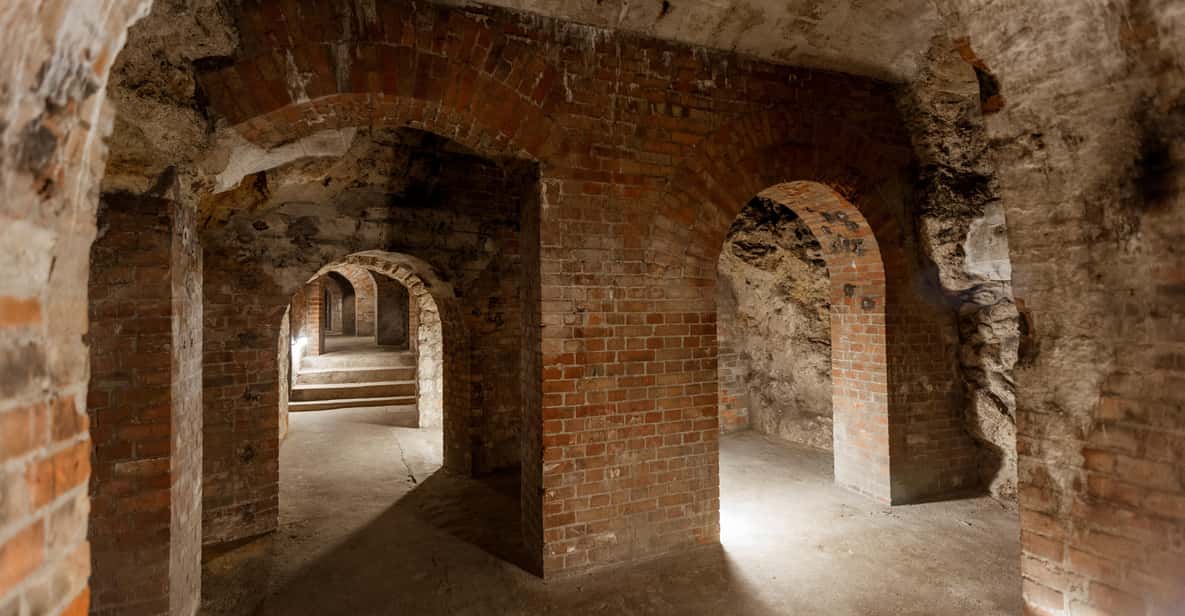
The experience isn’t only underground. Before you go into the caves and shelter passages, you’ll walk the Castle district streets, starting near the palace area and moving along key lanes such as Úri Street and Lovas Way.
These above-ground segments aren’t filler. They set the “why” of the siege story: the Royal Palace district wasn’t just scenery—it was a lived-in neighborhood where German and Hungarian soldiers and civilians tried to survive an encirclement. The guide uses the streets to frame how people would have moved, gathered, and sought shelter.
Along the way, the guide may point out physical traces connected to the siege, such as bullet holes, secret doorways, and ventilation shafts leading upward from public shelter areas. Even if you don’t know what you’re looking at at first, those cues help you see the district differently later, when you’re walking on your own.
If you enjoy a city tour where you can also practice “spotting” history, this part is a real bonus.
Entering Vár-barlang Cave Walks: The 12°C Reality Check
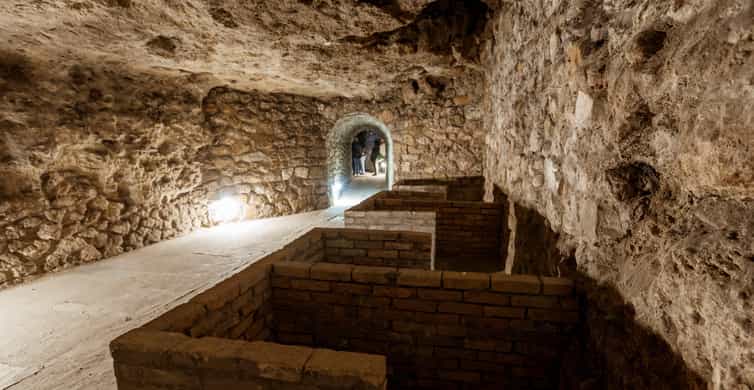
The first major shift comes when you reach the Buda Castle Cave (Vár-barlangi séták) area. Expect a guided visit and a walk section through the cave network. This is where the tour stops being a lesson and starts becoming an experience.
The caves and cellar spaces stay around 12°C / 54°F all year. That doesn’t sound extreme until you’re underground with limited airflow and you’ve been walking outdoors first. Bring layers. A light jacket often works in warm months, but in cool or rainy weather you’ll want something warmer than you think.
Also, treat the floor like it matters. The tour includes steep stairs, narrow corridors, and solid surfaces that may be wet. Good footwear is not optional here; it’s how you keep the walk comfortable and safe.
The WWII Bomb Shelter Labyrinth: What the Underground Teaches
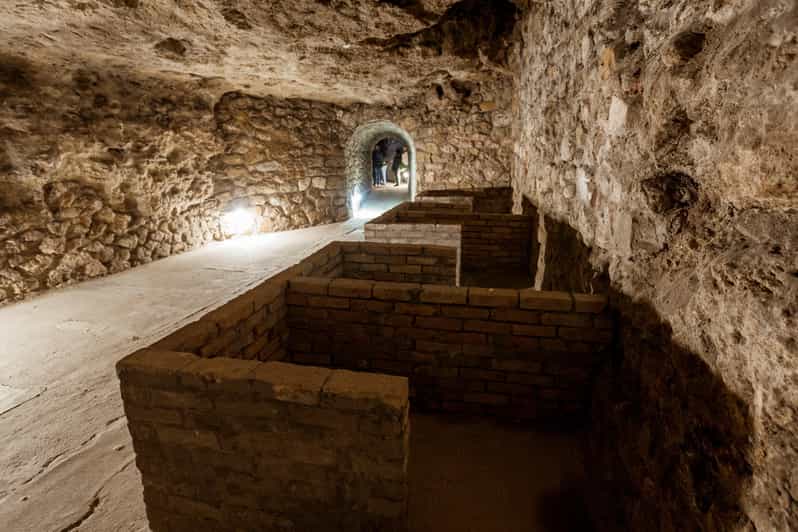
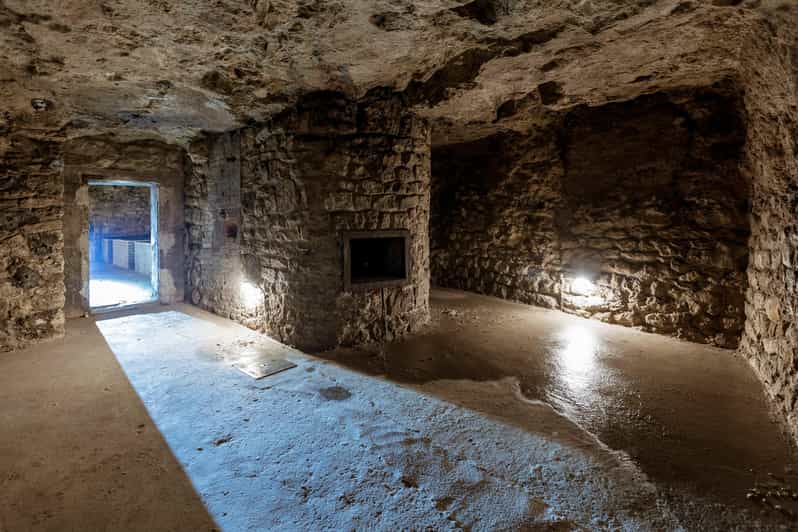
This tour’s core is the underground bomb shelter area—an authentic Second World War space inside the cave system. The guide leads you through an underground labyrinth, including a visit to the cellar of an old dwelling house and the bomb shelter areas.
This is where the siege story becomes emotionally sharp. The guide recounts the terror of being trapped in an encircled city and explains how people sought refuge in Royal Palace underground spaces and the cave/cellar system in the historic residential quarter. You’re hearing about the cold, darkness, lack of water and food, overcrowding, and disease—all while you’re physically in the same type of environment.
It’s not an action tour, but it does feel intense. The “smallness” of the spaces, the turns, and the sense of reduced air all make it easier to understand why survival wasn’t just about bravery. It was about limited space and harsh conditions, day after day.
One more practical note: the tour is described as both outdoor and indoor. That means you’ll switch between lighting conditions—bright streets, dim cave sections. Good eyes matter. If you’re sensitive to low light, go slow in the dark passages and let the guide set the pace.



The Siege of Budapest Story: 52 Days From Christmas Eve to Liberation
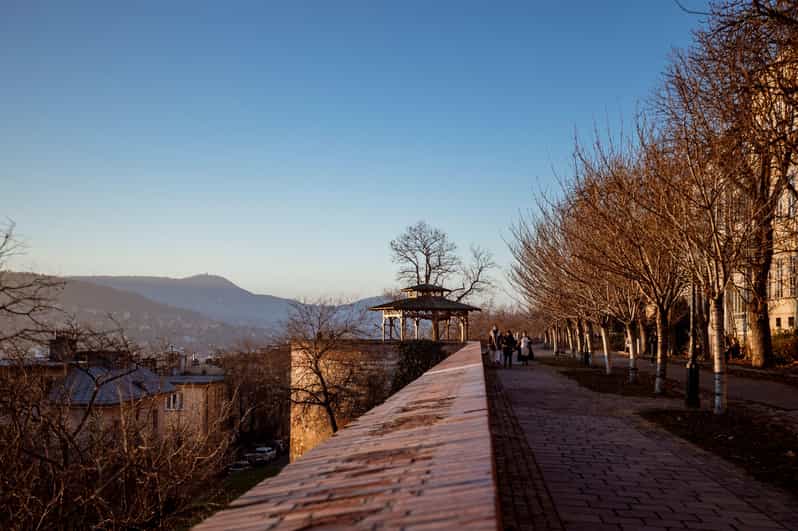
The guide frames the siege starting on Christmas Eve 1944, when the Soviet Red Army encircled German-occupied Budapest. From there, you follow the 52-day siege of the Hungarian capital and learn how shelters in the Buda Castle area became overwhelmed with tens of thousands of people.
What I appreciate is how the tour connects the story to everyday human needs. It’s not only about battle lines. It’s also about the daily breakdown of normal life: water, food, warmth, and breathable space. In the shelter, people tried to salvage lives and possessions, even treasures connected with the Royal Palace.
The comparison to Stalingrad isn’t just a slogan. It’s used as a lens for brutality and devastation in an encirclement battle. If you’ve heard “Stalingrad” before, the guide helps you see why the Budapest siege belongs in the same conversation.
If you’re the type of person who likes history that has a pulse—diary-like accounts, personal survival details—this tour delivers. It’s a short timeline, but it’s focused.
Hearing Guides Live in English: Small Details That Make It Easier
This is a live English guided tour, and it runs in all weather conditions. That’s important: you don’t get to skip rainy days and still expect the same experience. The team holds the program even in rain, and a wet day can make stairs and corridor floors feel slicker.
Many participants also like the fact that the tour uses personal headphones, which helps you catch every key point without straining in noisy street sections or dim cave spaces. In a tight underground corridor, clear audio matters more than people expect.
And yes, guide personality can influence how vivid the story feels. You may hear names such as Rita, Jonas, Balacsz, Kopp, or Cop depending on the departure. The important part for you is the method: the guides keep the narrative moving and connected to the spaces you’re walking through, not just floating above them as a lecture.
Comfort, Safety, and Who This Tour Fits (and Doesn’t)
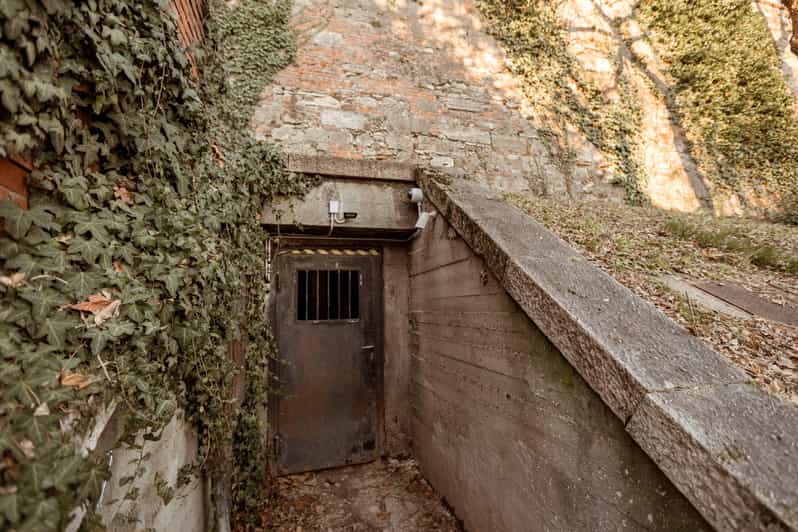
This is an active walking experience in a historic, partly underground environment. It’s recommended for ages 14 and upwards, and it’s not suitable for:
- people with mobility impairments
- wheelchair users
- people with claustrophobia
- children under 14
If you fall into any of those categories, skip it. No matter how much you want the story, the physical setup—steep stairs, narrow passages, and enclosed cave corridors—can be the difference between a memorable tour and a stressful one.
On the practical side, here’s what I’d plan for:
- Comfortable shoes with good grip
- Warm clothing in layers for the 12°C cave temperature
- Water and snacks since the tour runs about 90 minutes and you’ll likely be focused on walking and listening
- A mindset that this is part outdoors, part indoors, and you’ll move in all conditions
Also remember the start is prompt. The tour can’t wait for latecomers, and the schedule matters because you’ll be moving through underground sections that work best as a group.
Price and Value at $24: Worth It for a Short Budapest Trip?
At $24 per person, this is strong value if your goal is to experience something specific: the WWII siege story in a real underground environment. A lot of “war-themed” tours give you museum talk, commemorative plaques, or a few street stops. Here, you get a cave walk plus a WWII bomb shelter and cellar visit, all guided in English.
The value comes from three things:
1) Authentic setting: you’re not only listening about underground life; you’re walking through similar spaces.
2) Tight duration: ninety minutes keeps it efficient, which is handy if you’re doing a busy Budapest itinerary.
3) Clear narrative arc: you learn the encirclement beginning (Christmas Eve 1944), the long middle (the 52 days), and the logic for why the siege is compared to Stalingrad.
If you’re a history traveler who likes facts with atmosphere, the price-to-experience ratio makes sense. If you want a relaxed scenic stroll with minimal physical effort, this may feel like hard work, especially if you’re not comfortable underground.
In other words: it’s worth it for the right type of traveler.
Should You Book This Buda Castle Siege Tour?
Book it if you want:
- an English guide and a focused WWII narrative
- a short, structured tour that combines Castle district streets with cave and shelter spaces
- a history experience that’s more physical and emotional than a standard walking tour
Skip it if:
- you have mobility issues or need wheelchair access
- you’re claustrophobic
- you want a mostly above-ground tour with minimal stairs and tight corridors
If you do book it, I’d dress warm even on mild days. Underground air can feel colder than the weather report suggests. And go in with respect for the subject—this isn’t entertainment in the fluffy sense. It’s a sober story told through the architecture of survival.
If that sounds like the kind of Budapest you want, this is one of the most direct ways to feel the siege of Buda Castle in your bones.
FAQ
How long is the WWII Siege of Buda Castle and Bomb Shelter tour?
The tour lasts about 90 minutes (1.5 hours).
Where do I meet for the tour, and how do I find the group?
Meet at De la Motte–B.-Palace, 1014 Budapest, Dísz tér 15, next to the Posta building at the big green gate. Look for the guide with the turquoise umbrella with the Buda Castle Walks logo.
Is the tour in English?
Yes, the guided tour is offered in English.
What will the tour include?
You’ll walk through the Palace District area, see parts of Castle Hill above ground, and then go underground for the Buda Castle Cave visit and an authentic Second World War bomb shelter and cellar.
Is it suitable for kids?
It’s recommended for ages 14 and upwards, and it’s not suitable for children under 14.
What should I bring or wear?
Bring comfortable shoes, warm clothing, snacks, and water. The cellar/cave area stays around 12°C / 54°F year-round.
Is it accessible for people with mobility challenges or a wheelchair?
No. The tour is not suitable for wheelchair users or people with mobility impairments.
Is the tour held in bad weather?
Yes, the tour runs in all weather conditions, including rain.