REVIEW · FOOD & DRINK
Budapest Streetfood Heaven: Tasting and Markets with a local
Book on GetYourGuide →Operated by Experience Budapest · Bookable on GetYourGuide
Markets and stomachs both get hungry. This 3-hour Budapest street-food walk with a local chef turns big city food names into real-life bites, right in the places you’d actually wander anyway. I love how you start at an authentic farmers market and end up eating hearty street favorites like lángos, plus I really appreciated the way Brigitta, a culinary expert, ties each item to Hungarian food culture. One thing to note: it’s rain or shine, and you’ll be on your feet for small walks and a few stairs between stops.
With a small group capped at 10, the pace feels human: you stop, sit, and taste instead of doing the usual fast-food shuffle. My only caution is for picky eaters or very strict dietary needs—options like gluten free and vegetarian are possible, but it’s still street-to-tavern style, so you’ll want to tell the guide early what you can and cannot do.
In This Review
- Key things I’d mark on your map
- What this street-food tour feels like in real life
- Meeting at Starbucks Fashion and setting your snack expectations
- The market stop that teaches you what to buy (and why)
- Pozsony street: the food-scene walk that changes your Budapest map
- The buffet moment: lángos, rétes, and chimney-cake style sweets
- Lángos: Hungary’s most popular street snack
- Rétes: strudel-style pastries with Hungarian personality
- A fun breakfast snack: chocolate snail
- Lunch at a local tavern for proper gulyás soup
- What you’ll taste beyond the headline items
- Shopping time that actually fits your day
- How transport and timing work (and why it’s easier than you think)
- Rain or shine, and what you should wear
- Price and value: is $85 a good deal?
- The guide factor: why Brigitta’s approach matters
- Ending near Margaret Bridge: easy next steps for your evening
- Who should book this street-food tour
- Should you book Budapest Streetfood Heaven?
- FAQ
- How long is the Budapest street-food tour?
- Where does the tour start?
- What markets do you visit?
- What food is included?
- Is the tour suitable for allergies?
- Do I need to buy public transport tickets?
- Does the tour run in bad weather?
- Is hotel pickup included?
Key things I’d mark on your map
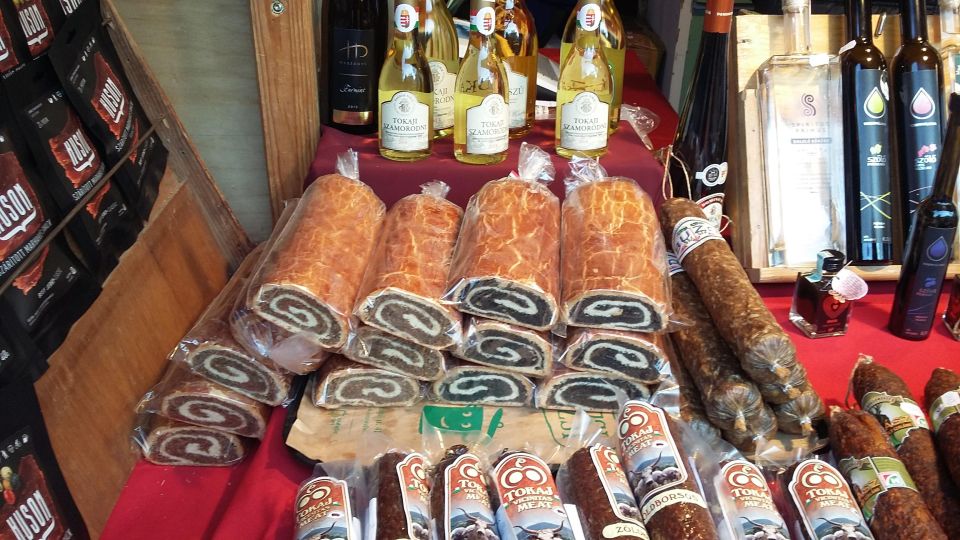
- Farmers market stop with organic and homemade-style finds and real paprika shopping time
- Pozsony street gastro scene so you see a local “food street” vibe, not just random snacks
- Lángos, rétes, and a chimney-cake style sweet served as a real buffet moment
- Gulyás soup at a local tavern where the meal feels like lunch, not just tasting
- Small-group format with a gastro-chef guide so you get context, not only calories
- Public transport tickets provided so you’re not stuck figuring it out mid-snack
What this street-food tour feels like in real life
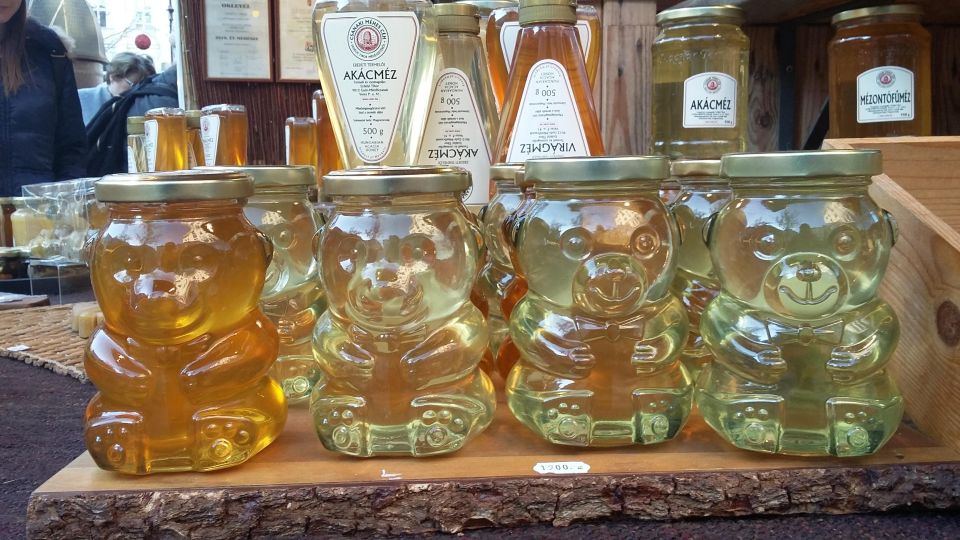
Budapest has food at every level—market stalls, casual street classics, and proper taverns. What makes this tour useful is that it threads those worlds together. You’re not just eating; you’re getting the logic behind the food: what Hungarians reach for day to day, what you should look for at markets, and how street snacks became serious comfort food.
The tour is priced at $85 per person for about 3 hours, and the big value is that all food is included. When you’re sampling several items—fried dough, strudel-style pastries, soup, cheeses, and cured meats—this can work out better than piecing together multiple paid tastings on your own. You also get the guide doing the hard part: choosing where to go and what’s worth ordering.
You can also read our reviews of more food & drink experiences in Budapest


Meeting at Starbucks Fashion and setting your snack expectations
You’ll start at Starbucks Fashion, with your guide waiting in front of the café and holding an info paper. It sounds simple, but it matters because market tours go smoother when the group regroups quickly before you start splitting up among stalls.
From the start, plan on a “guided wandering” style. You’ll be moving at a comfortable pace with time to stop and taste where vendors are ready for questions. That’s a big reason this works for first-timers. You get your bearings fast, then you’re guided toward the tastiest decisions instead of standing in front of a menu thinking, now what?
The market stop that teaches you what to buy (and why)
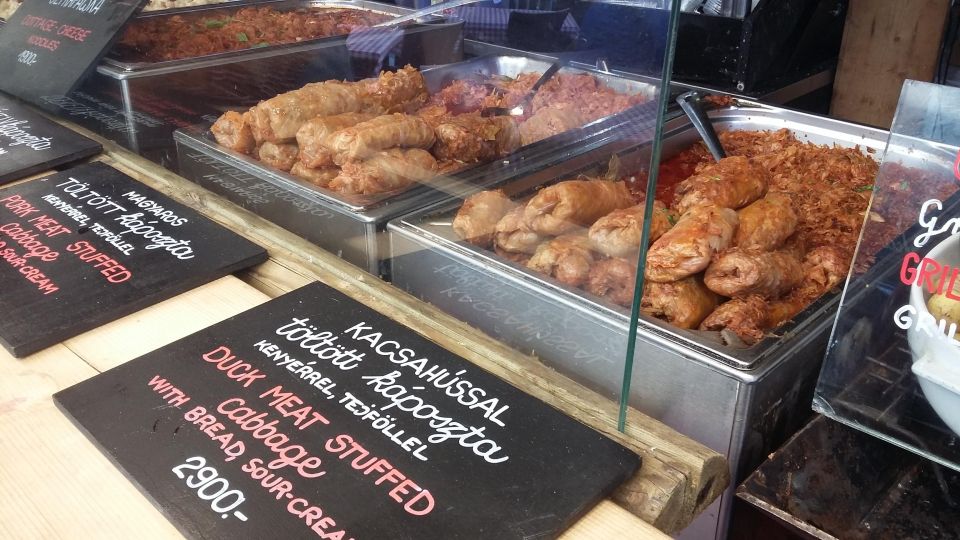
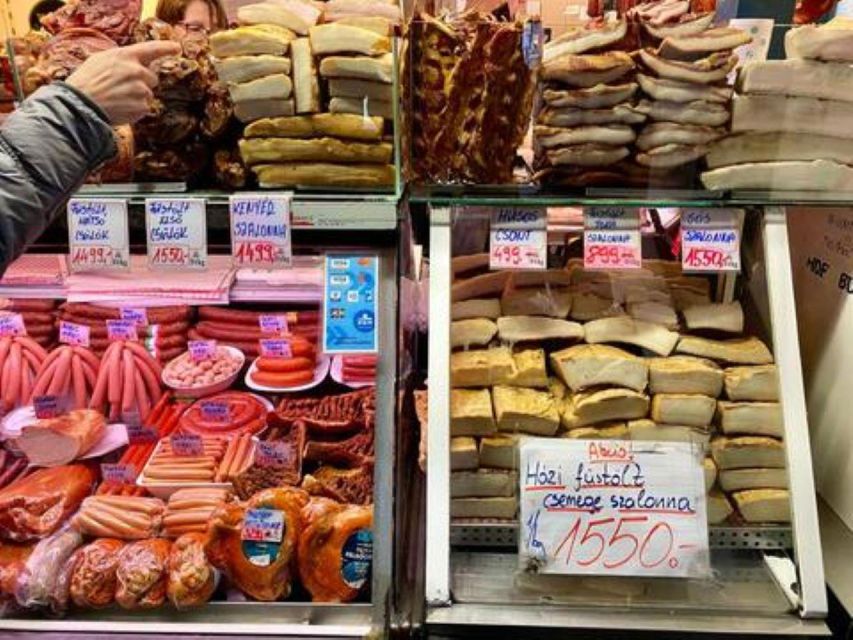
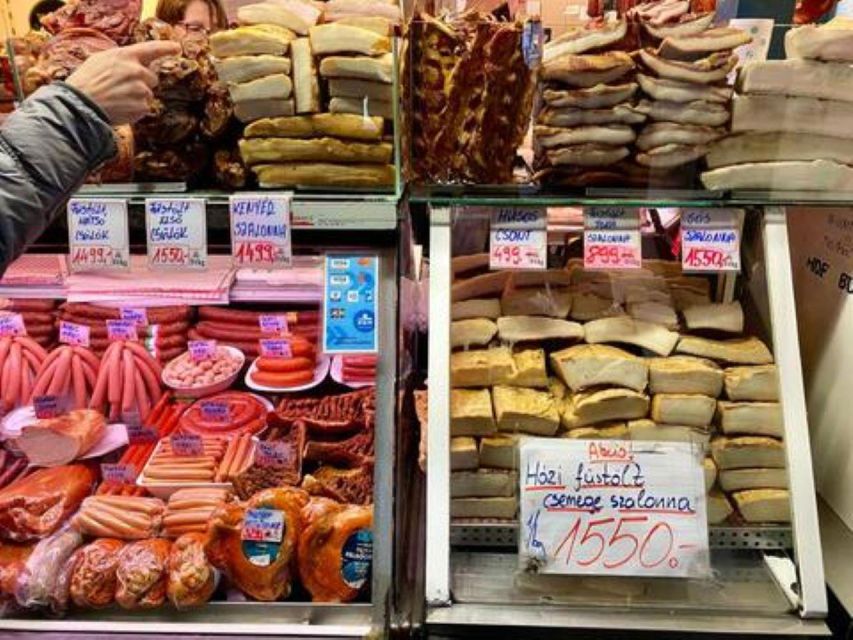
The heart of the tour is the farmers market on the Pest side, picked from major options like Hunyadi Market, Lehel Market, or Central Market. You’ll see stalls known for organic and home-made goods, and you’ll get to taste from vendors rather than just browsing photos.
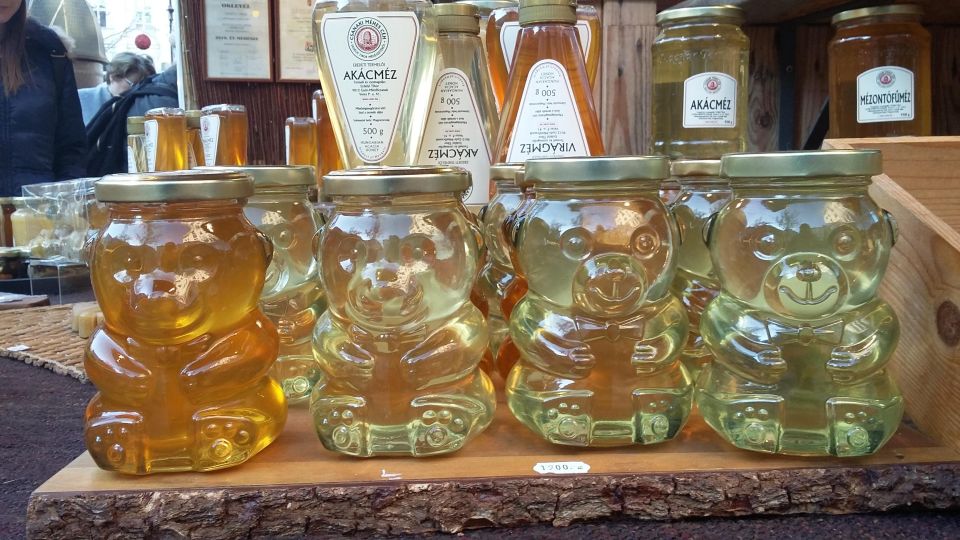
This is also where paprika shopping becomes practical. You’re not only buying a spice; you’re learning what people use it for and how it shows up in everyday Hungarian flavor. Markets like this are also where you’ll find your “take-home” ideas—things like salami, sausage, and cheeses—so the tour can double as a smart souvenir plan.
One of the underrated benefits here: you learn how to read market offerings. For example, cured meats and cheeses aren’t just random items in a spread. The guide helps you match textures and flavors so you can build a real picnic board later.
Pozsony street: the food-scene walk that changes your Budapest map
After the market, you head to Pozsony street, part of Budapest’s gastro scene. This section is less about shopping and more about atmosphere. You’ll move through an area where people go to eat, hang out, and graze—exactly the kind of neighborhood energy you want on a short trip.
This matters because street food isn’t only about what’s on the table. It’s about how locals treat eating as a small ritual. On this tour, you keep getting chances to sample, not just stare and walk past. The result is that you leave with a clearer sense of where to return on your own—especially if you like strolling without a strict agenda.
The buffet moment: lángos, rétes, and chimney-cake style sweets
Here’s where the tour really earns its name: you hit a lá n g o s and rétes buffet moment, plus a Hungarian pastry-style sweet that’s often described as chimney cake. If you’ve had lángos elsewhere and it felt like a gimmick, this is the part where it clicks as proper comfort food.





Lángos: Hungary’s most popular street snack
Lángos is fried dough, and it’s famous for a reason. It’s warm, filling, and made for tasting because it’s easy to share and compare versions. The guide helps you understand what makes a good lángos—how it should feel in your hands, how it lands on your palate, and what toppings are typical.
Rétes: strudel-style pastries with Hungarian personality
Then comes the ré tes—Hungarian strudels with sweet and savory variations. If you only know strudel as a vague dessert, you’ll likely be surprised by the range here. This stop is also where dessert stops being a separate category. You’re tasting pastries in the middle of a food run, which makes the whole day feel cohesive.
A fun breakfast snack: chocolate snail
You may also run into the chocolate snail, a breakfast-style treat. It’s the sort of playful item that makes the tour more memorable than a standard “eat three things and leave” experience.
Lunch at a local tavern for proper gulyás soup
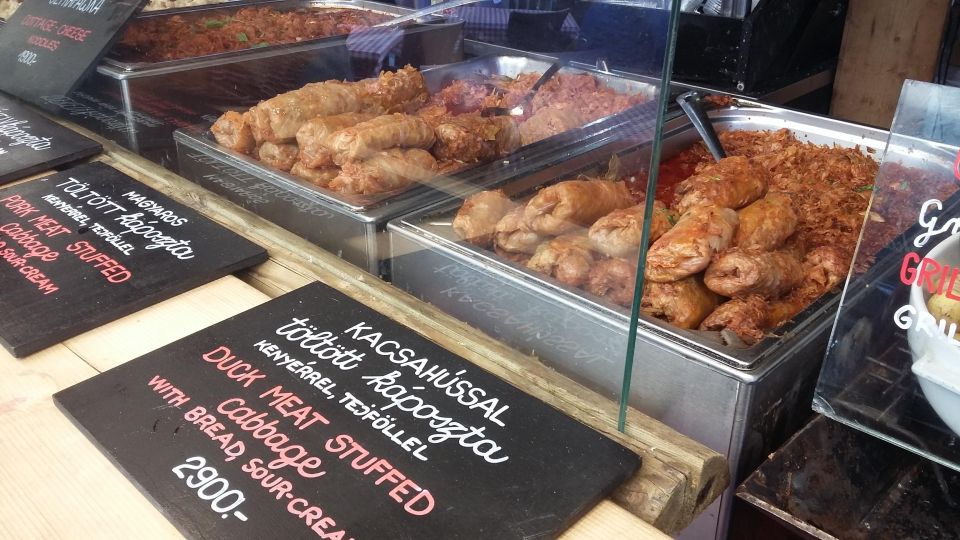
Midway through the tour, you sit down for lunch focused on gulyás soup, guided to what the tour describes as the best in town at a local tavern. This is the anchor meal that turns snack tourism into actual Hungarian lunch culture.
What I like about this setup is that it balances the fried-and-sweet stuff. Soup gives you a reset for your palate and your digestion. It’s also where you taste something more deeply flavored than market bites. Even if you think you already know gulyás, the tavern portion is where you’ll notice the difference between casual and proper.
And because you’ll be eating as a group with a guide, it’s easier to ask practical questions like what’s in it, how to interpret spice levels, and what sides or add-ons are typical.
What you’ll taste beyond the headline items
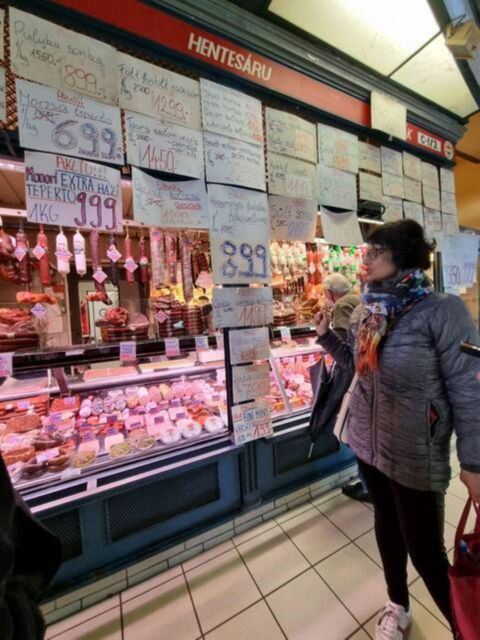
The tour doesn’t limit itself to one or two icons. You also have chances to sample:
- Salami and sausage
- A selection of cheeses
- Other local market snacks tied to the stalls you’re visiting
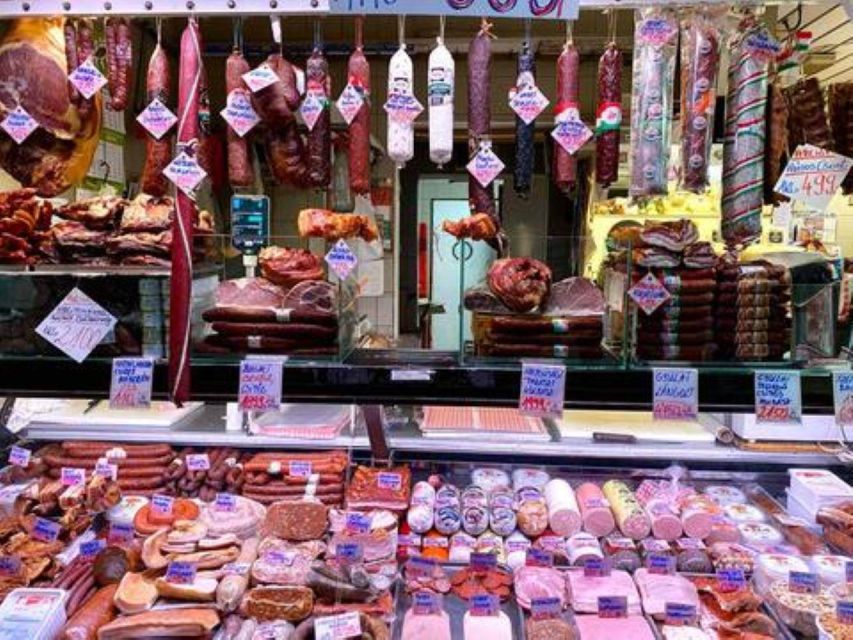
This matters because Hungarian street food is not one single flavor. It’s smoked, cured, fried, baked, and spiced—often within the same hour. Having meats and cheeses included makes the tasting feel more like a real meal plan, not just a sweets-and-snacks crawl.
Shopping time that actually fits your day
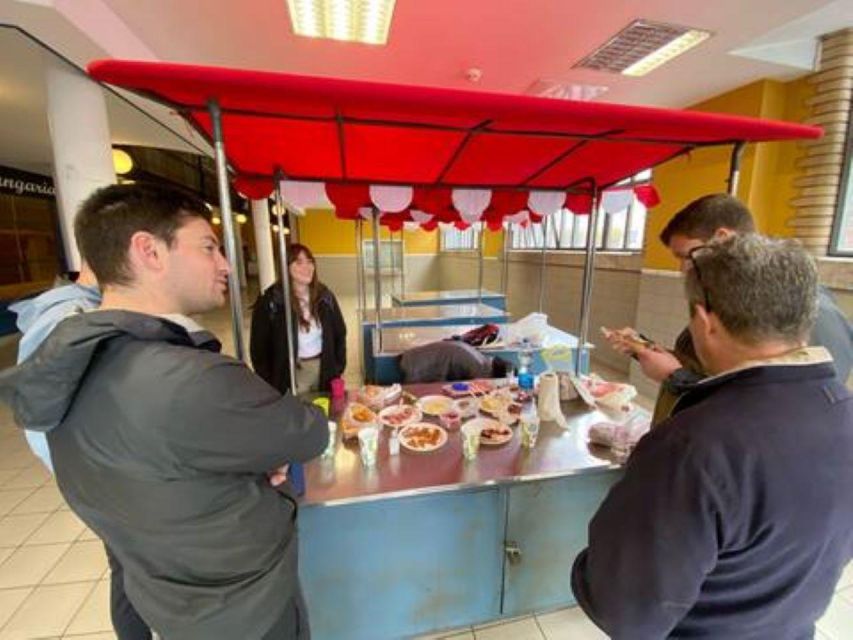
You’ll have time for shopping at the market, and it’s not random. The guide points you toward things that make sense for bringing home—paprika, cured meats, and cheese selections. Since you’ll be on a short schedule, this beats the usual method of guessing what’s worth buying and hoping you picked right.
If you’re a foodie who likes taking back flavors, this part is a real advantage. If you’re traveling with limited luggage, think ahead: decide what you’ll carry (and how you’ll keep it fresh). The market setting is great, but you still have to manage practicality.
How transport and timing work (and why it’s easier than you think)
The tour runs about 3 hours and can take around 2.5–3 hours depending on pace. You’ll also walk short stretches—often just 4 to 5 minutes at a time between moments. There may be stairs or escalators, so go in with comfortable shoes.
Public transport is part of the plan, and transport tickets are provided. The tour also notes that you may optionally use public transportation, so it’s not only walking nonstop. This matters if you’re short on time or trying to cover more ground than you can comfortably do on your own in one morning or afternoon.
Rain or shine, and what you should wear
The tour takes place rain or shine. That’s not a problem if you plan for it. Wear something comfortable, and bring a light layer or rain protection. You’ll be outside enough that weather can affect your experience, but you’re not trapped in a long indoor-only routine either.
Also, since there are stairs/escalators, it’s smarter to avoid shoes that slip on wet surfaces. Your only job is to keep moving smoothly, and the tasting happens around you.
Price and value: is $85 a good deal?
At $85 per person for around 3 hours, the value comes from three areas:
- All food is included. You’re tasting multiple items that would cost more if you bought them separately at markets, bakeries, and taverns.
- You’re paying for selection and sequencing. A guide chooses stops like a tasting plan, not just a list of sights.
- Small group size (up to 10). Less crowding usually means you can ask questions and actually enjoy the bites.
If you’d rather try a lot of Hungarian street staples in one sitting, this price makes more sense than doing three individual snack stops and hoping they add up. If you’re only interested in one specific dish—say lángos alone—you might feel like you’re paying for variety you didn’t ask for. But if you like comparing flavors and learning what’s typical, the structure pays off.
The guide factor: why Brigitta’s approach matters
In the feedback tied to this experience, one guide name comes up repeatedly: Brigitta. The theme is clear—she doesn’t only point and serve. She explains the history and culture of each item while you’re tasting it.
That’s the difference between eating and understanding. You’ll get more out of the tour if you enjoy small stories: how people make and eat certain classics, what’s considered normal, and why the flavor profile lands the way it does.
Ending near Margaret Bridge: easy next steps for your evening
The tour finishes in the Margaret Bridge area, around Jászai Mari tér / 1137 Hungary, very close to the Parliament side of your mental map. That makes it convenient because you can roll right into a stroll across the river or plan your next meal without scrambling for directions.
If you still have appetite, you’re in a good position to keep going. If you’re full, you can just walk it off with scenic views and a calmer pace after the food run.
Who should book this street-food tour
This is a strong match for:
- First-time visitors who want Hungarian street food without guessing
- Food lovers who like markets and cured/savory items
- Travelers who want a short, structured tasting rather than a long food day
- People who appreciate context—how and why foods show up
It may be less ideal if:
- You’re extremely sensitive to bread or fried foods and can’t guarantee safe options
- You want fully private, custom ordering (this is small-group style)
- You dislike rain conditions and don’t plan for waterproof clothing
Should you book Budapest Streetfood Heaven?
If you want a practical intro to Hungarian street food—markets, lángos, rétes, chimney-cake style sweets, and a real gulyás lunch—this is a smart way to spend a few hours. The small group, all food included, and the guide’s culture-focused explanations are the big strengths. Just make sure you communicate dietary needs early, wear comfortable walking shoes, and go with an appetite for variety.
FAQ
How long is the Budapest street-food tour?
The tour lasts about 3 hours.
Where does the tour start?
It starts at Starbucks Fashion, where your guide waits in front with an info paper.
What markets do you visit?
You’ll visit one local farmers market on the Pest side, such as Hunyadi Market, Lehel Market, or Central Market.
What food is included?
All food is included, including lángos, rétes, chimney-cake style sweets, gulyás soup, and a selection of salami/sausages and cheeses. A chocolate snail snack is also listed among the foods to try.
Is the tour suitable for allergies?
Options are possible, including gluten free and vegetarian.
Do I need to buy public transport tickets?
Public transport tickets are provided, and public transport may be used as part of the plan.
Does the tour run in bad weather?
Yes, it takes place rain or shine.
Is hotel pickup included?
No, hotel pickup and drop off are not included.