REVIEW · STREET ART
Budapest: Street Art Tour
Book on GetYourGuide →Operated by Budapestflow.com · Bookable on GetYourGuide
Budapest wears its opinions on its walls. This 3-hour street art walk in the Jewish Quarter turns graffiti and murals into readable stories, with a guide who explains what’s going on and why it matters.
What I especially like is the mural-by-mural interpretation, including the themes and the socio-political context behind each piece.
Another strong point: you get a break and a friendly local start at My Little Melbourne with a complimentary cup of coffee. And the small group limit (max 6) keeps it question-friendly, which makes the walk feel personal instead of scripted.
One consideration: this is a walking talk about meaning, not just a photo hunt. If you want purely scenic sightseeing or you’re not keen on weather-friendly walking, the 3-hour format may feel more intense than expected.
In This Review
- Key things that make this tour worth your time
- Street Art in Budapest’s Jewish Quarter: What You’ll See in 3 Hours
- Meeting at My Little Melbourne and Starting With Complimentary Coffee
- Mural-by-Mural Meaning: Themes, Politics, and Local Artists
- Attila’s Style: Clear Explanations and Real Q&A
- Small-Group Pacing and Walking Comfort (Including Rain)
- Price and Value: Is $53 Worth 3 Hours of Guided Street Art?
- Who Should Book This Budapest Street Art Tour
- Should You Book This Budapest Street Art Tour?
- FAQ
- How long is the Budapest Street Art Tour?
- How much does the tour cost?
- Where is the meeting point?
- Is the tour guided in English?
- What’s included in the price?
- Is food included?
- How large is the group?
- Is the tour wheelchair accessible?
- Is free cancellation available?
- Can I reserve without paying right away?
Key things that make this tour worth your time
- Jewish Quarter focus: murals, graffiti, and street art spread across the neighborhood, not random stops
- Meaning first: you’ll discuss each piece’s themes, socio-political context, and the artists involved
- Local artists lead the scene: you learn how art reflects local values and everyday life
- A guide who answers for real: people highlight Attila for both clarity and friendly engagement
- Coffee included: you start with a complimentary drink at My Little Melbourne
- Weather-proof pacing: even with heavy rain, the tour length still felt manageable to one reviewer
Street Art in Budapest’s Jewish Quarter: What You’ll See in 3 Hours
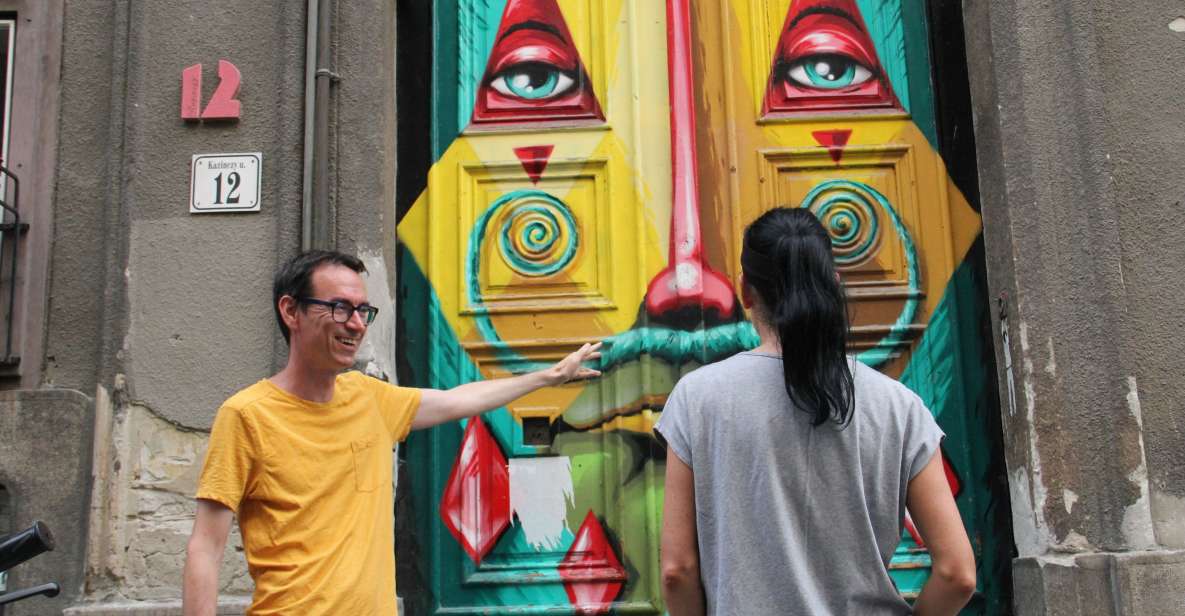
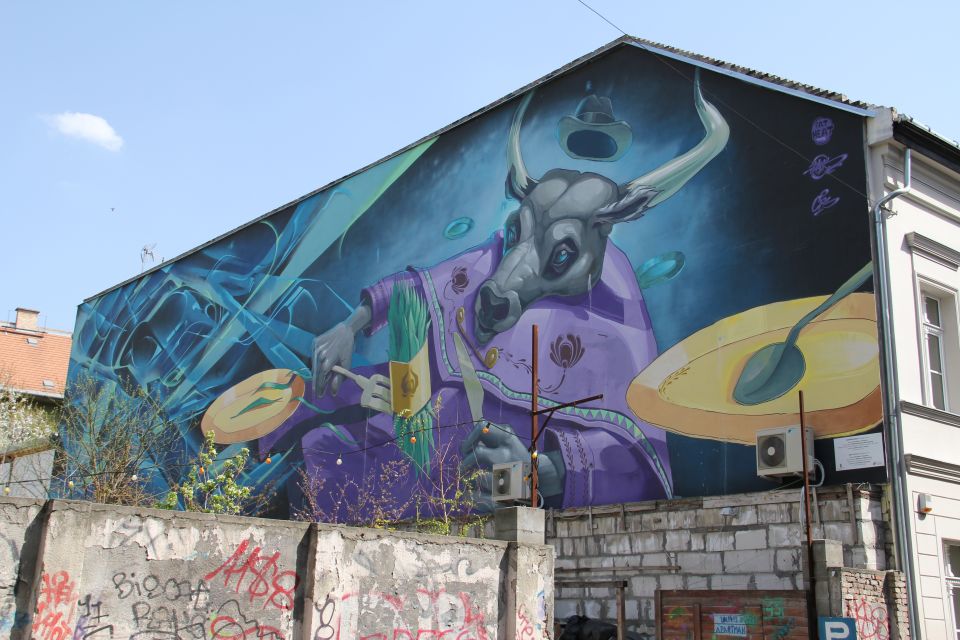
Budapest street art works best when you slow down. That’s the vibe here. Most of your time is spent walking and stopping for discussion as you look at murals, graffiti, and other forms of street art—especially around the Jewish Quarter, where works can pop out on walls that otherwise feel plain.
The key is that you’re not just collecting images. You’re learning how to “read” the visual language. You’ll be guided through what each piece is trying to say, who’s behind it, and how the artwork connects to contemporary culture in the city. Expect the conversation to move between artistic choices (style, symbols, imagery) and the social world it’s reacting to.
I like that the tour treats street art like a legitimate urban record—something tied to the city’s present, not only its past. Budapest’s street art scene has been growing in the last few years, and this tour frames that growth as part of how locals debate identity, community, and power in real time. If you enjoy seeing how cities talk back to themselves, this is a strong fit.
Drawback-wise, because the bulk of the experience is stops + discussion, you won’t be wandering freely at your own pace the whole time. If you’re the type who wants maximum viewing time with minimal talking, you might feel the schedule is tighter than you prefer.
You can also read our reviews of more tours and experiences in Budapest


Meeting at My Little Melbourne and Starting With Complimentary Coffee
Your meetup is at the entrance of My Little Melbourne. It’s an easy, practical start: you arrive, you get that first little jolt of local atmosphere, and you’re offered a complimentary cup of coffee.
Why this matters: a café start helps you settle in and get comfortable asking questions early. Also, it removes one small decision from your day. You don’t have to hunt for caffeine before you begin. The group can gather, the guide can set expectations, and you can focus on the art walk instead of logistics.
One more practical note: food is not included. So if you’re hungry, plan to eat before or after. The tour is 3 hours, and you’ll likely burn some energy by the time you’re done looking closely at walls, layers, and details.
Mural-by-Mural Meaning: Themes, Politics, and Local Artists
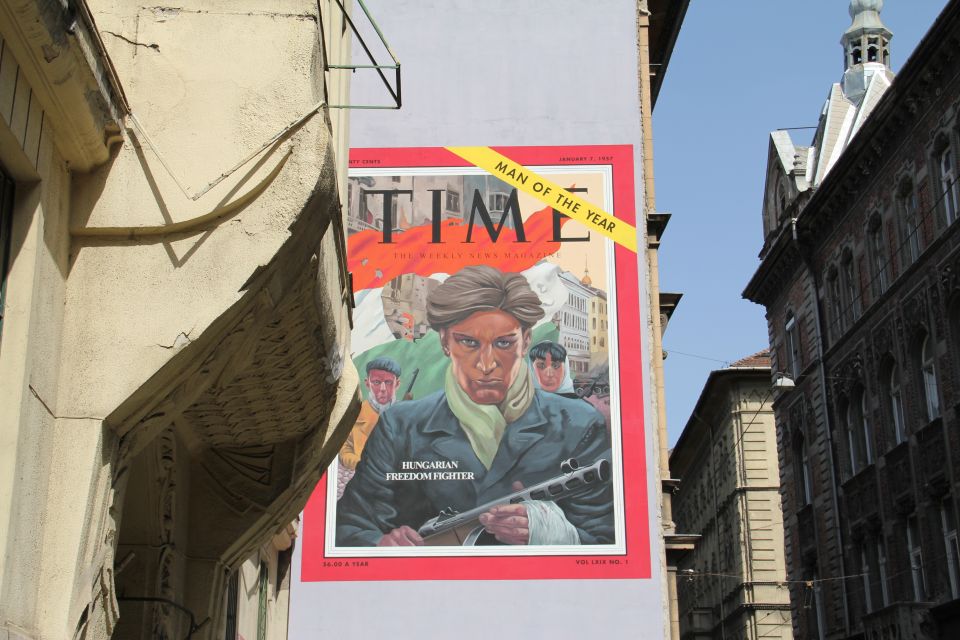
Street art can look chaotic until someone helps you connect the dots. This tour leans hard into that. The guide’s job is to translate what you’re seeing into something you can understand: the themes, the socio-political context, and the artists behind the work.
What you learn tends to land in three areas:
1) Contemporary culture
Street art here isn’t treated like decoration. It’s framed as a conversation about how people live now—values, identity, and what locals care about. When you know that, the art stops being random and starts behaving like commentary.
2) Socio-political context
You’ll hear explanations that connect imagery to bigger issues. The point isn’t to turn street art into a lecture. It’s to help you see how public walls can function like protest signs, community boards, and cultural memory all at once.
3) Local authorship and voice
Local artists dominate the scene on this walk. That detail changes how you interpret the art. Works made by people embedded in the city often feel less like imported style and more like direct communication from the neighborhood.
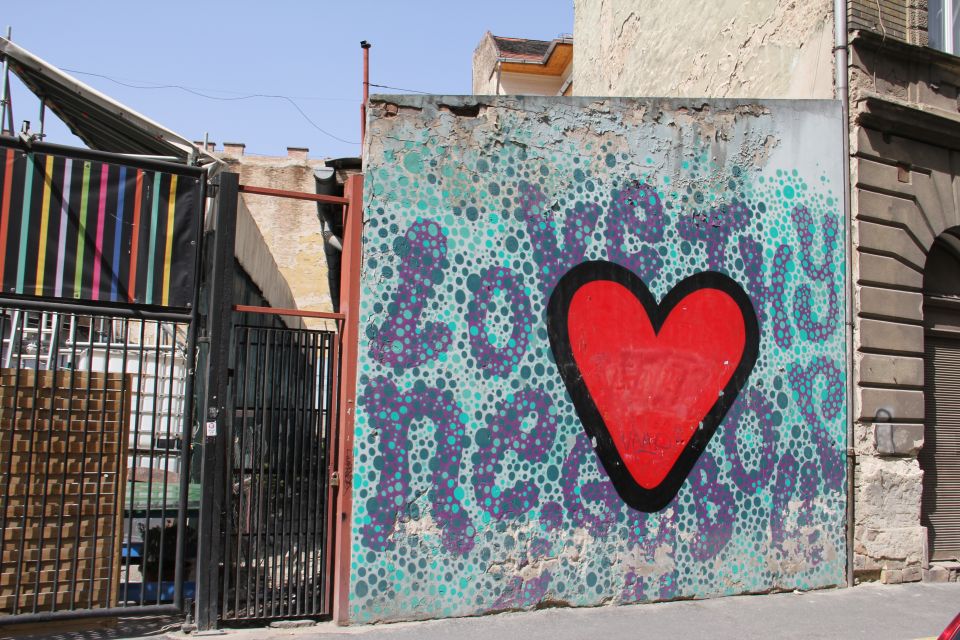
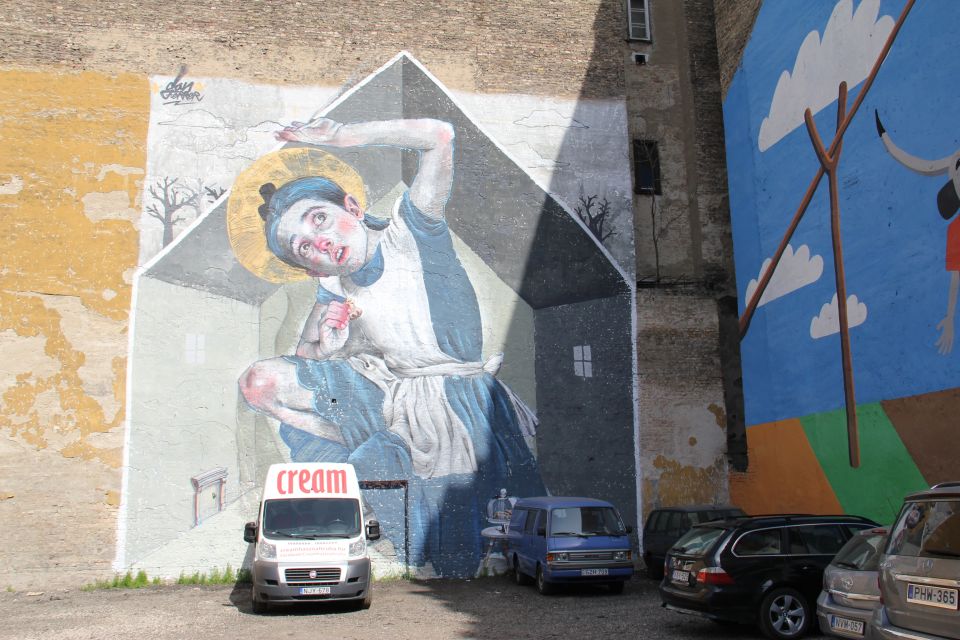
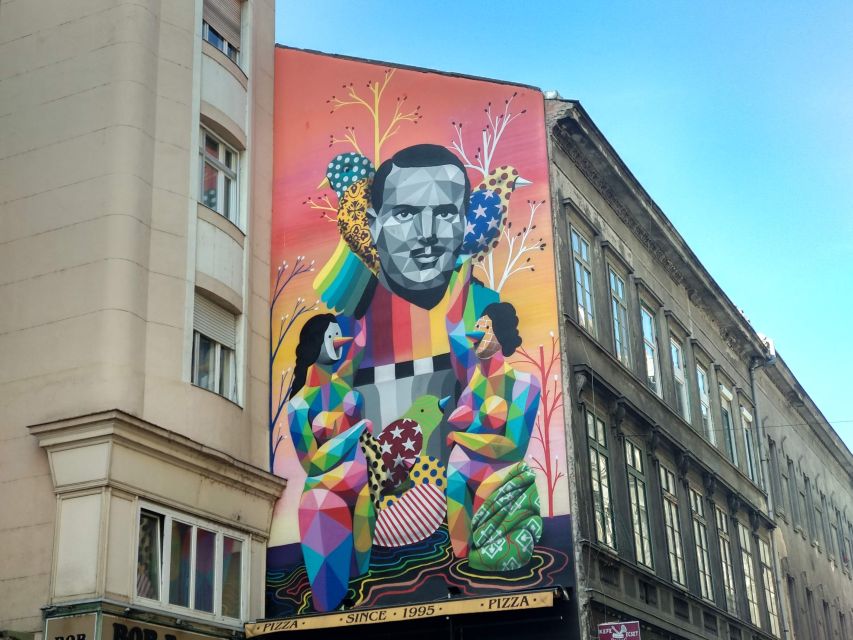
One thing I appreciate is that the tour’s structure encourages you to keep looking. You’ll notice how works are “dotted” around the otherwise bare walls. The more you explore, the more you find. That’s exactly what makes a guided walk better than self-guided scrolling: you end up training your eyes for what to look at and how to understand it.
Attila’s Style: Clear Explanations and Real Q&A
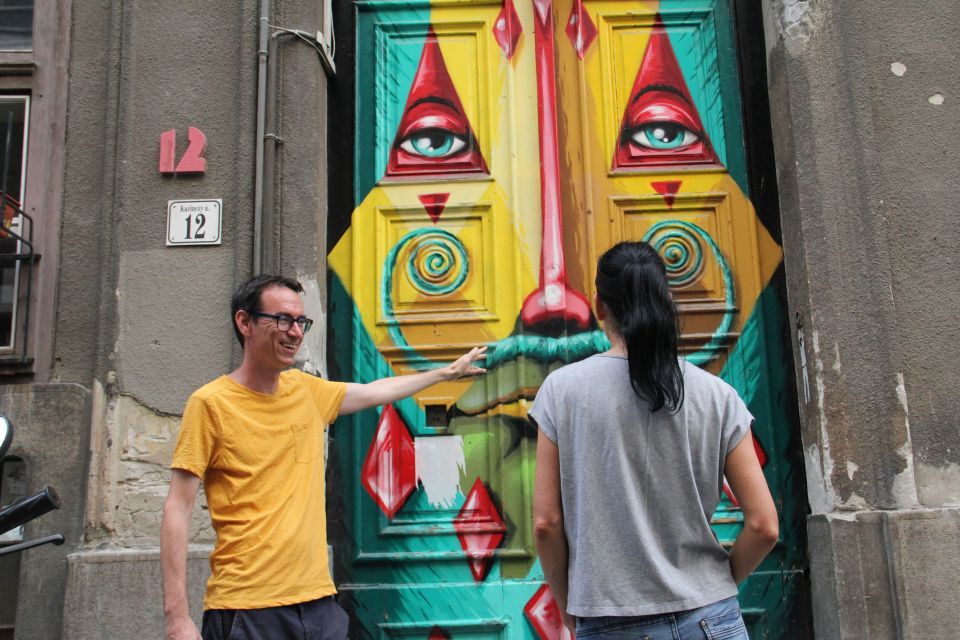
A highlight you’ll see repeated in feedback is the guide experience—especially around friendliness and clarity. Attila (spelled Attila in some accounts) is described as extremely knowledgeable about the local art scene and also pleasant in how he shares it. Another account points out a guide who brought the walk with lots of fun and enjoyment, including personal insights and openness to questions.
That matters more than it sounds. Street art can be deeply layered. Symbols can be cultural, political, or both. Without a guide who’s comfortable answering questions on the spot, you risk leaving with only partial meaning.
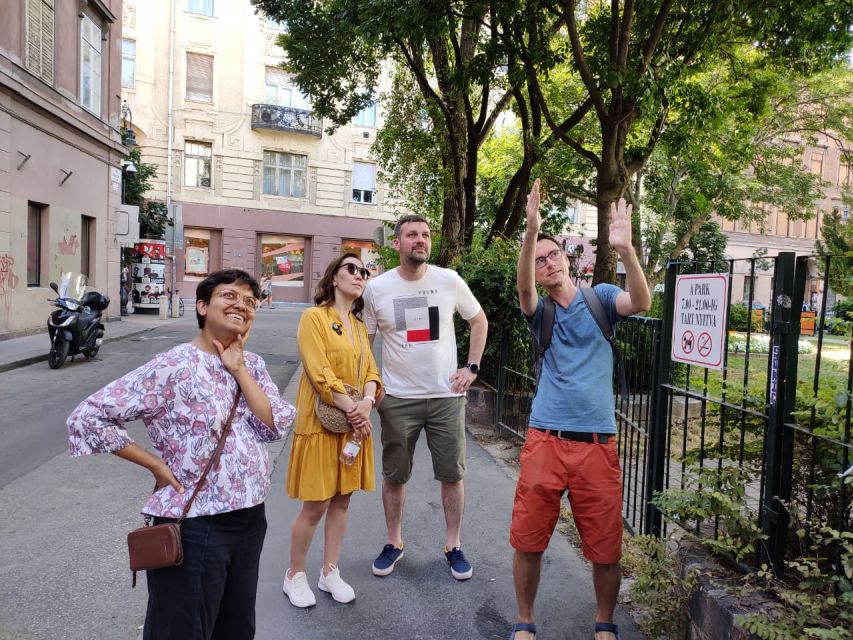
On this tour, the small group size (limited to 6) supports interaction. When you can ask follow-ups without feeling rushed, you get a better “click” moment: you start noticing patterns across multiple pieces rather than treating each stop as isolated art.
If you like learning from a person who can explain the why—not just what—you’re in the right place.
Small-Group Pacing and Walking Comfort (Including Rain)
This is a walking tour, and it lasts 3 hours. So the pacing is important. The upside is the format works well for street art: you need time at each stop to absorb the context and then move on with understanding.
Because the group is small, the guide can slow down for your questions and regroup when needed. That’s also where the Jewish Quarter focus helps: it’s a walkable area where you can connect the street-level artwork to the neighborhood setting.
Weather is the wildcard on any Budapest walking day. One review specifically mentioned heavy rain and still said the time moved quickly. That’s a good reality check for you. Go prepared: a light rain layer and comfortable shoes will help you stay focused on the art instead of battling the weather.
Wheelchair accessibility is listed for the tour, which is a big deal for planning. Still, it’s a street-level experience. Uneven sidewalks and neighborhood conditions can vary, so plan on navigating on foot with mobility needs in mind.






Price and Value: Is $53 Worth 3 Hours of Guided Street Art?
$53 for a 3-hour, English-language guided walking tour with a local guide and complimentary coffee can feel very reasonable—mainly because of what’s included and what’s not.
Here’s the value math that makes sense:
- You’re paying for interpretation, not just movement. The tour emphasizes discussion of each artwork’s themes and context.
- The group is small (max 6), which improves the quality of the explanation and your chance to ask questions.
- Coffee is included, which saves a small but real cost and gives you a proper starting moment.
What you’ll need to handle yourself: food, since it’s not included. Also, if you’re someone who prefers to roam independently with a guide at a distance (rather than stopping frequently), you may find the guided discussion is the main “product” you’re paying for.
But if you want to understand street art as contemporary culture and not just colorful walls, $53 is a fair trade for a focused 3-hour introduction—especially with a guide who can connect the visuals to the neighborhood’s social atmosphere.
Who Should Book This Budapest Street Art Tour
This tour is a strong match if you:
- Love contemporary culture and want a street-level way to understand it
- Enjoy art explanations that include politics and social context
- Prefer small-group tours where you can actually ask questions
- Plan to spend time in the Jewish Quarter and want more meaning than a quick walk-through
You might skip it if:
- You want mostly landmarks with minimal discussion
- You don’t want a walking-and-talking format
- You’re primarily interested in street art as decoration for photos and not interpretation
If you’re traveling with someone who thinks street art is either meaningless graffiti or just trendy images, this is the kind of experience that can change that viewpoint. The guide’s explanations are built to make the work legible.
Should You Book This Budapest Street Art Tour?
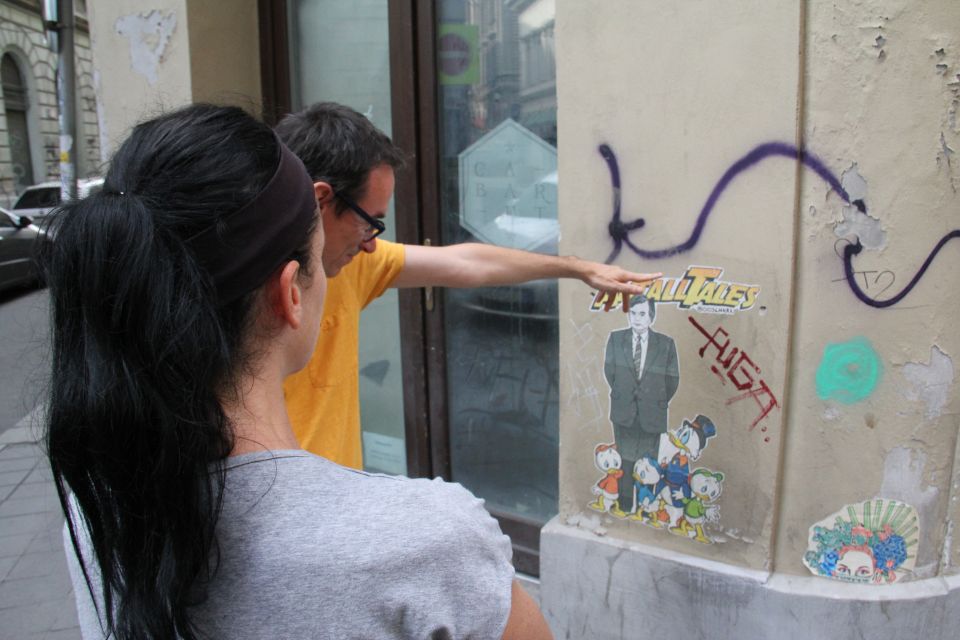
I’d book it if your goal is to understand Budapest from the ground up—through neighborhood art, local voice, and real context. The best part is that the tour treats street art like communication, not entertainment, and it does that in a small-group setting with a guide who’s noted for friendly, high-quality insights.
If you’re the type who gets impatient with stops and conversation, choose a different style of tour. But if you enjoy learning while you walk, and you want a structured way to make sense of murals and graffiti in the Jewish Quarter, this one earns its time.
FAQ
How long is the Budapest Street Art Tour?
It lasts 3 hours.
How much does the tour cost?
The price is $53 per person.
Where is the meeting point?
Meet at the entrance of the coffee shop My Little Melbourne.
Is the tour guided in English?
Yes, there is a live tour guide in English.
What’s included in the price?
A complimentary cup of coffee is included.
Is food included?
No, food is not included.
How large is the group?
The tour is a small group limited to 6 participants.
Is the tour wheelchair accessible?
Yes, the tour is listed as wheelchair accessible.
Is free cancellation available?
Yes. You can cancel up to 24 hours in advance for a full refund.
Can I reserve without paying right away?
Yes. You can reserve now & pay later, keeping your travel plans flexible.