REVIEW · HISTORICAL TOURS
Budapest: Jewish Heritage Walking Tour with Historian Guide
Book on GetYourGuide →Operated by Kálmán Dániel - Walk with a Historian · Bookable on GetYourGuide
Budapest has layers, and this tour reads them. In a small group with historian Kálmán Dániel, you walk from Deák Square into the Jewish District and spend real time at two historic synagogues. You also get street-level context for how this community shaped the city for more than a century.
I especially love the way the tour connects architecture to lived experience—starting with the Jewish community on the Pest side from the 18th century to the mid-20th century. One possible drawback: Kazinczy Street Synagogue is temporarily closed, so you see it from the outside rather than going in.
In This Review
- Key highlights worth your attention
- The 2-hour format that keeps you focused (and on your feet)
- Meeting at Deák Square: an easy starting point
- Rumbach Street Synagogue: the inside view you actually pay for
- Gozsdu Passage and the feel of the neighborhood
- Jewish Quarter streets: learning to read the city at sidewalk level
- Ghetto wall remnants, Carl Lutz Memorial, and the Memory Wall
- Kazinczy Street Synagogue: why outside viewing still works
- How much value you’re getting for $62
- Who this tour fits best (and who might want something else)
- Tips to get the most out of the walk
- Should you book this Budapest Jewish Heritage Walking Tour?
- FAQ
- How long is the Budapest Jewish Heritage Walking Tour?
- What is the group size limit?
- Where do we meet for the tour?
- Which synagogue entry tickets are included?
- What Holocaust-related stops are included?
- What language is the tour guide speaking?
- How much does it cost, and can I cancel?
Key highlights worth your attention
- Historian-led walking tour in English with a small group size capped at 10
- Rumbach Street Synagogue entry included, so you’re not just looking from outside
- Holocaust memorial stops tied to place-based memory: the ghetto wall remnant, Carl Lutz Memorial, and a Memory Wall
- Gozsdu Passage / Gozsdu Udvar added for atmosphere and local context
- Street stories that cover what happened to other synagogues in the district, including ones demolished by the 1930s
The 2-hour format that keeps you focused (and on your feet)
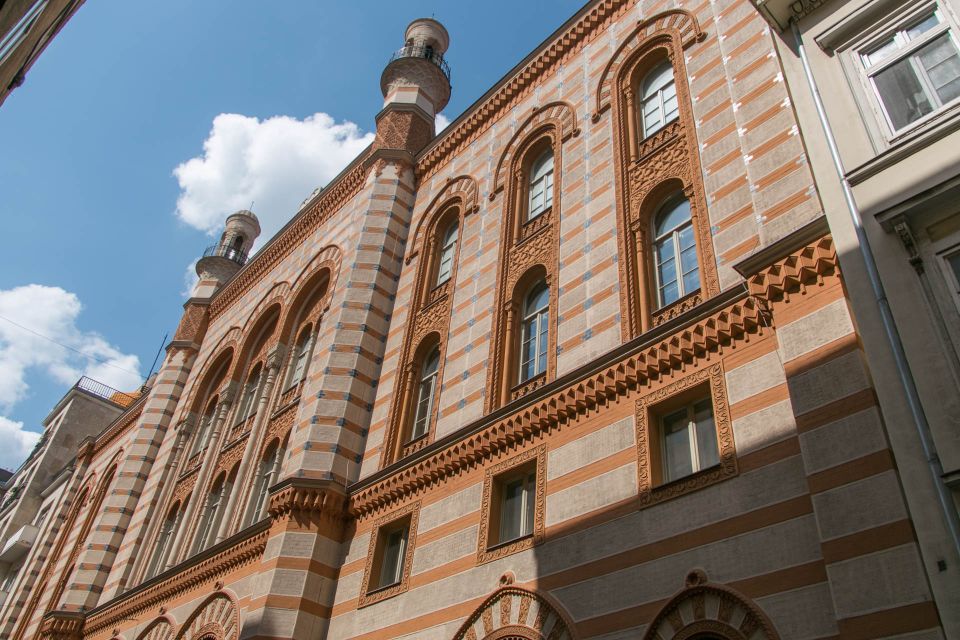
This is a short tour—2 hours—so it works well when you want something meaningful without losing an entire day. The pace is built around walking sections of the Jewish District plus photo stops, with time to hear the story behind what you’re seeing. In practice, that means you get explanation that helps you read the neighborhood, not just a list of buildings.
The group stays small (limited to 10), which makes a difference with a topic this heavy and this specific. Questions come up naturally, and you’re less likely to miss details when the guide is pointing things out at street level.
Bring comfortable shoes. You’ll be outside for a while, and you’ll likely stop more than once to look and listen. If you’re sensitive to Holocaust-related sites, plan your emotional pacing too. This tour does include memorials and ghetto remnants, so it’s not a light stroll.
You can also read our reviews of more walking tours in Budapest



Meeting at Deák Square: an easy starting point
You meet right at the entrance of the Lutheran Church at Deák Square, near the M2 metro entrance. That’s a smart setup because Deák Ferenc Square is one of Budapest’s main transit hubs, so you’re not scrambling across the city to get started.
If you arrive early, you can take a minute to orient yourself around Deák Square before the group gathers. The meeting point is simple enough, and the tour begins directly from there.
Rumbach Street Synagogue: the inside view you actually pay for
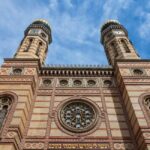
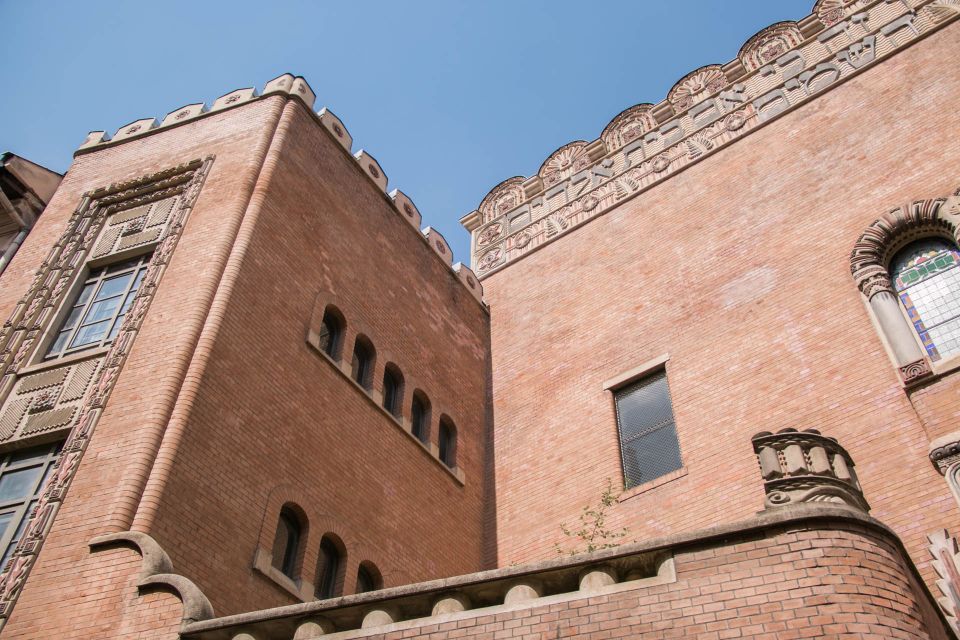
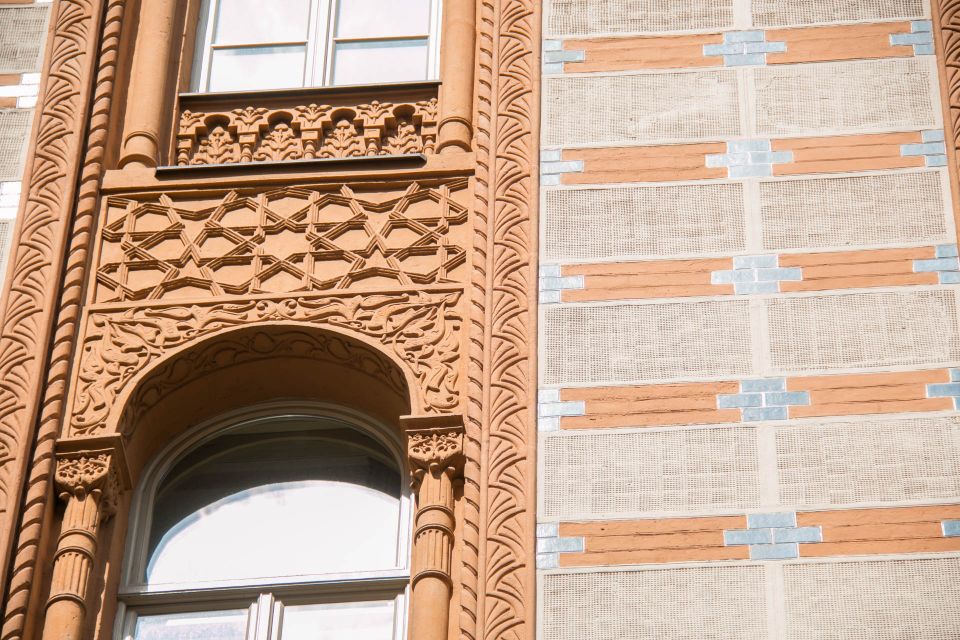
The tour’s first synagogue stop is the Rumbach Street Synagogue. You get a photo stop, guided sightseeing, and—importantly—an entry ticket is included. That matters because many heritage tours treat synagogues like exterior photo sets. Here, you go inside, which gives you the chance to experience the building as more than a landmark.
The guide also frames the synagogue as both an art-historical and historical example, meaning you’ll get help noticing details rather than just admiring from a distance. Even without turning this into an architecture lecture, the tour approach is practical: you learn how the synagogue fits into the broader story of a community that was major on the Pest side from the 18th century through the mid-20th century.
One tip for making the most of this stop: slow down. If you only glance once, you miss how the guide links building and history. If you give yourself a bit of time, the place starts to make more sense.
Gozsdu Passage and the feel of the neighborhood
Between synagogue stops, you pass through the area around Gozsdu Passage and Gozsdu Udvar. This is where the tour becomes more than monuments. You get a break in intensity and a chance to connect history to the kind of urban life Budapest still carries—streets, passageways, and the way people move through a district.
There’s also a photo stop here, which is useful because it gives you a moment to orient visually before you move deeper into the Jewish Quarter. Think of it as your neighborhood reset: less facts-for-a-minute, more you absorbing the setting.
Jewish Quarter streets: learning to read the city at sidewalk level
The tour spends time walking the Jewish District streets with the guide acting like a translator. You learn stories about the people who lived here and where they fit into the wider history. You also hear about less-known sights, which is exactly what you want from a walking tour: clues that don’t jump out from a guidebook map.
A particularly interesting thread is how the guide points to the places where two other synagogues stood in the district and were demolished by the 1930s. That detail does two things for you as a visitor. First, it makes the district’s changing physical footprint feel real, not abstract. Second, it helps you understand why the surviving sites carry extra weight—they are survivors in a landscape that was altered.
If you like hearing how cities change over time, this is one of the best segments. You end up with names, dates, and relationships between buildings and communities, all anchored to actual corners you walk past.
You can also read our reviews of more guided tours in Budapest






Ghetto wall remnants, Carl Lutz Memorial, and the Memory Wall
This is the emotional center of the tour. You’re guided to the remains of the ghetto wall, then onward to the Carl Lutz Memorial, and finally to a Memory Wall. The tour doesn’t treat these places as generic “Holocaust stops.” It frames them as mementos that help you understand what happened in that specific area and why it still matters today.
What’s valuable here is the structure of the storytelling. You’re not only hearing about suffering. You’re also hearing about survival in a human way—stories of people who helped others and the idea of miraculous survival and miracle-making. That doesn’t erase the tragedy, but it gives the history a second layer: resistance, solidarity, and the actions of individuals.
A practical note: these stops can be visually intense. If you’re the type who processes by talking, you’ll appreciate the guide’s pacing and the time to listen. If you process quietly, that’s fine too—just take breaks if you need them.
Kazinczy Street Synagogue: why outside viewing still works
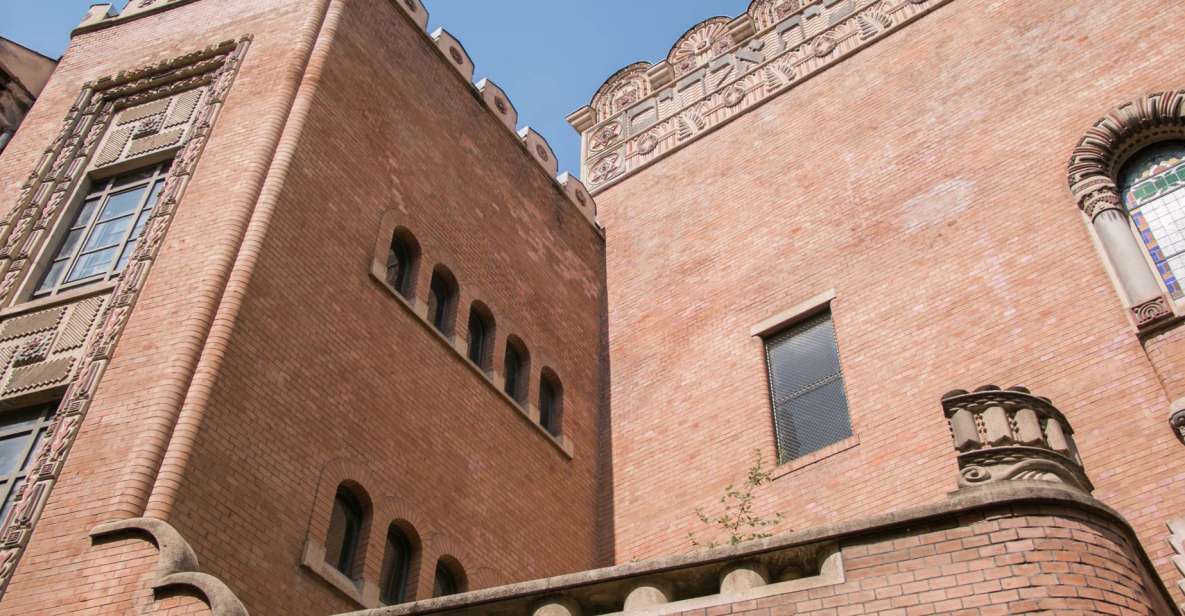
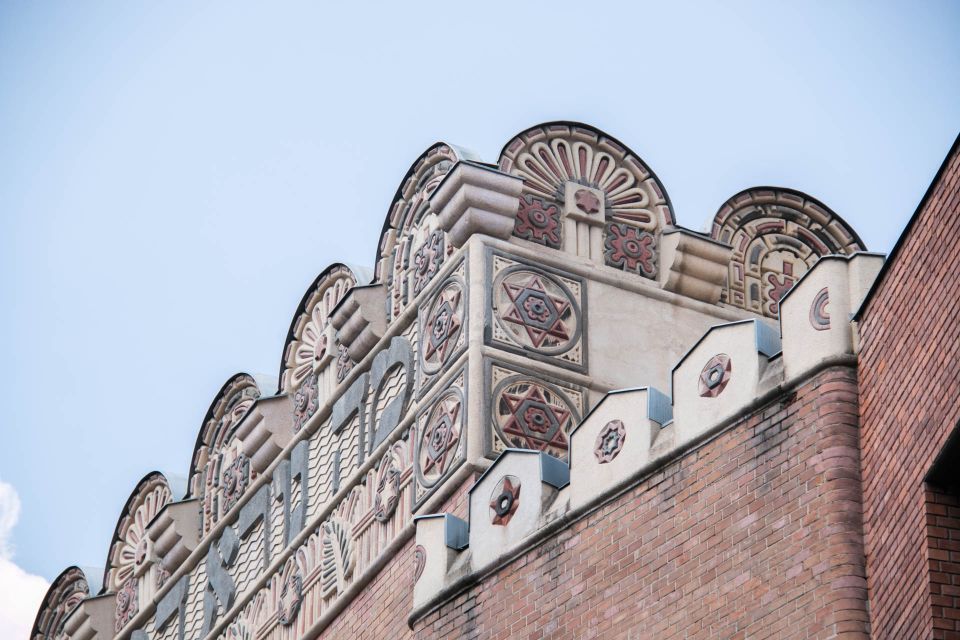
The second synagogue stop is the Kazinczy Street Synagogue. Here’s the key point: it’s temporarily closed due to restoration, so the tour includes viewing from the outside only. Entry tickets are not included for this synagogue, and that closure is part of the experience you should plan for.
Even so, the stop isn’t a letdown if you’re open to learning from what you can see. The guide still treats the synagogue as an excellent art-historical and historical example, and you get photo opportunities plus guided sightseeing to help you interpret the building from the street.
So what do you gain from an outside-only visit? You gain context. You learn how the architecture and location relate to what the district was, and how synagogues functioned as community anchors. You also gain contrast, because you experienced Rumbach with entry included. That makes the difference between accessible and inaccessible heritage feel tangible.
How much value you’re getting for $62
$62 for a 2-hour, historian-led walking tour sounds fair once you look at what’s included. You’re not paying only for a guide’s voice. The price covers:
- a field expert historian guide
- entry to the Rumbach Street Synagogue
- entry to the ghetto wall memorial
- visits to the Carl Lutz Memorial and Memory Wall
- an outside viewing stop at Kazinczy Street Synagogue during restoration
In other words, you’re paying for guided interpretation plus paid cultural access to key sites. If you were to piece together a museum-style day on your own, you’d spend time and likely end up paying for separate entry while still lacking the historical “why” behind each stop.
Also, the small group cap helps the value. With up to 10 participants, the guide can keep attention on the story rather than managing a big crowd.
Who this tour fits best (and who might want something else)
This is a great fit if you:
- want Jewish heritage in Budapest with a historian guide rather than a casual sightseeing script
- enjoy walking tours that teach you to read streets and surviving landmarks
- care about how architecture connects to community life and historical change
It may be less ideal if you:
- want only cheerful or purely architectural content (the memorial segment is heavy)
- dislike tours that include a temporarily closed site (Kazinczy is outside-only right now)
If you’re planning a tight schedule, the 2-hour length is also a plus. You can slot it between museum time and dinner without feeling like your day evaporates.
Tips to get the most out of the walk
- Wear shoes that handle short stops and uneven city sidewalks. The tour relies on walking.
- Bring a charged camera or phone, but remember this is a listening tour too. Take photos during photo stops and focus on the guide between them.
- If you’re sensitive to Holocaust history, mentally plan for that section. You’ll move through ghetto wall remnants and memorials, so pacing matters.
- Consider going in with a light mindset: you’ll get names and stories, but the goal is understanding how the district worked, not memorizing everything.
Should you book this Budapest Jewish Heritage Walking Tour?
I’d book it if you want a focused, respectful, historically grounded look at Budapest’s Jewish District—one that pairs synagogue visits with Holocaust memorials and real street stories. The combination of historian-led guidance, Rumbach Street Synagogue entry, and memorial sites makes the tour feel worth the time and the price, especially for anyone who likes meaning over just photos.
Skip it only if outside viewing at Kazinczy would disappoint you or if you prefer your tours lighter on Holocaust-related content.
FAQ
How long is the Budapest Jewish Heritage Walking Tour?
The tour lasts 2 hours.
What is the group size limit?
The tour is a small group with a maximum of 10 participants.
Where do we meet for the tour?
Meet right at the entrance of the Lutheran Church at Deák Square, near the M2 metro entrance.
Which synagogue entry tickets are included?
Entry ticket to the Rumbach Street Synagogue is included. Kazinczy Street Synagogue entry is not included because it is temporarily closed, so you only visit from the outside.
What Holocaust-related stops are included?
The tour includes visiting the ghetto wall memorial remnant, the Carl Lutz Memorial, and a Memory Wall.
What language is the tour guide speaking?
The tour is offered in English.
How much does it cost, and can I cancel?
The price is $62 per person. There is free cancellation up to 24 hours in advance for a full refund, and you can reserve now & pay later.