REVIEW · BUDAPEST
Budapest Hammer & Sickle Communist Times Tour
Book on Viator →Operated by Absolute Tours · Bookable on Viator
Hammer and history walk together in Budapest. In 2.5 hours you’ll move from key 1956 Revolution landmarks to the Budapest Retro Interactive Museum, where the story turns from dates into daily life. You’ll also hit major memorial ground, including the Shoes on the Danube Bank Holocaust memorial area.
What I love most is how the tour makes the political timeline feel real. You stand in the places tied to speeches, protests, marches, and Soviet invasion zones, then your guide adds family-level detail—guides like Anna and Tomas are especially good at making the era human while staying fair on the facts.
One thing to plan for: there are no audio headsets, so you’ll want to position yourself where you can hear clearly, especially near busy streets or if the weather brings noise.
In This Review
- Key highlights worth showing up for
- What the Hammer & Sickle tour teaches you fast
- Meeting at Deák Ferenc tér and how the 2.5-hour format works
- Stop 1 at Szent István Basilica: how communism squeezed religion
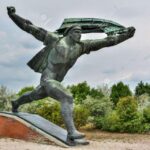
- Szabadság tér Soviet Memorial: the occupation story in one place
- Hungarian Parliament Building square: the first days of 1956
- In memoriam 1956. October 25: archive footage meets real memory
- Imre Nagy statue and October 23 remembrance: why the dates stick
- The Budapest Retro Interactive Museum: learning everyday life, not just politics
- Shoes on the Danube Bank Holocaust memorial: a somber, necessary stop
- Value and price: is $79.65 worth it?
- Who should book this tour—and who might prefer something else
- Should you book the Budapest Hammer & Sickle Communist Times Tour?
- FAQ
- How long is the Budapest Hammer & Sickle Communist Times tour?
- When does it start and where do I meet?
- Where does the tour end?
- What language is the tour offered in?
- Is there an audio headset included?
- What’s included in the price?
- Are any museum or monument tickets included?
- Is pickup or drop-off provided?
Key highlights worth showing up for
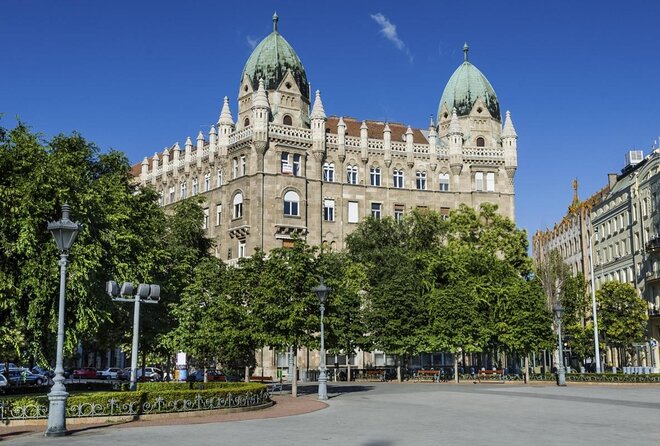
- A focused 1956 route that ties the Revolution directly to the Soviet occupation story
- The Retro Interactive Museum entry included, built around everyday objects and routines
- Stops that explain how regimes shaped ordinary life, from passports to black markets and banana lines
- Multiple memorial stops that add emotional weight beyond political theory
- Small-group pace (max 10), which keeps questions in the conversation instead of disappearing into the crowd
- Coffee or tea or a soft drink included, a small comfort before you head back into the history
What the Hammer & Sickle tour teaches you fast
This is the kind of tour that helps you read Budapest like a document. The big idea is simple: Hungary’s 20th-century turning points didn’t happen in a vacuum. They changed what families believed, what churches could do, how people traveled, and what you could buy—or trade—for.
You start with the broader setup, including Hungary’s role in World War I and World War II, then you move into the 1956 Revolution against the communist government and Soviet policies. The tour also keeps a clear thread through the lead-up to the end of the Iron Curtain. It’s not just about what happened. It’s about why people felt trapped, and why the October 23 moment matters in Hungarian memory every year.
If you like history but hate lectures, this works because it mixes street-level landmarks with hands-on, interactive museum learning. You don’t just hear that life was controlled—you get to see and handle the story through recreated settings and period artifacts.
You can also read our reviews of more tours and experiences in Budapest.



Meeting at Deák Ferenc tér and how the 2.5-hour format works
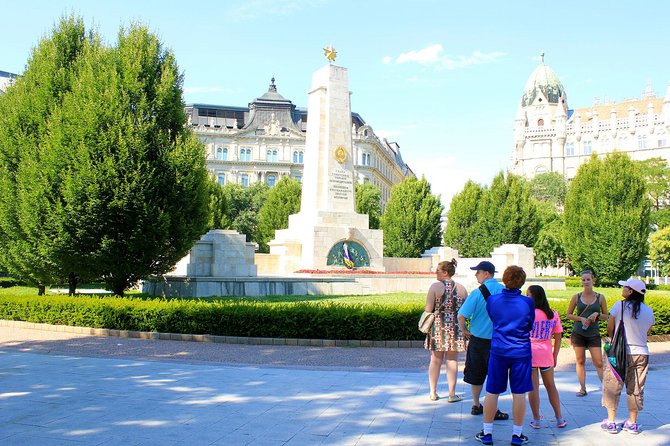
The tour meets near Deák Ferenc tér (the start address is Deák Ferenc tér 4). It begins at 3:00 pm, and it ends around Szabadság tér 1 near Liberty Square—so you finish right where you can keep exploring without a long commute.
It’s built for walking, but not a marathon. The schedule spreads time across several stops—most are 15 minutes with one longer stop around Parliament. That matters because the story needs short bursts: you learn the background, you see the location, you connect the dots, and then you move on.
You’re in a small group (maximum 10), which usually means a real back-and-forth. If you’re booking early, you may also get a smaller-than-average group size. Either way, you’ll want to ask questions. The guides are comfortable answering without rushing.
Practical heads-up: there’s no audio equipment on this tour. Bring your best listener skills. Stand where you can hear the guide clearly, and if there are loud planes or helicopters overhead (it’s happened to other groups), lean in and don’t be shy about stepping closer.
Stop 1 at Szent István Basilica: how communism squeezed religion
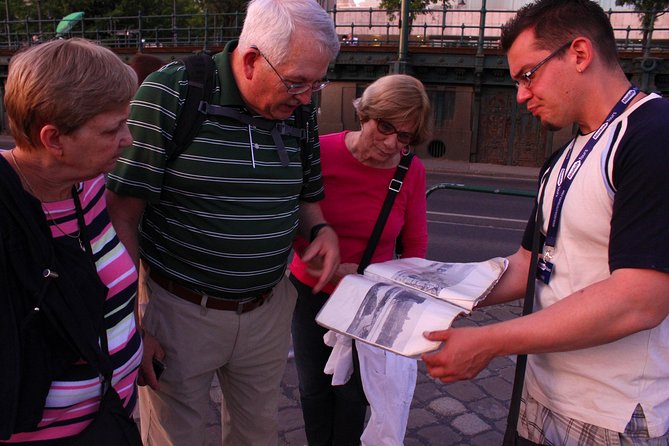
You start at the Szent István Basilica area (about 15 minutes). The focus here isn’t the building’s beauty alone. The guide explains how communist rule affected religious life—how churches operated, and what a state with strict control could do to faith communities.
This stop is a good example of why the tour works. It’s one thing to learn about tanks and revolutions. It’s another to understand how a regime can shape daily routine through institutions people relied on.
Admission for the basilica isn’t included, so if you want to go inside and see what the building offers, plan to buy that ticket separately. Even without entry, you’ll get the context that makes the location worth your time.
Szabadság tér Soviet Memorial: the occupation story in one place
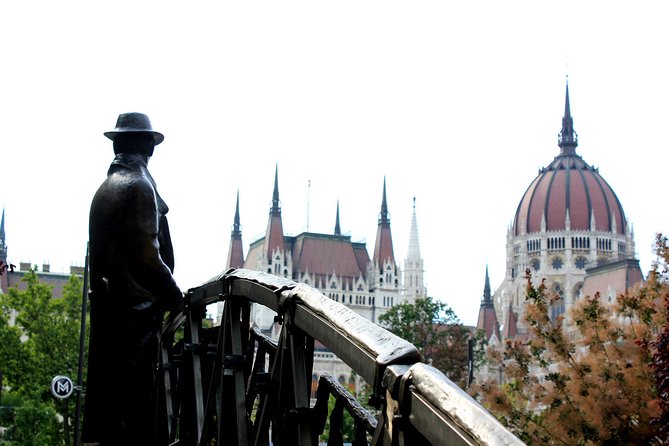
Next is Szabadság tér for the Soviet Memorial (about 15 minutes, and it’s listed as free). This is where the tour shifts from World War II into occupation and political takeover.
You’ll connect three ideas:
- the end of World War II,
- the start of Soviet occupation,
- and how the Communist Party seized power.
It’s a tough subject, but the guide’s job here is to keep it structured. You’re not just hearing dates. You’re learning the sequence that created the feeling of a locked door—one that people tried to open in 1956.
Also, this stop lines up well with what you’ll see later. By the time you reach Liberty Square and the 1956 sites, you’ll recognize the pattern of control, resistance, and consequences.
Hungarian Parliament Building square: the first days of 1956
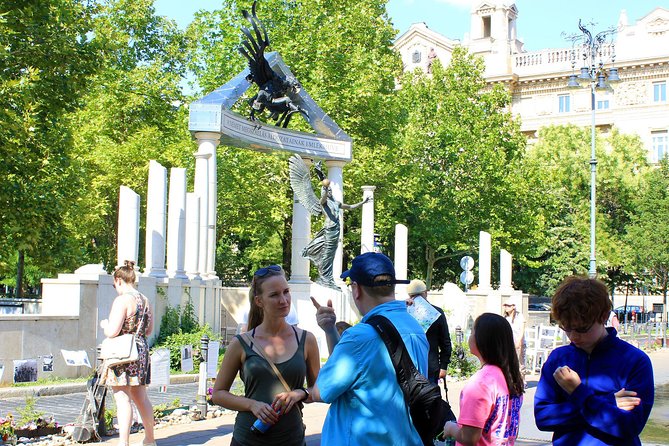
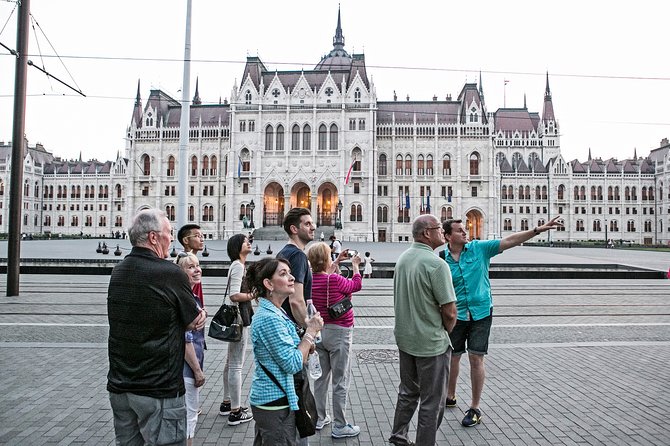
Around 20 minutes is spent at the Hungarian Parliament building area, with the emphasis on the square’s role in the Revolution’s first days. This is one of the tour’s core “why it mattered” moments.
The guide ties the outbreak to political leadership decisions and to the reality that Hungary was resisting Soviet policies, not just changing governments for fun. You’ll also learn about Imre Nagy, a key Hungarian figure connected with defying Soviet leaders in Moscow—and later executed for treason as a result.
Here’s the practical note: the Parliament building admission ticket isn’t included. That doesn’t mean the stop is weak—it just means you should think of it as guided orientation around the space and story. If you want more time inside the building, you can plan a separate visit later.



In memoriam 1956. October 25: archive footage meets real memory
The tour then goes to In memoriam 1956. October 25. You get about 15 minutes, and the memorial/exhibition time is listed as free.
This portion gets specific about the second day of the Revolution: military authorities and Soviet tanks fired into a gathering crowd on October 25, 1956. The exhibition uses archive footage and recollections. That combination matters. Footage shows what happened; recollections explain what people carried afterward.
If you’re the type who gets moved by history, this is usually the emotional peak of the walking portion. It’s also a good moment to slow down. Don’t rush past the details just because you’re thinking about the next stop.
Imre Nagy statue and October 23 remembrance: why the dates stick
Next comes the Monument to Imre Nagy and the connection to October 23 Remembrance Day (about 15 minutes, free). This is where the tour shifts from tragedy to how Hungary remembers, honors, and reinterprets what happened.
You’ll hear that Imre Nagy was executed after the Revolution and that his reburial became an important moment in the change of regime. That’s more than a footnote. It’s part of how societies rewrite official stories once power changes.
If you’ve visited other memorial places in Europe, you’ll recognize the “memory architecture” at work here: names, dates, and physical symbols that teach people who they were—and what they refused to forget.
The Budapest Retro Interactive Museum: learning everyday life, not just politics
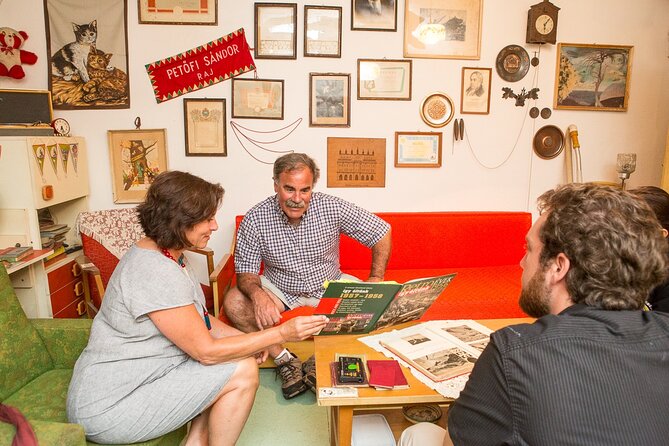
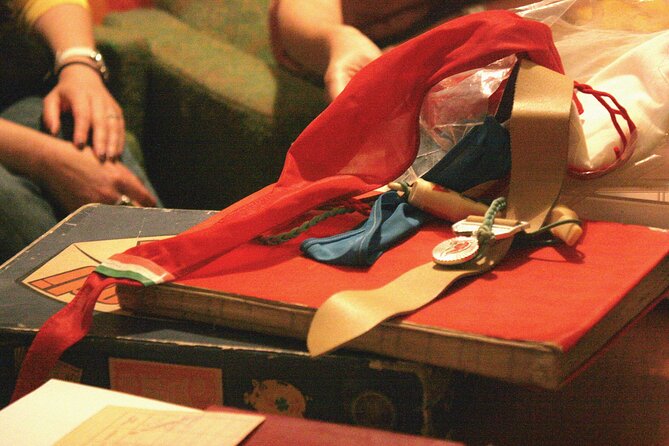
The biggest payoff for many people is the entry to the Budapest Retro Interactive Museum. The tour uses it as the bridge between big events and small realities: how families lived, how children were raised, how travel worked, and what daily obstacles felt like.
This museum experience is where the tour gets its practical, you-can-feel-it power. You’ll hear examples like how long it took to get a passport, and stories that range from black markets to banana lines—details that make the era tangible instead of abstract.
Some guides also add personal framing that makes the objects matter more. In past tours with guides such as Anna, Celeste, and George, the tone often turns into lived-in explanations rather than stiff lecturing—mixing historical context with everyday items and routines.
This is also the part that works best if you’re visiting Budapest for the first time. Walking landmarks tell you where things happened. The Retro museum helps you understand what life was like when those happenings weren’t headlines yet.
Shoes on the Danube Bank Holocaust memorial: a somber, necessary stop
The tour highlights include a visit connected to the Shoes on the Danube Bank Holocaust memorial. Even if you’ve seen it mentioned in guidebooks before, this tour context helps. It anchors the broader 20th-century story in the reality of persecution and mass murder—so the communist era narrative sits within a wider history of suffering in Hungary.
This is one of those stops where you should keep your phone put away. Give it a moment. The memorial’s strength is in how quietly it forces you to imagine absence.
Value and price: is $79.65 worth it?
At $79.65 per person for about 2 hours 30 minutes, this tour is priced for quality guidance and included experiences—not just sightseeing at multiple corners.
What you’re paying for:
- An English-speaking guide with a focused thread through WWI/WWII, the Revolution of 1956, and the Iron Curtain years.
- Multiple guided exterior stops tied to specific events.
- Entry included to the interactive Retro Museum.
- Coffee or tea or a soft drink included, a small but real comfort during a dense afternoon.
What could cost extra:
- Szent István Basilica admission is not included
- Parliament building admission is not included
Because several memorial stops are free, the main cost risk is choosing whether you want those two interiors. If you don’t need to go inside buildings, you can keep spending under control.
Also factor in the group size. Max 10 travelers means you’re less likely to feel like a number. In tours like this, that can be the difference between hearing names and truly understanding what those places meant.
Who should book this tour—and who might prefer something else
This is a strong fit if you:
- want a clear Hungary timeline without getting lost in dates,
- care about how politics shaped daily life,
- and like museum learning that uses recreated objects and stories.
It may be less ideal if you:
- want a light, casual afternoon (this is heavy material),
- need long museum time per stop (the format is short-burst),
- or struggle with hearing a guide outdoors (since there are no audio headsets).
It’s also not recommended under age 14, which makes sense given the subject matter and memorial components.
Should you book the Budapest Hammer & Sickle Communist Times Tour?
I’d book it if you want to understand Budapest beyond postcards. The mix of 1956 locations, Soviet-era memorials, and the Retro Interactive Museum makes the political story easier to remember because you’re learning it through people and objects, not just dates.
I wouldn’t book it if you’re mainly chasing architecture and quick photo stops. This tour is for you if you’re willing to slow down and learn what the city went through—and what it still remembers every October 23.
FAQ
How long is the Budapest Hammer & Sickle Communist Times tour?
It runs for about 2 hours 30 minutes (approx.).
When does it start and where do I meet?
It starts at 3:00 pm at Deák Ferenc tér 4, 1052 Hungary (Lutheran Church of Ferenc Deák Square).
Where does the tour end?
It ends near Liberty Square around Szabadság tér 1, 1054 Hungary.
What language is the tour offered in?
The tour is offered in English.
Is there an audio headset included?
No. There’s no audio equipment or headphones available on this tour.
What’s included in the price?
Included items are an English-speaking guide and coffee or tea or a soft drink.
Are any museum or monument tickets included?
Entry to the Budapest Retro Interactive Museum is included. Admission tickets for Szent István Basilica and the Hungarian Parliament Building are not included. The memorial/exhibition at In memoriam 1956. October 25 and the Imre Nagy monument stops are listed as free.
Is pickup or drop-off provided?
No. Pick-up and drop-off are not included.