REVIEW · FOOD
Budapest: Downtown Food Tour
Book on GetYourGuide →Operated by Essor · Bookable on GetYourGuide
Budapest can be eaten in layers. This downtown food tour strings together classic Hungarian flavors—then adds quick context on why they exist in the first place. I like that you get both the food basics and the city story, with guides such as George and Zoltan known for making the walking parts feel purposeful.
You should consider one tradeoff: it’s not purely a food sprint. There’s some site-seeing and storytelling between tastings, so if you want only maximum bites with minimal talking and walking, plan your expectations.
In This Review
- Key Things to Know Before You Go
- Downtown meets food: what this 3.5-hour crawl covers
- First stop: strudel and espresso at a local café house
- Langos on the street: Hungary’s snack culture
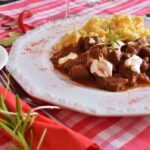
- Goulash soup in a classic restaurant
- Wine, sausages, cheese, and pickles at the finish
- Why the guide matters in Budapest’s food story
- Price check: is $115 a good deal?
- Logistics you should plan for
- Who this tour fits best (and who should skip it)
- Should you book this Budapest Downtown Food Tour?
- FAQ
- Where do I meet the guide?
- How long is the Budapest Downtown Food Tour?
- Is the tour guided in English?
- Is it a small group?
- What’s included in the price?
- What foods and drinks should I expect to try?
- Is hotel pickup or drop-off included?
- Is free cancellation available?
- Can I reserve now and pay later?
Key Things to Know Before You Go
- Small group (up to 10) keeps it easy to ask questions and get explanations at each stop.
- Food and drinks are included, so the $115 price covers the tasting portion rather than just the guide.
- Expect classic Hungarian items: homemade strudel, street langos, and goulash soup.
- The tour ends with a wine-and-sausage style pairing, plus pickled vegetables and local cheese.
- You meet at the Opera House Subway Station entrance with an orange umbrella, and the tour returns there.
Downtown meets food: what this 3.5-hour crawl covers

This is a guided “eat your way through Budapest” experience focused on the historic center and nearby neighborhoods. You’ll move between spots to sample regional dishes and drinks, with a local guide talking through Hungarian food culture along the way. The tour runs about 3.5 hours, and the exact start time depends on availability.
The meeting setup is simple: meet at the entrance of The Opera House Subway Station, and look for your guide holding an orange umbrella. The tour ends back at the same meeting point. That matters because you don’t need to line up a taxi later or worry about getting stranded in an unfamiliar part of town.
With a small group limited to 10, you’re more likely to get personalized pacing (and questions answered) instead of watching everything happen at a distance. It’s also a good format for first-timers who want a “starter course” idea of what Hungarian cuisine looks like in real life, not just in guidebooks.
You can also read our reviews of more food & drink experiences in Budapest


First stop: strudel and espresso at a local café house
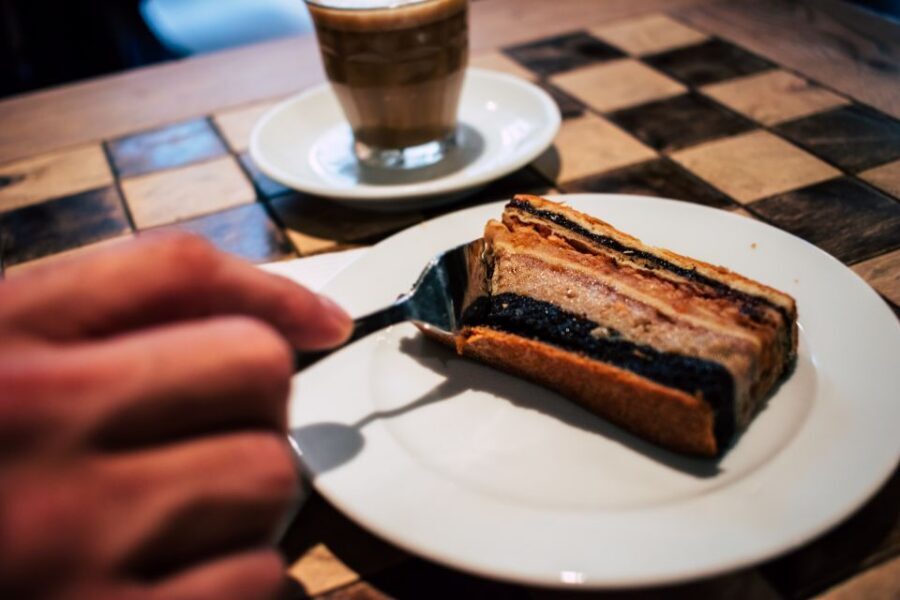
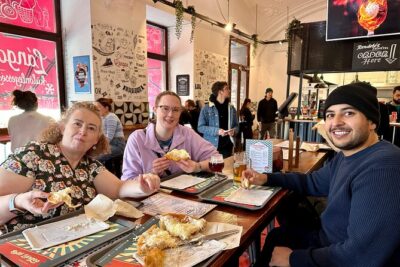
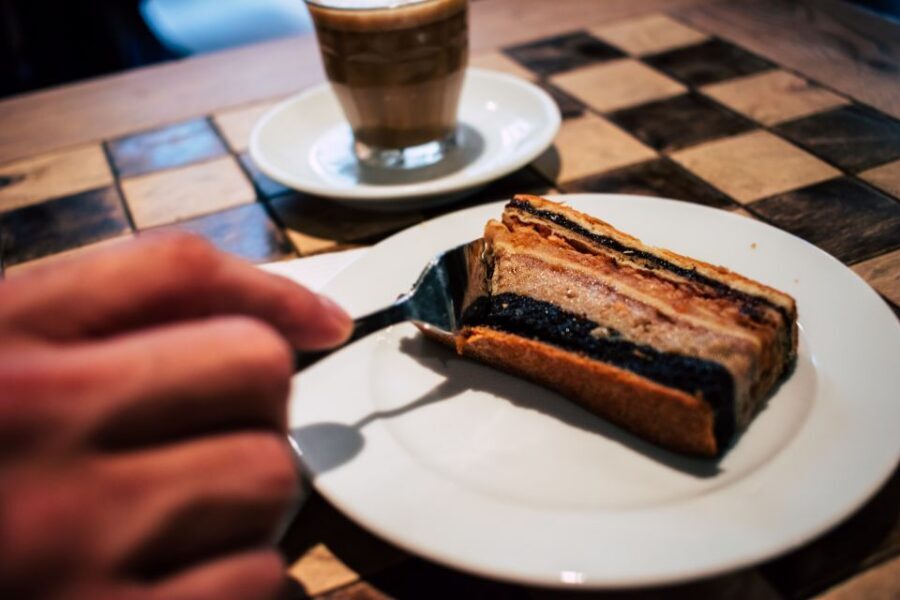
Most food tours try to start with something filling. This one starts with something distinctly Hungarian: homemade Hungarian strudel and an espresso at a local café house. It’s a smart opening move because it gives you a flavor baseline early—sweet pastry, light bitterness from coffee, and a sense of how everyday Hungarians eat between meals.
Why this works: strudel is the kind of dish you’ll see again and again across Central Europe, but Hungarian versions and serving styles can feel particular once you learn what to look for. Even if you’ve had strudel before, the “local café” beginning helps you notice how this tradition shows up on a plate, not just in a menu description.
Also, this kind of start keeps you from getting overwhelmed later. After coffee and pastry, the tour can shift into heavier savory items without feeling like you’re stuffing yourself from stop one.
Langos on the street: Hungary’s snack culture
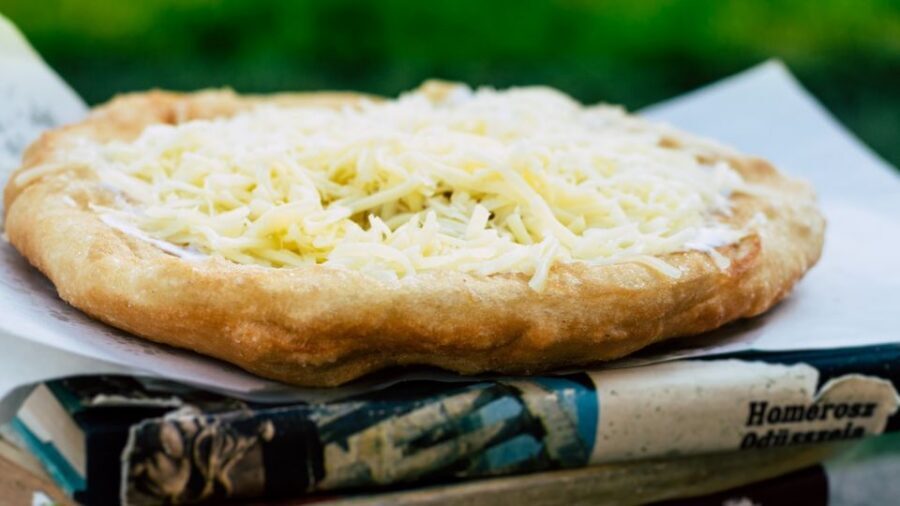
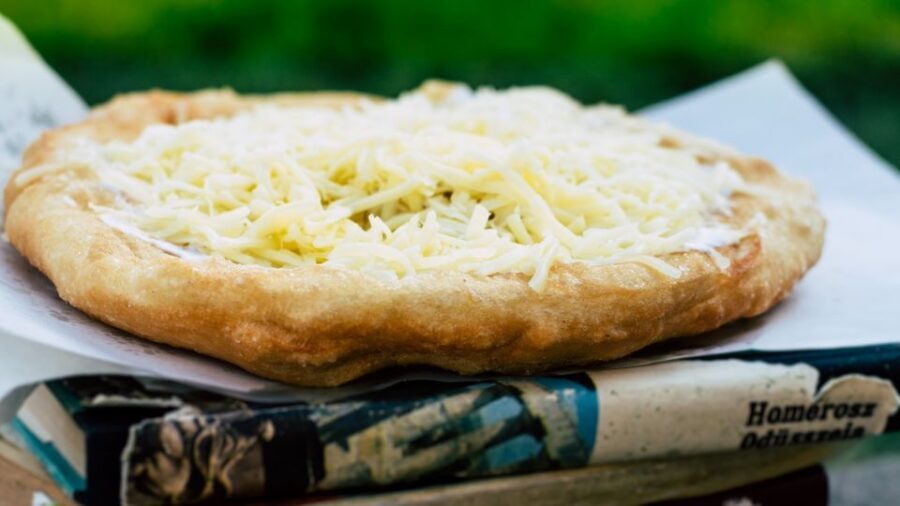
Next comes one of the most recognizable street foods in Hungary: langos at a street-food stand. Expect the tour to frame it as snack culture—quick, hearty, and meant for satisfying hunger while you keep moving through the city.
Langos is the kind of food that changes depending on where you get it: toppings, heat level, and texture can all vary. That’s exactly why it’s a great mid-tour stop. You’ll get a taste that feels casual and local, unlike the more formal sit-down meals later.
One practical note: street-food portions can be filling. If you’re the type who likes to snack slowly and take your time, you might want to pace yourself with the langos so you still have room for goulash and the final pairing.
Goulash soup in a classic restaurant
Then you settle into a classic: traditional goulash soup in a restaurant setting. This is where the tour switches gears from street-and-snack to comfort-food territory. Goulash is central to Hungarian identity, but it’s also a dish that can feel broad in the way people talk about it—so having a guide explain what you’re tasting helps you move beyond “it’s stew” and start noticing spice, consistency, and how it’s served.
The restaurant stop also gives you a needed rhythm break. Food tours are always a bit of walking. Having one sit-down course keeps it pleasant rather than exhausting.
If you’re sensitive to hunger timing, this middle stop is a helpful anchor. By the time you’re done with soup, you’ll be in that perfect zone where the rest of the tour can focus on variety, not just calories.
Wine, sausages, cheese, and pickles at the finish
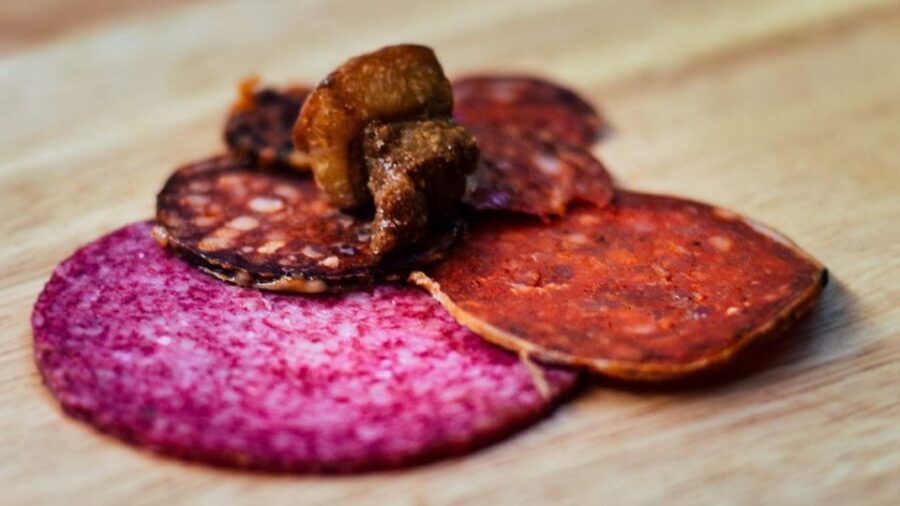
The finale is built for people who want to understand Hungarian flavors in “pairing mode.” You’ll taste finest and organic Hungarian wine alongside Hungarian sausages, pickled vegetables, and local cheese. There’s also mention of Secret Dish, which is an extra element the tour includes as part of its lineup.
This ending is valuable for two reasons:
- You see how Hungarian cuisine isn’t only about one hero dish. It’s about balancing salty, tangy, rich, and savory.
- Wine pairing turns the food into a fuller experience. Even if you don’t consider yourself a wine person, the pairing context helps you appreciate what each bite is trying to do.
One more thing I’d pay attention to: pickled vegetables. Tartness is what keeps richer foods from feeling heavy. If you’ve had Hungarian sausages or cheese before and found them too dense, the tour’s combination approach is the difference between “good food” and “food that actually makes sense together.”
You can also read our reviews of more tours and experiences in Budapest

Why the guide matters in Budapest’s food story
On a tasting tour, the food gets you in the door. The guide keeps you there. The strongest praise shows up around the guides’ passion and how they connect food to history and daily life.
Names like George and Zoltan come up in standout feedback, especially for mixing food explanation with short history walks and genuine conversation. That “mini history” style can be a big deal in Budapest, where cuisine overlaps with the city’s broader cultural influences. The tour description also points to influences ranging from France to Turkey, and a modern multicultural, youthful side of the city.
What I like about this approach is that it doesn’t turn the tour into a lecture. You’re walking, eating, and learning in small bursts, which tends to stick better than one long talk.
Dietary needs are also a real factor here. One example from a guide’s group included handling celiac disease without hesitation. If you have allergies or dietary restrictions, this is the kind of tour where you should message the operator ahead of time and share what you need clearly. The guide’s ability to adapt seems to be a real strength.
Price check: is $115 a good deal?
At $115 per person for about 3.5 hours, the value depends on what you’d otherwise pay if you built your own “try-a-bit-of-everything” plan.
Here’s the simple way I look at it:
- You’re paying for a local guide plus food and drinks included.
- The tasting list isn’t just one snack. It includes multiple stops and a final pairing with wine and several savory items.
If you’re the kind of visitor who wants to order a meal, add drinks, and still hunt down a pastry and a street food on your own, costs tend to stack up fast—especially in central areas. This tour tries to bundle that effort into one price, with less guesswork about where to go and what to order.
Is it cheaper than self-guided eating? Maybe. But if you want a guided food route that also explains what you’re eating—and you want it in a small group—this is the kind of pricing that can feel fair.
Logistics you should plan for
A few practical points before you go:
- No hotel pickup or drop-off. You meet at the Opera House Subway Station entrance.
- The guide waits with an orange umbrella, so arrive a few minutes early and you’ll find them fast.
- The tour is English, and the group stays small (up to 10 participants).
- Expect walking between stops. The tour covers multiple neighborhoods, not just one block.
Also, since the tour length is listed as 3.5 hours, it’s a good idea not to schedule something tight right after. You’ll finish back at the meeting point, but you’ll still want buffer time to grab a tram, metro, or your next meal.
Who this tour fits best (and who should skip it)
This tour is a strong match if you:
- Want a guided introduction to Hungarian food without reading a cookbook first.
- Like a mix of street food + sit-down dishes.
- Enjoy hearing the “why” behind what you’re eating—history in small portions, not endless lectures.
- Appreciate a calmer pace that a 10-person group supports.
It may be less ideal if you:
- Want a strict “eat only, move fast” format. Some time is spent on walking and city context.
- Are chasing purely visual sightseeing. This is a food-led tour, so expect more eating than major monument viewing.
If you like your tours slightly social—ask questions, talk to the guide, and compare bites with the group—this format tends to land well.
Should you book this Budapest Downtown Food Tour?
My take: book it if you’re hungry for variety and you want someone to connect the dots between Hungarian classics and Budapest’s larger cultural mix. The inclusion of food and drinks, the structured tastings (strudel, langos, goulash, and a wine-and-sausage-style finish), and the small group size are the biggest reasons it earns its price.
Skip it only if you’re very strict about “no sightseeing” or you prefer to move at lightning speed between bites. Otherwise, this is a well-paced way to eat through the city’s center and leave with more than just full hands—you’ll understand what you ate and why it matters.
FAQ
Where do I meet the guide?
Meet at the entrance of The Opera House Subway Station. Your guide will be waiting for you with an orange umbrella.
How long is the Budapest Downtown Food Tour?
The duration is about 3.5 hours. Starting times vary based on availability.
Is the tour guided in English?
Yes, the live tour guide speaks English.
Is it a small group?
Yes. The group is limited to 10 participants.
What’s included in the price?
Food and drinks are included, along with the guide.
What foods and drinks should I expect to try?
You’ll taste homemade Hungarian strudel with espresso, Hungarian langos at a street-food stand, traditional goulash soup in a classic restaurant, and a pairing of organic Hungarian wine with Hungarian sausages, pickled vegetables, and local cheese. There’s also a Secret Dish included.
Is hotel pickup or drop-off included?
No. Hotel pickup and drop-off are not included.
Is free cancellation available?
Yes. You can cancel up to 24 hours in advance for a full refund.
Can I reserve now and pay later?
Yes. The tour offers reserve now & pay later, so you can book without paying today.